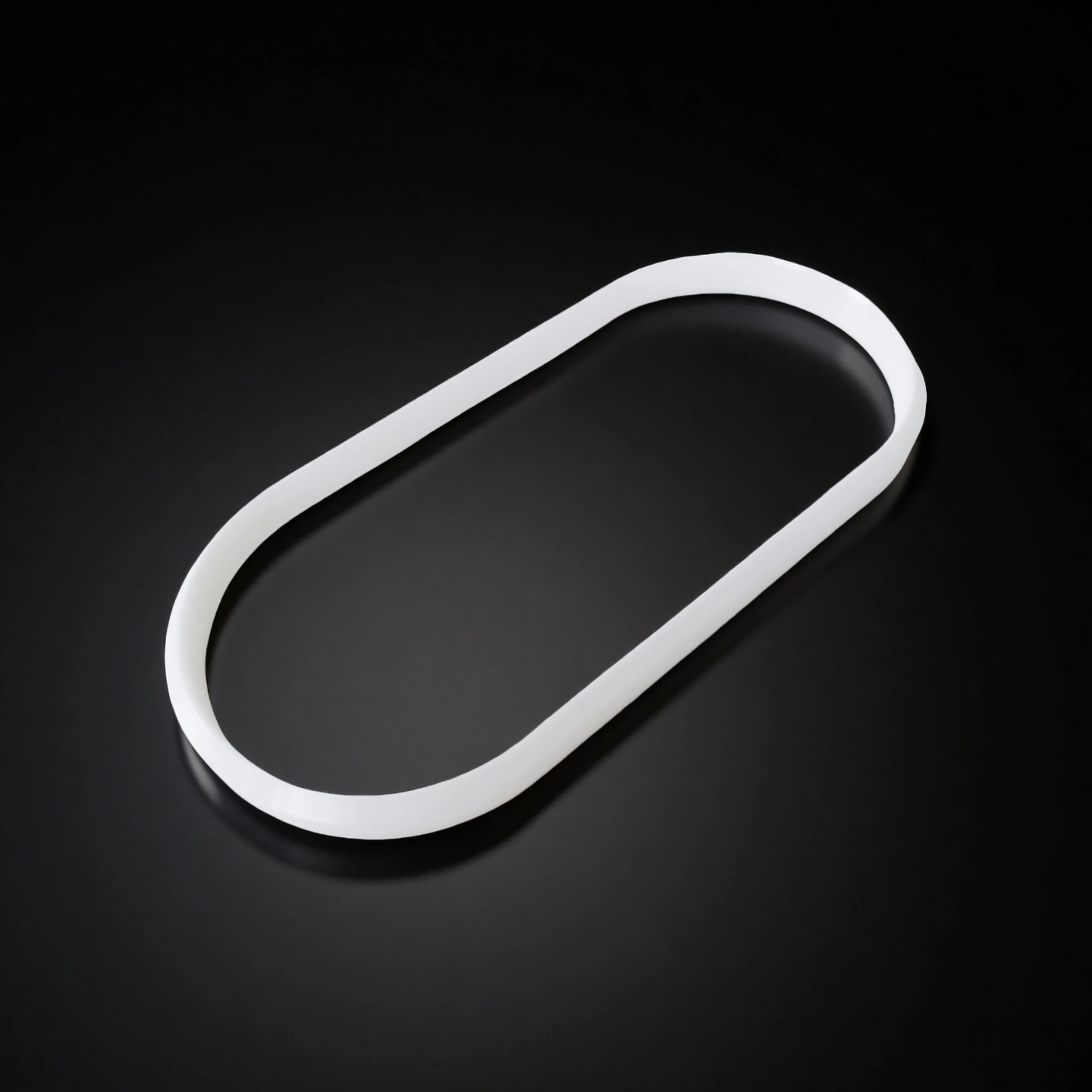
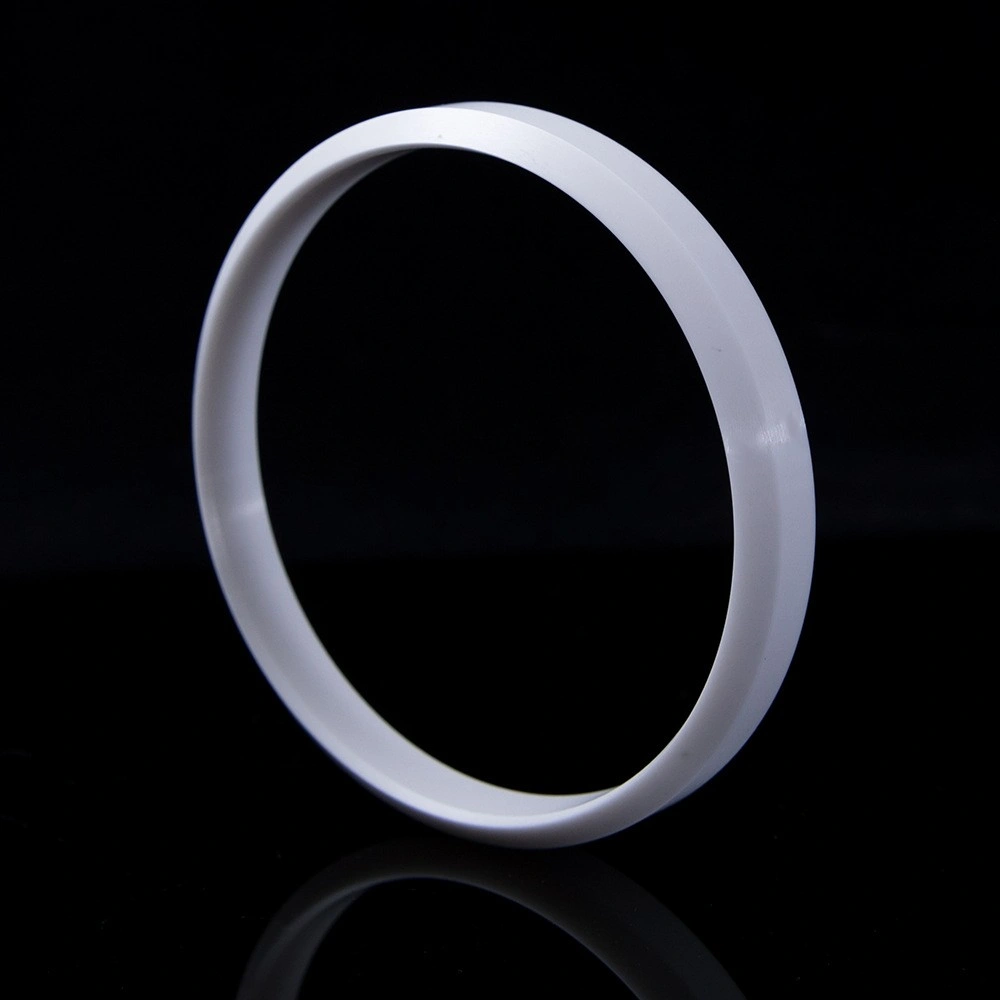
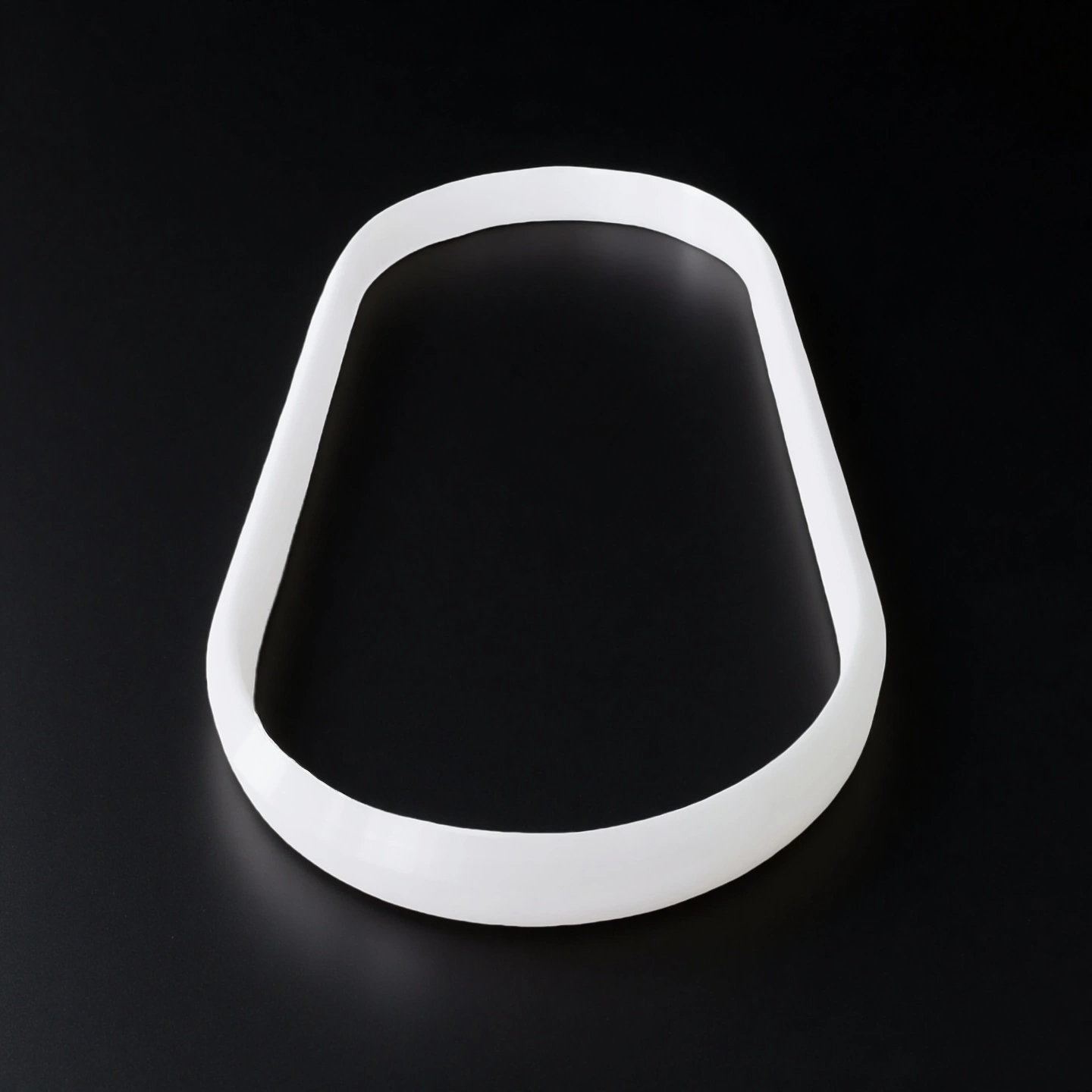
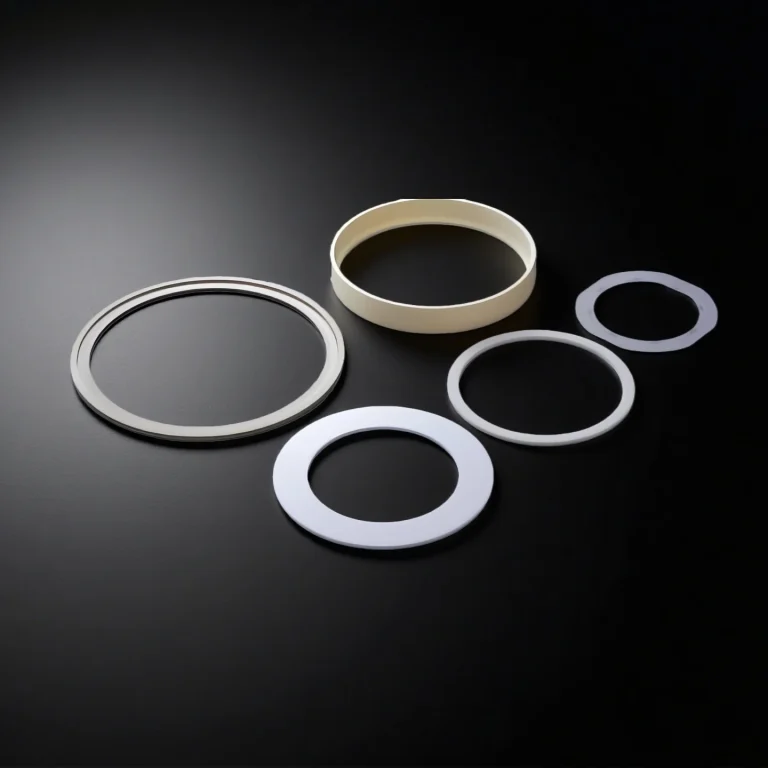
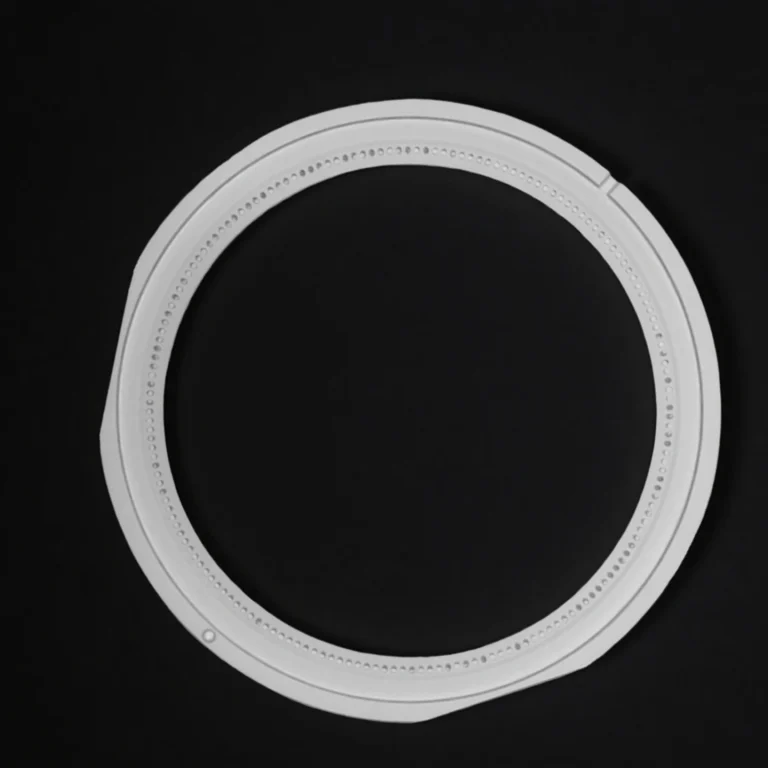
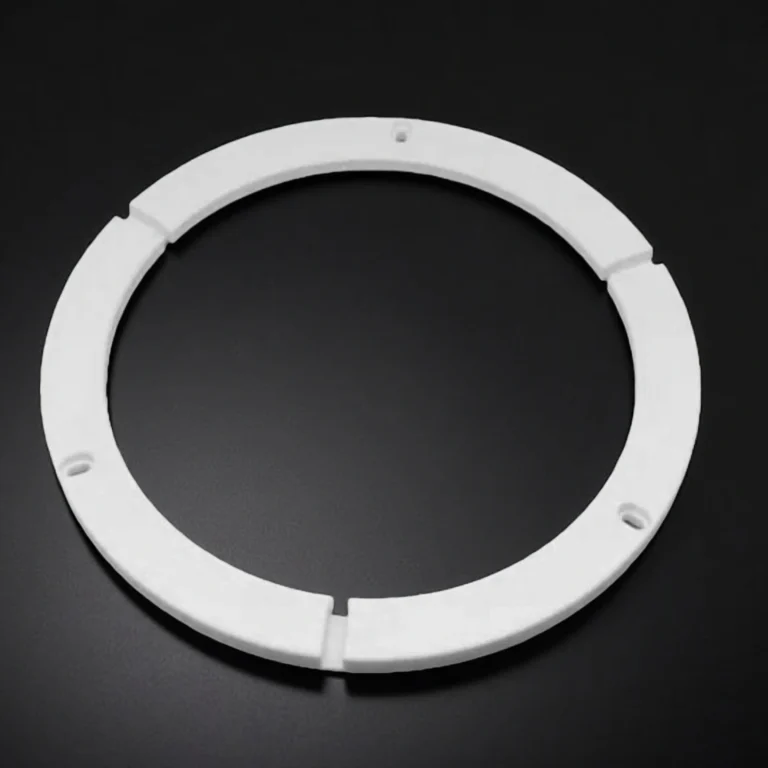
ADCERAX® Zirconia pad printing ceramic ring is manufactured from yttria‑stabilized zirconia powder and sintered at high temperature to achieve a dense, stable structure suitable for sealed ink cup systems. It provides a firm and clean seal to prevent ink leakage while maintaining smooth doctoring contact, supporting consistent ink transfer during continuous printing cycles. This component is widely used in automotive, electronics, and toy product printing environments where long service life, thermal resistance, and wear stability are essential.
Key Performance Features of Zirconia Pad Printing Ceramic Ring
-
Up to 8× Longer Life
Compared to stainless steel rings, the zirconia pad printing ceramic ring lasts up to 8 times longer, reducing line interruptions and downtime across multi-shift operations.
-
Wear Rate < 1.0 µm/Million Cycles
Under accelerated abrasion tests, zirconia rings show < 1.0 µm material loss per 1 million cycles, compared to ≥ 8.0 µm for metal equivalents.
-
≥ 2,400 Hours Runtime per Ring
Field data from automotive pad printers indicate zirconia rings can operate over 2,400 hours, while steel rings often fail within 300–400 hours.
- Hardness ≥ HRA 88
The zirconia pad printing ceramic ring maintains a Vickers hardness level of HRA 88–90, enabling precise doctoring and long-term edge sharpness.
- Fracture Toughness ≥ 8 MPa·m½
Its dense microstructure and nano-grain size (≤ 0.4 µm) support crack resistance under operational stress.
- Flexural Strength ≥ 1,000 MPa
High bending strength contributes to mechanical reliability in automated printing setups with varying load cycles.
- Corrosion Rate < 0.01%/Year
Zirconia shows negligible corrosion in acidic and alkaline ink environments, maintaining dimensional integrity under repeated solvent exposure.
- Self-Lubrication (μ ≈ 0.15)
The low friction coefficient minimizes drag, improving ink film uniformity and preventing cliché damage.
- Surface Roughness ≤ 0.2 µm
Mirror-polished surface achieves tight ink sealing and prevents micro-leakage over long-term use.
Technical Properties of Zirconia Pad Printing Ceramic Ring
Engineered for high-load ink cup sealing systems, the zirconia pad printing ceramic ring demonstrates exceptional hardness, thermal endurance, wear resistance, and surface finish consistency under demanding industrial printing conditions.
| Property |
Specification |
| Material Type |
Yttria-Stabilized Zirconia (Y-TZP) |
| Purity |
≥ 99.8% ZrO₂ + Y₂O₃ |
| Bulk Density |
≥ 6.0 g/cm³ |
| Surface Roughness (Ra) |
≤ 0.2 µm (mirror-polished) |
| Hardness |
HRA 88–90 |
| Fracture Toughness (KIC) |
≥ 8 MPa·m½ |
| Flexural Strength |
≥ 1,000 MPa |
| Compressive Strength |
≥ 2,000 MPa |
| Thermal Expansion Coefficient |
~10.3 × 10⁻⁶/K (25–800 °C) |
| Maximum Operating Temperature |
1,200 °C (continuous) |
| Corrosion Resistance |
Inert to acids, alkalis, solvents |
| Electrical Resistivity |
≥ 10¹² Ω·cm |
| Thermal Shock Resistance |
ΔT ≥ 300 °C without cracking |
| Wear Rate |
≤ 1.0 µm / 1 million cycles |
| Magnetic Properties |
Non-magnetic |
Specifications of Zirconia Pad Printing Ceramic Ring
Packaging of Zirconia Pad Printing Ceramic Ring
The zirconia pad printing ceramic ring is securely housed in anti-static foam with recessed contours to prevent movement during transport. Each unit is individually boxed to protect against impact and contamination. This packaging ensures surface integrity is maintained from our factory to your production line.
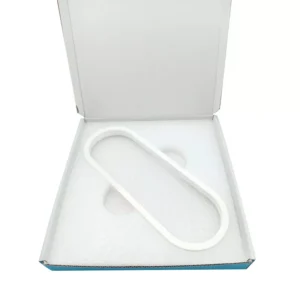
ADCERAX® Zirconia Pad Printing Ceramic Ring Resolves Precision Sealing and Durability Challenges in Industrial Printing Systems
Engineered for precision in sealed ink cup applications, the ADCERAX® zirconia pad printing ceramic ring is relied upon in fast-paced, solvent-rich production environments where print clarity, ink containment, and uptime directly affect throughput. From automotive component marking to small-format consumer goods branding, this ceramic ring delivers stable doctoring and long-cycle performance where metal alternatives fall short.
-
Zirconia Pad Printing Ceramic Ring in Automotive Dashboard Symbol Printing
✅Key Advantages
1. Edge Sharpness Retention Under Multi‑Shift Loads
The ring maintains its doctoring edge geometry with wear depth ≤ 1.0 µm per 1 million cycles, preventing ink creep during continuous production. This stability keeps print definition consistent even on textured dashboard surfaces.
2. Stable Sealing Contact for Curved Components
Mirror‑finished surface Ra ≤ 0.2 µm ensures uniform contact pressure across curved and contoured plastic components. This prevents micro‑leakage and reduces ink halo effects in backlit icons.
3. Long‑Cycle Operation Matching Automotive Shift Patterns
Demonstrated runtime ≥ 2,400 hours before measurable sealing performance decay. This endurance aligns with automotive Tier‑1 line maintenance intervals and reduces unscheduled downtime.
✅ ️Problem Solved
A Tier‑1 automotive interior supplier experienced recurring ink seepage on curved HVAC panel components, leading to 7–12% print rejection rates and cleaning stoppages every 10–14 days when using stainless‑steel rings. After switching to ADCERAX® zirconia pad printing ceramic rings, sealing uniformity remained stable across multi‑shift operations, extending cleaning intervals to over 6 weeks. Dashboard symbol clarity improved measurably, and line stoppages linked to ink containment dropped by over 60%, directly reducing rework costs and maintaining continuous production uptime. The improved durability also reduced ring replenishment frequency from monthly to quarterly cycles.
-
Zirconia Pad Printing Ceramic Ring in High‑Density Electronic Keypad Printing
✅Key Advantages
1. Controlled Doctoring Force for Thin Clichés
With hardness HRA 88–90, the ring preserves a precise scraping edge without increasing plate stress. This prevents premature cliché wear in shallow micro‑engraved patterning.
2. Low‑Friction Transfer for Fine Line Detail
A friction coefficient of μ ≈ 0.15 supports smooth, low‑resistance ink film movement. This enables crisp symbol edges and consistent micro‑character impression quality.
3. Non‑Magnetic and Electrically Inert in Cleanroom Lines
The ring’s non‑magnetic and ≥10¹² Ω·cm resistivity prevents interference with static‑controlled keypad assembly environments. This avoids dust attraction and alignment drift common with metallic interfaces.
✅ ️Problem Solved
An electronics manufacturer producing compact keypad interfaces for hand‑held communication devices reported cliché surface scoring and label misalignment after 120,000–150,000 cycles using steel doctor rings. Switching to ADCERAX® zirconia pad printing ceramic rings prevented micro‑abrasion of the shallow etching grid and stabilized ink flow across repeated cycles. The result was an extension of usable cliché life to 800,000+ cycles, a reduction of misprint‑related scrap by over 70%, and elimination of tool‑induced pattern distortion previously impacting small character clarity. This directly supported ISO cleanroom yield expectations without modifying the press setup.
-
Zirconia Pad Printing Ceramic Ring in Toy Surface Branding with UV Curing Inks
✅Key Advantages
1. Corrosion Resistance in UV and Solvent‑Rich Inks
With corrosion rate < 0.01%/year, the ring maintains sealing quality when exposed to UV‑curable ink chemistries. This prevents edge pitting common in stainless‑steel rings.
2. Edge Integrity Maintained Under UV Heat Loading
The material withstands thermal exposure up to 1,200 °C with no deformation. This preserves ink film uniformity during fast‑cure lamp cycles.
3. Consistent Layer Application on Textured Plastics
Surface finish of Ra ≤ 0.2 µm supports uniform ink release even on uneven toy-grade polymers. This ensures compliance markings and branding remain legible across batch production.
✅ ️Problem Solved
A large toy manufacturing plant using UV inks reported frequent ring corrosion and edge distortion, generating inconsistent ink layers and blurred compliance markings. These print defects resulted in batch rework and product labeling failures, particularly during multi‑color passes. After adopting ADCERAX® zirconia pad printing ceramic rings, edge geometry remained stable across repeated UV cure cycles, and print clarity remained consistent even on textured plastic pieces. The factory documented a 72% reduction in print rejection rates and extended ring replacement intervals from every 3–4 weeks to once every 5–6 months, significantly reducing inspection workload and scrap losses.
ADCERAX® Zirconia Pad Printing Ceramic Ring Operational Guide for Optimized Performance
The zirconia pad printing ceramic ring by ADCERAX® is engineered for high-precision industrial environments, but optimal results require careful setup, proper maintenance, and environment-specific adjustments. This section offers practical recommendations to extend service life, reduce printing defects, and maintain seal consistency under continuous operations.
-
Installation Guidelines for Ink Cup Assemblies
1. Surface Cleaning Protocols
Before installation, ensure the cliché surface and ring sealing edge are completely free of dust, ink residues, or fiber particles. Any contamination can lead to micro-leakage or improper contact pressure. Use lint-free cloths and ethanol-based cleaners for best results.
2. Torque Application Controls
Avoid over-tightening when mounting the ring into the ink cup system—apply only the specified torque recommended by your equipment manufacturer. Excessive pressure may compromise the ring’s geometry or induce hairline fractures. Use calibrated torque tools for consistency.
3. Alignment with Cliché Plate
Check that the ceramic ring sits perfectly flush and level with the plate surface. Uneven alignment introduces blade chatter and irregular doctoring marks. Use feeler gauges or laser flatness probes to verify the fit.
-
Routine Cleaning and Inspection Procedures
1. Daily Wipe-Down Practices
After each production shift, gently wipe the ceramic ring surface with IPA or ethanol to prevent ink buildup. Avoid abrasive materials that could scratch or dull the sealing edge. Maintain surface gloss to ensure doctoring efficiency.
2. Weekly Microdefect Checks
Inspect the sealing and doctoring edges under magnification (≥50x) for edge chips, wear notches, or gloss fading. Small irregularities can quickly escalate to print defects. Use optical comparators for reliable evaluation.
3. Chemical Compatibility Assurance
If using UV-curable or solvent-heavy inks, verify that the cleaning agents do not compromise zirconia surface integrity. Some aggressive solvents can leave invisible etching over time. Refer to ADCERAX® compatibility charts for approved agents.
-
Optimizing Printing Parameters for Long-Term Performance
1. Print Cycle Calibration
Fine-tune the doctor blade pressure and stroke speed based on ring edge condition and ink type. Excessive blade contact increases wear and ink smearing. Adjust parameters every 50,000 cycles or after each ring replacement.
2. Temperature Stability Monitoring
Maintain the operating temperature of the print room between 20°C–28°C with ≤60% humidity. Higher temperatures accelerate solvent evaporation and ring wear. Use environmental data loggers to track deviations.
3. Ink Compatibility Testing
Conduct compatibility testing with new ink formulations before initiating batch production. ADCERAX® zirconia rings perform best with mid-viscosity inks; ultra-thin inks may require sealing torque adjustments.
-
Storage and Handling Best Practices
1. Anti-Shock Packaging Retention
Retain original foam-inserted packaging for safe storage between production cycles. This minimizes edge chipping from accidental drops or vibration. Avoid stacking rings without separators.
2. Humidity and Dust Control
Store unused rings in low-humidity cabinets (<45%) with HEPA-grade dust filters. Moisture and dust accumulation compromise sealing accuracy. Desiccant packets should be replaced monthly.
3. Handling Precaution Protocols
Always handle with non-metallic tweezers or nitrile-gloved hands to prevent surface oil transfer or micro-scratching. Direct contact with metal tools can reduce ring lifespan by up to 20% due to edge abrasion.