Alumina Crucible: A Key High-Temperature Solution for Industrial and Laboratory Applications
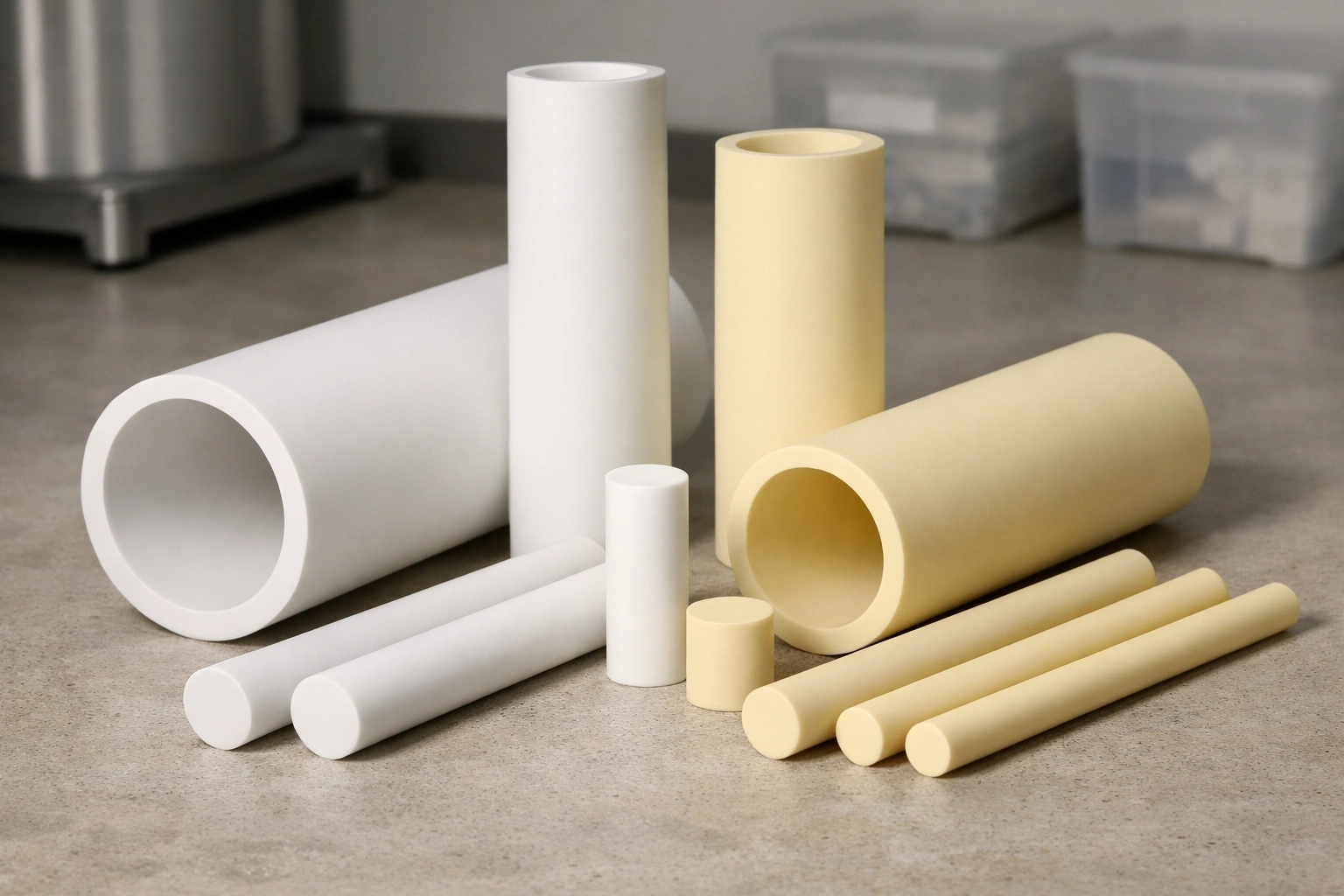
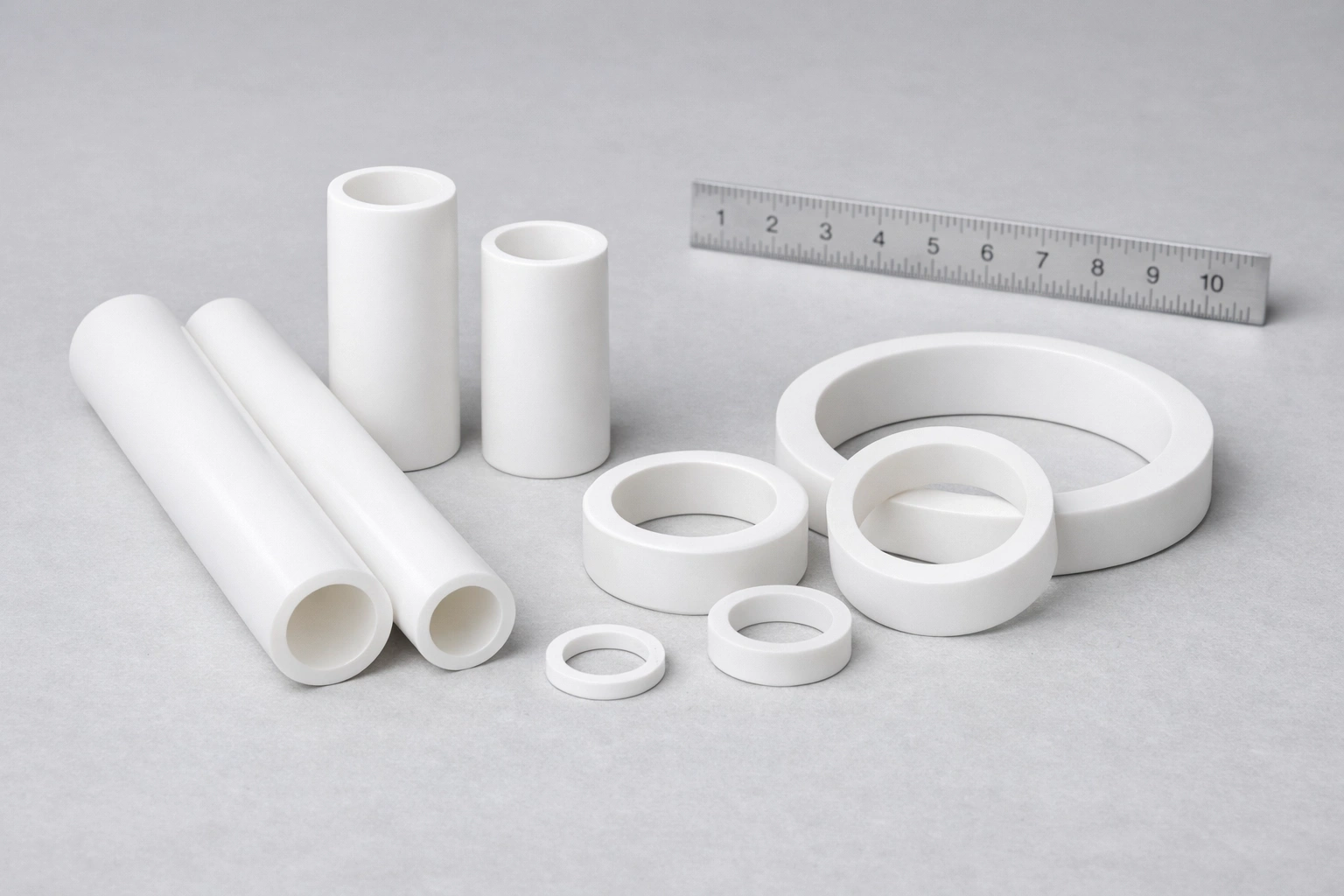
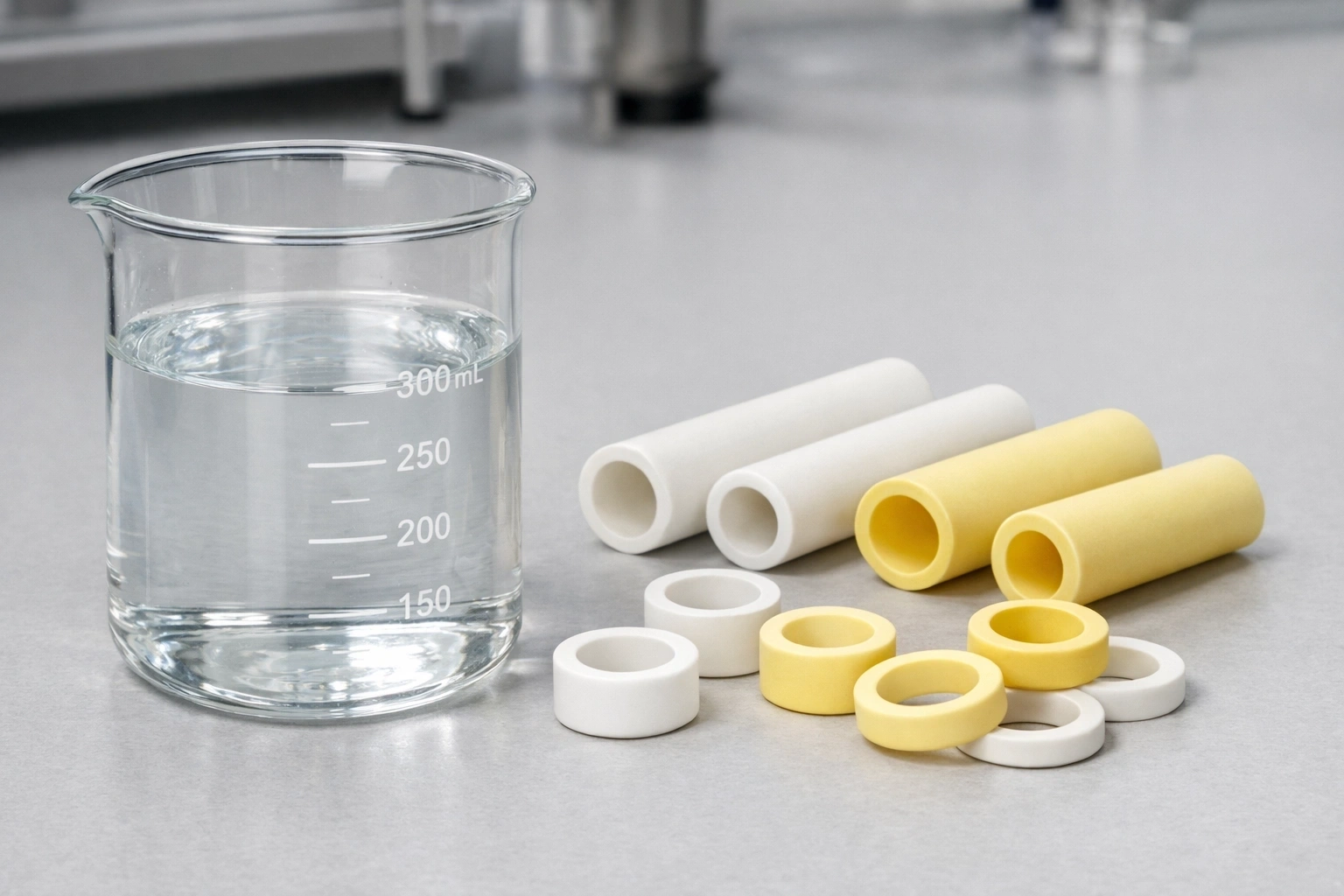
Alumina crucible is widely recognized as a fundamental high-temperature container, and it serves as the cornerstone of many scientific and industrial heating operations.
This article provides a structured overview of the alumina crucible, offering a clear explanation of its definition, material basis, structural attributes, key properties, and functional significance across diverse thermal environments.
In this discussion, the focus moves progressively from the essential identity of the alumina crucible toward the deeper implications of its material characteristics, thereby creating a coherent understanding of why this ceramic vessel occupies an indispensable position in modern laboratory and industrial settings.
The Fundamental Nature of an Alumina Crucible
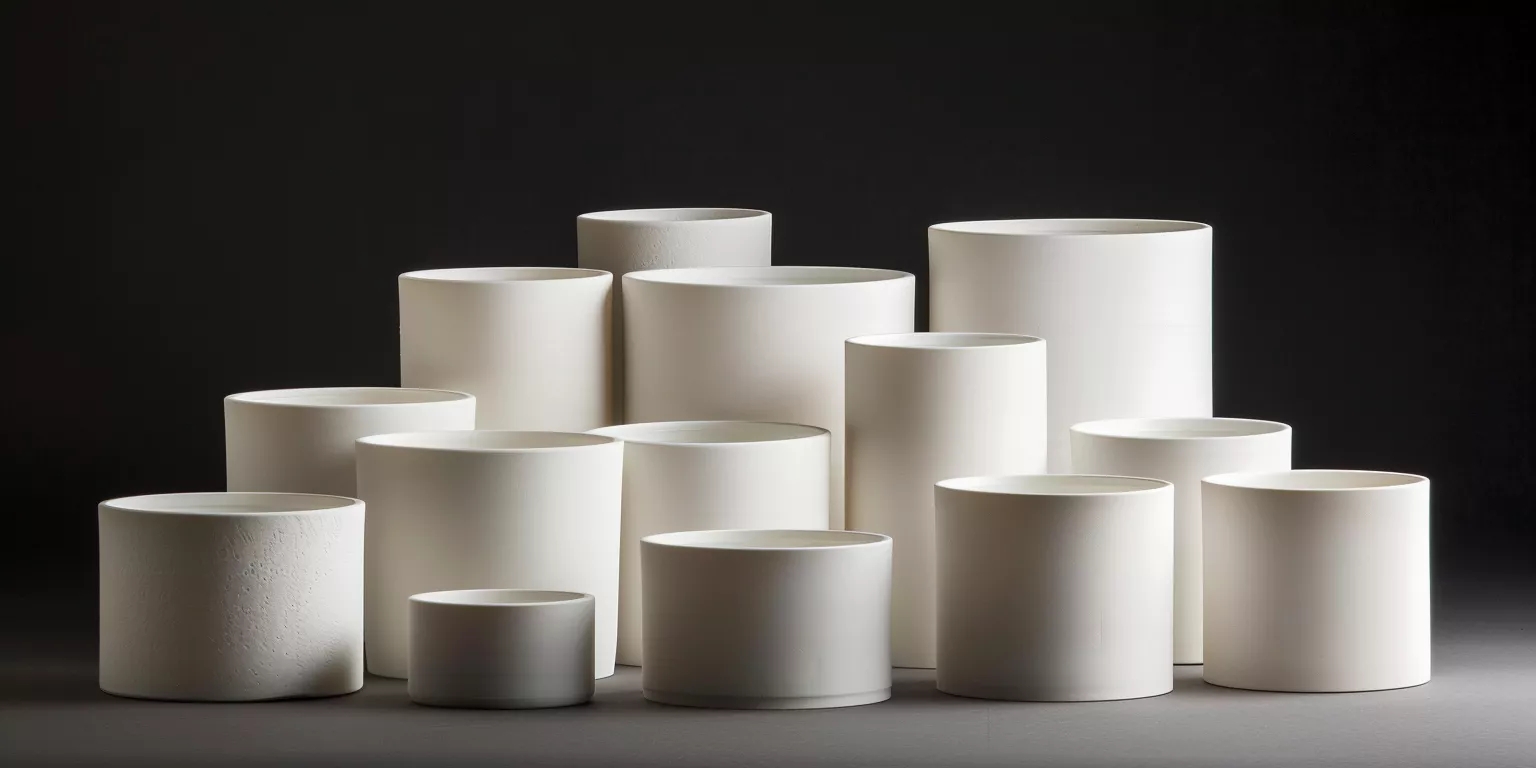
Alumina crucible represents a specialized ceramic vessel engineered for sustained exposure to elevated temperatures, and it holds a central role as a containment medium for solid, liquid, or reactive material transformations. Moreover, its definition is anchored in the intrinsic stability of high-purity alumina, a ceramic oxide whose thermal endurance exceeds 1600°C and whose inert behavior under heating cycles enables predictable experimental performance. Consequently, the alumina crucible is interpreted as both a structural object and a functional instrument whose identity derives from the synergistic interaction between material purity, crystalline architecture, and thermomechanical resilience.
Furthermore, the identity of an alumina crucible is shaped by its classification within the broader family of engineered oxide ceramics, and it is recognized for its superior resistance against deformation during prolonged heating. Additionally, its form is deliberately minimalistic—typically cylindrical or conical—to ensure uniform stress distribution during thermal expansion, and this geometric simplicity, combined with its ceramic nature, strengthens its definition as a vessel optimized for high-temperature containment. Ultimately, the essential nature of an alumina crucible reflects a balance between material durability and the structural neutrality required to support precise thermal processes.
In essence, the alumina crucible is defined not only by its shape but also by its distinct behavior under thermal load, and its function is inseparable from the ceramic chemistry that governs its stability. Accordingly, the definition encompasses three inseparable dimensions: a ceramic body based on Al₂O₃, a design meant for stable high-temperature operation, and a functional role that imposes strict requirements on purity, thermal endurance, and mechanical consistency.
The Material Basis and Microstructural Characteristics of Alumina Crucibles
Alumina crucible relies on a ceramic matrix dominated by high-purity Al₂O₃, and this composition establishes the foundation for its exceptional thermal and chemical stability. Moreover, the powder used for producing an alumina crucible typically undergoes controlled milling to achieve a narrow particle-size distribution, and this uniformity contributes directly to predictable sintering behavior and consistent densification during fabrication. Consequently, the material constitution of an alumina crucible forms the essential groundwork from which all its later performance characteristics emerge.
Furthermore, the microstructural features of an alumina crucible depend heavily on the crystalline form of α-Al₂O₃1, whose hexagonal close-packed structure ensures stability at high temperatures. Additionally, controlled porosity, usually maintained between 5% and 15%, influences permeability, thermal shock resistance, and mechanical reliability across repeated heating cycles. Therefore, the internal architecture—grain boundaries, pore connectivity, and crystalline orientation—plays an indispensable role in determining how the alumina crucible responds under thermal and mechanical stresses.
In brief, the fundamental construction of an alumina crucible reflects a balance between powder characteristics, crystalline phase purity, and engineered porosity, and each of these factors must align to produce a vessel capable of supporting demanding scientific and industrial thermal processes. Accordingly, the structural foundation of the alumina crucible stands as the primary constraint that defines its operational capabilities and performance boundaries.
Physical, Thermal, and Chemical Properties That Characterize Alumina Crucibles
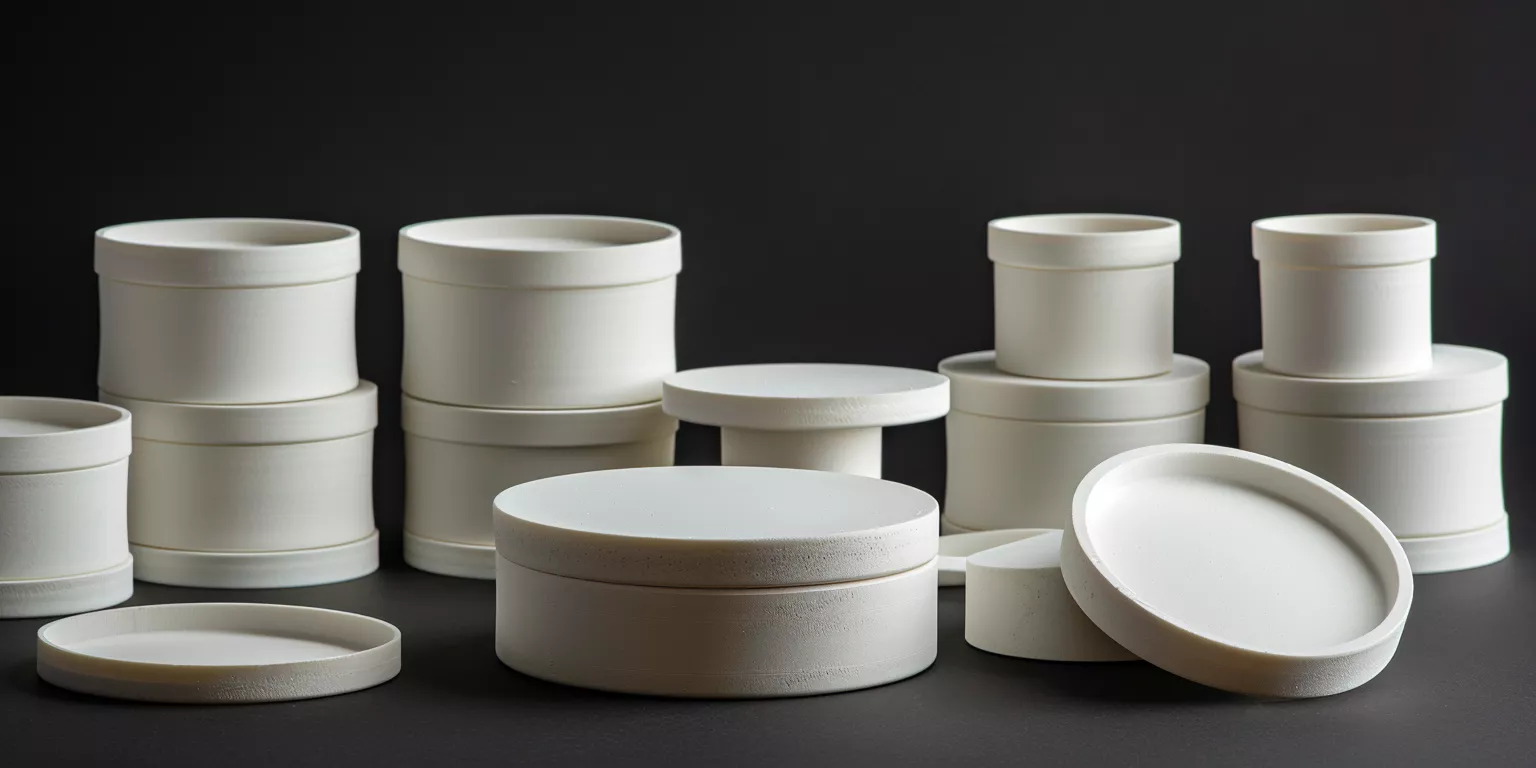
Alumina crucible possesses a set of physical and thermal attributes that distinguish it from common ceramic materials, and these attributes collectively support its performance in elevated-temperature environments. Moreover, its melting point above 2000°C and operational stability beyond 1600°C enable sustained exposure to high thermal loads without structural collapse or dimensional distortion. Consequently, the alumina crucible becomes an essential choice in workflows requiring a predictable response to extreme heat.
Furthermore, the chemical stability of the alumina crucible is equally critical, and it resists interaction with oxides, silicates, molten metals, and many corrosive atmospheres. Additionally, its chemical inertness, supported by the bonding characteristics of Al₂O₃ ensures it undergoing testing, melting, or transformation remain uncontaminated by the crucible body. Therefore, its chemical neutrality supports a wide range of high-purity analytical processes and material investigations.
In addition, the mechanical properties of the alumina crucible—namely compressive strength above 150 MPa and controlled porosity typically between 5% and 15%—provide resilience against cracking and thermal-shock-induced failure. Likewise, its microstructural density promotes dimensional stability, and its moderate thermal conductivity facilitates uniform heat distribution across the crucible wall. Ultimately, these physical, thermal, and chemical properties converge to define the alumina crucible as a structurally reliable and chemically stable vessel for demanding scientific and industrial heating applications.
How Core Properties Deepen the Fundamental Definition of an Alumina Crucible
This section explains how essential material properties reinforce the scientific meaning of an alumina crucible and establish its identity as a stable high-temperature ceramic container.
High-Temperature Stability
High-temperature stability reflects the ability of an alumina crucible to maintain its geometry under sustained high heat. Moreover, this property supports consistent thermal behavior up to temperatures near 1700°C. Additionally, the stability reinforces the crucible’s identity as a reliable high-temperature containment body.
- Stability Demonstrated Under Progressive Heating Conditions
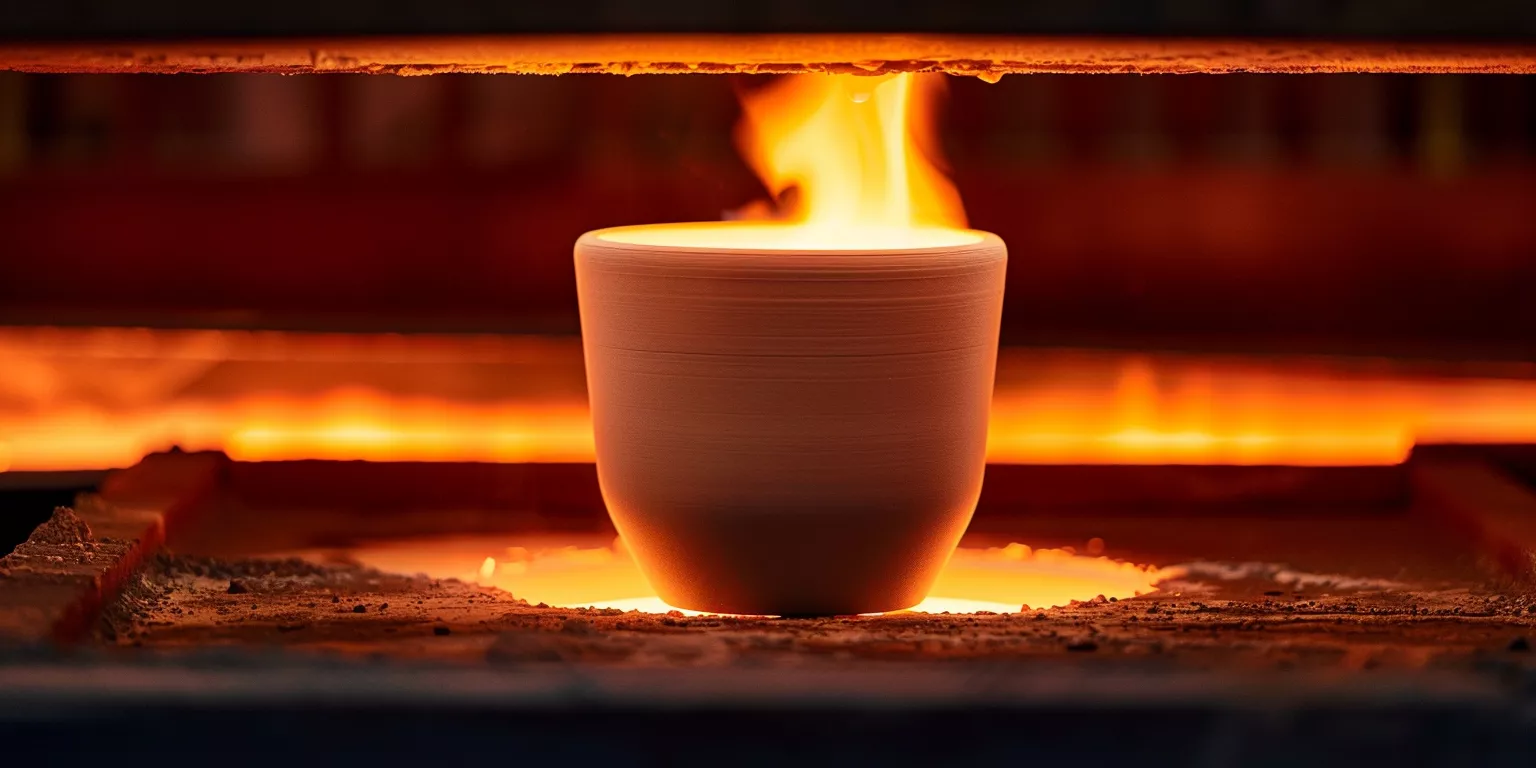
Many experiments involve progressive heating that exposes materials to steady thermal increases. Additionally, alumina crucibles show dimensional change under 0.5% at 1500°C, and this stability supports accurate material evaluation. Moreover, grain size remains in the 2–4 μm range under heating rates of 10–20°C/min, and this predictability ensures consistent thermal performance. Therefore, the alumina crucible acts as a dimensionally stable high-temperature tool.
| Property | Typical Range | Meaning |
|---|---|---|
| Dimensional change (%) | ≤0.5 | Shape retention during high-temperature steps |
| Grain size (μm) | 2–4 | Controlled microstructure across heating |
| Heating rate (°C/min) | 10–20 | Stable response during progressive ramps |
- Stability Maintained During Exposure to Molten Metallic Systems
Molten metal processes impose both thermal and mechanical loads on the container. Furthermore, alumina crucibles retain structural stability when holding molten aluminum in the 800–900°C range, and this resistance improves surface consistency. Moreover, mass change remains below 1% after repeated exposure cycles, and this supports reproducible melt behavior. Consequently, the alumina crucible serves as a stable nonreactive vessel for molten systems.
| Property | Typical Range | Meaning |
|---|---|---|
| Melt temperature (°C) | 800–900 | Stable structure under metal exposure |
| Mass change (%) | ≤1 | Minimal loss through repeated cycles |
| Structural deviation | Very low | Maintains vessel integrity |
- Stability Preserved in Uniform and Cyclic Furnace Operations
Cyclic furnace programs subject ceramics to repeated heating and cooling. Additionally, alumina crucibles remain structurally stable after 50–100 cycles, and this endurance supports long-term furnace operation. Moreover, surface roughness change stays under 1 μm during such cycles, and this behavior prevents unwanted irregularities. Hence, the alumina crucible defines itself as a thermally durable body.
| Property | Typical Range | Meaning |
|---|---|---|
| Cycle endurance | 50–100 cycles | Stability under repeated heating |
| Roughness shift (μm) | ≤1 | Smooth surface retention |
| Density variation (%) | ≤0.5 | Bulk stability preserved |
Chemical Inertness
Chemical inertness expresses the ability of alumina to resist reactions that may contaminate samples. Furthermore, the inertness protects material purity during processes involving heat and atmosphere exposure. Additionally, this behavior strengthens the crucible’s identity as a clean containment medium.
- Inert Behavior Observed in High-Purity Analytical Procedures
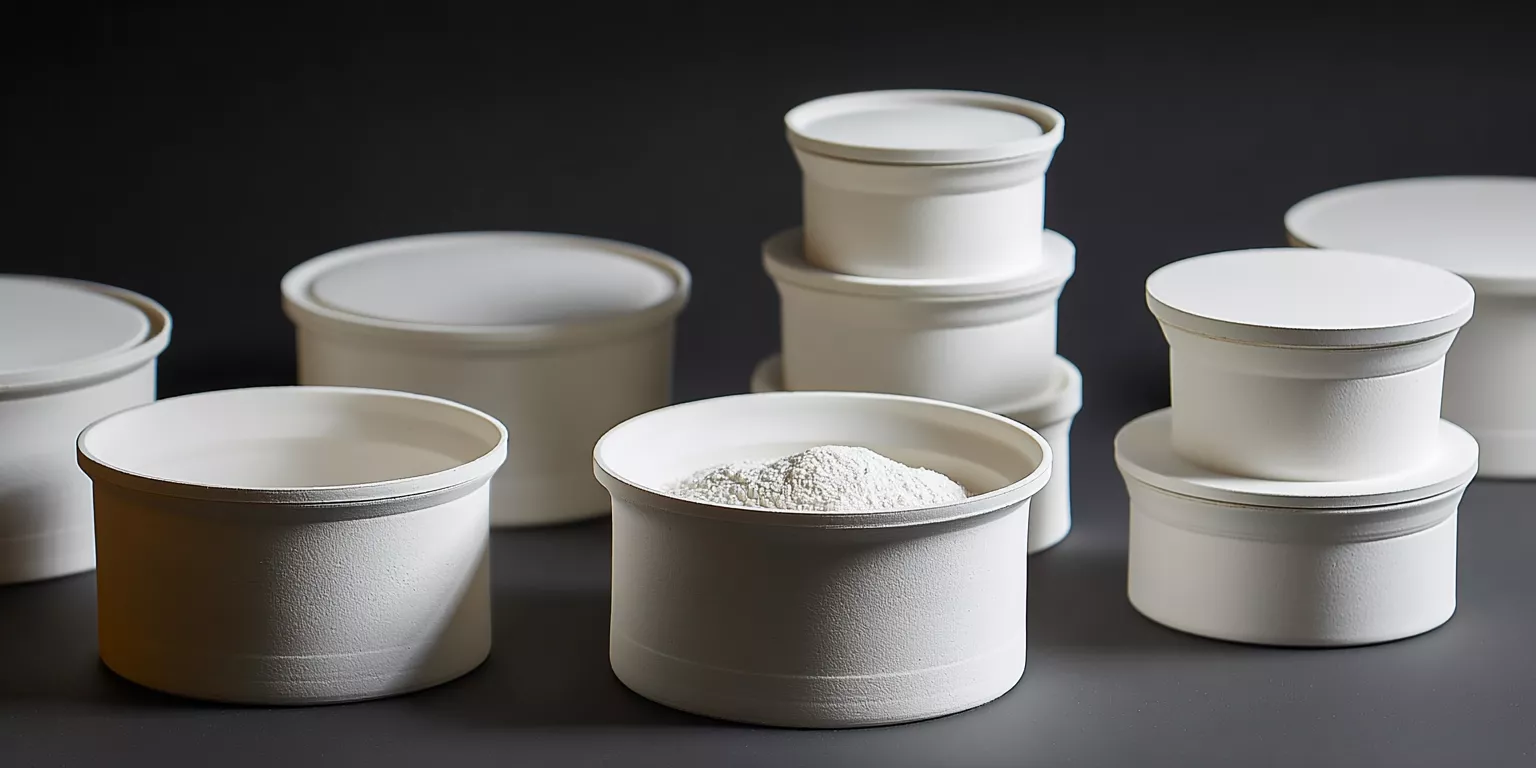
High-purity procedures require control of contamination sources. Moreover, alumina crucibles typically release under 5 ppm of ionic residue during 1200°C heating, and this supports stable chemical environments. Additionally, adsorption loss2 remains under 0.1%, and this preserves sample mass consistency. Additionally, adsorption loss remains under 0.1%, and this preserves sample mass consistency. Therefore, the alumina crucible acts as a noncontaminating analytical container.
| Property | Typical Range | Meaning |
|---|---|---|
| Ionic residue (ppm) | <5 | Clean performance during heating |
| Adsorption loss (%) | <0.1 | Stable sample mass |
| Surface alteration | Minimal | Maintains chemical neutrality |
- Inert Interface Maintained With Oxide and Silicate Systems
Oxide and silicate tests3 depend on steady chemical boundaries. Furthermore, alumina crucibles exhibit reaction layer thickness below 1 μm at 1100°C, and this ensures accurate material results. Moreover, porosity evolution remains under 0.2%, and this protects microstructural consistency. Therefore, the alumina crucible represents a chemically stable α-Al₂O₃ container that provides a non-reactive solid interface essential for oxide and silicate evaluations.
| Property | Typical Range | Meaning |
|---|---|---|
| Reaction layer (μm) | <1 | Low reactivity with silicates |
| Porosity shift (%) | <0.2 | Preservation of wall structure |
| Surface chemistry | Stable | Maintains inert boundary |
- Inert Performance Retained During Thermally Activated Reactions
Thermal reactions increase the tendency for material exchange. Additionally, alumina crucibles maintain under 2% mass variation after exposure to reactive atmospheres around 1000–1200°C. Moreover, grain boundaries preserve clean interfaces, and this stability maintains consistent reaction profiles. Thus, the alumina crucible constitutes a high-temperature inert ceramic containment body that provides a stable and non-reactive solid boundary during thermally activated reactions.
| Property | Typical Range | Meaning |
|---|---|---|
| Mass variation (%) | <2 | Stability under reactive heating |
| Boundary change | Minimal | No unwanted reaction effects |
| Visual shift | None | Maintains identifiable ceramic form |
Mechanical Strength and Structural Integrity
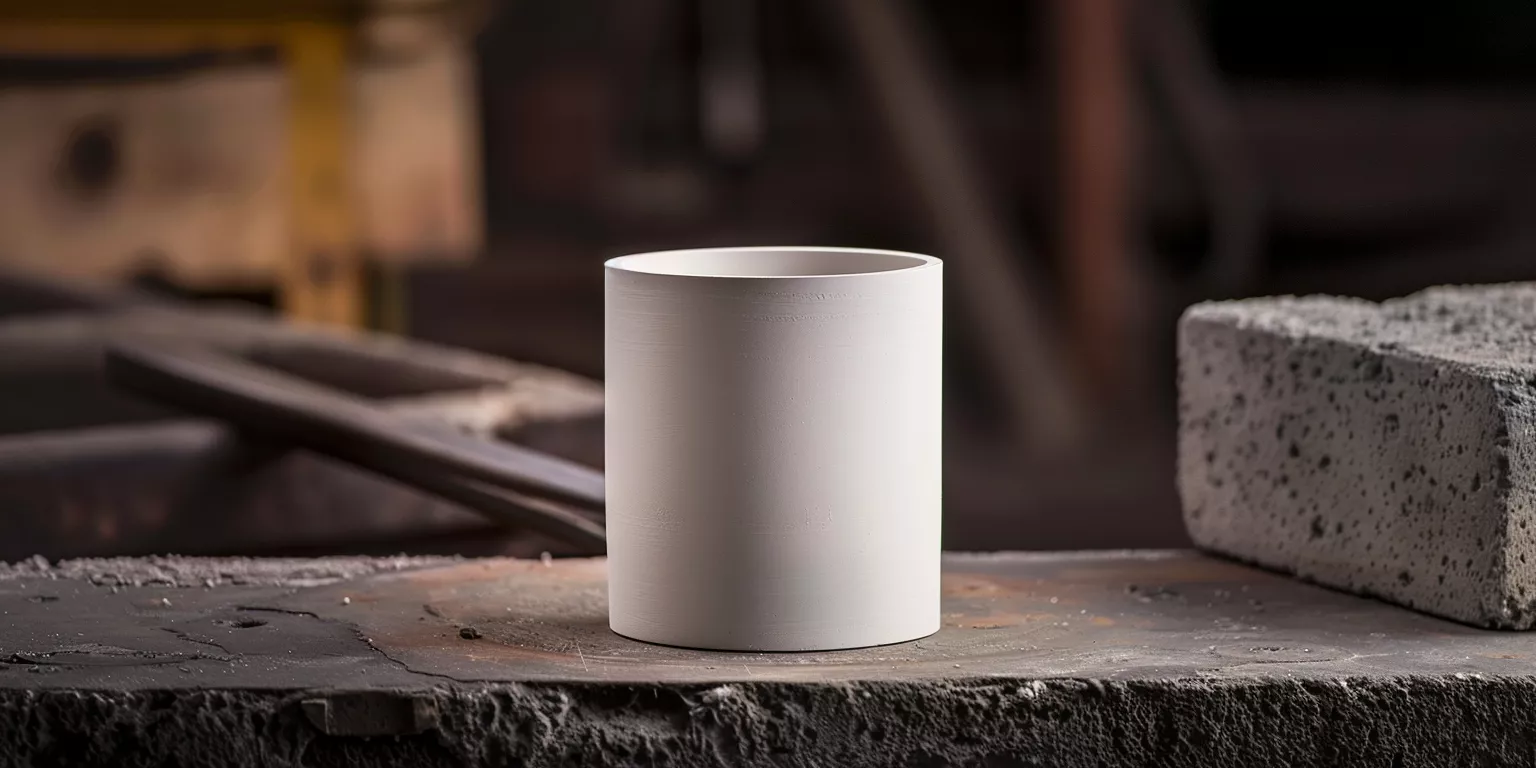
Mechanical strength supports safe handling, heating, and loading actions. Moreover, alumina often shows flexural strength in the 280–320 MPa range, and this protects structural stability. Additionally, this strength reinforces the crucible’s identity as a mechanically reliable ceramic.
- Integrity Preserved Under Thermal Cycling Conditions
Thermal cycling introduces strong expansion and contraction stresses. Moreover, crack density4 typically remains under 0.1 cracks/cm² after 80 cycles between 200°C and 1200°C, and this stability ensures usable surfaces. Additionally, grain pull-out is minimal, and this prevents weak points from forming. Therefore, the alumina crucible serves as a mechanically stable containment form.
| Property | Typical Range | Meaning |
|---|---|---|
| Crack density (cracks/cm²) | <0.1 | Strong resistance to damage |
| Cycling range (°C) | 200–1200 | Stable thermal tolerance |
| Weak point formation | Minimal | Maintains mechanical integrity |
- Strength Maintained Under Weight and Handling Loads
Handling actions require a material that resists breakage. Additionally, alumina crucibles maintain flexural strength near 300 MPa, and this supports safe loading. Moreover, compressive resistance exceeds 500 MPa, and this prevents collapse during stacking. Hence, the crucible represents a stable functional container.
| Property | Typical Range | Meaning |
|---|---|---|
| Flexural strength (MPa) | 280–320 | Prevents bending failure |
| Compressive strength (MPa) | >500 | Supports vertical loads |
| Dimensional change (mm) | <0.05 | Maintains accuracy |
- Resistance Exhibited Against Rapid Temperature Transitions
Rapid temperature shifts cause thermal shock stress. Additionally, alumina crucibles tolerate ΔT values of 200–250°C without fracture, and this enables flexible heating schedules. Moreover, pore coalescence remains under 0.3%, and this preserves wall uniformity. Therefore, the alumina crucible constitutes a thermal-shock-resistant high-temperature ceramic containment body that preserves its solid integrity under rapid temperature transitions.
| Property | Typical Range | Meaning |
|---|---|---|
| Thermal shock tolerance (ΔT °C) | 200–250 | Resists sudden heat changes |
| Pore coalescence (%) | <0.3 | Preserves microstructure |
| Edge chipping | Low | Maintains functional quality |
Controlled Porosity and Microstructural Stability
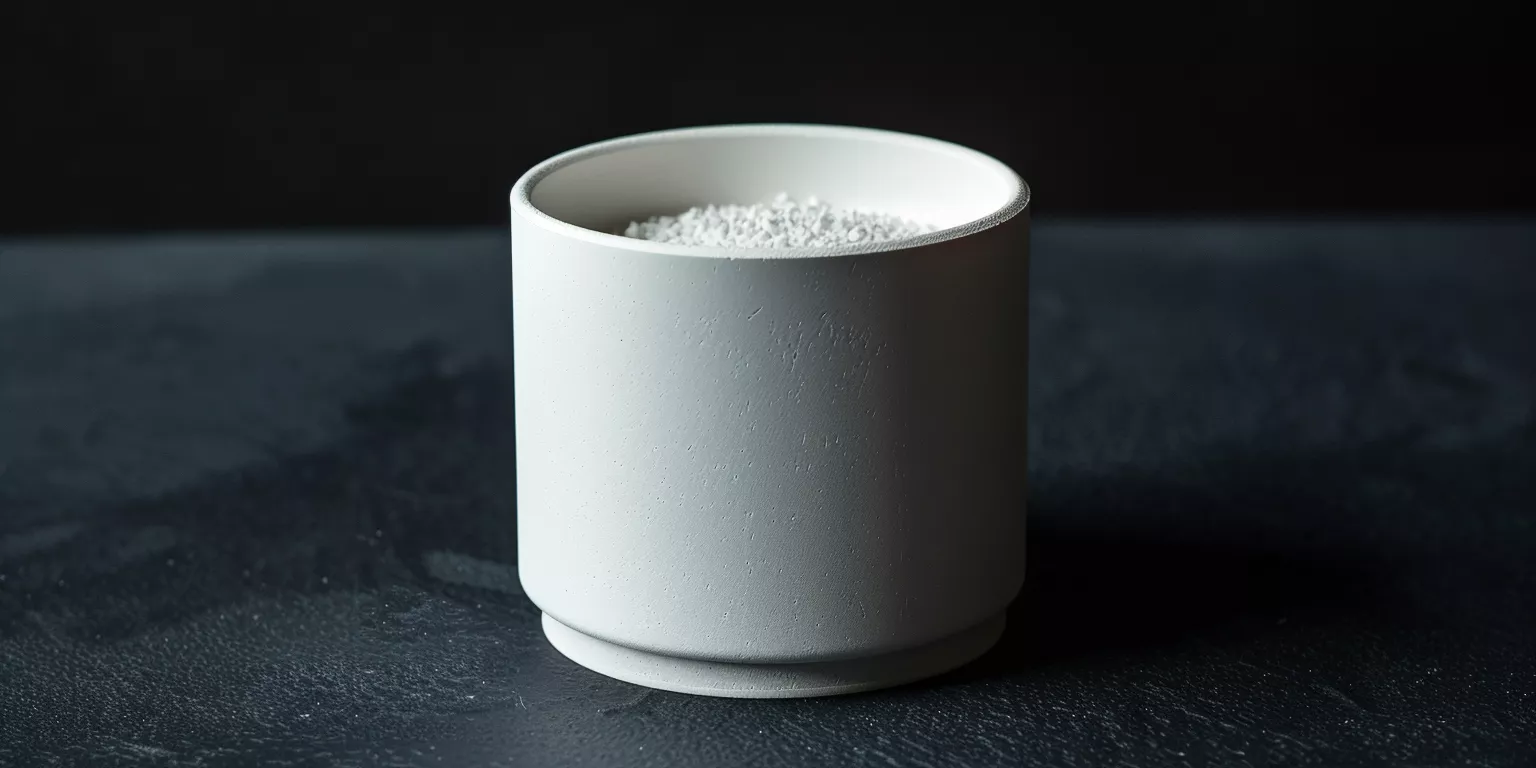
Porosity affects permeability, strength, and thermal uniformity. Additionally, alumina crucibles usually maintain porosity near 5–10% after optimized sintering. Moreover, this microstructure strengthens the crucible’s identity as a stable container.
- Dimensional Consistency Achieved Through Stable Microstructural Densification
Sintering increases density and reduces variation. Additionally, shrinkage variation stays under 1%, and this supports predictable sizing. Moreover, grain coarsening stays under 1 μm within the 1400–1600°C firing window, and this ensures consistent strength. Thus, the alumina crucible is defined as a high-temperature Al₂O₃ containment vessel whose densely sintered structure preserves dimensional accuracy under thermal processing.
| Property | Typical Range | Meaning |
|---|---|---|
| Shrinkage variation (%) | <1 | Stable dimensional output |
| Grain coarsening (μm) | <1 | Maintains structure |
| Density variation (%) | ≤0.5 | Predictable ceramic behavior |
- Structural Uniformity Sustained During High-Temperature Holding Periods
Holding periods challenge structural uniformity. Moreover, microcrack density remains under 0.05/cm² after 10-hour soaks around 1500°C, and this prevents brittle failure. Additionally, porosity shift stays under 0.2%, and this preserves thermal reliability. Consequently, the alumina crucible is characterized as a structurally uniform Al₂O₃ vessel designed to maintain mechanical continuity during prolonged high-temperature exposure.
| Property | Typical Range | Meaning |
|---|---|---|
| Microcrack density (cracks/cm²) | <0.05 | High structural integrity |
| Porosity shift (%) | <0.2 | Predictable heat flow |
| Surface uniformity | High | Maintains smooth function |
- Predictable Permeability and Absorption Behavior in Extended Heating Operations
Extended heating modifies absorption behavior. Moreover, alumina crucibles show absorption change under 0.1% after long-duration heating, and this consistency protects sample accuracy. Additionally, permeability shift remains under 0.2%, and this stability improves thermal uniformity. Therefore, the alumina crucible is recognized as a controlled-porosity Al₂O₃ containment body that preserves stable absorption and permeability behavior during extended thermal operations.
| Property | Typical Range | Meaning |
|---|---|---|
| Absorption change (%) | <0.1 | Stable interaction with samples |
| Permeability shift (%) | <0.2 | Predictable gas movement |
| Microstructure change | Minimal | Preserves functional identity |
Thermal Conductivity and Heat Distribution Behavior
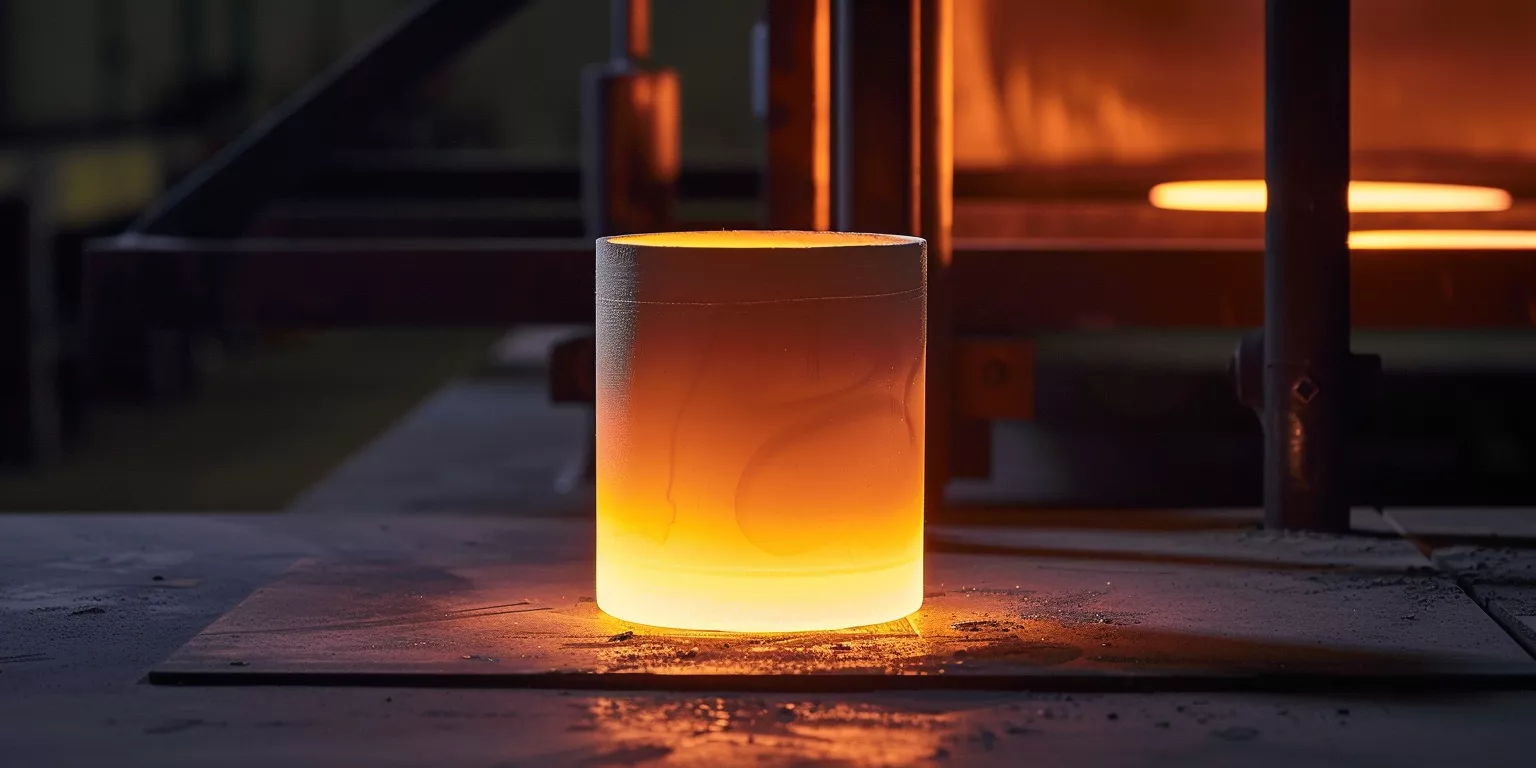
Thermal conductivity defines how heat travels through the crucible body. Moreover, alumina typically exhibits 20–30 W/m·K conductivity at elevated temperatures. Additionally, this consistency strengthens its identity as an even-heating vessel.
- Uniform Heat Distribution Achieved Throughout the Crucible Body
Uniform distribution helps maintain consistent sample conditions. Additionally, temperature gradient across a 50 mm span usually stays under 3°C at 1000°C, and this improves heating reliability. Moreover, wall variation stays under 0.03 mm, and this prevents uneven heat paths. Therefore, the crucible functions as an even-heating ceramic shell.
| Property | Typical Range | Meaning |
|---|---|---|
| Temperature gradient (°C) | <3 | Uniform heating |
| Conductivity (W/m·K) | 20–30 | Steady heat flow |
| Wall variation (mm) | <0.03 | Dimensional precision |
- Predictable Thermal Response in Controlled Heating Environments
Controlled programs depend on predictable heat flow. Moreover, thermal lag stays under 2 seconds for 2–3 mm thick walls, and this supports fast response. Additionally, heat penetration stays consistent, and this reduces variation across cycles. Thus, the aluminum oxide crucible acts as a predictable thermal medium.
| Property | Typical Range | Meaning |
|---|---|---|
| Thermal lag (s) | <2 | Quick response |
| Penetration uniformity | High | Reliable performance |
| Curve repeatability (%) | >95 | Stable heating behavior |
- Consistent Heat Transfer Observed During Long-Duration Heating Cycles
Long heating cycles test conductivity stability. Additionally, conductivity variation remains under 5% after 20 hours at 1200°C, and this ensures stable energy transfer. Moreover, thermal gradients remain low, and this helps maintain uniform sample conditions. Hence, the Al2O3 crucible serves as a long-duration thermal carrier.
| Property | Typical Range | Meaning |
|---|---|---|
| Conductivity variation (%) | <5 | Long-cycle stability |
| Gradient stability | High | Predictable thermal field |
| Structural discoloration | None | Maintains ceramic identity |
Manufacturing Methods Used to Produce Alumina Crucibles
Alumina crucible production relies on controlled forming and high-temperature processing steps that define density, strength, and microstructural stability.
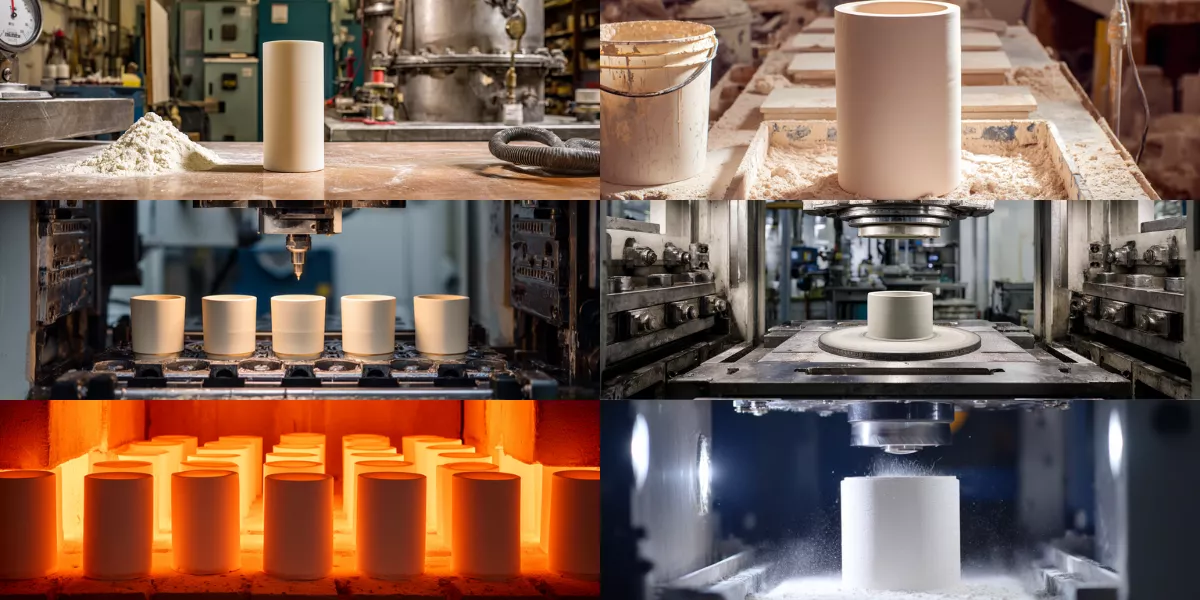
Isostatic Pressing: Uniform pressure shaping improves density consistency across the crucible body.
Slip Casting: Fluid slurry filling allows complex geometries with stable green strength.
Dry Pressing: Powder compaction creates repeatable shapes for standardized crucible models.
Injection Molding: High-flow formulations enable thin-walled precision crucibles.
High-Temperature Sintering: Controlled firing consolidates particles into a dense ceramic matrix.
CNC Finishing: Post-sinter machining refines dimensions and improves functional accuracy.
Different Geometry Form of Alumina Crucibles
Alumina crucible geometry varies to match different thermal, volumetric, and mechanical requirements in laboratories and industrial systems.
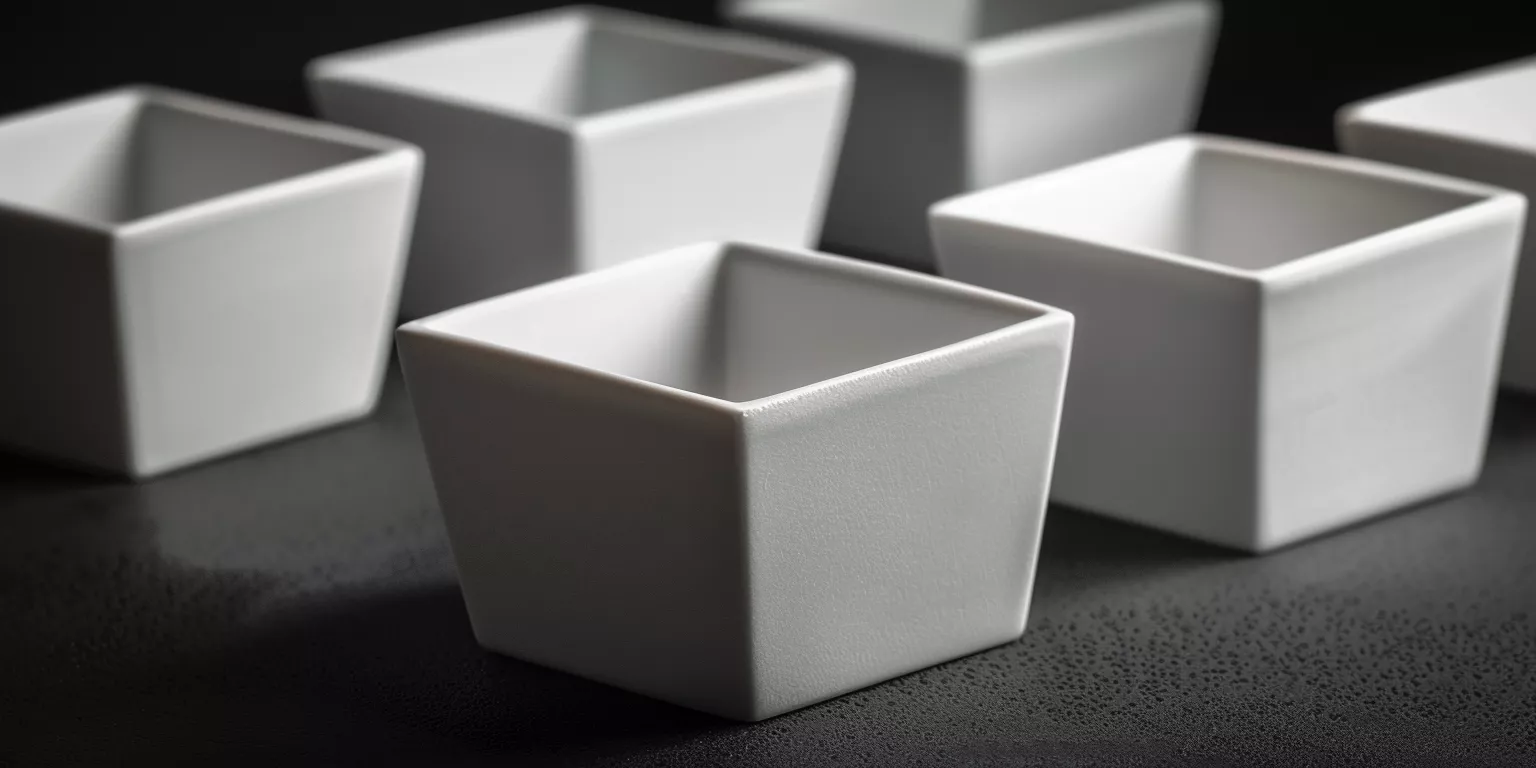
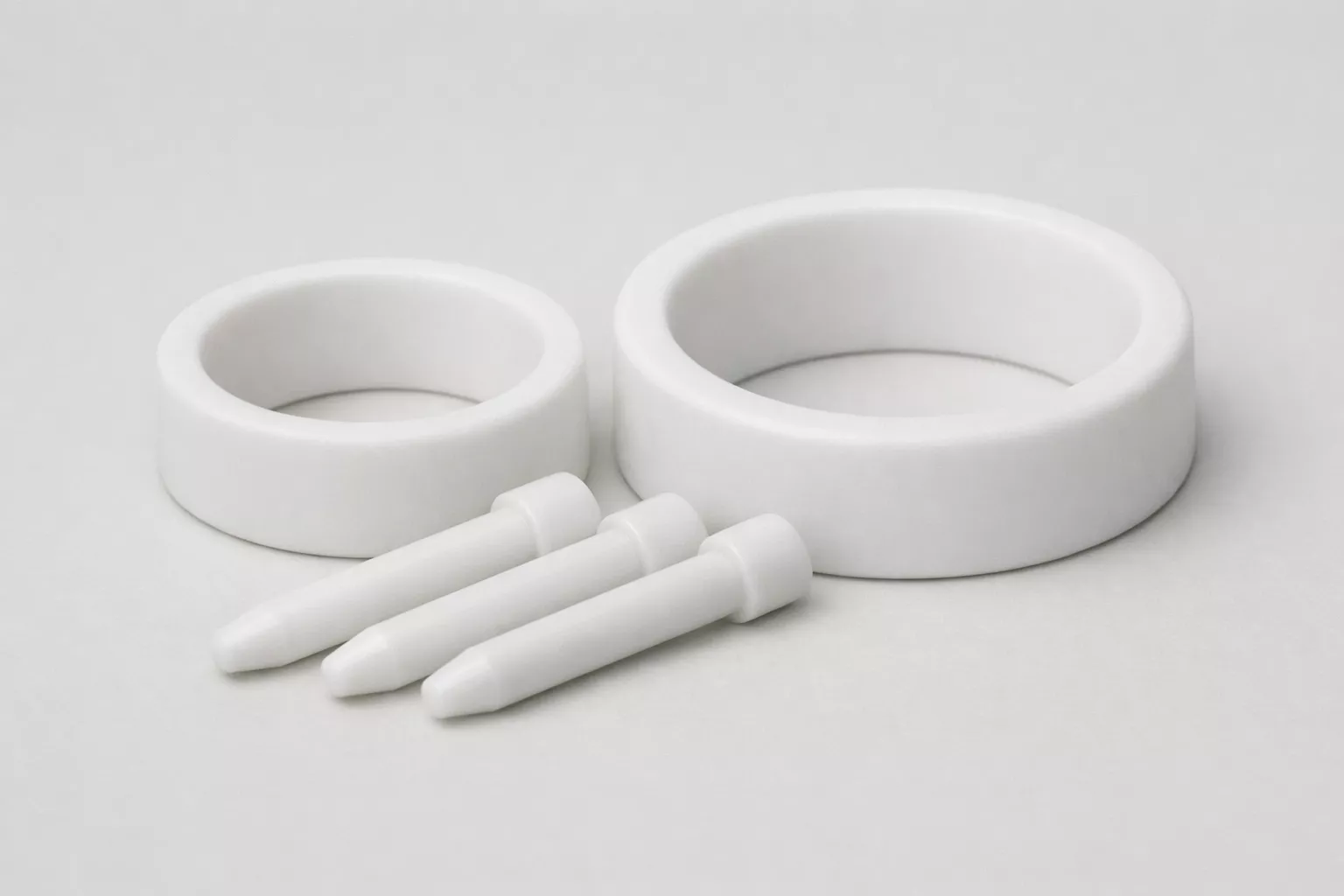
Cylindrical Shape: Deep vertical walls support melting, calcination, and long heat exposure.
Conical Form: Narrow-bottom designs assist in complete sample recovery.
Shallow Dish Style: Wide openings improve evaporation and high-surface-area heating.
Large-Capacity Type: Thick walls withstand prolonged thermal cycles in bulk processing.
Lidded Crucibles: Fitted covers protect samples from contamination and atmospheric changes.
Value, Practical Boundaries, and Summary
Alumina crucibles offer a balanced combination of thermal stability, chemical inertness, and mechanical reliability, which collectively ensures dependable performance in demanding scientific and industrial environments. Moreover, their versatility across heating, melting, and analytical contexts reinforces their role as a foundational high-temperature container.
However, practical boundaries emerge when extreme thermal gradients, rapid quenching, or highly alkaline melts exceed the stability window of alumina ceramics. Consequently, appropriate selection based on purity, microstructure, and operating conditions remains essential to achieving consistent and reliable results across applications.
Conclusion
Alumina crucibles combine thermal resilience, chemical inertness, and structural reliability to support consistent high-temperature performance across scientific and industrial environments. Moreover, their stable material characteristics ensure predictable behavior under demanding thermal and mechanical conditions.
FAQ
Why does alumina purity affect crucible performance?
Higher alumina purity increases refractoriness, chemical stability, and resistance to structural deformation. Moreover, purity levels above 95% reduce impurity diffusion and improve reliability in heating processes.
Can an alumina crucible withstand rapid temperature changes?
Alumina crucibles tolerate moderate thermal shock due to their controlled microstructure and balanced thermal expansion. However, severe instantaneous temperature jumps may exceed the material’s allowable strain limits.
Do alumina crucibles react with common laboratory chemicals?
Alumina remains inert toward most oxides, salts, and metallic systems under high temperatures. Nevertheless, highly alkaline environments may slowly degrade the crucible surface over extended exposure.
How long can an alumina crucible be used before replacement?
Service life depends on heating cycles, handling conditions, and operating temperatures. Consequently, crucibles used in stable furnace programs typically last significantly longer than those subjected to frequent thermal cycling.
References:
-
Exploring this link will provide insights into the significance and applications of α-Al₂O₃ in various industries. ↩
-
Learn how minimizing adsorption loss ensures accurate sample mass and reliable results in high-purity experiments. ↩
-
Learn how silicate tests are performed and why they are crucial for analyzing materials with precise chemical boundaries. ↩
-
Exploring crack density helps in assessing material reliability, essential for engineering and construction applications. ↩