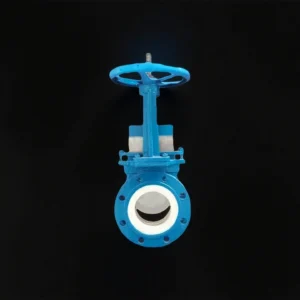
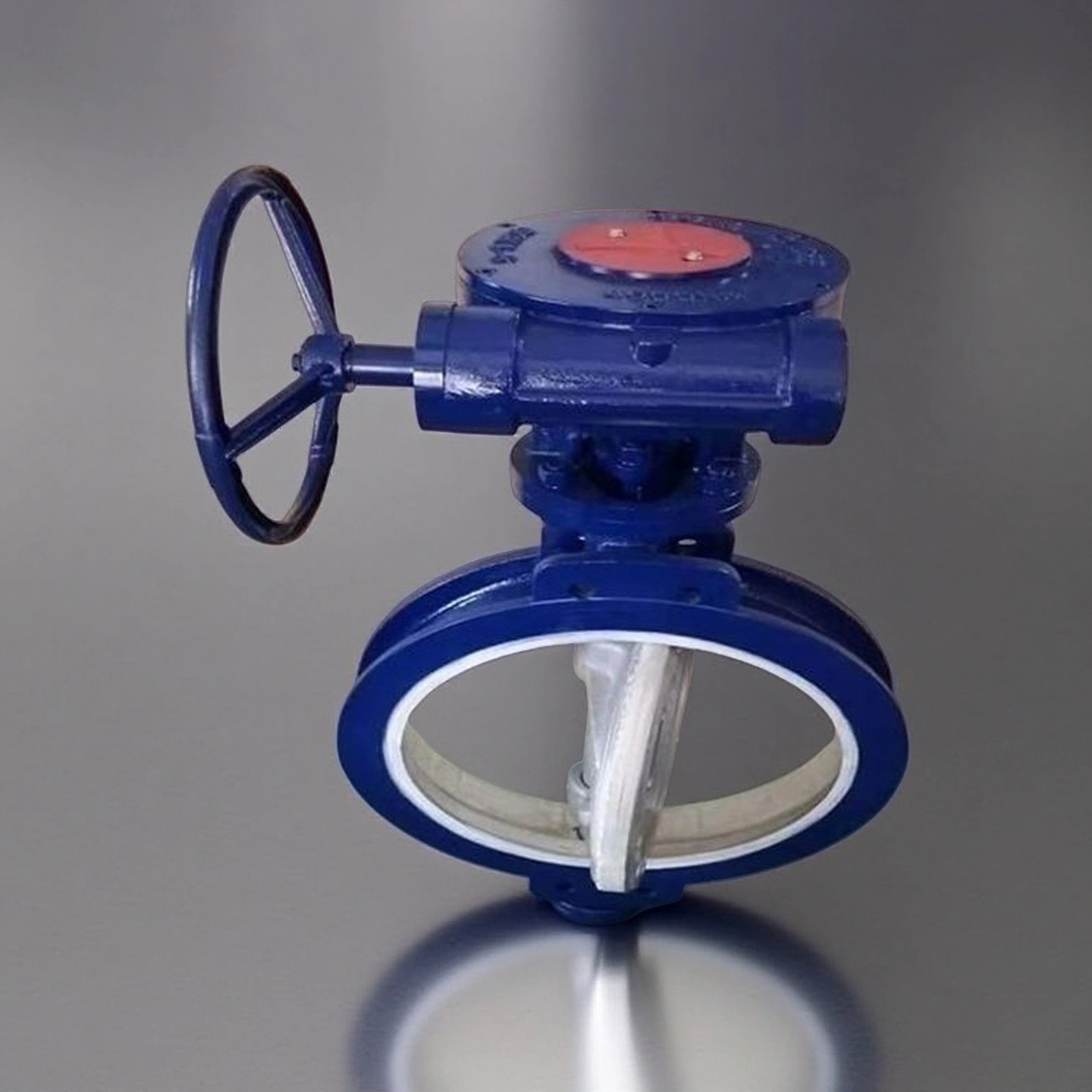
Corrosion-Resistant Alumina Butterfly Valve for Acids/Alkalis (Chemical & Petrochemical)

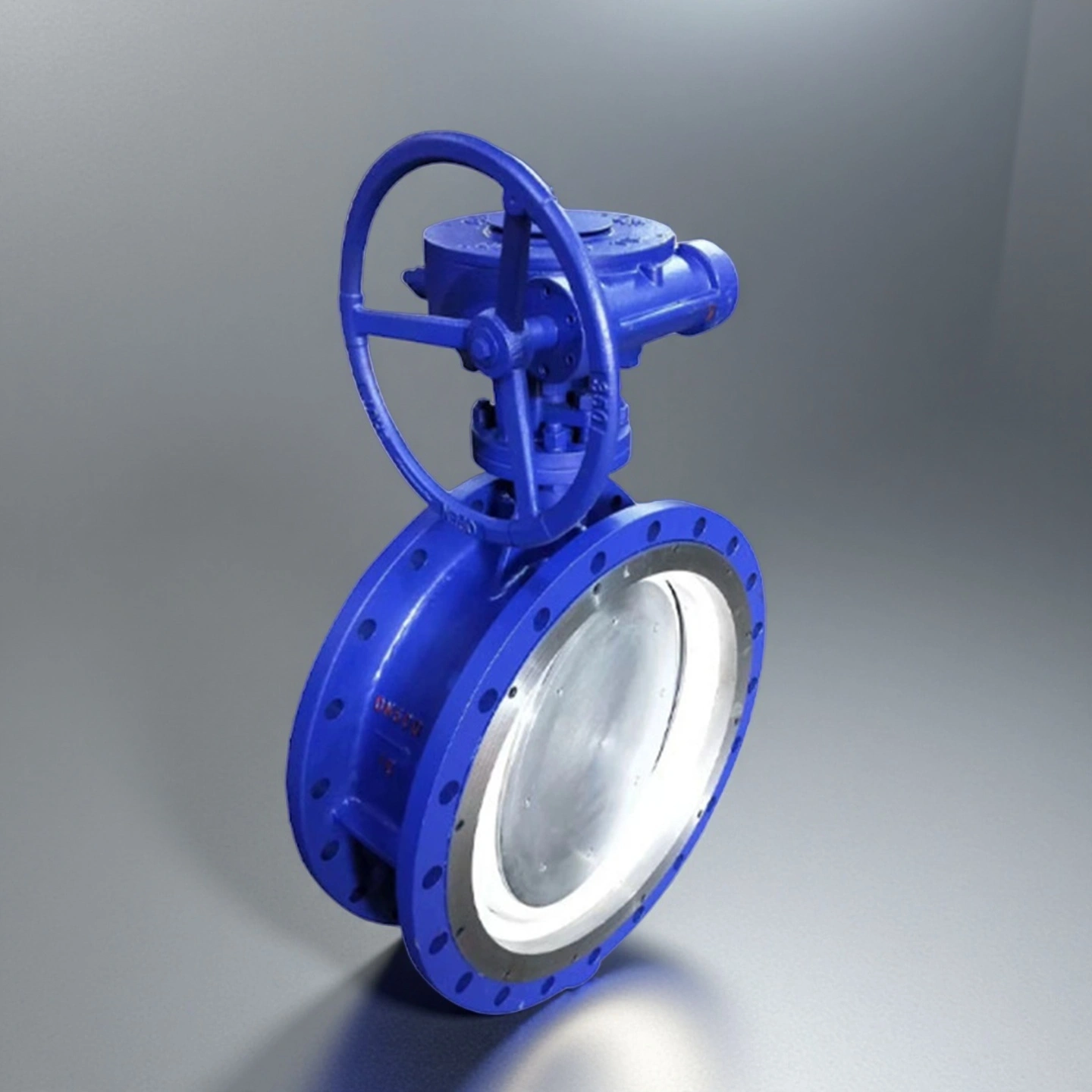
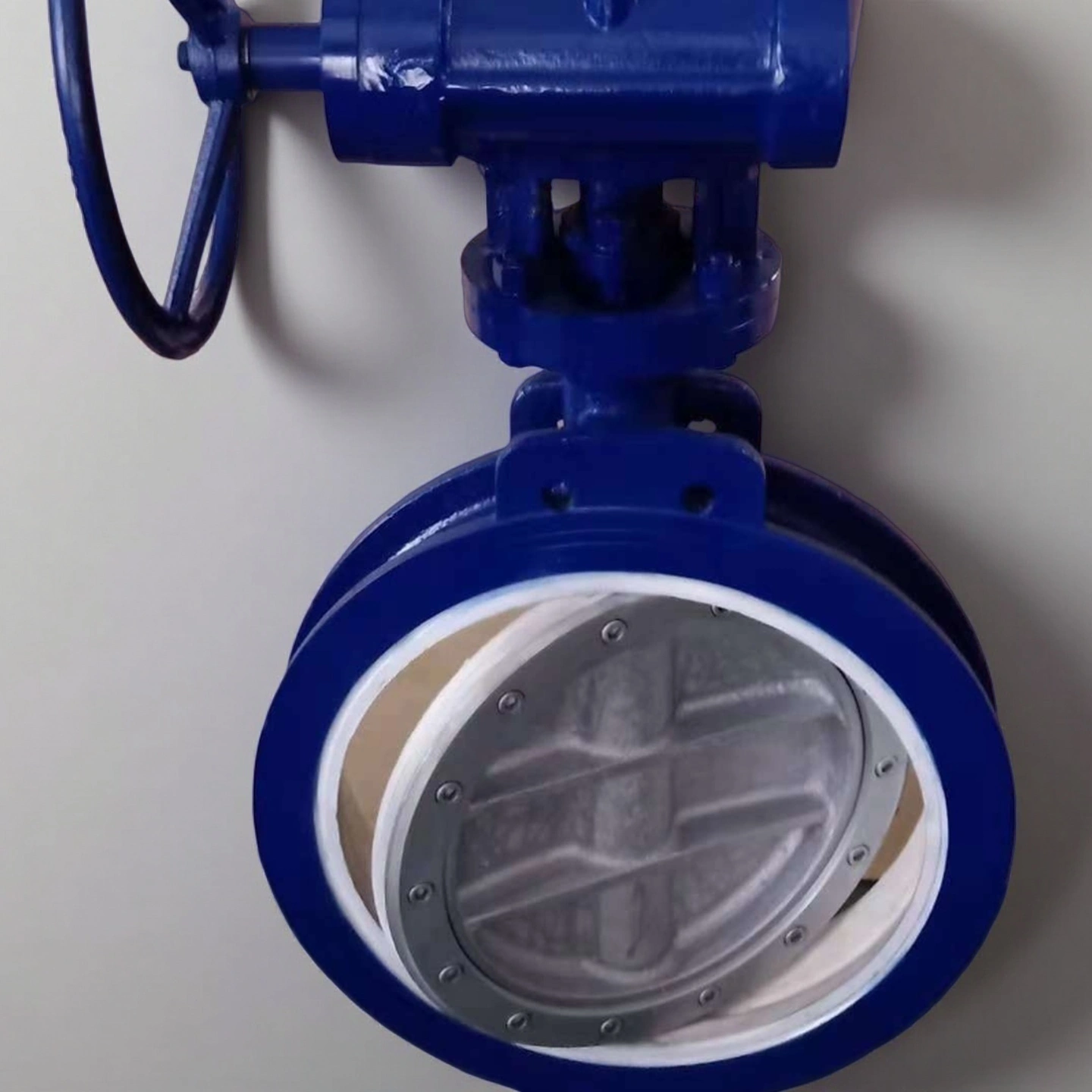
Alumina ceramic butterfly valve with ceramic disc & seat for abrasive slurry and corrosive media, offered in wafer or lug patterns, DN50–DN800, PN16/ANSI 150 options, actuator-ready.

Catalog No. AT-CVD-001
Material ≥ 96% Al2O3
Size (DN) DN50–DN800 (2″–32″)
Pressure class PN6/PN10/PN16, ANSI 150/300
Dimensions/Sizes Download PDF
24H Standard Dispatch
Small Batch Support OEM
Factory Direct
Expert Engineering Support

The alumina ceramic butterfly valve is a quarter-turn flow control device designed to handle abrasive, corrosive, or high-temperature media that quickly damage conventional metal or polymer-lined valves. It replaces key wetted components—such as the disc, seat, and sometimes the liner—with high-purity alumina (Al₂O₃)  ceramics.

Alumina Ceramic Butterfly Valve Benefits

  • Erosion-stable sealing: polished ceramic seat/disc maintains geometry under slurry impact, stabilizing torque and shut-off.
  • Chemical durability: alumina internals resist acids/alkalis, where metal trims pit or passivate poorly.
  • Thermal readiness: design envelopes, high-temperature seals and packing selections for hot gas/steam service.
  • Tight shut-off repeatability: ground ceramic interfaces enhance sealing consistency across cycles.
  • Retrofit-friendly: wafer/lug bodies and ISO top-works simplify actuator swaps and line replacements.


Alumina Butterfly Valve Properties

Property Unit 99.5% Al₂O₃ 99.6% Al₂O₃ 99.7% Al₂O₃ 99.8% Al₂O₃ 99.9% Al₂O₃ 99.99% Al₂O₃
Alumina content % 99.5 99.6 99.7 99.8 99.9 99.99
Density g/cm³ 3.89 3.91 3.92 3.93 3.94 3.98
Open porosity % 0
Color Ivory Ivory Ivory Ivory Ivory Ivory
Water absorption % 0 0 0 0 0
Young’s modulus (Elastic modulus) GPa 375 356 357 358 359 362
Shear modulus GPa 152
Bulk modulus GPa 228
Poisson’s ratio 0.22
Compressive strength MPa 2600 2552 2554 2556 2558 2570
Flexural strength MPa 379 312 313 314 315 320
Fracture toughness MPa·m¹ᐟ² 4
Hardness GPa 14.1 (≈1440 kg/mm²) 23 24 25 26 30
Thermal conductivity W/m·K 35 32–37 33–38 34–39 35–40 36–42
Thermal shock resistance ΔT °C 222 223 224 225 228
Maximum use temperature (no load) °C ≤1750 1755 1760 1765 1770 1800
Coefficient of thermal expansion 10⁻⁶/°C 8.4
Specific heat J/kg·K 880
Volume resistivity Ω·cm >1×10¹⁴ >1×10¹⁴ >1×10¹⁴ >1×10¹⁴ >1×10¹⁴ >1×10¹⁴
Dielectric constant (relative permittivity) 9.8 9.83 9.84 9.85 9.86 9.92
Dielectric strength kV/mm 16.9 23.2 23.4 23.6 23.8 24
Dissipation factor (loss factor @ 1 kHz) 0.0002


Alumina Ceramic Butterfly Valve Specifications
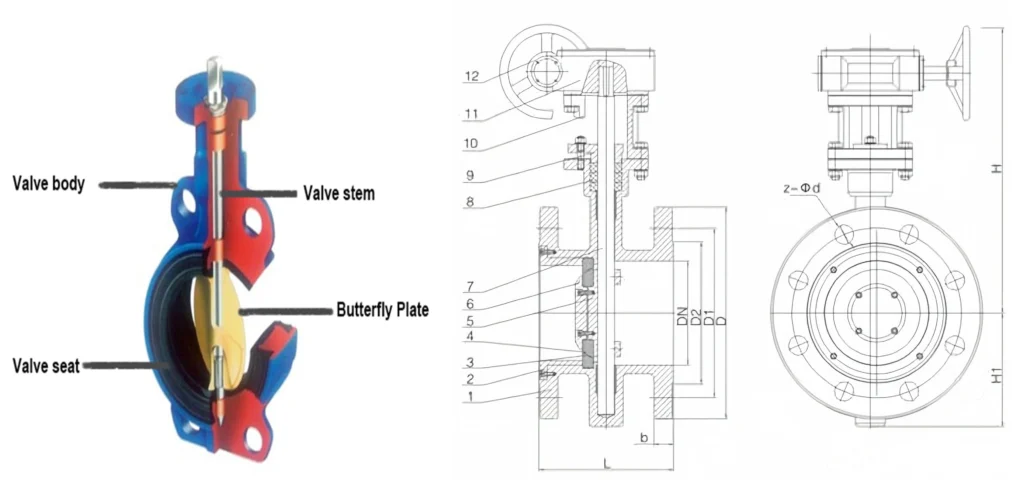
alumina ceramic butterfly valve size

Alumina Ceramic Butterfly Valve
Item DN PN(MPa) L D D1 D2 H H1 z-d
AT-CVD-001 50 1.0 108 140 125 100 254 85  4-∅18
AT-CVD-002 65 112 160 145 120 278 95  4-∅18
AT-CVD-003 80 114 185 160 135 312 106  4-∅18
AT-CVD-004 100 127 205 180 155 330 114  8-∅18
AT-CVD-005 125 140 235 210 185 365 130  8-∅18
AT-CVD-006 150 140 260 240 210 404 148  8-∅23
AT-CVD-007 200 152 315 295 265 496 176  8-∅23
AT-CVD-008 250 165 370 350 320 538 210  8-∅23
AT-CVD-009 300 178 435 400 368 632 238  8-∅23


Alumina Ceramic Butterfly Valve Packaging

  • foam-inset inner box for protection→ reinforced export carton → strapped pallet.
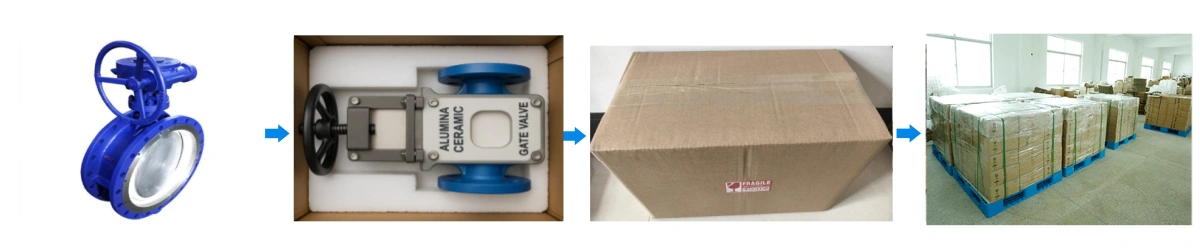
Alumina Ceramic Butterfly Valve Packaging

Alumina Ceramic Butterfly Valve Applications

  • Petrochemical (acids/alkalis, brines, chloride streams)

    ✅Key Advantages

    1. Ceramic seat stability — mitigates chloride-driven metal attack in wet processes.
    2. Tight shut-off under cycling — polished interfaces retain seal geometry after CIP/SIP.
    3. Actuator-ready control — predictable torque for positioners in modulating service.

    ✅ Problem Solved

    A brine handling line experienced leakage drift after 3 months on metal-trim valves. Replacing with alumina seat/disc stabilized torque and shut-off over >12 months of cyclic duty, cutting unscheduled maintenance events and lowering spare usage per quarter. Line throughput met target without seal replacements during the run window.

  • Mining (slurry, tailings, thickener underflow)

    ✅Key Advantages

    1. Erosion resistance — ceramic hardness resists particle scouring in high-solids slurry.
    2. Low leakage at solids load — seating faces remain intact, limiting bypass.
    3. Predictable torque — reduced wear keeps actuator sizing stable over life.

    ✅ Problem Solved

    On a 65% solids tailings loop, metal seats lost tightness within a quarter. The ceramic-lined butterfly valve maintained shut-off class across the same interval, avoiding two planned changeouts and preserving >95% uptime in the dewatering area.

  • Power Generation (FGD, ash handling, hot gas)

    ✅Key Advantages

    1. Temperature-suitable sealing — seat/packing sets chosen for hot gas/steam envelopes.
    2. Ash/gypsum wear control — ceramic trims reduce groove formation on contact faces.
    3. Retrofit ease — wafer/lug formats match existing spools & actuator pads.

    ✅ Problem Solved

    An FGD slurry loop saw rapid seat wear and torque spikes. Ceramic seat/disc retrofit normalized torque curves and extended inspection intervals from monthly to quarterly, reducing man-hours and spare kits used per outage.

Alumina Ceramic Butterfly Valve Usage Instructions

  • Installation

    1. Check alignment and compatibility: Verify flow direction, disc clearance, and gasket compression before tightening. The wafer/lug body must be centered precisely between flanges to prevent ceramic disc-to-pipe interference.
    2. Mounting torque control: Use a calibrated torque wrench for flange bolts and actuator fasteners. Over-tightening may stress the ceramic liner; under-tightening may cause micro-leakage.
    3. Actuator setup: Set actuator stops according to the provided torque curve, confirming open/close angles, signal calibration, and fail-safe position (FO/FC).
    4. Seal inspection: Before commissioning, check the O-rings, stem packing, and seat integrity for cracks or foreign particles.
    5. Leak test: Perform a low-pressure air or hydrostatic test to confirm zero leakage before full-pressure operation.

  • Operation

    1. Flow control: Avoid dead-heading against upstream hammer or pressure surges; ramp the actuator gradually in modulating service to protect the ceramic sealing faces from impact.
    2. Velocity management: Keep slurry or solid-laden flow velocities within the plant’s specified range (typically <3 m/s for slurry duty) to reduce erosive wear on the disc edge.
    3. Cycle frequency: In continuous modulating applications, schedule periodic inspection after every 50,000–100,000 cycles, depending on medium aggressiveness.
    4. Temperature transition: For high-temperature duties, increase or decrease temperature gradually (<5 °C/min) to prevent thermal shock to the ceramic components.
    5. Shutdown procedures: Always close the valve under minimal differential pressure and flush abrasive media from the seat area before isolation.

  • Storage

    1. Environment: Store in a clean, dry, vibration-free area. Maintain ambient temperature between 5–40 °C and humidity below 75 % RH.
    2. Protection: Keep end caps installed and the disc slightly open (2–5 %) to relieve contact stress on the seat.
    3. Corrosion prevention: For long-term storage (>6 months), apply a light anti-corrosion oil to the metal body parts and cover the valve with moisture-resistant packaging.
    4. Handling caution: Always lift the valve by the body using soft straps; never lift or carry it by the actuator, handle, or stem to avoid misalignment.

  • Maintenance Tips

    1. Routine inspection: Check torque consistency, actuator alignment, and seal condition every 3–6 months under normal service.
    2. Seat/lap restoration: Minor surface marks can be polished using alumina-based fine lapping paste; replace components if scratches exceed 0.1 mm depth.
    3. Seal replacement: When leakage increases beyond Class VI limits, replace seals and re-test per API 598.
    4. Spare parts management: Keep spare ceramic discs, seats, and packing sets available for quick turnaround in planned shutdowns.

Alumina Ceramic Butterfly Valve FAQ

  1. Q: Why do industries replace metal valves with alumina ceramic butterfly valves?
    A: Because ceramic hardness > 1500 HV — five times harder than stainless steel — provides superior wear and corrosion resistance, cutting maintenance frequency and downtime costs by up to 70 %.
  2. Q: Which alumina ceramic butterfly valve pressure classes and sizes are available?
    A: Standard ratings include PN6/PN10/PN16 and ANSI 150 / 300, covering sizes DN50 to DN800 (2″–32″); larger sizes can be custom engineered on request.
  3. Q: What media can an alumina ceramic butterfly valve handle?
    A: It is suited for slurries, ash handling, acidic or alkaline solutions, chlorides, brine, steam, and hot gas flows, where conventional metal valves erode or corrode quickly.
  4. Q: Can the alumina butterfly valve operate at high temperature or pressure?
    A: Yes. Ceramic internals withstand temperatures up to ≈ 800 °C, while pressure limits depend on body material and seal type; graphite or PTFE seals are chosen per medium and temperature.
  5. Q: Is the alumina ceramic butterfly valve suitable for modulating control?
    A: Absolutely. With precision-ground ceramic surfaces and stable torque curves, it delivers smooth and repeatable control for slurry or chemical process loops when fitted with a positioner.
  6. Q: How long does an alumina ceramic butterfly valve last in service?
    A: Service life varies by medium, but field data show 3–5 × longer lifespan than metallic trim valves in abrasive slurry or acidic service, often exceeding 12–24 months continuous operation.

Alumina Ceramic Butterfly Valve Reviews

  • ⭐️⭐️⭐️⭐️⭐️
    We used the alumina ceramic butterfly valve on a tailings loop. After six months, the torque is stable and the sealing is intact, unlike the metal trim we replaced
    -- Mark H. Reliability Engineer, Consolidated Minerals (AU)
  • ⭐️⭐️⭐️⭐️⭐️
    ADCERAX, as an alumina ceramic butterfly valve supplier, supported drawings and material traceability. Price was aligned with the spec scope, and the actuator interface matched our standard.
    -- Elena P. Procurement Manager, EuroChem Solutions (DE)
  • ⭐️⭐️⭐️⭐️⭐️
    The alumina butterfly valve in FGD service cut our seat replacements from monthly to quarterly. The packing set for temperature made the difference.
    -- Daniel R. Maintenance Lead, Riverbend Power (US)
  • ⭐️⭐️⭐️⭐️⭐️
    The alumina ceramic butterfly valve worked perfectly in our hot alkaline line. The alumina ceramic valve parts kept a tight shut-off, and delivery met our project schedule.
    -- Kenji S. — Project Engineer, Nippon Process (JP)
customize size

Customize Alumina Ceramic Butterfly Valve

Tailor disc/seat ceramic, pressure class, end style, and seal pack to your medium, solids loading, and temperature envelope. What you can specify:

  • Dimensions: DN, face-to-face, wafer/lug drilling; tolerances on critical ceramics (e.g., ±0.1 mm achievable on ground faces).
  • Ceramic trim: Al₂O₃ ≥96%; surface finish Ra targets for sealing & wear zones.
  • Seals & packing: PTFE, reinforced PTFE, graphite, hybrid stacks; stem seals by temperature/chemistry.
  • Pressure/temperature rating: PN6/10/16, ANSI 150/300; gasket stress windows per line spec.
  • Actuation: pneumatic/electric/hydraulic; ISO pad, stem dimensions, fail-safe options (FO/FC).
  • NACE/medium matching: chloride service, caustic soda, acids; advice on compatible metals in body/fasteners.
  • Documentation: ITP, MTC for ceramics & metals, pressure test records, torque curves.
  • Finish & identification: tag plates, laser marks, colour cues by service.

Related Products

ADCERAX - Your Trusted Advanced Ceramics Manufacturing Partner

Direct factory manufacturing with comprehensive ceramic materials expertise and global supply capabilities

Direct Factory Manufacturing

China-based ceramic materials production facility with state-of-the-art equipment

Engineering Team

Experienced professionals in advanced ceramics applications and custom design

Quality Control

Strict quality control standards for technical ceramics manufacturing and quality management

Global Supply Chain

Serving customers worldwide with technical ceramics and rapid response

24/7 Technical Support

Round-the-clock support for ceramic components inquiries and technical assistance

500+ Satisfied Customers

Trusted by global customers for advanced ceramic materials and precision components

Get in touch with us

Our team will be happy to respond to you in less than 24 hours.

Adcerax's factory

Quick Quotation

*Our team will answer your inquiries within 24 hours.

*Your information will be kept strictly confidential.

Ready to Solve Your Engineering Challenge?

Partner with ADCERAX for reliable, high-performance advanced ceramic solutions. Our engineers are ready to discuss your project.

E-mail

info@adcerax.com

Phone

+(86) 0731-74427743 | WhatsApp: +(86) 19311583352

Response Time

Within 24 hours

Quick Quote

The more details you provide, the faster we can quote.

*We respond within 24 hours. All inquiries are confidential.

Download Catalog

Get Your Custom Sulution

The more details you provide, the faster we can respond.

customize size

*We respond within 24 hours. All inquiries are confidential.

Download Catalog