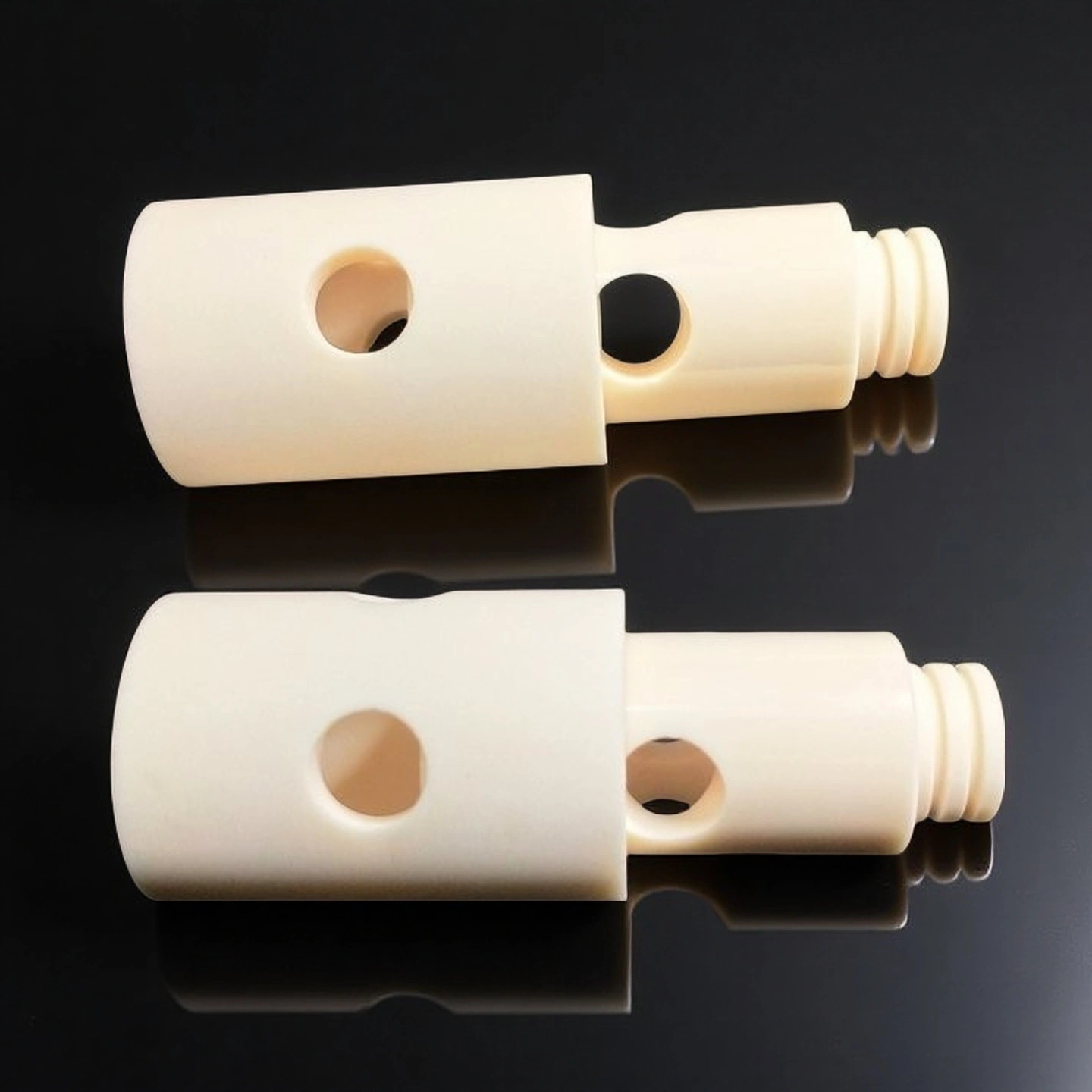
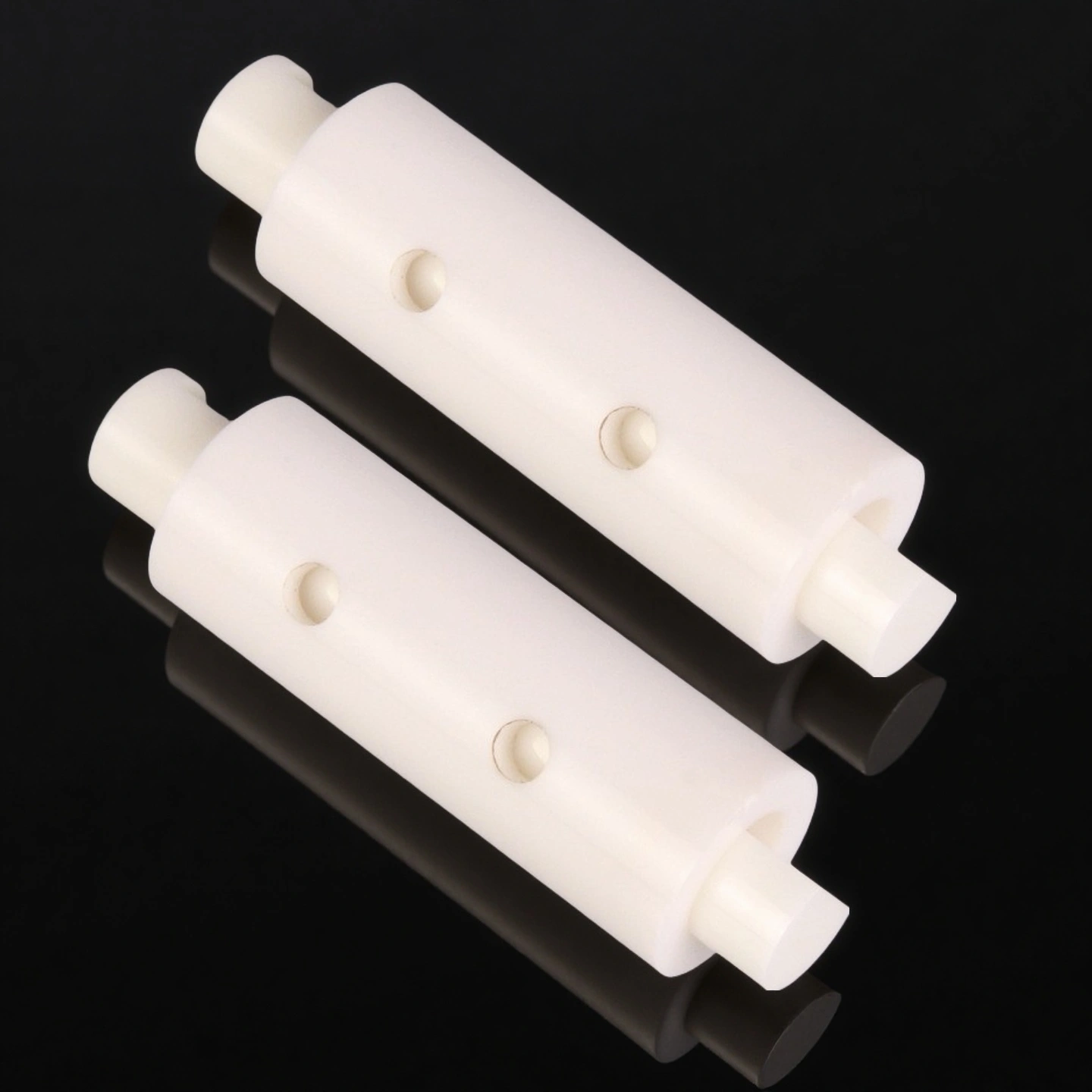
Alumina Ceramic Dispensing Valve for Abrasive & Reactive Adhesives
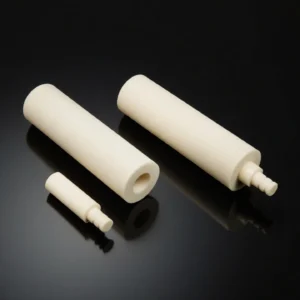
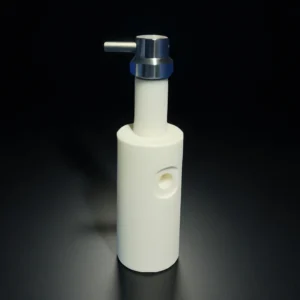
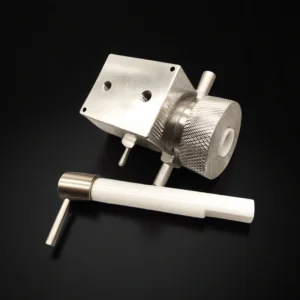
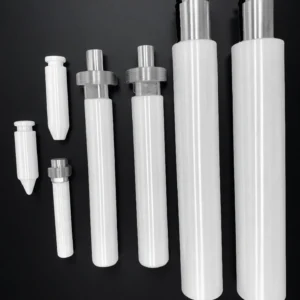
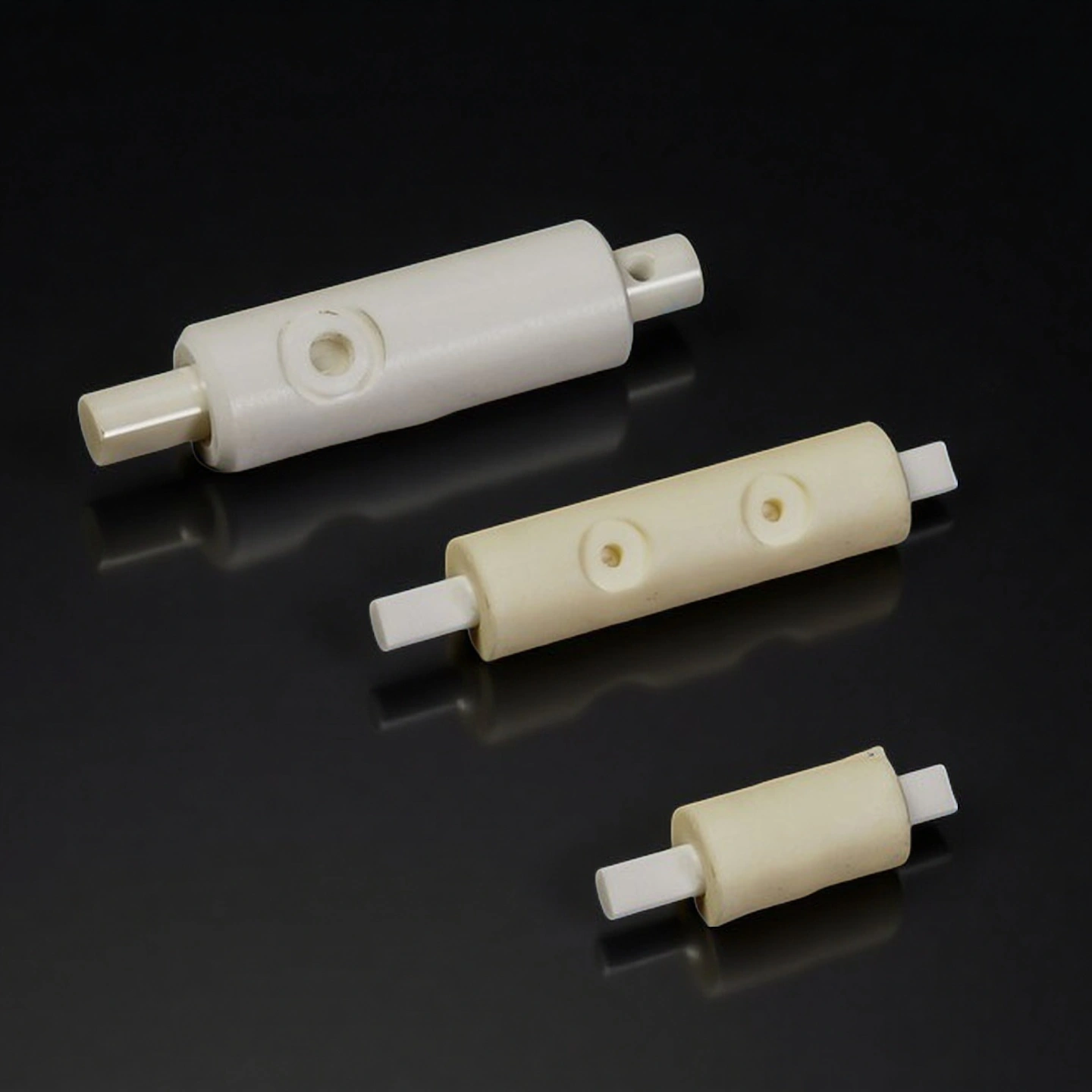
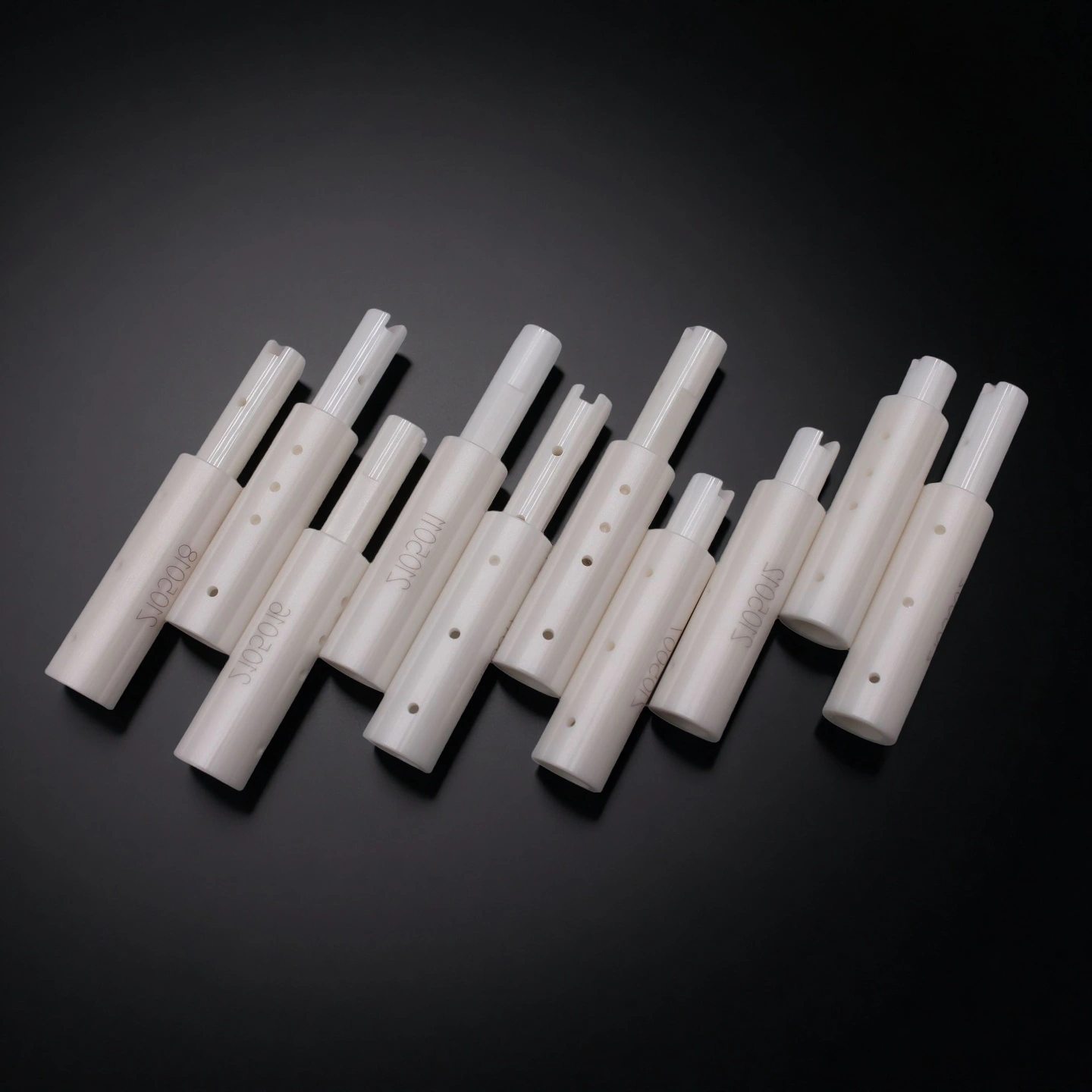
ADCERAX alumina ceramic dispensing valves are precision-engineered components designed for high-accuracy dispensing of aggressive fluids and adhesives. With standard IDs 0.2–3.0 mm, drawing-based orifices and seat geometries available. Custom carriers, interfaces, and seal stacks can be configured to application needs.
The alumina ceramic dispensing valve is a precision-engineered flow control component designed to accurately dispense adhesives, sealants, paints, and other viscous or reactive fluids in industrial automation and production lines.
Alumina Ceramic Dispensing Valve Benefits
Wear resistance in filled media — ceramic seat/nozzle maintains flow in high-filler epoxies and TIMs.
Low residue adhesion— polished alumina bore reduces stringing and clog initiation on CA/UV lines.
Tight sealing— fine lapping and concentricity improve air-tightness and reduce micro-leaks.
Thermal stability — low CTE geometry sustains dot size across temperature changes.
Chemical inertness — compatible with many aggressive solvents and monomers; avoids media contamination.
Properties of Alumina Ceramic Dispensing Valve
Property
Unit
96% Al₂O₃
99% Al₂O₃
99.5% Al₂O₃
99.6% Al₂O₃
99.7% Al₂O₃
99.8% Al₂O₃
99.9% Al₂O₃
99.99% Al₂O₃
Alumina content
%
96
96
99.5
99.6
99.7
99.8
99.9
99.99
Density
g/cm³
3.6-3.75
3.83
3.89
3.91
3.92
3.93
3.94
3.98
Color
–
white
Ivory
Ivory
Ivory
Ivory
Ivory
Ivory
Ivory
Water absorption
%
0
0
–
0
0
0
0
0
Young’s modulus (Elastic modulus)
GPa
0
0
375
356
357
358
359
362
Shear modulus
GPa
–
–
152
–
–
–
–
–
Bulk modulus
GPa
–
–
228
–
–
–
–
–
Poisson’s ratio
–
–
–
0.22
–
–
–
–
–
Compressive strength
MPa
1910
2210
2600
2552
2554
2556
2558
2570
Flexural strength
MPa
260
300
379
312
313
314
315
320
Fracture toughness
MPa·m¹ᐟ²
–
–
4
–
–
–
–
–
Hardness
GPa
14.5
17
17
23
24
25
26
30
Thermal conductivity
W/m·K
22
24
35
32–37
33–38
34–39
35–40
36–42
Thermal shock resistance ΔT
°C
–
–
–
222
223
224
225
228
Maximum use temperature (no load)
°C
1450
1680
≤1750
1755
1760
1765
1770
1800
Coefficient of thermal expansion
10⁻⁶/°C
7.6
7.6
8.4
–
–
–
–
–
Volume resistivity
Ω·cm
>1×10¹⁴
>1×10¹⁴
>1×10¹⁴
>1×10¹⁴
>1×10¹⁴
>1×10¹⁴
>1×10¹⁴
>1×10¹⁴
Dielectric constant (relative permittivity)
–
9.2
9.5
9.8
9.83
9.84
9.85
9.86
9.92
Dielectric strength
kV/mm
15
19
16.9
23.2
23.4
23.6
23.8
24
Dissipation factor (loss factor @ 1 kHz)
–
–
–
0.0002
–
–
–
–
–
Alumina Ceramic Dispensing Valve Specifications
Item
Size (mm)
Diameter(mm)
Length (mm)
Purity(%)
AT-YHL-DJF001
5*70
5
70
99
AT-YHL-DJF002
23*85
23
85
99
AT-YHL-DJF003
25*105
25
105
99
AT-YHL-DJF004
30*120
30
120
99
AT-YHL-DJF005
40*120
40
120
99
AT-YHL-DJF006
50*150
50
150
99
AT-YHL-DJF007
80*200
80
200
99
AT-YHL-DJF008
100*220
100
220
99
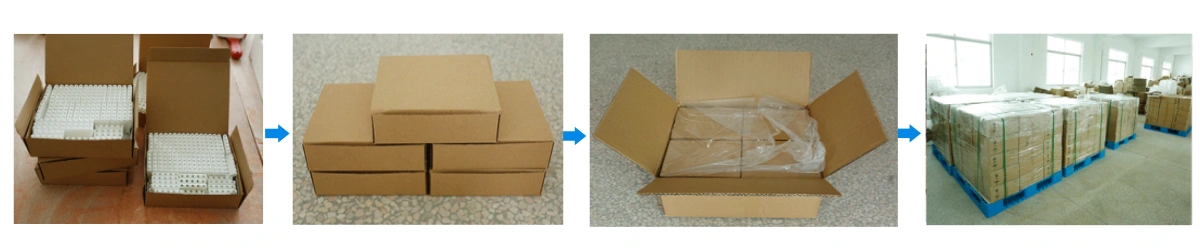
Alumina Ceramic Dispensing Valve Packaging
Packaging: Individually foam-protected, anti-static bag sealed
Standard carton: Multi-layer impact-protection
Alumina Ceramic Dispensing Valve Applications
Electronics Assembly
✅Key Advantages
1. Dot-size stability — single-digit % CV on micro-dots with validated setups.
2. Clog reduction — polished bore mitigates stringing on CA/UV adhesives.
3. Lower drift — wear-resistant seat keeps volume consistent over long runs.
✅ Problem Solved
On a PCB bead line with filled epoxy, metal valves drifted ±12 % by 300k cycles. Ceramic wetted parts held ±3 % through ~1.2 M cycles and reduced purge events, restoring productive time each month.
Battery Module Potting/TIM
✅Key Advantages
1. Abrasive resistance — stable flow with Al₂O₃/AlN-filled TIMs.
2. Thermal stability — low CTE maintains bead width consistency.
3. Extended service — longer intervals between nozzle/seat changes.
✅ Problem Solved
Bead width deviation dropped from ±0.25 mm to ±0.10 mm after ceramic retrofit, with service intervals extended from 6 to ~18 weeks at comparable throughput.
Proper installation, operation, and maintenance of the alumina ceramic dispensing valve directly influence dispensing accuracy, valve life, and production efficiency. Follow these guidelines to achieve stable and consistent performance in automated adhesive applications.
Installation
1. Manifold Preparation: Ensure manifold flatness and precise alignment before mounting. Torque bolts to the specified value to prevent ceramic seat distortion.
2. System Cleaning: Flush the fluid line with a compatible solvent before installation to remove old adhesive or particulates.
3. Filtration Setup: Always install an upstream 50–100 µm precision filter to prevent filler particles or dust from entering the orifice.
4. Calibration: Run initial dot calibration at operating temperature; record baseline pressure, cycle time, and dot volume for future reference.
5. Seal Inspection: Check all O-rings and PTFE/FFKM seals before assembly; replace aged or swollen components to maintain air-tightness.
Operation
1. Pressure Control: Keep inlet pressure within the validated range for the adhesive’s viscosity and nozzle size. Excess pressure can enlarge dots or shorten valve life.
2. Purging Cycle: Schedule timed purges (every 30–60 minutes for reactive adhesives) to prevent gel or residue buildup near the seat area.
3. Performance Monitoring: Inspect first-article dots each shift; record CV and mean volume. Adjust timing or pressure by micro-steps if deviation exceeds ±3%.
4. Temperature Management: For high-viscosity adhesives, pre-heat the fluid reservoir (40–60 °C range) to stabilize flow rate, but avoid direct heating on the ceramic valve body.
5. Cycle Rate: Recommended duty cycle ≤ 10 Hz for high-viscosity adhesives; consult engineering for higher-speed setups.
Storage
1. After Reactive Use: Purge the valve with appropriate solvent until discharge is clear. Dry with clean nitrogen and cap both ports to avoid dust entry.
2. Environmental Conditions: Store in a cool, dry place (20–30 °C, RH < 60%) away from UV and direct heat.
3. Long-Term Storage: For valves inactive over 3 months, relubricate plunger seals before reuse to avoid startup leakage.
Cleaning & Inspection
1. Routine Cleaning: Disassemble per the assembly drawing. Soak the nozzle and seat in approved solvent (e.g., acetone, ethanol, or MEK, depending on adhesive type).
2. Surface Protection: Never use metallic brushes or abrasive tools on the ceramic bore. Use soft nylon or lint-free swabs.
3. Visual Check: Examine the seat and plunger under magnification; any visible nicks or scratches require replacement.
4. Reassembly: Reinstall parts gently; apply even torque. Verify that there is no misalignment or trapped particles at the sealing surfaces.
Common Mistakes & Fixes
1. Volume drift in filled epoxy→ Increase upstream filter area; verify internal diameter wear; switch to finer polish grade; recalibrate at process temperature.
2. CA or UV adhesive stringing → Shorten shut-off delay (0.01–0.03 s); upgrade to mirror-polished Ra ≤ 0.2 µm bore; validate anti-bloom solvent purge before downtime.
3. Post-heat leakage or dripping → Re-specify seals for high-temperature range; check plunger runout ≤ 0.03 mm; re-lap seat surface if leakage persists.
4. Dot-size inconsistency after long run → Inspect adhesive temperature stability; recheck air pressure regulator and cycle timing accuracy.
5. Premature seat wear → Confirm adhesive filler hardness (e.g., Al₂O₃, BN); consider ceramic seat with increased density or alternate bore geometry.
Alumina Ceramic Dispensing Valve FAQ
Q: Can the alumina ceramic dispensing valve handle thermal interface materials or filled adhesives?
A: Yes. The alumina ceramic dispensing valve is designed for abrasive or filler-loaded compounds, such as silicone grease, epoxy resin, or thermal interface paste. Its ceramic nozzle and plunger set resist particle wear and maintain consistent shot volume over millions of cycles. For high filler ratios, engineers can optimize orifice ID (0.2–3.0 mm) and surface polish to minimize shear and clogging.
Q: What orifice sizes and flow paths are available for the alumina ceramic dispensing valve?
A: Standard orifice diameters range from 0.2 mm to 3.0 mm, with manufacturing tolerances of ±0.02–0.05 mm. Flow channels can be straight, tapered, or micro-chamfered to suit different adhesive viscosities. Custom-built alumina ceramic glue dispensing valves can also feature bell-mouth entries or stepped bores to optimize fluid stability.
Q: How does the alumina ceramic dispensing valve prevent clogging with cyanoacrylate or UV adhesives?
A: The alumina ceramic valve bore is fine-polished (Ra ≤ 0.2–0.4 µm) to reduce surface energy, preventing adhesive buildup and stringing. Its non-reactive alumina surface resists polymerization from CA and UV adhesives, ensuring consistent flow and clean cutoff during high-speed cycles. Periodic solvent purging further maintains valve cleanliness and precision.
Q: How do I select or size an alumina ceramic dispensing valve for micro-dots?
A: To select the correct alumina ceramic glue dispensing valve, share your target dot size, adhesive viscosity, and cycle frequency.
For micro-dots (0.2–0.5 mm), a 0.2–0.3 mm nozzle ID and mirror finish are recommended.
For bead or line dispensing (> 1 mm), a 0.6–1.0 mm orifice with moderate taper ensures consistent output and easy maintenance.
Q: Is the alumina ceramic glue dispensing valve suitable for paints, coatings, or solvent-borne media?
A: Absolutely. The alumina ceramic glue dispensing valve is ideal for solvent-borne coatings, lacquers, and conductive paints, as its inert ceramic body prevents corrosion or color contamination.
Its smooth flow path ensures even paint atomization and prevents pigment buildup, making it a trusted solution in automotive, electronics, and coating automation systems.
Alumina Ceramic Dispensing Valve Reviews
⭐️⭐️⭐️⭐️⭐️
The alumina ceramic dispensing valve from ADCERAX improved dot accuracy and reduced purging on our coating line. -- Whitney Romero, Process Engineer, NorthGrid Electronics
⭐️⭐️⭐️⭐️⭐️
Using alumina ceramic glue dispensing valves extended service life and kept the flow stable for high-filler TIM materials. -- Kenji Matsuda, Manufacturing Manager, Apex Battery Systems
⭐️⭐️⭐️⭐️⭐️
The ADCERAX factory delivered a drawing-based ceramic valve redesign with fair pricing and reliable lead time. -- Laura Chen, Sourcing Lead, Vector Assembly Solutions
⭐️⭐️⭐️⭐️⭐️
We ordered custom alumina ceramic glue dispensing valves with PTFE seals for our solvent-based coating line. The ADCERAX supplier team optimized the orifice and polish level, which solved corrosion and dripping issues while keeping the cost within budget -- David Holbrook, Maintenance Supervisor, TriArc Industrial
When ordering your alumina ceramic dispensing valve, you can define critical geometry, finish, and integration parameters to match your adhesive and dispensing system. What you can specify:
1. Orifice & Flow Path
ID range 0.2–3.0 mm (straight, tapered, micro-chamfered, or bell-mouth).
Optional convergent or stepped flow design for stable adhesive discharge.
2. Geometric Tolerances
ID tolerance: ±0.02–0.05 mm.
Runout: ≤0.03 mm on critical axes.
Optional flatness ≤0.01 mm at valve seat contact.
3. Nozzle & Seat Options
Nozzle: needle, extended, stepped, or luer-style; threaded or bayonet connection.
Seat/plunger: all-ceramic or ceramic + PTFE/FFKM seal combination.
4. Surface Finish
As-ground or fine-polished Ra ≤ 0.2–0.4 µm, with micro-lapped sealing surface for smooth cutoff.
5. Temperature & Integration
Standard working range −20 °C – 200 °C; higher optional on request.
Customizable inlet/outlet ports, manifold patterns, and mount brackets.