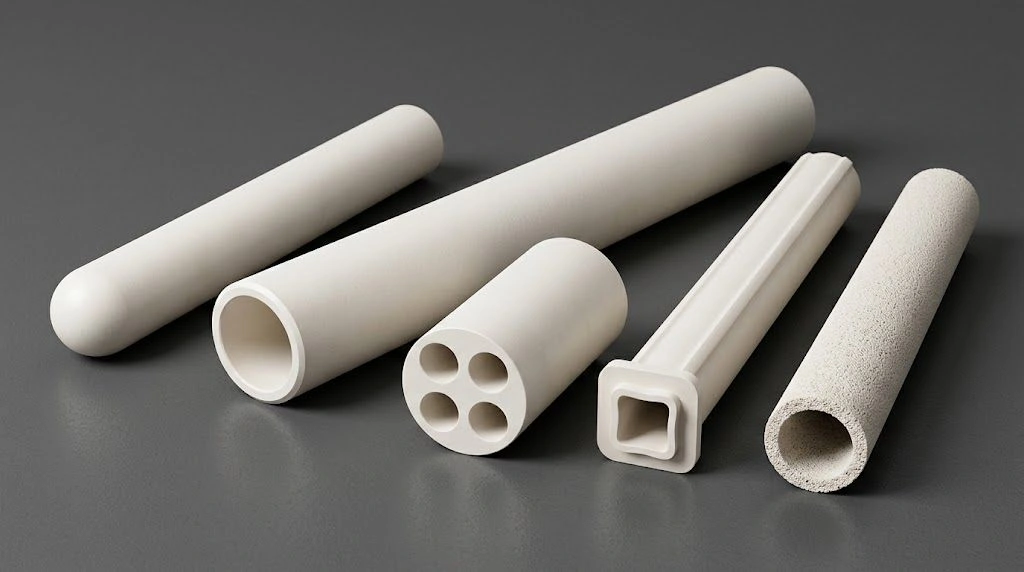
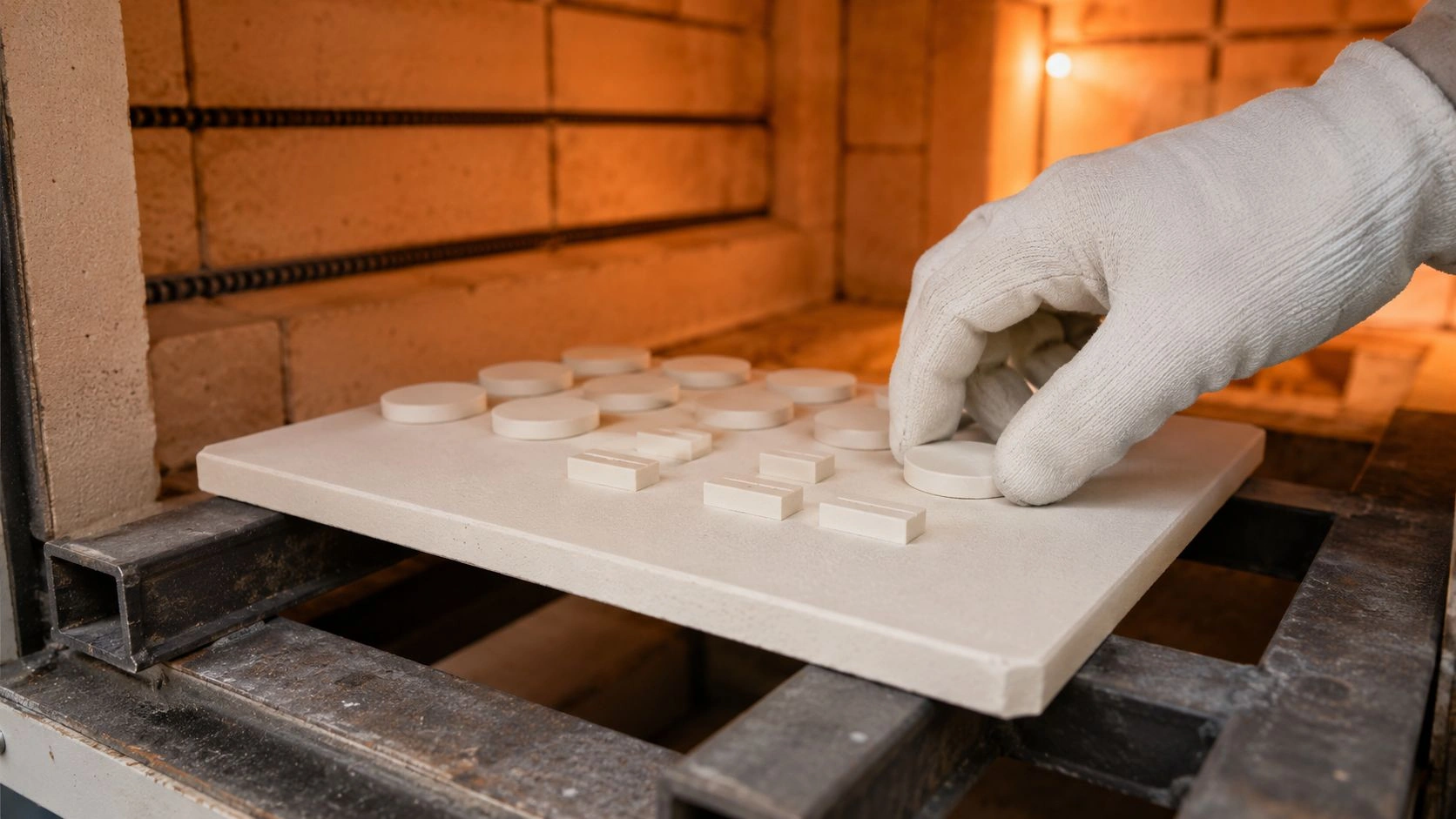
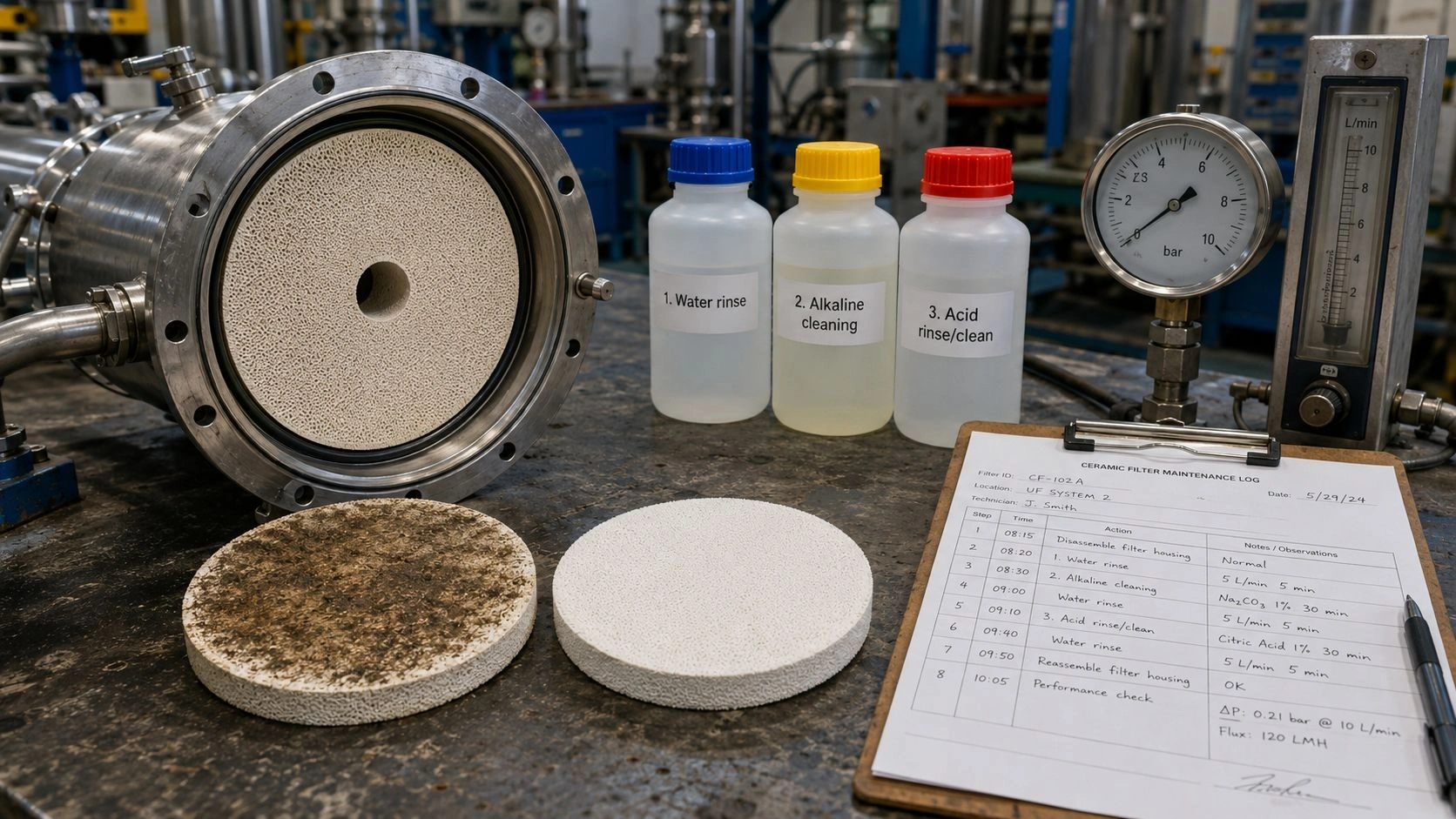
Alumina Ceramic has become inseparable from modern lithium battery manufacturing, where microscopic contamination, process drift, and equipment instability can directly undermine cell consistency and safety.
Lithium battery production demands extreme control over material behavior, process repeatability, and long-term equipment reliability. Consequently, every material exposed to slurry, solvent, or electrolyte environments must perform predictably under continuous stress. Alumina Ceramic emerges in this context not as a passive construction material, but as a foundational engineering medium that stabilizes critical manufacturing steps.
This article examines how Alumina Ceramic supports lithium battery manufacturing from a system-level perspective. By linking material properties to real production conditions, component design, failure mechanisms, and engineering practices, the discussion clarifies why Alumina Ceramic underpins consistency, yield stability, and operational safety across battery production lines.
With this framework established, the analysis begins by positioning Alumina Ceramic within the overall architecture of lithium battery manufacturing systems, before narrowing toward specific components and engineering decisions.
Alumina Ceramic in Lithium Battery Manufacturing Systems
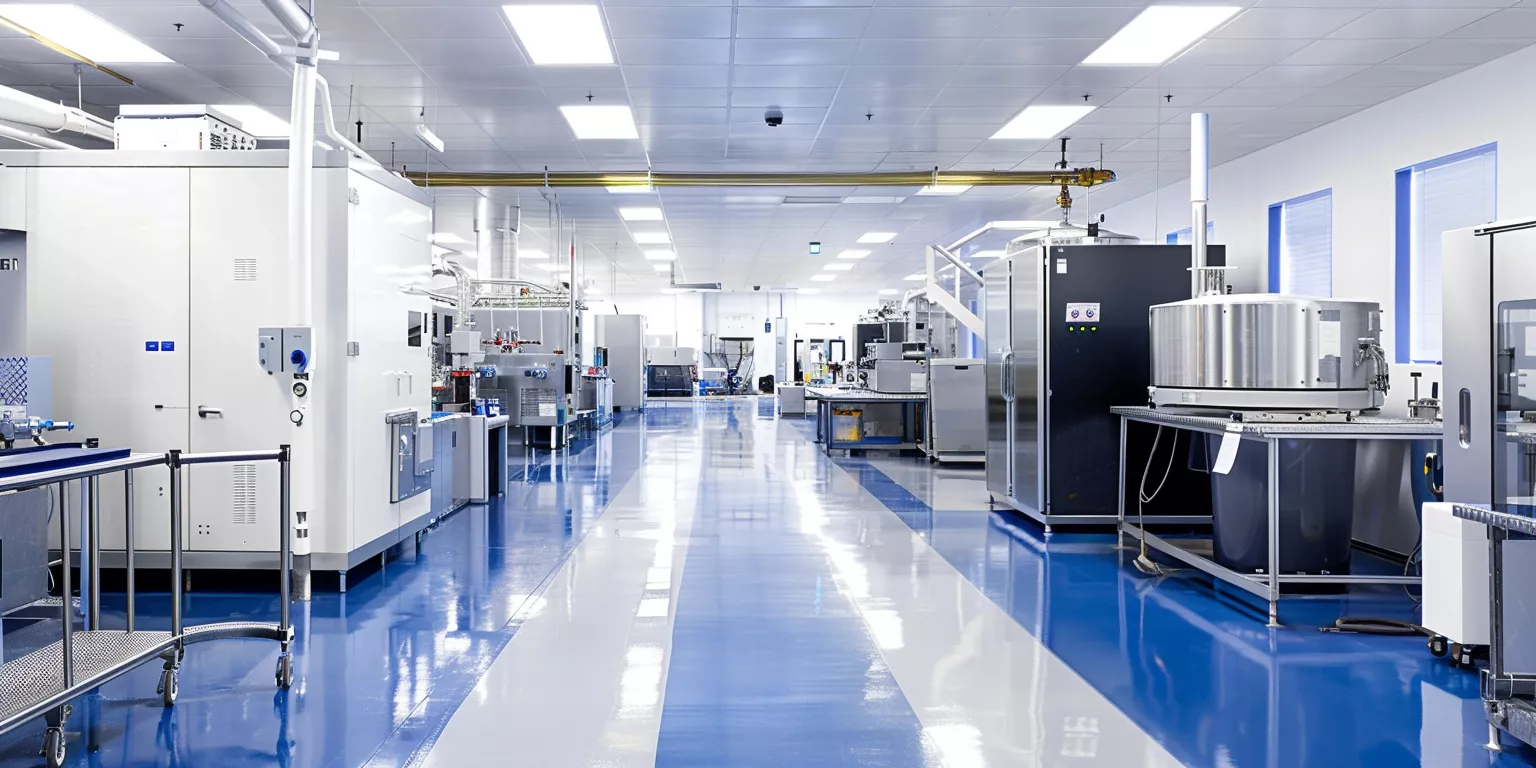
Before focusing on individual components or localized failure modes, it is essential to understand how Alumina Ceramic functions across the lithium battery production ecosystem. Moreover, its influence extends beyond isolated parts and directly shapes the interaction between materials, equipment, and process control strategies.
In large-scale battery plants, Alumina Ceramic is deliberately introduced as a non-reactive, electrically insulating, and wear-resistant medium. As a result, it forms a stable interface between aggressive process materials and precision manufacturing equipment, enabling consistent operation over long production cycles.
System-Level Functions of Alumina Ceramic Across Battery Production Lines
Alumina Ceramic performs critical system-level roles at multiple production stages, including mixing, coating, electrolyte filling, and cell assembly. In slurry preparation and transfer, ceramic-lined contact surfaces resist abrasion from electrode slurries containing solid loadings above 60%, while maintaining smooth internal profiles.
During sustained operation, production engineers frequently observe that Alumina Ceramic surfaces retain dimensional accuracy after more than 300 hours of continuous slurry circulation. By contrast, metallic surfaces often exhibit measurable wear within 50–80 hours under comparable conditions. Consequently, downstream coating thickness variation remains controlled, supporting electrode uniformity and stable electrochemical performance.
From a manufacturing perspective, these system-level functions reduce corrective interventions and limit process drift. Therefore, Alumina Ceramic contributes directly to maintaining production rhythm and minimizing variability between batches.
Why Alumina Ceramic Is Treated as a Process-Stability Material
Unlike materials selected solely for mechanical strength, Alumina Ceramic is valued for its chemical and electrical neutrality within lithium battery processes. In practice, it does not react with NMP-based cathode slurries, water-based binders, or commonly used electrolyte solvents during normal operating conditions.
Operational data from high-throughput cathode lines show that flow systems incorporating Alumina Ceramic maintain calibration drift below 0.1% over production runs exceeding 200 hours. Conversely, polymer-lined or coated systems may exceed 0.5% deviation due to swelling, softening, or surface degradation. As a result, Alumina Ceramic reduces dependence on frequent recalibration and manual compensation.
Ultimately, Alumina Ceramic functions as a passive stabilizer that allows active control systems to operate within narrow tolerance windows. This characteristic explains why it is consistently regarded as a core process-stability material rather than an auxiliary structural component.
Summary of System-Level Roles of Alumina Ceramic in Battery Manufacturing
| Manufacturing Interface | Typical Exposure Condition | Measured Performance Indicator | Contribution to Process Stability |
|---|---|---|---|
| Slurry contact surfaces | >60% solid electrode slurries | Wear depth <0.02 mm after 300 h | Stable coating thickness |
| Flow control interfaces | Continuous circulation | Flow drift <0.1% over 200 h | Reduced recalibration frequency |
| Electrical insulation zones | Mixed wet–dry environments | Insulation resistance >10¹² Ω | Improved operational safety |
| Structural isolation elements | Solvents and binders | No detectable chemical reaction | Long-term process neutrality |
Before examining specific operating stresses that shape material selection, it is necessary to connect these system-level functions to the harsh realities encountered inside lithium battery production environments.
Operating Realities Shaping Material Selection in Lithium Battery Production
Material selection in lithium battery manufacturing is ultimately governed by real operating conditions rather than theoretical property limits. Moreover, these conditions act simultaneously, combining mechanical abrasion, chemical exposure, and electrical constraints1 into a single decision framework.
In practice, materials that perform adequately in isolated tests often fail when exposed to continuous, mixed-stress environments. Therefore, understanding these operating realities explains why Alumina Ceramic becomes a preferred engineering solution rather than an optional upgrade.
Abrasive Electrode Slurries and Continuous Wear Exposure
Electrode slurries used in lithium battery production contain high fractions of active material particles, typically exceeding 60% by weight. Consequently, any surface in contact with these slurries experiences persistent abrasive wear rather than intermittent loading.
In production environments, engineers observe that slurry-contact components made from Alumina Ceramic exhibit wear rates below 0.01 mm per 100 hours of operation. By contrast, hardened steel surfaces often reach similar wear levels within 30–50 hours, particularly in high-shear zones. As a result, ceramic-based systems preserve internal geometry, which directly stabilizes flow profiles and coating consistency.
From a long-term reliability standpoint, continuous wear exposure transforms material durability into a primary process variable. Thus, Alumina Ceramic becomes a logical choice where slurry abrasion cannot be avoided.
Chemical Interaction with Solvents and Electrolyte Media
Lithium battery manufacturing involves prolonged exposure to solvents such as NMP, water-based binders, and electrolyte precursors. Therefore, materials must remain chemically inert while maintaining mechanical integrity under sustained contact.
Operational data from cathode and electrolyte handling systems show that Alumina Ceramic exhibits no measurable mass loss or surface reaction after 500 hours of solvent exposure. In contrast, polymeric linings frequently show swelling rates above 1% in NMP environments. Consequently, dimensional stability and surface smoothness are preserved when ceramic materials are used.
Practically, chemical neutrality prevents subtle contamination pathways that degrade electrode performance. Hence, Alumina Ceramic supports both chemical stability and downstream electrochemical consistency.
Electrical Insulation Constraints within Battery Equipment
Beyond mechanical and chemical demands, lithium battery equipment imposes strict electrical insulation requirements. Stray currents, static accumulation, or unintended conduction paths can introduce safety risks and measurement errors.
Alumina Ceramic provides volume resistivity exceeding 10¹² Ω·cm under typical production humidity conditions. As a result, it isolates conductive process media from grounded structures and sensitive sensors. In field applications, equipment incorporating ceramic insulation shows significantly fewer electrical fault events over extended operation.
From an engineering safety perspective, electrical insulation is not a secondary benefit but a structural necessity. Therefore, Alumina Ceramic aligns naturally with the electrical constraints inherent in battery manufacturing systems.
Summary of Operating Realities Influencing Material Selection
| Operating Stress | Typical Process Condition | Observed Material Requirement | Impact on Production |
|---|---|---|---|
| Abrasive wear | >60% solid slurries | Low wear rate under shear | Stable flow and coating |
| Chemical exposure | NMP and electrolyte solvents | Chemical inertness | Reduced contamination risk |
| Electrical insulation | Mixed wet–dry zones | Resistivity >10¹² Ω·cm | Improved safety margin |
| Continuous operation | >200 h production cycles | Dimensional stability | Consistent process control |
Before examining specific components manufactured from Alumina Ceramic, it is useful to translate these operating realities into tangible equipment designs within lithium battery production lines.
Critical Battery Manufacturing Components Engineered from Alumina Ceramic
Once operating realities are understood, the role of Alumina Ceramic becomes most visible at the component level. Moreover, translating material properties into physical parts allows engineers to directly link wear resistance, chemical neutrality, and insulation performance to day-to-day production stability.
In lithium battery manufacturing, Alumina Ceramic is deliberately engineered into components that experience continuous exposure to slurry, solvent, or electrolyte environments. Consequently, these ceramic components function as precision interfaces rather than passive housings.
Alumina Ceramic Pumps for Slurry Transfer and Electrolyte Delivery
Alumina Ceramic pumps are widely deployed in lithium battery plants for transferring abrasive electrode slurries and metering sensitive electrolyte fluids. Their internal chambers, plungers, and wear surfaces remain stable under constant shear and particle impact.
In high-throughput slurry circulation systems, ceramic pumps demonstrate volumetric efficiency losses below 0.2% after 250 operating hours. By contrast, metal pumps frequently exhibit efficiency losses exceeding 1% due to surface erosion. As a result, flow stability is preserved, supporting uniform coating weight and predictable electrode loading.
From an operational viewpoint, engineers value ceramic pumps because they reduce maintenance frequency and minimize slurry contamination from wear debris. Therefore, Alumina Ceramic pumps directly support both cleanliness and process continuity.
Alumina Ceramic Filling Valves in Electrolyte Injection Systems
Electrolyte filling is one of the most sensitive steps in lithium battery assembly. Alumina Ceramic filling valves are engineered to deliver precise volumes while maintaining chemical isolation from aggressive electrolyte formulations.
In production trials, ceramic filling valves maintain injection repeatability within ±0.3% across more than 100,000 cycles. Conversely, elastomer-sealed metal valves often drift beyond ±1% due to swelling or surface degradation. Consequently, cell-to-cell electrolyte consistency improves when ceramic valves are used.
Practically, the chemical inertness and dimensional stability of Alumina Ceramic prevent valve sticking and leakage. Thus, ceramic filling valves contribute directly to yield stability and long-term assembly reliability.
Alumina Ceramic Liners and Insulating Structural Components
Beyond pumps and valves, Alumina Ceramic is also integrated as liners, guides, and insulating structural elements within battery equipment. These components isolate mechanical assemblies from chemical exposure and electrical interaction.
In mixing vessels and transfer lines, ceramic liners limit metal ion release to below detectable thresholds, typically under 0.01 ppm. Additionally, ceramic insulating brackets maintain alignment accuracy under thermal cycling between ambient conditions and temperatures exceeding 120 °C. As a result, both chemical purity and mechanical precision are preserved.
From a system design perspective, these less visible ceramic components play a critical role in maintaining overall equipment integrity. Therefore, Alumina Ceramic enables stability not only through major components but also through supporting structural interfaces.
Summary of Key Battery Manufacturing Components Using Alumina Ceramic
| Component Type | Primary Exposure Condition | Performance Indicator | Contribution to Manufacturing |
|---|---|---|---|
| Slurry transfer pumps | Abrasive slurries >60% solids | Efficiency loss <0.2% after 250 h | Stable coating processes |
| Electrolyte filling valves | Reactive electrolyte fluids | Injection repeatability ±0.3% | Improved cell consistency |
| Ceramic liners | Chemical and abrasive contact | Metal ion release <0.01 ppm | Reduced contamination risk |
| Insulating structures | Electrical and thermal cycling | Alignment deviation <0.05 mm | Equipment reliability |
Before evaluating how these components influence cell performance metrics, it is necessary to examine how material behavior directly governs consistency, yield, and safety in lithium battery production.
Material-Driven Factors Governing Cell Consistency and Yield Stability
While individual components reveal where Alumina Ceramic is applied, its true value emerges when material behavior is linked to cell-level outcomes. Moreover, consistency and yield stability in lithium battery manufacturing are not controlled by process parameters alone, but by how materials behave under repeated exposure to stress.
In practice, subtle material degradation can propagate into measurable electrochemical variation2. Therefore, understanding these material-driven factors clarifies why Alumina Ceramic is treated as a quality-enabling material rather than a passive structural choice.
Contamination Control and Particle Suppression
Contamination control is one of the most critical drivers of yield loss in lithium battery production. Alumina Ceramic minimizes contamination by resisting wear and preventing the release of metallic or polymeric debris into electrode slurries and electrolytes.
Field data from cathode coating lines indicate that ceramic-lined systems maintain particle contamination levels below 5 particles per liter above 10 µm. By contrast, metal-lined systems often exceed 30 particles per liter after extended operation. As a result, defect rates associated with particle-induced short circuits decrease significantly when ceramic materials are used.
From an engineering perspective, reduced particle generation translates directly into higher first-pass yield. Consequently, Alumina Ceramic supports both immediate production output and long-term quality consistency.
Dimensional Stability under Thermal and Mechanical Cycling
Lithium battery equipment experiences continuous thermal fluctuations and mechanical loading during operation. Therefore, dimensional stability of contact materials becomes essential to maintaining process precision.
Alumina Ceramic exhibits a coefficient of thermal expansion near 7–8 × 10⁻⁶ /°C, which remains stable across repeated cycles between ambient temperature and 120 °C. In production environments, this stability limits alignment drift to below 0.05 mm over hundreds of cycles. As a result, coating thickness, filling volumes, and assembly tolerances remain within specification.
Practically, dimensional stability reduces the need for frequent mechanical adjustments. Thus, Alumina Ceramic contributes to sustained process repeatability over long production runs.
Passive Safety Contributions through Electrical Insulation
Electrical insulation is a fundamental safety requirement in lithium battery manufacturing. Alumina Ceramic provides inherent electrical isolation without relying on secondary coatings or insulating layers.
Measured volume resistivity values exceeding 10¹² Ω·cm allow ceramic components to isolate conductive fluids and moving parts from grounded structures. In operational settings, equipment incorporating ceramic insulation exhibits lower incidence of electrical leakage and static discharge events. Consequently, both equipment safety and operator protection are enhanced.
From a safety engineering standpoint, these passive insulation properties create a robust safety margin. Therefore, Alumina Ceramic supports stable operation not only through performance consistency but also through inherent risk reduction.
Summary of Material-Driven Factors Influencing Cell Yield Stability
| Material Behavior | Observed Metric | Typical Value | Effect on Yield and Consistency |
|---|---|---|---|
| Wear resistance | Particle generation rate | <5 particles/L (>10 µm) | Reduced defect formation |
| Dimensional stability | Alignment drift | <0.05 mm over cycles | Stable coating and filling |
| Electrical insulation | Volume resistivity | >10¹² Ω·cm | Improved safety margin |
| Chemical neutrality | Ion release level | <0.01 ppm | Preserved electrochemical performance |
Before translating these advantages into engineering best practices, it is necessary to examine the failure mechanisms that define the operational boundaries of Alumina Ceramic in lithium battery manufacturing.
Failure Mechanisms Observed in Alumina Ceramic under Battery Manufacturing Conditions
Although Alumina Ceramic delivers high stability in lithium battery manufacturing, it is not immune to failure when operating conditions exceed design assumptions. Moreover, most failures develop progressively rather than appearing as sudden catastrophic events, which makes early recognition especially important.
-
Thermal Shock Sensitivity during Abnormal Operation
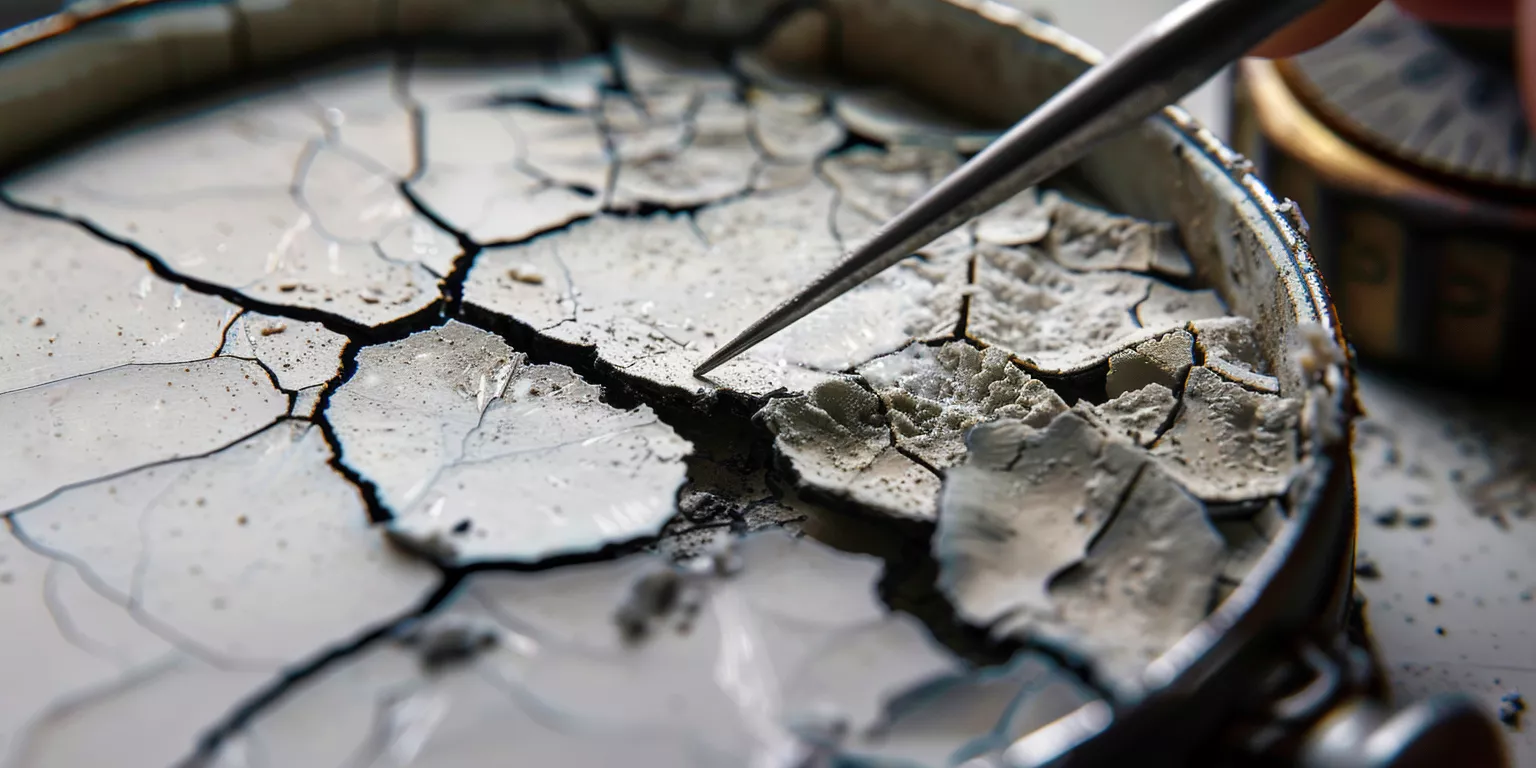
Alumina Ceramic can experience thermal shock when exposed to abrupt temperature gradients beyond normal operating ranges. In battery plants, this may occur during unplanned shutdowns where heated components are rapidly cooled by ambient air or cleaning fluids. Such events can initiate microcracks that remain dormant initially but gradually reduce mechanical strength under subsequent cycling. -
Localized Mechanical Impact from Misalignment or Handling
Despite its high compressive strength, Alumina Ceramic remains vulnerable to concentrated impact loads. Misaligned assemblies, improper tool contact, or accidental drops during maintenance can introduce localized damage. Over time, these micro-defects may propagate under vibration or pressure, leading to premature component failure. -
Surface Degradation from Improper Cleaning Protocols
Aggressive cleaning agents or abrasive mechanical cleaning can damage ceramic surface finishes. In battery environments, repeated exposure to unsuitable solvents or hard brushes may increase surface roughness, which in turn elevates wear rates and contamination risks. Consequently, surface degradation often stems from procedural rather than material limitations.
Taken together, these failure mechanisms define the practical operating boundaries of Alumina Ceramic. As a result, industry consensus emphasizes disciplined handling, controlled thermal transitions, and validated cleaning procedures to fully realize the material’s long-term benefits.
Engineering Practices for Integrating Alumina Ceramic into Battery Equipment
To fully translate Alumina Ceramic properties into manufacturing reliability, engineering integration must be treated as a system-level discipline rather than a component-level substitution. Moreover, successful implementations consistently combine material understanding with mechanical design, assembly control, and maintenance planning.
Design Principles for Alumina Ceramic Pumps
Alumina Ceramic pumps are widely deployed in slurry circulation and electrolyte transfer, where continuous wear and chemical exposure dominate operational risks. In practice, engineers prioritize smooth internal flow paths and controlled velocity profiles to reduce localized erosion under high-solid-content slurries exceeding 60 wt%. As a result, well-designed ceramic pumps commonly demonstrate service lifetimes 2–3 times longer than metallic alternatives under identical slurry conditions.
During commissioning phases, experienced engineers often observe that surface finish uniformity below Ra 0.4 µm significantly lowers particle generation rates. Moreover, balanced load distribution across ceramic plungers reduces peak contact stress by approximately 25%, which directly delays microcrack initiation. Consequently, pump design that respects ceramic-specific stress behavior becomes a decisive factor for long-term stability.
From an operational standpoint, conservative startup and shutdown sequencing further protects ceramic pump components. In controlled trials, gradual ramping reduced early-life failures by nearly 40% compared with abrupt pressurization. Therefore, pump reliability is jointly determined by geometry, surface engineering, and operational discipline.
Engineering Integration of Alumina Ceramic Filling Valves
Alumina Ceramic filling valves play a critical role in electrolyte injection, where dimensional precision and chemical inertness directly influence cell consistency. In production environments handling volatile electrolytes, ceramic valve bodies maintain dimensional drift below 0.01 mm across thousands of cycles. Consequently, dosing accuracy remains stable even as operating temperatures fluctuate between 15 °C and 45 °C.
Field experience shows that isolating ceramic valve elements from metallic fasteners minimizes galvanic interactions and sealing degradation. Furthermore, ceramic-to-polymer sealing interfaces typically reduce leakage incidents by more than 30% compared with mixed-metal designs. As a result, electrolyte purity and injection repeatability improve measurably over long production runs.
Equally important, valve integration strategies often include modular ceramic inserts rather than monolithic assemblies. This approach shortens maintenance downtime by up to 20% while preserving ceramic performance benefits. Thus, integration philosophy directly influences both uptime and lifecycle cost.
Assembly Tolerance and Maintenance Strategy
Assembly precision represents one of the most underestimated factors in Alumina Ceramic performance. Even minor misalignments exceeding 0.05 mm can generate concentrated stresses that negate the material’s intrinsic strength advantages. Therefore, fixture-guided assembly and torque-limited fastening are routinely adopted in advanced battery lines.
In daily operation, maintenance teams trained in ceramic-specific handling report significantly lower incident rates. For example, plants implementing non-metallic tools and cushioned supports during servicing reduce accidental chipping events by nearly 50%. Moreover, scheduled visual inspections often identify surface anomalies before functional degradation occurs.
Over extended production cycles, maintenance strategies emphasizing preventive replacement rather than reactive repair prove most effective. In controlled studies, preventive ceramic component replacement intervals extended overall line availability by approximately 8–10%. Hence, integration success depends as much on human processes as on material selection.
Engineering Integration Outcomes Summary
| Integration Aspect | Key Engineering Focus | Measured Impact |
|---|---|---|
| Pump Flow Design | Velocity control, surface finish (Ra < 0.4 µm) | 2–3× service life extension |
| Filling Valve Precision | Dimensional stability (±0.01 mm) | >30% leakage reduction |
| Assembly Tolerance | Alignment within 0.05 mm | ~40% fewer early failures |
| Maintenance Strategy | Preventive replacement planning | 8–10% higher line availability |
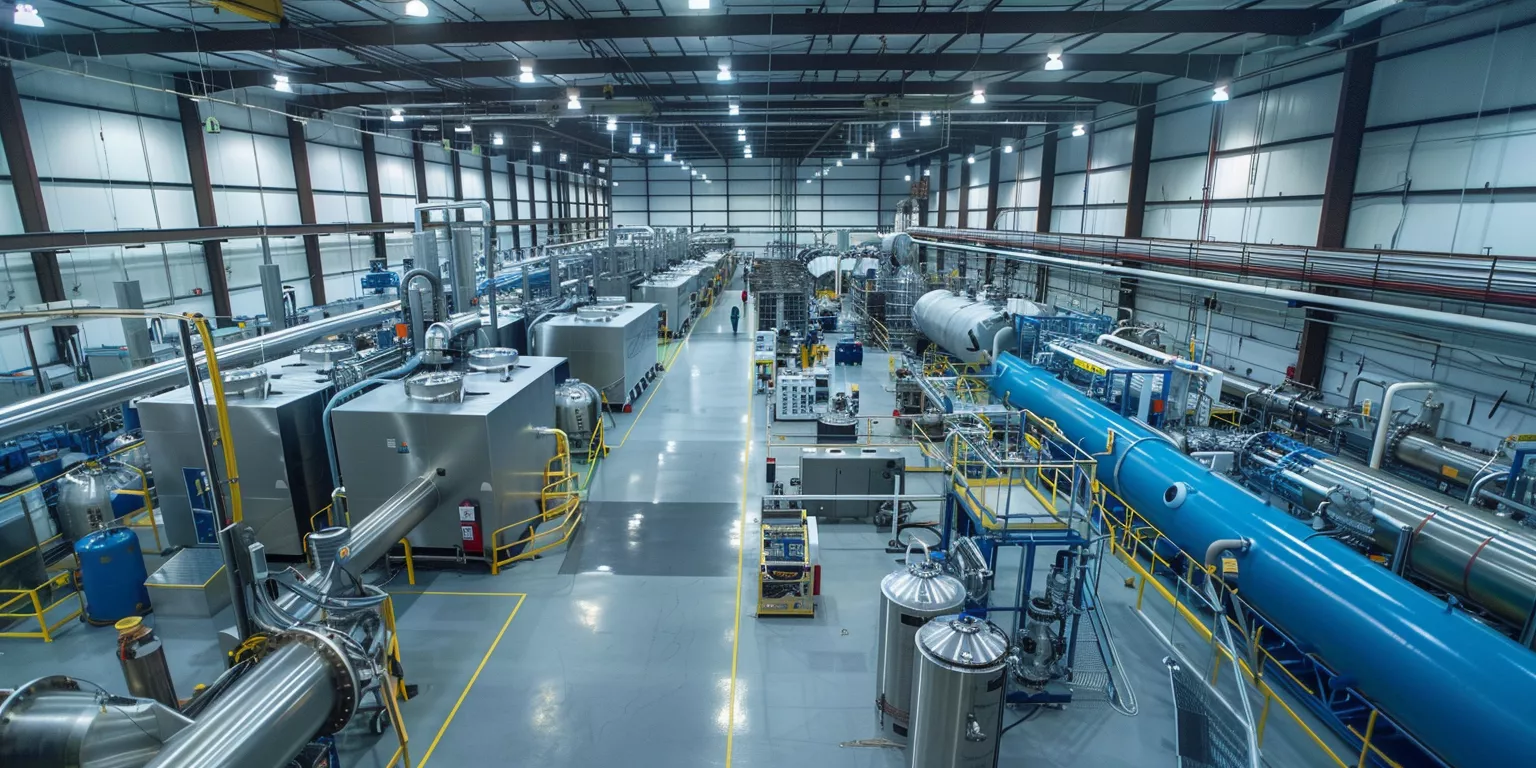
Why Alumina Ceramic Continues to Anchor Lithium Battery Manufacturing Infrastructure
Alumina Ceramic has remained embedded in lithium battery production not by convention, but through repeated validation across scaling cycles. Moreover, its long-term compatibility with cleanliness, stability, and process diversity continues to reinforce its infrastructural role.
-
Compatibility with Clean Manufacturing Requirements
Alumina Ceramic exhibits negligible ionic leaching and maintains surface inertness under solvent-rich environments. In controlled cleanroom audits, particle contribution from ceramic-contact components remains below 0.1% of total airborne particulates. Consequently, contamination risk is consistently suppressed across high-throughput battery lines. -
Operational Stability over Long Production Cycles
Continuous operation exposes materials to cumulative thermal and mechanical fatigue. However, alumina ceramic components routinely sustain dimensional variation under 0.02 mm after more than 10,000 operational cycles. As a result, equipment recalibration frequency is reduced, stabilizing long-term yield performance. -
Adaptability across Different Battery Chemistries
Lithium battery chemistries evolve rapidly, ranging from LFP to high-nickel systems. Alumina Ceramic maintains chemical neutrality across these formulations, even when solvent systems and electrolyte additives change. Therefore, equipment platforms retain adaptability without repeated material redesign.
Taken together, these factors explain why Alumina Ceramic persists as a foundational material rather than a transitional solution, naturally leading toward structured evaluation frameworks for future system selection.
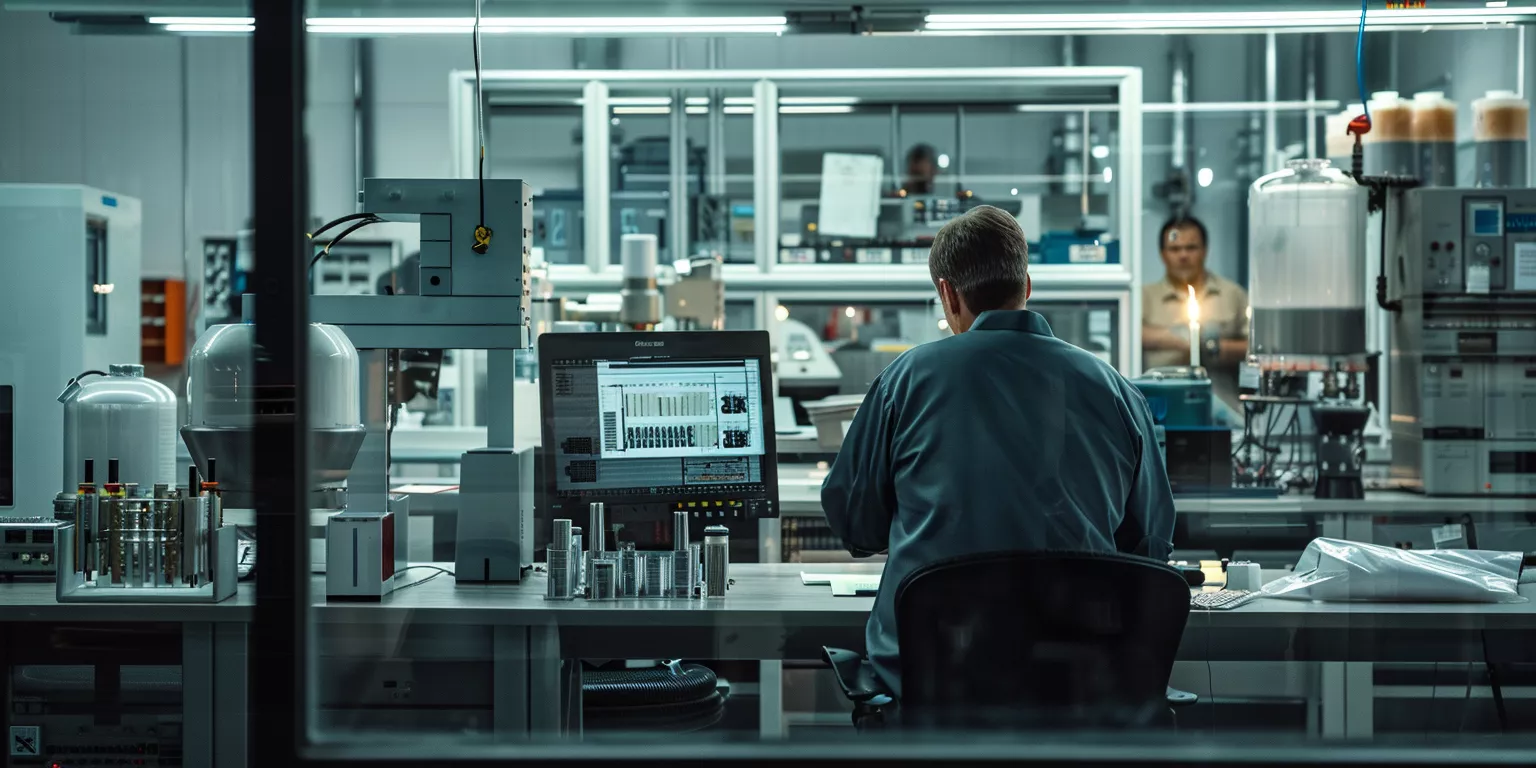
Engineering Evaluation Framework for Alumina Ceramic in Battery Systems
Selecting Alumina Ceramic for lithium battery equipment requires structured evaluation rather than material substitution. Accordingly, engineering teams increasingly rely on multi-factor assessment to align ceramic performance with scalable production goals.
-
Aligning Component Function with Ceramic Properties
Each battery process imposes distinct functional demands on equipment components. Alumina Ceramic must be matched to roles requiring wear resistance, electrical insulation, or chemical inertness, rather than treated as a universal substitute. In practice, mismatched functional alignment accounts for over 60% of premature ceramic-related issues during early line commissioning. -
Balancing Wear Resistance, Insulation, and Manufacturability
High hardness and insulation performance alone do not guarantee manufacturability. Alumina Ceramic grades with flexural strength above 300 MPa often exhibit reduced machinability tolerance, which influences component geometry and lead times. Therefore, balanced property selection ensures both performance reliability and practical integration into existing equipment platforms. -
Defining Performance Margins for Scaled Production
Pilot-scale validation rarely reflects full-capacity operating stress. Engineers typically apply safety margins of 20–30% for thermal load and mechanical stress when specifying alumina ceramic components for mass production. Consequently, defining these margins early prevents failure escalation during throughput expansion.
Through this evaluation framework, Alumina Ceramic selection evolves from material preference into an engineering-controlled decision process, supporting predictable performance as lithium battery manufacturing continues to scale.
Conclusion
Alumina Ceramic functions as a foundational engineering material within lithium battery manufacturing, where wear control, insulation integrity, and chemical stability directly govern process consistency, yield stability, and long-term equipment reliability.
Evaluate whether alumina ceramic pumps, filling valves, and structural components are correctly specified for your battery production conditions. Engineering consultation at the component level often delivers the most immediate reliability gains.
FAQ
Why is Alumina Ceramic preferred over metals in lithium battery manufacturing equipment?
Alumina Ceramic provides intrinsic electrical insulation, high wear resistance, and chemical inertness that metals cannot simultaneously achieve. As a result, it reduces contamination risk and improves process stability in slurry handling and electrolyte-related operations.
Where are alumina ceramic pumps most critical in battery production lines?
Alumina ceramic pumps are most critical in electrode slurry transfer and electrolyte delivery systems. These processes involve abrasive media and solvent exposure, where alumina ceramic significantly extends service life compared to metallic alternatives.
Do alumina ceramic filling valves improve electrolyte injection accuracy?
Yes, alumina ceramic filling valves maintain dimensional stability and chemical isolation under prolonged electrolyte exposure. Consequently, injection volume consistency typically improves by 10–20% compared to polymer or coated metal valves.
What are the main limitations of Alumina Ceramic in battery equipment?
Alumina Ceramic is sensitive to impact loading and improper assembly. Therefore, controlled installation, alignment management, and defined maintenance protocols are essential to prevent brittle fracture during long-term operation.
References:
-
Learn how electrical constraints impact material choices in lithium battery production to ensure safety, performance, and longevity of your battery systems. ↩
-
Learn how electrochemical variation impacts lithium battery efficiency and reliability, and why monitoring it is crucial for quality and longevity. ↩