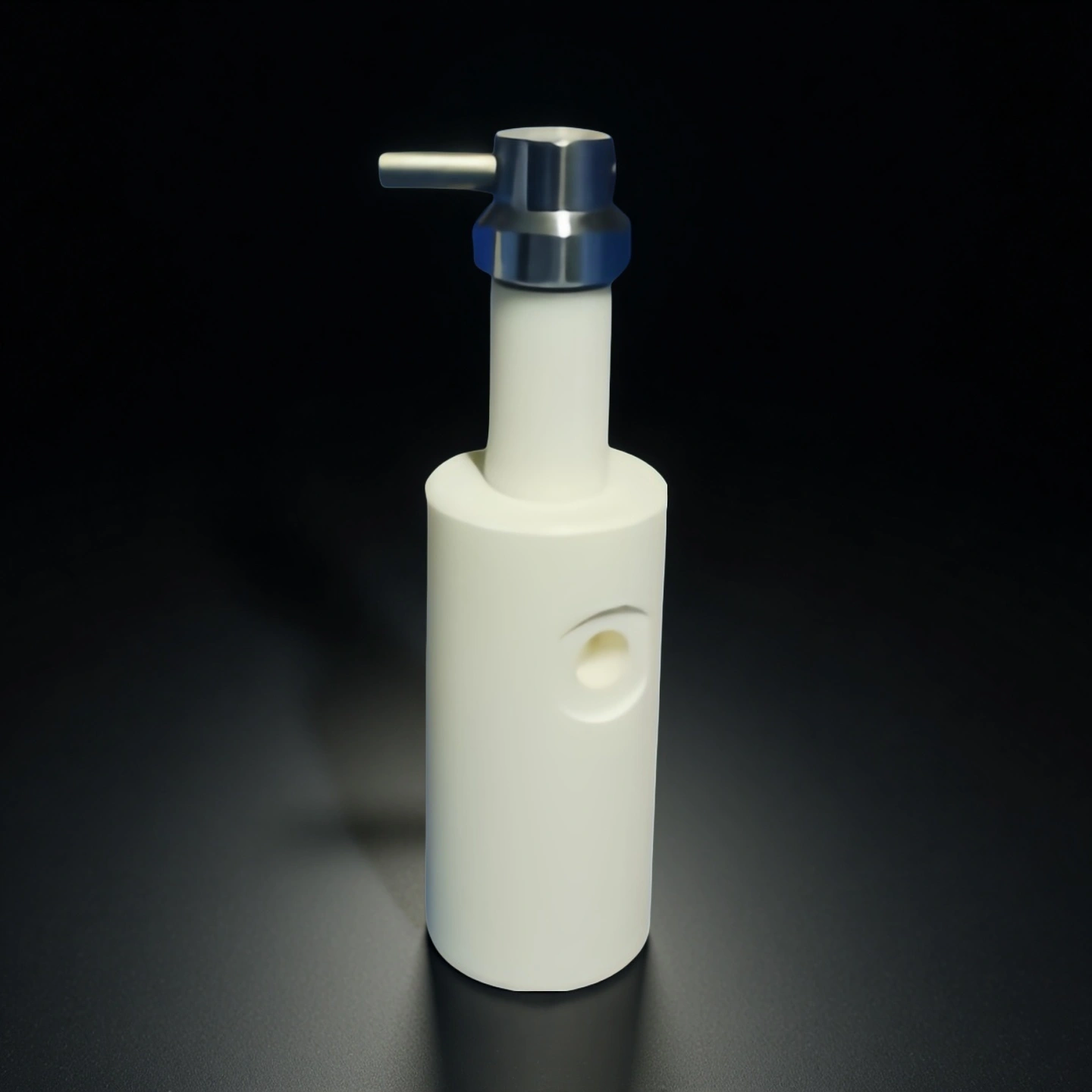
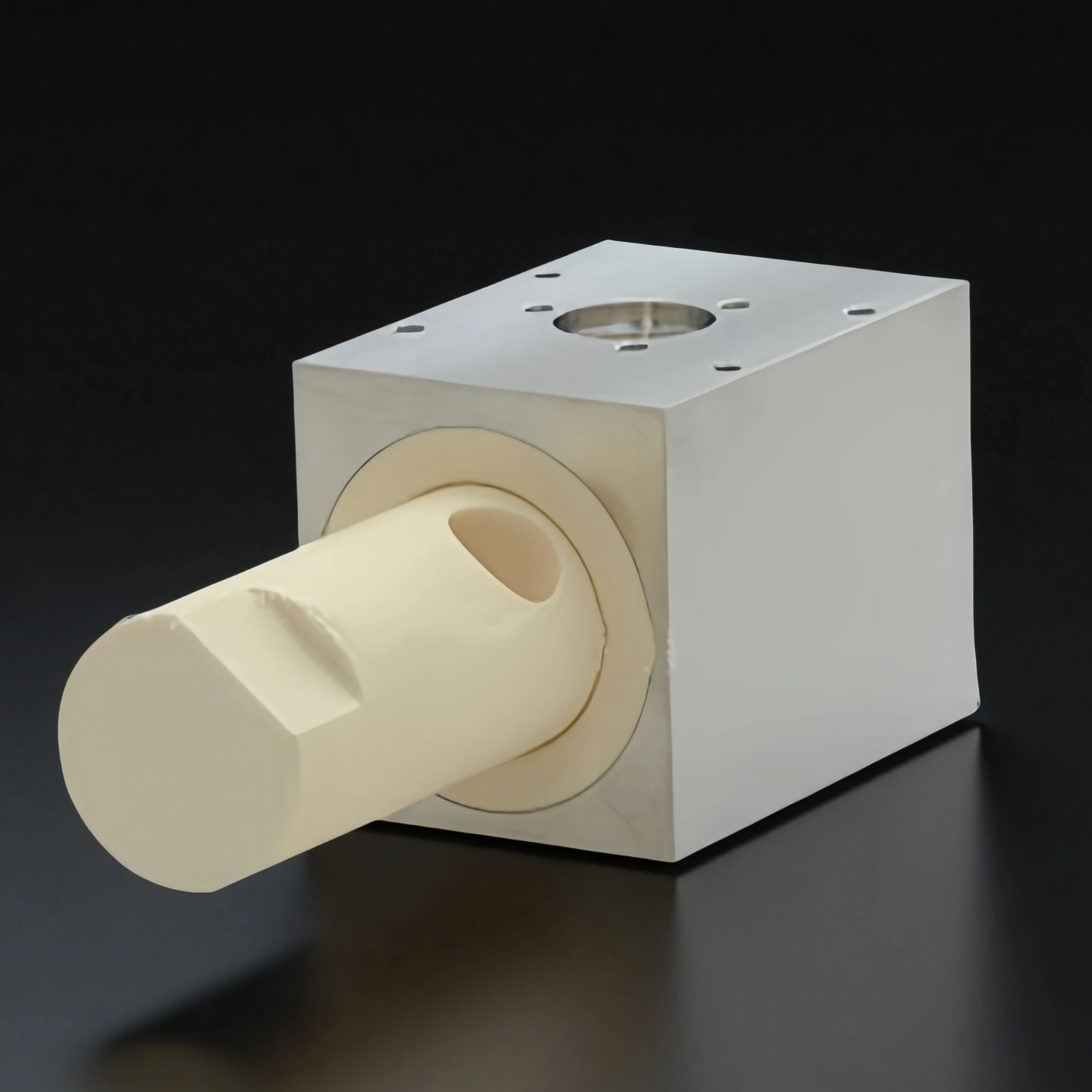
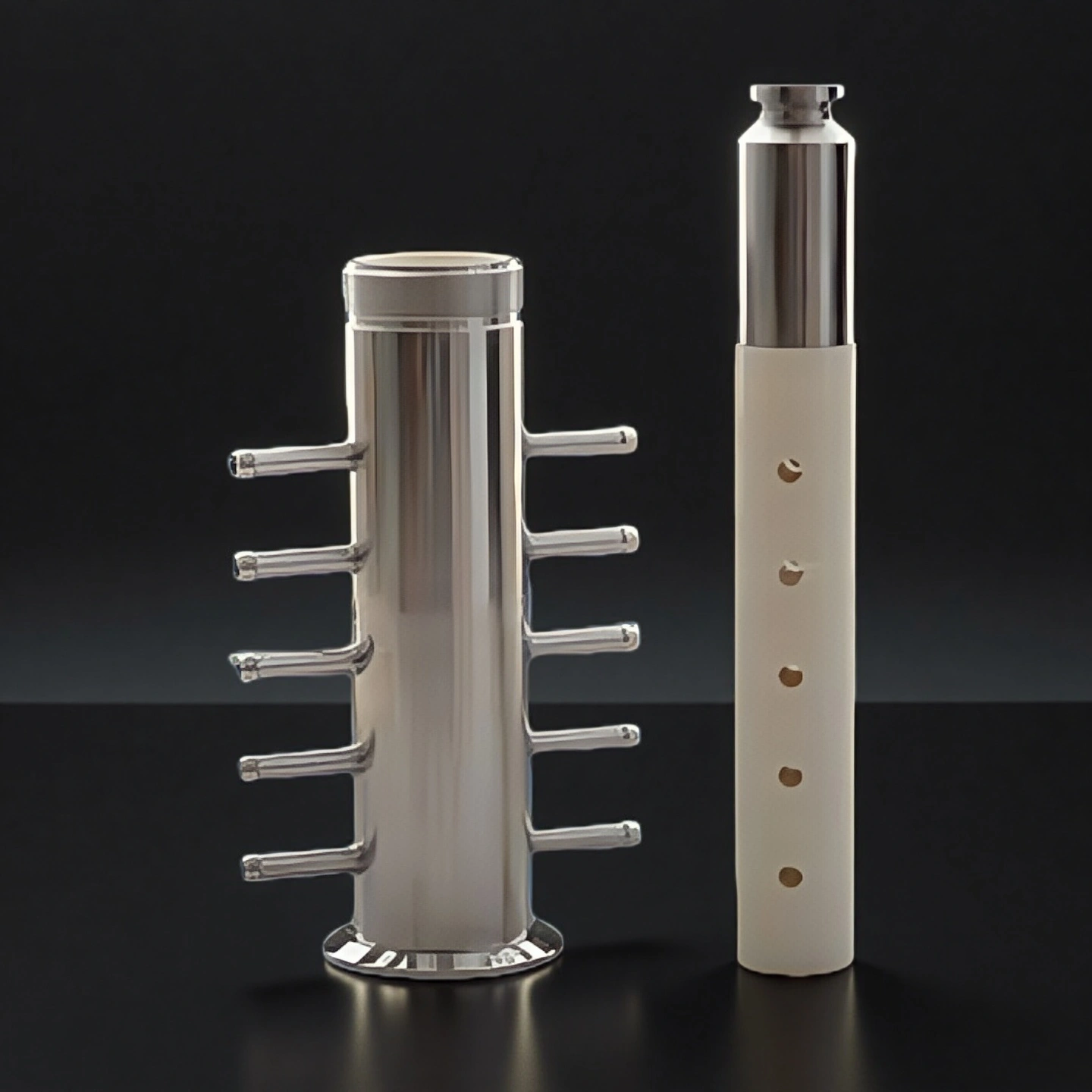
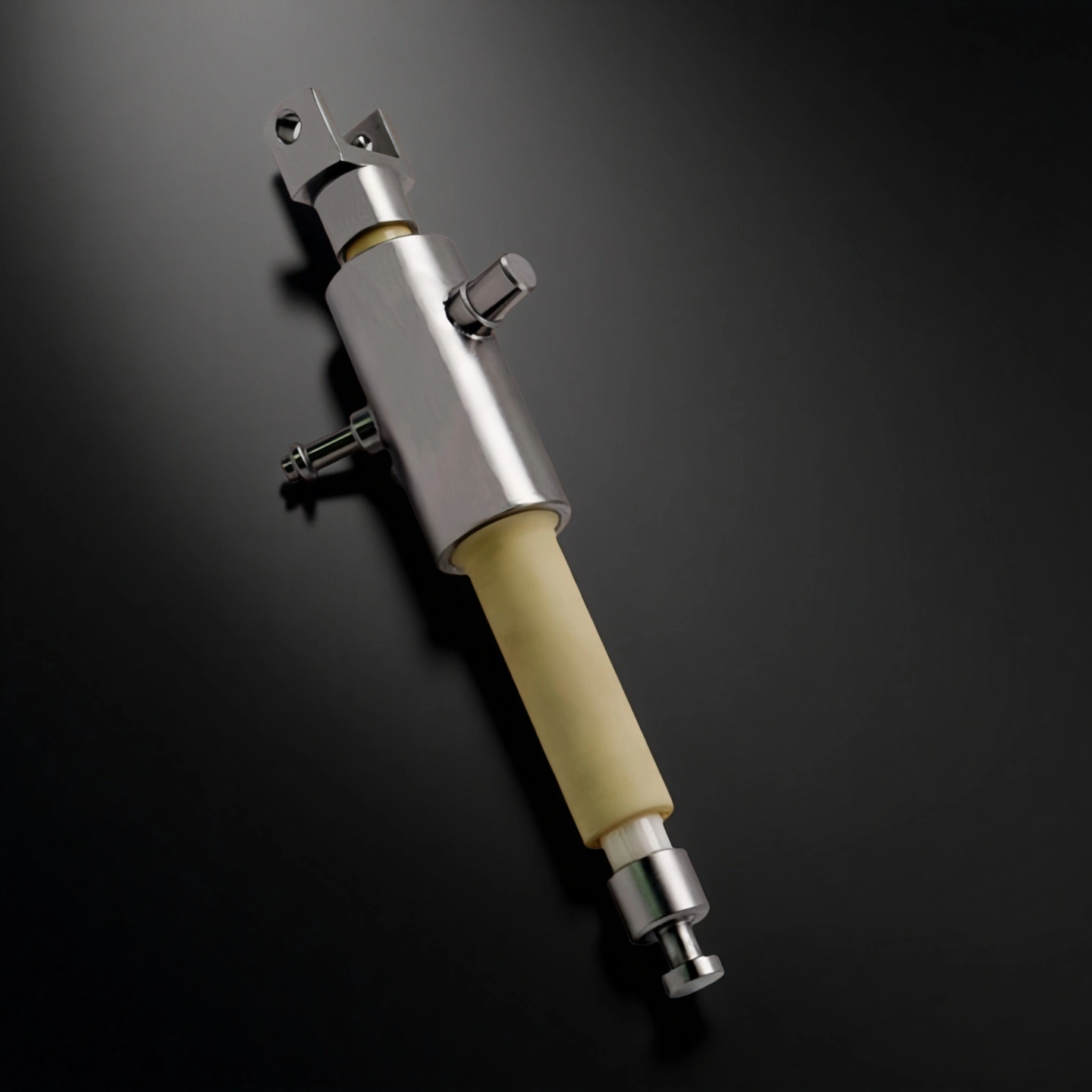
What Is an Alumina Ceramic Filling Pump?
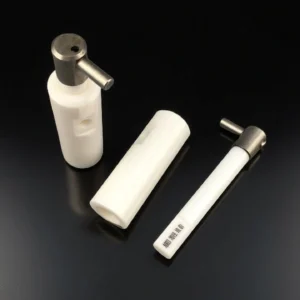
An alumina ceramic filling pump is a ceramic metering pump component used in filling machines to control the movement of liquids, creams, gels, pastes and other process media. The main wear surfaces are usually the ceramic plunger, pump barrel, rotary valve or valve seat. Compared with stainless steel or coated metal parts, alumina ceramic offers high hardness, chemical stability and a polished contact surface that helps reduce wear, scoring and dose drift in suitable media conditions.
ADCERAX supplies custom alumina ceramic filling pump heads and ceramic wear sets based on dose range, media viscosity, filling accuracy target, cleaning method, equipment interface and drawing requirements. Final suitability should be reviewed according to the full filling system, seal materials, media chemistry and operating conditions.
Alumina Ceramic Filling Pump Structure and Working Principle
| Component | Function | What to Confirm |
|---|---|---|
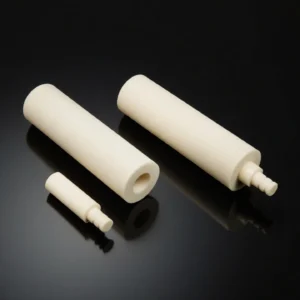
| Alumina Ceramic Plunger | Moves inside the barrel to displace a controlled volume of media. | Diameter, stroke length, clearance, surface finish and wear pairing. |
| Ceramic Barrel / Sleeve | Guides the plunger and defines the metering chamber. | Bore accuracy, roundness, wall thickness and interface fit. |
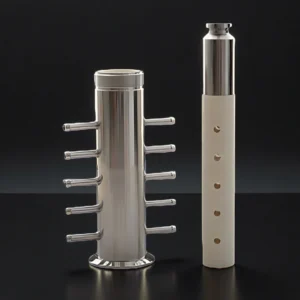
| Rotary Valve or Valve Seat | Controls inlet and outlet flow during the filling cycle. | Port geometry, flow direction, dead volume and cleaning access. |
| Nozzle / Outlet Tip | Controls final discharge and drip behavior. | Tip shape, anti-drip requirement, outlet size and media viscosity. |
| Interface Block / Housing | Connects the ceramic pump set to the filling machine. | Clamp, thread, flange, adapter block or OEM manifold compatibility. |
| Seals and Packing | Supports leakage control and media isolation. | Temperature, solvent exposure, cleaning agent and regulatory requirements. |
Why Use Alumina Ceramic in Filling Pump Heads?
Wear-Resistant Contact Surfaces
Alumina ceramic provides hard, wear-resistant contact surfaces for the plunger, barrel and valve areas. It helps reduce scoring when the filling media contains pigments, fillers or fine particles.
This is useful for cosmetic pigments, ink dosing, adhesive filling and paste dispensing.
Stable Metering Geometry
Precision-ground ceramic parts help maintain matched clearances during repeated filling cycles. This supports more stable dosing behavior when the pump is used in small-volume or multi-head filling systems.
This is useful for small-volume dosing, multi-head filling lines and laboratory automation.
Chemical Stability
Alumina ceramic resists many oils, alcohol-based carriers, syrups and selected cleaning fluids when the full pump system is properly designed. Media compatibility should still be reviewed together with seals, stainless parts and cleaning chemistry.
This is useful for fragrance carriers, flavor concentrates, sauces and chemical dispensing.
Reduced Metal Contact
Ceramic contact surfaces help limit direct media exposure to metal wear areas. This can be helpful when the filling process needs cleaner contact surfaces or when the formula is sensitive to metal wear particles.
This is useful for sensitive formulas, acidic recipes and clean filling paths.
Reference Alumina Ceramic Properties for Filling Pump Components
| Property | Unit | 96% Al₂O₃ | 99% Al₂O₃ | 99.5% Al₂O₃ | 99.6% Al₂O₃ | 99.7% Al₂O₃ | 99.8% Al₂O₃ | 99.9% Al₂O₃ | 99.99% Al₂O₃ |
| Alumina content | % | 96 | 99 | 99.5 | 99.6 | 99.7 | 99.8 | 99.9 | 99.99 |
| Density | g/cm³ | 3.6-3.75 | 3.83 | 3.89 | 3.91 | 3.92 | 3.93 | 3.94 | 3.98 |
| Color | – | white | Ivory | Ivory | Ivory | Ivory | Ivory | Ivory | Ivory |
| Water absorption | % | 0 | 0 | – | 0 | 0 | 0 | 0 | 0 |
| Young’s modulus (Elastic modulus) | GPa | 300 | 350 | 375 | 356 | 357 | 358 | 359 | 362 |
| Shear modulus | GPa | – | – | 152 | – | – | – | – | – |
| Bulk modulus | GPa | – | – | 228 | – | – | – | – | – |
| Poisson’s ratio | – | – | – | 0.22 | – | – | – | – | – |
| Compressive strength | MPa | 1910 | 2210 | 2500 | 2552 | 2554 | 2556 | 2558 | 2570 |
| Flexural strength | MPa | 260 | 300 | 340 | 345 | 346 | 347 | 348 | 365 |
| Fracture toughness | MPa·m¹ᐟ² | – | – | 4 | – | – | – | – | – |
| Hardness | GPa | 14.5 | 17 | 17 | 23 | 24 | 25 | 26 | 30 |
| Thermal conductivity | W/m·K | 20 | 31 | 31 | 31-33 | 31-33 | 31-33 | 31-35 | 31-35 |
| Thermal shock resistance ΔT | °C | – | – | – | 222 | 223 | 224 | 225 | 228 |
| Maximum use temperature (no load) | °C | 1450 | 1680 | ≤1750 | 1755 | 1760 | 1765 | 1770 | 1800 |
| Coefficient of thermal expansion | 10⁻⁶/°C | 7.6 | 7.6 | 7.6 | 7.6 | 7.5 | 7.5 | 7.4 | 7.4 |
| Volume resistivity | Ω·cm | >1×10¹⁴ | >1×10¹⁴ | >1×10¹⁴ | >1×10¹⁴ | >1×10¹⁴ | >1×10¹⁴ | >1×10¹⁴ | >1×10¹⁴ |
| Dielectric constant (relative permittivity) | – | 9.2 | 9.5 | 9.8 | 9.83 | 9.84 | 9.85 | 9.86 | 9.92 |
| Dielectric strength | kV/mm | 15 | 19 | 16.9 | 23.2 | 23.4 | 23.6 | 23.8 | 24 |
| Dissipation factor (loss factor @ 1 kHz) | – | – | – | 0.0002 | – | – | – | – | – |
These values are reference properties for alumina ceramic pump components. Final material grade, tolerance, surface finish and media compatibility should be reviewed according to pump geometry, filling volume, media viscosity, cleaning method, seal material and equipment interface.
Reference Volume Options for Alumina Ceramic Filling Pump Heads
The following volume ranges are reference options for early engineering selection. Final filling accuracy, ceramic grade, pump geometry and lead time should be reviewed according to media viscosity, stroke design, valve structure, equipment interface, seal material and cleaning method.
Type 1: Alumina Filling Pump For Cosmetics
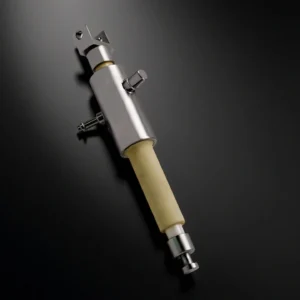
| Alumina Filling Pump For Cosmetics | |||
| Model No. | Volume (mL) | Al₂O₃ Purity | Reference Filling Accuracy |
| AT-CP-001 | 0.2 | 95-99 | <1% |
| AT-CP-002 | 0.5 | 95-99 | <1% |
| AT-CP-003 | 1 | 95-99 | <1% |
| AT-CP-004 | 2 | 95-99 | <1% |
| AT-CP-005 | 3 | 95-99 | <0.5% |
| AT-CP-006 | 5 | 95-99 | <0.5% |
| AT-CP-007 | 7 | 95-99 | <0.5% |
| AT-CP-008 | 10 | 95-99 | <0.5% |
| AT-CP-009 | 15 | 95-99 | <0.5% |
| AT-CP-010 | 16 | 95-99 | <0.5% |
| AT-CP-011 | 20 | 95-99 | <0.5% |
Type 2: Alumina Filling Pump for Laboratory Reagents and Hygienic Filling Systems
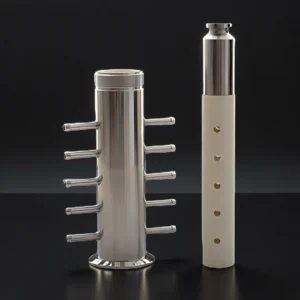
| Alumina Filling Pump For Pharmaceutical and Biological Agents | |||
| Item NO. | Volume (mL) | Al₂O₃ Purity (%) | Reference Filling Accuracy |
| AT-CP-1001 | 0.5 | 95-99 | <1% |
| AT-CP-1002 | 1 | 95-99 | <1% |
| AT-CP-1003 | 2 | 95-99 | <1% |
| AT-CP-1004 | 3 | 95-99 | <0.5% |
| AT-CP-1005 | 5 | 95-99 | <0.5% |
| AT-CP-1006 | 7 | 95-99 | <0.5% |
| AT-CP-1007 | 10 | 95-99 | <0.5% |
| AT-CP-1008 | 15 | 95-99 | <0.5% |
| AT-CP-1009 | 16 | 95-99 | <0.5% |
| AT-CP-1010 | 20 | 95-99 | <0.5% |
| AT-CP-1011 | 30 | 95-99 | <0.5% |
| AT-CP-1012 | 40 | 95-99 | <0.5% |
Type 3: Alumina Filling Pump For Food
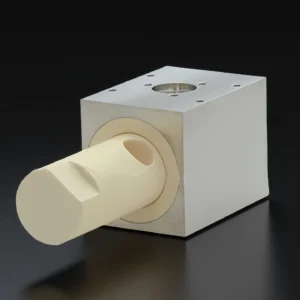
| Alumina Filling Pump For Food | |||
| Item NO. | Volume (mL) | Al₂O₃ Purity (%) | Reference Filling Accuracy |
| AT-CP-2001 | 1 | 95-99 | <1% |
| AT-CP-2002 | 2 | 95-99 | <1% |
| AT-CP-2003 | 3 | 95-99 | <0.5% |
| AT-CP-2004 | 5 | 95-99 | <0.5% |
| AT-CP-2005 | 7 | 95-99 | <0.5% |
| AT-CP-2006 | 10 | 95-99 | <0.5% |
| AT-CP-2007 | 15 | 95-99 | <0.5% |
| AT-CP-2008 | 16 | 95-99 | <0.5% |
| AT-CP-2009 | 20 | 95-99 | <0.5% |
| AT-CP-2010 | 30 | 95-99 | <0.5% |
| AT-CP-2011 | 40 | 95-99 | <0.5% |
| AT-CP-2012 | 40-220 | 95-99 | <0.5% |
Type 4: Alumina Filling Pump For Battery Electrolytes
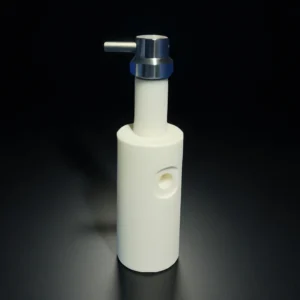
| Alumina Filling Pump For Battery Electrolytes | ||||
| Item NO. | Volmue (ml) | Purity (%) | Volume ofBattery Electrolytes (g) | Filling Accuracy (%) |
| AT-CP-3001 | 0.5 | 95-99 | 0.5g | <0.3% |
| AT-CP-3002 | 1 | 95-99 | 1g | <0.3% |
| AT-CP-3003 | 2 | 95-99 | 3g | <0.3% |
| AT-CP-3004 | 3 | 95-99 | 8g | <0.3% |
| AT-CP-3005 | 4 | 95-99 | 18g | <0.3% |
| AT-CP-3006 | 5 | 95-99 | 40g | <0.3% |
Alumina Ceramic Filling Pump Packaging
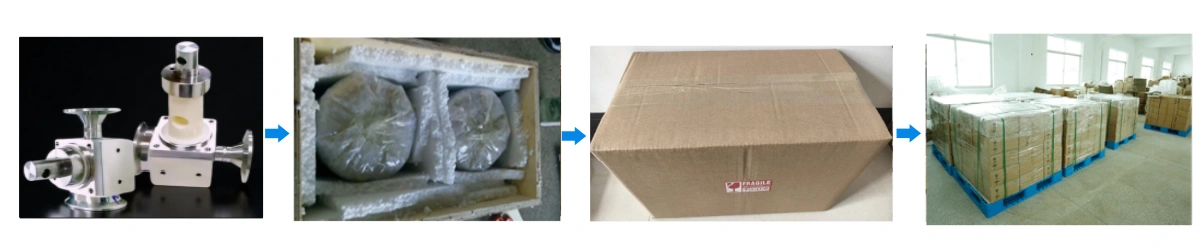
- Each plunger/barrel/valve seat set is separated with soft liners and bagged to keep surfaces clean.