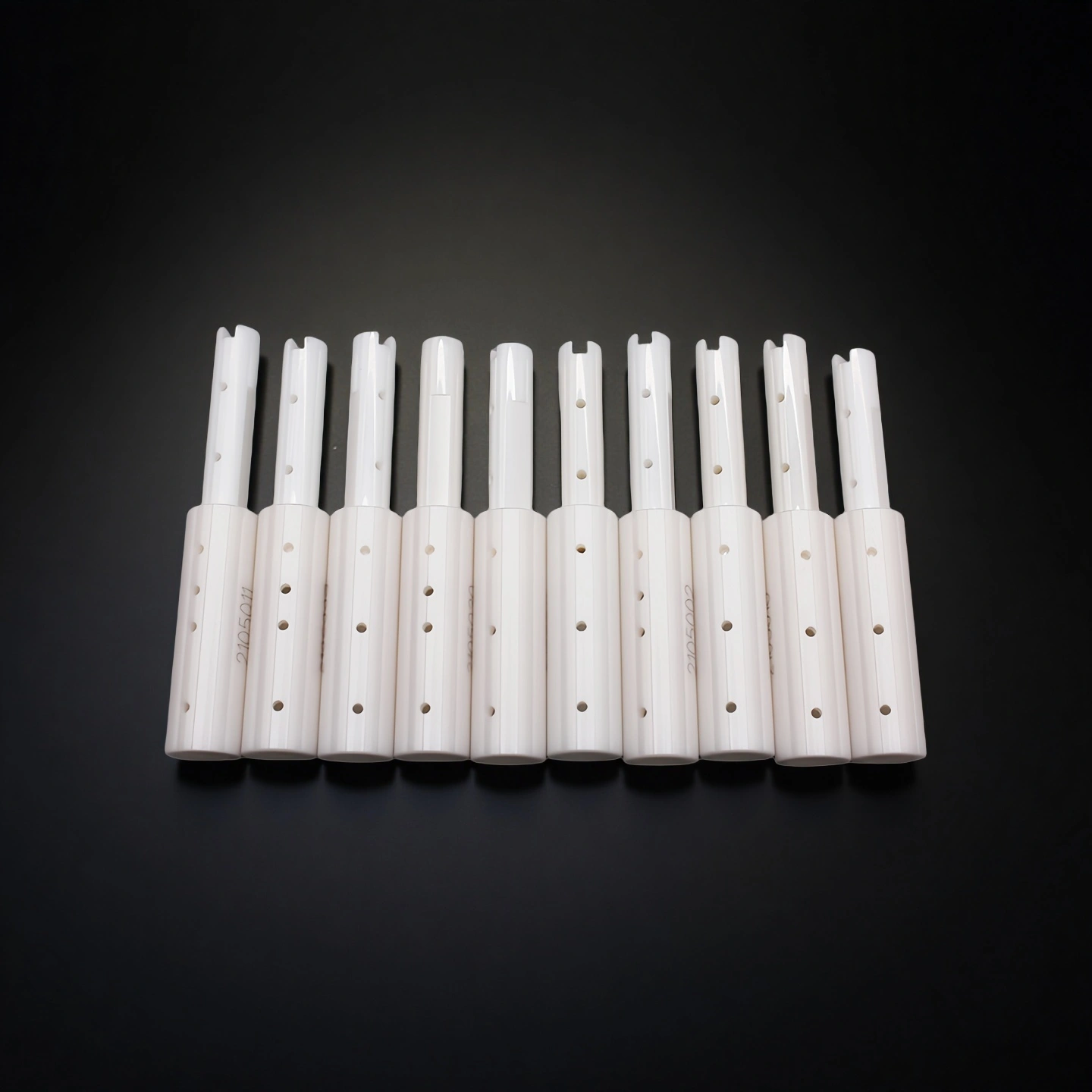
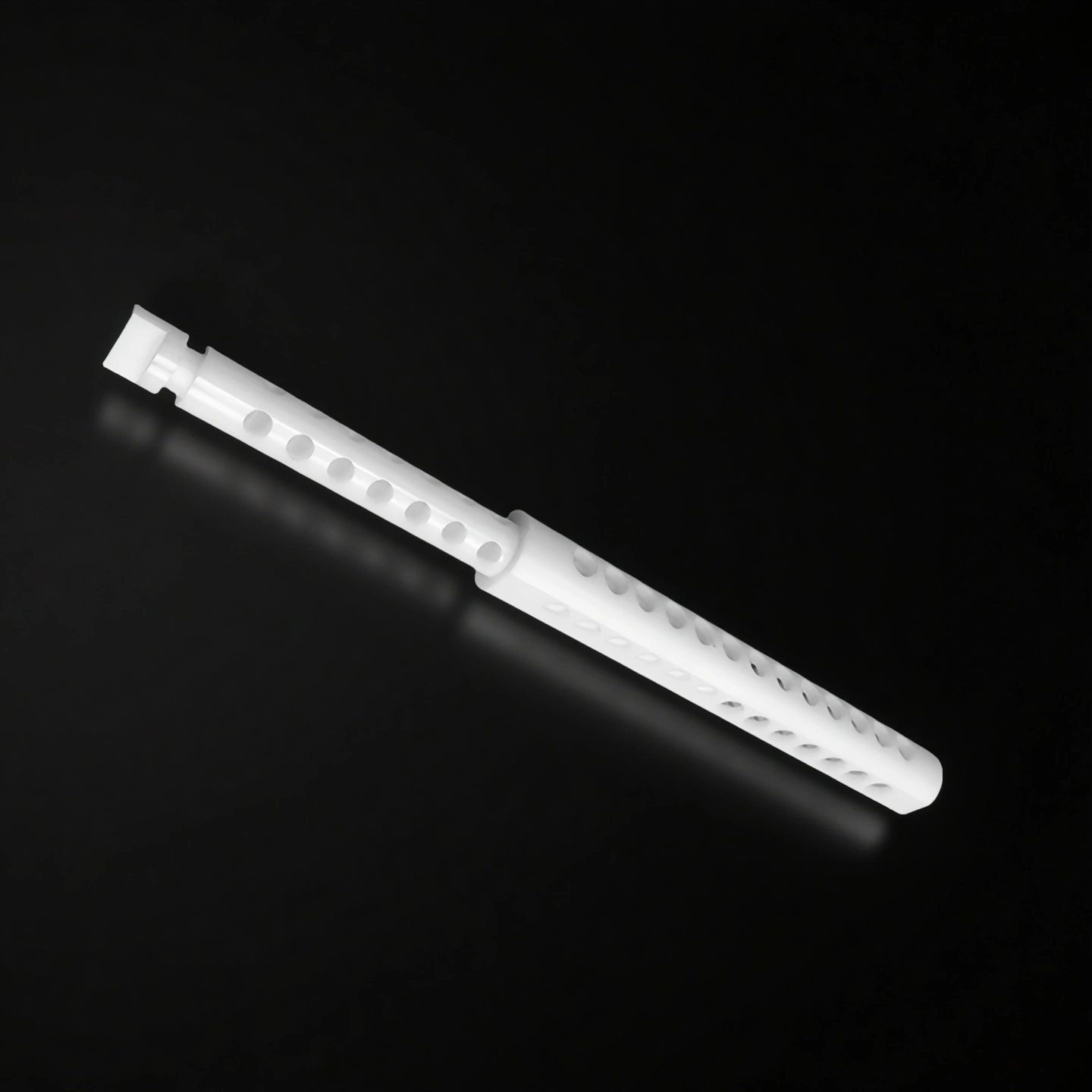
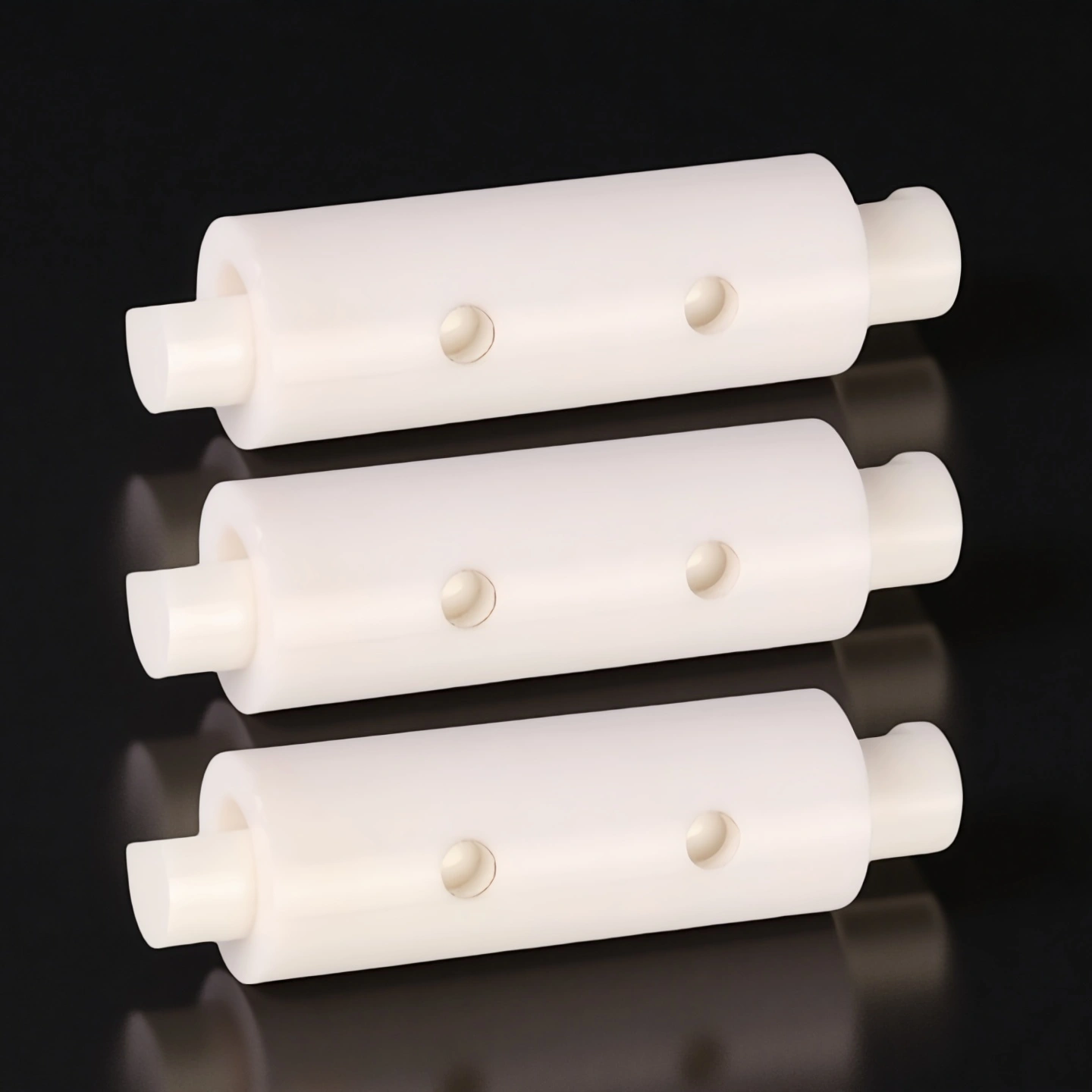
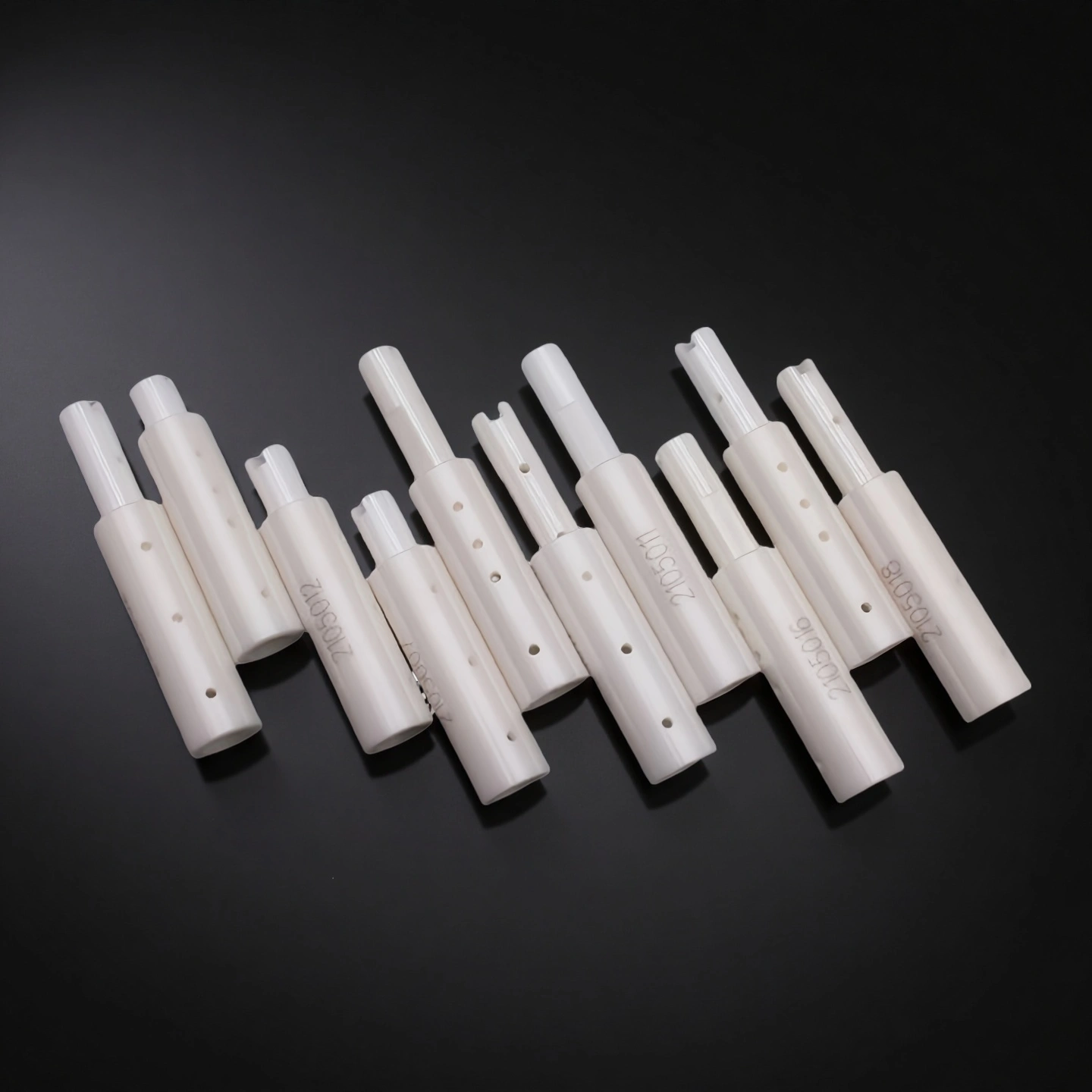
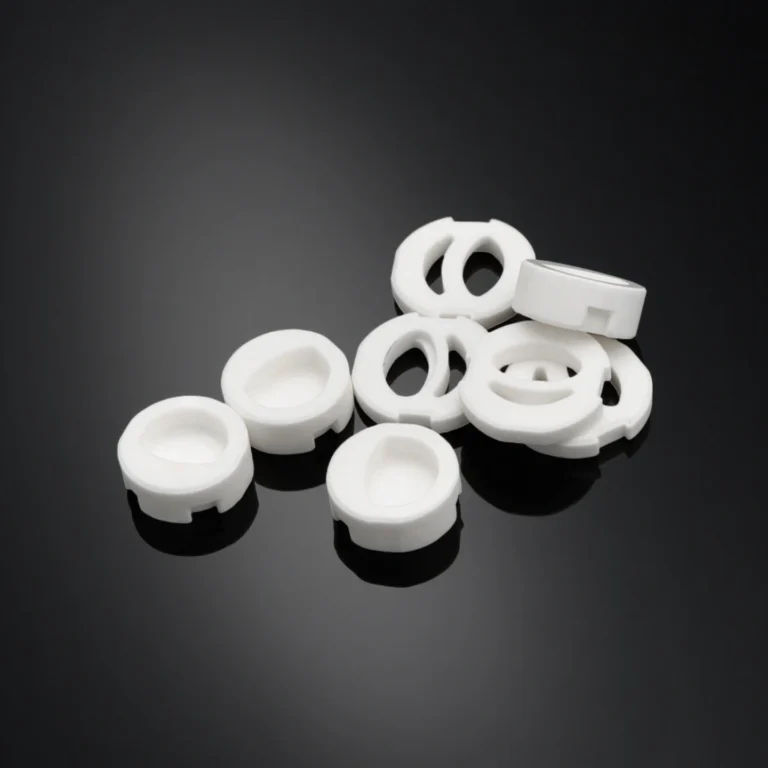
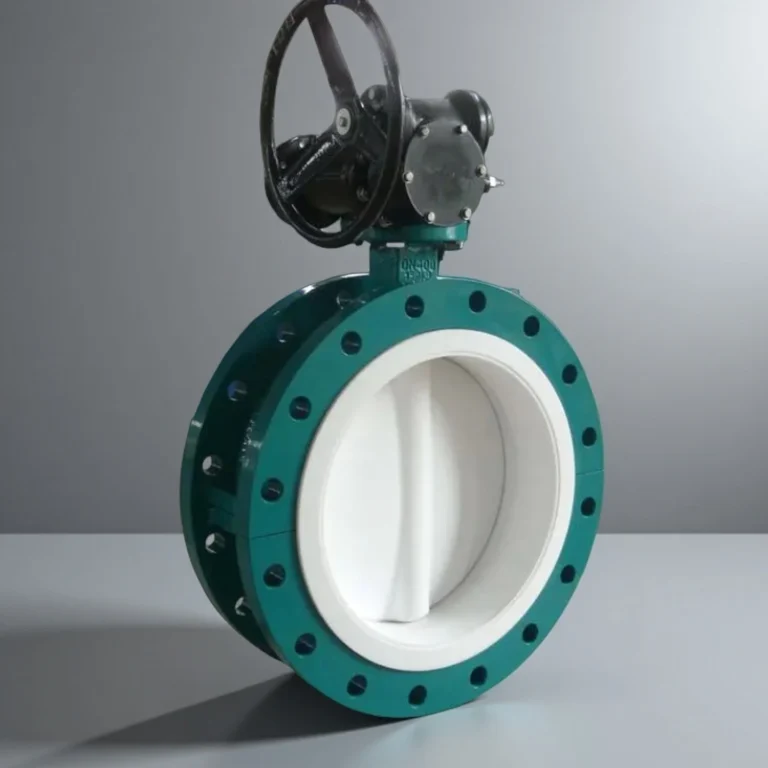
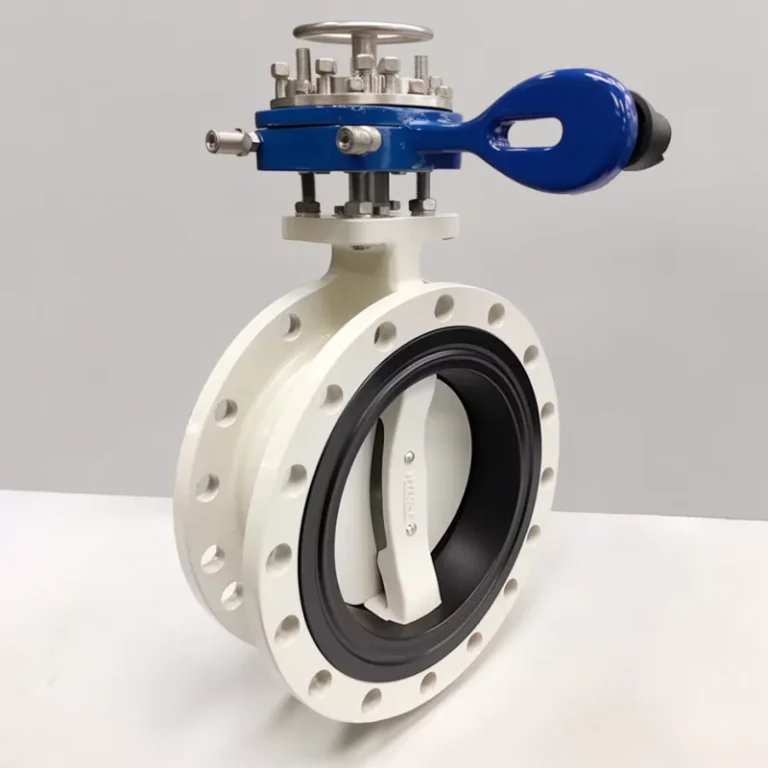
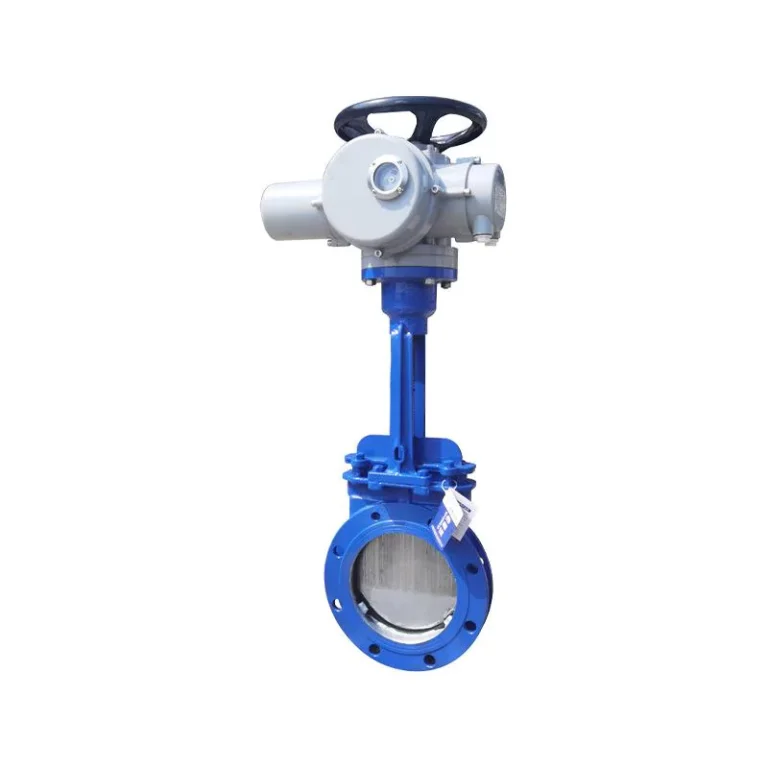
ADCERAX® Zirconia Ceramic Dispensing Valve is designed for precise adhesive control in demanding production environments. Its zirconia construction ensures high hardness, wear resistance, and chemical stability for long service life. With reliable sealing and micro-volume accuracy, the Zirconia Ceramic Dispensing Valve supports continuous operation in electronics, automotive, and medical manufacturing. It provides a contamination-free solution that improves efficiency and reduces downtime across automated dispensing systems.
Features of Zirconia Ceramic Dispensing Valve
- Zirconia ceramic composition shows 0% measurable leaching in acid and alkali tests, securing media purity.
- Resistance to aggressive solvents delivers over 95% operational efficiency retention after 2000 working hours.
- For medical adhesives, the valve achieves contamination-free performance verified under ISO cleanroom standards, supporting regulatory compliance.
- The valve maintains sealing performance up to 1000°C, preventing adhesive leakage in high-temperature processes.
- Thermal cycling tests indicate less than 0.05% dimensional shift after 500 cycles, ensuring consistent dosing accuracy.
- In automotive assembly, this stability leads to downtime reduction by 30%, cutting unexpected production losses.
- Hardness value of 12.5 GPa ensures outstanding resistance to abrasion, extending operational life beyond 12 months in continuous use.
- Compared with steel valves, service life is 3–4 times longer, reducing replacement frequency and downtime.
- Laboratory testing shows surface roughness below 0.2 μm, supporting smooth plunger motion and reduced friction losses.
Technical Properties for Zirconia Ceramic Dispensing Valve
The ZrO2 Dispensing Valve combines advanced material properties with industrial durability to support precision dispensing.
| Property |
Specification |
| Density |
6.0 g/cm³ |
| Hardness |
12.5 GPa Vickers |
| Flexural Strength |
≥ 900 MPa |
| Fracture Toughness |
8–10 MPa·m½ |
| Thermal Expansion |
10.5 × 10⁻⁶ /K (25–1000°C) |
| Maximum Operating Temperature |
1000°C continuous use |
| Corrosion Resistance |
0% leaching in acid/alkali tests |
| Surface Roughness |
Ra ≤ 0.2 μm polished finish |
| Wear Resistance |
3–4× longer service life than steel valves |
| Chemical Inertness |
Stable in solvents, adhesives, coatings |
Specifications of Zirconia Ceramic Dispensing Valve
|
Zirconia Valve |
|
Item no. |
Dimension(mm) |
Diameter(mm) |
Length(mm) |
|
AT-YHG-DJF001 |
5*70 |
5 |
70 |
|
AT-YHG-DJF002 |
23*85 |
23 |
85 |
|
AT-YHG-DJF003 |
25*105 |
25 |
105 |
|
AT-YHG-DJF004 |
30*120 |
30 |
120 |
|
AT-YHG-DJF005 |
40*120 |
40 |
120 |
|
AT-YHG-DJF006 |
50*150 |
50 |
150 |
|
AT-YHG-DJF007 |
80*200 |
80 |
200 |
|
AT-YHG-DJF008 |
100*220 |
100 |
220 |
Packaging of Zirconia Ceramic Dispensing Valve
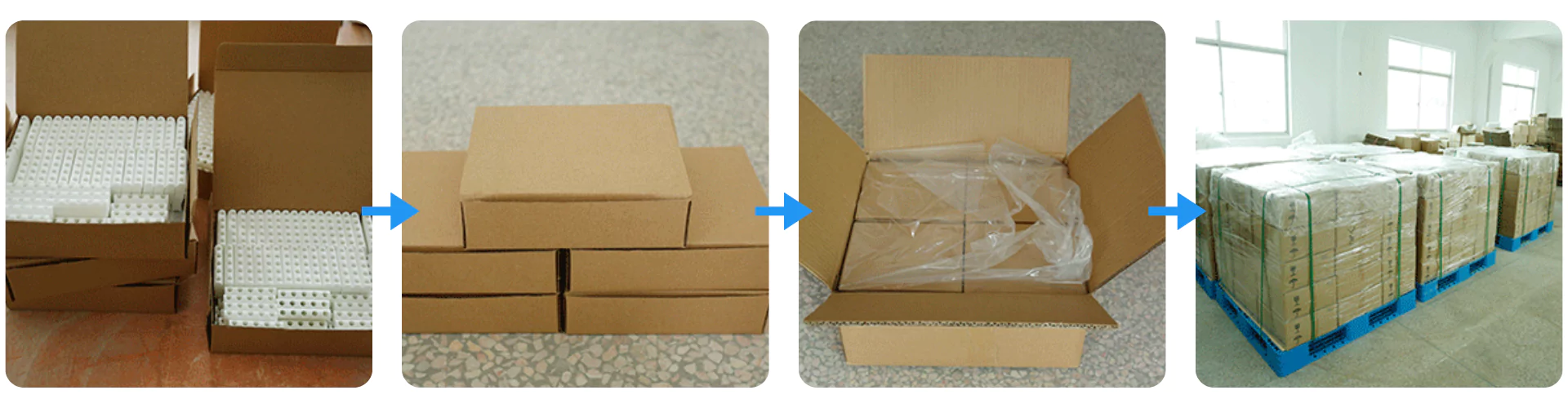
Each ZrO2 Dispensing Valve is packed in protective trays and placed inside sturdy carton boxes to avoid damage during transport. The cartons are further sealed, wrapped with plastic, and stacked securely on pallets. This packaging ensures the shipments arrive safely and ready for industrial use.
Addressing Industrial Challenges with ADCERAX® Zirconia Ceramic Dispensing Valve
The ZrO2 Dispensing Valve is designed to overcome precise fluid control challenges in specialized industries. Its performance characteristics—high hardness, thermal stability, chemical inertness, and tight sealing—directly resolve problems faced in critical production environments.
-
Battery Module Adhesive Sealing
✅Key Advantages
1. Electrolyte-Proof Inertness — Independent soak tests in EC/EMC + LiPF₆ at 60 °C for 72 h show 0% measurable ion leaching. This prevents corrosion-driven clogging and seal degradation across long production runs.
2. Viscous Flow Stability — Shot consistency remains CV ≤ ±2% with 3,000–10,000 cP sealants at 25–60 °C. A polished seat of Ra ≤ 0.2 µm sustains smooth start/stop without stringing.
3. Thermal Cycle Reliability — After 500 thermal cycles (25–90 °C) the assembly shows <0.05% dimensional shift. Mean time between maintenance increases ≥35% versus stainless valves.
✅ ️Problem Solved
At a tier-1 battery module line, ADCERAX® Zirconia Ceramic Dispensing Valve reduced leak-related rejects from 4.0% to 3.0% (-25%) after qualification. Dispense volume variation improved from CV 3.5% to 1.6%, stabilizing perimeter bead height. Planned downtime for valve service dropped from 12 h/month to 8 h/month (-33%). Maintenance intervals extended from 8 to 12 weeks, cutting spare consumption and line interruptions.
-
LED Encapsulation Processes
✅Key Advantages
1. Micron-Scale Repeatability — For 0.5–3.0 µL shots, dosing holds CV ≤ ±1.5%, keeping lumen variance within ≤2% across bins. Stable micro-beads preserve optical clarity and chip reliability.
2. Low-Shear, No-Drip Seat — The Ra ≤ 0.2 µm zirconia interface lowers stringing events by ≥60% versus stainless seats. Start/stop latency stays <10 ms at ≥200 cpm takt.
3. Wear-Resistant Long Runs — Valve life is 3–4× longer than steel in filled silicone/epoxy media. Flow-rate drift stays <1% over 2 million cycles at 25 °C.
✅ ️Problem Solved
On an LED packaging line, switching to ADCERAX® Zirconia Ceramic Dispensing Valve raised first-pass yield from 90% to 97% within two weeks. Dome-height variation tightened from ±8% to ±3%, cutting optical bin spread. Adhesive waste fell 22% due to cleaner cut-off, while rework labor hours dropped 45%, improving UPH without tool changes.
-
Catheter Assembly in Medical Devices
✅Key Advantages
1. Zero-Metal Extractables — ICP-MS on contact extracts (37 °C, 24 h) reports <0.1 ppm total metal ions with cyanoacrylate and UV-acrylics. This mitigates cytotoxicity triggers in downstream ISO 10993 screens.
2. Cleanroom-Ready Surface — Non-reactive zirconia shows 0% detectable leachables in neutral buffers and lower residue retention (-50%) versus polished stainless. Results support ISO Class-controlled assembly with rapid wipe-down.
3. Micro-Bead Placement Accuracy — Bond lines of 20–100 µm hold placement error ≤ ±50 µm, minimizing lumen occlusion risk. Stable low-drip cut-off sustains narrow tolerance joints.
✅ ️Problem Solved
A catheter bonding cell replaced metal valves with ADCERAX® units and cut out-of-spec bonds from 6.2% to 1.9% (-69%). Extractables testing passed on first submission with no metal residue findings, removing a recurring CAPA. Changeover cleaning time decreased from 15 min to 7 min (-53%), and audit observations tied to valve contamination dropped to zero while maintaining target UPH.
User Guide for Zirconia Ceramic Dispensing Valve
The ZrO2 Ceramic Dispensing Valve requires proper handling and maintenance to deliver long-term precision in demanding production environments. This guide provides clear instructions to help users achieve stable performance, minimize downtime, and extend service life.
-
Installation Guidelines
1. Follow equipment manuals carefully to ensure the valve is mounted in the correct orientation. Incorrect installation may cause leakage or damage to dispensing accuracy. Proper tightening of connectors is required for stable operation.
2. Verify system compatibility before installation by checking adhesive viscosity ranges and machine interface requirements. This prevents mismatched use that could reduce accuracy or shorten valve lifespan.
3. Conduct initial testing after installation to confirm stable adhesive flow. This step ensures that the valve body and plunger are working in alignment without obstruction.
-
Operating Recommendations
1. Maintain clean adhesive supply lines to avoid introducing particles that can block dispensing channels. Even small impurities may lead to inconsistent flow or valve wear. A filter system is recommended for sensitive adhesives.
2. Operate within rated conditions including temperature and chemical limits. Exceeding these parameters reduces the expected service life and risks early failure. Monitoring system parameters supports long-term stability.
3. Schedule periodic checks during production runs to confirm adhesive flow uniformity. Regular observation prevents unnoticed issues that could impact yield quality.
-
Maintenance Practices
1. Inspect valve components frequently for signs of wear or residue buildup. Early detection of deterioration allows replacement before failure disrupts production schedules.
2. Clean with approved solvents that do not chemically react with zirconia material. This avoids damaging the polished surface that ensures tight sealing. Cleaning should be completed after each major production cycle.
3. Replace plunger or seals when needed to maintain airtight performance. Consistent component renewal ensures dispensing accuracy and minimizes adhesive waste.
-
Storage and Handling
1. Store in clean, dry conditions to prevent contamination when the valve is not in use. Dust or moisture exposure may compromise sealing quality during later operations.
2. Use protective packaging during transport and handling to safeguard against impact. Cartons and palletized shipping reduce breakage and preserve valve precision.
3. Label and track valve inventory to align with production planning. Organized handling reduces risks of misplacement and ensures readiness for deployment.