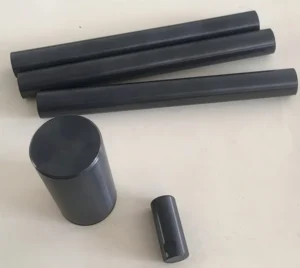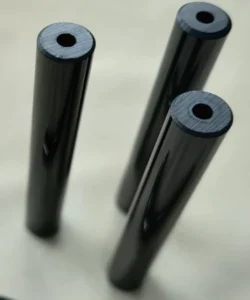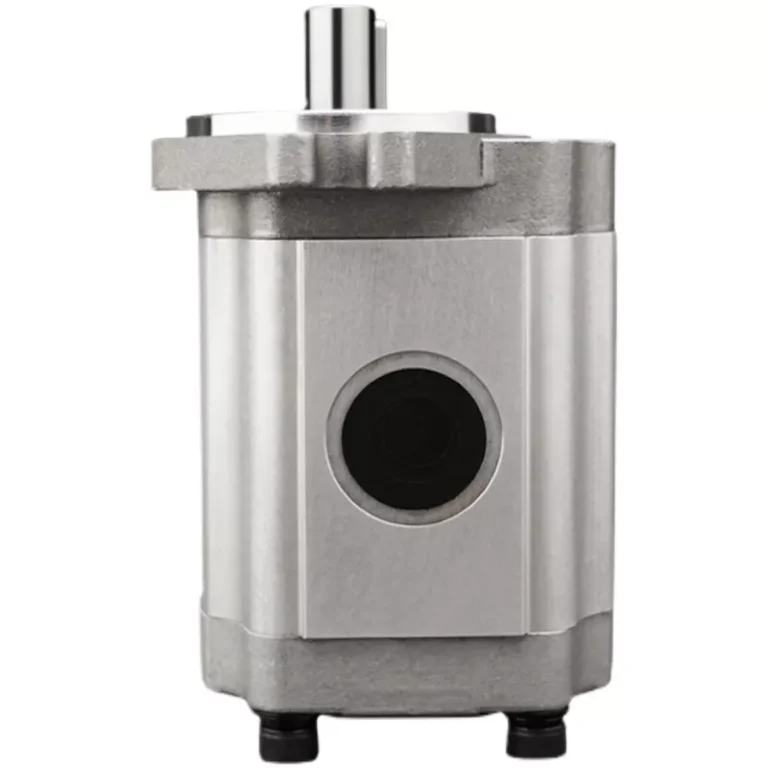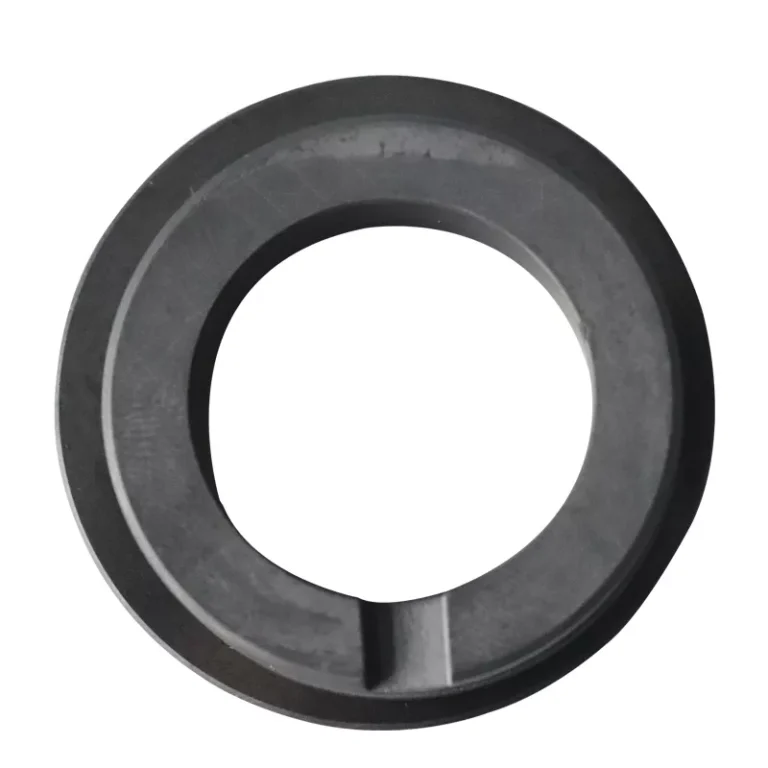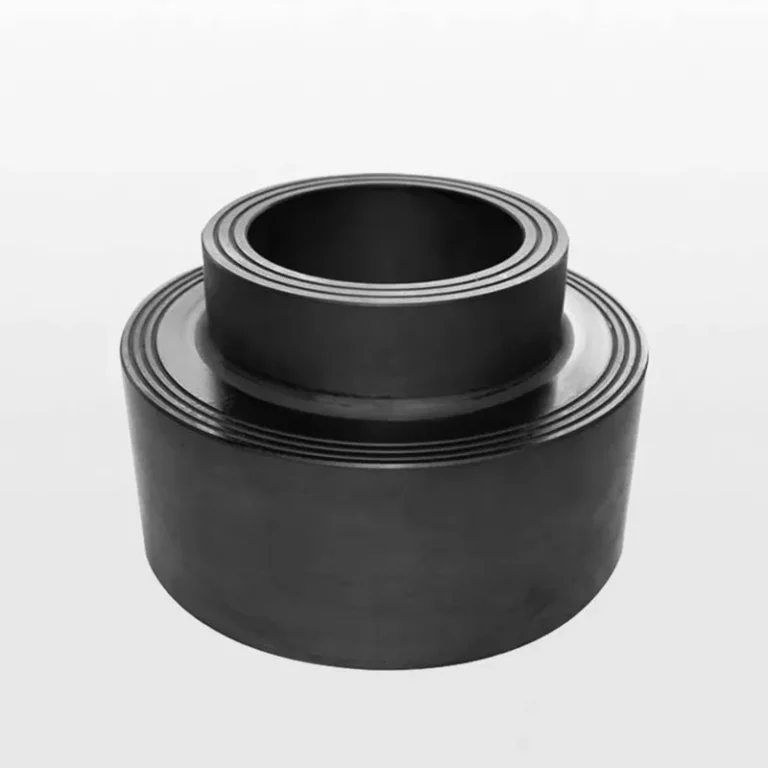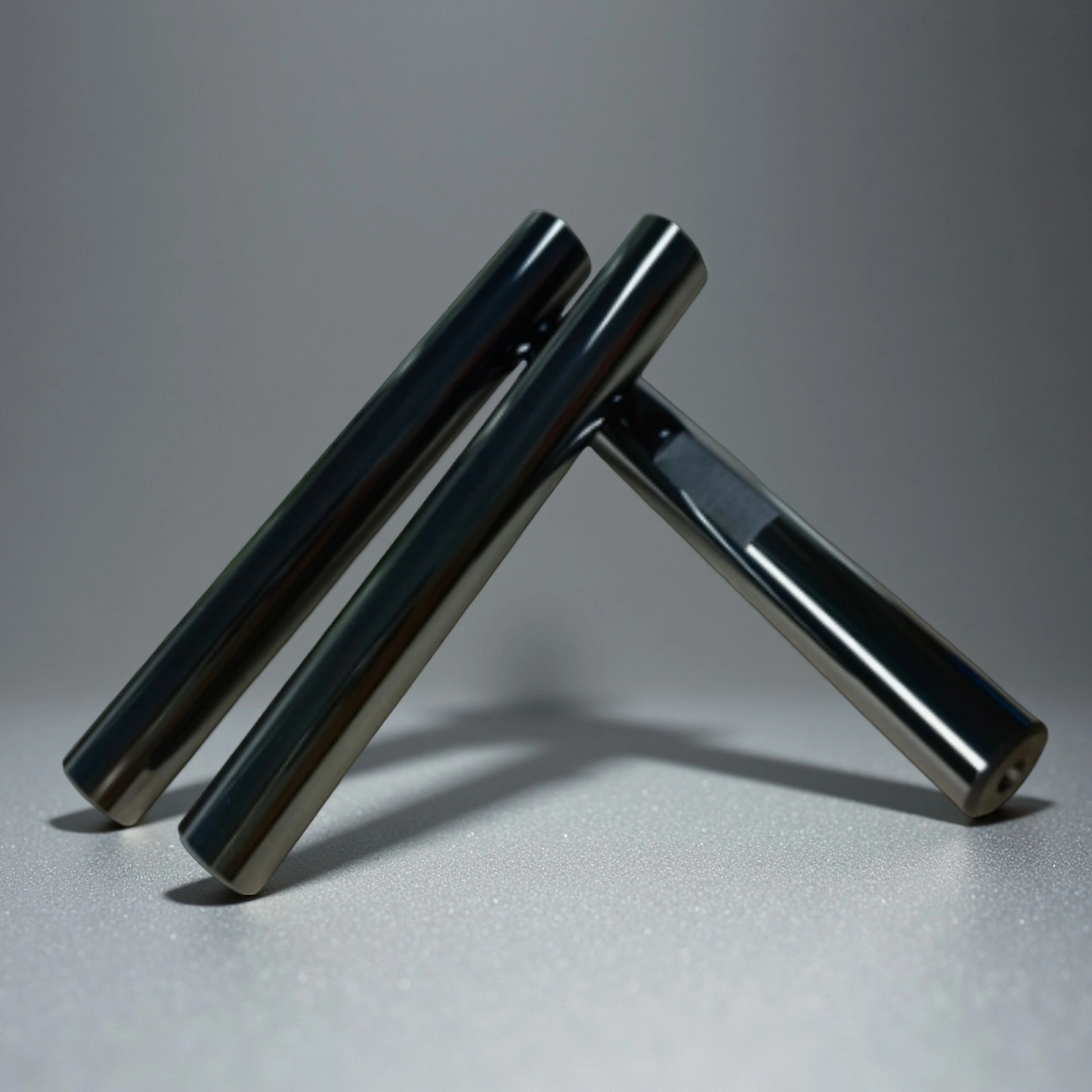
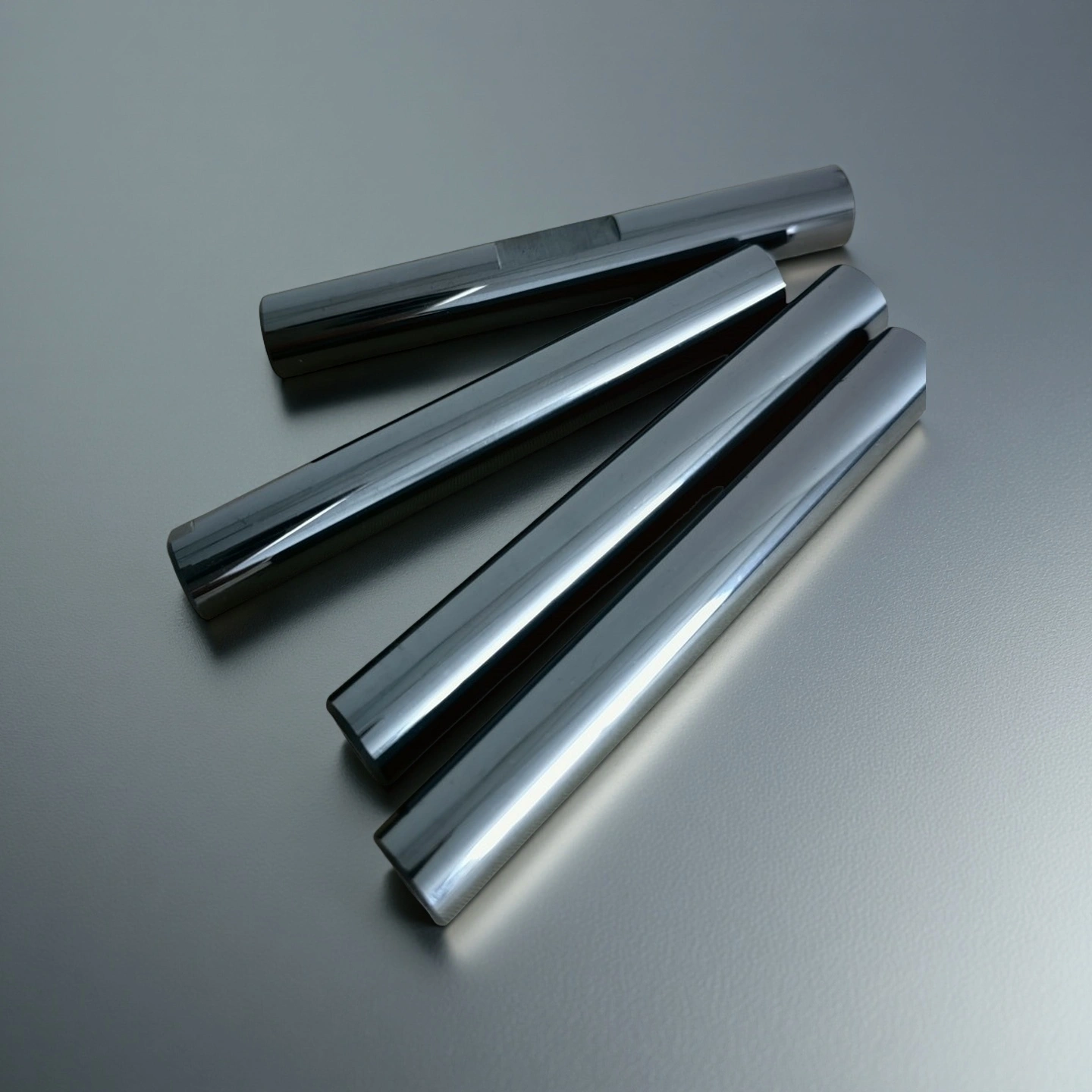
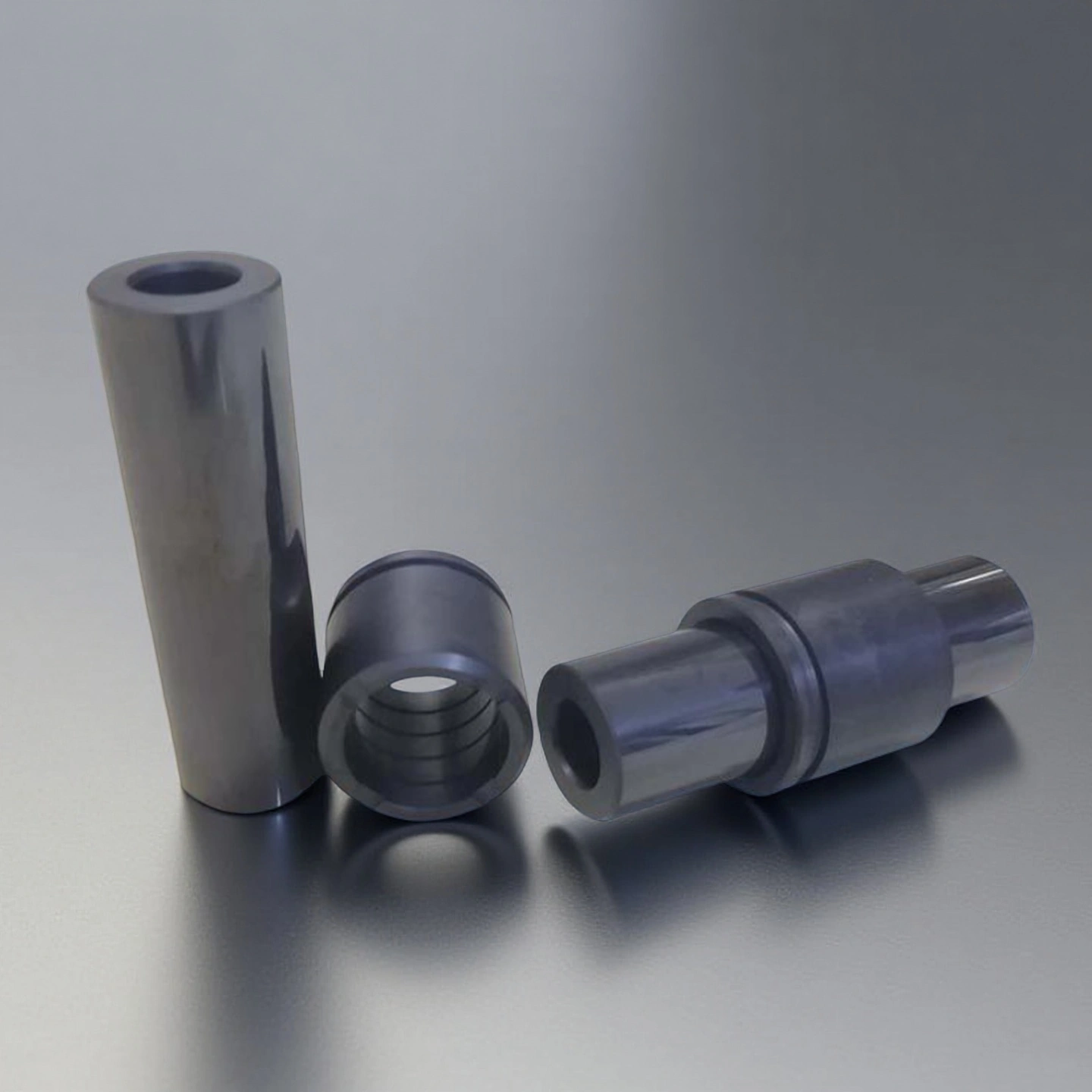
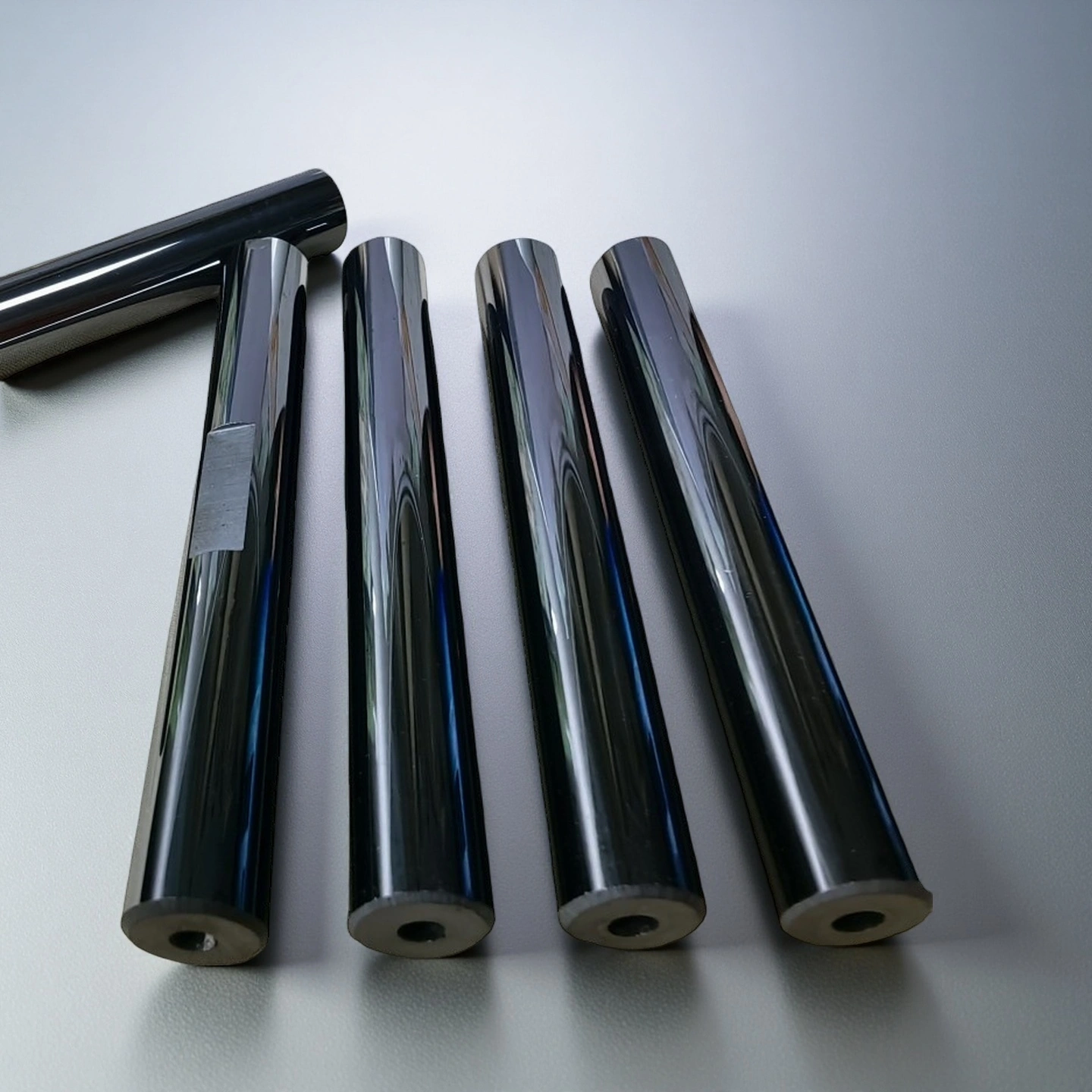
ADCERAX® Silicon Carbide Shaft is developed for demanding fluid-handling systems such as chemical pumps, corrosion pumps, and seawater filtration units where strong acids, alkalis, saline media, and high-particle slurries accelerate wear and structural failure in conventional shafts. Its stable ceramic microstructure and low thermal expansion allow consistent rotation under abrasive, corrosive, and chloride-rich environments that typically generate vibration, bearing damage, and shortened service life. This performance profile supports engineering teams across chemical processing lines, desalination systems, and high-volume pump manufacturing to reduce downtime, maintain predictable service cycles, and rely on a shaft material suited for continuous operation in harsh industrial conditions.
Performance Characteristics of Silicon Carbide Shaft in Industrial Systems
-
Strength retention above 1200 °C
The shaft maintains structural integrity during prolonged thermal exposure, preventing deformation in reactors and heated pump systems. This behavior supports stable load transfer across continuous-duty operations.
-
Hardness measured at 23–26 GPa
High hardness minimizes abrasive loss in particle-rich chemical slurries and reduces surface degradation over long service cycles. Its wear stability maintains smooth shaft rotation and reduces vibration.
-
Thermal expansion coefficient around 4.0 × 10⁻⁶/K
Low expansion minimizes internal stress buildup in high-temperature systems and prevents misalignment during thermal cycling. This contributes to consistent rotation in heated pump stages.
-
Surface roughness controllable to Ra 0.2 µm
Polished surfaces reduce friction at bearing interfaces and help maintain lubrication behavior. This supports extended operation at high rotational speeds.
-
Friction coefficient near 0.15
Controlled friction behavior reduces heat generation and contact stress during rotation. This supports consistent movement in equipment exposed to particulate contamination.
Technical Specifications of Silicon Carbide Shaft
The Silicon Carbide Shaft demonstrates stable mechanical, thermal, and chemical behavior under corrosive liquids, high-temperature cycles, and abrasive slurry conditions, making it suitable for evaluation by laboratory testing institutions and industrial material qualification processes.
| Property |
Specification |
| Material Type |
Sintered Silicon Carbide (SSiC) / Reaction-Bonded SiC (RBSiC) |
| Density |
3.10–3.15 g/cm³ |
| Hardness |
23–26 GPa |
| Flexural Strength |
350–450 MPa |
| Compressive Strength |
2000–2500 MPa |
| Elastic Modulus |
380–420 GPa |
| Thermal Conductivity |
80–120 W/m·K |
| Thermal Expansion Coefficient |
4.0 × 10⁻⁶ /K |
| Thermal Shock Resistance |
>250 °C ΔT |
| Maximum Service Temperature |
1400–1500 °C |
| Acid Resistance |
Stable after 168 h strong acid exposure |
| Alkali Resistance |
Stable at pH > 13 |
| Chloride Resistance |
No measurable pitting in 3.5% NaCl |
| Slurry Abrasion Loss |
<0.02 mm³ |
| Electrical Resistivity |
10⁵–10⁶ Ω·cm |
Dimensions of Silicon Carbide Shaft


Packaging Method for Silicon Carbide Shaft
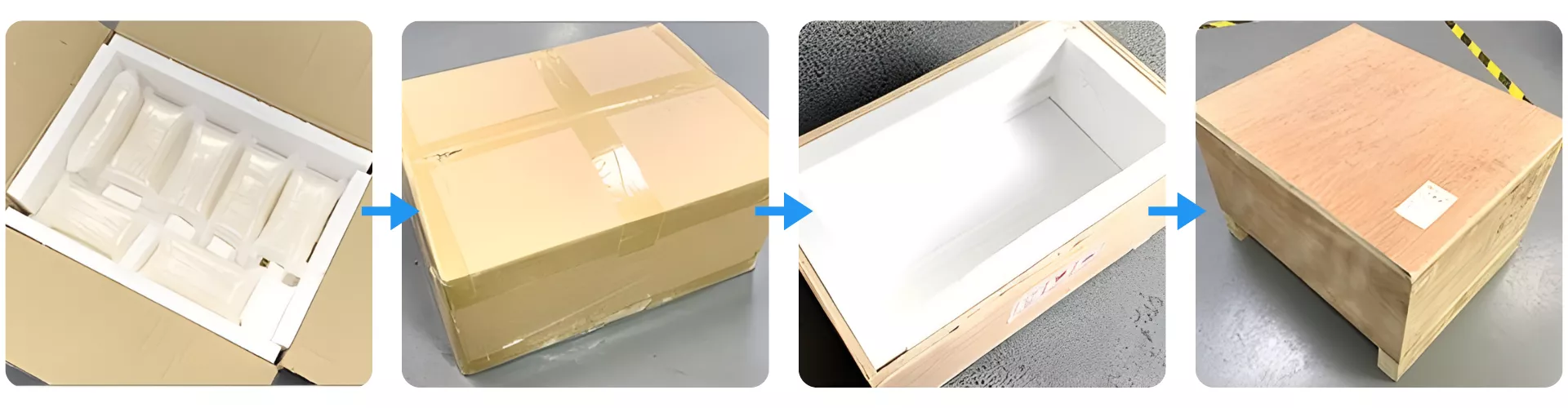
Silicon Carbide Shaft is protected using multi-layer cushioning that secures each component in an impact-absorbing inner tray. The sealed carton is then reinforced with a rigid wooden crate to prevent vibration and structural stress during long-distance transport. This packaging method ensures stable handling from factory dispatch to end-user installation.

ADCERAX® Silicon Carbide Shaft Resolves Critical Operational Challenges in Industrial Pumping and Corrosive-Fluid Systems
The Silicon Carbide Shaft from ADCERAX® is engineered for equipment exposed to aggressive chemistry, abrasive slurries, and corrosive seawater conditions in continuous-duty environments. These operating conditions routinely damage metallic shafts and polymer-ceramic hybrids, making material stability essential for pumps, desalination units, and fluid-transfer systems that operate under high mechanical load and thermal fluctuations.
-
Silicon Carbide Shaft in Acid–Alkali Chemical Circulation Pumps
✅Key Advantages
1. Chemically Stable SiC Matrix
In acid–alkali circulation loops, ADCERAX® Silicon Carbide Shaft maintains integrity after 168 hours of continuous exposure to strong acids and alkalis in the pH 0–14 range. Post-test evaluation shows no measurable pitting and a mass change typically below 0.1%, which stabilizes shaft geometry in aggressive media.
2. Slurry Abrasion Control in Mixed Media
In mixed acid–salt–slurry conditions, lab slurry tests on SiC show volume loss under 0.02 mm³ per standard abrasion cycle, significantly lower than martensitic or duplex steels in comparable tests. This low erosion rate slows diameter reduction and delays the onset of flow-induced vibration in pumps handling catalyst fines or crystalline deposits.
3. Thermal Cycling Robustness in Batch Reactors
During batch operation, ADCERAX® Silicon Carbide Shaft withstands thermal shocks above 250 °C ΔT without microcrack propagation or visible distortion. Dimensional checks after repeated heat-up and cool-down sequences show stable shaft straightness and end-face alignment within tightly controlled limits, even when operating near 1200 °C process temperatures.
✅ ️Problem Solved
A chemical plant running acid–alkali neutralization loops previously used alloy steel shafts that required change-out every 4–6 months due to corrosion grooves and rising vibration trends. After switching to ADCERAX® Silicon Carbide Shaft in its main circulation pumps, inspection logs over 18 months showed stable surfaces with no detectable pitting under microscopy and negligible diameter loss. Vibration monitoring indicated a reduction in overall velocity levels by more than 30%, and bearing replacement intervals extended by one complete maintenance cycle. As a result, the plant could run multi-campaign operation without unplanned shaft-related pump shutdowns in its corrosive circulation lines.
-
Silicon Carbide Shaft in Seawater Desalination and Salt-Chemical Filtration Systems
✅Key Advantages
1. Chloride-Pitting Resistance in Seawater Brines
In simulated seawater with 3.5% NaCl, ADCERAX® Silicon Carbide Shaft exhibits no observable pitting or crevice attack after more than 1000 hours of continuous immersion. Surface roughness measurements remain effectively unchanged, preventing the initiation sites that typically trigger vibration and seal wear in metal shafts exposed to chloride brine.
2. Stable Performance in RO/UF Filtration Pump Trains
When installed in RO and UF circulation pumps, shaft runout on ADCERAX® Silicon Carbide Shaft remains below 10 µm after extended operation periods exceeding 2000 hours in test rigs. This rotational stability reduces seal face loading and helps maintain steady permeate flow, even under variable pressure and temperature conditions in multi-stage trains.
3. Abrasion Resistance to Sand and Fouling Particles
Filtration systems processing coastal feedwater often contain suspended sand and biological residues; tests show slurry abrasion loss on SiC below 0.02 mm³ under standardized sand-water mixtures. This resistance to micro-grooving delays surface roughness increase, limiting the rise in friction torque and protecting bearings from overload caused by shaft scoring.
✅ ️Problem Solved
A coastal desalination plant using duplex stainless shafts in its high-pressure RO pumps observed chloride-induced pitting and shaft coating breakdown within 9–12 months, followed by increasing vibration and frequent seal failures. After replacing the metallic shafts with ADCERAX® Silicon Carbide Shaft across one RO train, inspection after 24 months of continuous service showed no detectable pitting and only minimal abrasive marking near the bearing zones. Online condition monitoring recorded a stable vibration profile and reduced seal leakage events compared with the previous train. This allowed the operator to extend shaft inspection intervals and standardize on SiC shafts in subsequent filtration line upgrades.
-
Silicon Carbide Shaft for High-Load Industrial Pump Manufacturing
✅Key Advantages
1. High Stiffness for Radial Load Control
With an elastic modulus in the 380–420 GPa range, ADCERAX® Silicon Carbide Shaft exhibits significantly lower deflection under radial pump loads than common stainless grades. Bench tests under representative loading show reduced shaft bending, which helps maintain impeller clearance and minimizes hydraulic imbalance in large-frame pumps.
2. Wear Groove Suppression in Slurry Service
In slurry endurance testing with high-solid suspensions, shaft diameter loss on SiC remains below 0.01 mm over multi-hundred-hour campaigns, while comparable steel shafts develop measurable grooves in the same timeframe. This suppression of wear grooves stabilizes flow-induced forces on the rotor and reduces the rate at which bearing and seal components accumulate fatigue damage.
3. Runout Stability over Extended Duty Cycles
Accelerated lifetime testing indicates that ADCERAX® Silicon Carbide Shaft maintains runout within 10 µm after long-duration continuous operation in abrasive and corrosive media. The combination of stiffness and wear resistance leads to lower vibration amplitude at the pump drive end, supporting smoother operation and reduced energy losses in installed equipment.
✅ ️Problem Solved
A pump manufacturer supplying chemical and wastewater plants recorded increasing warranty claims due to shaft groove wear and rising vibration in units handling high-solid slurries. In a controlled field trial, production pumps equipped with ADCERAX® Silicon Carbide Shaft operated for more than 3000 hours with post-service measurements showing diameter loss below 0.01 mm and runout remaining within tight limits. Vibration monitoring at the customer sites indicated a clear reduction in operating vibration compared with earlier steel-shaft models, and bearing replacement frequency dropped over the same observation period. Based on these results, the manufacturer adopted SiC shafts for its heavy-duty product line to stabilize long-term performance in demanding slurry and corrosive applications.
ADCERAX® Silicon Carbide Shaft User Guide for Safe, Stable, and Long-Cycle Operation
The Silicon Carbide Shaft requires correct handling, installation, and maintenance practices to ensure stable rotation, predictable service behavior, and full material performance in corrosive, abrasive, or high-temperature environments. This guide provides clear, engineering-focused recommendations to help users deploy the product confidently in demanding pump and fluid-handling systems.
-
Handling and Pre-Installation Preparation
1. Inspection Before Assembly
Each shaft should be visually checked for surface integrity, end-feature accuracy, and contamination before installation. Subtle defects may influence rotation stability in high-load systems. Early inspection prevents downstream mechanical stress and helps maintain predictable equipment operation.
2. Clean Surface Condition
The shaft must remain free of dust, slurry residue, or corrosive deposits prior to assembly. Contaminants trapped at bearing or seal interfaces may alter friction behavior and increase early wear. Proper cleaning ensures a stable interface between the shaft and surrounding components.
3. Secure Component Alignment
Mounting surfaces and mating parts should be confirmed for consistent alignment and rigidity. Misalignment may increase radial load and compromise the shaft’s stiffness advantages. Checking alignment reduces vibration transfer and improves performance in continuous-duty applications.
-
Installation Guidelines for Stable Operation
1. Controlled Assembly Force
Installation should avoid excessive axial or radial force on ceramic contact points. Over-tightening may generate micro-stresses in the structure that affect long-term rotation stability. A balanced assembly method ensures uniform loading across all support elements.
2. Correct Orientation of End Features
Keyways, steps, tapers, or other end-machined features must be oriented according to equipment specifications. Incorrect alignment can introduce uneven torque distribution. Accurate positioning enhances bearing interaction and overall system reliability.
3. Compatibility Check With Support Components
Bearings, sleeves, and seals should match the shaft’s material behavior and dimensional profile. Incompatible components may lead to unintended abrasion or thermal distortion. Verification of compatibility supports consistent equipment uptime.
-
Operational Best Practices for Extended Service Life
1. Temperature Control in High-Thermal Environments
The shaft should operate within the equipment’s designated temperature envelope to maintain thermal stability. Sudden temperature spikes may increase internal stress, especially under rapid cycling conditions. Gradual thermal transitions improve endurance in heated chemical processes.
2. Fluid Cleanliness and Particle Load Management
Filtration or pre-screening is recommended when operating in slurry-rich or particulate-dense environments. Excessive solid loading may accelerate surface interaction at bearing zones. Maintaining cleaner flow conditions helps preserve the shaft’s abrasion-resistant performance profile.
3. Vibration Monitoring During Continuous Duty
System vibration levels should be observed periodically to detect early bearing or seal deviation. Stable vibration indicates proper shaft engagement and structural alignment. Monitoring trends allows intervention before performance loss occurs.
-
Maintenance, Inspection, and Storage Recommendations
1. Periodic Inspection of Contact Interfaces
End faces, bearing surfaces, and seal contact areas should be reviewed at scheduled intervals. Early detection of wear patterns maintains operational consistency. Regular inspection aids in preventing unplanned equipment outages.
2. Cleaning After Exposure to Corrosive Media
After operation in acidic, alkaline, or saline fluids, the shaft should be rinsed and dried to avoid long-term residue buildup. Residues may influence friction behavior or interact with surrounding components over time. Proper cleaning preserves chemical stability under repeated exposure.
3. Storage in a Controlled Environment
Shafts should be stored in a dry, padded enclosure away from impact sources. Stable ambient conditions prevent accidental micro-damage. Proper storage ensures the shaft remains ready for installation without performance loss.