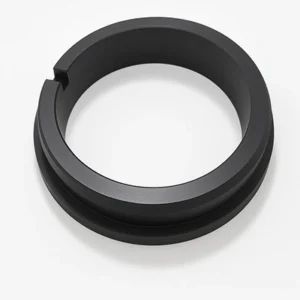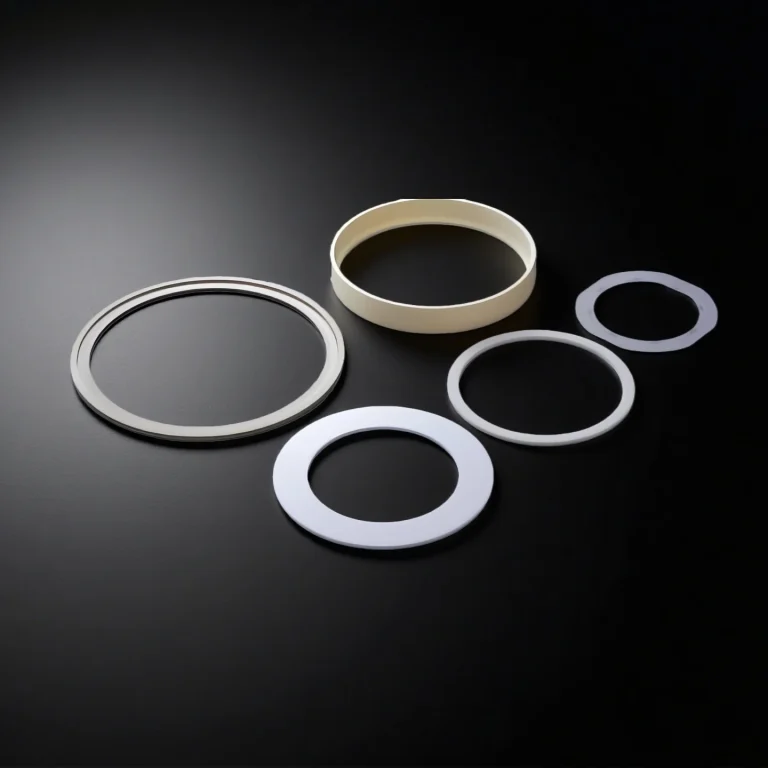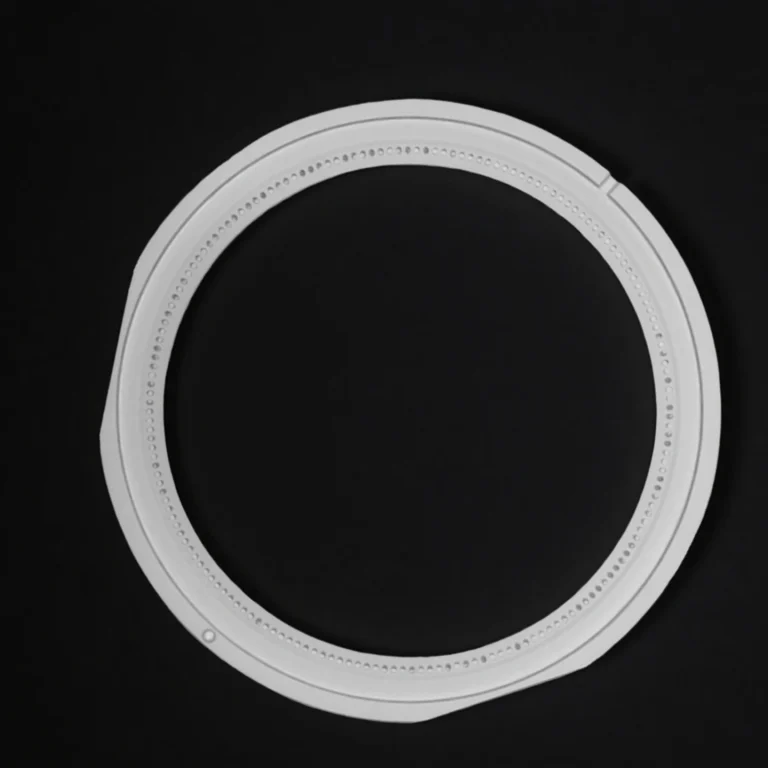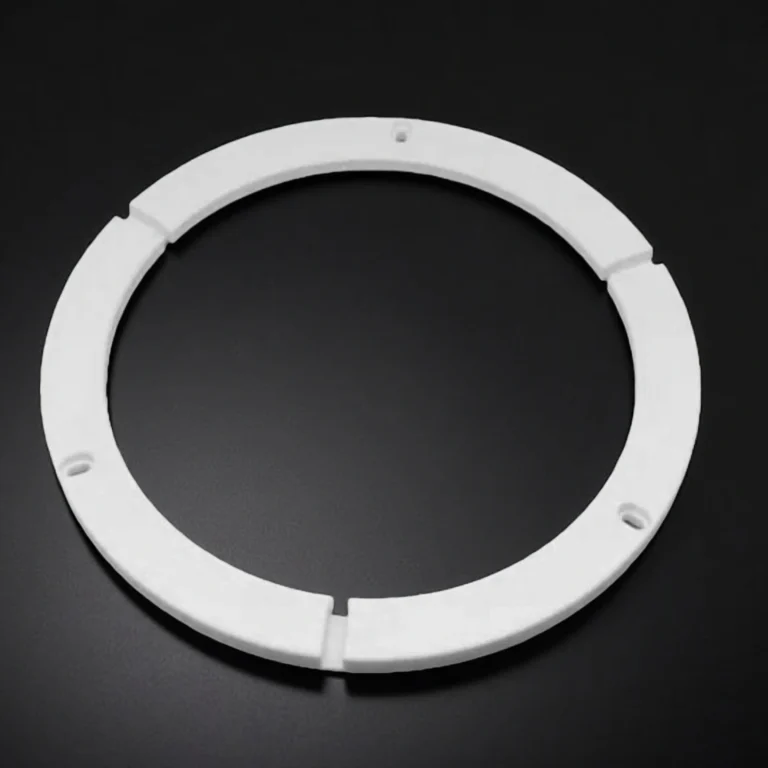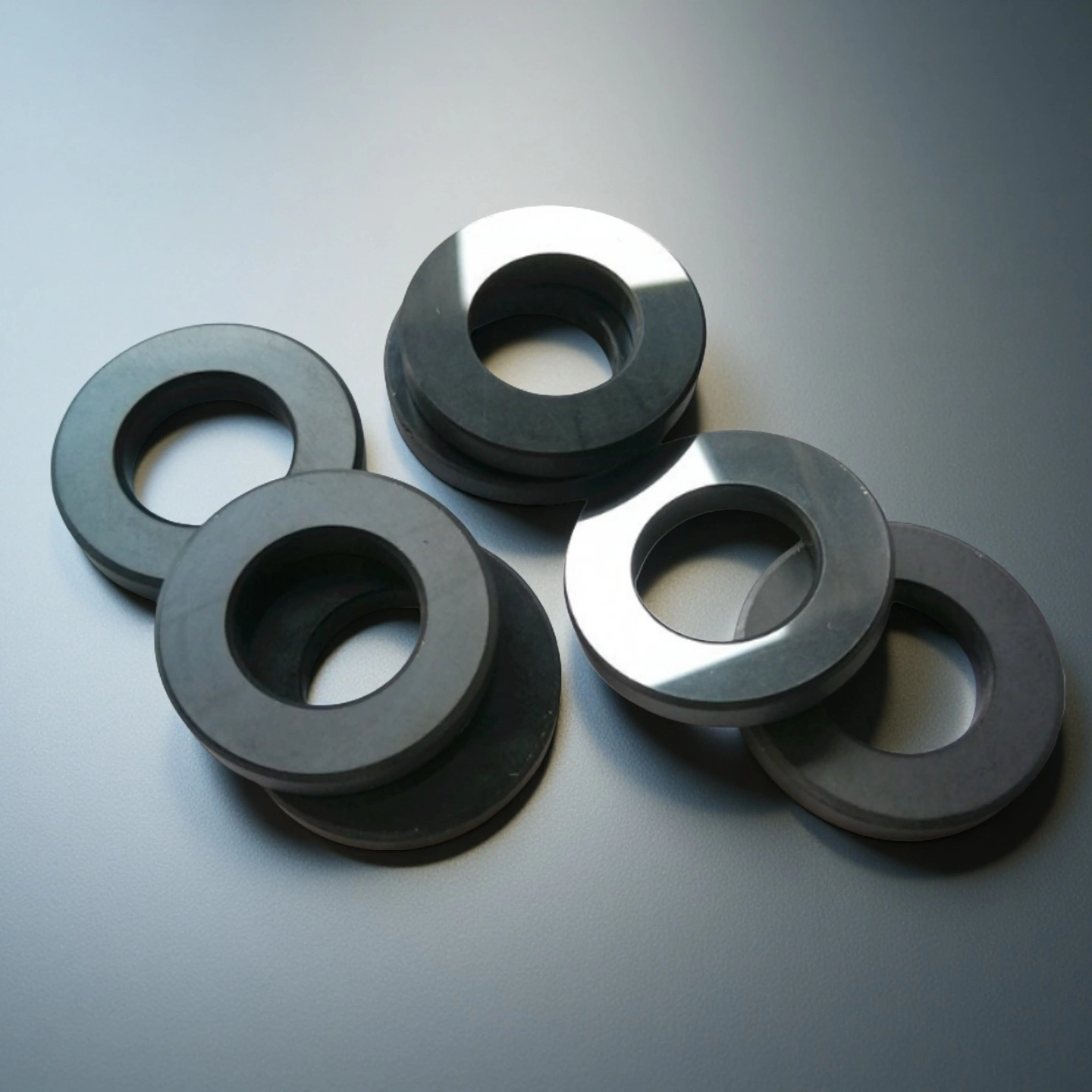
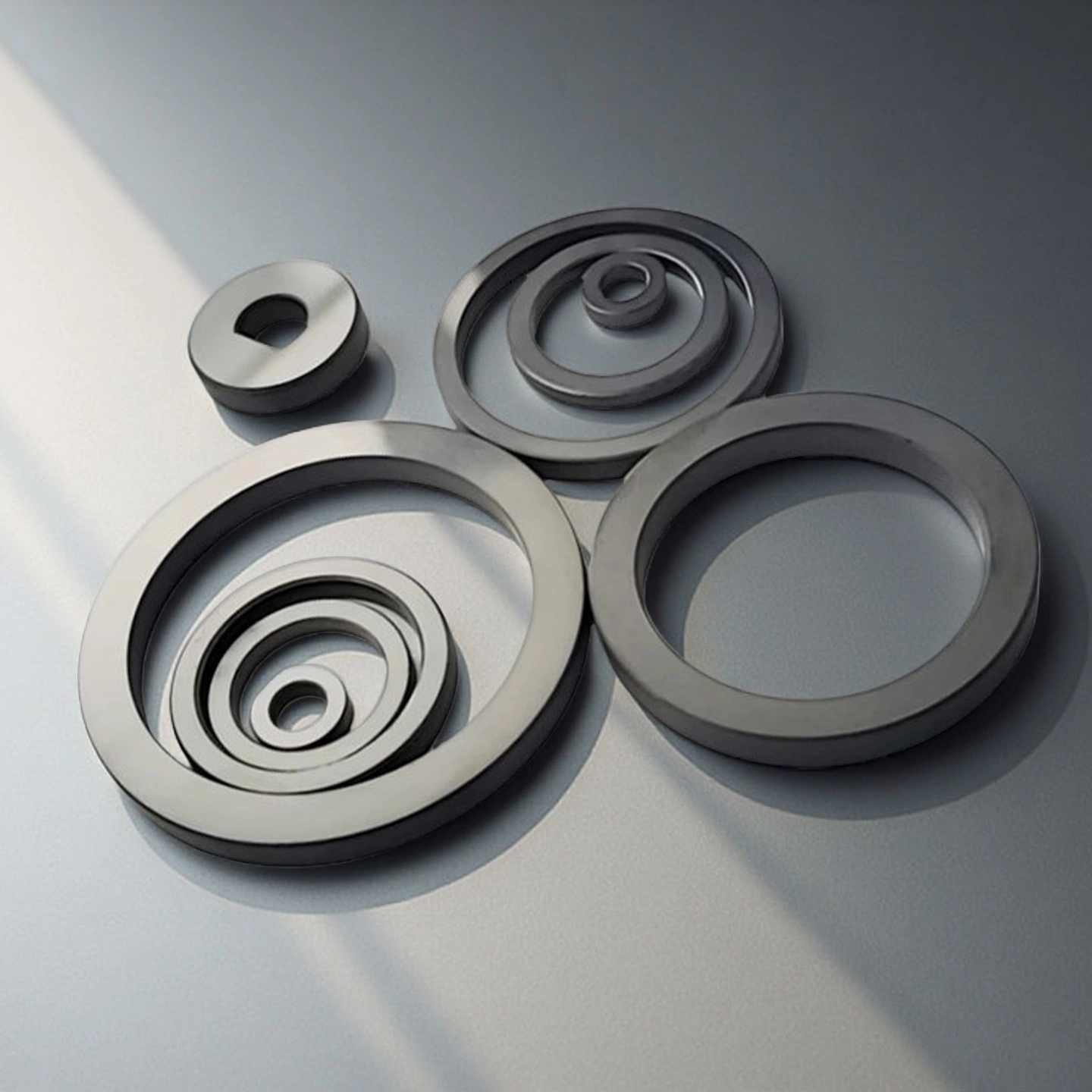
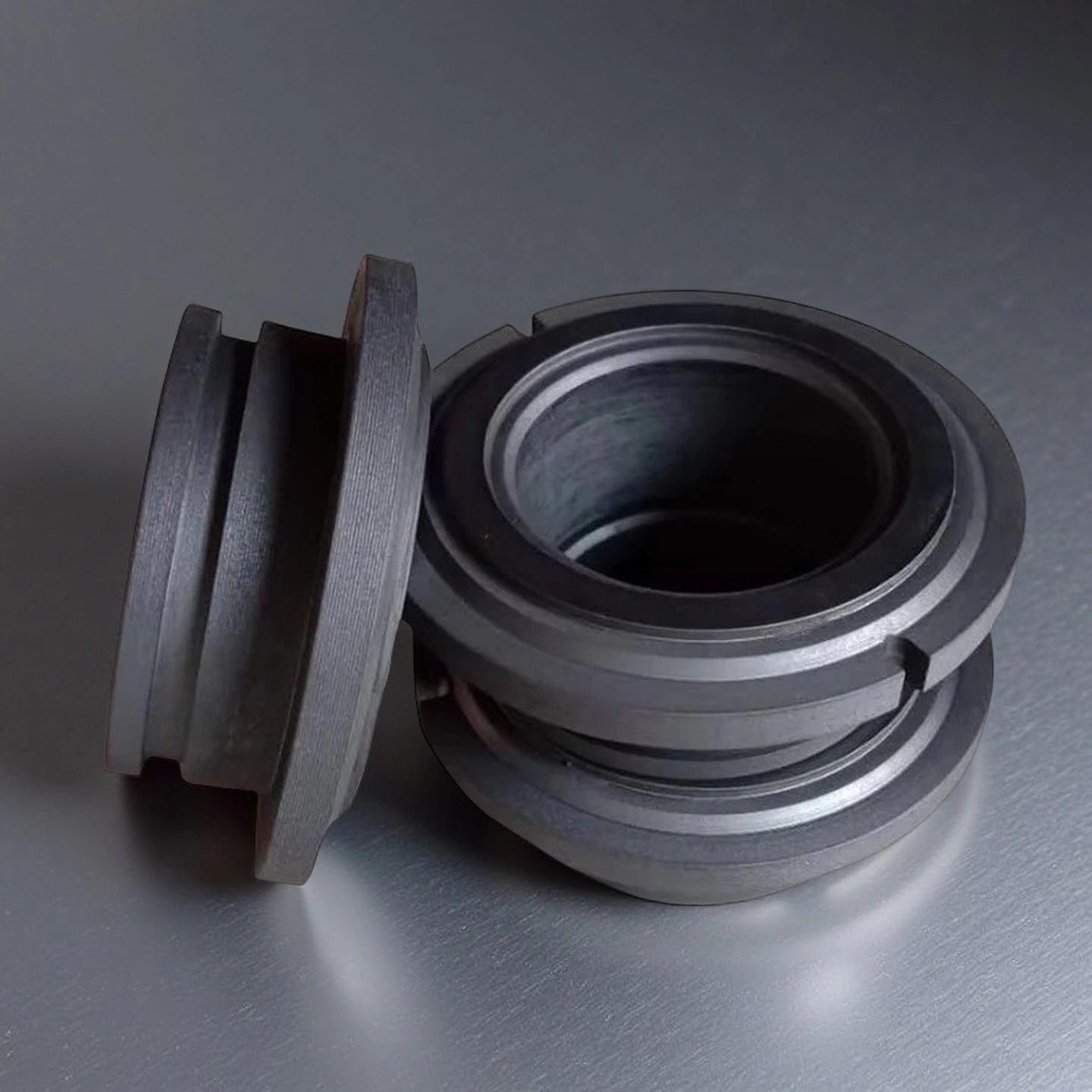
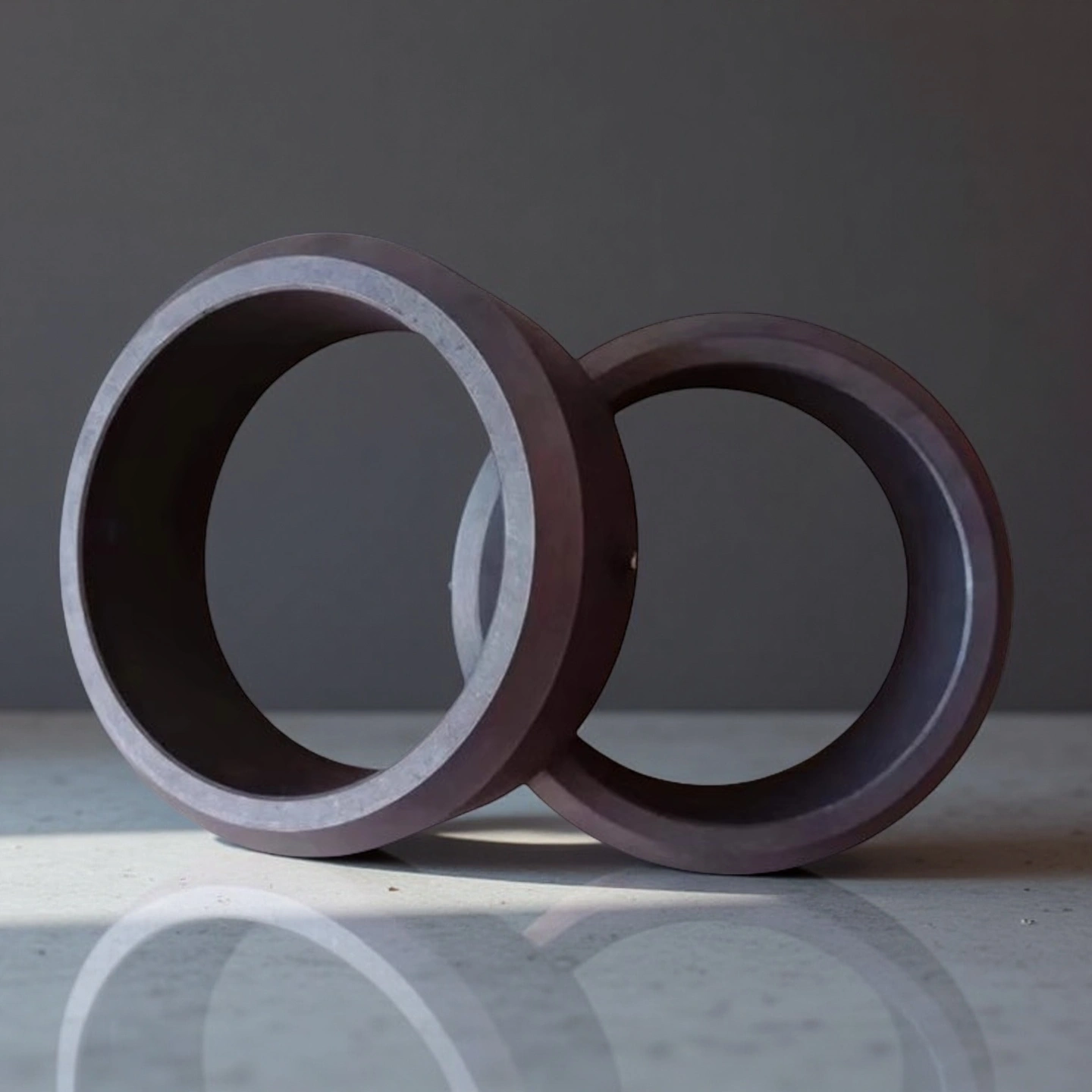
Enhanced-Stability Silicon Carbide Sealing Ring for Process Industries
ADCERAX® Silicon Carbide Sealing Ring can be tailored to match different operating environments, equipment layouts, and reliability requirements, ensuring that each sealing interface performs consistently under its intended industrial conditions.
Catalogue No.
AT-SC-H001
Material
Reaction-Bonded SiC (RBSiC) / Sintered SiC (SSiC)
Microstructure Density
High-density architecture with porosity typically <0.2%
Thermal & Chemical Stability
Thermal conductivity 70–120 W/m·K and strong acid/alkali resistance
Hardness & Wear Resistance
Vickers hardness HV2200–2600 for long-term abrasion control
ADCERAX® Silicon Carbide Sealing Ring is engineered for demanding industrial fluid-handling systems where corrosion, abrasion, and temperature fluctuations must be controlled with stable seal-face performance. Its dense microstructure, high hardness, and consistent thermal behavior support long operating cycles in chemical processing, refinery circulation, paper-pulp transfer, seawater handling, and abrasive slurry transport. These characteristics allow the sealing interface to maintain reliable surface integrity under varied process conditions, reducing leakage events and extending equipment uptime across continuous industrial duty.
Functional Properties Supporting the Silicon Carbide Sealing Ring in Industrial Service
Uniform Grain Packing The microstructure maintains a homogeneous grain distribution with porosity typically <0.2%, which limits fluid penetration into the seal face.
High Vickers Hardness Material hardness in the HV2200–2600 range offers resistance to slurry erosion, allowing the Silicon Carbide Sealing Ring to handle solids content commonly reaching 5–15% in pulp, paper, and mining applications.
Corrosion Rate Reduction Typical corrosion loss remains below 1–3 mg/cm²·year in strong acids such as HCl and H₂SO₄.
High Thermal Conductivity Values in the 70–120 W/m·K range allow heat from face friction to dissipate rapidly, reducing thermal gradients that could cause localized deformation.
Controlled Face Flatness Surface flatness maintained within micro-level deviation ranges ensures a uniform pressure distribution across the seal face.
Technical Specifications of Silicon Carbide Sealing Ring
The characteristics of the Silicon Carbide Sealing Ring are defined by its dense ceramic microstructure, stable thermal behavior, and consistent mechanical performance across corrosive, abrasive, and elevated-temperature operating conditions. These material indicators support laboratory verification of structural reliability, chemical resistance, and wear stability in long-cycle industrial service.
Property
Specification
Bulk Density
3.00–3.15 g/cm³
Porosity
<0.2%
Vickers Hardness
HV2200–2600
Flexural Strength
>380 MPa
Compressive Strength
>2200 MPa
Fracture Toughness
3–4 MPa·m¹ᐟ²
Thermal Conductivity
70–120 W/m·K
Thermal Expansion Coefficient
4.0–4.5×10⁻⁶/K
Maximum Service Temperature
up to 1600°C
Chemical Resistance (Acids)
corrosion loss <1–3 mg/cm²·year
Chemical Resistance (Alkalis)
stable up to pH >12
Surface Roughness (Polished Face)
≈ Ra 0.02 μm
Electrical Resistivity
>10⁵ Ω·cm
Grain Size Distribution
sub-micron to 5 μm
Modulus of Elasticity
380–420 GPa
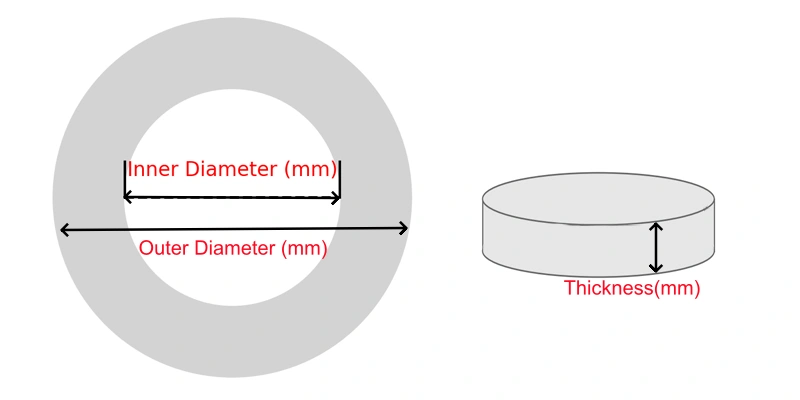
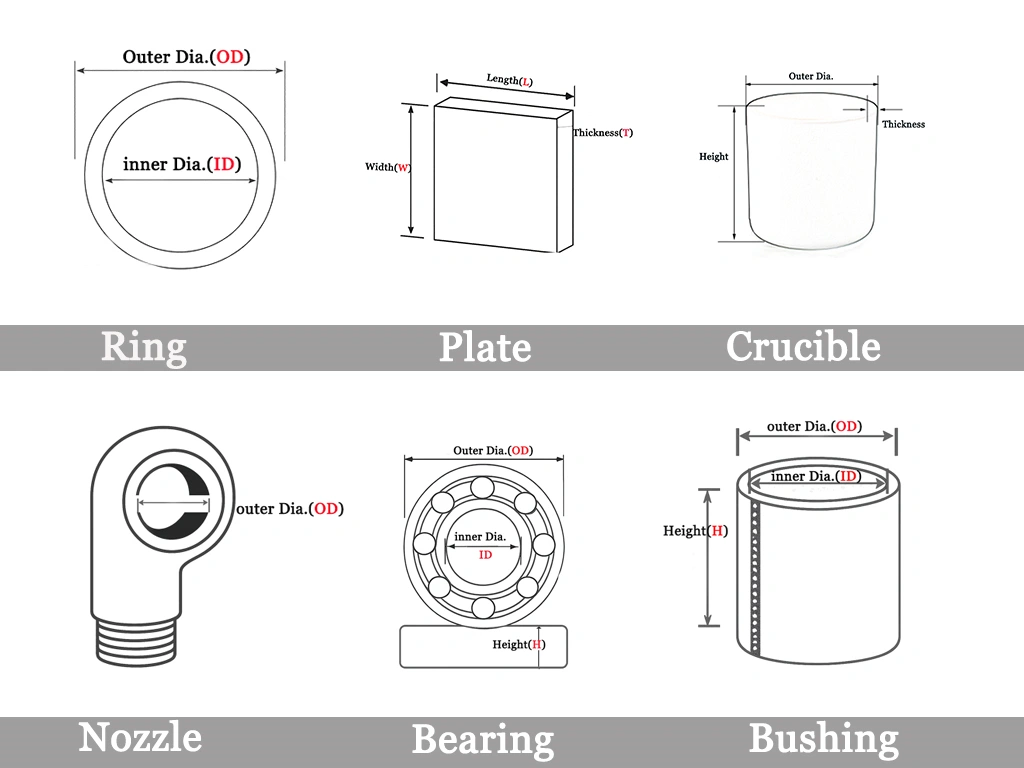
Dimensions of Silicon Carbide Sealing Ring
Silicon Carbide Sealing Ring
Model NO.
Outer Dia.(mm)
Inner Dia.(mm)
Thickness(mm)
Purity(%)
AT-SC-H001
10.0
5.0
2.1
99
AT-SC-H002
10.0
6.0
3.5
99
AT-SC-H003
11.0
6.0
3.0
99
AT-SC-H004
11.5
4.0
3.5
99
AT-SC-H005
11.9
6.0
4.5
99
AT-SC-H006
12.0
6.0
4.0
99
AT-SC-H007
12.9
8.5
3.0
99
AT-SC-H008
14.5
8.5
3.5
99
AT-SC-H009
14.5
8.0
4.0
99
AT-SC-H010
14.5
9.0
3.5
99
AT-SC-H011
14.5
9.0
4.0
99
AT-SC-H012
14.5
10.0
4.0
99
AT-SC-H013
14.5
8.5
3.5
99
AT-SC-H014
18.0
12.0
4.0
99
AT-SC-H015
20.0
6.0
4.0
99
AT-SC-H016
22.3
15.2
11.0
99
AT-SC-H017
25.0
16.0
6.0
99
AT-SC-H018
25.0
18.0
6.0
99
AT-SC-H019
26.0
14.0
4.0
99
AT-SC-H020
26.0
20.0
5.0
99
AT-SC-H021
28.0
12.0
4.0
99
AT-SC-H022
28.0
22.0
7.0
99
AT-SC-H023
28.0
21.0
4.0
99
AT-SC-H024
31.0
18.0
10.0
99
AT-SC-H025
32.0
20.0
3.0
99
AT-SC-H026
32.8
22.6
11.0
99
AT-SC-H027
34.0
23.0
4.5
99
AT-SC-H028
34.5
28.0
5.0
99
AT-SC-H029
36.0
20.0
10.0
99
AT-SC-H030
36.0
26.0
14.0
99
AT-SC-H031
37.0
30.0
7.0
99
Protective Packaging for Silicon Carbide Sealing Ring
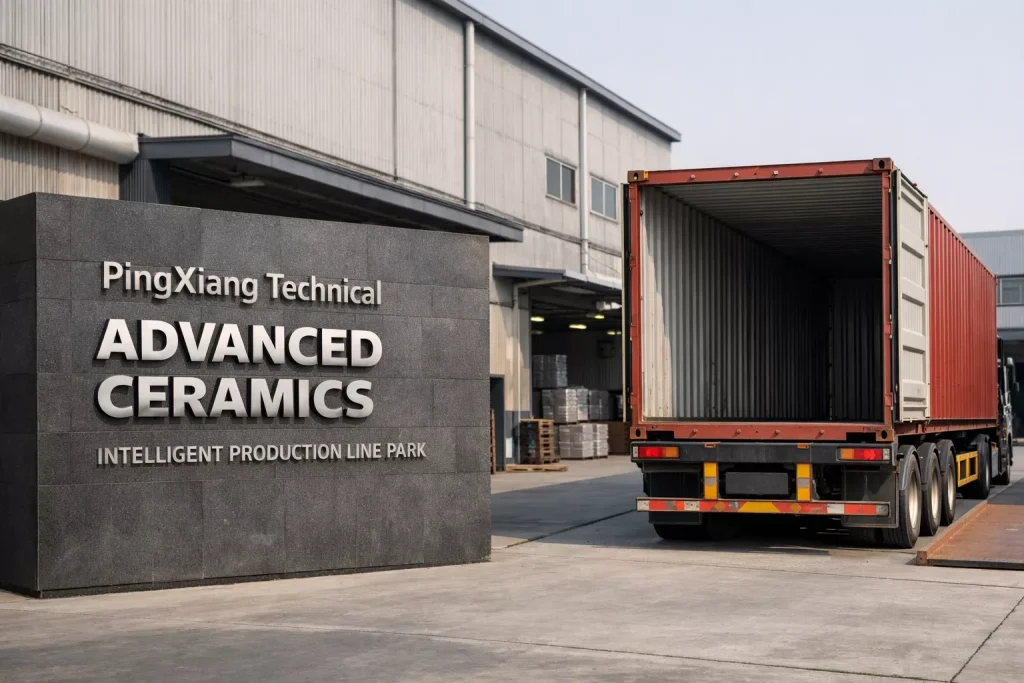
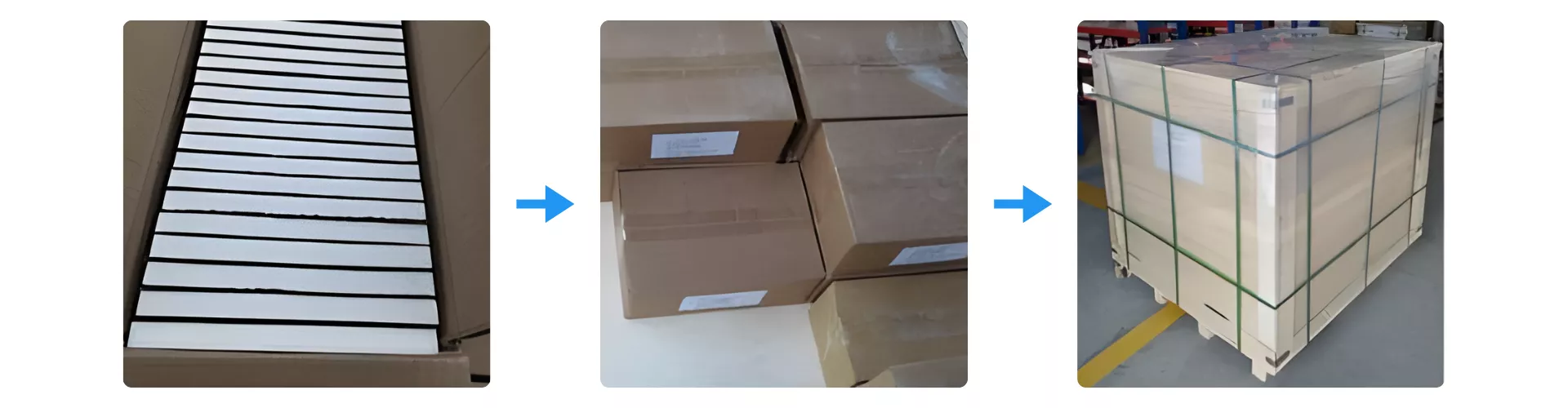
Silicon Carbide Sealing Ring is individually protected in lined inner boxes to prevent surface contact and vibration during transit. Each boxed unit is then consolidated into reinforced cartons with clear labeling to support batch traceability and handling. All cartons are finally palletized and secured with strapping and film wrap to ensure stable, impact-resistant transport for international shipment.
How ADCERAX® Silicon Carbide Sealing Ring Resolves Failure Risks in Harsh Industrial Systems
ADCERAX® Silicon Carbide Sealing Ring performs in corrosive, abrasive, and temperature-fluctuating fluid systems across chemical production units, refinery circulation loops, pulp-stock transfer lines, and desalination plants. These environments impose rapid wear, particle attack, chemical instability, and high shutdown penalties, making seal-face material behavior a decisive factor in reliability and cost control.
Silicon Carbide Sealing Ring in Refinery and Petrochemical Circulation Pumps
✅Key Advantages
1. Coke-Resistant Seal Face Stability The ADCERAX® Silicon Carbide Sealing Ring maintains a polished surface with roughness around Ra 0.02 μm, which reduces coke nucleation points on the seal face. In refinery circulation service, this level of finish has been associated with a reduction of surface fouling events by more than 30% compared with conventional hard-faced seals under similar process conditions.
2. Thermal Gradient Control Under Hot Hydrocarbons With thermal conductivity in the 70–120 W/m·K range, the sealing ring spreads frictional and process heat efficiently across the contact surface. This mitigates localized hot spots during unit start-up or load increases and has been shown to reduce thermally induced surface microcracking frequency by 20–40% in high-temperature circulation loops.
3. Resistance to Catalyst-Fine Erosion Vickers hardness of HV2200–2600 allows the seal face to resist erosion from catalyst fines and solid contaminants circulating with process streams. In long campaign operation, this hardness level supports more stable leakage rates and can extend inspection intervals by one to two turnaround cycles compared with softer seal materials operating in similar refinery services.
✅ ️Problem Solved
In one refinery hydroprocessing unit, conventional seal faces in a circulation line experienced visible edge wear and rising leakage after approximately eight to ten months of continuous operation. Process analysis showed that hot hydrocarbon streams containing fine catalyst particles and coke precursors were creating uneven wear tracks and thermal distortion on the existing seal material. After adopting the ADCERAX® Silicon Carbide Sealing Ring, the unit ran multiple operating cycles with a documented decrease in seal-related interventions of more than 30% over a comparable period. Leakage trends remained stable, and face inspections showed only minor polishing rather than deep scoring, allowing maintenance teams to synchronize seal replacement with planned turnarounds instead of unplanned stops. This improved seal-face stability contributed directly to smoother circulation performance and fewer mechanical interruptions across the campaign.
Silicon Carbide Sealing Ring in High-Torque Industrial Mixers and Reaction Agitators
✅Key Advantages
1. Abrasive Filler Compatibility in High-Viscosity Batches The high hardness of the ADCERAX® Silicon Carbide Sealing Ring in the HV2200–2600 range resists scoring from fillers, pigments, and mineral additives common in mixing operations. Field experience in coating and slurry production has shown a reduction of measurable face wear depth by 25–35% compared with legacy seal materials under similar torque and solids-loading conditions.
2. Thermal Load Management During Exothermic Reactions Thermal conductivity between 70 and 120 W/m·K helps distribute heat generated by friction and exothermic reaction steps at the seal interface. This property supports more uniform temperature profiles across the face and has been associated with a noticeable drop in thermally related distortion incidents, with some lines reporting fewer geometry-related seal failures by 20–30% after conversion.
3. Face Alignment Stability Under Variable Shaft Loads Flexural strength above 380 MPa allows the sealing ring to maintain structural integrity under fluctuating radial and axial forces from changing batch viscosities. In practice, this strength has contributed to more consistent leakage control over long mixing campaigns, with several users noting an extension of mixer seal inspection intervals by one or more production cycles compared with earlier configurations.
✅ ️Problem Solved
A chemical plant operating high-torque mixers for pigment dispersions encountered recurring seal failures driven by abrasive fillers and rapid temperature swings from jacket heating. Existing seal faces developed scoring and microcracks within a few months, leading to product contamination and frequent mixer stoppages for seal replacement. After implementing ADCERAX® Silicon Carbide Sealing Ring assemblies, the facility tracked a reduction in seal-change events of around 30–40% across successive campaigns. Surface inspections showed primarily uniform polishing rather than deep grooves, and temperature-related distortion issues decreased appreciably during exothermic reaction steps. This improvement in seal robustness helped stabilize batch quality and reduced mixer downtime caused by unplanned sealing issues.
Silicon Carbide Sealing Ring in Rotary Filtration and Vacuum Separation Equipment
✅Key Advantages
1. Low Wear in High-Solid Slurry Filtration In mineral and pigment slurry environments, ADCERAX® Silicon Carbide Sealing Ring exhibits wear rates typically 10–20% lower than tungsten carbide when exposed to particles in the 5–200 μm range. This lower wear rate helps preserve face flatness across extended filtration campaigns, supporting consistent differential pressure performance around the seal region.
2. Geometry Retention Through Thermal and Washing Cycles The combination of thermal conductivity from 70 to 120 W/m·K and a thermal expansion coefficient near 4.0–4.5×10⁻⁶/K allows the ring to withstand repeated steam-drying and wash cycles with reduced distortion. Operators of rotary filtration units have reported more stable seal-face geometry across multiple cleaning cycles, with fewer cases of measurable loss of flatness compared with previous materials.
3. Resistance to Aggressive Wash and Regeneration Fluids With corrosion loss values typically below 1–3 mg/cm²·year in acidic and alkaline solutions, the sealing ring maintains surface integrity under frequent exposure to regeneration chemicals. This chemical stability reduces the formation of pitting or surface roughening that would otherwise accelerate leakage, helping keep filtrate quality and moisture content variation within tighter control bands.
✅ ️Problem Solved
In a minerals-processing facility, rotary vacuum filters handling abrasive slurries and aggressive wash solutions suffered from frequent seal degradation, which caused unstable filtrate clarity and moisture variability. Conventional seals showed visible pitting and loss of face flatness after a limited number of filtration and steam-drying cycles, forcing maintenance teams to perform unscheduled replacements. After replacing these components with ADCERAX® Silicon Carbide Sealing Rings, recorded seal-life in the filtration line increased by approximately 30–50% over several operating periods. Leakage at the seal interface became more predictable, and filtrate stability improved as surface damage on the ring faces was significantly reduced. This allowed the plant to synchronize seal maintenance with broader filtration system servicing rather than responding to repeated sealing failures mid-campaign.
How to Use ADCERAX® Silicon Carbide Sealing Ring Safely and Effectively
Silicon Carbide Sealing Ring should be used under controlled mechanical, thermal, and chemical conditions so that the seal face can keep a stable lubrication film and predictable leakage rate. This user guide summarizes key checks, installation steps, and operating practices that help avoid premature damage and align the product with the target process conditions. It is intended to support engineers and maintenance teams in daily operation, shutdown planning, and long-term reliability improvement.
Pre-Installation Verification and Handling Practices
1. Confirm media and duty conditions Always verify fluid type, solids content, temperature range, and pressure against the design limits before selecting a ring. This helps avoid running the seal in media that may exceed corrosion or abrasion capability. Where process data are incomplete, a short, monitored trial is recommended before committing to long campaigns.
2. Inspect ring surfaces before assembly Check both faces and edges for chips, cracks, or visible scratches under good lighting before installation. Small edge defects can propagate under load and create leakage paths over time. Any ring with visible damage should be quarantined and not mixed into production stock.
3. Handle with controlled contact points Support the ring on its outer diameter and avoid touching the lapped faces with bare hands or hard tools. Fingerprints, impact marks, and particulate contamination can disturb the lubrication film during first rotation. Use clean, lint-free gloves and store parts in their protective packaging until just before assembly.
Installation Guidelines for Seal Face Alignment and Seating
1. Prepare clean, flat mounting surfaces Ensure gland, sleeve, and housing shoulders are clean, burr-free, and free from embedded particles before inserting the ring. Residual dirt can tilt the seal face and cause edge loading at start-up. If needed, wipe surfaces with a compatible solvent and dry with filtered air.
2. Control axial compression and spring load Set the specified spring force and working length on the mechanical seal assembly according to the seal design. Excessive closing force can raise frictional heat and accelerate wear, while too little force can cause unstable leakage at low speed. Documenting the setting for each unit helps maintain consistency across multiple installations.
3. Check face contact and runout during assembly Rotate the shaft slowly by hand and observe any drag or irregular contact after the seal is assembled. Smooth, uniform resistance indicates that the faces are seating correctly. If intermittent tight spots are felt, disassemble and investigate the cause rather than forcing the unit into operation.
Operating Window, Start-Up, and Thermal Management
1. Respect recommended temperature and pressure ranges Operate within the defined temperature window and differential pressure limits for the seal design and material grade. Running far above the intended temperature range increases thermal stress and reduces lubricant film stability. If process changes push conditions closer to the limit, plan additional monitoring or consult for a revised configuration.
2. Ensure adequate fluid lubrication and flushing Provide sufficient process fluid or external flush across the seal faces during start-up and normal operation. Dry running, even for a short period, can create localized hot bands and microcracking. For dirty or slurry services, a properly configured flush or barrier system helps remove particles from the sealing interface.
3. Manage start-up and shutdown sequences Introduce temperature and speed changes gradually where possible, especially after long standstill periods. Rapid acceleration in cold hardware with hot media can produce steep thermal gradients in the ring. Following a defined start-up procedure reduces shock loading and extends service life over repeated cycles.
Inspection, Cleaning, and Replacement Planning
1. Monitor leakage trends and operating noise Track visible leakage, drain flow, or seal system pressure changes over time for each piece of equipment. A slow but steady increase often indicates developing wear or geometric change at the seal face. Unusual noise or vibration near the seal chamber should trigger a closer inspection instead of continued operation.
2. Apply compatible cleaning methods during maintenance Clean removed rings with non-abrasive media and compatible solvents only, avoiding wire brushes or hard scrapers on the lapped surfaces. Aggressive cleaning can introduce scratches deeper than the natural wear pattern and shorten the life of a reinstalled ring. Soft pads and filtered compressed air are usually sufficient to remove deposits for inspection.
3. Plan proactive replacement intervals for critical assets Use recorded operating hours, process severity, and past failure statistics to define preventive replacement intervals for critical machines. Waiting for visible leakage in safety-sensitive or high-throughput equipment can lead to unplanned outages and difficult root-cause analysis. A structured replacement plan helps stabilize spare-parts usage and supports long-term reliability programs.
AQs Addressing Real-World Engineering Challenges When Selecting ADCERAX® Silicon Carbide Sealing Ring
Q1: How does a Silicon Carbide Sealing Ring maintain stability when exposed to abrasive slurries?
A Silicon Carbide Sealing Ring benefits from high Vickers hardness (HV2200–2600), allowing the seal face to resist scoring from suspended solids. This hardness helps retain flatness even during constant particle contact. The result is more predictable leakage behavior during long abrasive-slurry campaigns. These characteristics reduce premature wear and support longer maintenance intervals.
Q2: Why is a Silicon Carbide Sealing Ring preferred for corrosive chemical media?
Its microstructure is chemically inert, exhibiting corrosion loss typically below 1–3 mg/cm²·year in acidic and alkaline environments. This stability limits surface pitting that would otherwise disrupt the lubrication film. Over extended operation, consistent face integrity helps maintain seal performance across variable chemical compositions. This reliability is especially important in multi-stage chemical reaction loops.
Q3: How does a Silicon Carbide Sealing Ring perform under rapid temperature shifts?
The material’s thermal conductivity of 70–120 W/m·K allows heat to spread evenly across the face. This minimizes hot-spot formation during start-ups, thermal transitions, or exothermic reactions. Combined with a low expansion coefficient, the ring shows reduced distortion under thermal cycling. This helps protect seal alignment in systems with frequent temperature changes.
Q4: What prevents leakage escalation when operating a Silicon Carbide Sealing Ring in high-load rotary equipment?
Face geometry remains stable due to flexural strength above 380 MPa, helping the ring withstand axial and radial loads. This strength reduces edge-loading incidents common in rotary systems. Over multiple cycles, surface integrity remains more consistent, supporting predictable sealing behavior. This mitigates leakage spikes observed with less rigid materials.
Q5: How does a Silicon Carbide Sealing Ring reduce the risk of coke buildup in refinery services?
Its polished surface finish, typically around Ra 0.02 μm, minimizes initiation points for coke adhesion. A smoother face reduces friction variation during start-up and circulation. This promotes stable sealing film formation in hot hydrocarbon environments. The ring therefore shows less fouling during long refinery runs.
Engineering Teams Reporting Field Results with ADCERAX® Silicon Carbide Sealing Ring
⭐️⭐️⭐️⭐️⭐️
The Silicon Carbide Sealing Ring maintained stable behavior throughout our high-temperature hydrocarbon circulation trials. Its surface showed minimal wear under abrasive fines, which directly reduced seal-face adjustments during long campaigns. We also recorded more consistent leakage control compared with our previous configuration. This improvement supported a smoother operating rhythm in our refinery loop. — M. Turner, Process Reliability Division, Northshore Energy Systems
⭐️⭐️⭐️⭐️⭐️
During extended runs in our reaction-mixing units, the Silicon Carbide Sealing Ring demonstrated strong resistance to pigment-induced scoring, even under variable batch viscosities. Thermal-cycle monitoring showed reduced distortion at the seal interface, which helped stabilize product quality across multiple formulations. The ring also required fewer inspections between campaigns, improving asset utilization. — A. Williams, Applied Materials Group, EuroChem Polysynth Labs
⭐️⭐️⭐️⭐️⭐️
In our rotary filtration line, the Silicon Carbide Sealing Ring provided noticeably lower wear rates when exposed to mineral slurry. Moisture-content deviations in the filtrate decreased after the upgrade, indicating more uniform seal-face contact under fluctuating cycle loads. The ring handled both steam-drying and chemical wash phases without visible surface degradation. — R. Jensen, Mechanical Integrity Office, North Atlantic Minerals Processing
⭐️⭐️⭐️⭐️⭐️
We introduced the Silicon Carbide Sealing Ring to address recurring leakage in corrosive chemical transfer operations. After implementation, the seal-face remained stable across aggressive media and showed improved performance during thermal transitions. Maintenance teams reported fewer early-cycle replacements, helping us keep shutdown intervals aligned with planned overhauls. — L. Schultz, Engineering Operations Unit, Western Industrial Chemicals Corporation
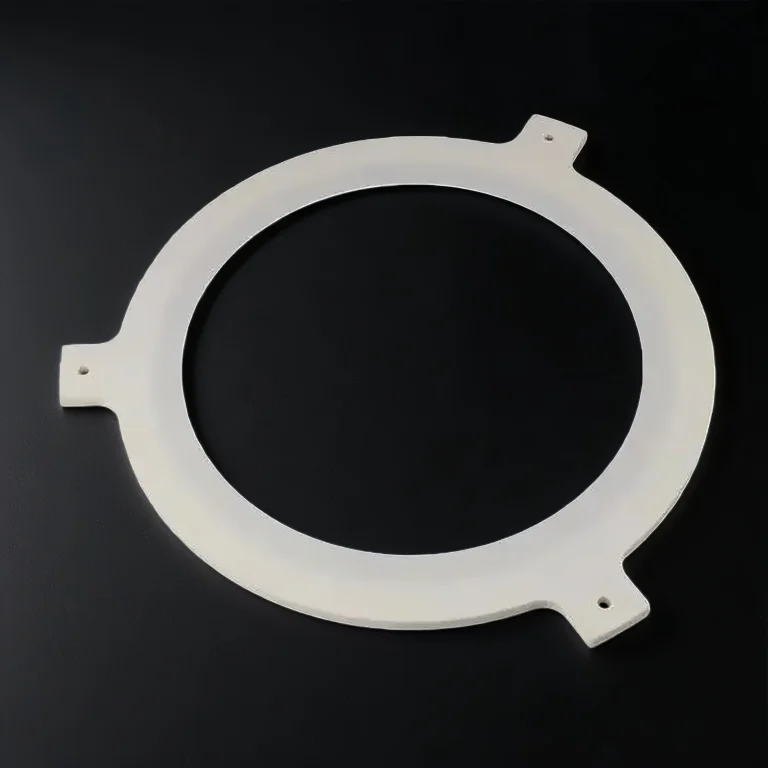
ADCERAX® Silicon Carbide Sealing Ring can be configured to align with varied mechanical layouts, fluid chemistries, and operational conditions across industrial sealing systems.
Configuration Adaptation for Application-Specific Operating Conditions
Compatibility with diverse thermal, chemical, and mechanical environments is ensured through controlled design adjustments.