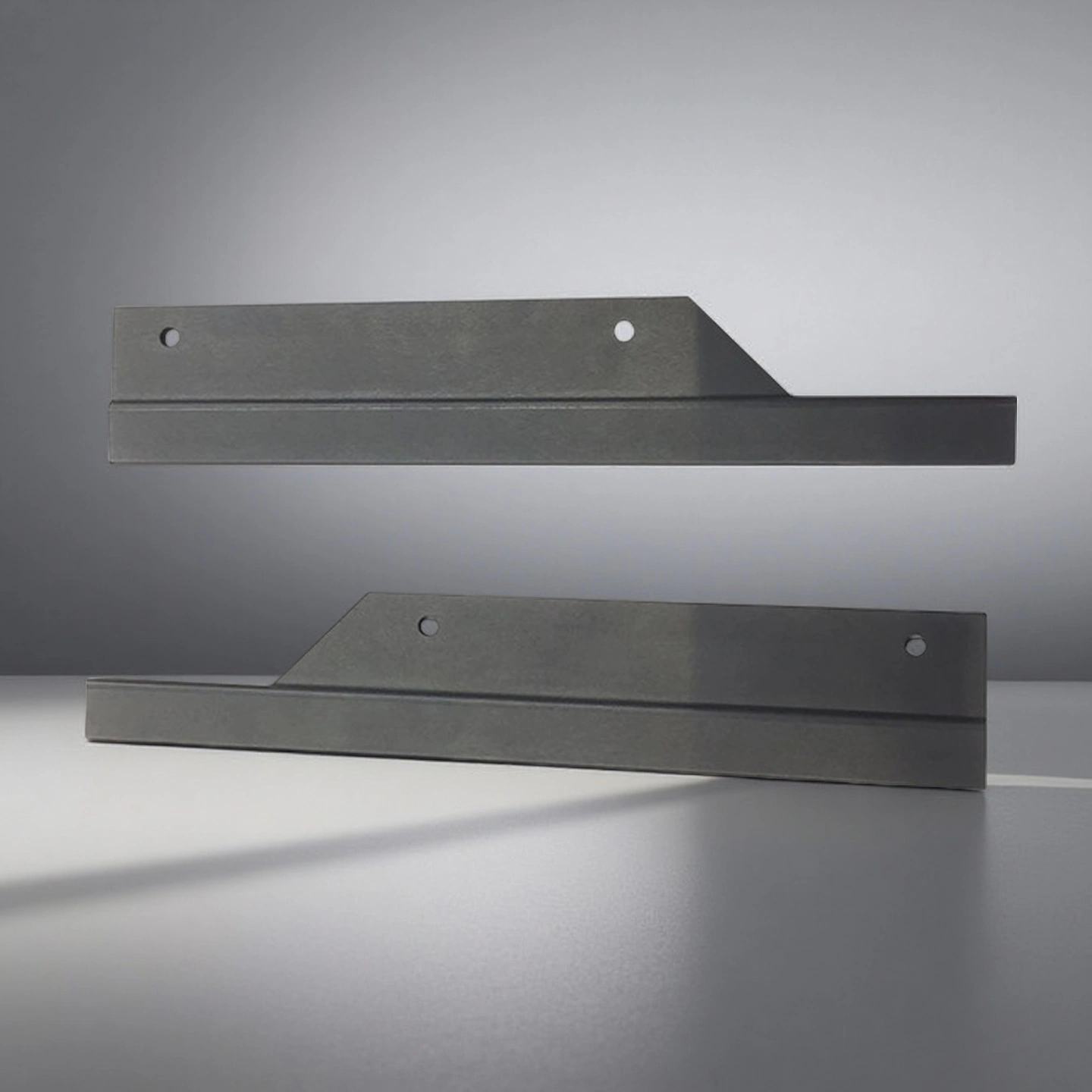
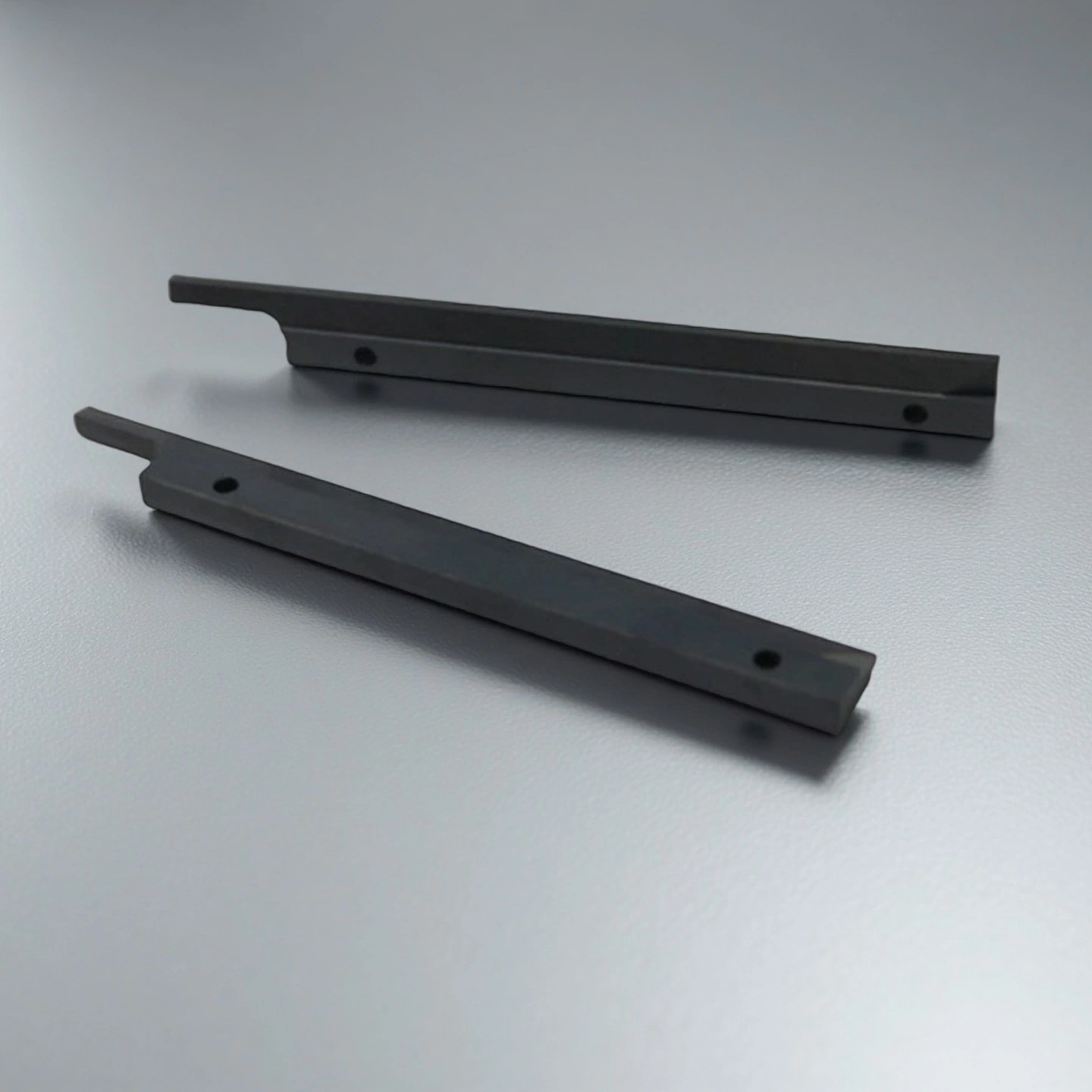
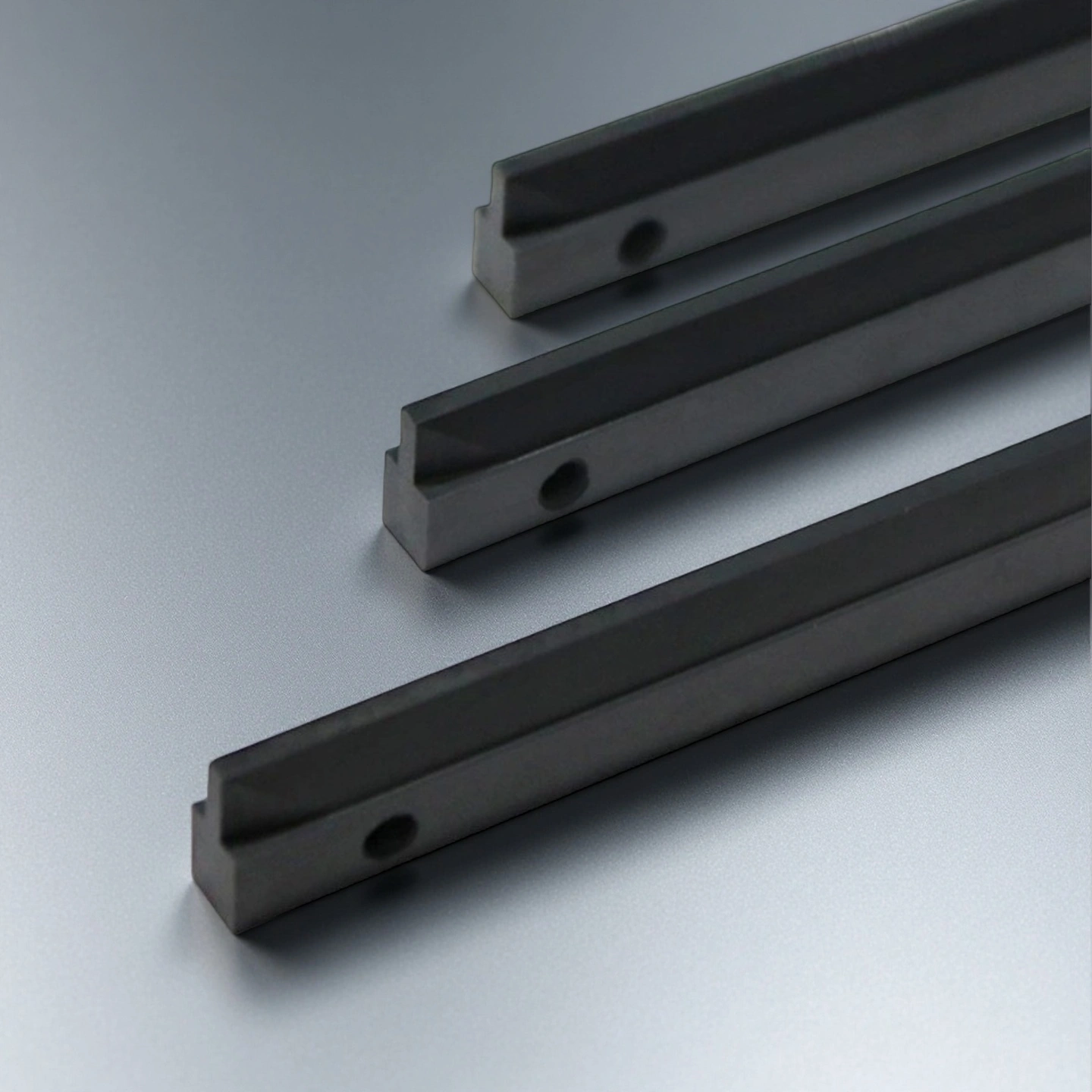
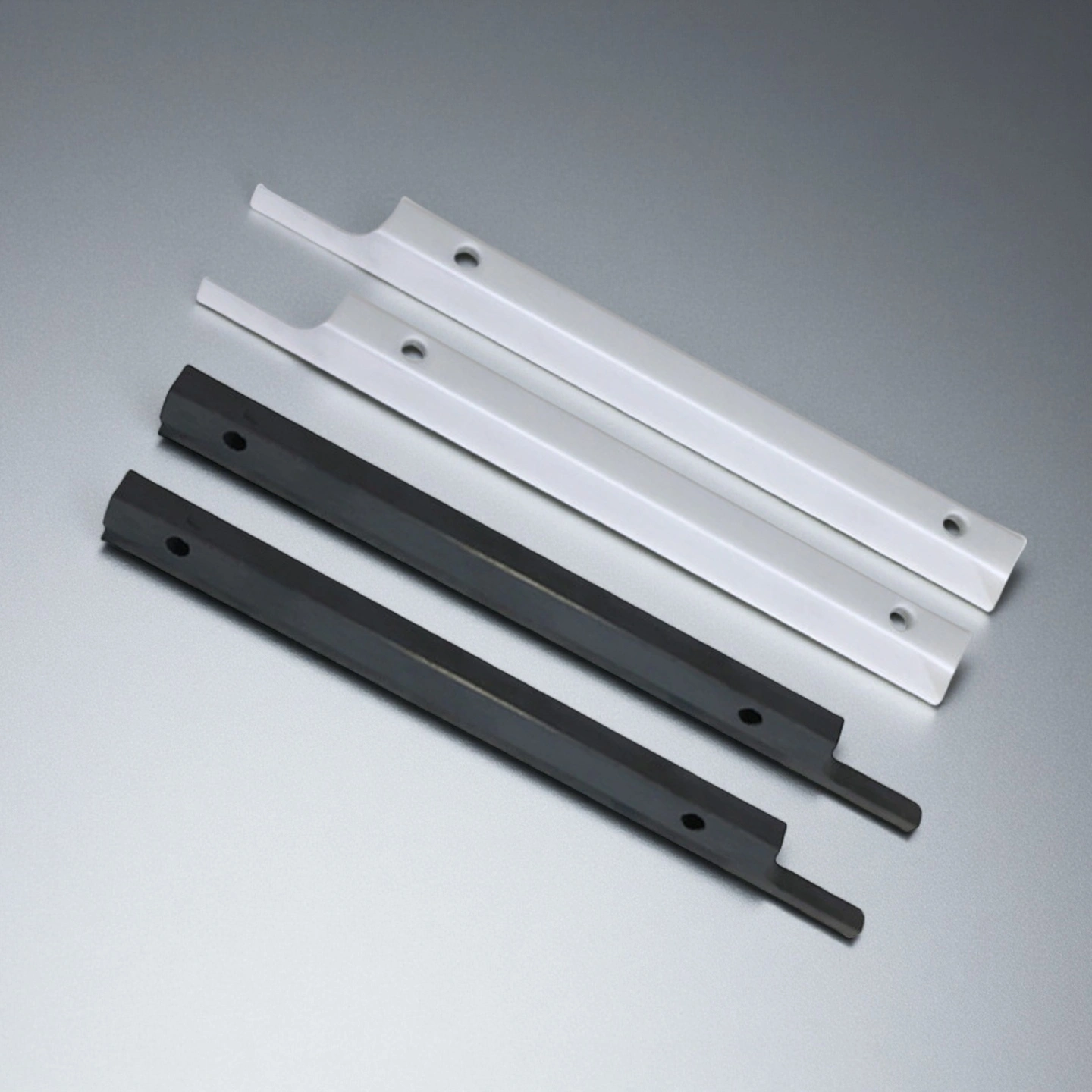
Chemical-Resistant Silicon Nitride 3D Printer Scraper for Resin Tanks and Build Plates

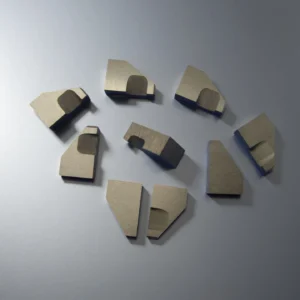
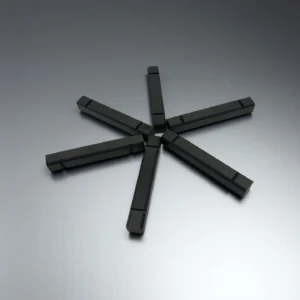
ADCERAX supplies custom and standard silicon nitride 3D printer scraper tools in multiple blade widths, thicknesses, and edge geometries. The Si₃N₄ ceramic body maintains edge integrity across thousands of removal cycles, resists common cleaning solvents used in resin and FDM workflows, and can be tailored to match specific printer models or operator preferences.

Catalogue No. AT-SIN-DG1001
Material Silicon Nitride
Flexural Strength ≥800 MPa
Surface Roughness Ra ≤ 0.2 μm
Vickers Hardness (HV10) 13–15 GPa
24H Standard Dispatch
Small Batch Support OEM
Factory Direct
Expert Engineering Support

Silicon nitride 3D printer scraper is a ceramic removal tool designed for safe and efficient part removal from PEI, glass, textured steel, and resin build surfaces. Compared with metal scrapers, a Si₃N₄ blade offers high hardness, low wear, and stable geometry under repeated thermal cycles, which helps reduce build plate damage and tool replacement frequency in 3D printing environments.


Silicon Nitride 3D Printer Scraper Benefits

  • Non-scratch edge geometry for common build surfaces
    The Si₃N₄ blade is ground with a controlled bevel and flatness so the scraper can slide under prints at a low angle, reducing visible scratches on PEI sheets and glass beds compared with many stamped metal scrapers.

  • High wear resistance in high-cycle print farms
    Silicon nitride hardness in the 13–15 GPa range allows the scraper edge to keep its profile after thousands of removal cycles, which lowers the frequency of tool replacement and maintains a consistent feel for operators.

  • Stable under temperature variation
    The ceramic scraper can contact warm build plates in the 60–110 °C range without significant softening or edge deformation, keeping removal behavior stable during typical FDM printing conditions.

  • Chemical resistance for resin and solvent contact
    The silicon nitride 3D printer scraper resists common resin printing chemicals such as photopolymer resins, isopropyl alcohol, and many water-based cleaners, making it suitable for both FDM and SLA / DLP environments.

  • Customizable blade shape and thickness
    Blade width, length, bevel angle, and thickness can be tailored to create rigid or slightly flexible scrapers, straight or rounded corners, and special profiles for narrow build plates or confined chambers.

Si3N4 3D Printer Scraper Properties

Si3N4 Type Gas pressure sintering Si3N4 Hot pressing sintering Si3N4 High thermal conductivity Si3N4
Density (g/cm3) 3.2 3.3 3.25
Flexture strength (MPa) 700 900 600~800
Young Modulus (GPa) 300 300 300~320
Poisson's ratio 0.25 0.28 0.25
Compressive strength (MPa) 2500 3000 2500
Hardness (GPa) 15 16 15
Fracture toughness (MPa*m1/2) 5~7 6~8 6~7
Maximum working temperature (℃) 1100 1300 1100
Thermal conductivity (W/m*K) 20 25 80~100
Thermal expansion coefficient (/℃) 3*10-6 3.1*10-6 3*10-6
Thermal shock resistance (ΔT ℃) 550 800 /


Si3N4 Scraper for 3d Printer Specifications

Silicon Nitride 3D Printer Scraper
Item No. Diameter (mm) Thickness (mm)
AT-SIN-DG1001 Customize


Silicon Nitride Ceramic 3D Scraper Packaging

  • Each silicon nitride 3D printer scraper is wrapped in soft protective material to prevent chipping of the ceramic edge during transport.
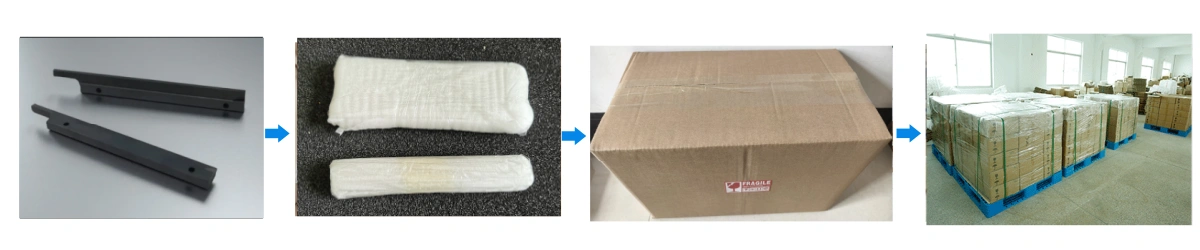
Silicon Nitride Ceramic 3D Scraper Packaging

Application of Silicon Nitride 3D Printer Scraper

  • Industrial FDM Print Farms and 3D Printing Service Bureaus

    ✅Key Advantages

    1. Stable removal feels over long tool life
    The silicon nitride 3d printer scraper keeps a consistent edge profile over thousands of part removals, so operators do not need to adapt to changing tool behavior.
    2. Reduced build plate replacement frequency
    Controlled bevel geometry and a rigid ceramic body help reduce deep scratches on PEI and glass beds, which lowers build surface replacement events over a typical year.
    3. Predictable removal force on dense build plates
    High stiffness of the Si₃N₄ blade lets the operator transmit force directly under the part, which shortens removal time for densely packed plates.

    ✅ Problem Solved

    In a print farm operating 20 FDM printers with PEI-coated steel sheets, replacing 1–2 damaged sheets per printer each year can add up to several hundred dollars in build plate cost, plus downtime for leveling and test prints. By switching the removal tool for frequent users to a silicon nitride 3D printer scraper with a controlled bevel, the number of scratched or gouged sheets can drop, so more plates reach a second or third year of service. At the same time, operators report a more predictable “slide-under” behavior because the ceramic blade does not bend, which shortens average removal time on plates filled with small parts.

  • 3D Printer OEMs and System Integrators

    ✅Key Advantages

    1. Consistent OEM tool across multiple printer models
    A silicon nitride scraper can be designed as a standard accessory that fits both desktop and industrial models, with tuned blade width for each build plate format.
    2. Higher perceived value in accessory kits
    Including a Si₃N₄ 3D printer scraper in the tool kit signals attention to build surface protection and long-term maintenance costs for end users.
    3. Stable dimensional control in series production
    Ceramic processing with ground surfaces allows tight control of blade width, thickness, and bevel angle over repeated batches.

    ✅ Problem Solved

    Printer manufacturers often include low-cost metal scrapers that may leave visible marks on PEI sheets within the first months of use. End users then associate build plate wear with the printer brand. By integrating a silicon nitride 3d printer scraper as part of the standard tool kit, the OEM can align the accessory with the performance level of the printer, extend the life of the build plate, and decrease early warranty discussions around scratched surfaces. The scraper geometry can be standardized for annual production volumes in the thousands without sacrificing tolerance on blade width or bevel angle.

  • Resin Printing Studios and Prototyping Labs (SLA / DLP)

    ✅Key Advantages

    1. Resin vat and plate cleaning with a chemical-resistant blade
    The silicon nitride scraper tolerates repeated contact with photopolymer resin and alcohol-based cleaners without rust or swelling.
    2. Thin edge for cured resin on smooth plates
    A ground ceramic edge can separate cured resin bases from smooth build plates while maintaining a low insertion angle.
    3. Low particle generation under normal use
    Under controlled loading, the dense Si₃N₄ body resists flaking, reducing the chance of ceramic fragments entering resin trays.

    ✅ Problem Solved

    Resin printing studios often keep several plastic or metal scrapers immersed in solvents or next to wash stations. Over months, metal blades may discolor and show corrosion spots, while some plastics soften. A silicon nitride resin vat scraper maintains surface stability after repeated exposure to common cleaning fluids and resin residue, so technicians can clean vat walls and build plates with a single tool across many print cycles. This helps lower the number of tool changes and keeps the cleaning process consistent when handling multiple printers.

Si3N4 3D Printer Scraper Usage Instructions

  • Installation and Handling

    1. If the silicon nitride 3D printer scraper is supplied as a bare blade, mount it into the designated handle or bracket using the correct fasteners or over-moulded grip as defined by your tool design.
    2. When handling a bare ceramic blade, avoid knocking the edge against hard metal corners or dropping it on the floor, as ceramics can chip under impact.

  • Using the Scraper on FDM Build Plates

    1. Heat the build plate to the recommended release temperature for your material, then allow it to cool slightly if specified by your print profile.
    2. Hold the scraper at a low angle (for example 15–30° relative to the plate) and slide the silicon nitride edge gently under the part base rather than prying downward.
    3. For large parts, work from one edge and gradually move along the perimeter instead of forcing the entire base at once.
    4. On textured steel or coated plates, avoid sudden twisting motions that concentrate force on the corner of the scraper.

  • Using the Scraper on Resin Printers

    1. Wear gloves and eye protection when working with resin and solvents.
    2. Use the silicon nitride 3d printer scraper to guide cured resin bases away from the build plate using slow, controlled movements.
    3. For vat cleaning, keep the scraper edge parallel to the bottom film or coated surface and avoid hard impacts; the goal is to glide and lift residues, not to dig into the film.

  • Cleaning and Storage

    1. After use, wipe the blade with a soft cloth and a suitable cleaner such as isopropyl alcohol or mild detergent, then dry it thoroughly.
    2. Store the scraper on a dedicated rack or in a sheath where the ceramic edge cannot hit other tools.
    3. Do not store the scraper with heavy metal tools pressing against the blade edge.

  • Points to Extend Service Life and Reduce Operating Cost

    1. Assign each silicon nitride 3D printer scraper to a defined area (e.g. FDM only or resin only) to prevent cross-contamination between materials.
    2. Keep operators trained on low-angle sliding techniques; controlled force along the bevel is less likely to chip the edge or damage the build surface.
    3. Inspect the blade visually at regular intervals for chips at the corners; if a corner is damaged, it may be possible to re-polish or re-grind depending on your tooling.

  • Typical Misuse and How to Correct It

    1. Using the scraper as a lever bar
    Misuse: Prying large prints straight upward with a high angle, using the scraper as a lever.
    Risk: Concentrated stress at the tip can chip the ceramic and gouge the build plate.
    Correction: Train operators to slide under the part at low angle and walk around the perimeter.
    Hitting metal hardware or clamps

    2. Misuse: Striking bed clips, bolts, or rails with the scraper edge while working quickly.
    Risk: Localized impact can create micro-chips or larger fractures at the blade edge.
    Correction: Mark the clamp zones and remind operators to avoid contact points when inserting the scraper.
    Storing blades loose in tool drawers

    3. Misuse: Mixing the silicon nitride 3D printer scraper with wrenches, pliers, and nozzles in a single drawer.
    Risk: Hard metal tools can damage the ceramic edge when the drawer is opened or closed.
    Correction: Use a dedicated holder, foam insert, or sleeve for each ceramic scraper.

Silicon Nitride Ceramic 3D Printer Scraper

  1. Q: How is the silicon nitride 3D printer scraper different from a regular metal scraper?
    A: Silicon nitride 3D printer scraper is a ceramic removal tool made from Si₃N₄ instead of steel. The blade has higher hardness and stiffness, so it keeps its edge geometry longer and flexes less under load, which helps reduce scratches on PEI, glass, and textured steel build plates compared with many stamped metal scrapers.
  2. Q: Can a silicon nitride 3D printer scraper be used on both PEI sheets and glass beds?

    A: Yes, the scraper can be used on PEI-coated sheets, borosilicate glass beds, and textured steel plates. The key is to use a low insertion angle and let the ground ceramic bevel slide under the part base, rather than applying sudden downward force.

  3. Q: Is silicon nitride safe to use around resin printers and common cleaning solvents?

    A: Silicon nitride ceramic is chemically stable in contact with typical resin systems and cleaning liquids such as isopropyl alcohol or many water-based detergents used in 3D printing environments. The material does not rust or swell under normal exposure conditions.

  4. Q: Will a silicon nitride 3d printer scraper chip easily if dropped?

    A: Silicon nitride offers high strength in normal operation but, like most ceramics, it can chip or fracture under sharp impact. Dropping the scraper onto a hard floor or hitting metal corners should be avoided. Proper handling and storage will significantly reduce the chance of chipping.

  5. Q: Can I request a custom blade width or bevel angle for my printer model?

    A: Yes. ADCERAX can produce custom silicon nitride 3D printer scrapers with specified blade width, length, thickness, and bevel angle, so the tool can match your build plate size and the removal technique your operators prefer.

  6. Q: How long does a silicon nitride scraper typically last in a print farm?

    A: Tool life depends on build plate materials, removal technique, and workload, but in many industrial or farm environments a silicon nitride scraper can keep a functional edge for thousands of removal cycles, reducing the frequency of tool replacement compared with soft metal scrapers.

  7. Q: Does the silicon nitride scraper generate dust or particles during normal use?

    A: Under normal sliding use at recommended angles and forces, a silicon nitride 3D printer scraper does not significantly shed particles. Chips usually occur only when the blade is subjected to impact, such as striking metal fixtures or being dropped.

Silicon Nitride Ceramic 3D Printer Scraper Reviews

  • ⭐️⭐️⭐️⭐️⭐️
    We switched our main operators to silicon nitride 3D printer scrapers for the PEI beds on our FDM farm. The ceramic blade gives a predictable feel, and we have not had to replace as many scratched sheets this year. ADCERAX supported our custom blade width so it matches our most used build size.
    -- Daniel H., Operations Manager, LayerForge Print Farm, USA
  • ⭐️⭐️⭐️⭐️⭐️
    As a printer OEM we needed an accessory tool that matched the durability of our machines. The Si₃N₄ 3D printer scraper from ADCERAX integrates into our tool kit with a controlled bevel and stable dimensions across batches. The pricing for series orders is reasonable for an industrial ceramic part.
    -- Maria López, Procurement Engineer, NovaForm 3D Systems, Spain
  • ⭐️⭐️⭐️⭐️⭐️
    We use the silicon nitride 3d printer scraper on both glass and textured plates in our prototyping lab. The blade does not rust near the wash station and cleans easily after contact with different polymers. Most of the team prefer it over the older flexing metal spatulas we used before.
    --Kenji S., Lab Technician, Tokyo Prototype Lab, Japan
  • ⭐️⭐️⭐️⭐️⭐️
    For our SLA and DLP printers, the silicon nitride scraper works for both build plate and vat cleaning. The thin ceramic edge slides under bases without marking the plate, and we have been able to standardize on one scraper style for multiple machine brands.
    -- Emily Carter, Founder, Resin Studio Collective, UK
customize size

Custom Silicon Nitride 3D Printer Scrape

ADCERAX offers custom silicon nitride 3D printer scraper design and manufacturing to match specific printer platforms, operator preferences, and branding requirements, from small pilot batches to series production.

1. Blade dimensions

  • Blade width: e.g. 20–60 mm
  • Blade length: e.g. 80–200 mm
  • Blade thickness: e.g. 1.5–5.0 mm

2. Edge geometry

  • Single-bevel or double-bevel edge
  • Bevel angle (e.g. 25°, 30°, 35°)
  • Straight or slightly curved leading edge
  • Corner radius: sharp, eased, or fully rounded

3. Handle interface

  • Ceramic blade only (for mounting into your own handle)
  • Holes or slots for mechanical fastening
  • Flat tang section length and thickness for over-moulded handles

4. Surface finish

  • Ground blade edge region
  • Satin or fine-ground faces for easier cleaning
  • Optional laser-marked orientation or model code on the shank

5. Dimensional tolerance

  • Typical blade width and length tolerance: ±0.1–0.2 mm
  • Thickness tolerance: e.g. ±0.05–0.1 mm on ground surfaces

6. Branding options

  • Laser-marked logo on the non-working face
  • Marked scale lines along the blade (for positioning or QC)

Related Products

ADCERAX - Your Trusted Advanced Ceramics Manufacturing Partner

Direct factory manufacturing with comprehensive ceramic materials expertise and global supply capabilities

Direct Factory Manufacturing

China-based ceramic materials production facility with state-of-the-art equipment

Engineering Team

Experienced professionals in advanced ceramics applications and custom design

Quality Control

Strict quality control standards for technical ceramics manufacturing and quality management

Global Supply Chain

Serving customers worldwide with technical ceramics and rapid response

24/7 Technical Support

Round-the-clock support for ceramic components inquiries and technical assistance

500+ Satisfied Customers

Trusted by global customers for advanced ceramic materials and precision components

Get in touch with us

Our team will be happy to respond to you in less than 24 hours.

Adcerax's factory

Quick Quotation

*Our team will answer your inquiries within 24 hours.

*Your information will be kept strictly confidential.

Ready to Solve Your Engineering Challenge?

Partner with ADCERAX for reliable, high-performance advanced ceramic solutions. Our engineers are ready to discuss your project.

E-mail

info@adcerax.com

Phone

+(86) 0731-74427743 | WhatsApp: +(86) 19311583352

Response Time

Within 24 hours

Quick Quote

The more details you provide, the faster we can quote.

*We respond within 24 hours. All inquiries are confidential.

Download Catalog

Get Your Custom Sulution

The more details you provide, the faster we can respond.

customize size

*We respond within 24 hours. All inquiries are confidential.

Download Catalog