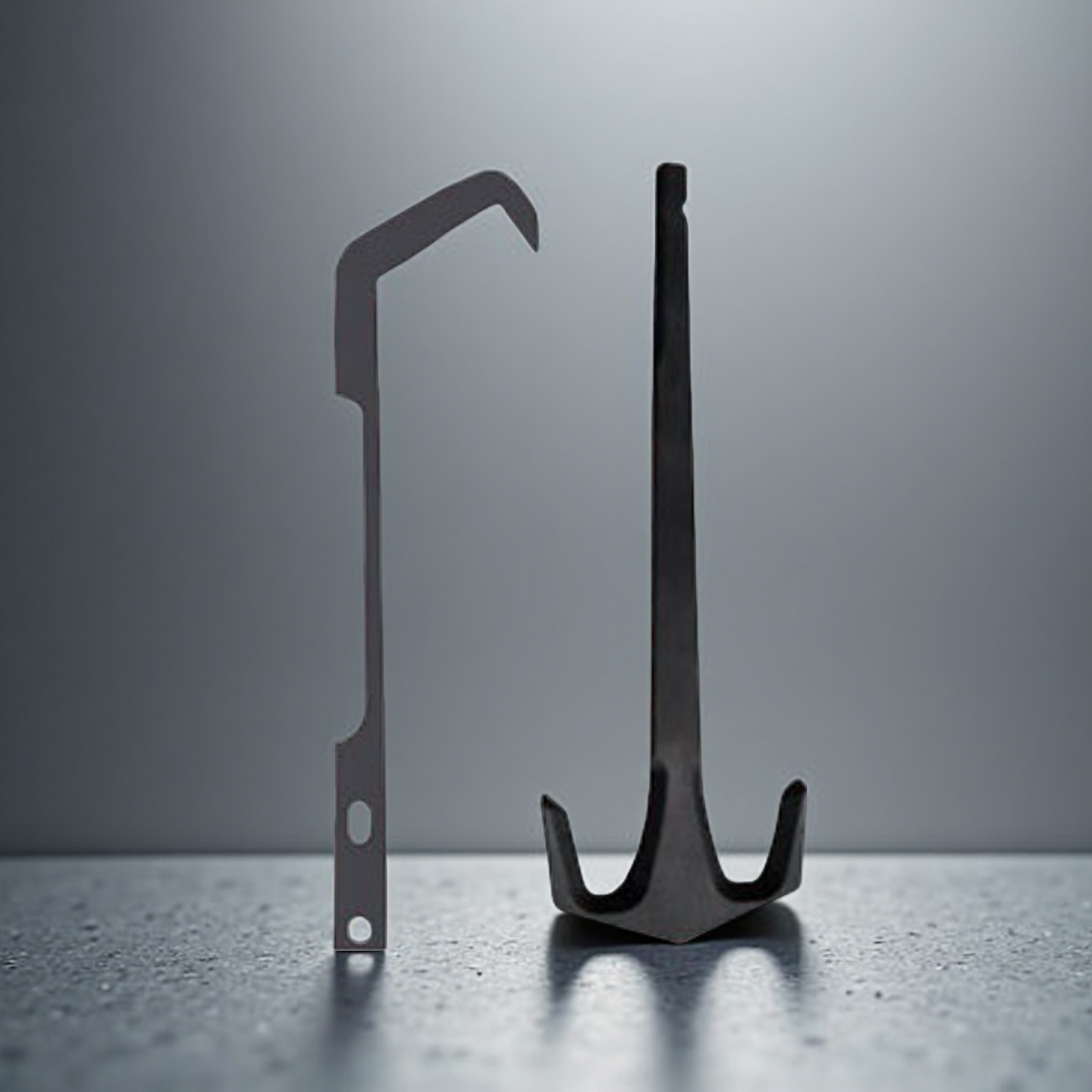
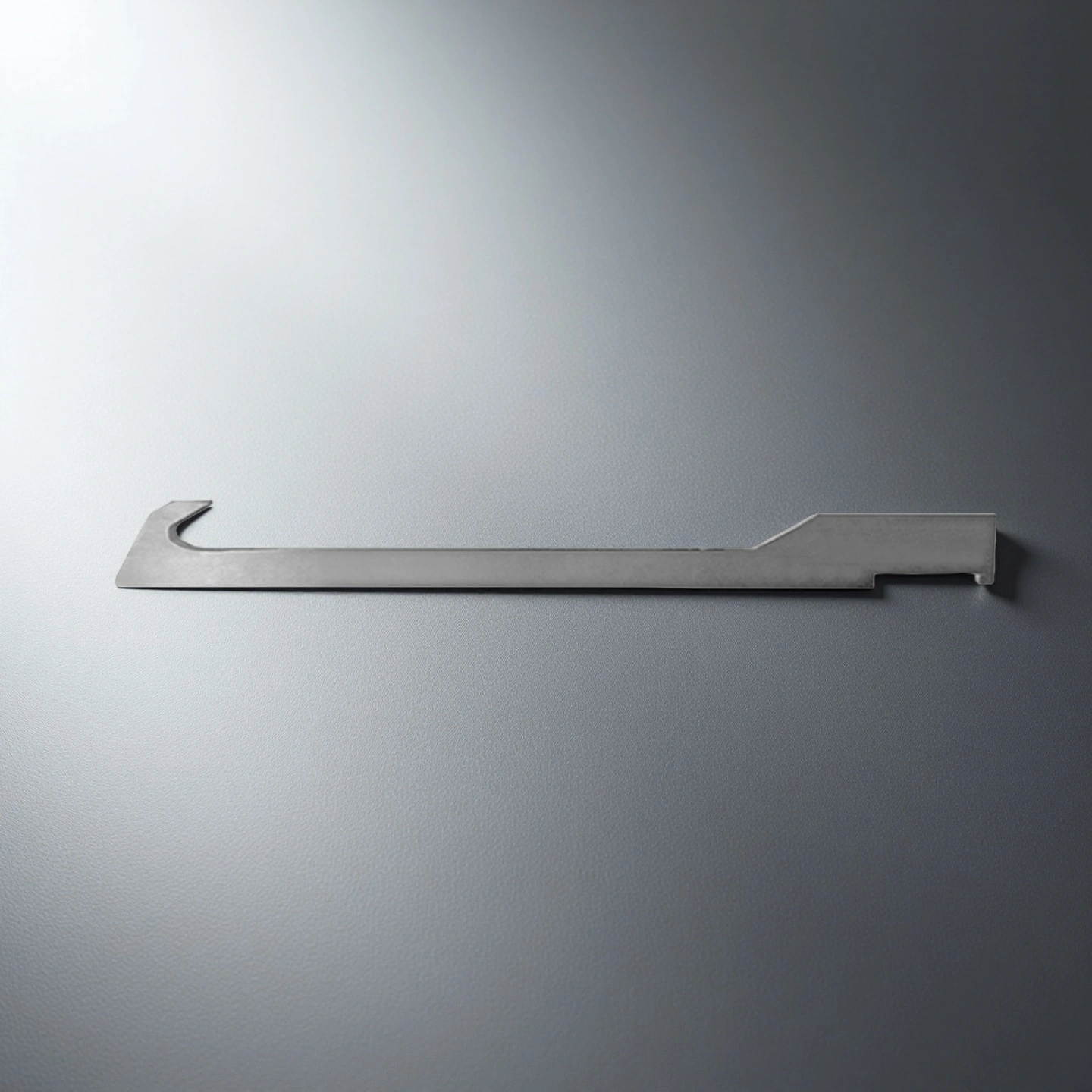
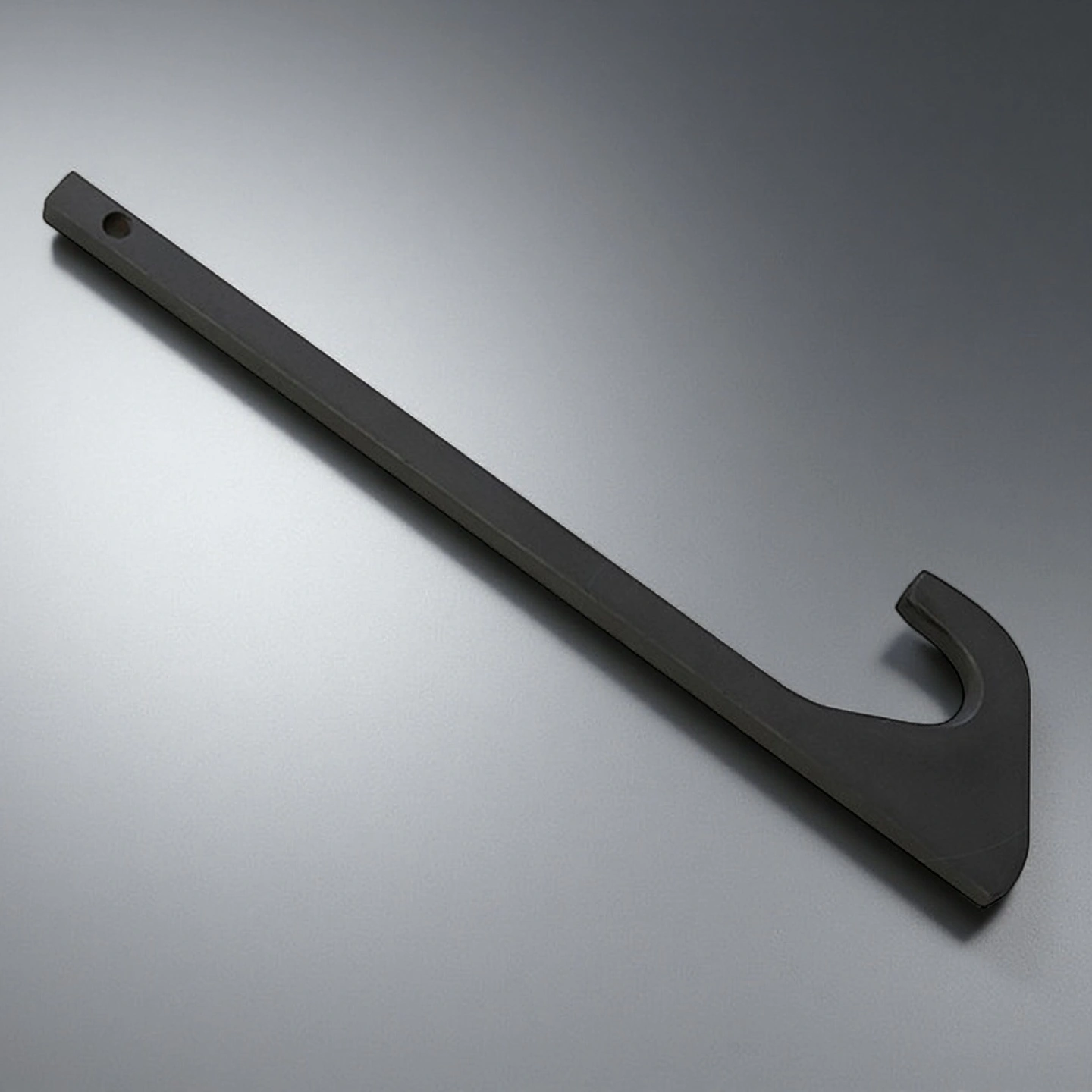
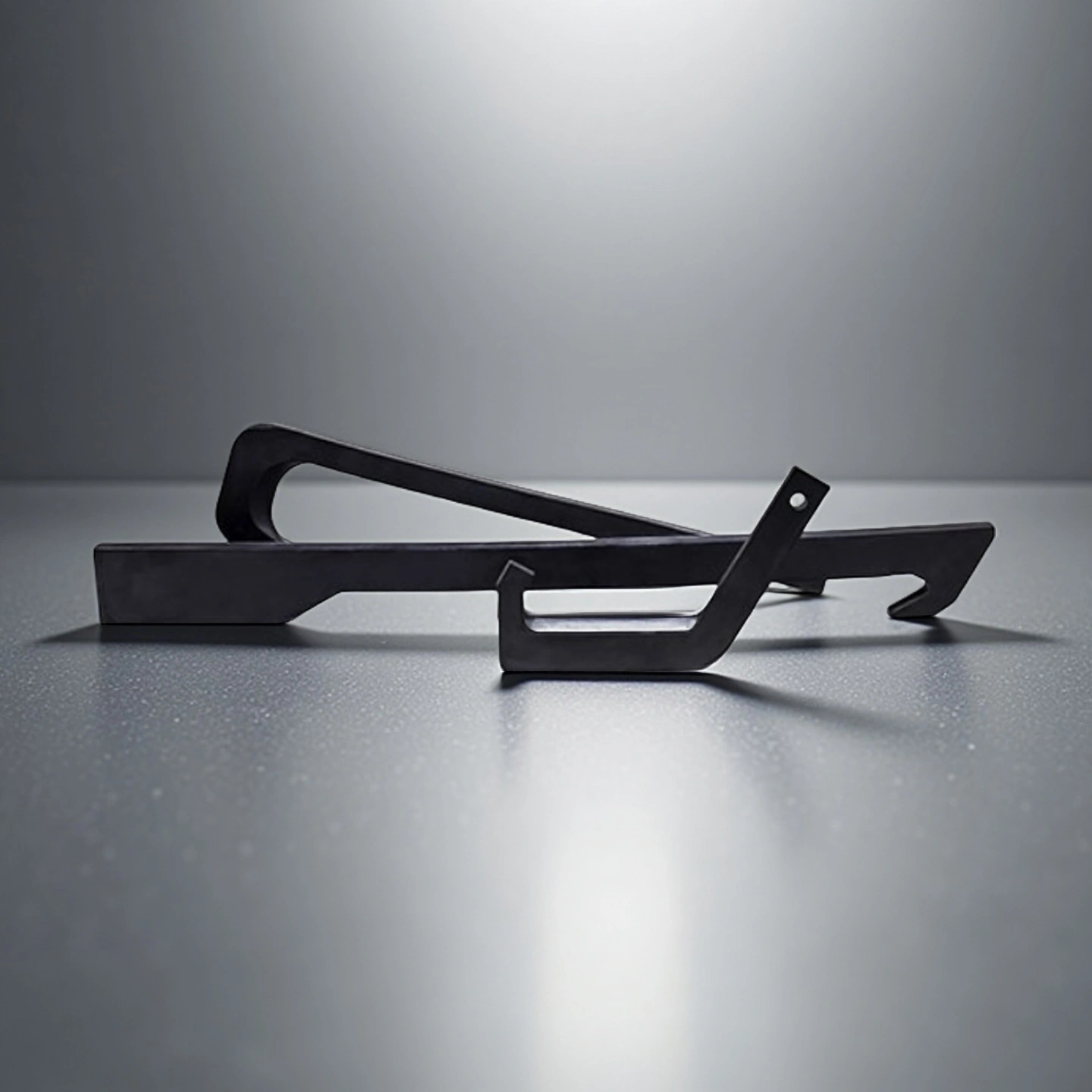
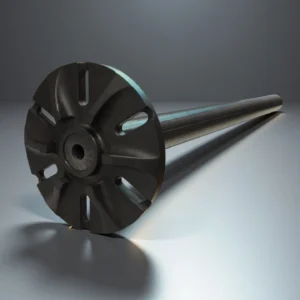
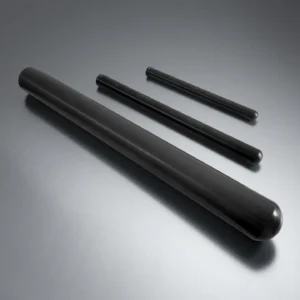
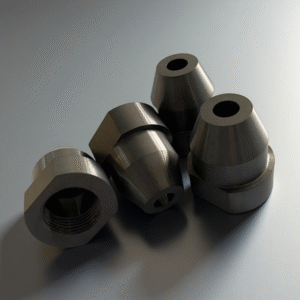
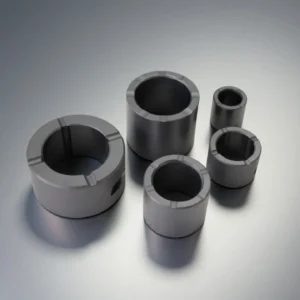
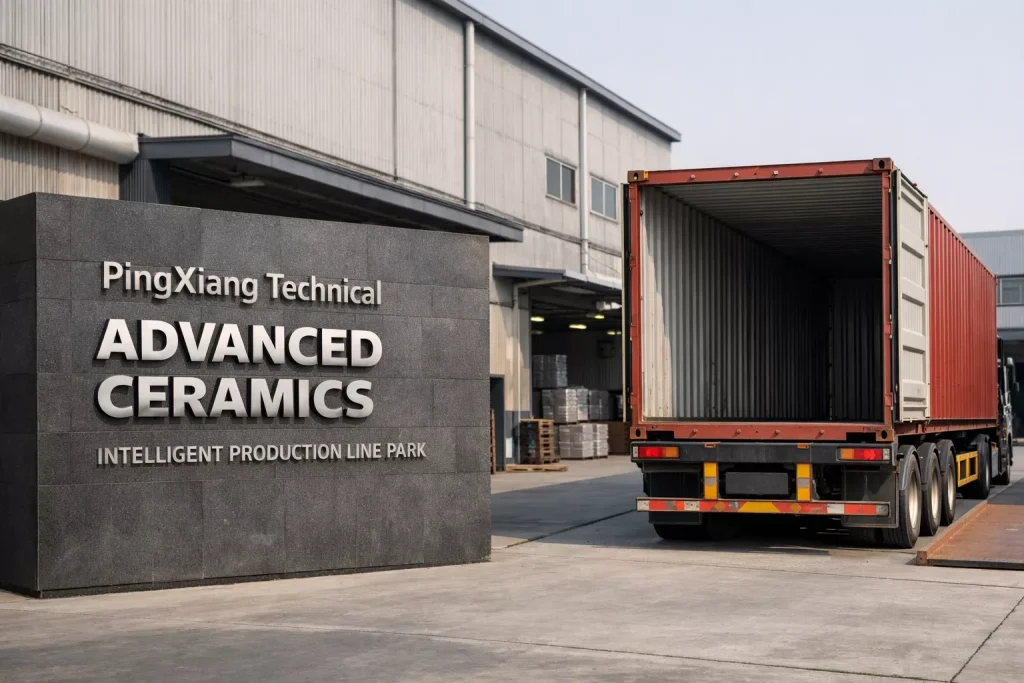
Silicon nitride ceramic hooks are custom Si3N4 load-bearing hooks used in hot-dip aluminising, galvanizing, molten aluminium fixtures and industrial furnace assemblies. They are designed for high-temperature positions where metal hooks may corrode, deform, build up molten metal or lose dimensional stability.
Why Use Silicon Nitride for Fixture Hooks?
- Reduced Metal Adhesion in Selected Non-Ferrous Melts
Dense Si3N4 / Sialon-type ceramics have a low wetting tendency in many non-ferrous melts, which can help limit metal build-up and contamination at hook contact points. Suitability must be confirmed for the bath chemistry, operating temperature and exposure cycle.
- High-Temperature Stiffness for Defined Load Paths
Silicon nitride provides useful strength and stiffness at elevated temperatures, helping a properly designed hook retain its geometry. Finished-hook capacity depends on the cross-section, unsupported length, mounting method, load direction and thermal cycle.
- Custom Geometry for Existing Fixtures
Hook opening, radii, cross-section, holes, slots, shoulders and contact pads can be reviewed from drawings, samples or old-part photos to match the fixture interface and intended load path.
- Thermal-Shock Resistance for Repeated Cycles
Low thermal expansion and good thermal-shock resistance support repeated heating and cooling when ramp rates, cooling conditions and handling procedures are properly controlled.
Si3N4 Ceramic Hook Properties
|
Si3N4 Type |
Gas pressure sintering Si3N4 |
Hot pressing sintering Si3N4 |
High thermal conductivity Si3N4 |
|
Density (g/cm3) |
3.2 |
3.3 |
3.25 |
|
Flexural Strength (MPa) |
700 |
900 |
600~800 |
|
Young Modulus (GPa) |
300 |
300 |
300~320 |
|
Poisson's ratio |
0.25 |
0.28 |
0.25 |
|
Compressive strength (MPa) |
2500 |
3000 |
2500 |
|
Hardness (GPa) |
15 |
16 |
15 |
|
Fracture toughness (MPa*m1/2) |
5~7 |
6~8 |
6~7 |
|
Maximum working temperature (℃) |
1100 |
1300 |
1100 |
|
Thermal conductivity (W/m*K) |
20 |
25 |
80~100 |
|
Thermal expansion coefficient (/℃) |
3*10-6 |
3.1*10-6 |
3*10-6 |
|
Thermal shock resistance (ΔT ℃) |
550 |
800 |
/ |
Si3N4 Ceramic Hook Specifications
|
Item No. |
Diameter (mm) |
Thickness (mm) |
Purity |
|
AT-SIN-S1001 |
Customize |
Choosing a Hook Material for Molten Aluminium Service
| Hook Material Route |
Typical Strengths in Service |
Typical Limits to Review |
| Steel / Cast Iron Hooks |
Low cost, easy to fabricate and familiar to most production lines. |
Aluminium build-up, corrosion, high-temperature creep, deformation and cleaning downtime. |
| Dense Si3N4 / Sialon-Type Hooks |
Low wetting tendency in molten aluminium and selected zinc-bath applications, good high-temperature stiffness and drawing-based geometry customization. |
Usually reviewed around 1100–1200 °C depending on the finished design. Load, cross-section, mounting and thermal cycle must be confirmed. Controlled heating and cooling are required; avoid point loading and hard impact. |
| Silicon Carbide Fixtures |
High-temperature capability and good wear resistance. |
Wetting behavior and mechanical-strength trade-offs must be reviewed for the molten-metal contact position. |
| Aluminium Titanate Fixtures |
Very high thermal-shock tolerance. |
Lower mechanical strength; generally suited to selected fixture positions and load conditions. |
| O′-Sialon-Type (Si2N2O) Hooks |
Used for selected repeated-immersion applications where reduced preheating may be considered. |
A different material system with lower flexural strength than dense Si3N4; material-property data are not interchangeable. |
Silicon Nitride Ceramic Hook Failure Modes and Design Tips
Si3N4 ceramic hooks are strong but still require proper fixture design and handling. Before production, ADCERAX reviews hook geometry, load direction, contact points and thermal cycling conditions to help reduce chipping, cracking, metal build-up and poor fixture fit.
| Failure Mode |
Common Cause |
Design / Use Recommendation |
| Edge chipping |
Sharp metal contact or point loading |
Use larger contact radius, flat pads or modified bracket geometry. |
| Crack after thermal shock |
Sudden quenching or rapid cold-air exposure |
Use controlled cooling and avoid direct cold-water contact. |
| Hook fracture under load |
Load exceeds the design margin at temperature |
Review load direction, cross-section and safety factor before production. |
| Metal build-up |
Bath chemistry, surface condition or long immersion time |
Review surface finish, cleaning interval and contact location. |
| Poor fixture fit |
Drawing mismatch or forced assembly |
Confirm slot width, hole position and clearance before installation. |
Silicon Nitride Ceramic Hook Packaging
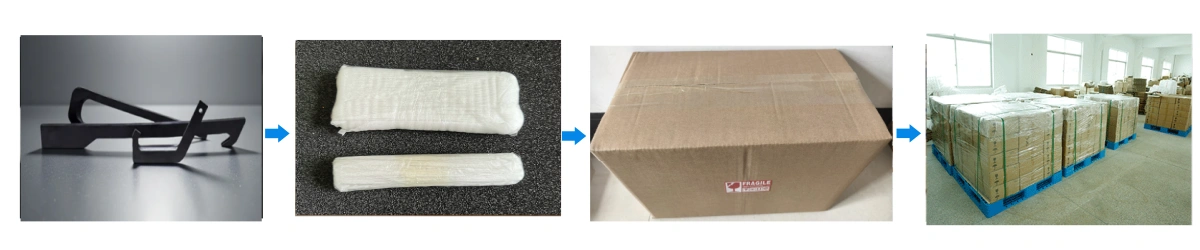
- Each silicon nitride ceramic hook is wrapped in soft material or foam sleeves to protect edges and contact surfaces from impact during transport.
Where Silicon Nitride Ceramic Hooks Are Used
Silicon nitride ceramic hooks are used in molten-metal and high-temperature fixtures where metal hooks may corrode, deform or collect build-up. Typical applications include hot-dip aluminizing and selected galvanizing lines, aluminium casting and holding furnaces, and industrial heat-treatment equipment.
-
Hot-Dip Aluminizing and Selected Galvanizing Line Fixtures
Relevant for: Aluminizing service providers, coating and dipping-line OEMs, and maintenance engineers.
Typical use: Suspending metal strips, rings, baskets, racks or other fixtures at positions exposed to a molten-metal bath and repeated heating cycles.
When to consider Si3N4: When steel or cast-iron hooks collect metal build-up, corrode, bend or require frequent cleaning.
What ADCERAX can customize: Hook opening, internal and external radii, cross-section, working length, holes, slots, shoulders, contact pads and mounting interfaces.
-
Aluminium Casting and Holding-Furnace Fixtures
Relevant for: Aluminium foundries, holding-furnace manufacturers and molten-aluminium equipment suppliers.
Typical use: Selected suspension or positioning points for baskets, inserts, heater-related fixtures and handling assemblies inside casting cells or holding-furnace systems.
When to consider Si3N4: When metallic fixture parts deform, accumulate solidified aluminium, introduce metal-contact contamination or require repeated maintenance.
What ADCERAX can customize: Hook geometry, contact surfaces, unsupported length, mounting clearances and load path according to the surrounding furnace assembly.
-
Relevant for: Industrial-furnace OEMs, furnace-fixture suppliers and heat-treatment operations.
Typical use: Positioning or suspending components, baskets, tubes and heating-related assemblies near selected high-temperature zones.
When to consider Si3N4: When metallic hooks creep, oxidize, deform or lose alignment during repeated furnace cycles.
What ADCERAX can customize: Hook opening, bend radius, cross-section, contact pads, holes, slots and mounting features for the intended fixture layout.
Si3N4 Ceramic Hook Usage Instructions
Proper installation, handling and inspection help Si3N4 ceramic hooks perform consistently in high-temperature fixtures.
-
Installation
1. Confirm that the hook opening, slots and holes match the fixture drawing.
2. Do not force the hook into misaligned brackets; adjust the metal fixture instead.
3. Use suitable pins, bolts or clamps with enough clearance to avoid edge impact.
4. Keep the load on the designed path without unintended bending or torsion.
-
Operation
1. Do not exceed the approved working load at the specified temperature.
2. Follow the approved heating, immersion and cooling cycle; avoid rapid temperature changes.
3. Inspect the hook regularly for cracks, chips or alignment changes.
-
Storage
1. Store hooks separately on padded racks or shelves.
2. Keep them dry and protected from vibration and impact.
3. Do not place heavy objects on ceramic hooks.
-
Cleaning and Inspection
1. Allow hooks to cool under controlled conditions before cleaning.
2. Remove metal residue with suitable tools without striking the edges.
3. Remove any hook with cracks or deep chips from service.
-
Typical Misuse Points
1. Problem: Hook used above its design load at high temperature.
Effect: Higher risk of fracture or accelerated microcracking.
Action: Recalculate load distribution, use additional hooks, or select a larger cross-section hook with adequate margin.
2. Problem: Hook quenched directly from high temperature into cold water or air.
Effect: Excessive thermal shock, leading to cracks.
Action: Implement controlled cooling; avoid sudden exposure to cold liquids or air streams; adjust operator work instructions.
3. Problem: Hook installed with concentrated point contact on a sharp metal corner.
Effect: Local stress concentration and chipping at the contact point.
Action: Modify the metal contact surfaces to larger radii or flat pads, or redesign the hook interface in the drawing.