Custom Silicon Nitride Exhaust Hood for Polysilicon and Hydrogen Furnace Exhaust Zones

Custom Si₃N₄ exhaust hoods are designed for polysilicon, hydrogen, and reduction furnace exhaust zones, with drawing-based geometry, flange, wall thickness, and sealing-face customization for stable fit, insulation, and exhaust flow.

Catalogue No. AT-SIN-WZ1001
Material Silicon Nitride
Maximum Operating Temperature Up to 1200°C, depending on atmosphere, geometry, and furnace cycle
Coefficient of thermal expansion ~3.0 × 10⁻⁶ /K, 20–1000°C
Flexural strength (room temp.) Typical Si₃N₄ material range: 700–900 MPa.
Engineering RFQ Review
Small-Batch Custom Support
Factory-Direct Manufacturing
Drawing & Process Review

What Is a Silicon Nitride Exhaust Hood?

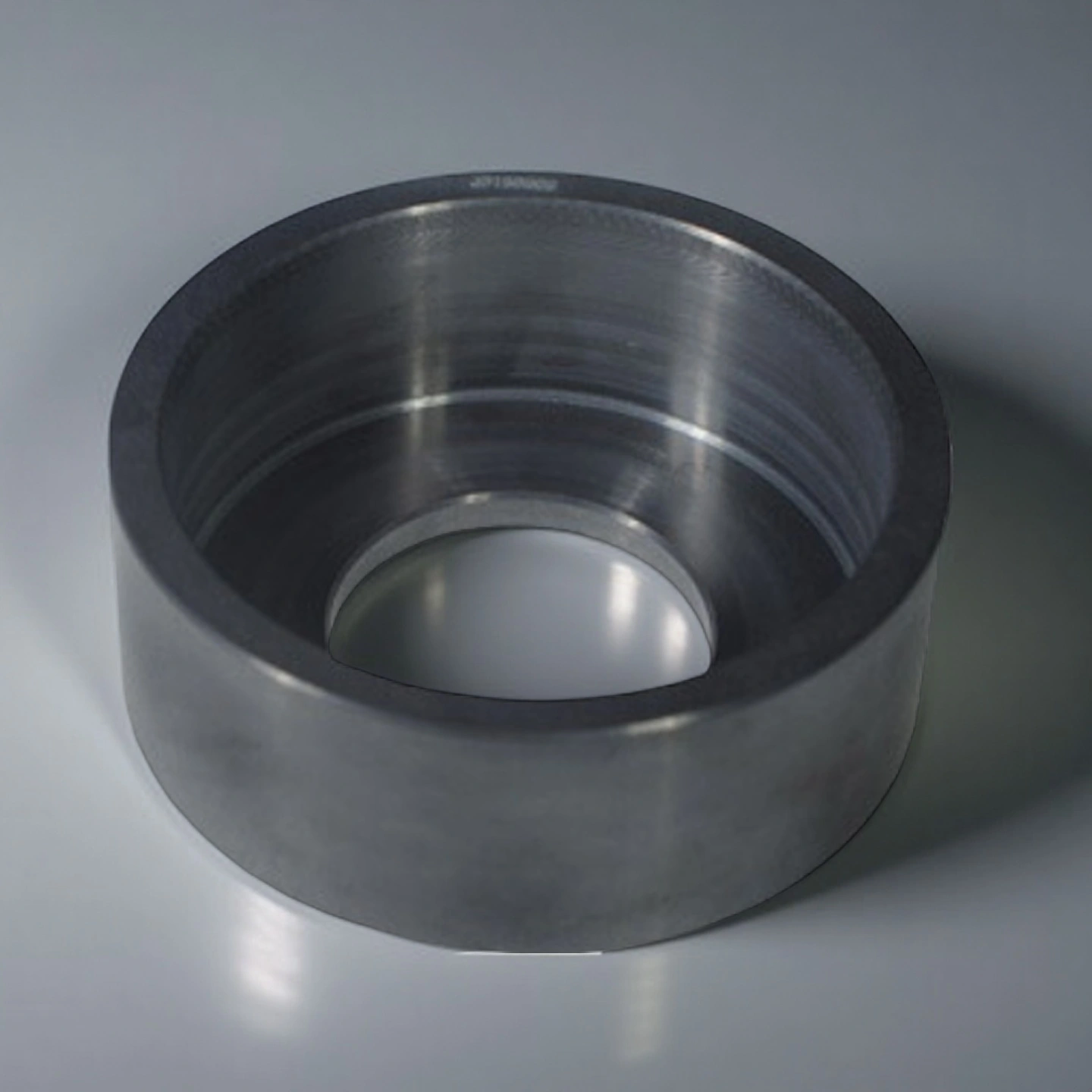
A silicon nitride exhaust hood is a custom Si₃N₄ ceramic cover or flow-control component installed around high-temperature furnace exhaust outlets. It is used to protect furnace roof structures, guide hot exhaust gases, reduce thermal-shock damage, and provide electrical insulation around electrodes, sensors, or gas outlets in polysilicon, hydrogen, and reduction furnace systems.

Silicon Nitride Exhaust Hood Benefits

  • Matched geometry for furnace roof and exhaust layout
    The exhaust hood can be machined with custom throat openings, flange details, electrode cut-outs, and sensor slots to match existing furnace roof structures without redesigning the complete exhaust system.

  • Low thermal expansion for repeated furnace cycling
    Silicon nitride has a low coefficient of thermal expansion, helping reduce stress during heating, cooling, and shutdown cycles where metal or alumina covers may deform or crack more easily.

  • High strength for thin-wall furnace components
    Gas-pressure sintered Si₃N₄ allows relatively thin-wall exhaust hood designs while maintaining high mechanical strength, helping reduce load on steel frames and simplify installation.

  • Electrical insulation near electrode and sensor zones
    The Si₃N₄ exhaust hood can act as an insulating ceramic barrier near electrodes, thermocouples, and furnace-top electrical components where stable creepage distance is required.

  • Improved resistance to hot gas and condensate exposure
    Silicon nitride is suitable for many high-temperature inert, reducing, and hydrogen-containing environments. Final material selection should be reviewed against actual gas chemistry, temperature profile, and deposit behavior.

Si3N4 Ceramic Exhaust Hood Properties

Si3N4 Type Gas pressure sintering Si3N4 Hot pressing sintering Si3N4 High thermal conductivity Si3N4
Density (g/cm3) 3.2 3.3 3.25
Flexural Strength (MPa) 700 900 600~800
Young Modulus (GPa) 300 300 300~320
Poisson's ratio 0.25 0.28 0.25
Compressive strength (MPa) 2500 3000 2500
Hardness (GPa) 15 16 15
Fracture toughness (MPa*m1/2) 5~7 6~8 6~7
Maximum working temperature (℃) 1100 1300 1100
Thermal conductivity (W/m*K) 20 25 80~100
Thermal expansion coefficient (/℃) 3*10-6 3.1*10-6 3*10-6
Thermal shock resistance (ΔT ℃) 550 800 /


 Silicon Nitride vs Alumina, Metal, and SiC Exhaust Hoods

Material Option Strength Thermal Shock Resistance Electrical Insulation Typical Limitation Best-Fit Situation
Silicon Nitride High Excellent Good Higher cost than alumina Repeated thermal cycling, thin-wall design, furnace exhaust zones.
Alumina Medium to high Moderate Excellent More sensitive to rapid thermal shock Stable temperature systems and cost-sensitive ceramic covers.
Metal Alloy High at room temperature Good No insulation Oxidation, deformation, or corrosion risk Lower-temperature exhaust covers or reinforced support frames.
Silicon Carbide High Excellent Limited depending on grade Conductivity may be unsuitable near electrodes High thermal conductivity or wear-exposed exhaust areas.

Si3N4 Ceramic Exhaust Hood Specifications

Silicon Nitride Exhaust Hood
Item No. Diameter (mm) Thickness (mm)
AT-SIN-WZ1001 200–600 80–250
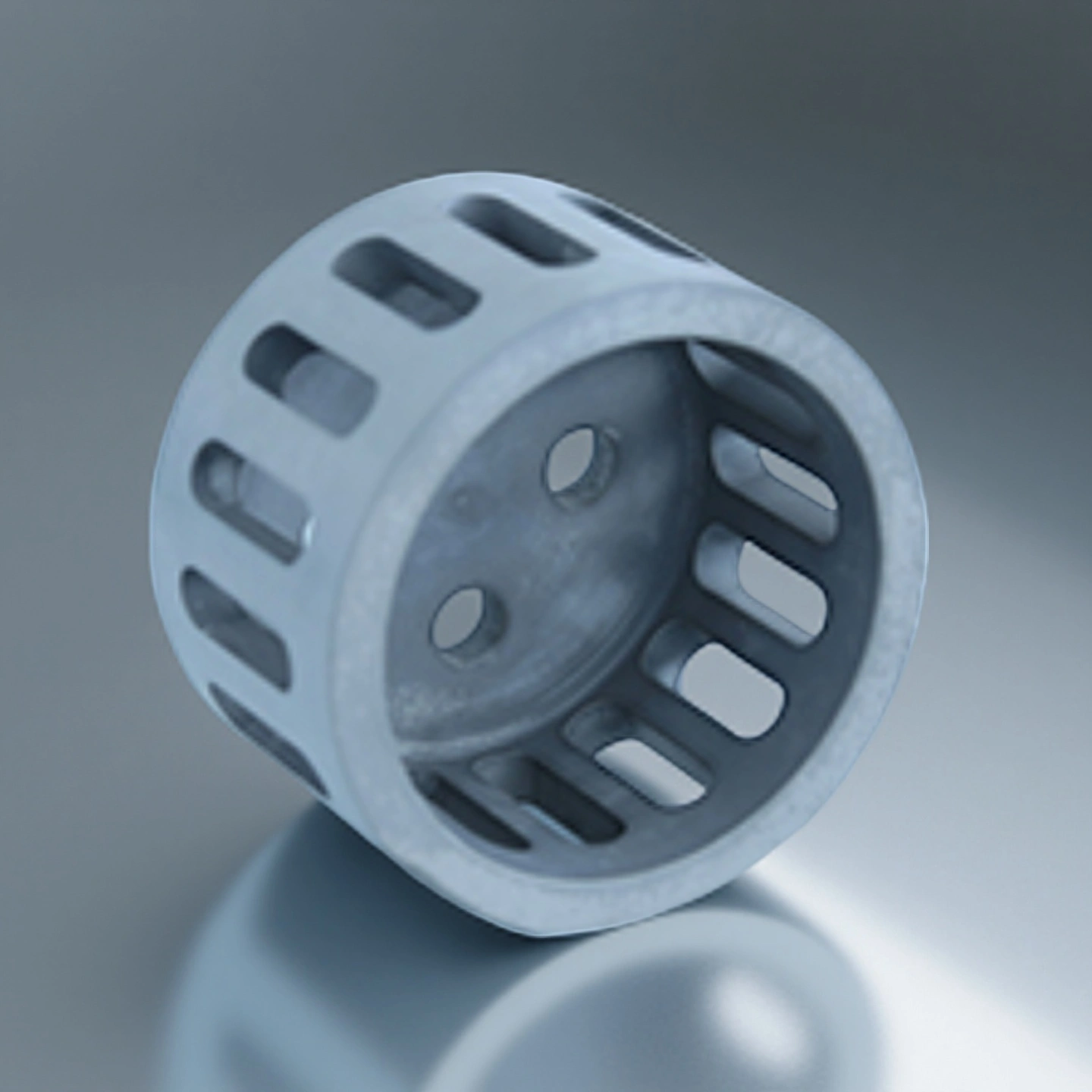
Silicon Nitride Protective Cover
Item No. Diameter (mm) Thickness (mm)
AT-SIN-QZ1001 Customize
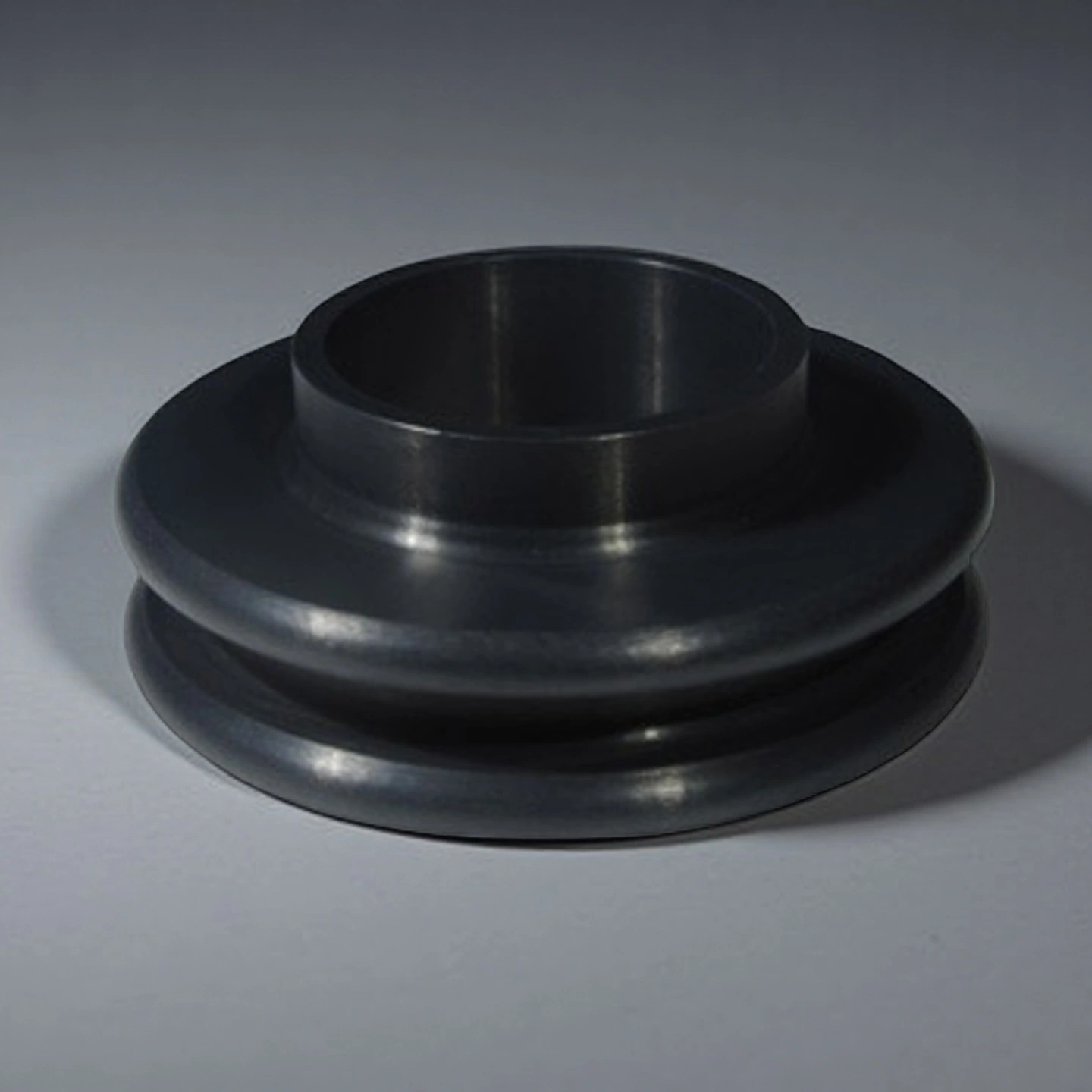
Silicon Nitride Heat Shield
Item No. Diameter (mm) Thickness (mm)
AT-SIN-GZ1001 Customize


Failure Modes and Design Recommendations for Si₃N₄ Exhaust Hoods

Failure Mode Common Cause Design or Use Recommendation
Edge chipping Point loading during lifting, storage, or installation. Use padded supports, soft slings, and avoid supporting the hood only on thin edges.
Thermal cracking Rapid cold-air exposure or uneven heating. Follow controlled heating and cooling procedures defined by the furnace process.
Sealing-face leakage Flange distortion, uneven support, or over-tightened clamps. Use flat support surfaces and torque-controlled fastening in a cross pattern.
Deposit build-up Process condensates or unstable exhaust flow. Confirm throat geometry, internal baffles, and cleaning access during design review.
Local stress concentration Sharp corners around openings or cut-outs. Add appropriate radii, chamfers, or reinforcement around complex geometry.

Si3N4 Exhaust Hood Packaging

  • Each Si₃N₄ exhaust hood is wrapped in soft foam or bubble material to protect machined surfaces.
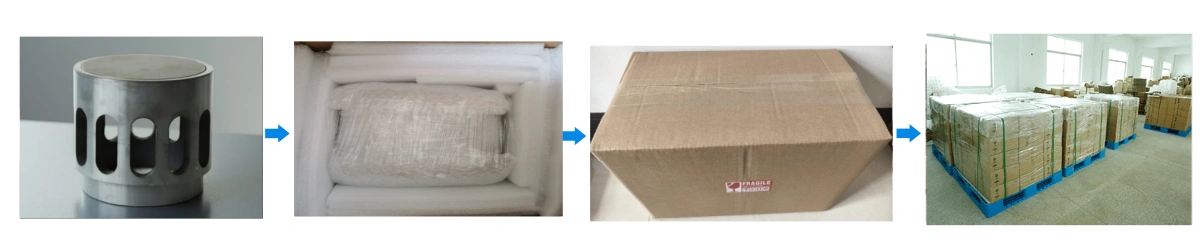
Si3N4 Exhaust Hood Packaging

Application Fit for Silicon Nitride Exhaust Hoods

Silicon nitride exhaust hoods are selected for furnace zones where hot exhaust gas, reducing atmosphere, electrode clearance, thermal cycling, and sealing stability must be considered together. The final hood design should be reviewed according to furnace roof layout, throat geometry, gas flow direction, support method, and cleaning access.

  • Polysilicon Reduction Furnace

    ✅Operating Challenge

    Hot exhaust gas, roof deposits, electrode clearance, and repeated thermal cycling.

    ✅Why Si₃N₄ Is Considered

    Silicon nitride helps maintain dimensional stability and insulation around exhaust and electrode areas.

  • Hydrogen Furnace Exhaust Zone

    ✅Operating Challenge

    Reducing atmosphere, hot gas flow, sealing-face distortion, and start-stop cycling.

    ✅Why Si₃N₄ Is Considered

    Silicon nitride helps maintain dimensional stability and insulation around exhaust and electrode areas.

  • High-temperature Reduction Reactor

    ✅Operating Challenge

    Corrosive exhaust, local hot spots, flow-channel stability, and maintenance access.

    ✅Why Si₃N₄ Is Considered

    Custom throat geometry and ceramic insulation help stabilize the exhaust passage design.

Si3N4 Exhaust Hood Usage Instructions

  • Installation

    1. Verify that the silicon nitride exhaust hood dimensions and orientation match the furnace roof drawing before lifting to the installation position.
    2. Use lifting points or soft slings at the designated support locations; avoid contact between slings and sealing faces.
    3. Place the Si₃N₄ exhaust hood gently onto the metal frame or refractory seat, checking that all support points are in full contact without rocking.
    4. Align bolt holes or clamp positions and tighten fasteners to the recommended torque in a cross pattern to avoid bending stress in the hood.
    5. Install matching silicon nitride insulation rings, electrode protection tubes, or thermocouple protection tubes according to the agreed assembly drawing.

  • Operation

    1. When heating from cold, follow the recommended ramp rate for silicon nitride exhaust components to minimize thermal gradients, particularly during the first start-up of a new hood.
    2. Avoid sudden exposure of the hot exhaust hood to cold air or cold purge gas streams; adjust purge flows gradually when changing recipes.
    3. Monitor exhaust backpressure and gas temperature near the hood; unusual fluctuations can indicate unexpected build-up or partial blockage.

  • Storage

    1. Store spare silicon nitride exhaust hoods on flat, padded surfaces with support under the main body and flange; do not rest the part only on thin edges.
    2. Protect sealing faces and machined surfaces with soft spacers or cardboard sheets between stacked parts.
    3. Keep the storage area dry and free of vibration; avoid contact with steel tools or other hard components that can chip edges.

  • Cleaning and Inspection

    1. During planned shutdowns, inspect the silicon nitride exhaust hood for visible cracks, spalls, or heavy build-up on the inner surface.
    2. Remove loose deposits using non-metallic scrapers and soft brushes; avoid impact tools that could induce microcracks.
    3. If localized build-up is thicker than the design allowance, plan a controlled removal and check that wall thickness at the thinnest location remains within safe limits.
    4. Record crack or chip locations on a simple sketch; if the same zone shows repeated damage, consider adjusting local geometry in the next custom Si₃N₄ exhaust hood design.

  • Common Misuse Points and How to Avoid Them

    1. Rapid cold air impingement on a hot exhaust hood
    Problem: Opening large covers or doors directly above the hot silicon nitride exhaust hood can cause rapid cooling and thermal shock.
    Solution: Use gradual ventilation where possible and avoid directing cold air directly onto the hood; allow a controlled cool-down period.
    Point loading during installation or storage

    2. Problem: Supporting the exhaust hood only at two narrow points or on bolts can introduce bending stress and lead to hidden cracks.
    Solution: Use flat, continuous supports under the main body and flange; check that no fastener or protrusion carries the full weight alone.
    Over-tightening metal clamps or bolts

    3. Problem: Excessive tightening can deform the metal frame and pinch the silicon nitride exhaust hood, leading to stress concentrations.
    Solution: Use torque-controlled tightening and recheck torque after the first thermal cycle; follow the torque values defined in the installation procedure.

Silicon Nitride Ceramic Exhaust Hood FAQ

  1. Q: What is a silicon nitride exhaust hood and where is it installed?
    A: A silicon nitride exhaust hood is a Si₃N₄ ceramic exhaust cover mounted at the furnace roof or side exhaust opening of polysilicon reduction furnaces, hydrogenation furnaces, and high-temperature reduction reactors. It defines the exhaust gas passage and shields electrodes and surrounding components from hot gas and deposits.
  2. Q: How does a silicon nitride exhaust hood compare with an alumina exhaust cover?
    A: Compared with alumina exhaust covers, a silicon nitride exhaust hood offers higher flexural strength, lower thermal expansion, and better thermal shock resistance, so it can operate safely through more start-up and shutdown cycles before replacement is required.
  3. Q: What is the typical service temperature range for a Si₃N₄ exhaust hood?
    A: A silicon nitride exhaust hood typically operates in the 900–1,100 °C range in hydrogen or inert gases, with short-term excursions up to about 1,200 °C when the furnace design and process allow this.
  4. Q: Can the silicon nitride exhaust hood be customized for my existing furnace?
    A: Yes. The Si₃N₄ exhaust hood can be custom-machined to match existing furnace roof openings, exhaust duct interfaces, electrode layouts, and seal arrangements based on your drawings or measured dimensions.
  5. Q: How do I define the dimensions for a custom silicon nitride exhaust hood?
    A: For a custom Si₃N₄ exhaust hood, you should provide the outer envelope, throat diameter or width, flange dimensions and bolt circle, wall thickness targets, and any openings for electrode arms or sensors. Tolerance requirements on sealing faces and fit diameters should also be specified.
  6. Q: What affects the service life of a silicon nitride exhaust hood?
    A: Service life depends on furnace temperature profile, gas chemistry, deposit build-up, support condition, sealing pressure, and start-stop frequency. ADCERAX reviews drawings and operating conditions before recommending wall thickness, flange design, sealing-face structure, and inspection intervals.

Information Needed for a Custom Silicon Nitride Exhaust Hood Quote

To review a custom Si₃N₄ exhaust hood, please provide as many of the following details as possible. This helps our engineering team confirm material grade, machining feasibility, tolerance requirements, and packaging protection before quotation.

  • Overall diameter, width, height, and wall thickness.
  • Exhaust throat diameter, slot size, or flow-channel cross-section.
  • Flange structure, bolt circle, sealing face, and support surface details.
  • Openings for electrodes, sensors, thermocouples, or gas tubes.
  • Operating temperature, heating and cooling cycle, and atmosphere.
  • Current failure mode, such as cracking, warping, deposits, leakage, or edge chipping.
  • Drawing file, sample photos, quantity, and target inspection requirements.
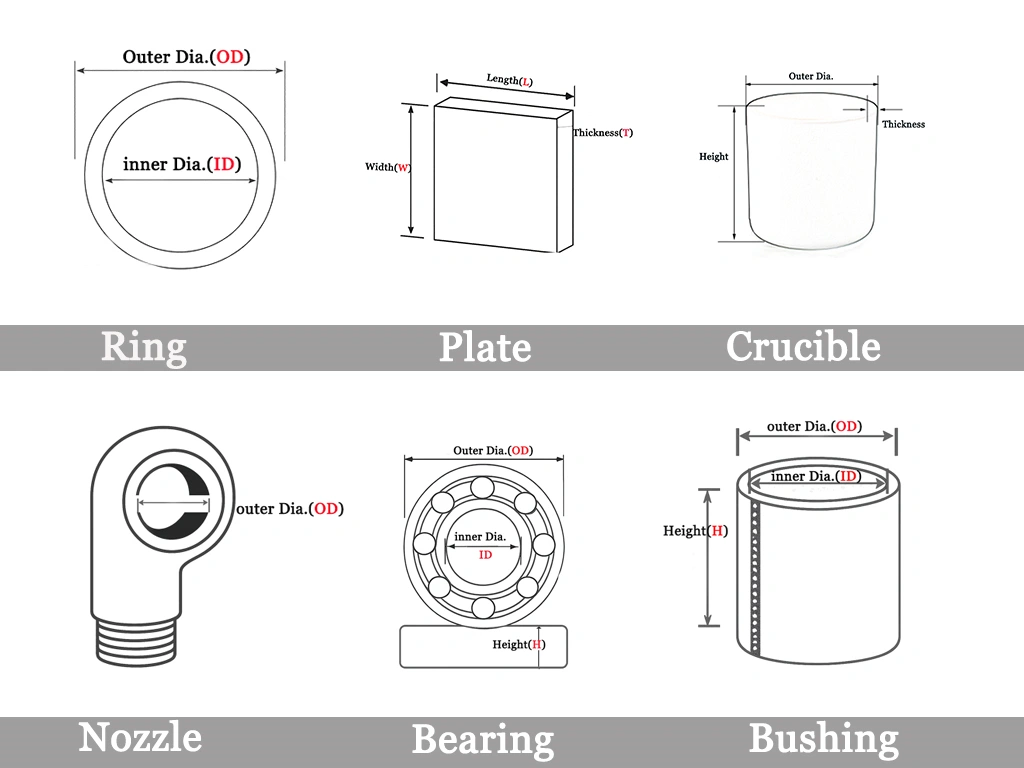
customize size

Custom Silicon Nitride Exhaust Hood

You can match the silicon nitride exhaust hood to your furnace roof, exhaust channel, and electrode layout. A brief drawing review is enough to confirm the key dimensions and tolerances before selecting the details listed below.

1. Outer dimensions

  • Overall diameter or width/length of the exhaust hood
  • Overall height to match furnace roof and exhaust duct interface

2. Inner geometry and passages

  • Inner bore diameter, throat diameter, and flow cross-section
  • Internal baffles or deflectors for gas distribution
  • Slots or openings for electrode arms and sensors

3. Wall thickness and tolerances

  • Wall thickness in the main body and flange region
  • Tight tolerances on fit surfaces; ±0.2 mm is possible on critical diameters

4. End and interface details

  • Flat or stepped flanges for bolted joints
  • Chamfers or radii at seal surfaces to protect gaskets
  • Alignment features or keyways for repeatable positioning

5. Cross-section shape

  • Round, oval, square, or rectangular outer envelope
  • Asymmetric shapes for congested furnace tops

6. Surface finish

  • As-fired surface for general exhaust duty
  • Light ground surfaces on sealing faces
  • Local polishing in zones that must resist build-up

7. Connection to other Si₃N₄ parts

  • Matching dimensions with silicon nitride insulation rings, electrode protection tubes, or thermocouple protection tubes
  • Shared interface dimensions for simplified spare part management

Related Products

ADCERAX - Your Trusted Advanced Ceramics Manufacturing Partner

Direct factory manufacturing with comprehensive ceramic materials expertise and global supply capabilities

China-Based Manufacturer

ADCERAX supplies ceramic components for overseas OEMs, equipment builders, and labs.

Custom Drawing Support

We review drawings, dimensions, materials, and application conditions before quotation.

Ceramic Process Control

Forming, sintering, machining, grinding, and finishing are arranged by part requirements.

Pre-Shipment Inspection

Dimensional checks, visual inspection, and packaging review help reduce procurement risk.

Get in Touch with Us

Our team will be happy to respond to you in less than 24 hours.

Pingxiang Factory — Silicon carbide, silicon nitride, high-temperature ceramics

Quick Quotation

*Our team will answer your inquiries within 24 hours.

*Your information will be kept strictly confidential.

Ready to Solve Your Engineering Challenge?

Partner with ADCERAX for reliable, high-performance advanced ceramic solutions. Our engineers are ready to discuss your project.

E-mail

info@adcerax.com

Phone

+(86) 0731-74427743 | WhatsApp: +(86) 19311583352

Response Time

Within 24 hours

Quick Quote

The more details you provide, the faster we can quote.

*We respond within 24 hours. All inquiries are confidential.

Get Your Custom Solution

The more details you provide, the faster we can respond.

customize size

*We respond within 24 hours. All inquiries are confidential.

Download Catalog