
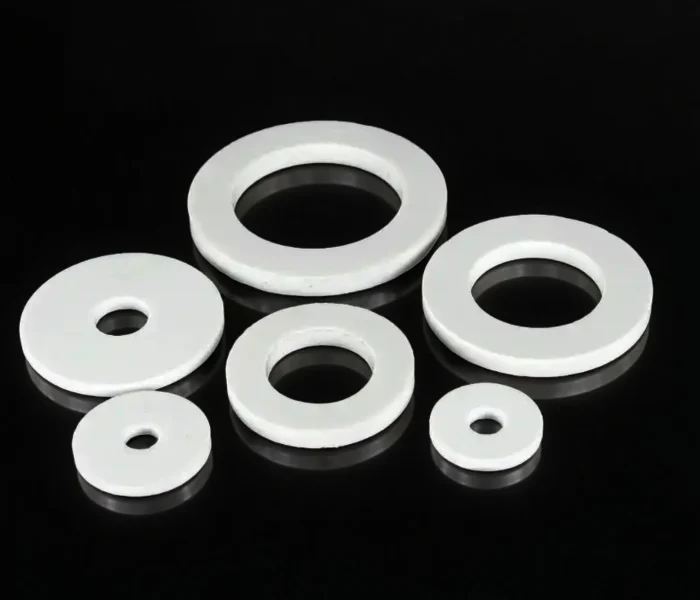
Industrial Ceramic Rings for Sealing, Insulation & Wear Control
ADCERAX is a factory-direct industrial ceramic ring manufacturer. Ceramic seal rings, ceramic insulator rings, laser ceramic rings, and ceramic Raschig rings are available for harsh-duty service. These rings help reduce leakage growth, abrasive scoring, corrosion attack, thermal creep, and dielectric breakdown that often cause early failure and unstable assemblies. Standard sizes are available, with custom-to-drawing support when fit, faces, or edges are critical.
Stop repeat failures—get a spec-based quote within 24 hours.
What Is an Industrial Ceramic Ring?
Industrial Ceramic Ring Meaning
An industrial ceramic ring is a precision ring-shaped component made from engineering ceramics such as alumina, zirconia, or silicon carbide. It is used in industrial equipment to provide stable sealing surfaces, wear protection, mechanical support, or electrical isolation in conditions that can deform, corrode, or rapidly wear conventional materials.
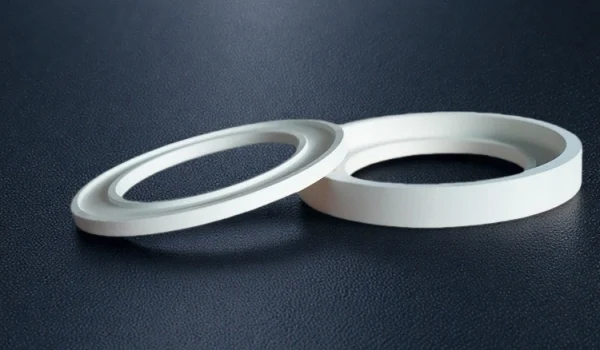
Our Ceramic Rings Benefits
Industrial ceramic rings help stabilize fit and interfaces in harsh service. Choose the material system and finishing level that match your duty, then scale from prototype to repeat supply.
🛡️ Material matched to duty
Select a ceramic system that fits abrasion, corrosion, heat, or insulation needs, so parts last longer and failure risk drops.
🧩Seal-face ready finishing options
When used as seal rings, controlled flatness and surface quality support more stable sealing and lower leakage growth.
🛡️ Stable geometry under load
Less creep and deformation helps maintain fit, alignment, and contact conditions in pumps, mixers, and machinery assemblies.
🛡️ Wear-resistant contact surfaces
Reduces scoring and surface damage in gritty fluids and slurry zones, helping slow performance drift over time.
🧩Electrical isolation where it matters
Ceramic insulation helps reduce dielectric breakdown risk in high-temperature or electrically sensitive assemblies.
🧩Standard sizes + custom rings to drawing
Use stocked sizes for fast replacement, or request custom grooves/steps/profiles with engineering review for fit and function.
Best fit for: pump & mixer seal interfaces • slurry/wastewater wear zones • chemical process equipment • general machinery spacers
To quote fast: OD/ID/thickness • tolerance • material preference • application media & temperature • quantity & lead time
Industrial Ceramic Ring Properties
Industrial ceramic rings are specified by material, geometry, and interface control. Key properties include wear stability, chemical durability, thermal behavior, and dielectric performance, depending on the ring’s role.
Alumina Ceramic Ring
Alumina rings deliver reliable wear performance with strong electrical insulation. A practical choice for stable spacing and general industrial duty.
| Property | Unit | 96% Al₂O₃ | 99% Al₂O₃ | 99.5% Al₂O₃ | 99.6% Al₂O₃ | 99.7% Al₂O₃ | 99.8% Al₂O₃ | 99.9% Al₂O₃ | 99.99% Al₂O₃ |
|---|---|---|---|---|---|---|---|---|---|
| Alumina content | % | 96 | 99 | 99.5 | 99.6 | 99.7 | 99.8 | 99.9 | 99.99 |
| Density | g/cm³ | 3.75 | 3.88 | 3.89 | 3.91 | 3.92 | 3.93 | 3.95 | 3.98 |
| Flexural strength | MPa | 330 | 360 | 379 | 312 | 313 | 314 | 315 | 320 |
| Hardness | GPa | 11.5 | 13.5 | 14.1 | 23 | 24 | 25 | 26 | 30 |
| Thermal conductivity | W/m·K | 20–25 | 30–35 | 35 | 32–37 | 33–38 | 34–39 | 35–40 | 36–42 |
| Thermal shock resistance (ΔT) | °C | 150 | 200 | — | 222 | 223 | 224 | 225 | 228 |
| Maximum use temperature (no load) | °C | ≤1600 | ≤1700 | ≤1750 | 1755 | 1760 | 1765 | 1770 | 1800 |
| Dielectric strength | kV/mm | 8–10 | 10–12 | 11–13 | 12–14 | 12–15 | 13–16 | 14–17 | 15–18 |
| Volume resistivity (25°C) | Ω·cm | ≥1×10¹³ | ≥1×10¹⁴ | ≥3×10¹⁴ | ≥5×10¹⁴ | ≥1×10¹⁵ | ≥3×10¹⁵ | ≥5×10¹⁵ | ≥1×10¹⁶ |
- Values are typical ranges; they vary with Al2O3 content, firing profile, and final density.
Zirconia Ceramic Ring
Zirconia rings add toughness and better edge integrity for handling and assembly. Useful where impact or chipping risk is higher.
| Property | Unit | Typical Range | Why Buyers Specify It |
|---|---|---|---|
| Density | g/cm³ | 4.00 – 4.30 | Indicates densification and batch consistency |
| Flexural Strength | MPa | 700 – 1,200 | Impacts handling breakage risk and safety margin |
| Fracture Toughness | MPa·√m | 6 – 10 | Key ZTA advantage for edge-chipping and crack resistance |
| Hardness (Vickers) | GPa | 14 – 17 | Affects wear/scratch resistance and machinability |
| Thermal Conductivity | W/m·K | 18 – 30 | Drives heat spreading performance (typically below AlN) |
| CTE (20–300°C) | ×10⁻⁶ /K | 8.0 – 9.5 | Influences thermal-cycling stress and material matching |
| Dielectric Strength | kV/mm | 10 – 15 | Determines insulation margin (depends on thickness/surface) |
| Volume Resistivity (25°C) | Ω·cm | 10¹² – 10¹⁴ | Indicates insulation stability and leakage risk |
- Values are typical ranges; they vary with ZrO₂ content, firing profile, and final density.
Boron Nitride Ring
Boron nitride rings offer low friction and non-wetting behavior to reduce sticking and build-up. Suitable for sensitive contact and high-temperature fixtures.
| Property | Unit | Pyrolytic Boron Nitride | Hot Pressed Boron Nitride |
|---|---|---|---|
| Purity | % | 99.99% | 99.50% |
| Density | g/cm³ | 2.15–2.19 | 1.96–2 |
| Hardness | HVO.5 | 651 | 62 |
| Volume resistivity | Ohm·cm | 2×10¹⁴ | 1.2×10¹⁴ |
| Dielectric strength | kV/mm | 55 | 76 |
| Maximum working temperature | °C | 1000 (air), 2300 (vacuum) | 900 (air), 1850 (vacuum) |
| Bending strength | MPa | 173 (A direction) | 310 |
| Thermal conductivity | W/m·K | 60 (A direction) | 55 |
| Tensile strength | MPa | 112 (A direction) | 110 |
| Thermal expansion coefficient | 1/°C | 6×10⁻⁷ | 1.8×10⁻⁶ |
| Compressive strength | MPa | 154 (A direction) | 120 |
- Values are typical ranges; they vary with BN content, firing profile, and final density.
Silicon Carbide Ring
Silicon carbide rings provide strong wear and chemical durability in abrasive or corrosive media. Ideal for harsh-duty sealing and wear interfaces.
| Property | Specification |
|---|---|
| Material System | RBSiC (80% SiC, 20% free Si) / SSiC (≥99% SiC) |
| Maximum Operating Temperature | ≤1380°C (RBSiC) / ≤1600°C (SSiC) |
| Bulk Density | 3.02 g/cm³ (RBSiC) / 3.10 g/cm³ (SSiC) |
| Open Porosity | <0.1% |
| Flexural Strength (20°C) | 250 MPa (RBSiC) / 380 MPa (SSiC) |
| Flexural Strength (1200°C) | 280 MPa (RBSiC) / 400 MPa (SSiC) |
| Compressive Strength | 1000–2200 MPa |
| Elastic Modulus | 330 GPa (RBSiC) / 420 GPa (SSiC) |
| Thermal Conductivity | 45 W/m·K (RBSiC) / 74 W/m·K (SSiC) |
| Thermal Expansion Coefficient | 4.1–4.5 ×10⁻⁶/K |
| Hardness | 2600–2800 kg/mm² |
| Chemical Stability Range | pH 2–12 |
| Oxidation Stability | <1% microstructural oxidation after 50 cycles (1000°C → RT) |
- Values are typical ranges; they vary with SiC content, firing profile, and final density.
Industrial Ceramic Rings for Harsh-Duty Reliability
Industrial ceramic rings are used in pumps, mixers, chemical equipment, slurry and wastewater systems, and general machinery assemblies. Typical roles include sealing interfaces, wear barriers, insulating spacers, and positioning rings.
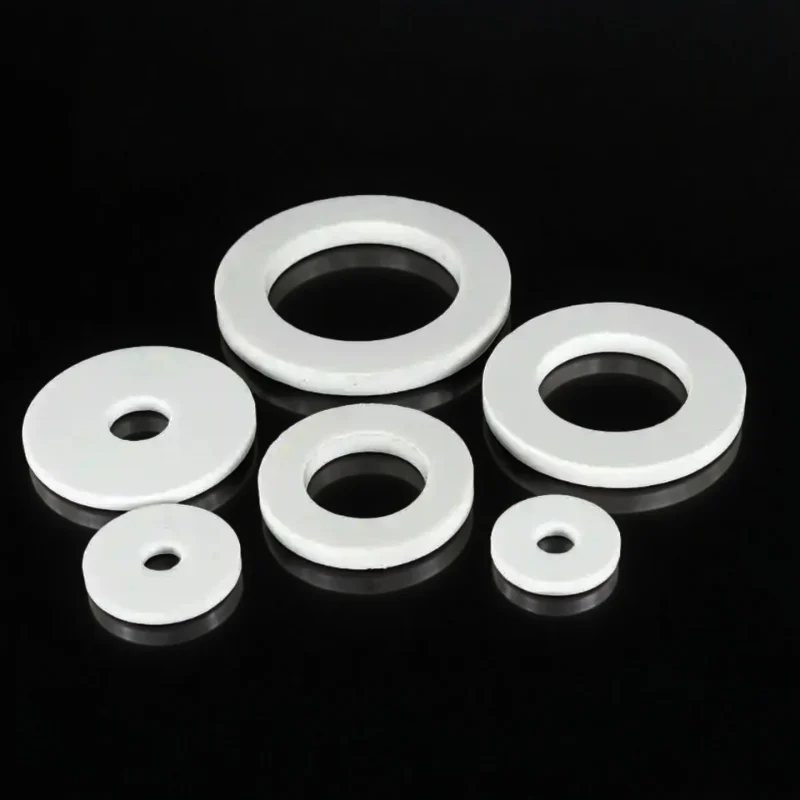
Alumina Ceramic Ring
Alumina (Al₂O₃) rings deliver high hardness, wear resistance, and electrical insulation. Stable geometry under heat helps maintain fit and spacing.
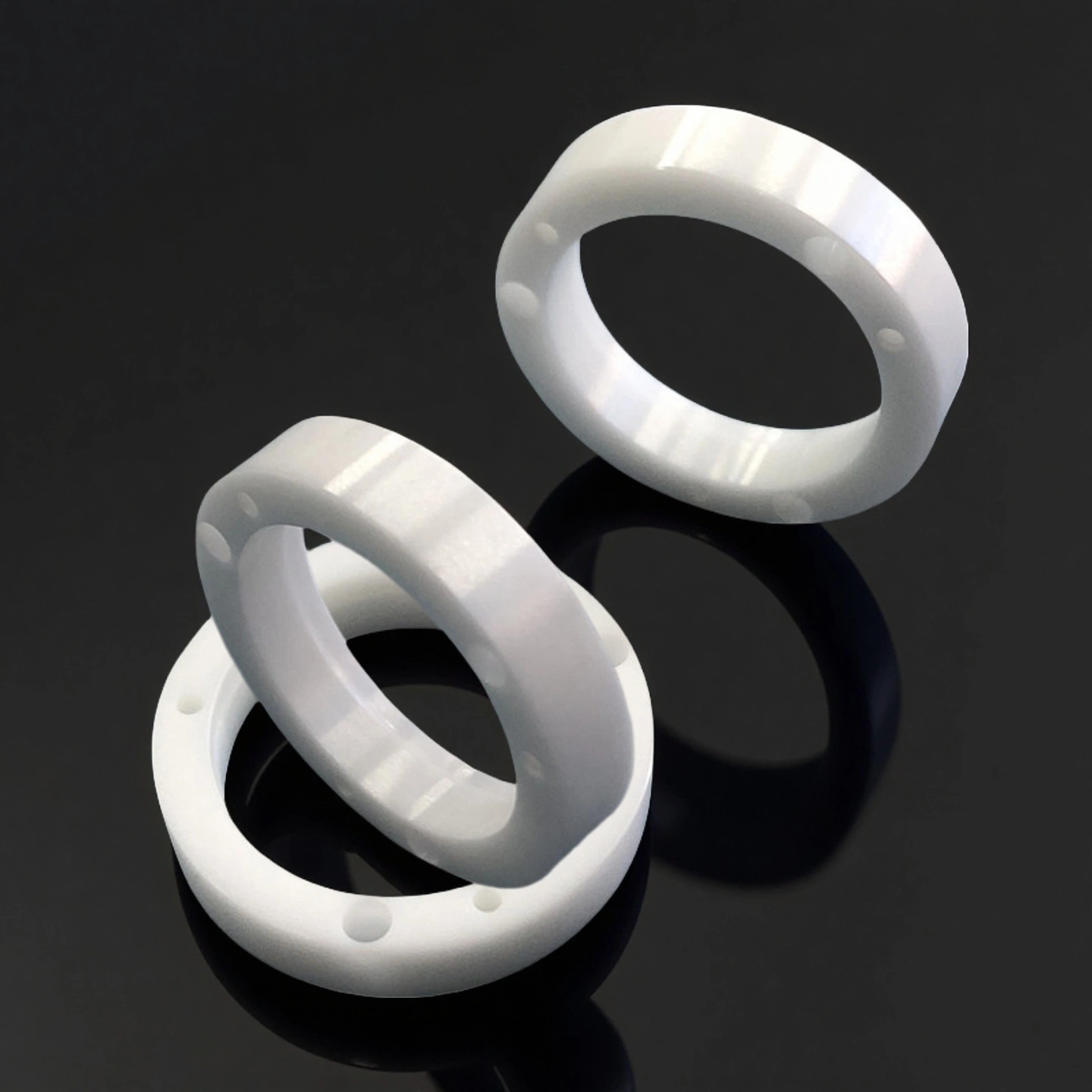
Zirconia Ceramic Ring
Zirconia (ZrO₂) rings offer higher toughness and better edge integrity to reduce chipping. Low crack sensitivity suits dynamic, vibration-prone assemblies.
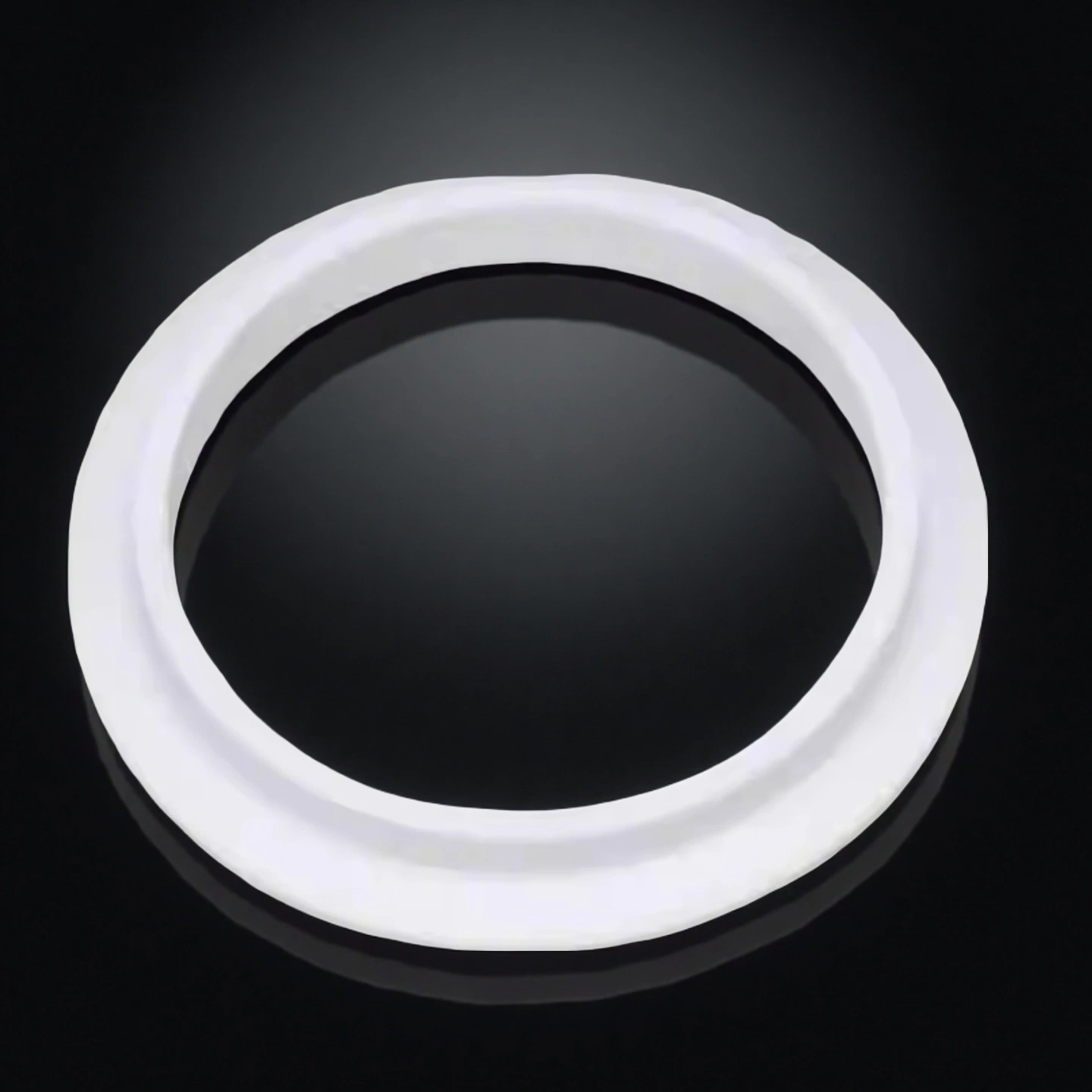
ZTA Ceramic Ring
ZTA rings combine wear stability with added toughness to resist cracking from shock and thermal cycling. A solid choice for abrasive duty and repeated handling in service.
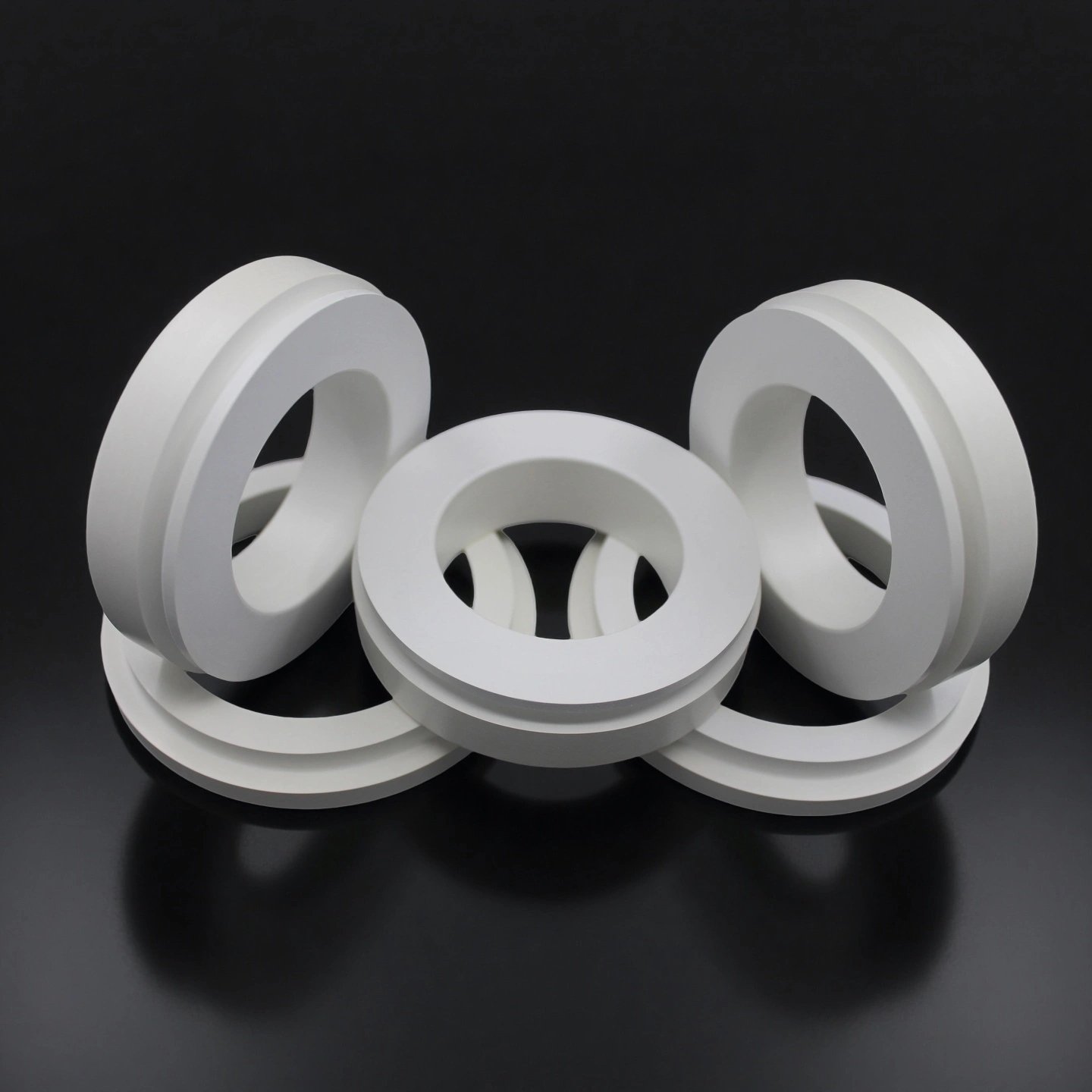
Boron Nitride Ring
Boron nitride rings provide low friction and non-wetting surfaces to reduce sticking and build-up. Thermal shock resistance supports high-temperature fixtures.
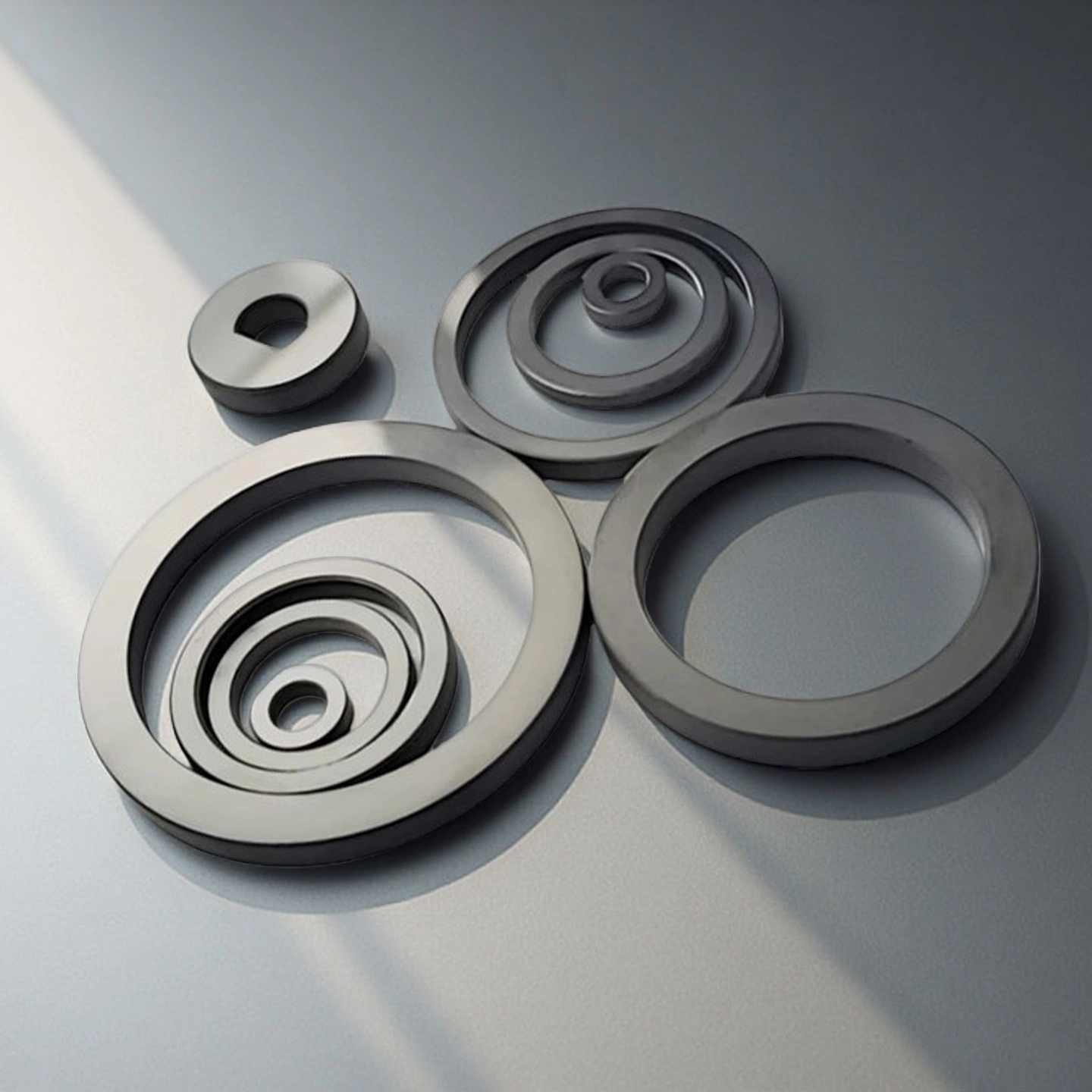
silicon carbide ceramic ring
Silicon carbide rings offer extreme wear resistance and strong chemical durability for abrasive or corrosive media. High stiffness helps reduce scoring and leakage growth.
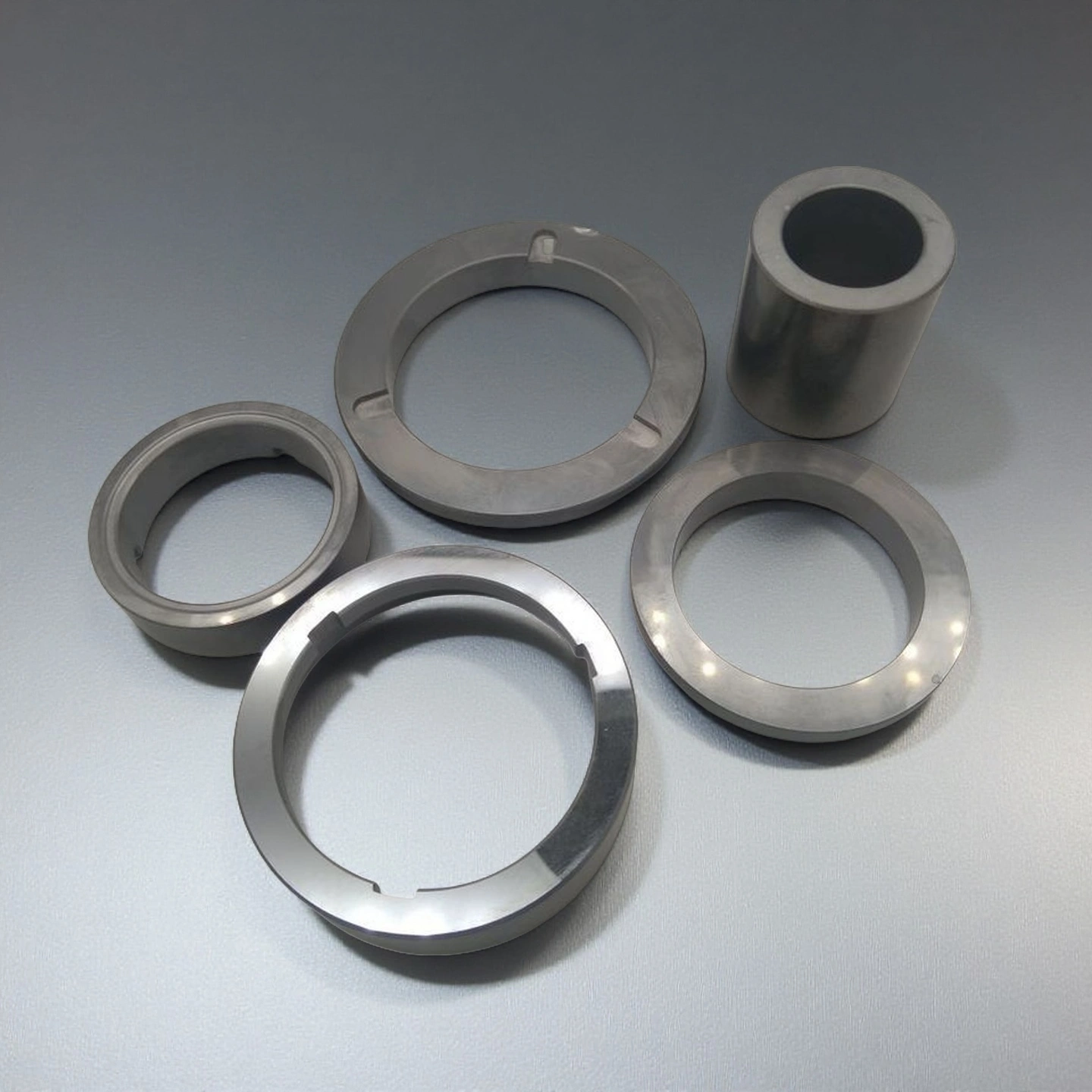
Silicon Nitride Ring
Silicon nitride rings deliver high strength and thermal shock resistance for demanding duty cycles. Toughness helps maintain fit under vibration and heat cycling.
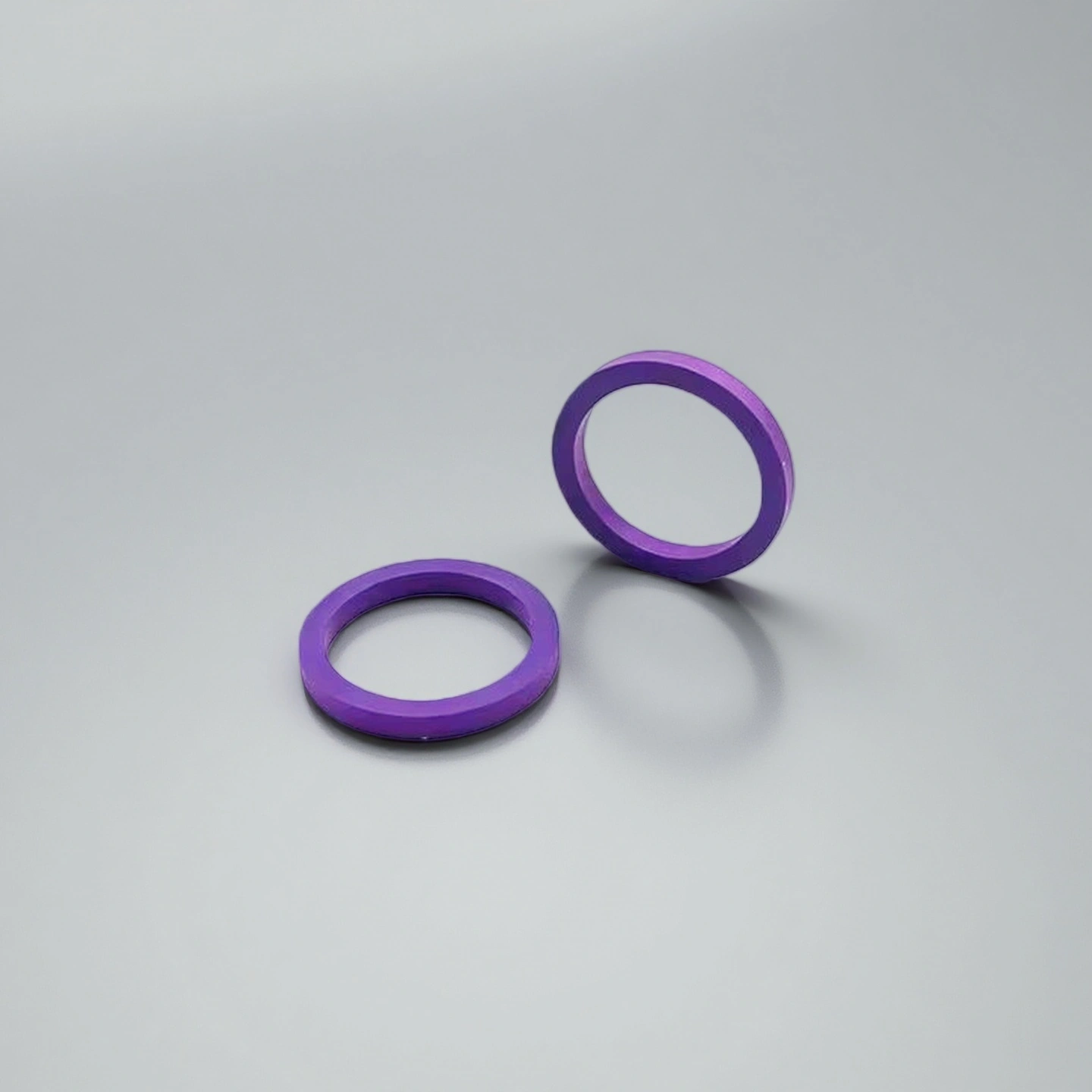
Lanthanum Hexaboride Ring
Lanthanum hexaboride rings provide high-temperature stability and a hard, wear-resistant surface. They help keep geometry stable in harsh heat cycles.
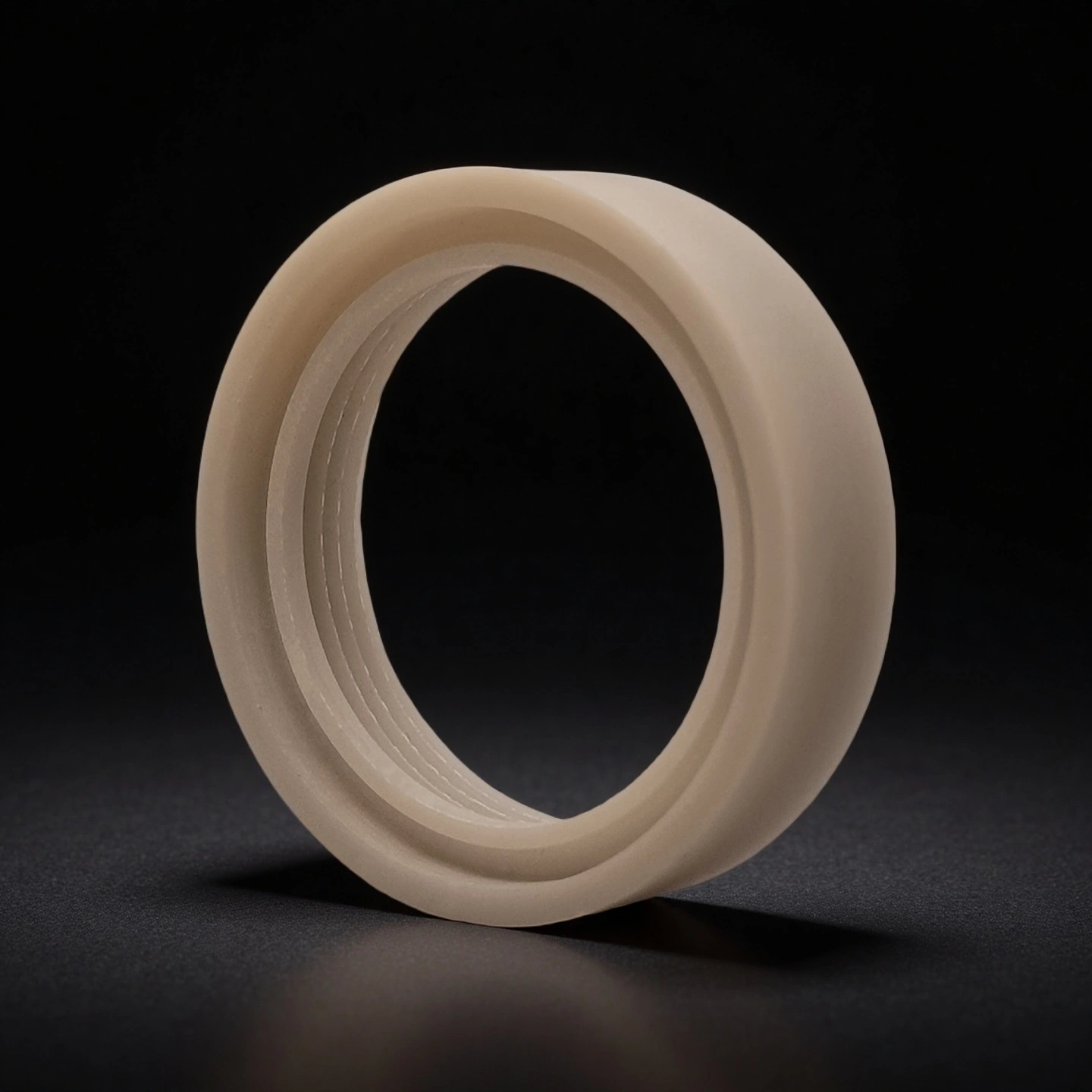
aluminum nitride ring
Aluminum nitride rings combine high thermal conductivity with electrical insulation. Fast heat spreading helps reduce hot spots and stabilize fit in service.
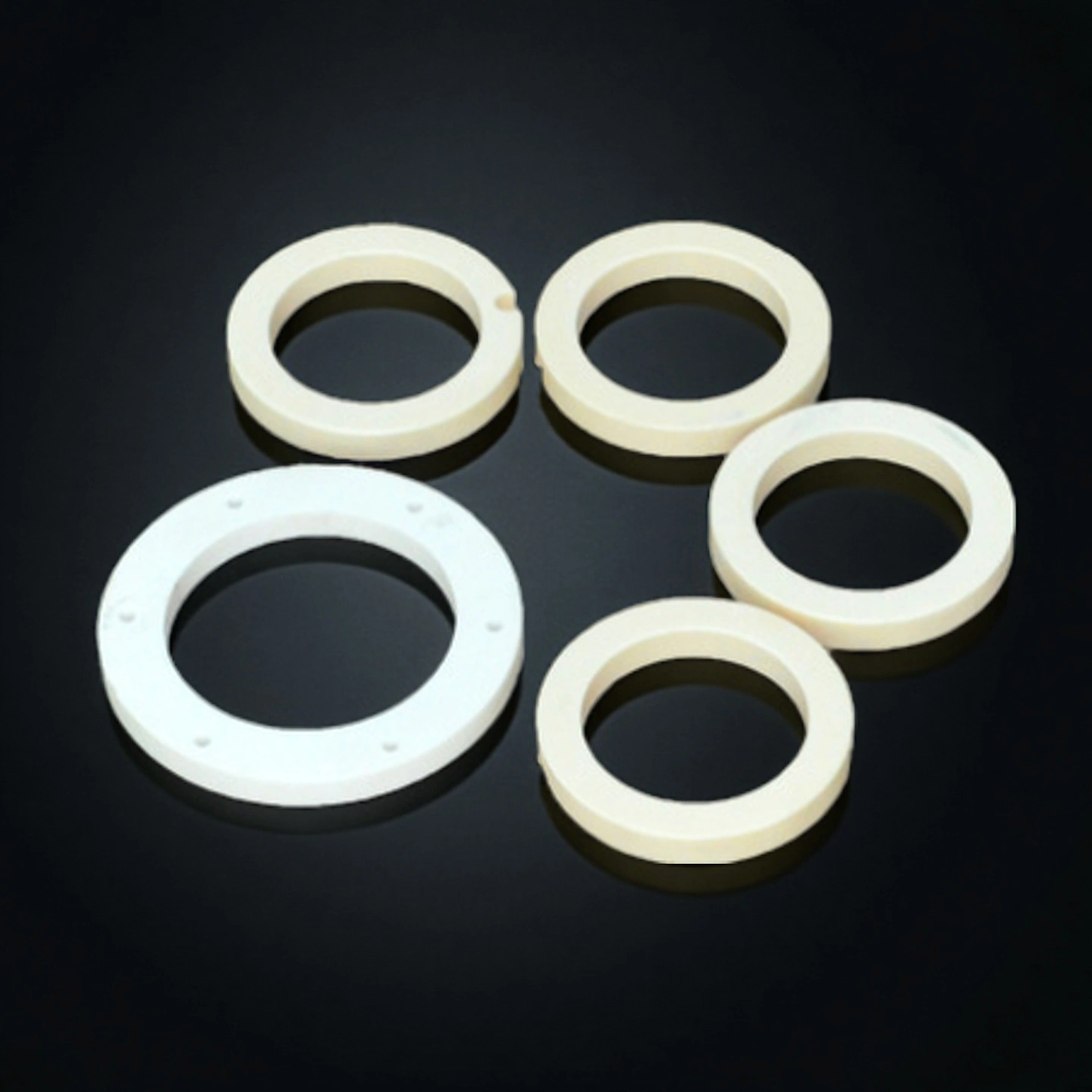
ceramic seal ring
Ceramic seal rings provide a stable sealing interface in pumps and rotating equipment, helping control leakage and face wear.
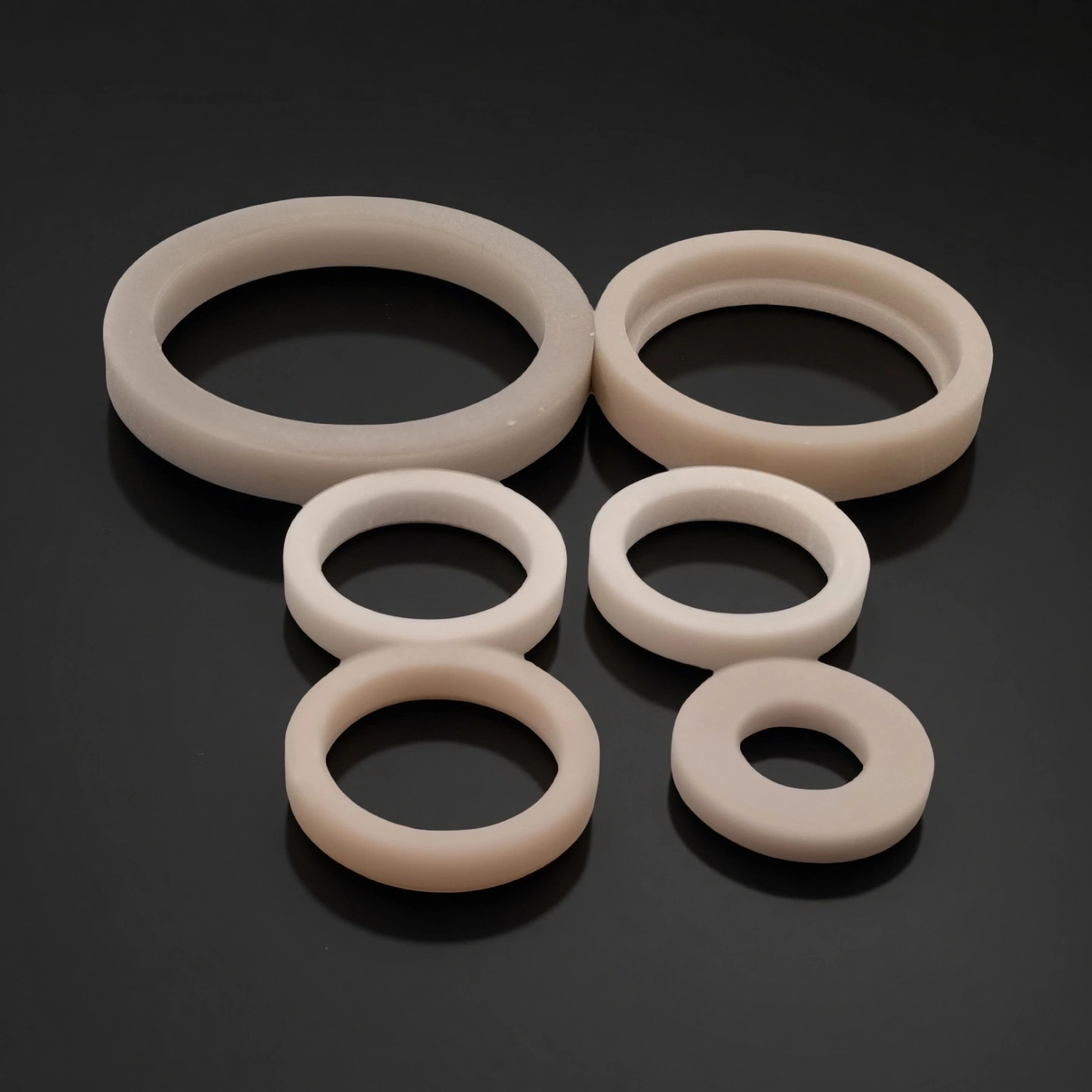
ceramic insulator ring
Ceramic insulator rings maintain electrical isolation and spacing where heat, vibration, or contamination destabilize stacks.
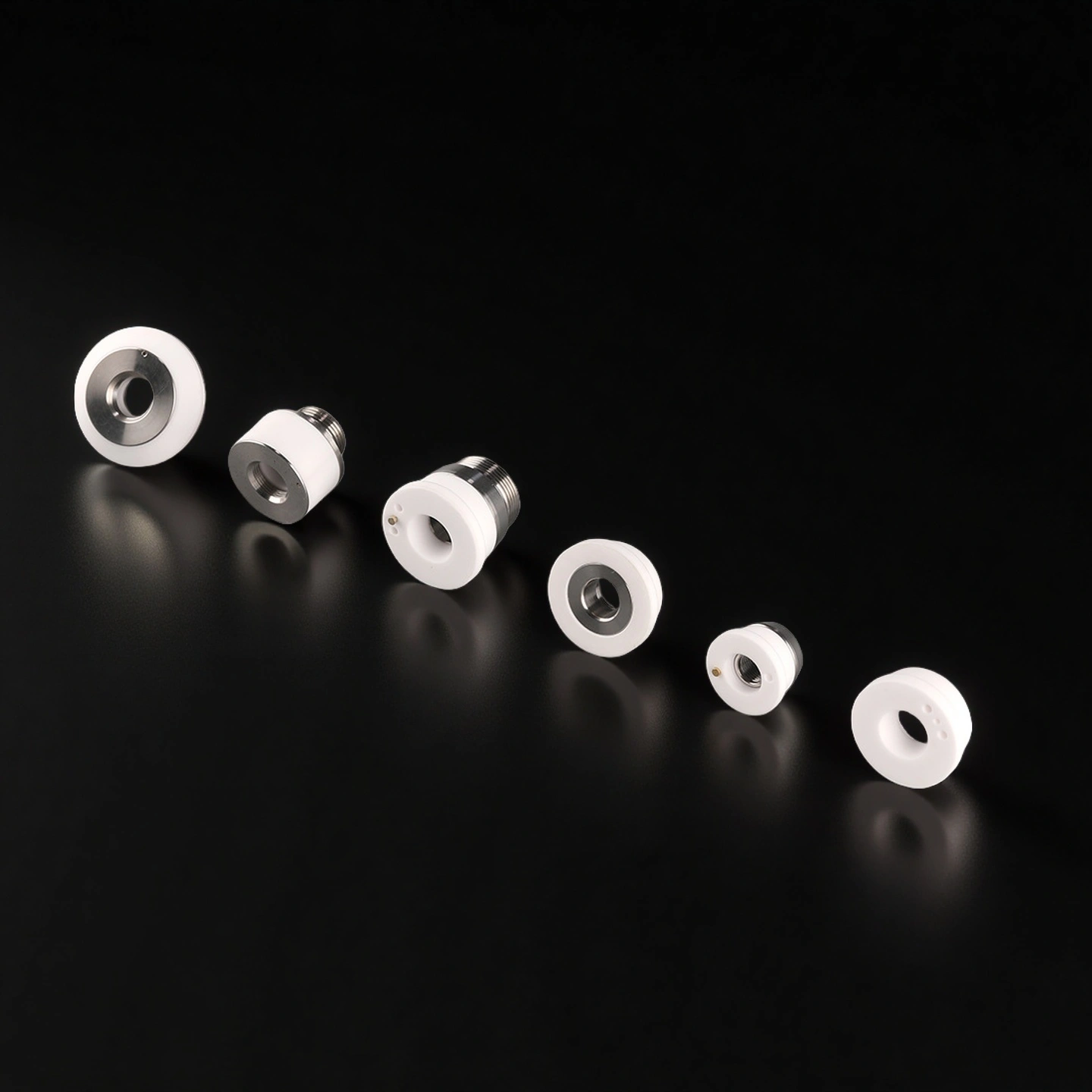
laser ceramic ring
Laser ceramic rings support fiber laser nozzle assemblies, protecting alignment and maintaining consistent cut performance.
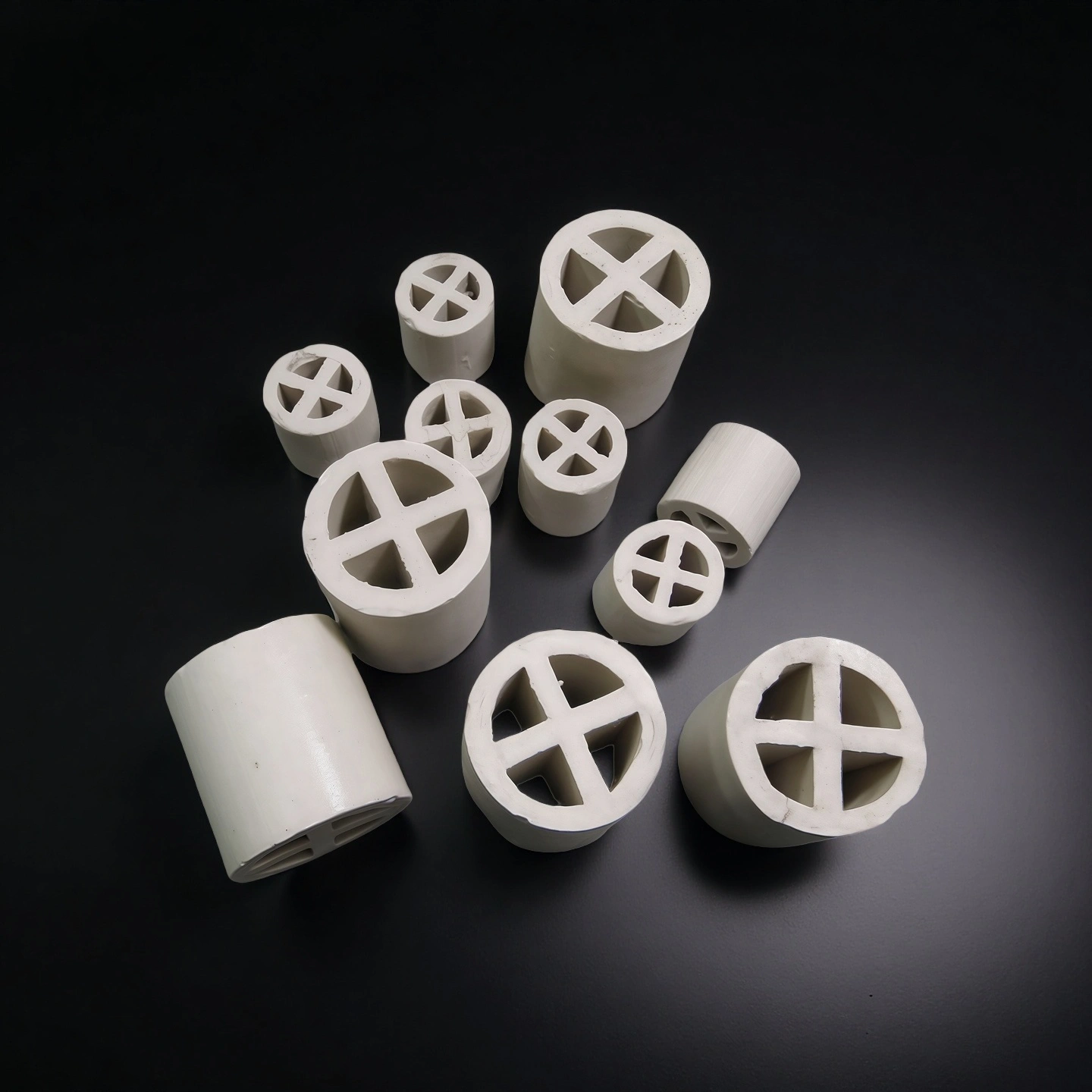
ceramic raschig rings
Ceramic Raschig rings are tower packing media used to increase surface area for mass transfer in chemical processing.

ceramic support rings
Ceramic support rings carry load and keep components aligned under heat, wear, or corrosive exposure.
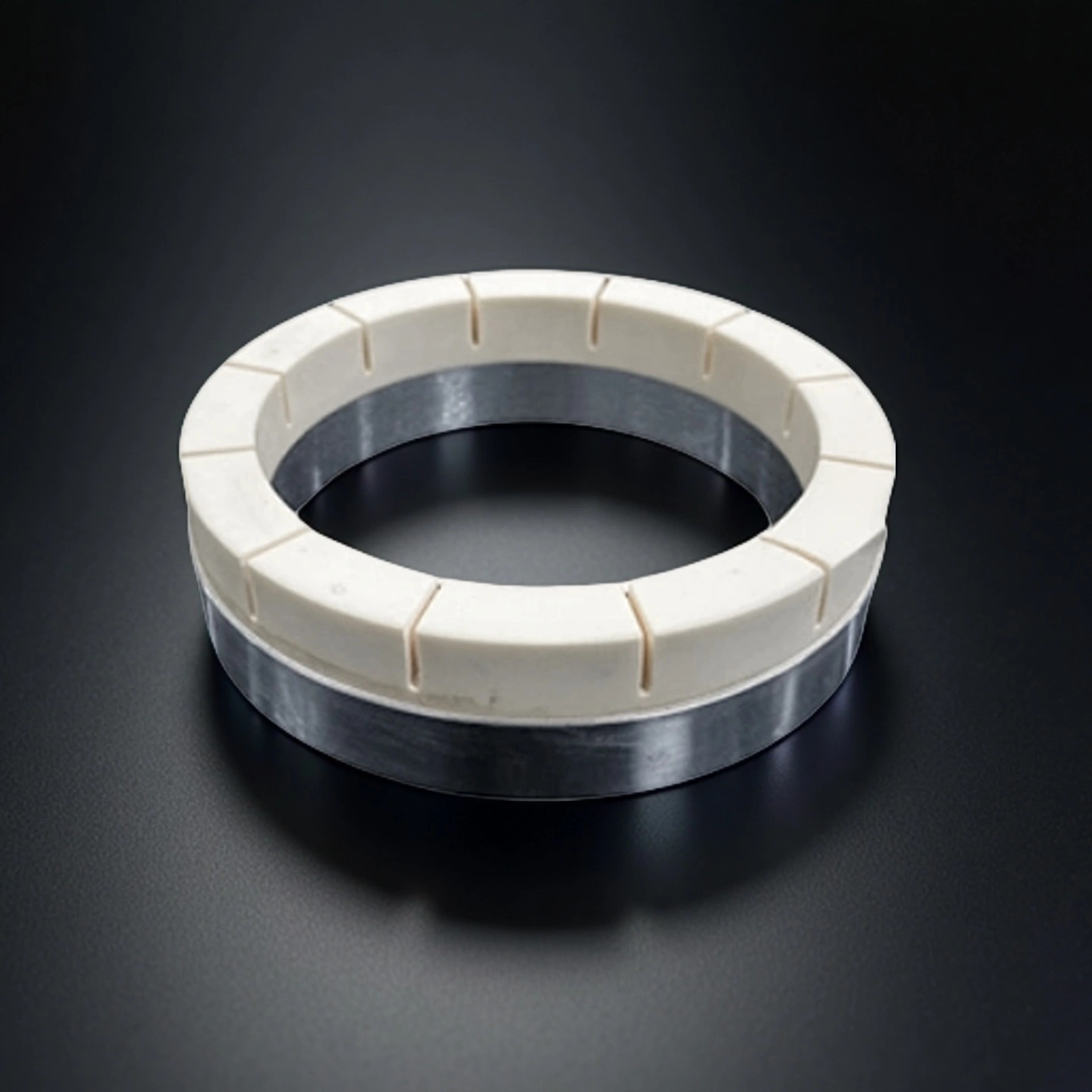
ceramic retaining ring
Ceramic retaining rings locate parts in assemblies and help maintain repeatable positioning during service cycles
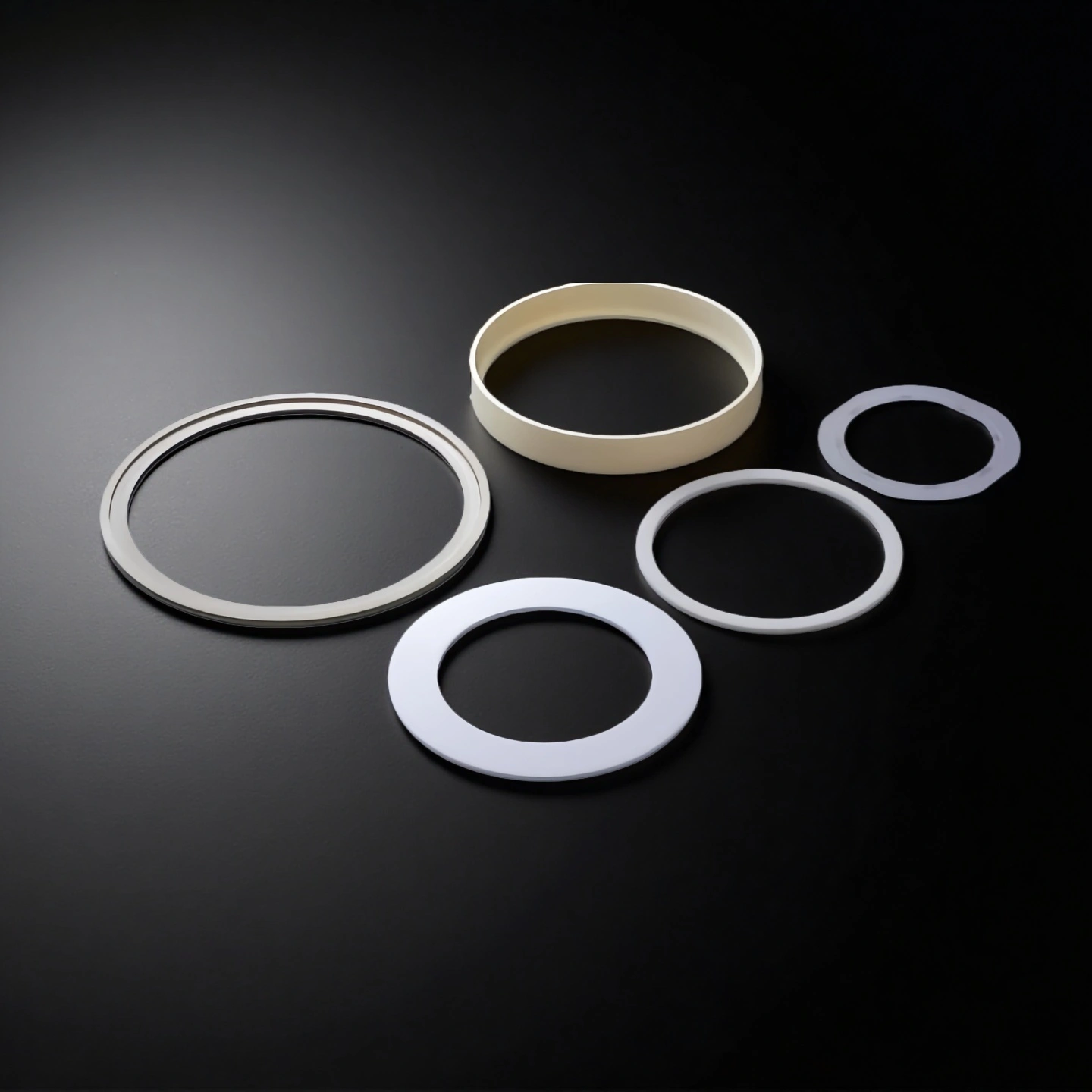
Ceramic Focus Ring
Ceramic focus rings stabilize positioning at the working interface, reducing drift from heat, wear, and repeated contact.
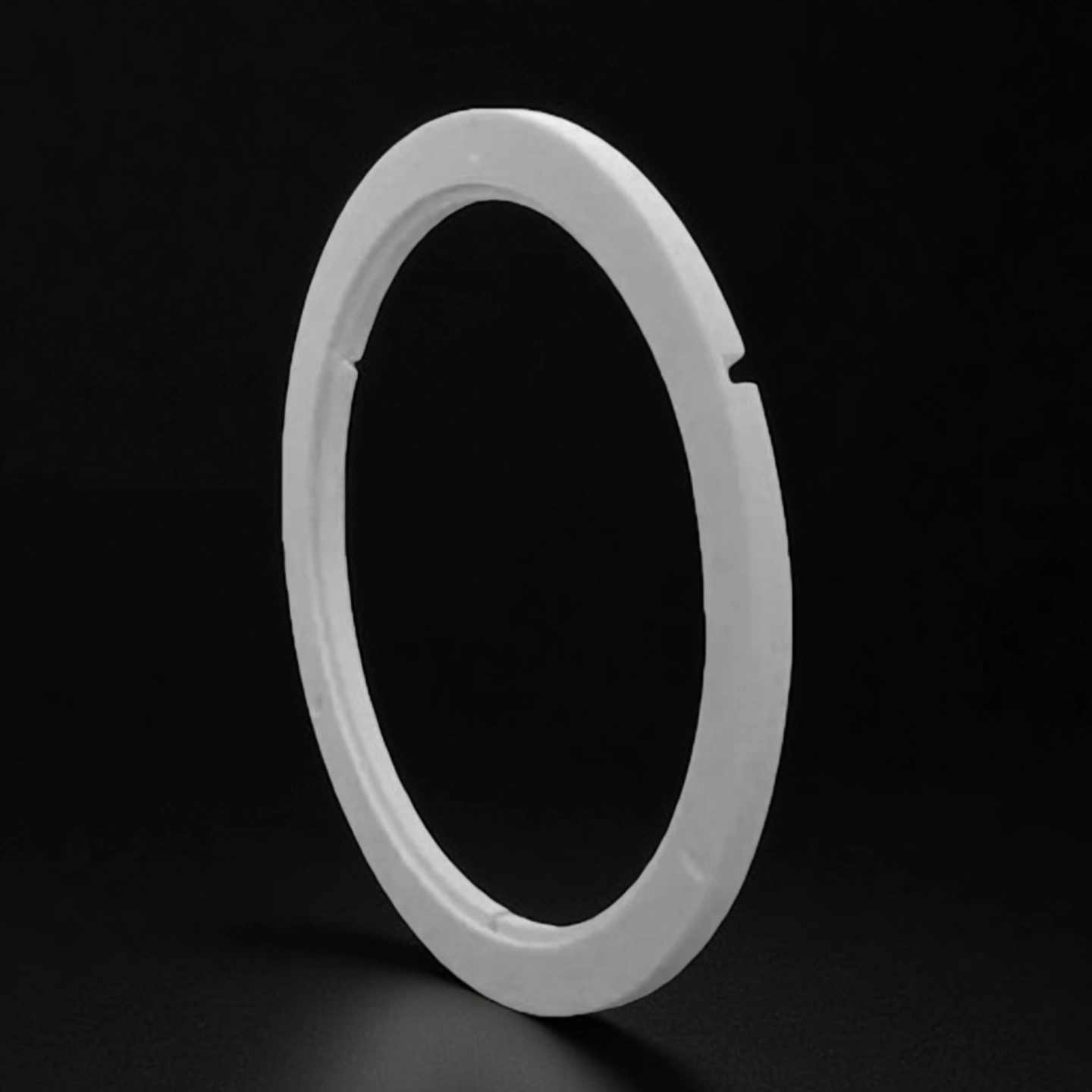
Ceramic Edge Ring
Ceramic edge rings protect edges and maintain stable positioning during repeated loading, handling, and fixture contact.
Industrial Ceramic Rings for Sealing, Wear, and Insulation—Quote in One Email.
Send your drawing or target size list to quote industrial ceramic rings quickly. We support standard sizes for fast replacement and custom profiles to match your fit requirements without reworking the whole assembly.
Industrial Ceramic Ring Applications
Industrial ceramic rings are widely used in pumps and mixers, chemical process assemblies, abrasive slurry and wastewater systems, electrical insulating stacks, and general machinery spacers where stable ring interfaces matter.
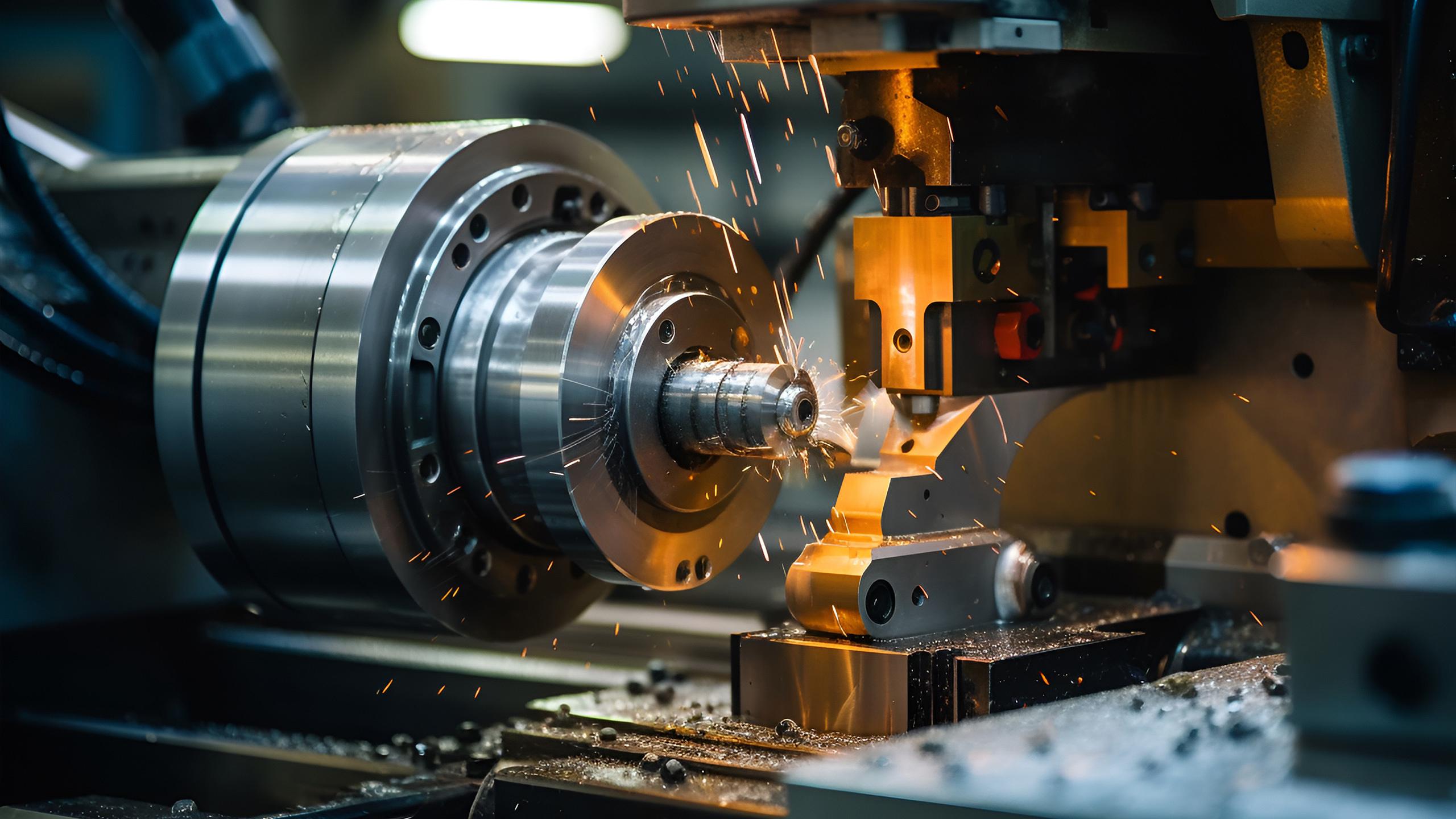
Pumps & Rotating Equipment
Typical ring role: provides a stable sealing face, protects the seal area from wear, and keeps concentric spacing between parts. It also acts as a wear ring or spacer to reduce contact damage and maintain consistent fit over service cycles.
✍🏻 Common ring types: ceramic seal ring, ceramic support ring, ceramic retaining ring
🧩ADCERAX ceramic rings help: reduce scoring-driven leakage growth by supplying rings with controlled dimensions and material matched to the sealing duty.

Chemical Process Assemblies
Typical ring role: isolates the assembly from aggressive media, provides a durable ring interface, and helps maintain fit where corrosion would loosen tolerances. It also serves as a spacer or barrier ring to keep mating parts protected and repeatable.
✍🏻 Common ring types: industrial ceramic ring, ceramic support ring
🧩ADCERAX helps: reduce corrosion-related fit drift by offering corrosion-tolerant ceramic ring options and custom profiles to drawing.
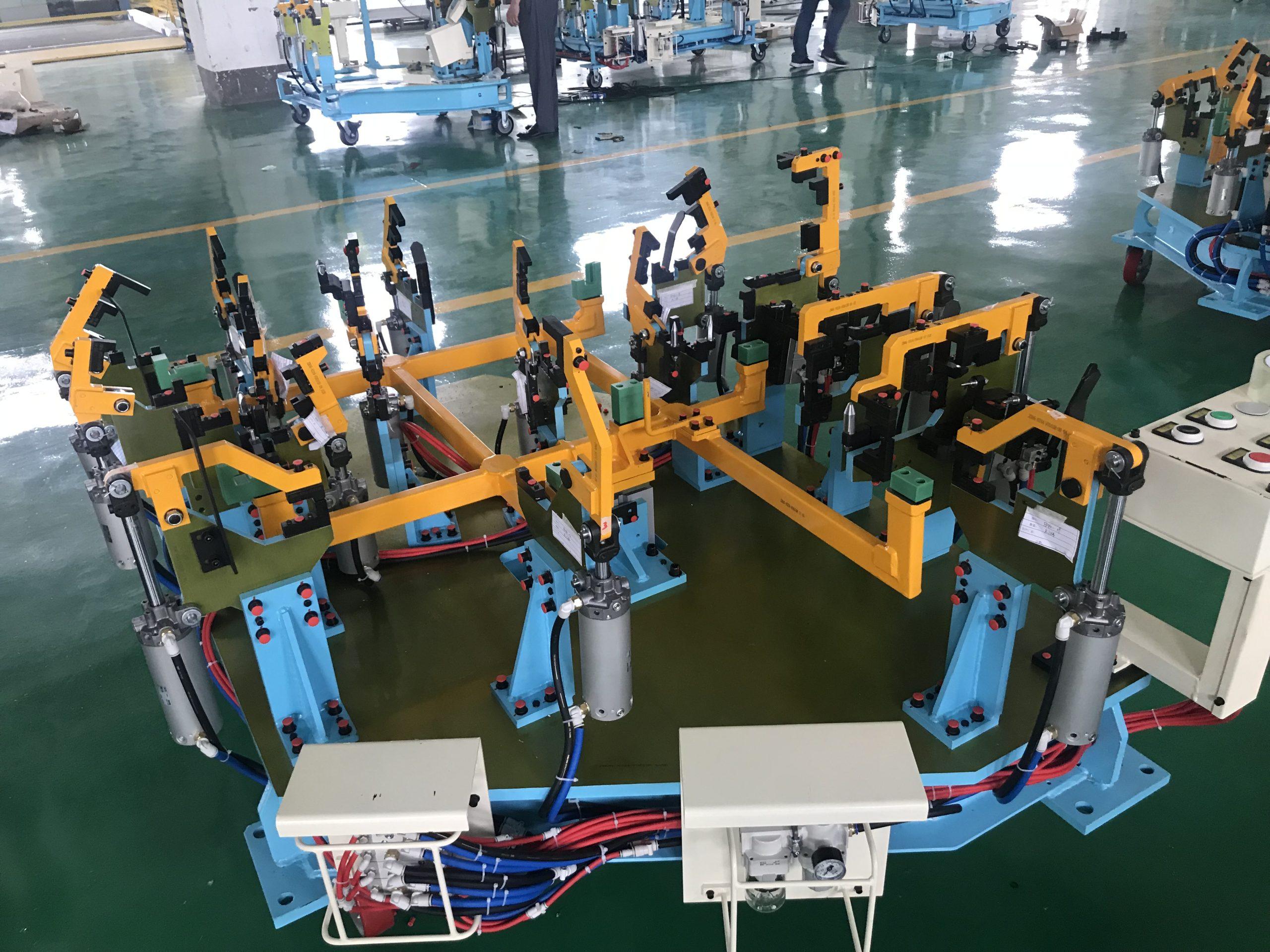
Electrical & Insulating Assemblies
Typical ring role: provides electrical isolation between conductive parts, maintains controlled clearance and spacing, and helps keep geometry stable under heat. It also works as a locating spacer to prevent metal-to-metal contact in assemblies.
✍🏻 Common ring types: ceramic insulator ring
🧩ADCERAX ceramic rings help reduce assembly variation by delivering standard-size rings for quick swaps and custom rings to match your stack-up targets.
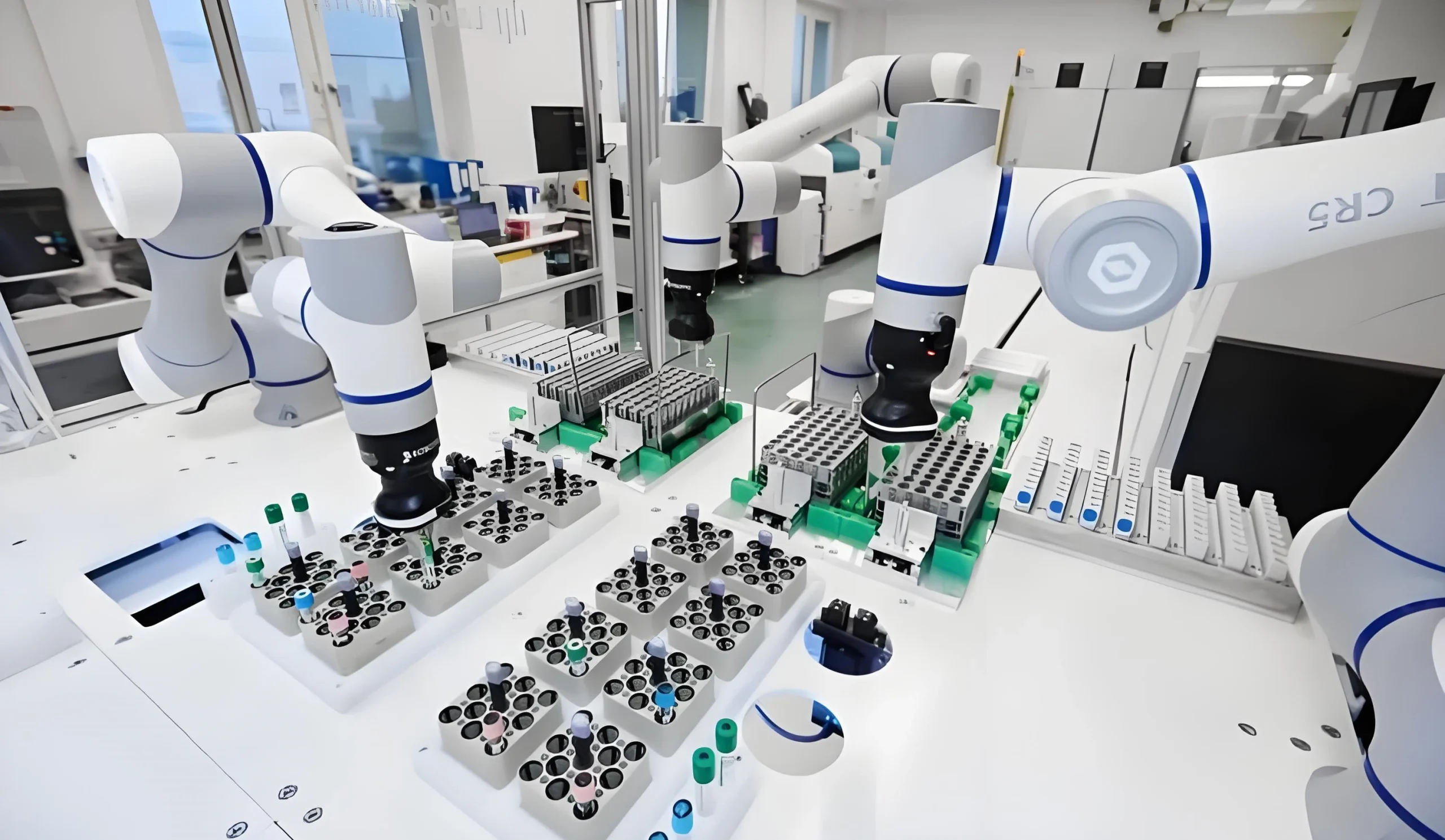
General Machinery Spacers & Locating Rings
Typical ring role: sets precise spacing, supports repeatable assembly fit, and helps distribute local loads on contact areas. It also functions as a locating ring to reduce misalignment and maintain stable stack height during service.
✍🏻 Common ring types: industrial ceramic rings, ceramic retaining ring
🧩ADCERAX ceramic ring helps: reduce assembly variation by delivering standard-size rings for quick swaps and custom rings to match your stack-up targets.
Custom Indusrial Ceramic Ring — Options & Process
ADCERAX custom industrial ceramic rings are made to match your drawing or sample, including OD/ID/thickness, grooves, steps, and edge details for proper fit in your assembly. Typical customization lead time is 2–9 weeks, depending on material choice, tolerance requirements, and feature complexity.
Customization Options
Share a drawing or target OD/ID/thickness. We confirm fit-critical features such as steps, grooves, and chamfers to avoid assembly rework and mismatch.
Choose alumina, zirconia, ZTA, boron nitride, or SiC based on your service conditions. We help match material to the duty so you do not overbuy or under-spec.
Define tolerance targets for OD/ID, thickness, flatness, and concentricity. Inspection records can be provided to support incoming QC and repeat orders.
Specify sealing-face finish or contact-surface requirements, plus edge break rules. Controlled edges reduce chipping risk and improve handling and installation.
Customization Process
Send a drawing or OD/ID/thickness, material, quantity, and lead time. Add service notes if needed.
We confirm key features, tolerances, and surface/edge requirements. You get a clear spec summary.
We machine to spec and inspect critical dimensions per batch. Inspection records are available on request.
Rings are protected, labeled, and packed to avoid edge damage in transit. Export-ready shipment with documents.
ADCERAX: A Trusted Industrial Ceramic Ring Manufacturer
ADCERAX is a specialized industrial ceramic ring manufacturer. We focus on export supply with stable production control, documented inspection, and transit-safe packing for repeat orders worldwide. We respond fast to drawings and specifications, and support reliable lead times for ongoing purchasing
Competitive pricing with strict quality control from raw material sourcing to final delivery
Professional team providing comprehensive technical support and collaborative design
Small batch orders to large-scale production with complex geometries and tight tolerances
24-hour response and 24-hour dispatch for standard items, 3-7 weeks for custom orders.
Precision Industrial Ceramic Ring Factory-ADCERAX
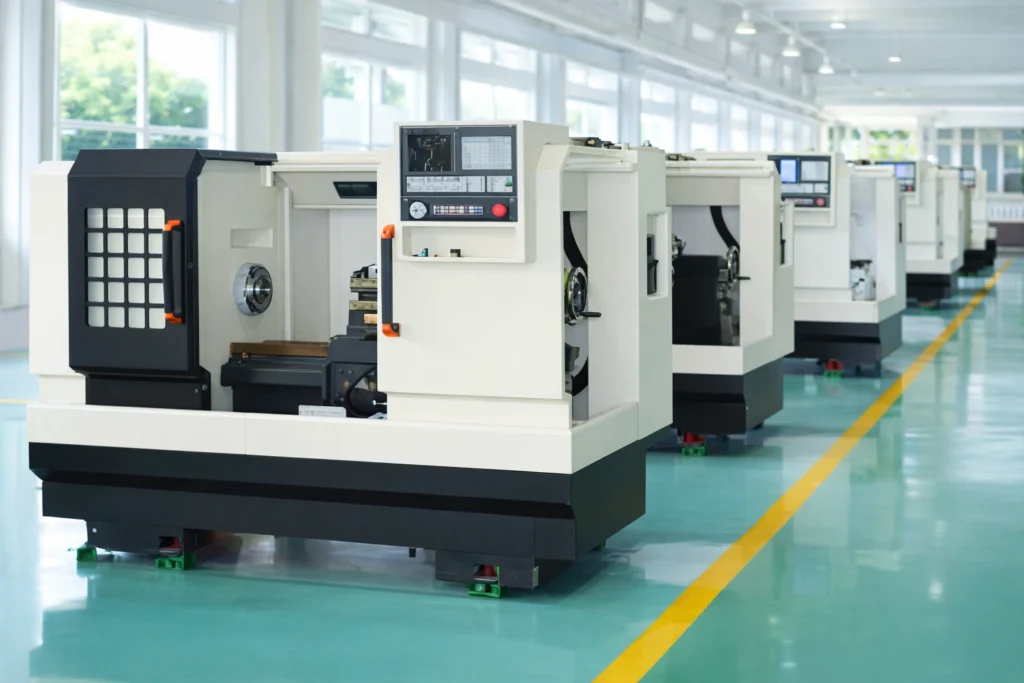
ADCERAX has worked in advanced ceramics for over 20 years and has developed 2,000+ types of precision components, including industrial ceramic rings for sealing, wear, support, and electrical isolation in harsh-duty assemblies.
We supply standard rings and custom-to-drawing parts for global customers, supporting fast quoting, engineering review, and repeatable production control. With export-ready inspection records and protective packing, we help buyers keep replacement cycles stable and simplify long-term procurement across international shipments.

One-Stop Manufacturing Services for Industrial Ceramic Rings
ADCERAX provides an end-to-end manufacturing workflow for industrial ceramic rings, from drawing review to machining, finishing, and inspection. This process reduces lead-time risk and keeps dimensions, fit-critical features, and surface/edge requirements consistent across both standard sizes and custom parts.
confirms drawing, quantity, material choice, and critical features for fit and function
controls OD/ID, thickness, concentricity, and profile features such as steps or grooves
keeps parts clean and separated to prevent transit damage and mix-ups
builds a dense ceramic body ready for precision machining and stable performance
sets contact-face finish and edge-break rules to reduce chipping during handling
verifies critical dimensions and provides inspection records before shipment
Cutting & Machining for Industrial Ceramic Rings
Industrial ceramic rings are produced by green machining, CNC cutting, and precision grinding to reach your required OD/ID, thickness, and ring profile. We support both standard ring blanks and custom-to-drawing features for reliable assembly fit.
What We Can Cut /Machine
OD/ID sizing, thickness control, simple and stepped profiles
small openings for mounting or alignment features
locating grooves, recess features, edge reliefs
chamfers, radii, controlled edge-break rules
Typical Tolerance Targets
defined to your drawing and mating parts for stable fit and repeatability
contact surfaces or seal-face finish where needed
specified for rotating assemblies
specified for contact faces and spacers
How We Keep Cutting Results Consistent
Tooling and fixture control to maintain concentricity and reduce batch-to-batch variation
DFM review before cutting to confirm fit-critical features and avoid brittle-edge risk
Process routing by material to control chipping and micro-cracks
Inspection on critical dimensions with records available on request
FAQs About Industrial Ceramic Ring
They are commonly used in pump and mixer assemblies, chemical process equipment, abrasive slurry or wastewater systems, insulating stacks, and general machinery spacers. The ring typically acts as a sealing interface, wear barrier, locator, or insulator.
Choose ceramic when metal wear, corrosion, galling, or dimensional drift becomes the dominant failure mode. Ceramics are also preferred when electrical isolation is required or when you need a stable contact surface under harsh service.
A ceramic seal ring is designed around sealing interfaces and often has tighter control on contact faces and surface finish. A general industrial ceramic ring may serve as a spacer, support, or wear ring where sealing-face finishing is not the primary requirement.
Alumina is a practical baseline for wear plus insulation; zirconia is selected when toughness and edge integrity are critical; boron nitride is chosen for low friction and non-wetting behavior; silicon carbide is preferred for aggressive wear and chemical durability. Final selection should be driven by media, temperature, abrasion level, and failure history.
Yes. Most industrial ceramic rings are ordered as custom-to-drawing parts when fit-critical features or non-standard dimensions are involved. A drawing-based RFQ is the fastest path to confirm manufacturability and quote accurately.
Yes. Stepped OD/ID features are common for locating, anti-shift positioning, and stack height control. Ceramic designs typically use edge breaks or small radii at transitions to reduce chipping risk.
Tolerances depend on material, size, and geometry complexity. The most effective approach is to define tight tolerances only on fit-critical dimensions and keep non-critical features looser to reduce cost and lead time without sacrificing assembly performance.
Specify surface requirements only where a ring interfaces with another part and surface condition affects function. For sealing or controlled contact faces, define the target finish and the functional reason (seal stability, wear control, or consistent fit).
Common failure modes include abrasive scoring, edge chipping from handling, cracking from shock or thermal cycling, and performance drift caused by mismatched material selection. Most failures can be reduced by correct material choice, controlled edges, and clear fit-critical tolerances.
Yes, when the correct material is used and the ring is designed to protect the wear interface. In abrasive service, focus on wear mechanism control, clearance stability, and preventing rapid scoring that accelerates leakage or fit loss.
Control cost by tightening tolerances only where function demands it, choosing the material that matches the real failure mode, and standardizing features for repeat orders. This approach improves procurement stability and reduces rework, scrap, and downtime risk.
Get in touch with us
We believe that Adcerax will become your best partner!
Please fill in your contact information in the form or call us.
info@adcerax.com
Telephone: +(86) 0731-74427743
WhatsApp: +(86) 19311583352
Within 24 hours
*Our team will answer your inquiries within 24 hours.
*Your information will be kept strictly confidential.
