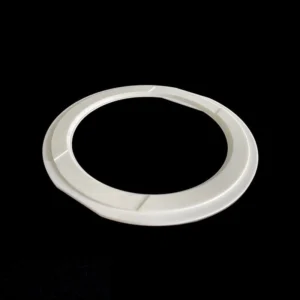
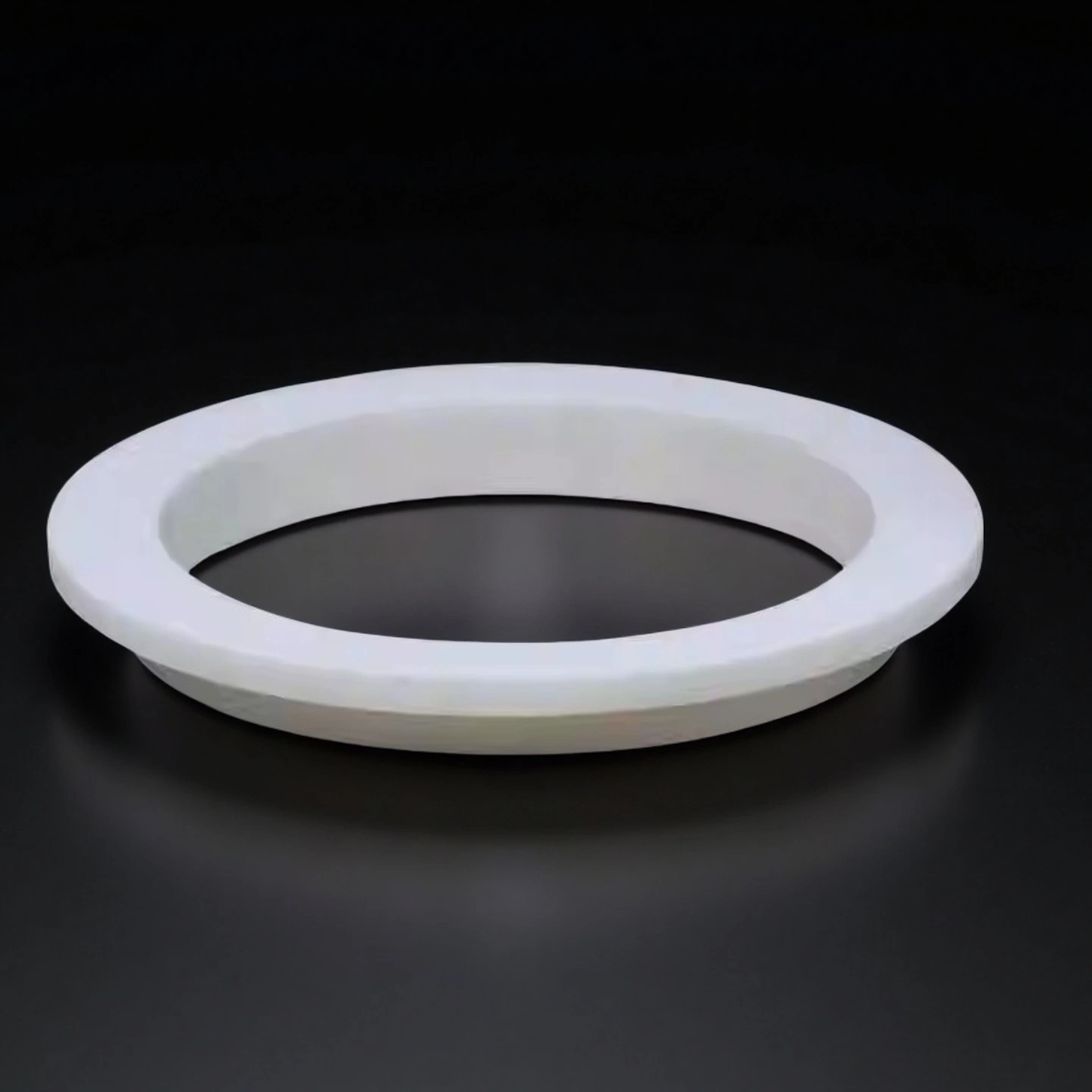
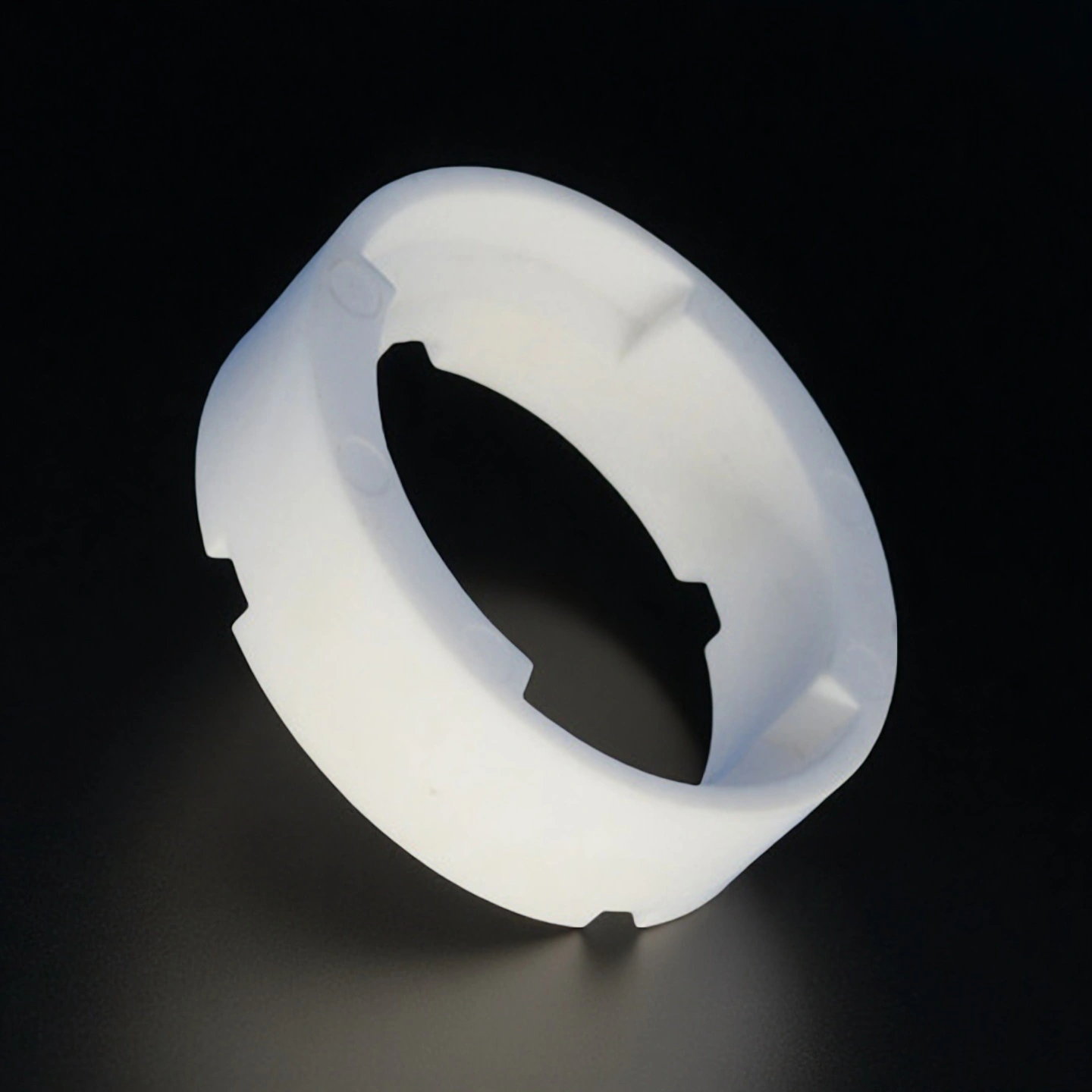
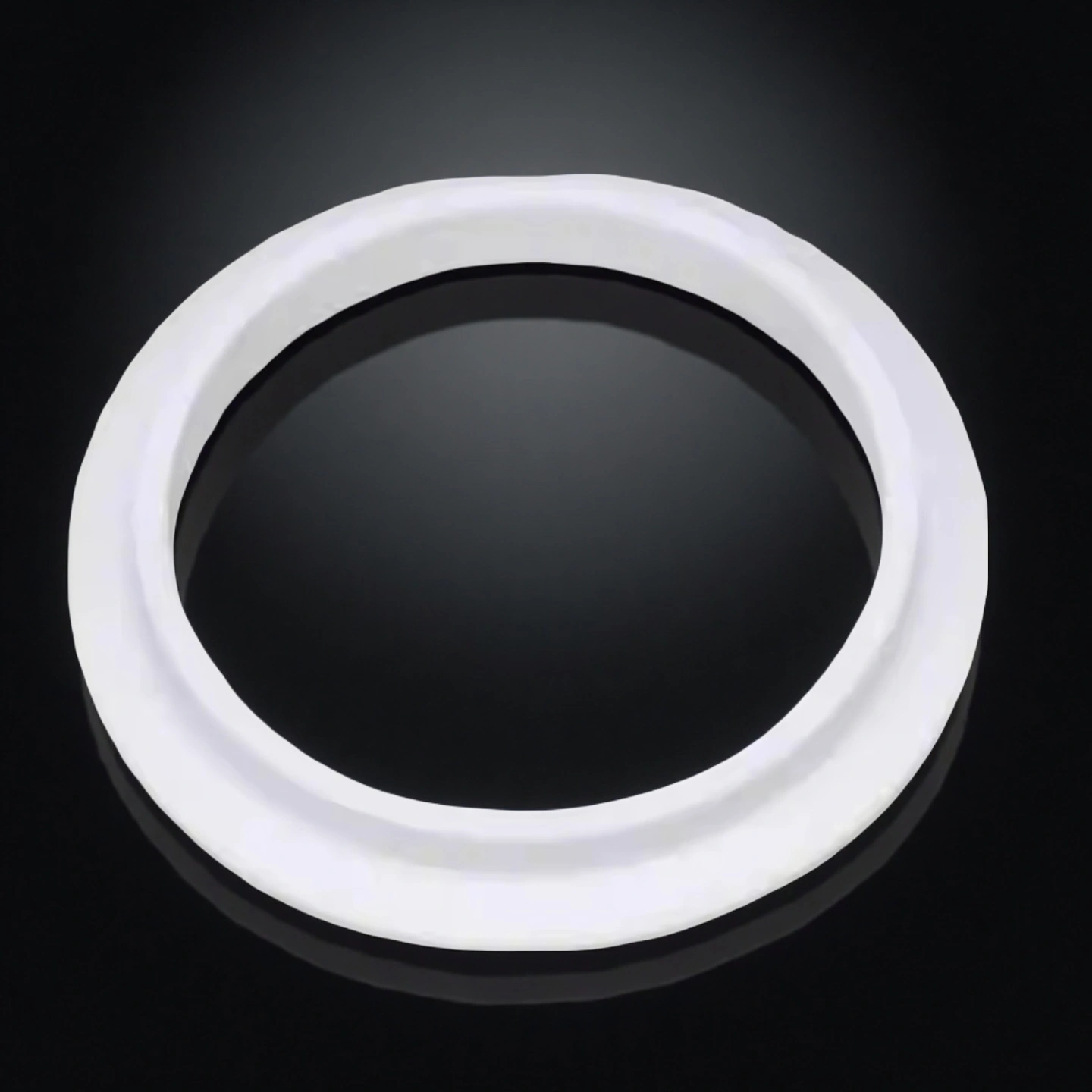
What Is a ZTA Ceramic Seal Ring?
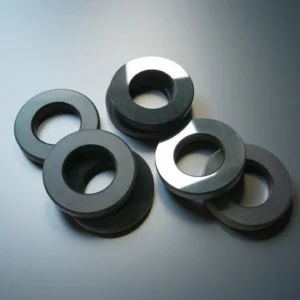
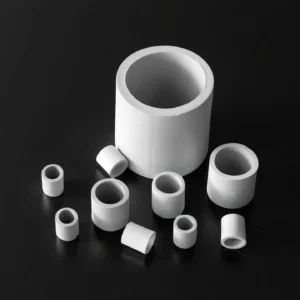
ZTA ceramic seal rings are made from zirconia toughened alumina — an alumina matrix with dispersed zirconia that keeps alumina's hardness and chemical stability while resisting edge chipping better than plain alumina. They run as rotating faces, stationary faces, valve seats and static seal rings in pumps, valves and metering equipment, where the sealing face must stay flat and stable through abrasive particles, chemical cleaning and repeated start-stop.
Choose What You Need
A quotation can cover three scopes, from the ceramic ring alone to a complete seal assembly:
| Scope | What to include | What gets confirmed |
|---|---|---|
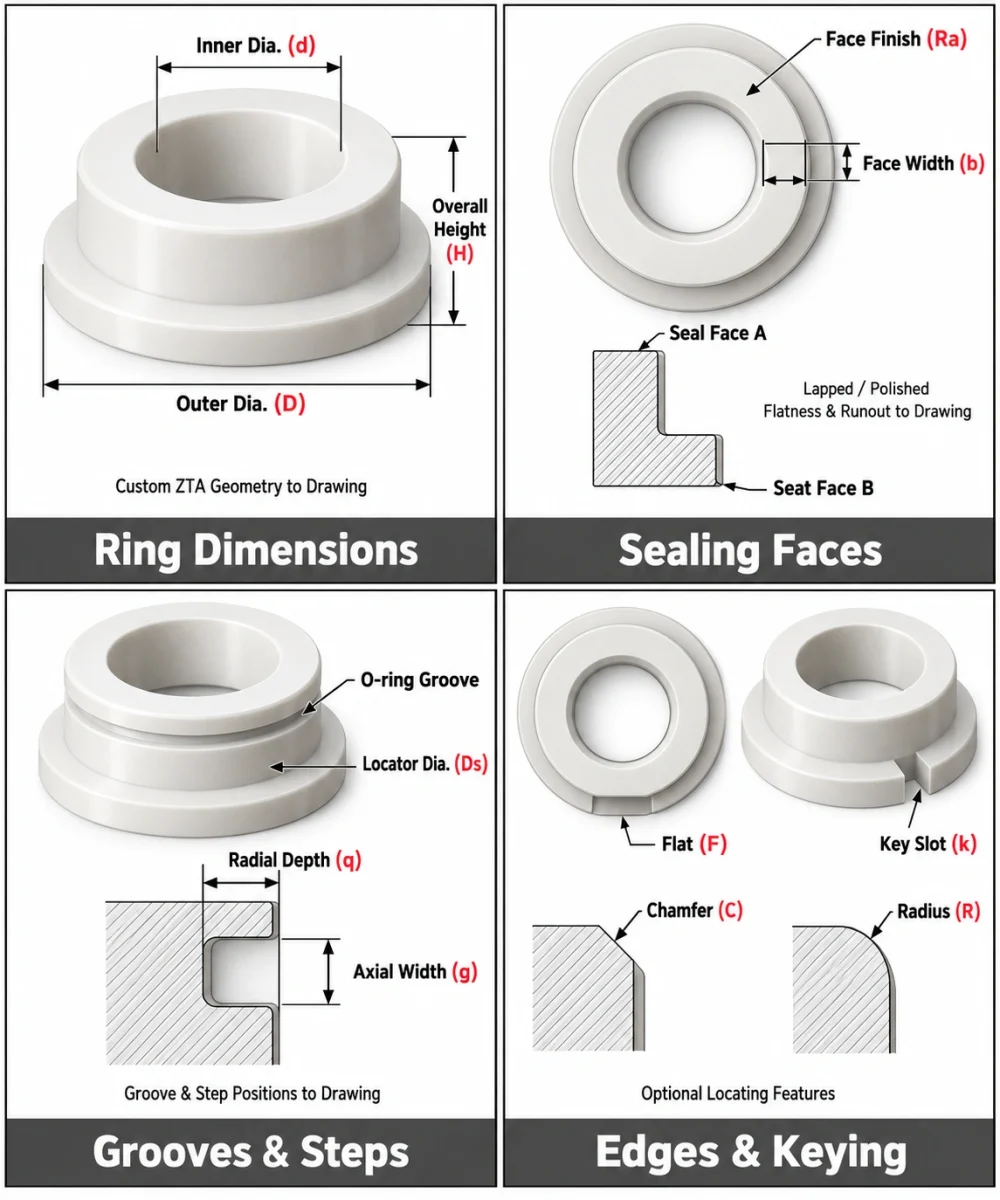
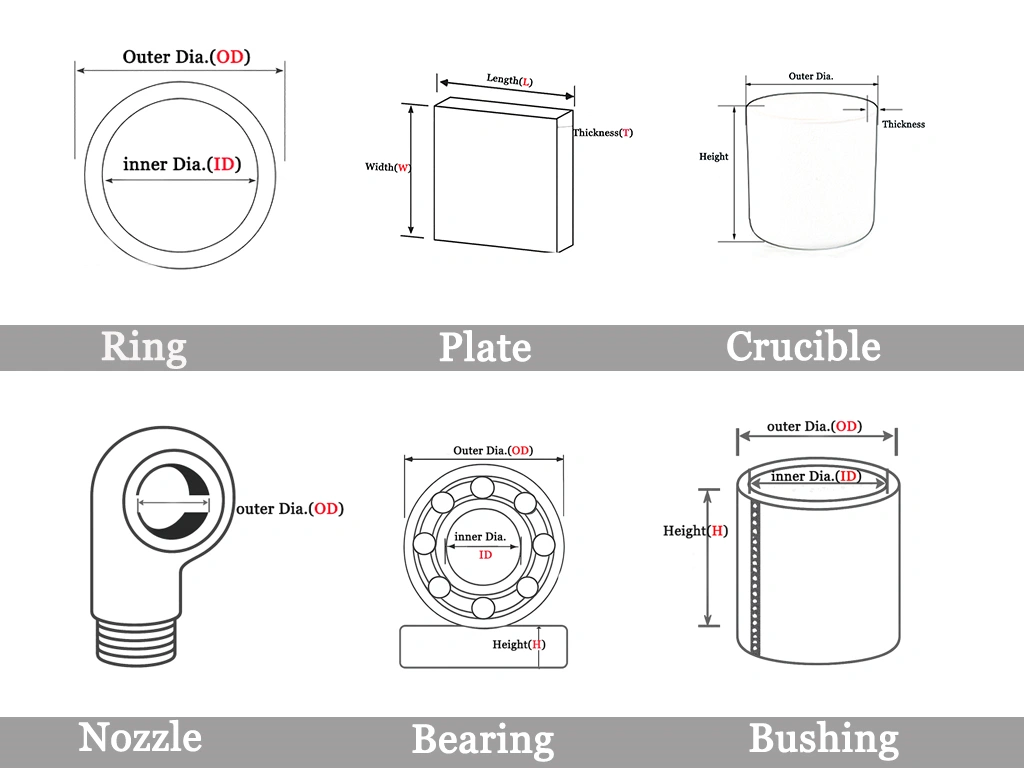
| Ceramic ring only | Ring role (rotating or stationary face, valve seat, static seal), ID/OD/height, face profile and finish, steps, grooves, chamfers and edge details. | Finished ring geometry, dimensional tolerances, face flatness and surface condition, per your drawing. |
| Matched ceramic pair | The ring plus counter-face material, contact geometry, motion (rotating or static) and lubrication. | The paired faces and their contact behavior, reviewed under your application conditions. |
| Complete seal assembly | Ring pair plus seat, auxiliary seal (O-ring), loading hardware and the components listed in your bill of materials. | Assembly behavior under your equipment operating conditions. |
Start with the ceramic ring drawing. The counter-face callout and the hardware in your bill of materials complete the picture for the other two scopes.
ZTA Ceramic Seal Ring Specifications
| ZTA Ceramic Seal Ring | ||
| Item No. | Length(mm) | Width(mm) |
| AT-ZTA-ZZ001 | Customize | |
ZTA Material Grades for Ceramic Seal Rings — Typical Selection Values
The ZTA material system is defined by five product-grade codes. The table below lists typical selection values from ADCERAX's ZTA material table; they are material references for grade selection, not finished seal-ring specifications.
| Property | AD-ZTA-10 | AD-ZTA-20-P | AD-ZTA-20-CIM | AD-ZTA-40 | AD-ZTA-ROD |
|---|---|---|---|---|---|
| Product form / forming route | Injection-moulded parts | Dry-pressed / CIP plate | Injection-moulded parts | Injection-moulded parts | Rod/shaft |
| Bulk density (g/cm³) | 4.25 | 4.20 | ≥4.25 | ≥4.80 | ~4.3 |
| Flexural strength (MPa) | ≥700 | 500 | ≥800 | 650 | ~896 |
| Vickers hardness (HV) | 2000 | 1650 | 1800 | 1500 | Not listed |
| Color | White | White / off-white | White | White | Drawing-defined |
How to Choose a ZTA Ceramic Seal Ring
1. Identify the Ring’s Role
Define whether the ring serves as a rotating face, stationary face, valve seat or static seal.
Check:
- Which component rotates
- Axial or radial sealing direction
- Single-ring or paired-ring configuration
Confirm both the sealing face and mounting interface for the intended role.
2. Specify the Counter-Face
Define the mating surface and how the faces work together.
Provide:
- Counter-face material: ceramic, silicon carbide, carbon or metal
- Surface roughness
- Spring or bellows load
- Lubrication condition
3. Define the Operating Medium
Record the fluid, concentration or pH, and operating temperature.
Check:
- Particle size and solids content
- Flushing or clean-in-place cycles
- Dry-running risk
Include these conditions when reviewing face finish and edge geometry.
4. Specify Face Finish and Flatness
Choose as-ground, lapped or polished surfaces to suit the counter-face and sealing requirements.
Include on the drawing:
- Face flatness and roughness
- Inspection method and reference
- Allowable face wear
Provide: The leakage acceptance method and limits.
5. Confirm the Material Grade and Forming Route
Review the application and any existing drawing or purchase specification before selecting the ZTA grade.
Check:
- Current failure mode, including edge chipping or wear
- Impact and thermal-cycle conditions
- Temperature and chemical exposure
Confirm the grade, forming route and material certificate requirements on the order.
6. Agree on Acceptance Requirements
Specify whether acceptance applies to the material, individual ring or assembled seal.
Provide:
- Critical dimensions and sealing-face requirements
- Sampling plan
- Applicable test methods, including leakage testing
- Reference temperature and acceptance limits
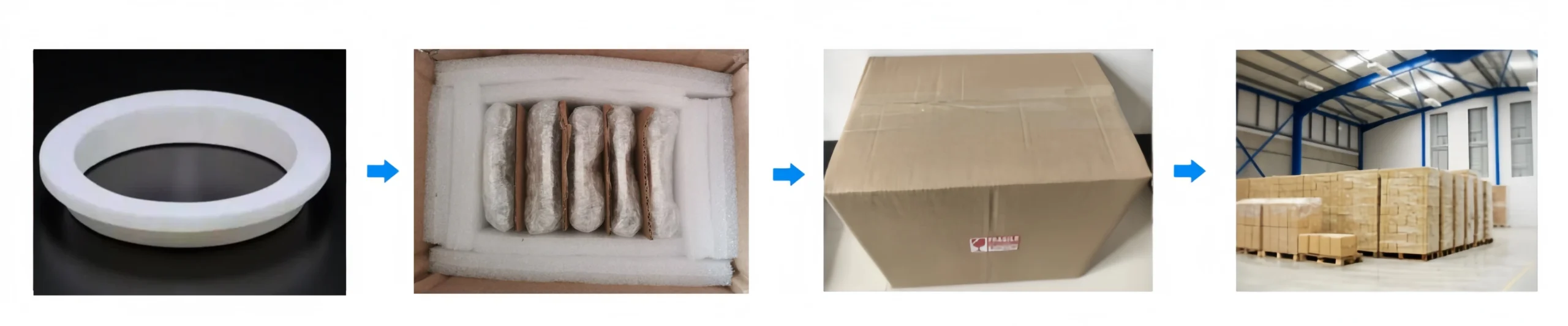
Zirconia Toughened Alumina Seal Ring Packaging
Packing is planned around the ordered ring geometry and quantity. Finished sealing faces, lapped edges and locating steps are protected individually, and the packing method is confirmed in the purchase specification when the ring is large, thin-walled or supplied as a matched pair.