What Are Alumina Single Bore Tubes?
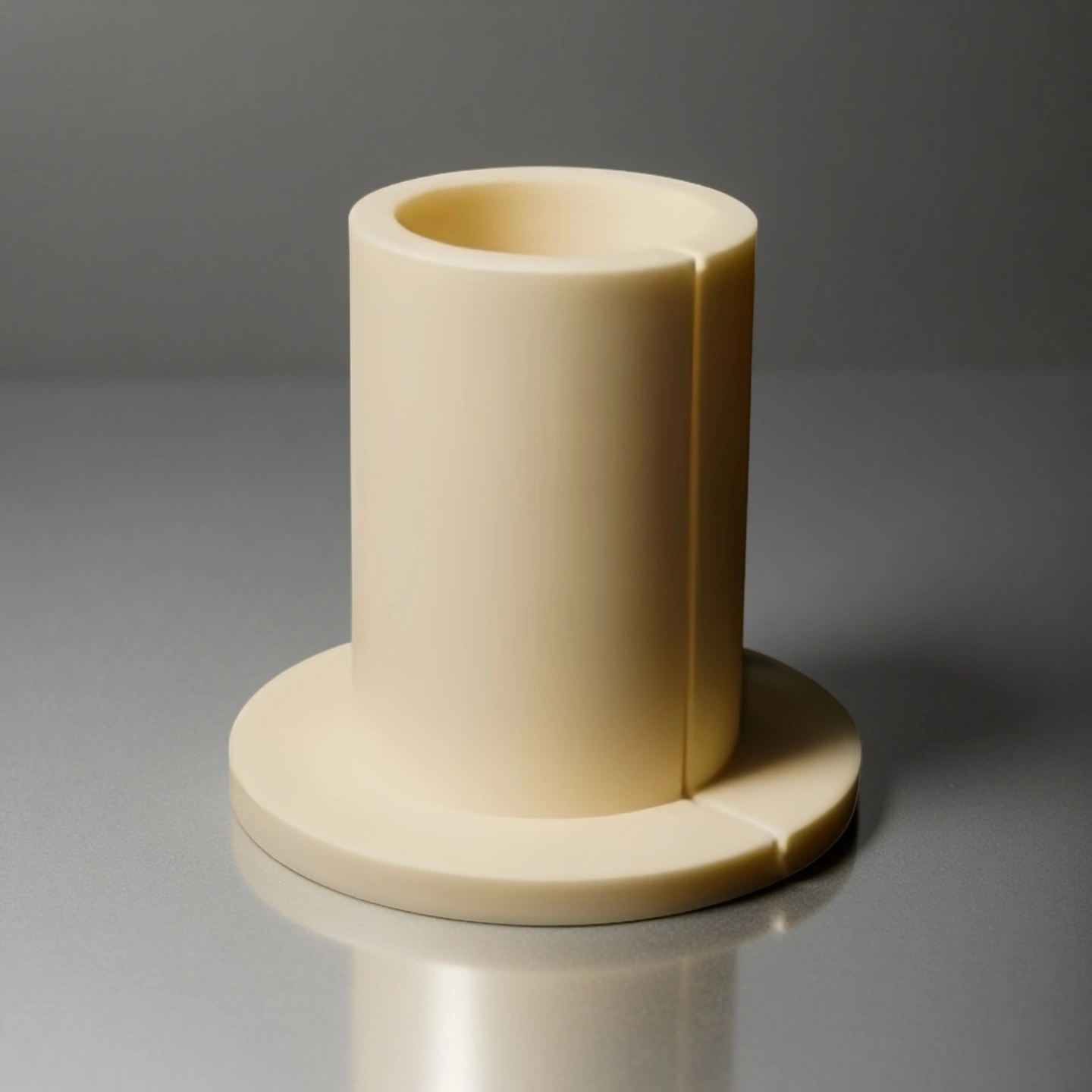
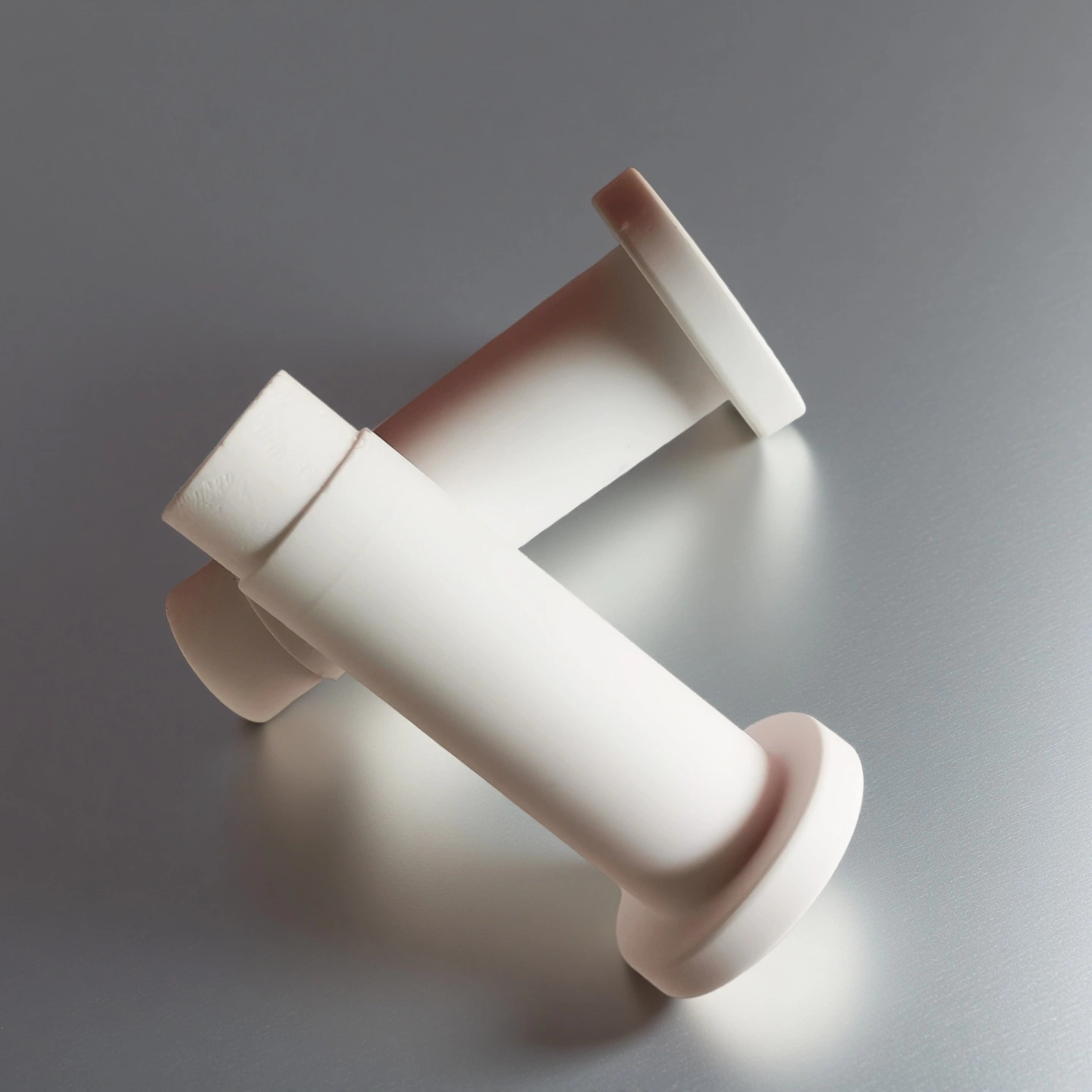
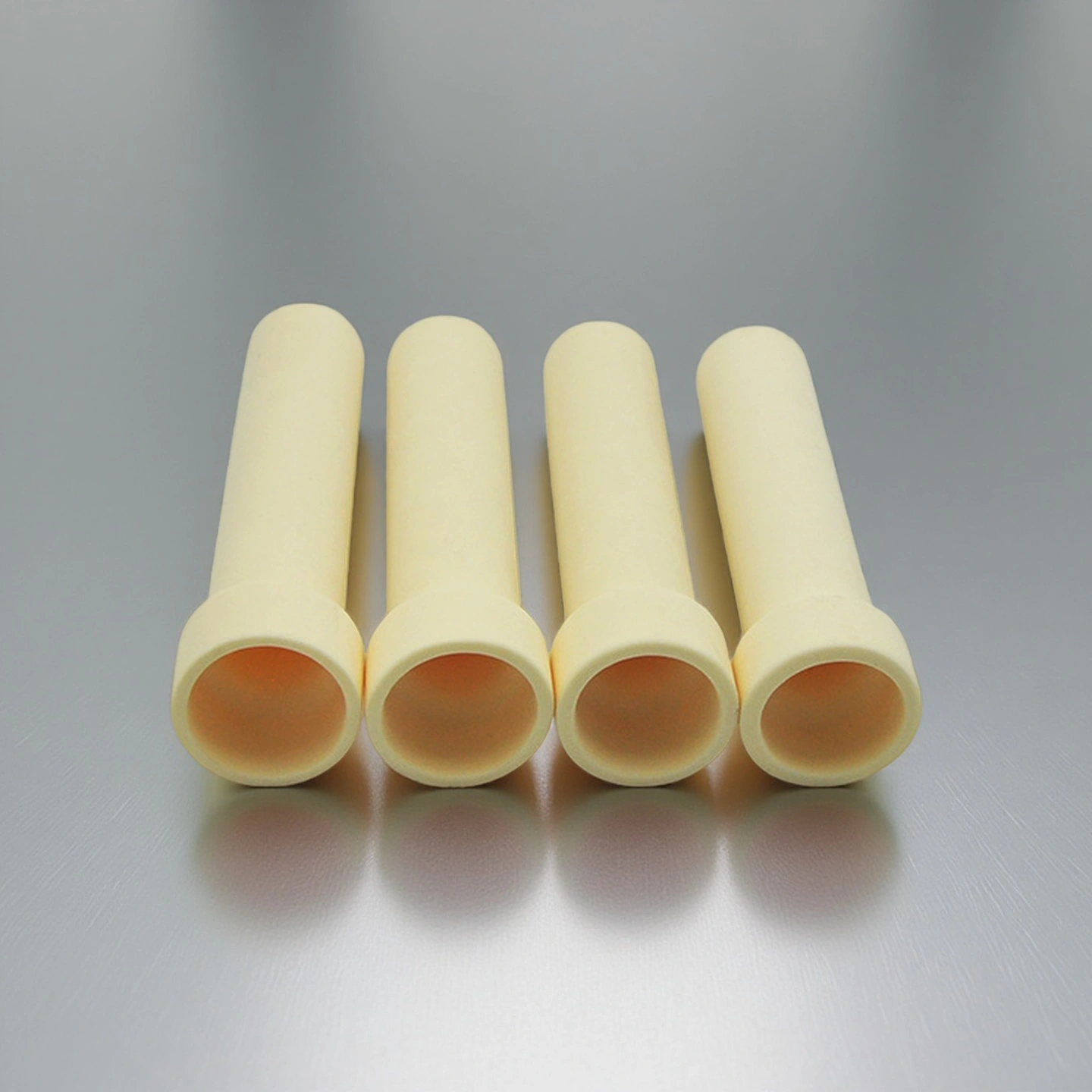
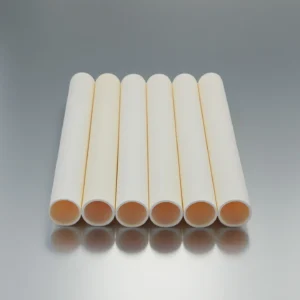
Alumina single bore tubes are ceramic tubes made from aluminum oxide with one central through-hole or closed-end bore. They are commonly used to protect thermocouples, sensors, conductors and gas paths in high-temperature furnaces, laboratory instruments, electrical insulation assemblies and corrosive process environments.
Engineering Benefits of Alumina Single Bore Tubes
- High-temperature stability: Alumina tubes help protect sensors, wires and process channels in furnace and thermal processing equipment.
- Electrical insulation: The ceramic body provides insulation between conductors, heating zones and metal fixtures.
- Controlled single-bore geometry: A single central bore supports accurate placement of thermocouples, probes, gas lines or small components.
- Chemical resistance: High-purity alumina helps reduce contamination risk in many laboratory and industrial atmospheres.
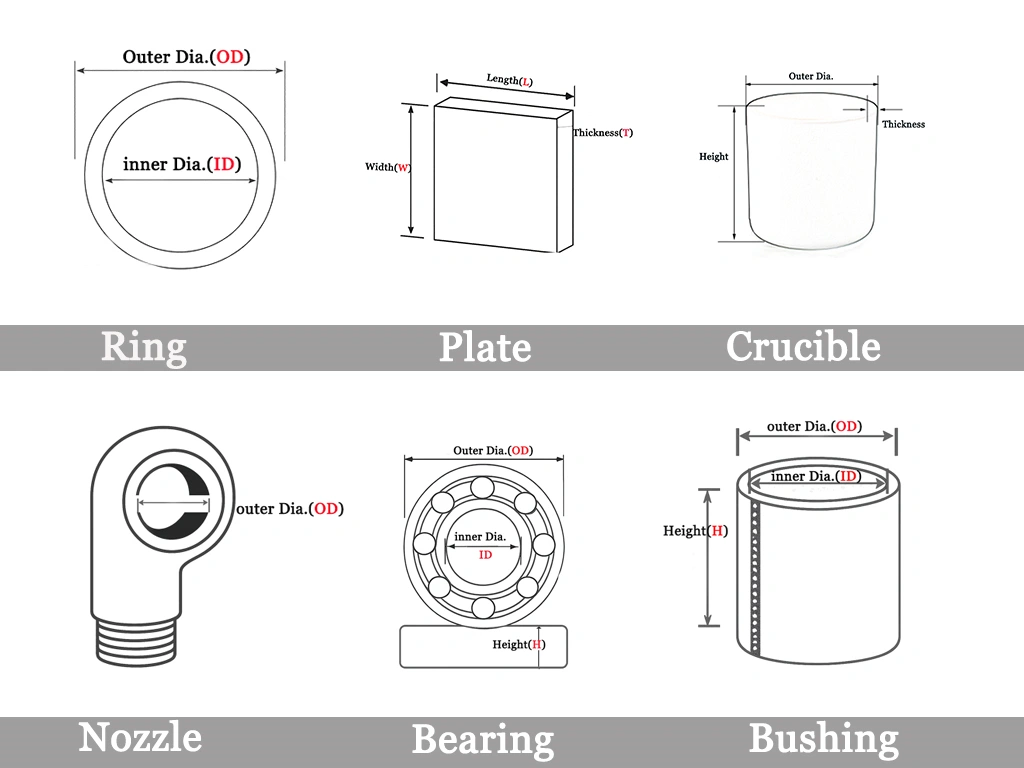
- Drawing-based customization: OD, ID, length, wall thickness, end shape, slots, threads, chamfers and surface finish can be reviewed according to your design.
Typical Material Properties of Alumina Ceramic Tubes
The following values are typical reference data for alumina ceramic materials. Actual performance depends on purity grade, forming process, sintering condition, tube geometry and operating environment. Please confirm final material grade and property requirements before ordering.
|
Property |
Unit |
96% Al₂O₃ |
99% Al₂O₃ |
99.5% Al₂O₃ |
99.6% Al₂O₃ |
99.7% Al₂O₃ |
99.8% Al₂O₃ |
99.9% Al₂O₃ |
99.99% Al₂O₃ |
|
Alumina content |
% |
96 |
99 |
99.5 |
99.6 |
99.7 |
99.8 |
99.9 |
99.99 |
|
Density |
g/cm³ |
3.6-3.75 |
3.83 |
3.89 |
3.91 |
3.92 |
3.93 |
3.94 |
3.98 |
|
Color |
– |
white |
Ivory |
Ivory |
Ivory |
Ivory |
Ivory |
Ivory |
Ivory |
|
Water absorption |
% |
0 |
0 |
– |
0 |
0 |
0 |
0 |
0 |
|
Young’s modulus (Elastic modulus) |
GPa |
300 |
350 |
375 |
356 |
357 |
358 |
359 |
362 |
|
Shear modulus |
GPa |
– |
– |
152 |
– |
– |
– |
– |
– |
|
Bulk modulus |
GPa |
– |
– |
228 |
– |
– |
– |
– |
– |
|
Poisson’s ratio |
– |
– |
– |
0.22 |
– |
– |
– |
– |
– |
|
Compressive strength |
MPa |
1910 |
2210 |
2500 |
2552 |
2554 |
2556 |
2558 |
2570 |
|
Flexural strength |
MPa |
260 |
300 |
340 |
345 |
346 |
347 |
348 |
365 |
|
Fracture toughness |
MPa·m¹ᐟ² |
– |
– |
4 |
– |
– |
– |
– |
– |
|
Hardness |
GPa |
14.5 |
17 |
17 |
23 |
24 |
25 |
26 |
30 |
|
Thermal conductivity |
W/m·K |
20 |
31 |
31 |
31-33 |
31-33 |
31-33 |
31-35 |
31-35 |
|
Thermal shock resistance ΔT |
°C |
– |
– |
– |
222 |
223 |
224 |
225 |
228 |
|
Maximum use temperature (no load) |
°C |
1450 |
1680 |
≤1750 |
1755 |
1760 |
1765 |
1770 |
1800 |
|
Coefficient of thermal expansion |
10⁻⁶/°C |
7.6 |
7.6 |
7.6 |
7.6 |
7.5 |
7.5 |
7.4 |
7.4 |
|
Volume resistivity |
Ω·cm |
>1×10¹⁴ |
>1×10¹⁴ |
>1×10¹⁴ |
>1×10¹⁴ |
>1×10¹⁴ |
>1×10¹⁴ |
>1×10¹⁴ |
>1×10¹⁴ |
|
Dielectric constant (relative permittivity) |
– |
9.2 |
9.5 |
9.8 |
9.83 |
9.84 |
9.85 |
9.86 |
9.92 |
|
Dielectric strength |
kV/mm |
15 |
19 |
16.9 |
23.2 |
23.4 |
23.6 |
23.8 |
24 |
|
Dissipation factor (loss factor @ 1 kHz) |
– |
– |
– |
0.0002 |
– |
– |
– |
– |
– |
Specifications of Alumina Single Bore Tubes
|
Item No. |
Diameter (mm) |
Thickness (mm) |
Purity |
|
TE-AT-20001-1 |
Customize |
 Download More Size
Single Bore Alumina Tubes Packaging:
- Each tube is individually wrapped in foam and packed in a rigid cardboard box.
- Optional ceramic end caps are available upon request.
- Bulk packaging available for wholesale orders.

Applications of Custom Alumina Single Bore Tubes
Thermocouple Protection in High-Temperature Furnaces
Alumina single bore tubes are commonly used as thermocouple protection sheaths in tube furnaces, kilns, heat treatment equipment and laboratory thermal systems. The ceramic tube helps isolate the sensing element from direct flame, furnace atmosphere, particles and mechanical contact.
For this application, buyers usually need to confirm tube length, bore diameter, closed-end or open-end design, mounting clearance and thermal cycling conditions.
Electrical Insulation and Heating Assemblies
Single bore alumina tubes can be used as ceramic insulators for conductors, heating elements, lead wires and high-temperature electrical assemblies. The tube geometry helps maintain separation between conductive parts while resisting heat and many process atmospheres.
For insulation applications, the key design factors include alumina purity, wall thickness, dielectric requirement, bore fit, fixture material and installation stress.
Gas Sensor and Probe Protection
Custom alumina single bore tubes can protect gas sensors, probes and small analytical components in high-temperature or chemically demanding environments. A closed-end design may be used when the sensor needs isolation from direct gas flow, while an open-end tube may be selected for gas path or probe insertion.
For sensor applications, buyers should confirm bore tolerance, end design, surface finish, response-time requirements and atmosphere compatibility.
Laboratory and Analytical Equipment
Alumina single bore tubes are used in laboratory furnaces, thermal analysis fixtures and material testing systems where dimensional consistency, contamination control and high-temperature insulation are important.
For analytical equipment, polished bore surfaces, controlled ID tolerance and suitable cleaning procedures may help reduce particle retention and improve repeatability.
OEM Ceramic Tube Assemblies
For OEM equipment builders, alumina single bore tubes can be designed as build-to-print ceramic components. ADCERAX can review drawings for OD, ID, length, chamfers, slots, threads, end faces, surface finish and inspection requirements before production.
Information Needed for a Custom Alumina Single Bore Tube Quote
To prepare an accurate quotation, please send the drawing, sample photo or technical requirements. The following details help our team review manufacturability and material suitability before pricing.
| Required Information |
Why It Is Needed |
| Outer diameter, inner diameter and length |
These dimensions determine forming, machining, inspection and packaging requirements. |
| Open-end or closed-end structure |
The end design affects forming method, sensor protection, sealing and gas flow direction. |
| Alumina purity grade |
Purity affects high-temperature use, insulation, contamination control and cost. |
| Required tolerance and surface finish |
These details affect assembly fit, bore clearance, cleaning behavior and machining cost. |
| Working temperature and atmosphere |
These conditions help confirm material suitability and thermal cycling risk. |
| Application type |
Thermocouple protection, sensor housing, gas path, insulation and furnace use may require different design priorities. |
| Quantity and delivery requirement |
Quantity affects production planning, packaging method and quotation structure. |