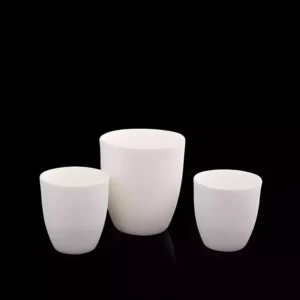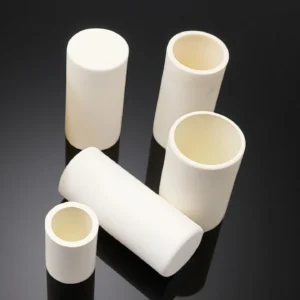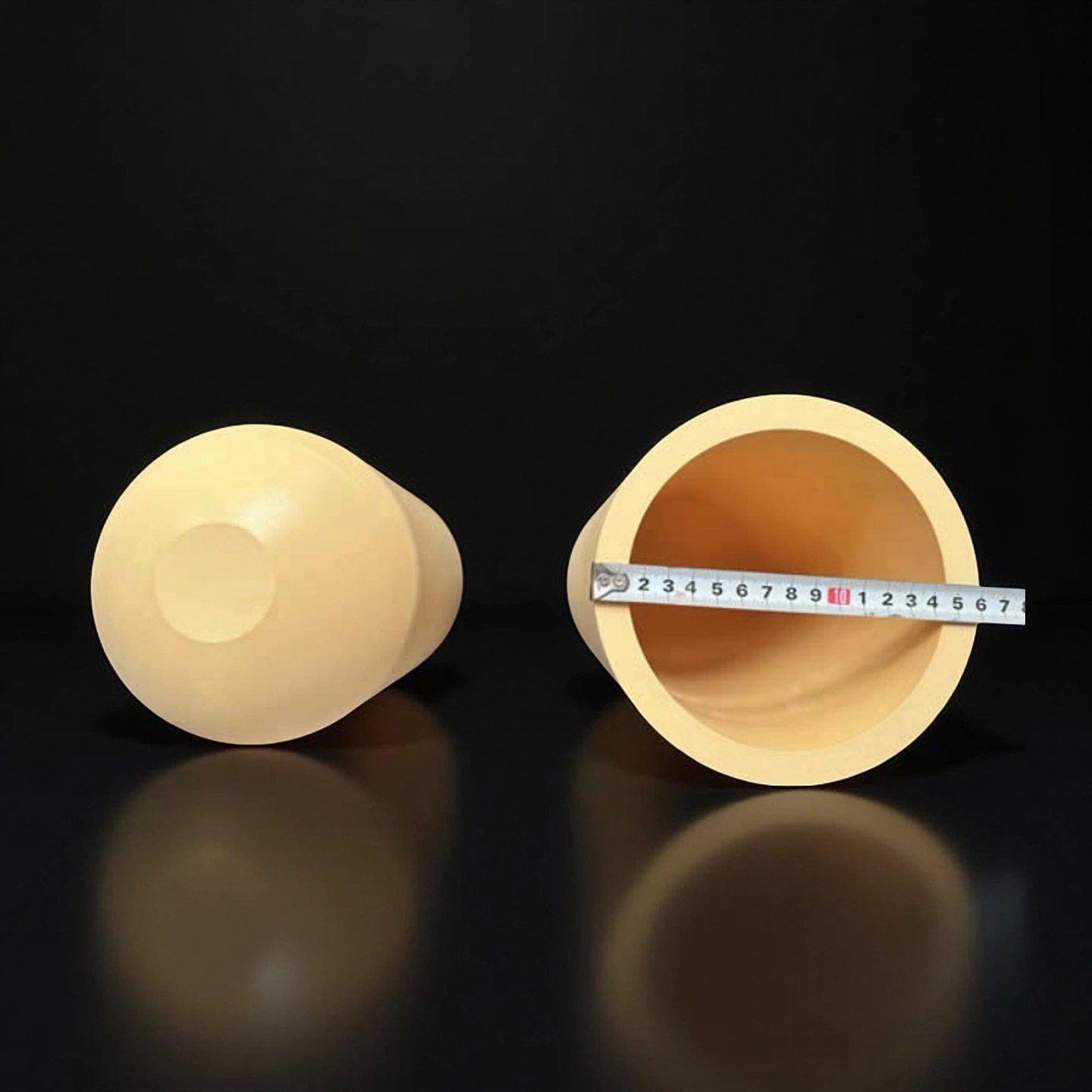
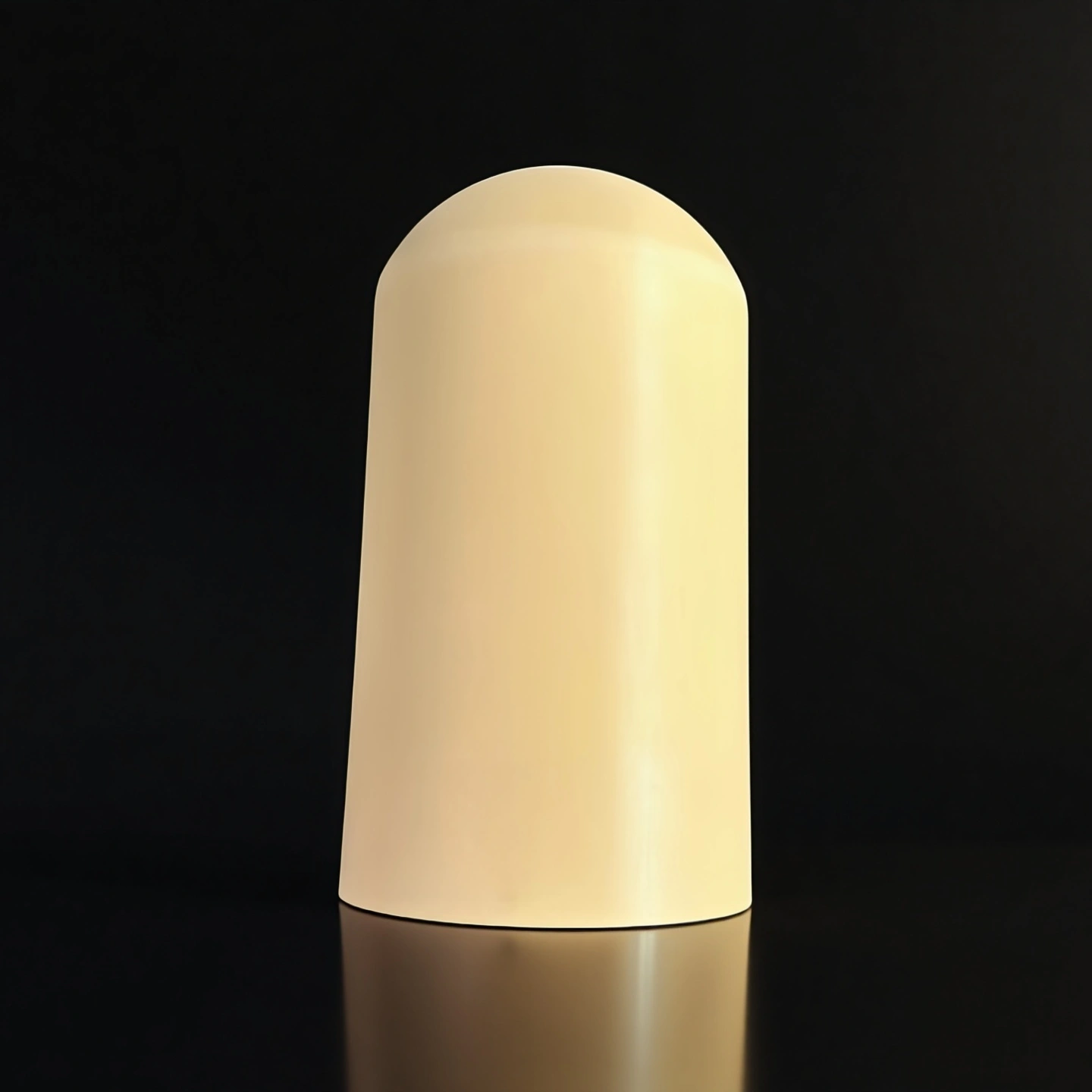
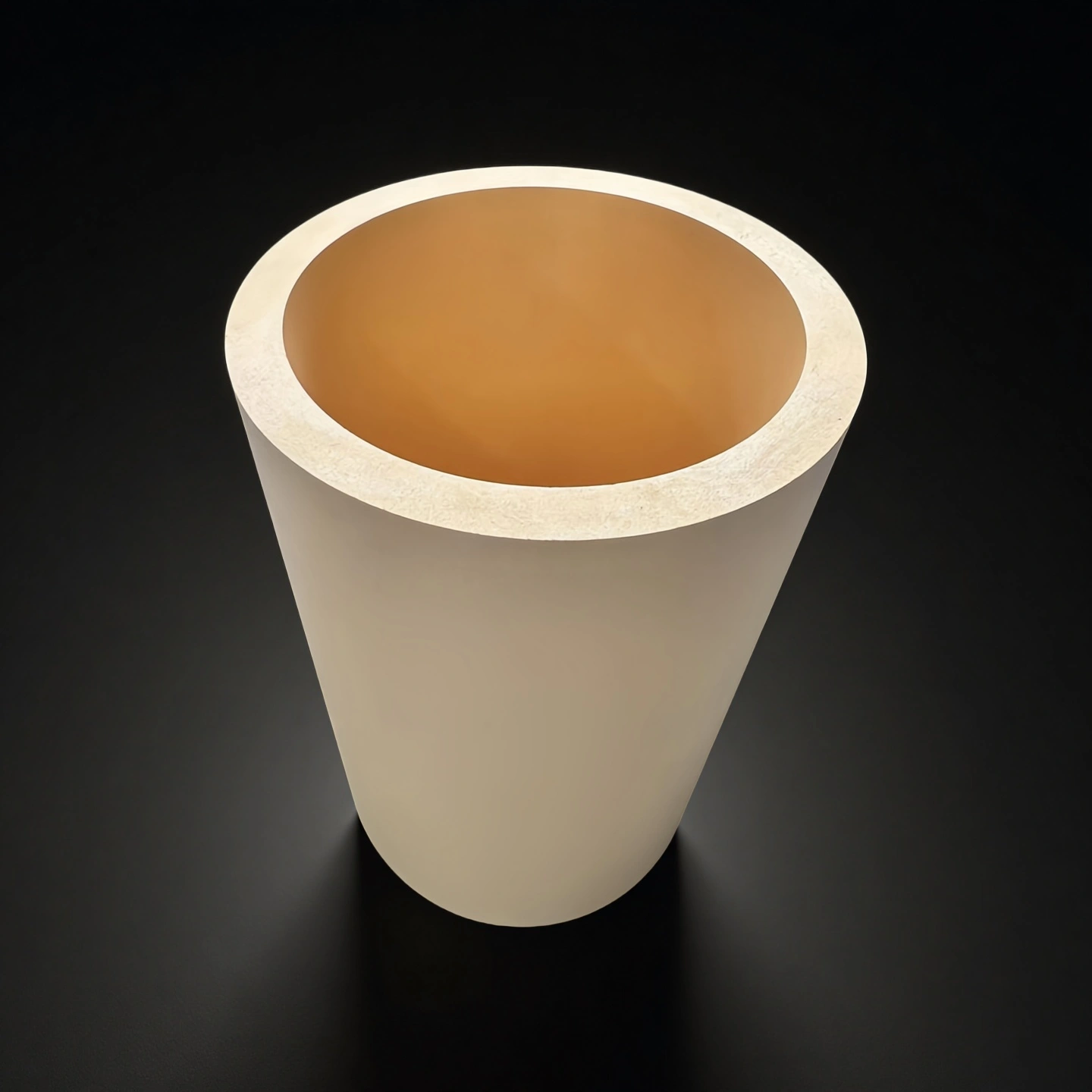
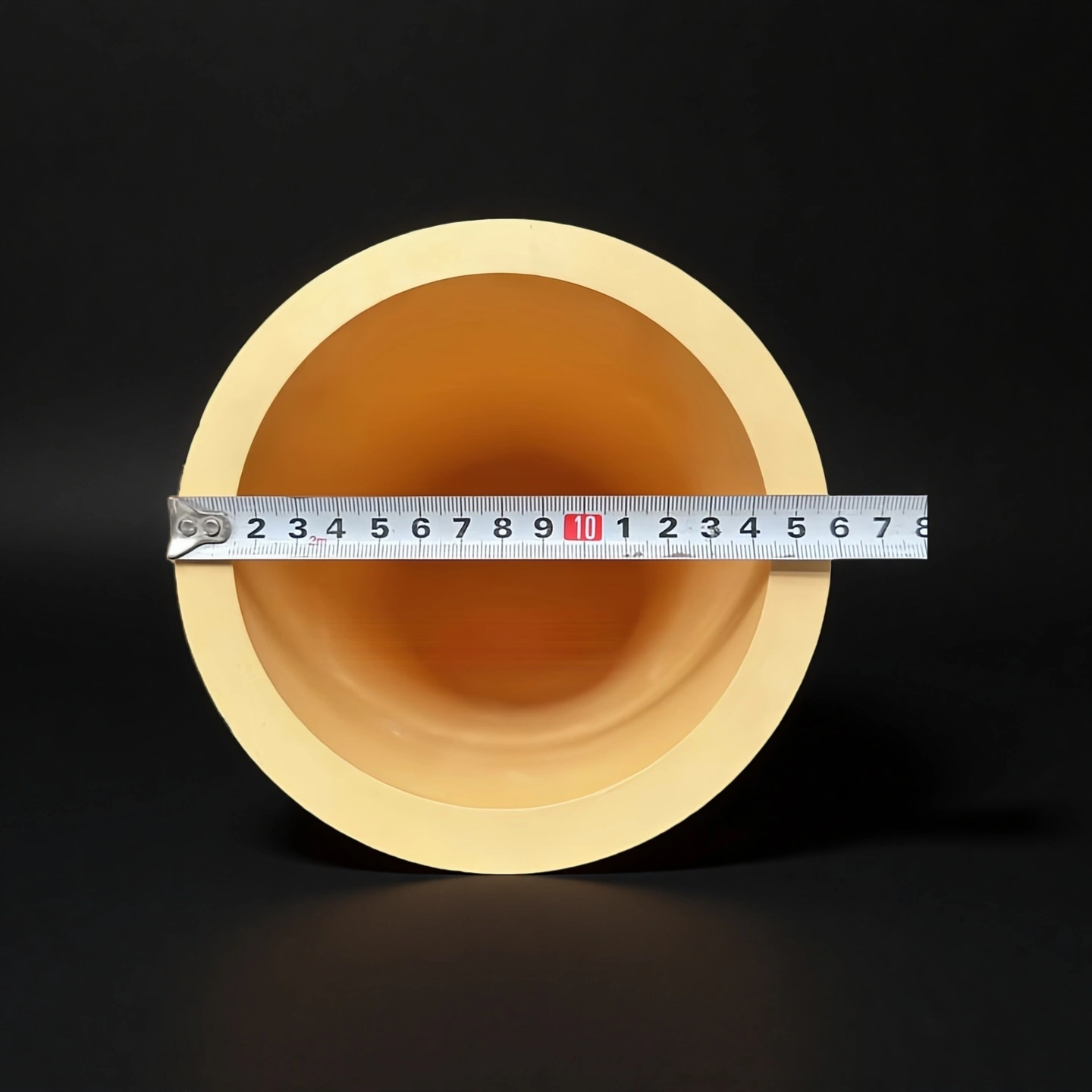
Customizable High-Strength Magnesia Stabilized Zirconia Crucible for Research Facilities
Magnesia Stabilized Zirconia Crucible delivers reliable performance in high-temperature metallurgy and material research. Its thermal resistance, chemical stability, and mechanical strength are supported by tested data, ensuring long service life and consistent results under extreme conditions.
ADCERAX® Magnesia Stabilized Zirconia Crucible is designed for industries that operate under extreme thermal and chemical conditions. It maintains structural integrity up to 2000 °C and provides reliable resistance against acids, alkalis, slags, and molten metals. With non-wetting behavior toward titanium, zirconium, and tungsten melts, it ensures clean results in metallurgy and alloy development. This combination of durability and performance makes Magnesia Stabilized Zirconia Crucible a trusted choice for research laboratories, energy projects, and high-temperature metal processing.
Features of Magnesia Stabilized Zirconia Crucible
Withstands continuous operation up to 2000 °C, enabling safe use in refractory metal melting. This ensures reliability in processes involving titanium, zirconium, and tungsten.
Provides resistance to thermal shock with tolerance up to 450 ΔT°C in water quenching. This reduces cracking risks during rapid heating and cooling.
Demonstrates compressive strength of 2500 MPa, allowing safe handling of heavy molten metal batches. This ensures consistent outcomes in production environments.
Features hardness of 1100 HV0.5, minimizing surface wear. This property extends crucible usability during repeated alloy development tests.
Weight loss under 60% nitric acid at 90 °C is only 0.1 mg/cm²/day. This guarantees protection against strong acids in laboratory use.
In 95% sulfuric acid at 95 °C, weight loss remains at 0.34 mg/cm²/day. This ensures stability in aggressive industrial chemical environments.
Shows 0.95 mg/cm²/day weight loss in 30% sodium hydroxide at 80 °C. This resistance supports long-term crucible use in alkaline conditions.
Technical Properties for Magnesia Stabilized Zirconia Crucible
The following section provides the core technical parameters of Magnesia Stabilized Zirconia Crucible, including material properties and performance data.
Property
Specification
Density
5.7 g/cm³
Flexural Strength
500 MPa
Compressive Strength
2500 MPa
Fracture Toughness
6–7 MPa·m½
Vickers Hardness
1100 HV0.5
Elastic Modulus
250 GPa
Thermal Conductivity
3 W/m·K
Thermal Expansion Coefficient
10 ×10⁻⁶/K
Volume Resistivity (20 °C)
>10¹⁴ Ω·cm
Dielectric Constant
28 εr
Dielectric Strength
13 ×10⁵ V/m
Acid Resistance (HNO₃, 60%, 90 °C)
0.1 mg/cm²/day weight loss
Alkali Resistance (NaOH, 30%, 80 °C)
0.95 mg/cm²/day weight loss
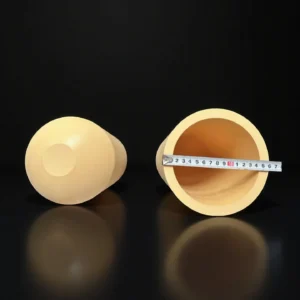
Dimensions of Magnesia Stabilized Zirconia Crucible
Mg-PSZ Crucible
Item No.
Diameter(mm)
Height (mm)
AT-MGO-GG1001
Customize
Packaging of Magnesia Stabilized Zirconia Crucible
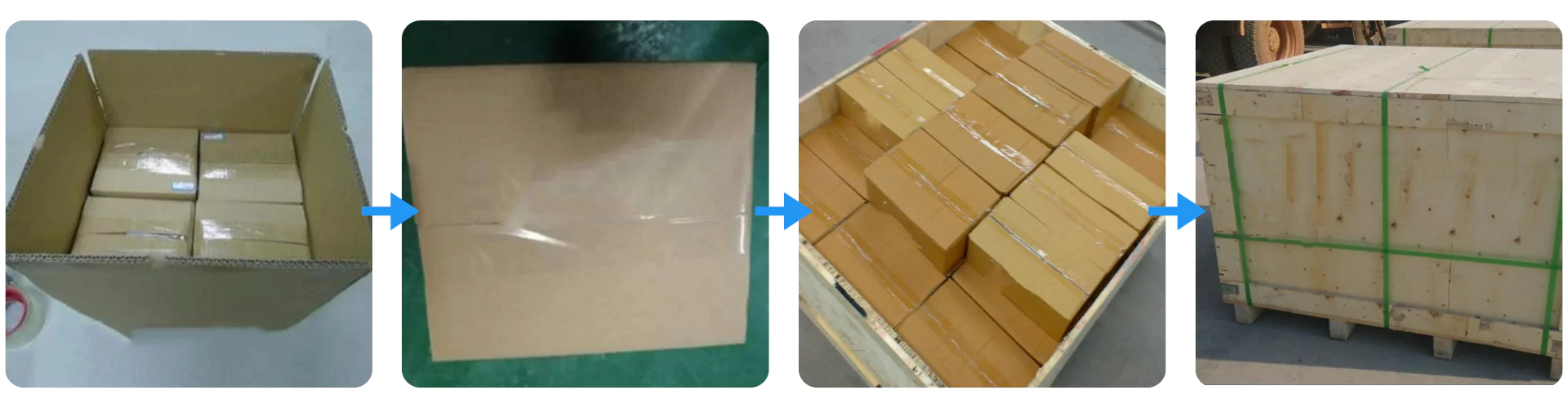
Each Magnesia Stabilized Zirconia Crucible is first packed in a protective cardboard box to prevent vibration damage. Multiple boxes of MSZ Crucible are reinforced with tape and placed into wooden cases for safe handling. The final export package of MSZ Ceramic Crucible is secured with steel straps, ensuring stability during international shipping.
Addressing Industry Challenges with ADCERAX® Magnesia Stabilized Zirconia Crucible
Magnesia Stabilized Zirconia Crucible is applied in critical industrial environments where ordinary ceramic crucibles fail. Its unique combination of high-temperature tolerance, non-wetting surfaces, and corrosion resistance directly responds to challenges faced in metallurgy, aerospace alloy development, and advanced energy material research.
Titanium and Zirconium Melting
✅Key Advantages
1. High-Temperature Integrity — Operates safely at 2000–2100 °C in continuous melts. ΔT 450 °C thermal-shock tolerance limits crack initiation during hot-cold cycles.
2. Toughened Mg-PSZ Strength — Fracture toughness 6–7 MPa·m½ resists crack growth under thermal stress. Flexural strength 500 MPa maintains vessel rigidity at peak heat.
3. Controlled Thermal Gradients — Low thermal conductivity 3 W/m·K moderates heat flow through the wall. CTE 10×10⁻⁶/K reduces thermal strain at the metal–ceramic interface.
✅ ️Problem Solved
A titanium melt line running near 1850 °C reported frequent crucible cracks during fast turnarounds and purity loss from metal wetting. After switching to ADCERAX® Magnesia Stabilized Zirconia Crucible rated 2100 °C and operating within the recommended ramps (<4 °C/min above 1200 °C), the campaign completed high-heat cycles without crack events. The ΔT 450 °C tolerance handled mandated thermal transitions between charges. Non-wetting behavior maintained clean pool surfaces, stabilizing melt quality across sequential runs. Overall process interruptions tied to crucible failure were removed from the shift reports.
Aerospace Alloy Sintering
✅Key Advantages
1. Dimensional Stability at Heat — CTE 10×10⁻⁶/K controls distortion through long soaks. Maximum service temperature 2100 °C supports high-enthalpy alloy programs.
2. Low Inclusion Risk — Hardness 1100 HV0.5 minimizes abrasion and particle shedding. Non-reactive surfaces limit alloy pickup during sintering holds.
3. Multi-Cycle Durability — Compressive strength 2500 MPa resists load-induced creep. Flexural strength 500 MPa sustains geometry through repeated thermal cycles.
✅ ️Problem Solved
An aerospace shop reported density spread and inclusion alerts when standard ceramics degraded during hot holds. With ADCERAX® Magnesia Stabilized Zirconia Crucible, sintering profiles up to ~2000 °C run under controlled ramps (<4 °C/min) proceeded without wall spallation. Mechanical robustness (500 MPa flexural, 2500 MPa compressive) preserved vessel geometry through back-to-back cycles. The stable CTE (10×10⁻⁶/K) kept parts within target form during cool-down. NCRs linked to crucible interaction were cleared over the evaluated batches.
Energy and Advanced Material Research
✅Key Advantages
1. Acid Corrosion Resistance — Mass loss only 0.1 mg/cm²/day in 60% HNO₃ at 90 °C. Supports repeat assays without vessel drift.
2. Alkali Corrosion Resistance — Mass loss 0.95 mg/cm²/day in 30% NaOH at 80 °C. Enables sustained alkaline processing under heat.
3. Cycle-Stable Toughness — 6–7 MPa·m½ toughness plus ΔT 450 °C shock tolerance extends re-use. Consistent behavior improves data reproducibility across runs.
✅ ️Problem Solved
A materials lab performing heated acid and alkali protocols saw rapid erosion and drifting baselines with generic ceramics. Using ADCERAX® Magnesia Stabilized Zirconia Crucible, measured mass loss aligned with the stated corrosion rates (0.1–0.95 mg/cm²/day under the specified media and temperatures). Repeated thermal steps within ΔT 450 °C tolerance maintained vessel integrity and tare mass. Result variance from container wear was removed from method uncertainty. The program sustained long sequences without unplanned crucible replacement.
User Guide for Magnesia Stabilized Zirconia Crucible
The Magnesia Stabilized Zirconia Crucible is designed for reliable use in high-temperature and chemically aggressive environments. To maximize service life and ensure consistent performance, customers should follow clear guidelines on preparation, heating, handling, and storage. These recommendations help reduce operational risks, avoid premature failure, and maintain product integrity during industrial or research applications.
Preparation Before First Use
1. Pre-baking required: Always heat the crucible at 105 °C for at least 120 minutes to remove residual moisture. This step prevents micro-cracking during the first high-temperature cycle.
2. Visual inspection: Check the surface for scratches or chips before use. Minor flaws may lead to premature failure during heating.
3. Gradual preheating: Begin with a controlled low-temperature ramp-up. This allows the Magnesia Stabilized Zirconia Crucible to adapt to the furnace environment smoothly.
Handling During Operation
1. Correct loading: Avoid filling the crucible too tightly. Overpacking leads to thermal expansion of metals and possible crucible rupture.
2. Metal removal: Prefer ladles or spoons when extracting molten material. Improper tools or force can shorten crucible lifespan.
3. Protective equipment: Operators should wear heat-resistant gloves, goggles, and protective clothing when handling hot crucibles.
Heating and Cooling Practices
1. Controlled temperature change: Keep heating/cooling rates below 5 °C/min under 1200 °C and below 4 °C/min above 1200 °C. Faster rates can cause cracks or spalling.
2. Safe distance from heating elements: Maintain at least 2 cm clearance from SiC rods, MoSi₂ rods, or heating wires. Direct exposure can damage crucible walls.
3. Stable support: Place the crucible on alumina or refractory plates rather than the furnace floor. This creates airflow, improving thermal balance.
Storage and Maintenance
1. Dry environment: Store the Magnesia Stabilized Zirconia Crucible in a well-ventilated and moisture-free location to prevent surface degradation.
2. Avoid impact: Do not stack crucibles directly or allow heavy objects to contact them. Mechanical stress can create hidden cracks.
3. Regular inspection: After each cycle, check for surface changes or erosion. Early detection ensures safe re-use and reduces the risk of failure.
FAQs about Magnesia Stabilized Zirconia Crucible
Q: What makes Magnesia Stabilized Zirconia Crucible suitable for melting titanium and zirconium?
A: Magnesia Stabilized Zirconia Crucible withstands continuous use at 2000–2100 °C, a range required for titanium and zirconium processing. Its non-wetting behavior prevents contamination of reactive metals. This ensures higher purity in melts and lowers scrap rates in production.
Q: How does Magnesia Stabilized Zirconia Crucible prevent cracking during thermal cycling?
A: The crucible provides a thermal shock resistance of 450 ΔT°C, enabling safe operation under rapid heating and cooling. Its fracture toughness of 6–7 MPa·m½ prevents crack propagation. As a result, users achieve longer service life and fewer production interruptions.
Q: How does Magnesia Stabilized Zirconia Crucible reduce contamination risks in alloy development?
A: The crucible surface is highly resistant to reactions with molten alloys. Its hardness of 1100 HV0.5 minimizes abrasion and particle shedding. This prevents inclusions and ensures clean sintering environments.
Q: What advantage does Magnesia Stabilized Zirconia Crucible offer in corrosive acid environments?
A: In 60% nitric acid at 90 °C, the crucible records only 0.1 mg/cm²/day weight loss. This means outstanding acid resistance during high-temperature experiments. Laboratories can rely on stable vessel conditions and reproducible results.
Q: What mechanical properties extend the service life of Magnesia Stabilized Zirconia Crucible?
A: With a flexural strength of 500 MPa and compressive strength of 2500 MPa, the crucible resists mechanical stresses. Its toughness helps it withstand heavy molten loads. This translates to durability over multiple operational cycles.
Client Experiences with ADCERAX® Magnesia Stabilized Zirconia Crucible
⭐️⭐️⭐️⭐️⭐️
“We switched to Magnesia Stabilized Zirconia Crucible after repeated failures with conventional ceramics in titanium melting. The crucibles maintained stability even at 2000 °C and solved our contamination issues completely. The performance consistency helped us reduce scrap rates and cut costs significantly.”
– Michael R., Materials Engineer — [Aerospace Alloy Systems GmbH]
⭐️⭐️⭐️⭐️⭐️
“Our lab relies on Magnesia Stabilized Zirconia Crucible for high-temperature alloy sintering experiments. These crucibles survived multiple cycles without cracks, where others would fail within days. The non-wetting surface ensured clean results and reproducible data across projects.”
– Dr. Y. Tanaka, Research Director — [Tokyo Advanced Metallurgy Institute]
⭐️⭐️⭐️⭐️⭐️
“We had constant downtime due to crucible erosion in alkaline melts until we adopted the Magnesia Stabilized Zirconia Crucible. The resistance to 30% NaOH at 80 °C was impressive, and the crucibles lasted far longer than expected. This reliability has improved productivity and reduced maintenance frequency.”
– Elena P., Process Manager — [European Energy Materials Lab]
⭐️⭐️⭐️⭐️⭐️
“The Magnesia Stabilized Zirconia Crucible from ADCERAX® exceeded our expectations in zirconium casting applications. Its fracture toughness of 6–7 MPa·m½ gave us the durability we needed during rapid thermal cycles. The switch eliminated costly production delays caused by cracking.”
– James W., Operations Lead — [North American Metallurgical Works]
ADCERAX® provides tailored solutions for Magnesia Stabilized Zirconia Crucible, addressing the precise needs of industries working under extreme thermal and chemical conditions. Our engineers support clients in creating crucibles that match specific operational requirements, ensuring both performance and consistency across different applications.
Custom Shapes and Geometries
We design crucibles to accommodate diverse configurations used in complex industrial processes.
Unique profiles — Designed to fit advanced metallurgical setups.
Special contours — Optimized for improved melt flow control.