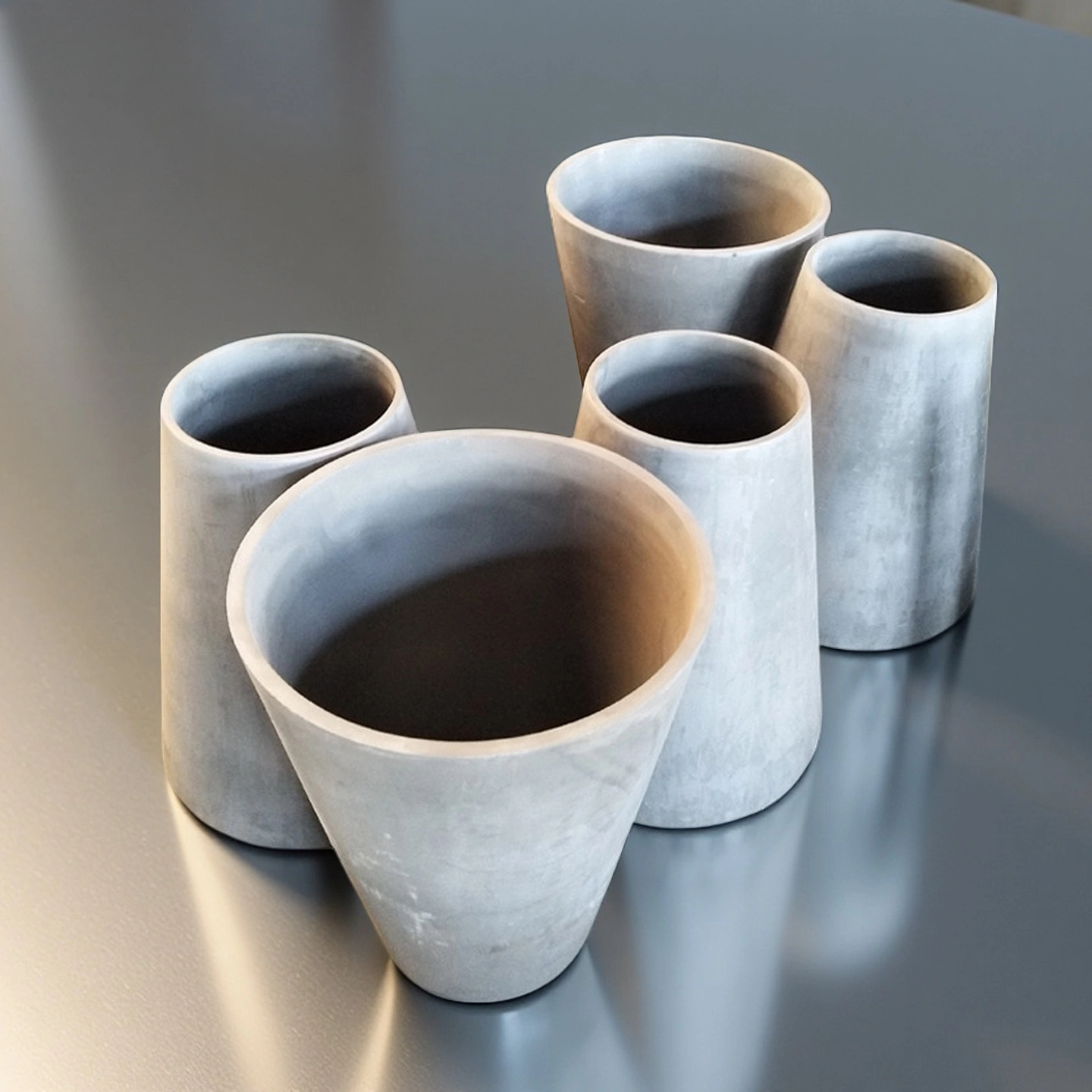
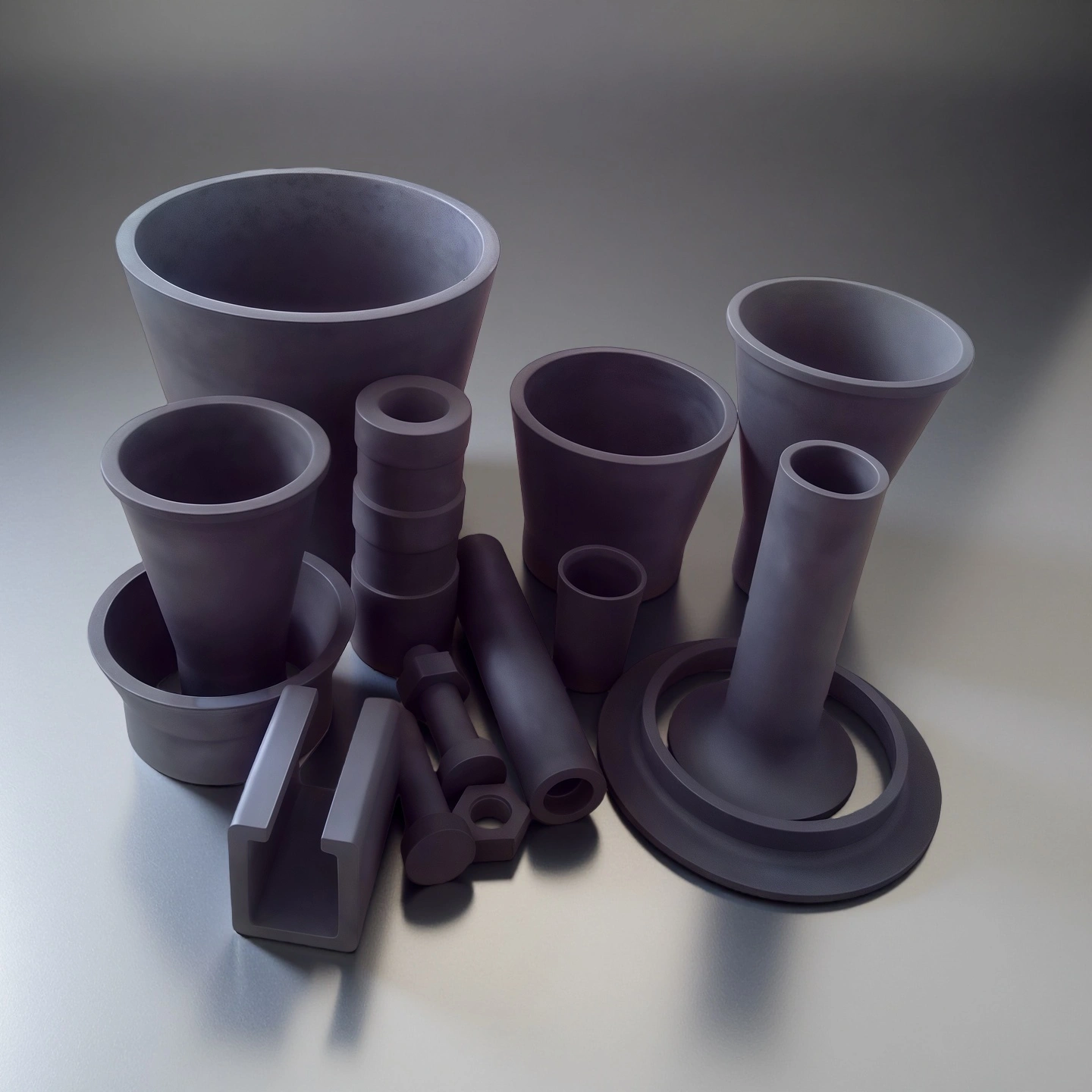
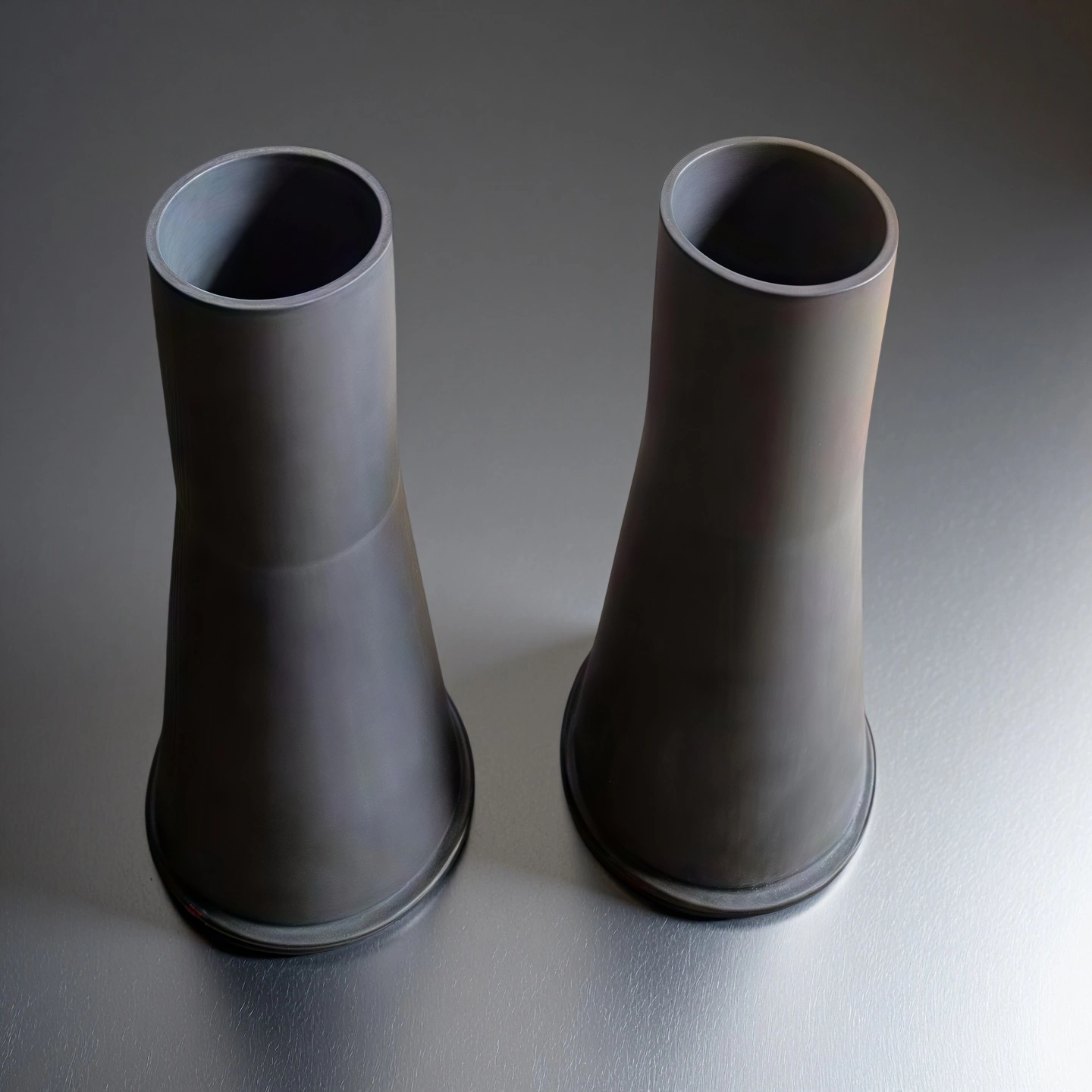
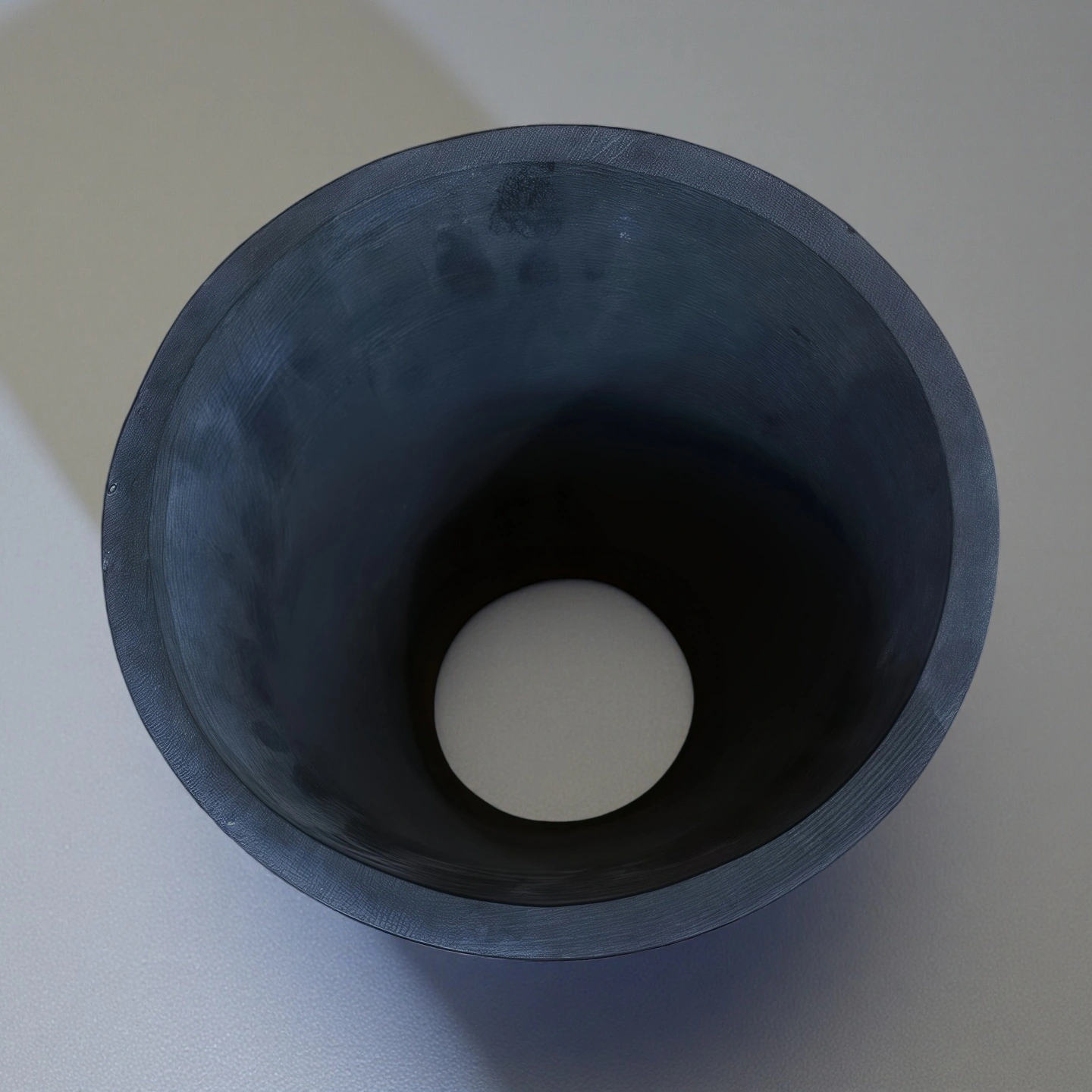
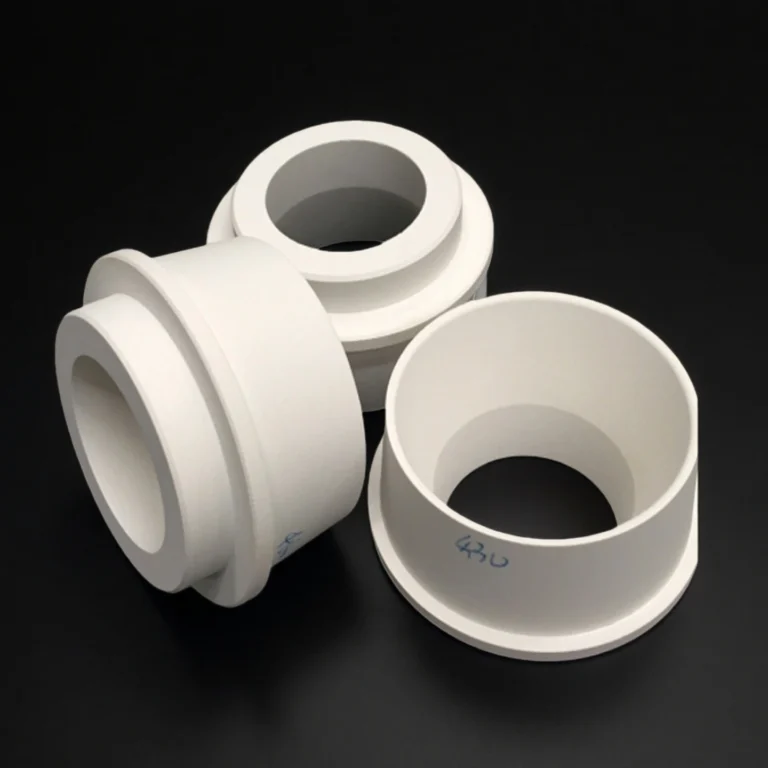
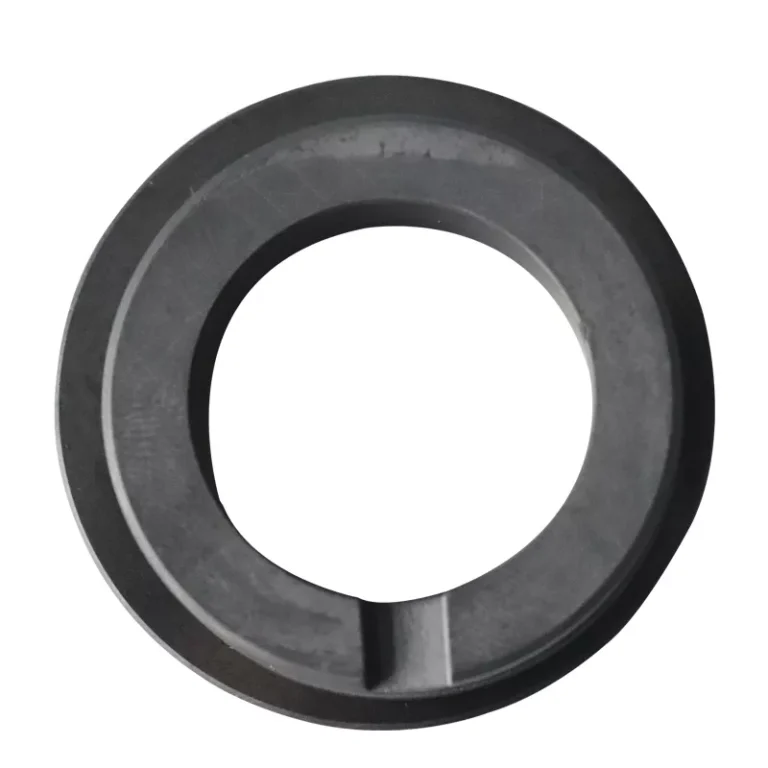
ADCERAX® Silicon Carbide Cyclone Cone Liner is engineered for continuous operation in abrasive and chemically demanding slurry separation systems where stable geometry and extended wear life are essential. Its silicon carbide material structure supports consistent performance under high-velocity particle flow, corrosive media, and thermal variation, allowing industrial plants to maintain predictable cyclone efficiency across mining, chemical processing, and drilling applications. These characteristics create a dependable solution for operators seeking reduced maintenance interruption and stable separation behavior throughout long production cycles.
High-Performance Material Characteristics of Silicon Carbide Cyclone Cone Liner
-
Uniform Density for Predictable Wear Behavior
The microstructure maintains homogeneous grain packing with porosity controlled below <3%, limiting localized erosion under continuous slurry impact.
-
High Hardness Enabling Resistance to Abrasive Slurry Streams
Material hardness typically exceeds HV 2200, supporting resistance to micro-cutting and surface scouring under velocities above 15–18 m/s.
-
Flexural Strength Preserving Conical Geometry
The material exhibits flexural strength in the range of 350–450 MPa, preventing wall deflection and maintaining internal cyclone geometry during pressure variations.
-
Crack Propagation Resistance Under Repetitive Impact
Fine-grained silicon carbide inhibits crack growth, allowing the liner to withstand repetitive particle strikes with impact energies above >5–8 J.
-
High-Temperature Endurance for Elevated Process Environments
Silicon carbide supports sustained exposure above 1600°C, allowing use in systems where slurry temperatures fluctuate significantly.
Technical Specifications of Silicon Carbide Cyclone Cone Liner
The Silicon Carbide Cyclone Cone Liner demonstrates stable structural behavior and consistent material performance under abrasive, corrosive, and high-temperature slurry conditions, making it suitable for laboratory verification and industrial process evaluation.
| Property |
Specification |
| Material Composition |
RBSiC or SSiC (>97–99% SiC phase) |
| Density |
3.05–3.15 g/cm³ (grade-dependent) |
| Porosity |
<3% closed porosity |
| Hardness |
>HV 2200 Vickers hardness |
| Flexural Strength |
350–450 MPa range |
| Compressive Strength |
>2000 MPa typical |
| Thermal Conductivity |
50–120 W/m·K depending on grade |
| Maximum Service Temperature |
Up to 1600°C in continuous operation |
| Chemical Stability Range |
pH 1–14 inert behavior |
| Erosion Resistance |
Wear rate reduction 3–10× vs. alumina |
| Thermal Expansion |
4.0–4.5 × 10⁻⁶ /K |
| Microstructure |
Sub-micron SiC grains with uniform distribution |
Dimensions of Silicon Carbide Cyclone Cone Liner
|
Silicon Carbide Cone Liner |
|
Item No. |
Diameter(mm) |
Height (mm) |
|
AT-SIC-ZT1001 |
Customize |
Packaging Method for Silicon Carbide Cyclone Cone Liner
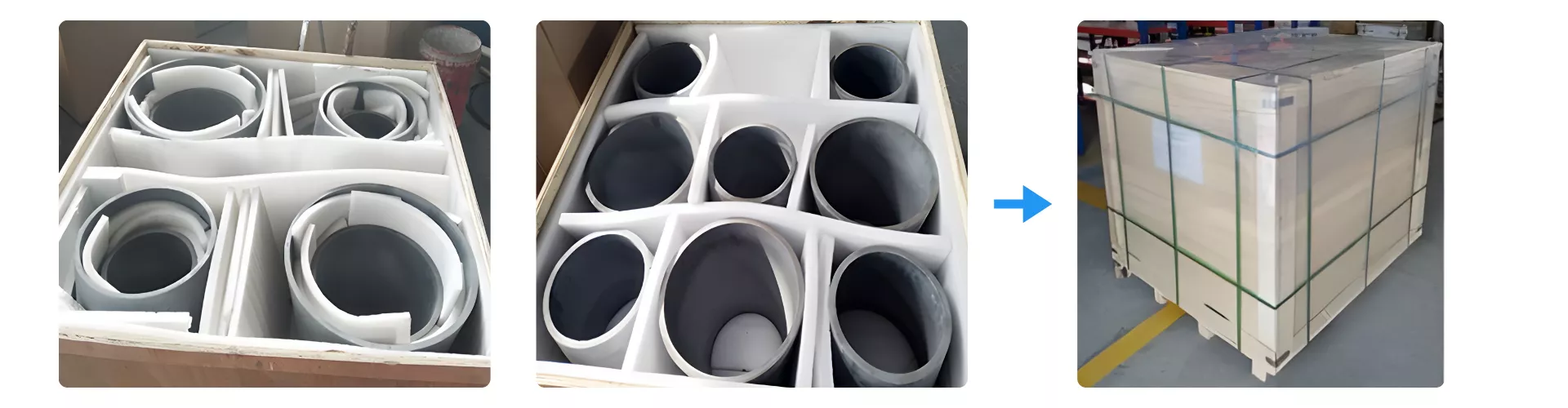
Silicon Carbide Cyclone Cone Liner is packed using reinforced foam partitions and custom-fitted compartments to prevent movement and impact during transportation. Each liner is individually supported within a rigid wooden crate to protect the conical geometry from abrasion or compression. The crate is then sealed, strapped, and palletized to ensure stability throughout long-distance international shipping.
ADCERAX® Silicon Carbide Cyclone Cone Liner Resolves Critical Processing Challenges Across High-Demand Industrial Environments
The ADCERAX® Silicon Carbide Cyclone Cone Liner is engineered to stabilize separation performance, extend equipment runtime, and prevent premature wear in industries where abrasive, high-velocity, or chemically aggressive slurries cause predictable equipment failure. Across mining, drilling mud processing, and corrosive chemical classification lines, the liner addresses the operational bottlenecks that directly impact productivity, maintenance cost, and system reliability.
-
Silicon Carbide Cyclone Cone Liner in High-Velocity Mineral Classification Circuits
✅Key Advantages
1. Geometry Retention Under High-Velocity Slurry
The liner maintains conical shape even when slurry velocities exceed 15–18 m/s, limiting internal profile change over extended campaigns. Cyclone cut-size variation can be held within 5% across operating periods where conventional liners show rapid drift.
2. Extended Wear Life in Hard-Ore Circuits
Field data from abrasive ore lines indicate that service life is typically 3–9× longer than alumina or polymer liners under equivalent loading. This directly supports fewer liner changeouts per year in gold, copper, and lithium circuits with high silica or iron content.
3. Stable Separation Performance Over Long Campaigns
By combining hardness above HV 2200 with a uniform microstructure, the Silicon Carbide Cyclone Cone Liner limits wall thinning that would otherwise degrade separation sharpness. Plants can sustain target recovery rates with cyclone efficiency loss kept below 2–4% across planned maintenance intervals.
✅ ️Problem Solved
In a high-throughput iron ore circuit, the plant previously relied on polymer and alumina cone liners that required replacement every few weeks in the most abrasive cyclone cluster. As the liners wore, internal geometry changed noticeably, and the misclassification rate increased, causing measurable loss of fine product in the underflow and forcing more frequent corrective shutdowns. After switching to ADCERAX® Silicon Carbide Cyclone Cone Liner, the campaign length increased by a factor of four to six, and the variation in cyclone cut size over the same period dropped to within a narrow band. The maintenance team reported a significant reduction in unplanned interventions, and the process engineer recorded more stable recovery curves because the conical profile remained consistent under sustained abrasive flow. This combination of longer wear life and stable geometry directly addressed the chronic instability that had affected circuit performance.
-
Silicon Carbide Cyclone Cone Liner for Corrosive Drilling Mud Desander/Desilter Systems
✅Key Advantages
1. Corrosion Resistance in High-Chloride Drilling Fluids
The liner maintains structural integrity in mud systems with chloride levels exceeding 100,000 ppm, where steel components show rapid mass loss. Silicon carbide exhibits negligible mass change, typically below 0.05%, after extended exposure to such fluids in laboratory tests.
2. Fatigue Resistance Under Pressure Pulsation
The Silicon Carbide Cyclone Cone Liner endures repeated pressure cycling in desander and desilter service without distortion of the conical section. Testing under simulated rig conditions has shown stable geometry after 10⁵–10⁶ pressure cycles, while polymer liners in the same duty often exhibit visible deformation.
3. Longer Replacement Intervals in Harsh Mud Systems
In high-salinity and acid-treated mud circuits, operating records show liners lasting 5–10× longer than metal units subjected to the same environment. This allows operators to move from weekly or biweekly liner interventions to multi-month inspection intervals in many rigs.
✅ ️Problem Solved
An offshore drilling operation running high-chloride, solids-rich mud observed rapid degradation of metal cyclone cones in its desander system, with pitting and wall thinning appearing within a short time. This degradation altered the internal flow field and reduced solids removal efficiency, forcing frequent maintenance windows and creating inconsistency in mud properties. After implementing ADCERAX® Silicon Carbide Cyclone Cone Liner in the critical desander positions, inspection reports showed no measurable corrosion damage over several months of continuous duty, and the cone profile remained visually unchanged. The replacement frequency dropped from multiple changes per month to one scheduled change per campaign, and solids removal efficiency remained within a tight performance band. As a result, the drilling team gained a more stable mud system with less downtime attributed to cyclone liner failure.
-
Silicon Carbide Cyclone Cone Liner in Aggressive Chemical Slurry Classification Processes
✅Key Advantages
1. Dual Resistance to Abrasion and Corrosion
The Silicon Carbide Cyclone Cone Liner operates reliably in slurries with solid concentrations of 20–55% while maintaining inert behavior across pH 1–14. This combination allows it to withstand both abrasive particle impact and chemical attack that rapidly damage metallic or alumina liners.
2. Reduced Surface Damage and Groove Formation
The fine, uniform microstructure limits development of erosion grooves that disrupt cyclone flow. Microscopic inspections after extended service often show only shallow wear features, with surface damage depth reduced by 50–70% compared to traditional materials in similar chemical duties.
3. Improved Process Stability for High-Purity Streams
By maintaining a smooth and chemically stable internal surface, the liner helps keep particle-size distribution within targeted limits and supports consistent product quality. Plants have reported reductions in separation variability on the order of 20–30%, directly benefiting high-purity pigment, catalyst, and slurry processes.
✅ ️Problem Solved
A chemical producer using hydrocyclones for titanium dioxide slurry classification experienced frequent liner changes due to simultaneous abrasion and corrosion in its acid-containing process stream. Metallic and alumina cones developed surface pits and grooves that altered internal flow, leading to shifts in particle-size distribution and occasional off-spec batches that required rework. After installing ADCERAX® Silicon Carbide Cyclone Cone Liner in the most critical classification stage, periodic inspections revealed only minor, uniform wear with no deep groove formation over the same operating interval. Process data showed tighter control of cut size and fewer deviations from target particle-size bands, while liner changeouts were consolidated into scheduled shutdowns instead of reactive interventions. This improvement in liner stability directly reduced variability in the classification step and helped the plant maintain consistent high-purity output.
ADCERAX® Silicon Carbide Cyclone Cone Liner User Guide for Safe Handling and Long-Term Operational Stability
The Silicon Carbide Cyclone Cone Liner requires correct handling, installation, inspection, and storage practices to maintain stable cyclone performance and extend operational longevity, especially in abrasive or chemically demanding environments.
-
Guidelines for Safe Handling Before Installation
1. Proper lifting methods are essential, as uncontrolled impact may introduce microcracks that affect long-term wear behavior. The liner should always be supported from the outer surface rather than the edge to avoid point stress. Handling teams must ensure clean, non-slip contact surfaces to reduce accidental drops during movement.
2. Avoid hard-surface contact during unpacking, since silicon carbide’s high hardness can cause localized chipping when struck against rigid materials. Protective foam should remain in place until the liner is positioned near its installation location. Staff should visually confirm that all edges and surfaces remain intact after unpacking.
3. Use controlled environmental conditions for staging, keeping the liner away from areas with high humidity or corrosive vapors. This prevents moisture absorption by auxiliary components and maintains stable physical condition before installation. Personnel should always keep the liner elevated from the ground using clean, non-abrasive supports.
-
Installation Practices for Stable Cyclone Performance
1. Ensure precise seating within the cyclone housing, as misalignment may create uneven flow channels affecting separation efficiency. The mating surfaces must be cleaned thoroughly to eliminate debris that could compromise contact stability. Installation personnel should verify correct rotational orientation to maintain the system’s internal flow path.
2. Check structural contact regions carefully, ensuring no foreign particles remain between the liner and mounting surface. Even small particulates may generate point-load stress that reduces long-term durability. A light visual inspection combined with gentle manual confirmation ensures uniform pressure around the conical interface.
3. Perform controlled tightening on all fastening components, maintaining even compression across the support structure. Excessive localized force may distort the assembly and change the internal geometry. Installers should follow a cross-pattern sequence to secure the liner uniformly.
-
Operational Monitoring and Maintenance Recommendations
1. Schedule routine inspections during operation, focusing on areas exposed to the highest slurry velocity. Subtle changes in surface texture can indicate early-stage wear trends that should be logged. Operators should use consistent evaluation intervals to track progression accurately.
2. Monitor cyclone performance indicators, such as pressure stability, underflow stream quality, and separation sharpness. Variations may suggest liner wear that affects internal flow characteristics. Recording these operational metrics allows early detection of performance drift.
3. Maintain a clean slurry feed system, as unexpected inclusions or oversized particles can accelerate abrasive damage. Proper upstream screening significantly reduces irregular impact loads. Operators should verify that feed conditions remain within established process expectations.
-
Storage and Long-Term Preservation Requirements
1. Store the liner in a dry, ventilated environment, preventing moisture accumulation that may affect adjacent packing or auxiliary materials. The storage area should be free from corrosive gases or abrasive dust. Shelving must support the liner evenly across its base.
2. Maintain protective padding during storage, using soft, inert materials to isolate the liner from hard contact points. Stacking should be avoided unless reinforced separators are used to distribute weight evenly. Regular storage inspections ensure all components remain in stable condition.
3. Label and track all stored liners clearly, maintaining traceability for batch evaluation and lifecycle planning. Proper documentation assists maintenance teams in coordinating replacements during scheduled outages. This practice supports consistent supply-chain readiness for large-scale operations.