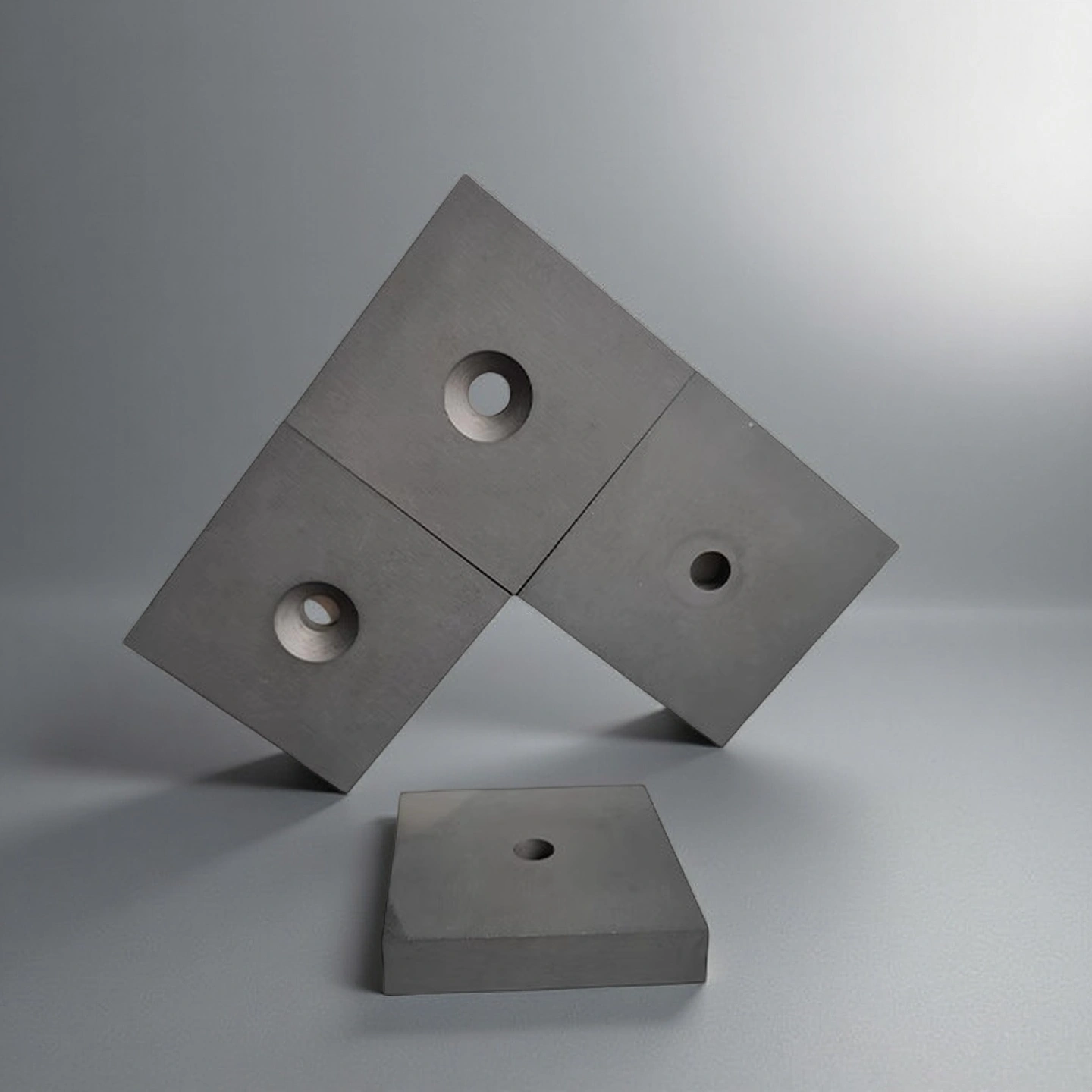
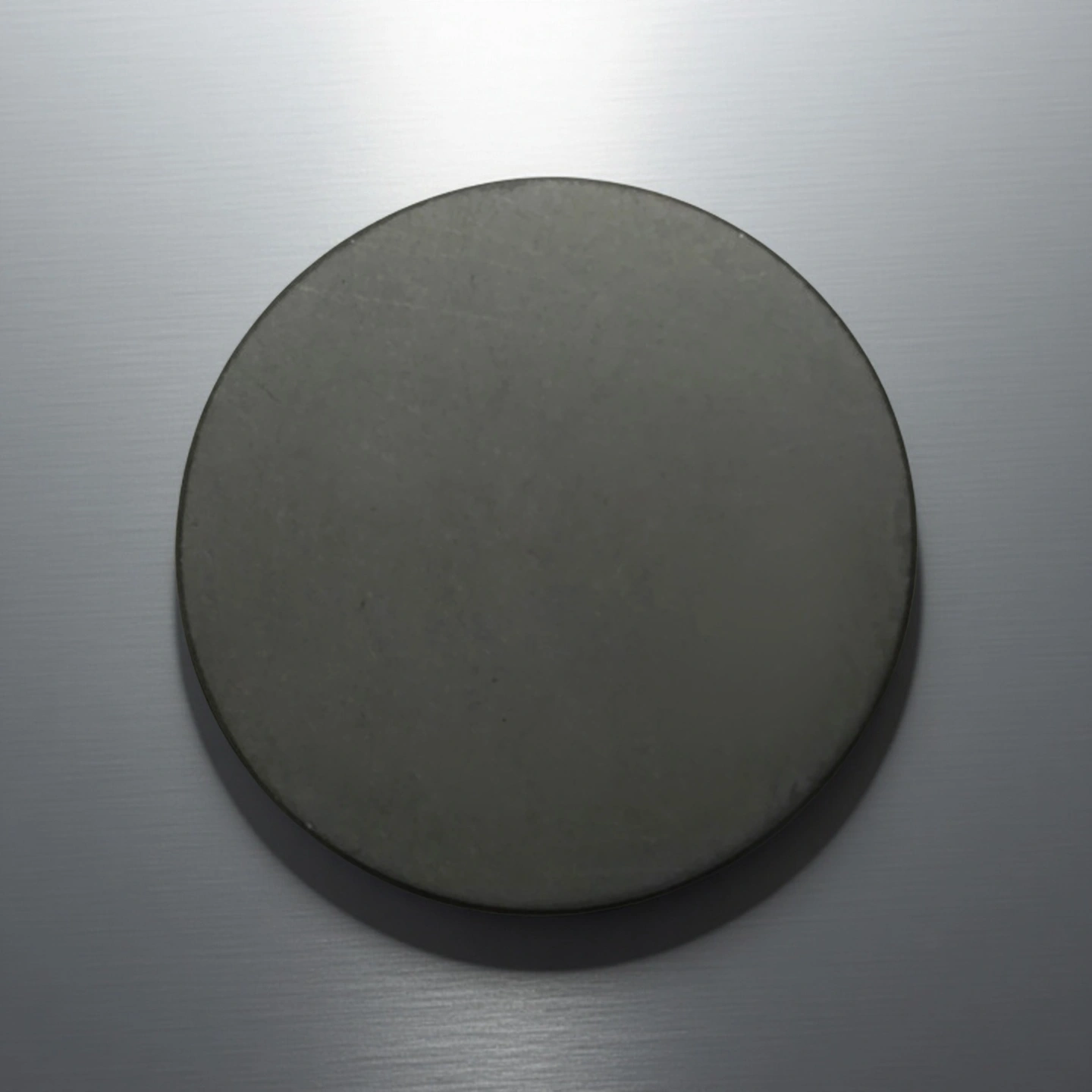
What Are Silicon Carbide Plates?
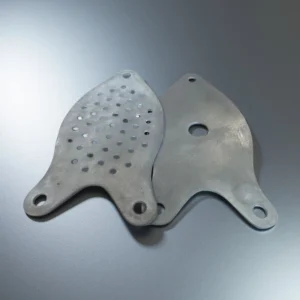
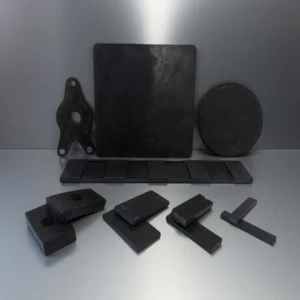
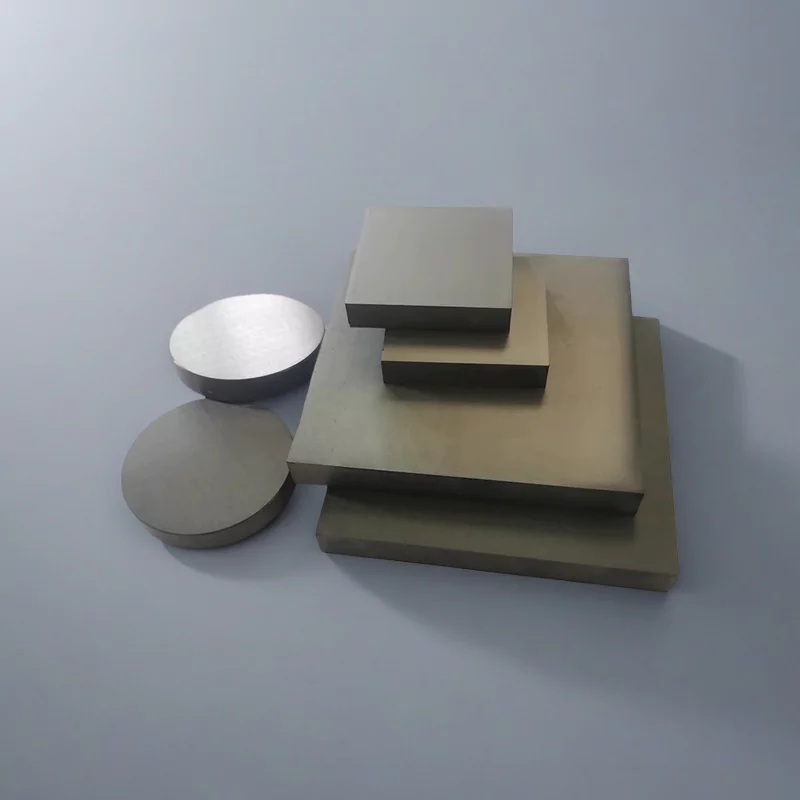
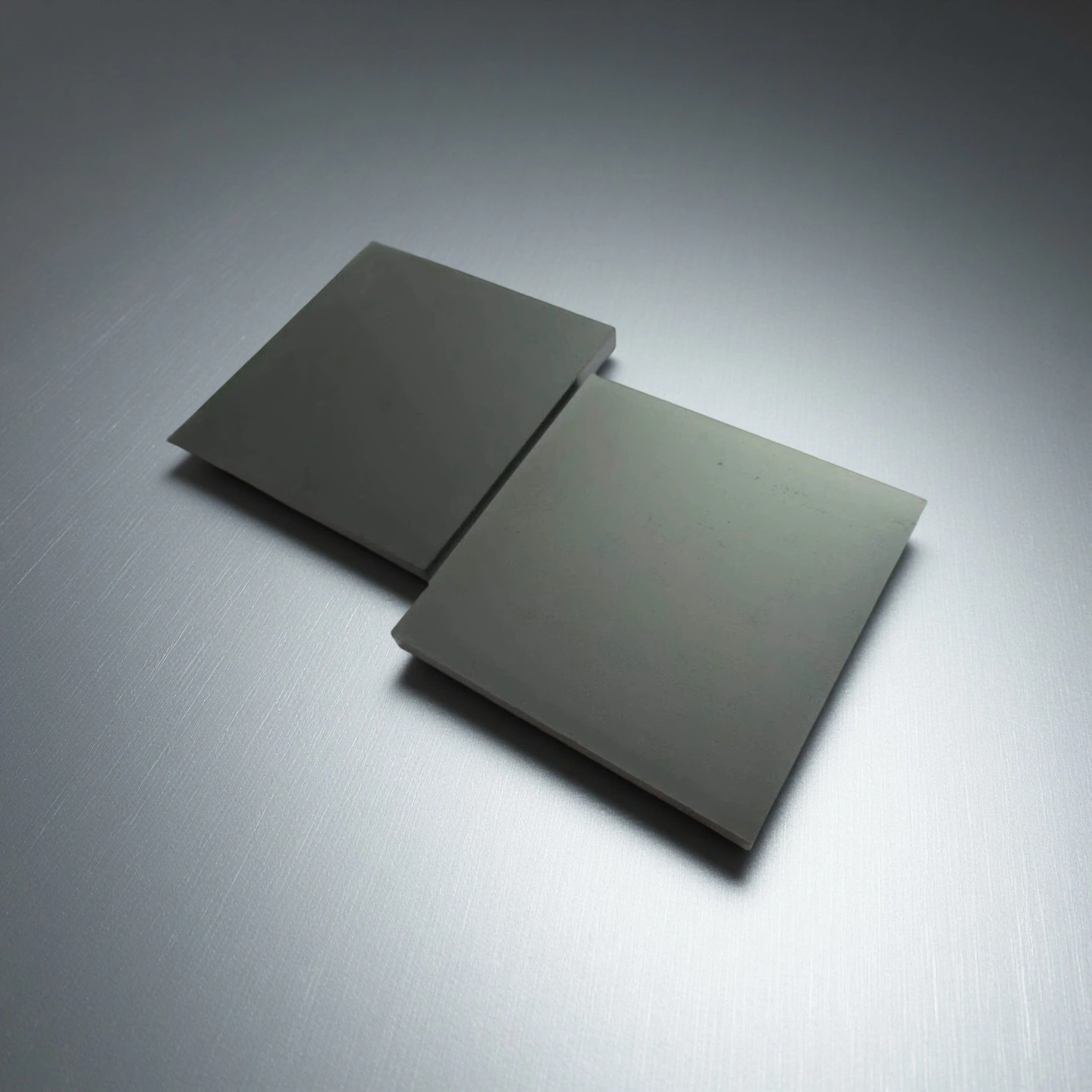
Silicon carbide plates are flat SiC ceramic components used as setter plates, kiln shelves, furnace support plates, wear liners and high-temperature fixtures. They combine high thermal conductivity, thermal shock resistance, hardness and chemical stability, making them suitable for sintering, heat treatment, abrasive service and demanding furnace environments.
Compared with alumina, mullite or cordierite plates, SiC plates are often selected when the application requires better hot strength, faster heat transfer, improved resistance to deformation or a thinner support structure. The final material choice should be confirmed according to temperature, load, atmosphere, contact material and plate geometry.
Why Choose SiC Plates for High-Temperature Fixtures?
- Silicon carbide plates are selected for high-temperature fixtures because they provide strong structural support under thermal and mechanical stress. In sintering, heat treatment and furnace loading applications, SiC plates can help support ceramic parts, powder metallurgy parts and industrial components where ordinary ceramic plates may deform, crack or lose stability.
- Their thermal shock resistance makes them suitable for repeated heating and cooling cycles. This is especially important when the plate is exposed to temperature gradients, uneven loading or rapid furnace temperature changes. Compared with lower-conductivity ceramic materials, SiC can better withstand thermal stress when the plate design and support method are properly selected.
- Another important advantage is high thermal conductivity. Faster heat transfer helps reduce local hot spots and supports more uniform thermal exposure during firing or sintering. This makes silicon carbide plates useful as setter plates, kiln shelves and furnace support plates where heat distribution directly affects process stability.
- SiC plates also provide strong wear and corrosion resistance. They can be used in abrasive or chemically demanding environments where metal plates, refractory plates or lower-grade ceramics may wear too quickly. For applications involving powders, sliding contact or corrosive vapors, the SiC grade should be selected according to the actual atmosphere and contact material.
- ADCERAX can review different material options, including RBSiC / SiSiC, NBSiC and SSiC. These options allow engineers to choose a suitable plate type based on working temperature, load, porosity, atmosphere, chemical exposure and cost target.
- For custom projects, plate size, thickness, hole pattern, slot design, chamfer, edge profile, surface finish and inspection points can be reviewed before production. This helps match the silicon carbide plate to the furnace layout, loading method and application requirements.
Key Parameters for Selecting Silicon Carbide Plates
| Parameter | Typical Options or Values | Why It Matters |
|---|---|---|
| Material Type | RBSiC / SiSiC, NBSiC, SSiC | The material type affects temperature capability, strength, porosity, corrosion behavior and cost. |
| SiC Content | RBSiC / SiSiC: about 85%; NBSiC: about 80%; SSiC: about 99% | Higher SiC content generally supports better hardness, chemical stability and high-temperature performance. |
| Density | RBSiC / SiSiC: about 3.02 g/cm³; NBSiC: about 2.72 g/cm³; SSiC: about 3.10–3.15 g/cm³ | Density affects mechanical strength, thermal mass and suitability for support fixtures. |
| Maximum Service Temperature | RBSiC / SiSiC: up to about 1380°C; NBSiC: about 1550°C; SSiC: up to about 1600°C | Temperature rating helps determine whether the plate is suitable for sintering, kiln furniture or furnace support. |
| Bending Strength | RBSiC / SiSiC: about 250 MPa at room temperature; NBSiC: about 160 MPa; SSiC: about 380 MPa | Bending strength is important when the plate supports load across a span. |
| Thermal Conductivity | RBSiC / SiSiC: about 45 W/m·K at 1200°C; NBSiC: about 15 W/m·K; SSiC: about 74 W/m·K | Higher thermal conductivity supports faster heat transfer and more even temperature distribution. |
| Porosity | RBSiC / SiSiC and SSiC: below 0.1%; NBSiC: about 12% | Porosity affects oxidation behavior, infiltration risk, cleaning and contact with powders or reaction products. |
| Plate Geometry | Square, rectangular, round or drawing-based shapes | Geometry affects loading method, furnace layout, contact area and stress distribution. |
Specifications of Silicon Carbide Plates
Type 1-Square SiC Plate
| Item | Length(mm) | Width(mm) | Thickness(mm) |
| AT-SIC-P1001 | 5 | 5 | 1 |
| AT-SIC-P1002 | 5 | 5 | 3 |
| AT-SIC-P1003 | 5 | 5 | 5 |
| AT-SIC-P1004 | 10 | 10 | 4 |
| AT-SIC-P1005 | 10 | 10 | 10 |
| AT-SIC-P1006 | 20 | 20 | 3 |
| AT-SIC-P1007 | 25 | 50 | 2 |
| AT-SIC-P1008 | 25 | 50 | 10 |
| AT-SIC-P1009 | 25 | 50 | 5 |
| AT-SIC-P1010 | 25 | 50 | 6 |
| AT-SIC-P1011 | 25 | 50 | 8 |
| AT-SIC-P1012 | 30 | 30 | 10 |
| AT-SIC-P1013 | 40 | 40 | 1 |
| AT-SIC-P1014 | 40 | 40 | 5 |
| AT-SIC-P1015 | 50 | 50 | 1 |
| AT-SIC-P1016 | 50 | 50 | 2 |
| AT-SIC-P1017 | 50 | 50 | 3 |
| AT-SIC-P1018 | 50 | 50 | 4 |
| AT-SIC-P1019 | 50 | 50 | 5 |
| AT-SIC-P1020 | 50 | 50 | 6 |
| AT-SIC-P1021 | 50 | 50 | 8 |
| AT-SIC-P1022 | 50 | 50 | 10 |
| AT-SIC-P1023 | 100 | 100 | 3 |
| AT-SIC-P1024 | 100 | 100 | 4 |
| AT-SIC-P1025 | 100 | 100 | 5 |
| AT-SIC-P1026 | 100 | 100 | 7 |
| AT-SIC-P1027 | 100 | 100 | 10 |
| AT-SIC-P1028 | 100 | 100 | 11 |
| AT-SIC-P1029 | 100 | 100 | 15 |
| AT-SIC-P1030 | 100 | 100 | 20 |
| AT-SIC-P1031 | 150 | 150 | 5 |
| AT-SIC-P1032 | 150 | 150 | 6 |
| AT-SIC-P1033 | 150 | 150 | 8 |
| AT-SIC-P1034 | 150 | 150 | 10 |
Type 2-Round SiC Plate
| Item | Diameter(mm) | Thickness(mm) |
| AT-SIC-P1035 | 10 | 2 |
| AT-SIC-P1036 | 12 | 4 |
| AT-SIC-P1037 | 15 | 3 |
| AT-SIC-P1038 | 20 | 4.3 |
| AT-SIC-P1039 | 30 | 2 |
| AT-SIC-P1040 | 30 | 4 |
| AT-SIC-P1041 | 30 | 6 |
| AT-SIC-P1042 | 50 | 4 |
| AT-SIC-P1043 | 50 | 6 |
| AT-SIC-P1044 | 50 | 8 |
| AT-SIC-P1045 | 100 | 5 |
| AT-SIC-P1046 | 100 | 10 |
RBSiC, NBSiC and SSiC Plate Options
ADCERAX can review silicon carbide plate requirements based on the application environment and required material route. RBSiC / SiSiC plates are commonly considered for cost-effective high-temperature fixtures and wear-resistant parts. NBSiC plates are often used in kiln furniture and furnace support applications where thermal shock resistance and hot strength are important. SSiC plates are preferred when higher density, higher hardness, lower porosity and stronger chemical resistance are required.
The best choice depends on furnace temperature, atmosphere, load, span, contact material, cleaning method and whether the plate is used as a setter, shelf, liner, support fixture or precision ceramic component.
Silicon Carbide Plates Packing
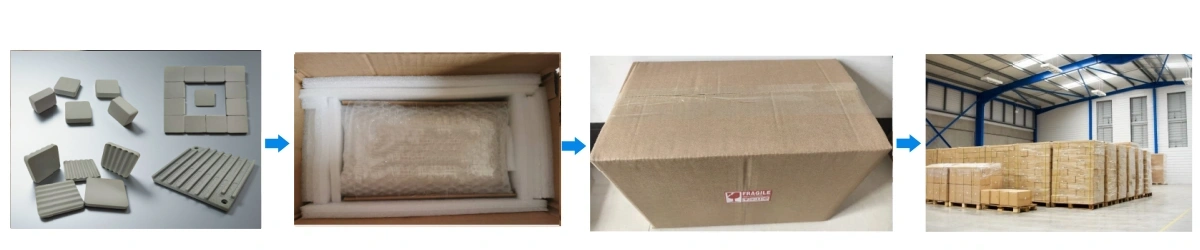
Silicon carbide plates are packaged according to size, thickness, edge condition and surface finish requirements to reduce the risk of edge chipping or transit damage. Custom packaging can be reviewed for large, thin or precision-machined SiC plates.