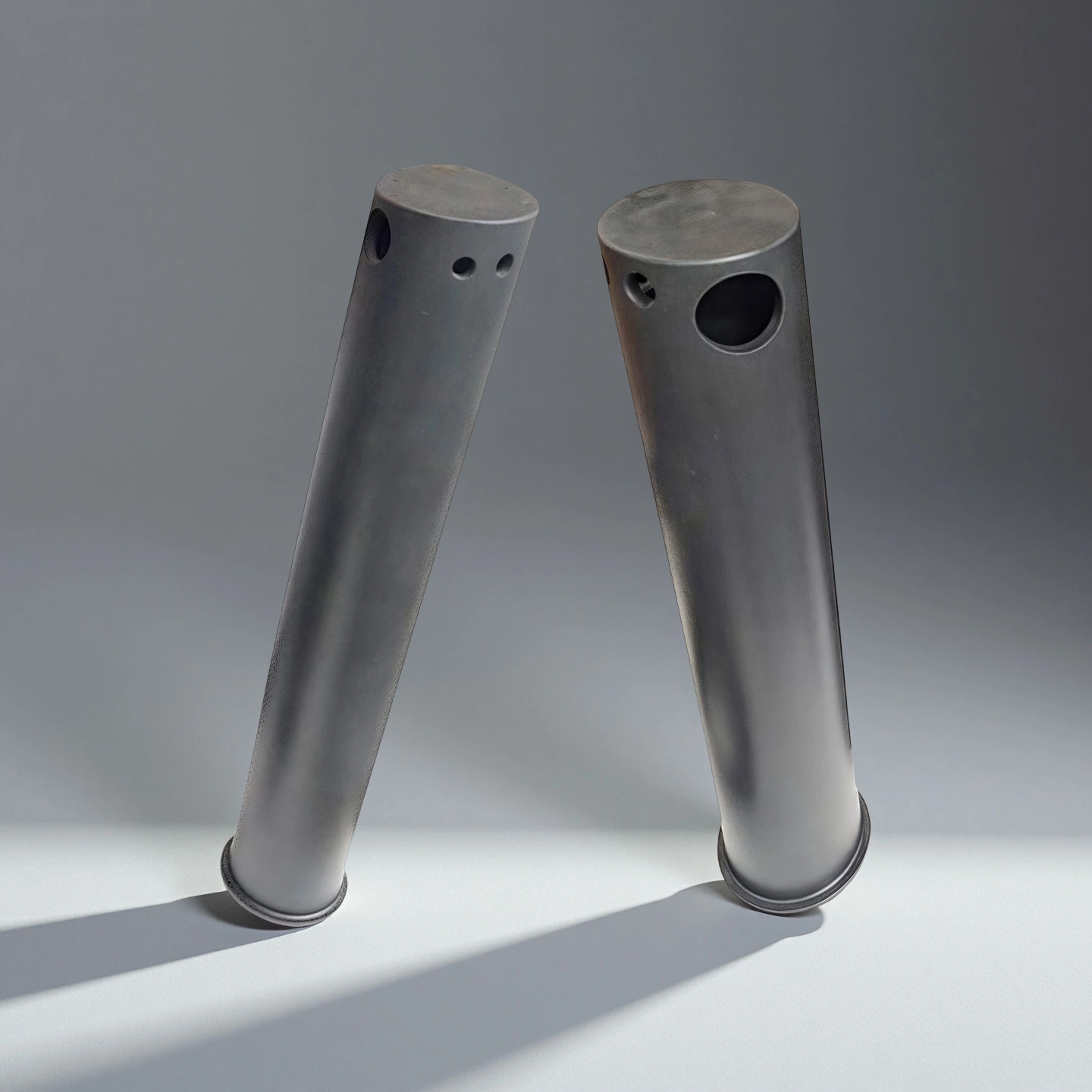
Custom Silicon Carbide Burner Nozzle for Kilns and Industrial Furnaces

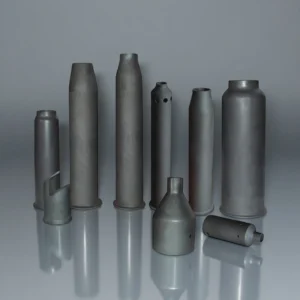
ADCERAX supplies SiSiC/RBSiC silicon carbide burner nozzles for high-temperature kiln and furnace combustion systems. Each nozzle can be reviewed according to burner interface, outlet geometry, fuel-air condition, furnace atmosphere and installation drawings.

The component is used to support flame stability, heat-transfer consistency and dimensional integrity in roller kilns, tunnel kilns, shuttle kilns, heat-treatment furnaces and other industrial thermal systems.

Catalogue No. AT-THG-P1001
Material SiSiC / RBSiC
Max Service Temperature Reviewed by material grade
Thermal Conductivity 120–160 W/m·K, depending on material grade
Thermal Shock Resistance Withstands 800–1000°C rapid cooling cycles
Engineering RFQ Review
Small-Batch Custom Support
Factory-Direct Manufacturing
Drawing & Process Review

What Is a Silicon Carbide Burner Nozzle?

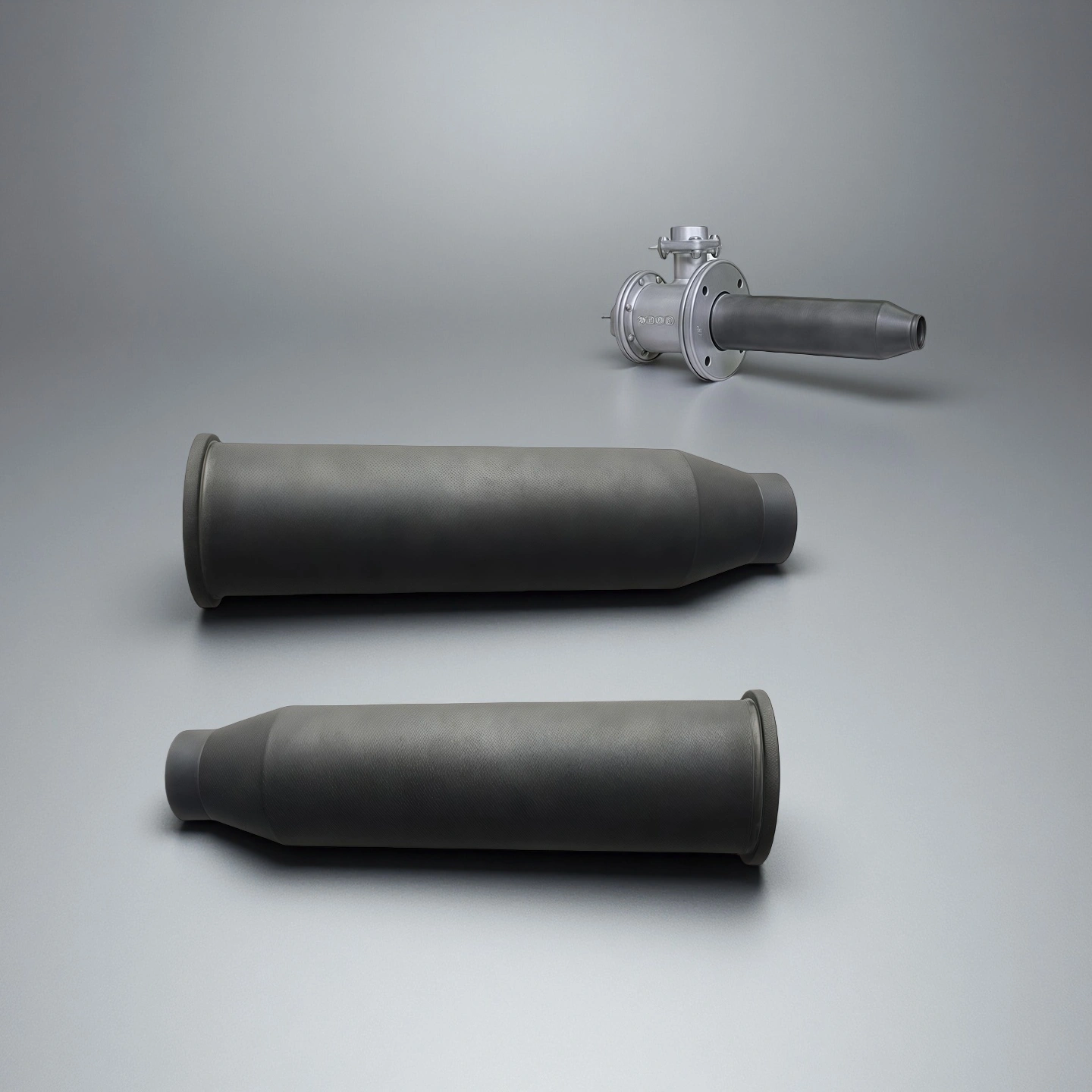
A silicon carbide burner nozzle is a ceramic combustion component installed at the burner outlet of an industrial kiln or furnace. It helps guide the fuel-air flame into the heating chamber while resisting high temperature, oxidation, thermal shock and abrasive furnace atmospheres.

Compared with conventional refractory or metal burner parts, SiSiC/RBSiC silicon carbide offers higher thermal stability, better dimensional retention and stronger resistance to erosion in demanding firing environments. ADCERAX supplies drawing-based SiC burner nozzles for replacement, retrofit and new equipment integration.

Engineering Advantages of SiC Burner Nozzles in Combustion Systems

  • High-Temperature Dimensional Stability

    SiSiC/RBSiC silicon carbide helps the burner nozzle maintain its outlet geometry in high-temperature firing zones. This is important because throat deformation can change flame direction, reduce heating uniformity and increase the need for burner adjustment.

  • Thermal Shock Resistance During Heating Cycles

    Kilns and furnaces often experience start-up, cooling and load-change cycles. A silicon carbide burner nozzle provides better thermal shock resistance than many conventional refractory materials, helping reduce cracking risk caused by steep temperature gradients.

  • Erosion and Oxidation Resistance

    Combustion gas, dust, scale and aggressive furnace atmospheres can gradually damage burner outlet parts. Dense SiC ceramic helps resist surface erosion and oxidation, supporting more stable flame behavior over repeated operating cycles.

  • Drawing-Based Interface Matching

    The nozzle geometry can be matched to the burner housing, furnace wall opening, outlet direction and installation method. This helps equipment builders and maintenance teams replace existing burner nozzles without unnecessary redesign.

Technical Parameters for Silicon Carbide Burner Nozzle Selection

The technical parameters below help buyers review whether a SiSiC/RBSiC silicon carbide burner nozzle is suitable for a specific kiln, furnace or combustion system. Final selection should consider burner interface, furnace atmosphere, heating cycle, fuel-air condition and installation geometry.

Parameter Recommended Page Content Why It Matters
Material System SiSiC / RBSiC silicon carbide ceramic This confirms that the nozzle is designed for high-temperature burner outlets, kiln combustion zones and industrial furnace environments rather than general ceramic use.
SiC Content > 90% Higher silicon carbide content supports better thermal stability, oxidation resistance and wear resistance in demanding combustion conditions.
Bulk Density 2.95–3.05 g/cm³ Higher density helps improve mechanical strength, erosion resistance and dimensional stability during repeated heating cycles.
Open Porosity < 1% Low porosity helps reduce gas penetration, oxidation attack and surface degradation in hot combustion atmospheres.
Application Environment Burner outlet zones in kilns, furnaces and thermal processing systems This helps buyers confirm that the product is intended for flame guidance, heat distribution and burner interface protection, not spray or fluid nozzle applications.
Operating Temperature Application-dependent; typical reference range is 1350–1600°C Temperature capability must be reviewed according to material grade, furnace atmosphere, heating cycle and burner design to avoid unsafe fixed-use assumptions.
Thermal Shock Resistance Suitable for repeated heating and cooling cycles; final performance depends on furnace conditions Thermal shock resistance is important because burner nozzles often face rapid start-up, cooling, flame fluctuation and temperature gradient stress.
Thermal Conductivity 120–160 W/m·K High thermal conductivity helps transfer heat more evenly through the nozzle body and reduces localized thermal stress around the burner outlet.
Flexural Strength > 100 MPa at room temperature Flexural strength helps the nozzle resist bending stress, handling load and installation stress during assembly or replacement.
Compressive Strength > 900 MPa High compressive strength helps the nozzle maintain structural integrity when mounted into burner housings or furnace wall interfaces.
Oxidation Resistance Stable in high-temperature oxidizing environments, depending on atmosphere and duty cycle Oxidation resistance helps maintain outlet geometry and surface condition during long firing cycles in kiln and furnace combustion systems.
Chemical Resistance Acid, alkali and chloride-tolerant under suitable conditions Chemical resistance is useful when combustion gases, process vapors, dust or furnace atmospheres may attack conventional refractory or metal burner parts.
Creep and Dimensional Stability Low deformation under high-temperature soaking conditions Dimensional stability helps maintain the nozzle throat, flame direction and burner alignment during prolonged high-temperature operation.
Hardness / Erosion Resistance Approx. 22–25 GPa High hardness helps resist abrasion from dust, scale, particles and high-velocity combustion gas passing through or around the nozzle.

Standard Size Reference and Custom Burner Nozzle Options

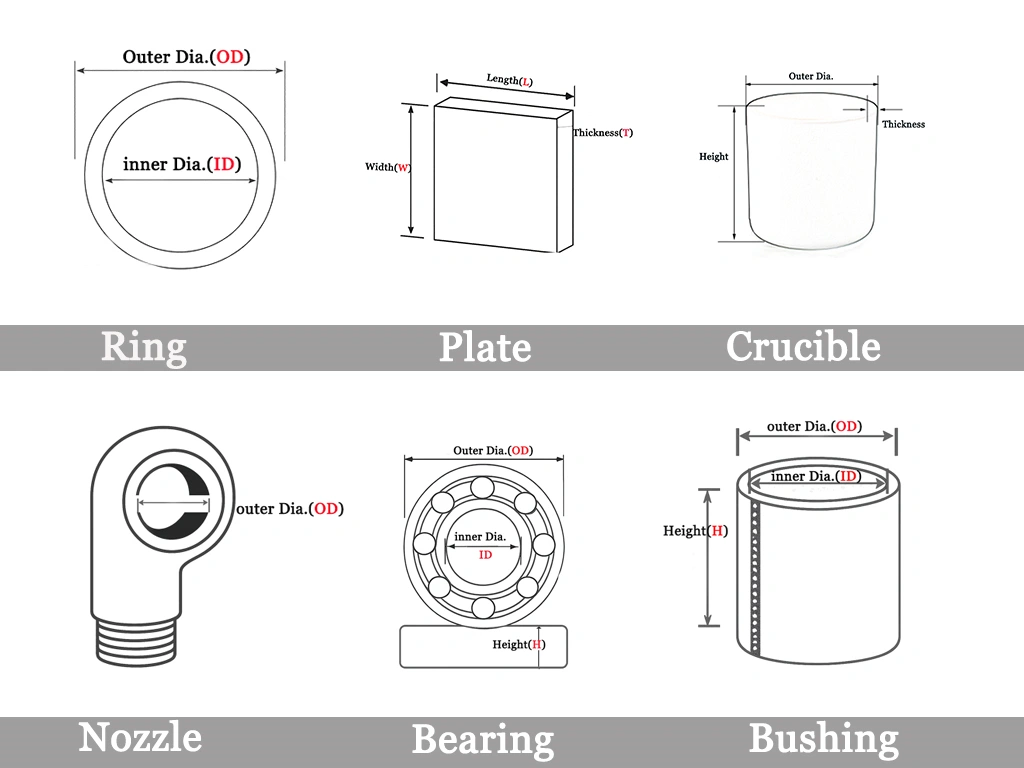
The following dimensions are reference options for early selection. Final size should be confirmed according to burner housing, furnace wall thickness, outlet position, flame direction and installation drawings. ADCERAX can also produce non-standard SiC burner nozzles based on samples or technical drawings.

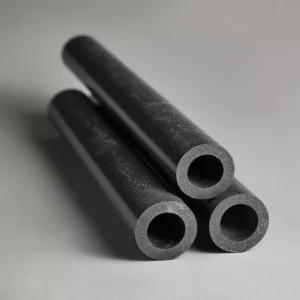
Item Inner Diameter(mm) Outer Diameter(mm) Length(mm) Application Note
AT-THG-P1001 30 50 100-2000 Suitable as a small burner outlet reference size.
AT-THG-P1002 35 55 100-2000 Used when a slightly larger flow passage is required.
AT-THG-P1003 40 65 100-2000 Suitable for medium burner housing designs.
AT-THG-P1004 45 70 100-2000 Used where stronger wall thickness is required.
AT-THG-P1005 50 70 100-2000 Suitable for larger flame passage requirements.
AT-THG-P1006 55 75 100-2000 Used for higher combustion flow designs.
AT-THG-P1007 60 78 100-2000 Suitable for larger kiln burner systems.
AT-THG-P1008 65 80 100-2000 Used where larger flame outlet geometry is required.
AT-THG-P1009 70 80 100-2000 Suitable for thin-wall large-bore nozzle designs after review.
AT-THG-P1010 80 105 100-2000 Used for large industrial furnace burner interfaces.


Packaging Process for Silicon Carbide Burner Nozzle

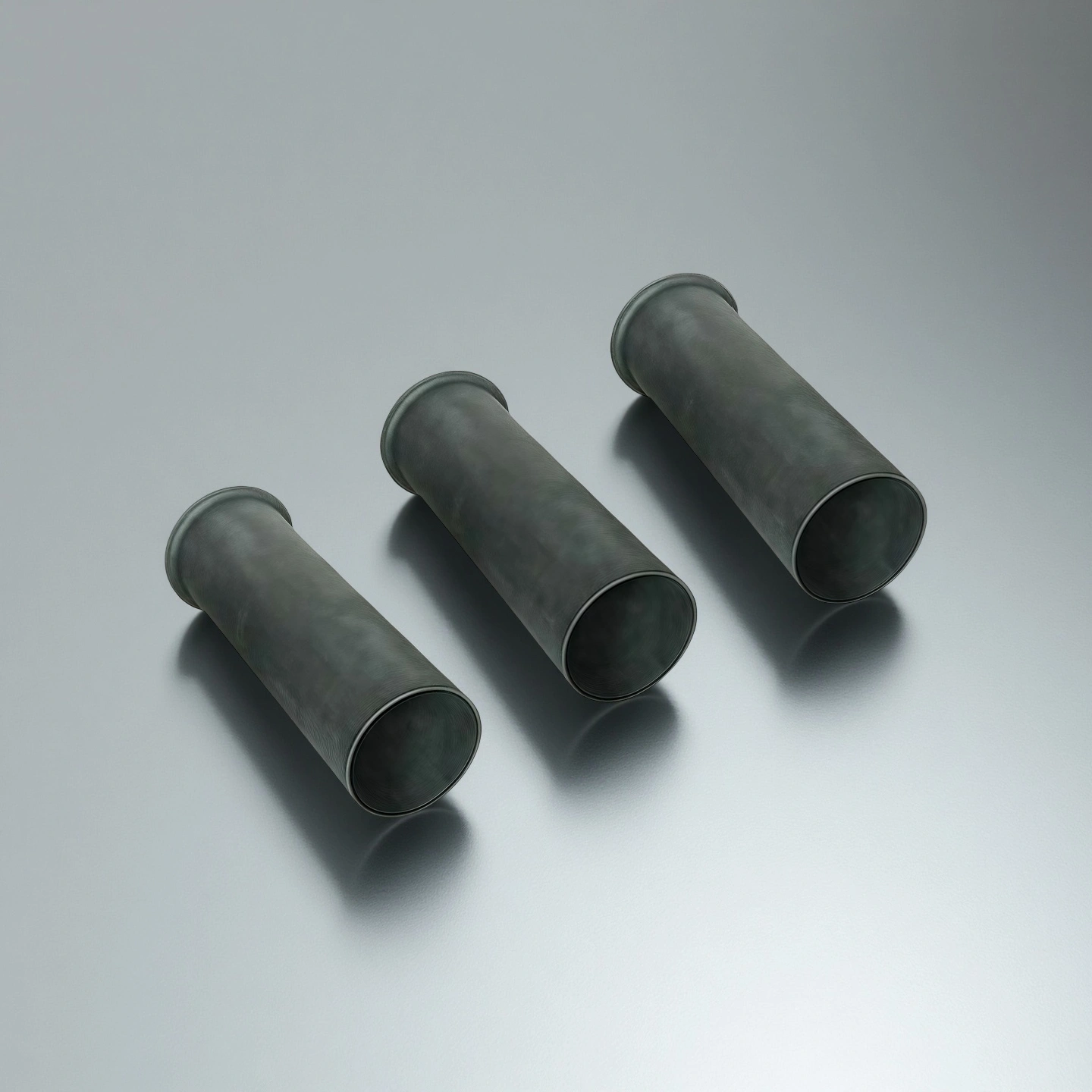
ADCERAX packs silicon carbide burner nozzles with protective cushioning and reinforced outer packaging according to part size, weight and shipping route. Before shipment, each nozzle can be checked for visible surface condition, key dimensions, outlet geometry and packaging stability to reduce transportation and installation risk.
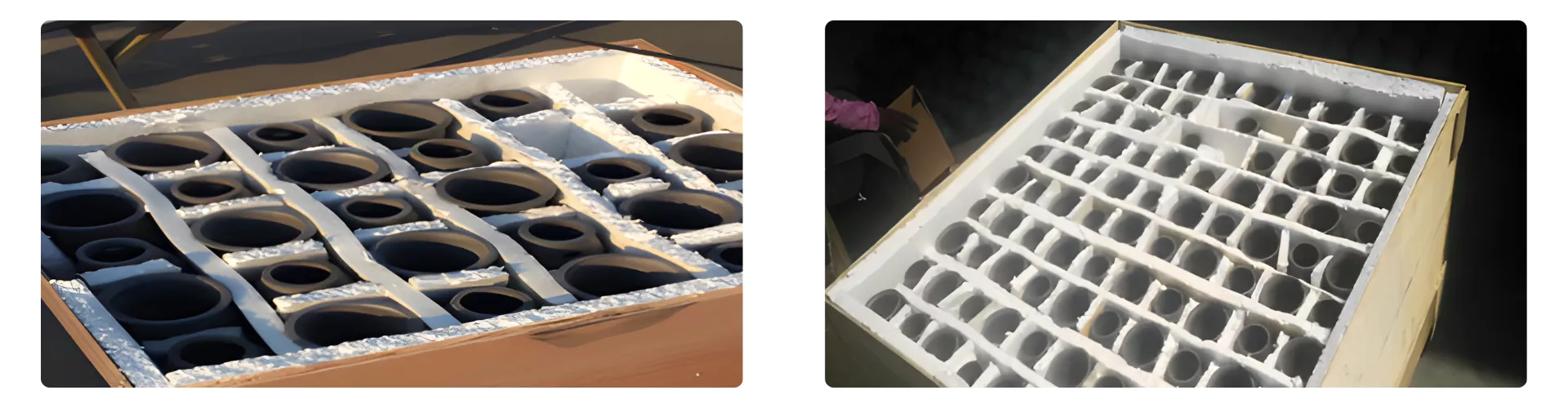
ADCERAX® Packaging of Silicon Carbide Burner Nnozzle

Where Silicon Carbide Burner Nozzles Are Used

ADCERAX Silicon Carbide Burner Nozzle used in advanced industrial kilns, reheating furnaces, and high-temperature oxidation systems is required to stabilize flame geometry, withstand rapid thermal fluctuations, and deliver predictable heat transfer under chemically aggressive atmospheres.

  • Roller Hearth Kilns

    In roller hearth kilns, silicon carbide burner nozzles are used to support stable flame direction, consistent heat transfer and controlled firing conditions across the kiln width. These systems often require repeated long-cycle operation, and the burner outlet must resist high temperature, oxidation, dust erosion and thermal shock during start-up and cooling.

    SiC burner nozzles are suitable for ceramic firing, electronic ceramic sintering, powder processing and other continuous kiln lines where flame deviation may affect temperature uniformity, product shrinkage, density control or final part consistency.

  • Tunnel and Shuttle Kilns

    Tunnel and shuttle kilns require burner components that can tolerate long heating cycles, atmosphere variation and repeated thermal loading. When conventional refractory burner outlets deform, crack or erode, the flame path may become unstable and heating zones may become harder to control.

    Silicon carbide burner nozzles help maintain outlet geometry and flame guidance in ceramic, refractory, sanitaryware, technical ceramic and heat-treatment kiln systems. They are especially useful when the customer needs a more dimensionally stable burner interface for replacement or equipment upgrade projects.

  • Heat-Treatment and Reheating Furnaces

    In heat-treatment and reheating furnaces, burner nozzles may face scale, high-velocity combustion gas, thermal cycling and local mechanical stress around the furnace wall opening. These conditions can gradually damage metal or conventional refractory burner parts, especially in zones with frequent temperature changes.

    Dense SiC ceramic helps resist erosion, oxidation and high-temperature deformation, supporting more stable burner alignment and flame projection. ADCERAX can review the nozzle length, outlet profile, wall thickness and mounting interface according to the furnace layout and burner housing design.

  • Oxidation and Process Gas Systems

    For selected oxidation, incineration and process gas heating systems, the burner nozzle may be exposed to hot gas flow, dust, vapor species and chemically active atmospheres. In these applications, material stability and outlet geometry are important for maintaining controlled combustion and reducing premature nozzle damage.

    SiC burner nozzles can be reviewed for applications where oxidation resistance, thermal shock resistance and ceramic corrosion resistance are required. Before quotation, ADCERAX recommends confirming the gas composition, operating temperature, heating cycle, dust level and existing nozzle failure mode to verify material suitability.

Usage Notes for SiC Burner Nozzle Installation and Operation

The silicon carbide burner nozzle requires proper installation, commissioning and maintenance control to support stable combustion behavior, predictable flame geometry and reduced risk of premature damage under high-temperature furnace conditions.

  • Check Burner Alignment Before Installation

    Before installation, confirm that the burner housing, furnace wall opening and nozzle axis are properly aligned. Misalignment can create local stress and may affect flame direction during thermal expansion.

  • Avoid Point Loading During Mounting

    Silicon carbide ceramic has high strength but should not be exposed to concentrated mechanical impact. Use balanced tightening and proper support to avoid edge damage or localized bending stress.

  • Commission the Burner Gradually

    During start-up, use a controlled heating process and avoid sudden flame instability. Fuel-air tuning should follow the burner system design and should be checked by qualified furnace personnel.

  • Inspect the Outlet and Flow Passage

    During maintenance, check the outlet edge, inner passage and mounting area for dust accumulation, scale, glaze deposit, abrasion or visible cracking. Early inspection helps prevent flame distortion and unplanned downtime.

  • Store and Handle with Protection

    Keep the nozzle in protective packaging before installation. Store it in a dry and stable environment to reduce handling damage and contamination before commissioning.

FAQs About Silicon Carbide Burner Nozzles

  1. Q1: What is a silicon carbide burner nozzle used for?
    A silicon carbide burner nozzle is used at the burner outlet of kilns, furnaces and thermal processing systems. It helps guide the flame into the heating chamber while resisting high temperature, oxidation, thermal shock and abrasive furnace atmospheres.

  2. Q2: Why choose SiC instead of a conventional refractory burner nozzle?
    SiC offers better thermal stability, higher erosion resistance and stronger dimensional retention than many conventional refractory materials. This helps maintain the outlet shape and flame direction during repeated heating cycles.

  3. Q3: Can ADCERAX make a custom SiC burner nozzle from a drawing or sample?
    Yes. ADCERAX can review drawings, samples or burner interface dimensions for custom SiC burner nozzles. Key details include ID, OD, length, wall thickness, outlet profile, mounting interface and working atmosphere.

  4. Q4: What information should I provide before requesting a quote?
    Please provide the drawing or sample photos, required dimensions, burner type, furnace temperature range, fuel or gas condition, atmosphere, heating cycle and any known failure problem with the existing nozzle.

  5. Q5: How do I choose the inner diameter, length and outlet profile?
    These dimensions should be matched to the burner housing, required flame direction, furnace wall thickness, combustion flow and installation method. ADCERAX can review the geometry based on your drawing and application conditions.

  6. Q6: What causes a silicon carbide burner nozzle to fail?
    Common causes include mechanical impact during installation, poor burner alignment, excessive thermal shock, blocked flow passages, aggressive atmosphere attack or unsuitable geometry for the combustion system. Proper review and installation help reduce these risks.
  7. Q7: Is SiC burner nozzle suitable for every furnace atmosphere?
    Not always. Silicon carbide performs well in many high-temperature combustion environments, but the final suitability depends on temperature, atmosphere, fuel composition, dust, vapor species and thermal cycling. Application review is recommended before ordering.
customize size

Custom SiC Burner Nozzles Based on Drawings or Samples

ADCERAX supports custom silicon carbide burner nozzles made according to equipment drawings, existing samples or burner interface requirements. Before quotation, our team reviews the nozzle geometry, material system, furnace atmosphere, installation method and combustion conditions to confirm whether SiSiC/RBSiC silicon carbide is suitable for the application.

Geometry and Interface Options

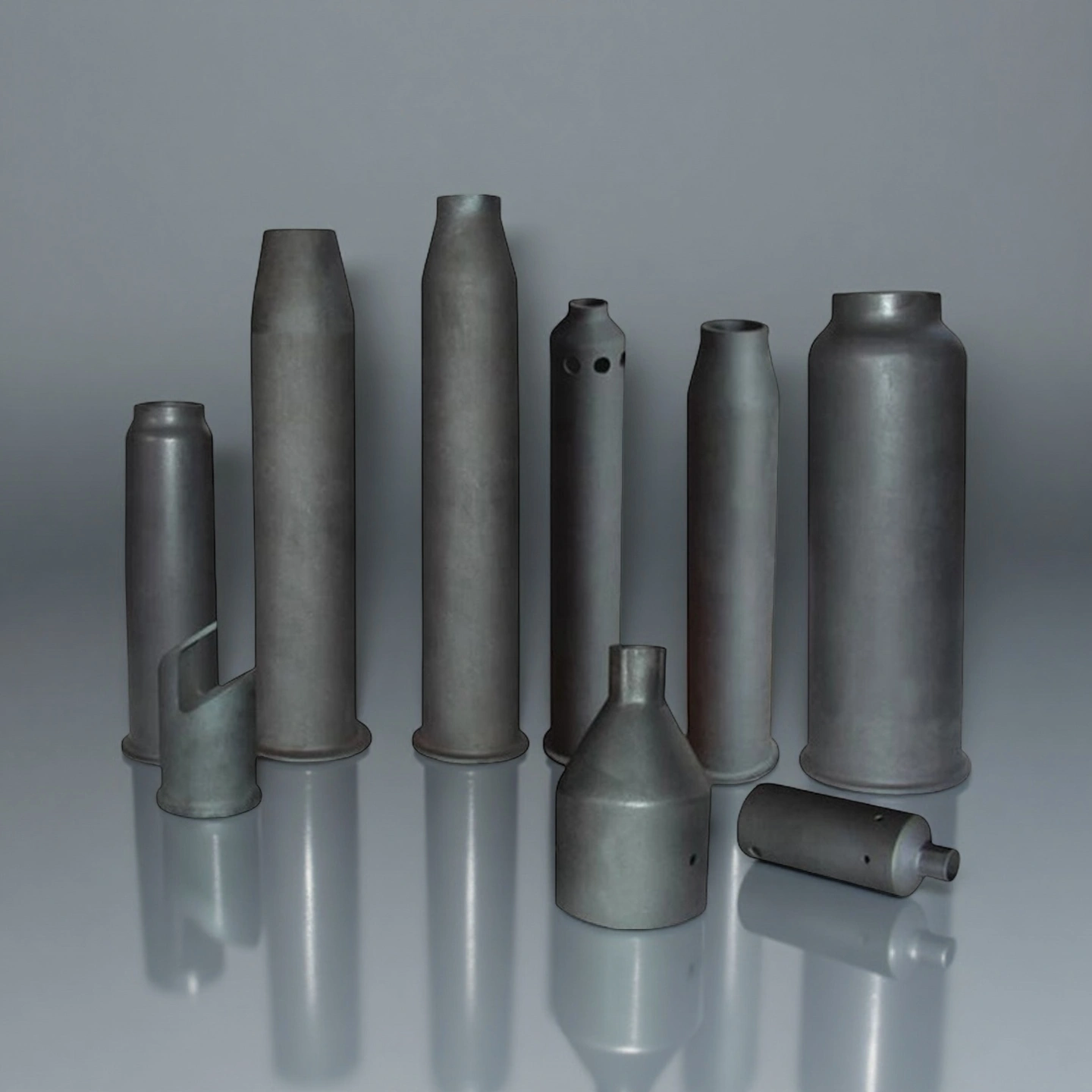
Custom options may include inner diameter, outer diameter, total length, wall thickness, outlet profile, step geometry, threaded section, chamfer, groove and mounting interface.

  • Outlet Profile Design
    Adjusted to influence flame envelope formation

  • Mounting Interface Form
    Configured to support stable mechanical coupling

  • Flow Passage Geometry
    Tuned to regulate gas momentum distribution

Burner Housing Fit

The nozzle can be reviewed according to burner housing, furnace wall opening, sealing surface, support method and replacement part dimensions.

  • Material Grade Selection
    Chosen to match oxidation and shock demands

  • Surface Conditioning Method
    Applied to reduce turbulence at the outlet zone

  • Microstructure Stability Control
    Configured for long-cycle combustion exposure

Application Review Before Quotation

For better material selection, please provide operating temperature, fuel type, furnace atmosphere, heating cycle, flow direction and any known failure history of the existing nozzle.

Related Products

ADCERAX - Your Trusted Advanced Ceramics Manufacturing Partner

Direct factory manufacturing with comprehensive ceramic materials expertise and global supply capabilities

China-Based Manufacturer

ADCERAX supplies ceramic components for overseas OEMs, equipment builders, and labs.

Custom Drawing Support

We review drawings, dimensions, materials, and application conditions before quotation.

Ceramic Process Control

Forming, sintering, machining, grinding, and finishing are arranged by part requirements.

Pre-Shipment Inspection

Dimensional checks, visual inspection, and packaging review help reduce procurement risk.

Get in Touch with Us

Our team will be happy to respond to you in less than 24 hours.

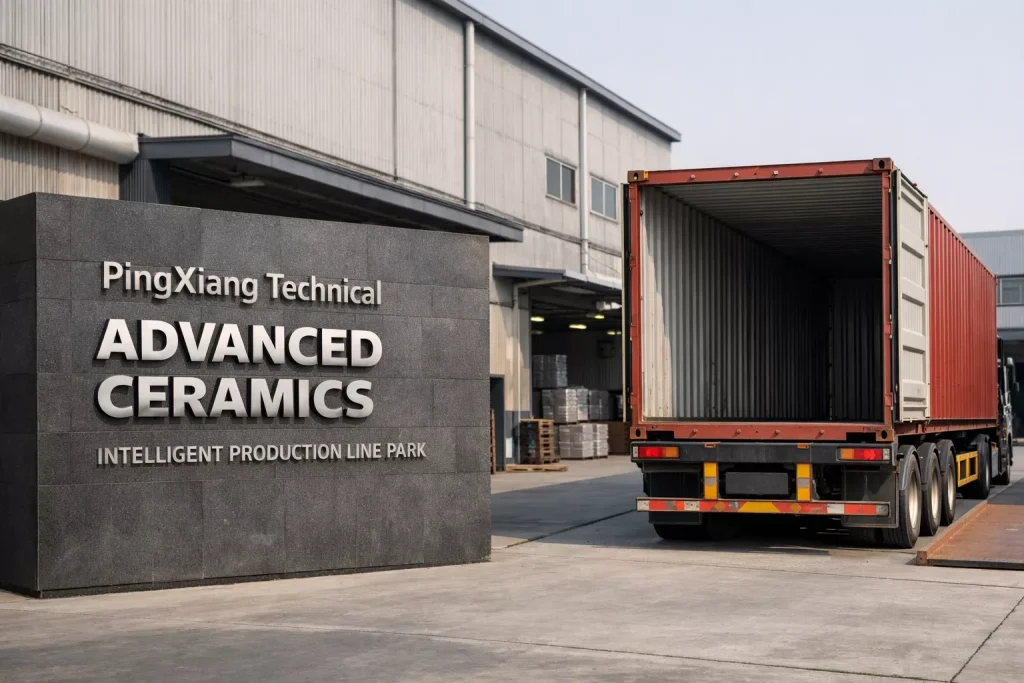
Pingxiang Factory — Silicon carbide, silicon nitride, high-temperature ceramics

Quick Quotation

*Our team will answer your inquiries within 24 hours.

*Your information will be kept strictly confidential.

Ready to Solve Your Engineering Challenge?

Partner with ADCERAX for reliable, high-performance advanced ceramic solutions. Our engineers are ready to discuss your project.

E-mail

info@adcerax.com

Phone

+(86) 0731-74427743 | WhatsApp: +(86) 19311583352

Response Time

Within 24 hours

Quick Quote

The more details you provide, the faster we can quote.

*We respond within 24 hours. All inquiries are confidential.

Get Your Custom Solution

The more details you provide, the faster we can respond.

customize size

*We respond within 24 hours. All inquiries are confidential.

Download Catalog