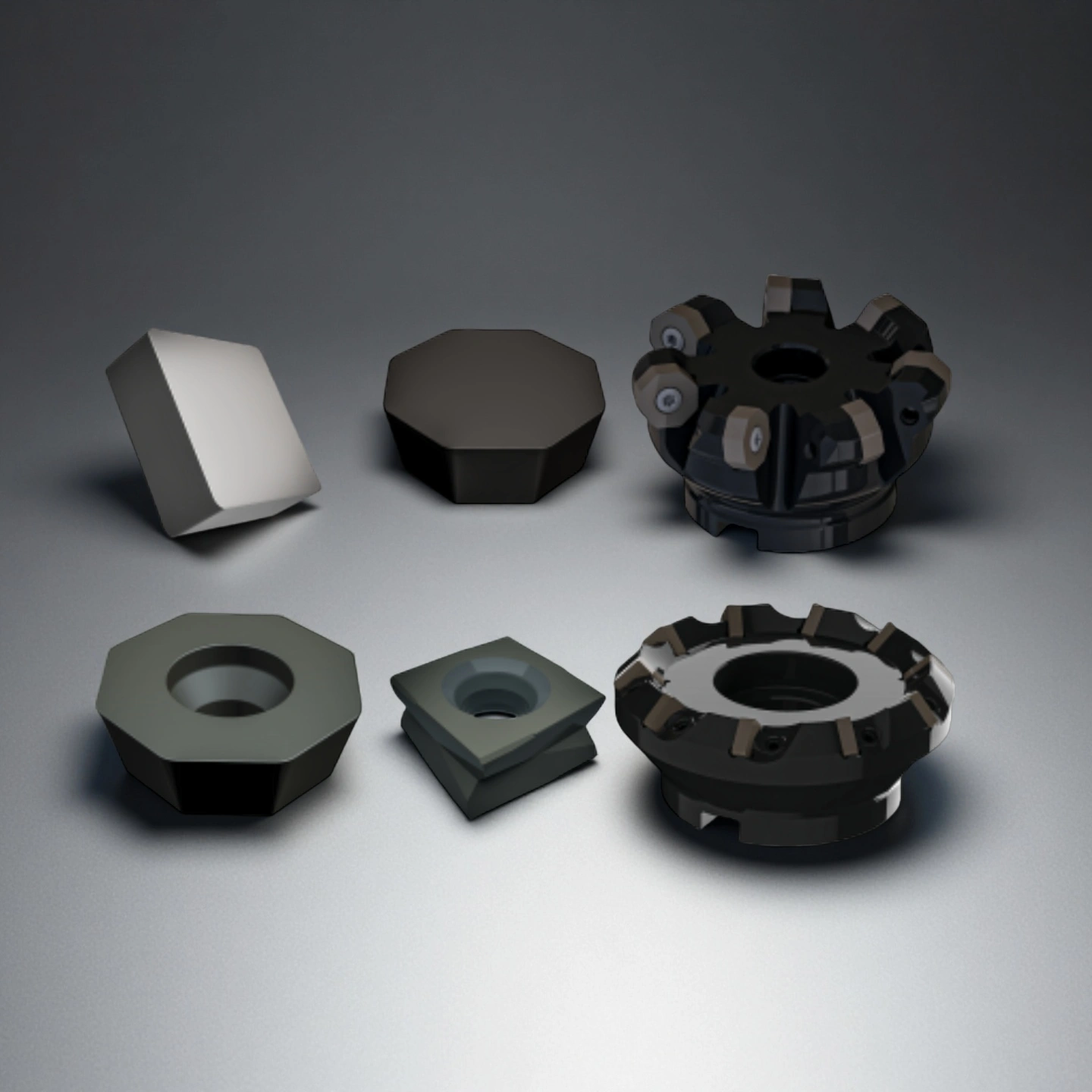
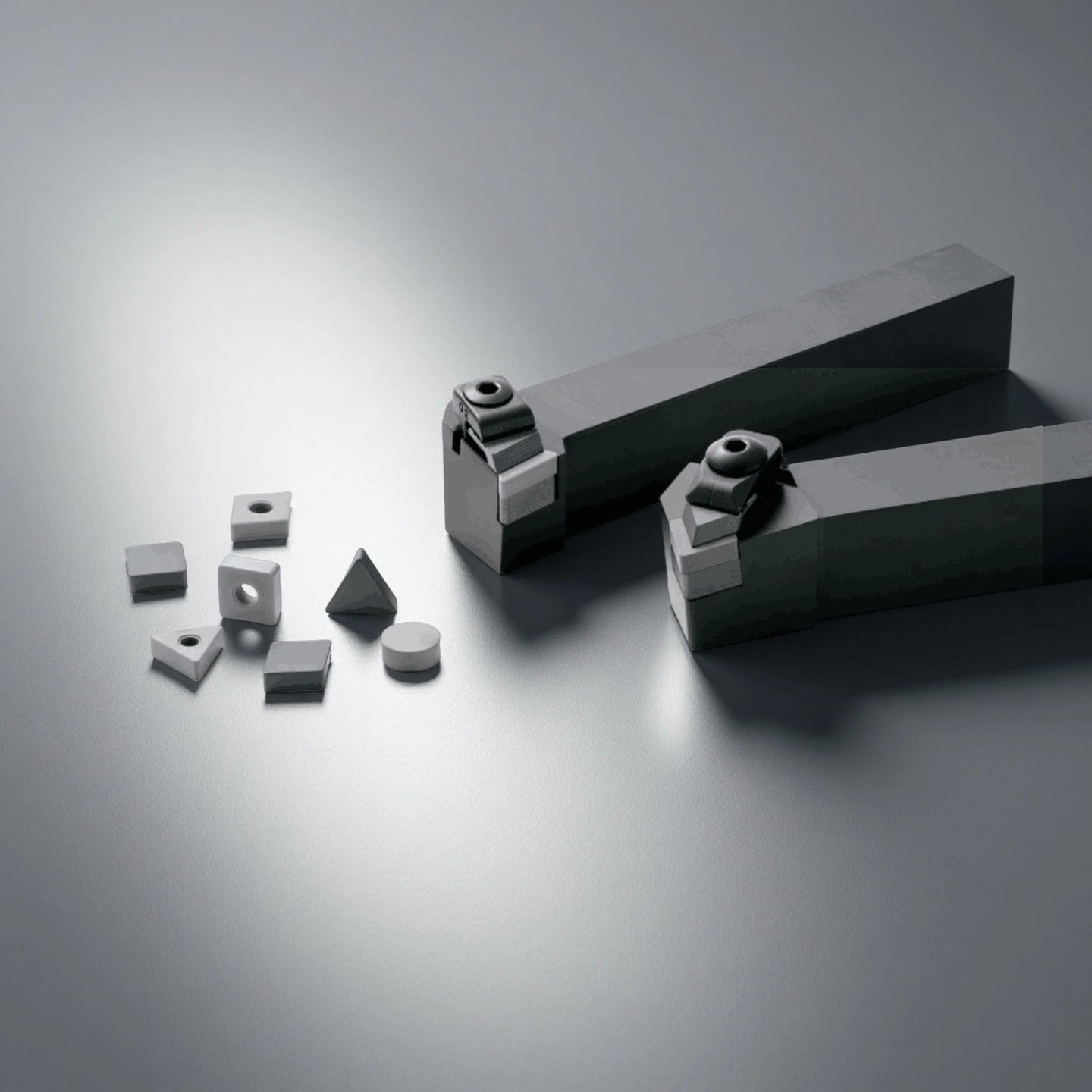
Custom Silicon Nitride Cutting Tools for Cast Iron High-Speed Turning

Silicon nitride cutting tools for high-speed dry machining of grey and ductile iron, and for selected HRSA roughing; standard ISO sizes in stock with custom geometry on request. Available in RNGN/SNGN/CNGA/RCGX families with thicknesses typically 3.18–9.53 mm and diameters 10–20 mm for round types; edge prep and corner radius can be customized. Includes target keyword: silicon nitride cutting tools.

Catalogue No. AT-SNCT-7001
Material Silicon Nitride
Fracture Toughness (K_IC) 6–8 MPa·m½
Thermal Expansion Coefficient 3.2 × 10⁻⁶ /K
Hardness (HV) 1500–1700 HV
24H Standard Dispatch
Small Batch Support OEM
Factory Direct
Expert Engineering Support

Silicon Nitride Cutting Tools are machining tools whose working edges are made from sintered silicon nitride (Si₃N₄) ceramics. They are engineered for high-speed, dry or MQL cutting where hot hardness, thermal‐shock resistance, and chemical stability are critical.

Silicon Nitride Cutting Tools Benefits

  • High surface-speed capability: Stable performance in cast iron cutting between 600–1200 m/min, even under dry machining conditions. The material’s inherent hot hardness and thermal stability enable consistent surface finish and extended tool life in high-speed continuous or interrupted operations.

  • Low adhesion to iron phases: The chemical inertness of Si₃N₄ minimizes diffusion and adhesion to ferrous alloys, effectively reducing built-up edge and crater wear. This ensures smoother chip evacuation, lower friction, and stable cutting forces during prolonged roughing cycles.

  • Tunable edge preparation: Customizable T-land, honed, or micro-chamfered edges allow precise control over thermal shock and notch wear behavior. Edge prep optimization enhances performance in both heavy interrupted cutting and fine finishing operations.

  • Thickness and flatness control: Manufactured with tight dimensional tolerances of ±0.025–0.05 mm, ensuring balanced tool geometry and minimal runout. This precision maintains consistent engagement with the workpiece, improving cutting stability and repeatability in automated systems.

  • SiAlON option for HRSA machining: The SiAlON composite grade (Si₃N₄–Al₂O₃ solid solution) provides improved resistance to thermal shock and oxidation compared with standard silicon nitride. It is particularly effective for roughing nickel-based superalloys and Inconel under dry or semi-dry conditions.


Silicon Nitride Cutting Tools Properties

Si3N4 Type Gas pressure sintering Si3N4 Hot pressing sintering Si3N4 High thermal conductivity Si3N4
Density (g/cm3) 3.2 3.3 3.25
Flexture strength (MPa) 700 900 600~800
Young Modulus (GPa) 300 300 300~320
Poisson's ratio 0.25 0.28 0.25
Compressive strength (MPa) 2500 3000 2500
Hardness (GPa) 15 16 15
Fracture toughness (MPa*m1/2) 5~7 6~8 6~7
Maximum working temperature (℃) 1100 1300 1100
Thermal conductivity (W/m*K) 20 25 80~100
Thermal expansion coefficient (/℃) 3*10-6 3.1*10-6 3*10-6
Thermal shock resistance (ΔT ℃) 550 800 /
Tolerance:
1. Diameter Tolerance: ±0.003mm
2. Hole Depth: ±0.005mm
3. Surfance Roughness:Ra0.02
4. Cylindricity:±0.003mm
5. Concentricity:±0.002mm
6. Parallelism: ±0.002mm


Si3N4 Cutting Tools Specifications

Type 1: Silicon Nitride 7° Square Blade with Relief Angle
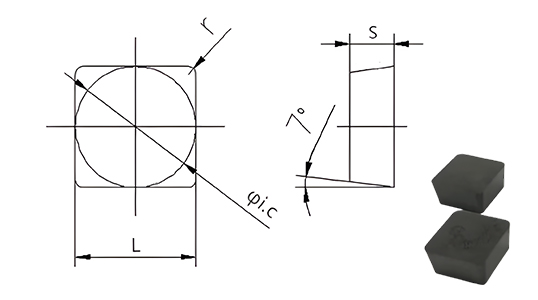
001

Type 1: Silicon Nitride 7° Square Blade with Relief Angle
Item NO. L - Cutting Edge Length(mm) i.c. - Inscribed Circle Diameter(mm) S - Thickness(mm)
AT-SIN-SCGN0903 9.525 9.525 3.18
AT-SIN-SCGN0904 9.525 9.525 4.76
AT-SIN-SCGN1204 12.7 12.7 4.76

Type 2: Silicon Nitride Square CNC Cylindrical Turning Blade
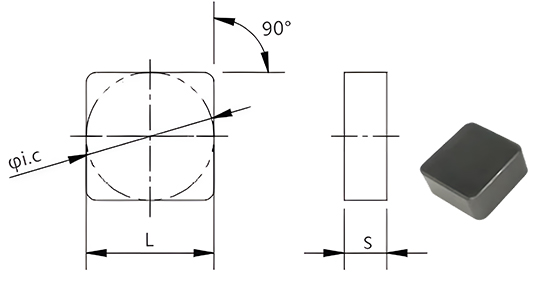
002

Type 2: Silicon Nitride Square CNC Cylindrical Turning Blade
Item NO. L - Cutting Edge Length(mm) i.c. - Inscribed Circle Diameter(mm) S - Thickness(mm)
AT-SIN-SCGN0904 9.525 9.525 4.76
AT-SIN-SCGN1204 12.7 12.7 4.76
AT-SIN-SCGN1207 12.7 12.7 7.94
AT-SIN-SCGN1608 16.0  16.0  8.0 
AT-SIN-SCGN2010 20.0  20.0  10.0 

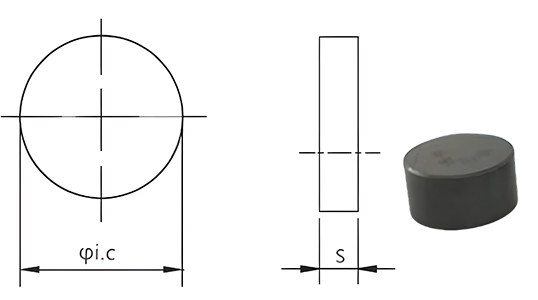
Type 3: Silicon Nitride Round Blade

003

Type 3: Silicon Nitride Round Blade
Item NO. i.c. - Inscribed Circle Diameter(mm) S - Thickness(mm)
AT-SIN-RNGN0604 6.35 4.76
AT-SIN-RNGN0904 9.525 4.76
AT-SIN-RNGN1204 12.7 4.76
AT-SIN-RNGN1207 12.7 7.94
AT-SIN-RNGN1608 16.0  8.0 
AT-SIN-RNGN2008 20 8
AT-SIN-RNGN2010 20.0  10.0 

Type 4: Silicon Nitride Conical Hole Cutter Blade
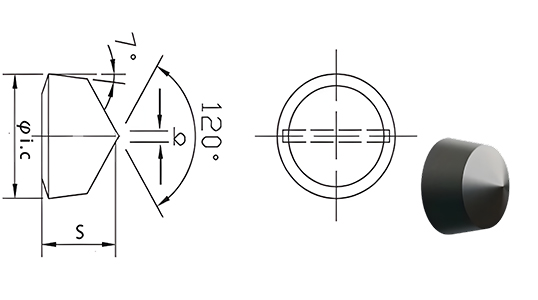
004

Type 4: Silicon Nitride Conical Hole Cutter Blade
Item NO. i.c. - Inscribed Circle Diameter(mm) S - Thickness(mm)
AT-SIN-RCGX0605 6.35 5.0 
AT-SIN-RCGX0907 9.525 7.94
AT-SIN-RCGX1207 12.7 7.94
AT-SIN-RCGX1510 15.875 10.0 
AT-SIN-RCGX1910 19.05 10.0 
AT-SIN-RCGX2010 20 10.0 

Type 5: Silicon Nitride V-shaped Hole Cutter Blade
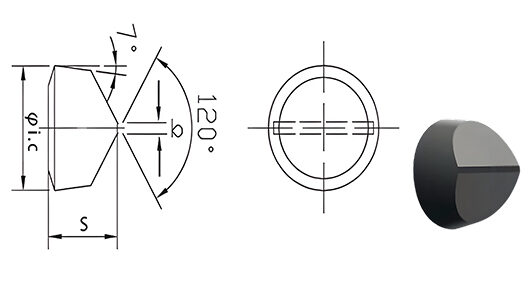
005

Type 5: Silicon Nitride V-shaped Hole Cutter Blade
Item NO. i.c. - Inscribed Circle Diameter(mm) S - Thickness(mm)
AT-SIN-RCGV0604 6.35 4.76
AT-SIN-RCGV0907 9.525 7.94
AT-SIN-RCGV1207 12.7 7.94
AT-SIN-RCGV1510 15.875 10.0 
AT-SIN-RCGV1910 19.05 10.0 
AT-SIN-RCGV2012 20.0  12.0 
AT-SIN-RCGV2512 25.0  12.0 

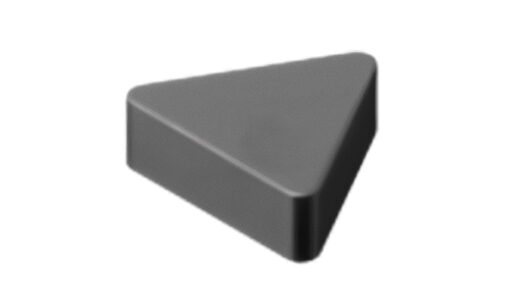
Type 6: Silicon Nitride Triangle Blade
006

Type 6: Silicon Nitride Triangle Blade
Item NO. L - Cutting Edge Length(mm) i.c. - Inscribed Circle Diameter(mm) S - Thickness(mm)
AT-SIN-TNGN1103 11.0  6.35 3.18
AT-SIN-TNGN1604 16.5 9.525 4.76
AT-SIN-TNGN1603 16.5 9.525 3.18


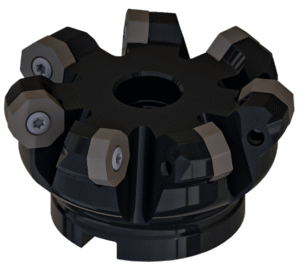
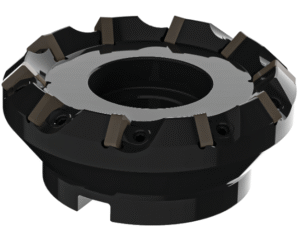
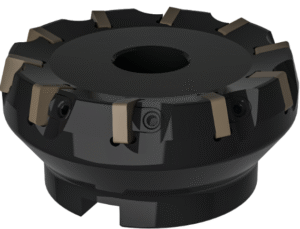
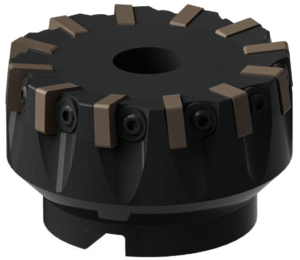
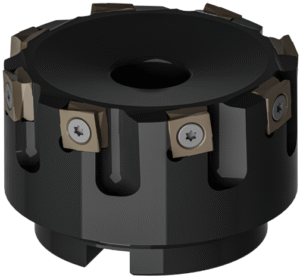
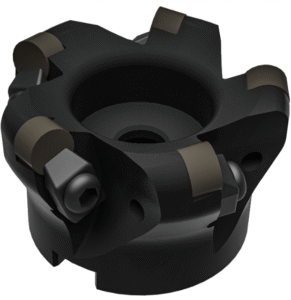
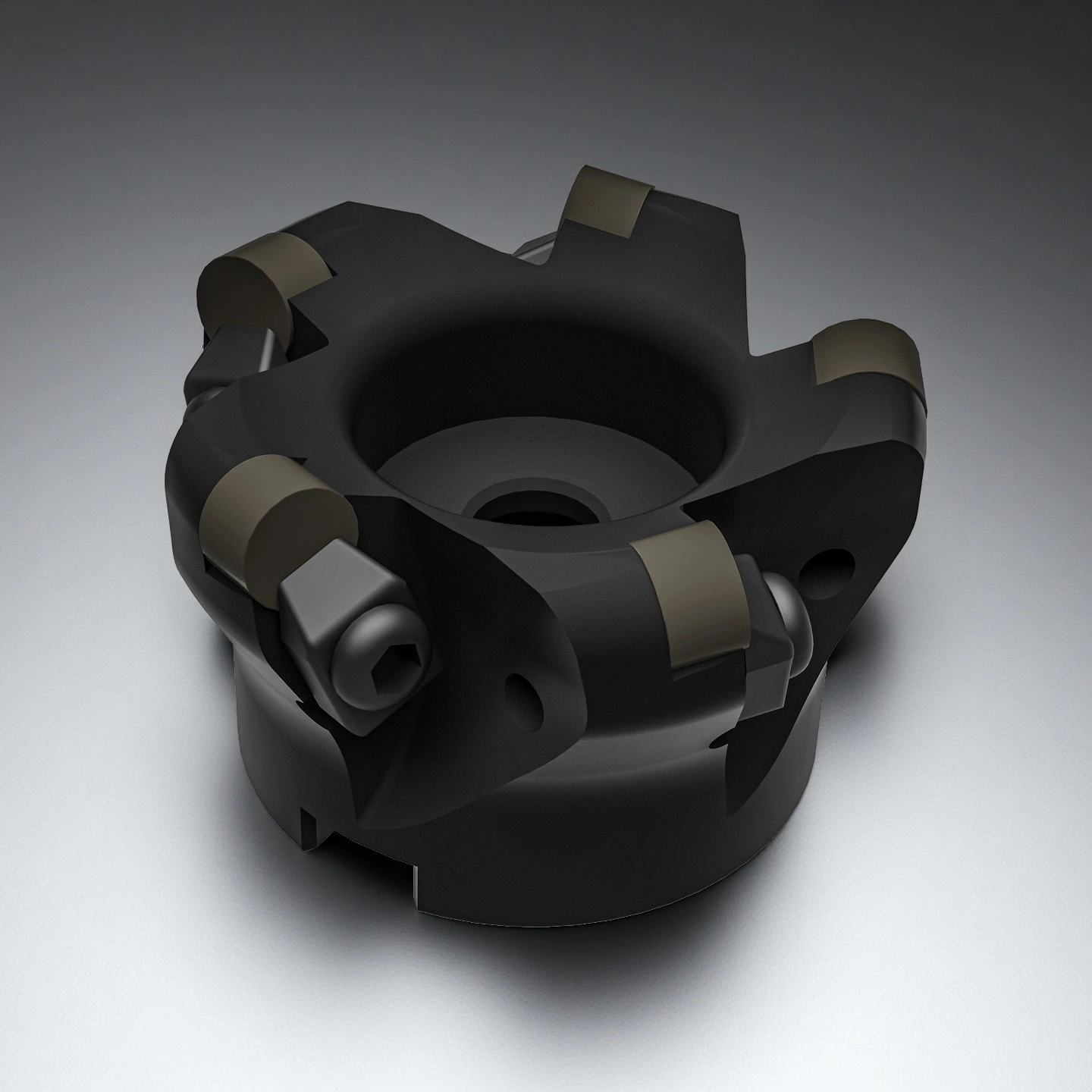
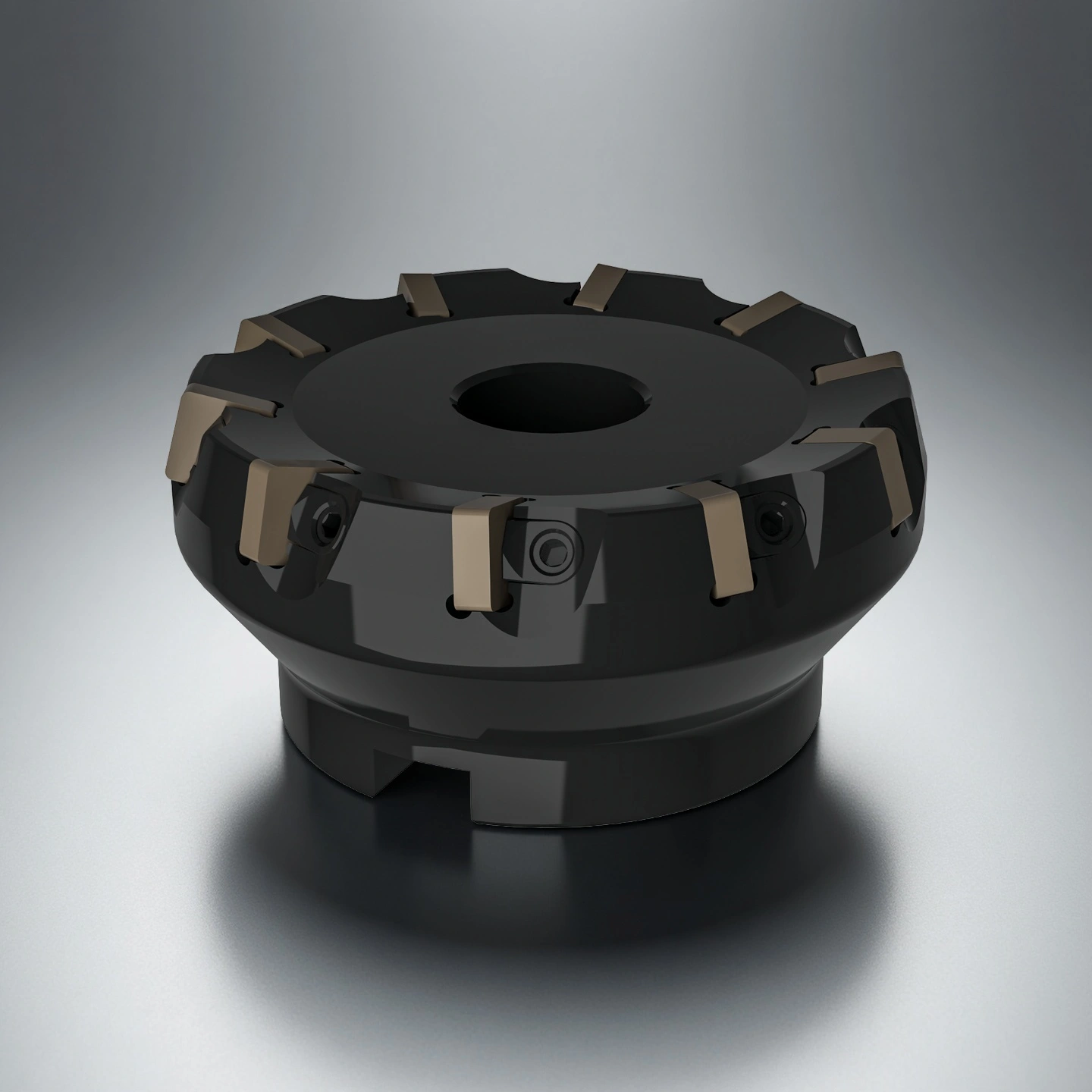
Type 7: Custom Silicon Surface Nitride Milling Cutter

Silicon Nitride Surface Milling Cutter 43°
Item No. Diameter (mm) Thickness (mm) Picture
AT-SIN-SK0043 Customize
Silicon Nitride Surface Milling Cutter 45°
Item No. Diameter (mm) Thickness (mm) Picture
AT-SIN-SK0045 Customize
Silicon Nitride Surface Milling Cutter 75°
Item No. Diameter (mm) Thickness (mm) Picture
AT-SIN-SK0075 Customize
Silicon Nitride Surface Milling Cutter 88°
Item No. Diameter (mm) Thickness (mm) Picture
AT-SIN-SK0088 Customize
Silicon Nitride Milling Cutter 90°
AT-SIN-SK0090 Customize
Silicon Nitride Square Milling Cutter
AT-SIN-SK0001 Customize


Si₃N₄ Ceramic Inserts Packaging

  • Each tool is individually packed in anti-static, shock-absorbing foam boxes.
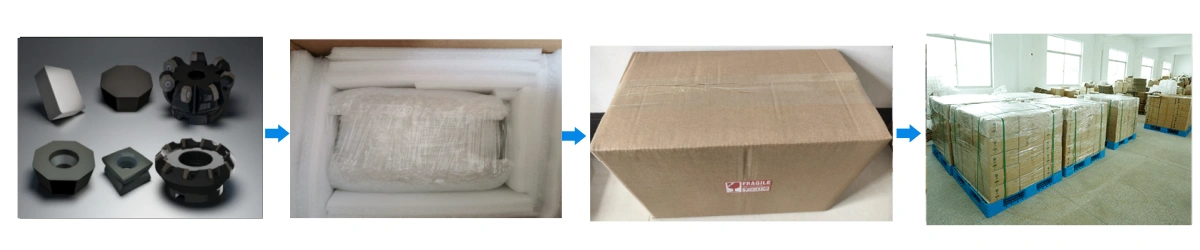
Si₃N₄ Ceramic Inserts Packaging

Silicon Nitride Cutting Tools Applications

  • Automotive Cast Iron (Brake Discs, Drums, Flywheels)

    ✅Key Advantages

    1. High-speed dry turning at 600–1200 m/min reduces cycle time per part.
    2. Stable life on grey/ductile iron with controlled notch wear at entry/exit.
    3. Round-insert geometries distribute load to extend predictable life.

    ✅ Problem Solved

    A rotor line running ductile-iron discs adopted RNGN Si₃N₄ at Vc 900 m/min, f 0.25 mm/rev, ap 1.5 mm (dry). Change reduced average cycle by 18% and cut tool changes from every 45 parts to every 70 parts, improving OEE and lowering cost per part without adding coolant infrastructure.

  • General Heavy Castings (Housings, Pump Bodies, Gear Cases)

    ✅Key Advantages

    1. Tough Si₃N₄ microstructure tolerates light interruption and sand inclusions.
    2. Thickness tolerance ±0.025–0.05 mm improves repeatability across pockets.
    3. Edge-prep tuning (T-land 0.15–0.3 mm) mitigates notch growth in roughing.

    ✅ Problem Solved

    A job shop machining ductile-iron housings faced notch-induced chipping at the entry. Switching to a wider T-land and reducing feed 10% held life variance within ±8%, raising first-pass yield and stabilizing scheduling for batch lots.

  • HRSA Roughing (SiAlON Grades for Nickel-Alloys)

    ✅Key Advantages

    1. SiAlON balances hot-hardness with thermal-shock tolerance for roughing.
    2. Practical windows around Vc 200–400 m/min with controlled chip thickness.
    3. Edge hone 0.05–0.08 mm reduces micro-chipping at engagement.

    ✅ Problem Solved

    In nickel-alloy pre-turning, adopting SiAlON at Vc 280 m/min, f 0.12 mm/rev, ap 1.0 mm improved tool life by ~25% versus baseline carbide and cut coolant carry-over, simplifying post-op cleaning ahead of finishing passes.

Si3N4 Ceramic Cutting Tools Usage Instructions

To achieve stable performance and long tool life from silicon nitride (Si₃N₄) cutting tools, following precise installation and operational practices is essential. These guidelines cover installation, setup, operation, maintenance, and troubleshooting for both cast iron and nickel-based superalloy (HRSA) machining environments.

  • Installation Guidelines

    1. Pocket cleanliness & seating: Before installation, clean both the insert pocket and the seat using compressed air or alcohol. Any trapped debris or burrs can create uneven contact and cause edge fracture under cutting loads.

    2. Runout verification: After clamping, measure runout at the cutting edge. Keep total indicated runout below 0.02 mm for turning and below 0.01 mm for milling applications. Excessive runout leads to vibration, premature edge wear, and tool failure.

    3. Insert matching & traceability: Always confirm that insert thickness and geometry match the toolholder pocket specification. Mixing inserts from different batches may result in uneven seating or inconsistent edge behavior.

    4. Edge radius and T-land preparation: Set the edge geometry based on the application:
    – T-land: 0.1–0.2 mm × 20–25° for cast iron.
    – Micro-hone: 0.05–0.10 mm for HRSA or interrupted cutting.
    5. Edge prep consistency is critical for maintaining predictable chip flow and surface integrity.

    6. Clamping torque: Follow manufacturer torque recommendations; under-tightening can cause micro-movement, while over-tightening risks insert breakage.

    7. Coolant consideration: Silicon nitride tools are optimized for dry cutting or MQL (minimum quantity lubrication). Flood coolant can cause rapid temperature shock, resulting in thermal cracking.

  • Operation Parameters

    1. Cast iron machining (dry):
    a. Cutting speed (Vc): 700–900 m/min (up to 1200 m/min for stable setups)
    b. Feed rate (f): 0.15–0.30 mm/rev
    c. Depth of cut (ap): 1–2 mm
    d. Environment: dry or air-blast, with consistent chip evacuation

    2. HRSA / Nickel-based superalloys:
    a. Cutting speed (Vc): 250–400 m/min
    b. Feed rate (f): 0.10–0.20 mm/rev
    c. Depth of cut (ap): 0.5–1.0 mm
    d. Use SiAlON grades for higher thermal shock resistance and reduced notch wear

    3. Interrupted cutting: For operations involving surface interruptions or keyways, reduce cutting speed by 15–25% and use a honed edge to minimize chipping.

    4. Tool wear monitoring:
    a. Inspect tool edges at 5–10-minute intervals during setup runs.
    b. Replace inserts once flank wear VBmax ≥ 0.3 mm for cast iron or ≥ 0.2 mm for HRSA.
    c. Avoid using heavily worn inserts, as they may cause sudden fracture or part surface damage.

  • Maintenance & Handling

    1. Post-operation cooling: Allow inserts to cool naturally after machining. Do not quench or blow coolant directly on hot inserts—rapid temperature change can cause microcracks.
    2. Cleaning & storage: After removal, clean inserts gently using acetone or ethanol. Store them in padded trays to prevent edge contact.
    3. Toolholder inspection: Regularly check for pocket wear or seat deformation, especially in high-vibration environments. Worn holders can increase runout and reduce edge life.
    4. Regrinding & reconditioning: Silicon nitride inserts can be re-sharpened using diamond grinding wheels under coolant flow on precision CNC machines. Regrind only when edge wear is uniform and below 0.3 mm.

Silicon Nitride Ceramic Cutting Inserts FAQ

  1. Q: What materials are Silicon Nitride Cutting Tools best suited for?
    A: Silicon nitride cutting tools are primarily used for cast irons (grey, ductile, and compacted graphite) and heat-resistant superalloys (HRSA) such as Inconel, Hastelloy, and Rene alloys. Their high thermal shock resistance and chemical stability make them ideal for dry or MQL cutting where carbide or alumina tools wear rapidly.
  2. Q: How do Silicon Nitride Cutting Tools compare to carbide inserts?
    A: Compared with tungsten carbide, Si₃N₄ tools can sustain cutting speeds 2–3 times higher (up to 1200 m/min) under dry conditions. They maintain hardness above 1000 °C, resist crater wear, and are less prone to thermal cracking, offering longer tool life in continuous or interrupted operations.
  3. Q: What are the limitations of using silicon nitride inserts?
    A: These inserts perform poorly on soft, gummy materials such as low-carbon steels or aluminum, as their high hardness can cause built-up edges. They also require rigid setups—machine vibration or loose clamping can lead to edge chipping due to the ceramic’s brittleness.
  4. Q: When should I choose Si₃N₄ vs. SiAlON grades?
    A: Choose Si₃N₄ grades for cast iron machining where high surface speed and dry cutting are required. Opt for SiAlON grades in nickel-based superalloys or applications with high thermal cycling, as SiAlON improves thermal shock resistance and oxidation stability.
  5. Q: Can silicon nitride inserts be re-sharpened or re-ground?
    A: Yes. They can be reconditioned using diamond grinding on specialized CNC machines. However, due to the material’s hardness, regrinding must maintain original geometry and T-land consistency within ±0.02 mm to ensure stable cutting performance.
  6. Q: What is the recommended edge preparation for silicon nitride inserts?
    A: Edge prep depends on the application:

    a. T-land (0.1–0.2 mm, 20°–25°) for cast iron to balance toughness and sharpness.
    b. Micro-hone (0.05–0.1 mm) for HRSA cutting to prevent notch wear.
    Proper edge geometry significantly reduces micro-chipping and prolongs tool life.

  7. Q: What are common failure modes for silicon nitride cutting tools?
    A: The most frequent are notch wear, edge chipping, and thermal fracture. These typically result from excessive feed rates, high cutting depths, or using coolant intermittently. Optimizing edge prep and maintaining consistent cutting temperature help mitigate these issues.

  8. Q: How does ADCERAX support customized silicon nitride cutting tool solutions?
    A: ADCERAX offers drawing-based customization including insert geometry (RNGN, SNGN, CNGA, RCGX), tolerances down to ±0.025 mm, and controlled edge prep such as T-land or micro-chamfer. Engineering support helps customers match tool design with specific workpiece materials, ensuring performance consistency across different machining conditions.

Silicon Nitride Cutting Tools Reviews

  • ⭐️⭐️⭐️⭐️⭐️
    We switched to silicon nitride cutting tools for our brake disc roughing. At 900 m/min dry, parts-per-edge rose ~55% and we cut one tool change per shift.
    -- Daniel R., Production Engineer, AutoRotor Co. (USA)
  • ⭐️⭐️⭐️⭐️⭐️
    ADCERAX supplied silicon nitride cutting tools with a customized T-land and verified thickness tolerance. The consistent lot control improved our machining predictability on cast iron rotors and reduced tool change variance across production lines.
    --María L., Purchasing Manager, FerroCast Components (Spain)
  • ⭐️⭐️⭐️⭐️⭐️
    The SiAlON ceramic cutting inserts we sourced from ADCERAX for nickel-alloy roughing drastically reduced coolant dependence and stabilized tool life. The fine edge-hone spec on these silicon nitride inserts eliminated entry chipping and improved our overall surface finish consistency.
    -- Kenji S., Manufacturing Manager, K-Machining (Japan)
  • ⭐️⭐️⭐️⭐️⭐️
    Round RNGN silicon nitride cutting tools handled our ductile-iron hubs with fewer notch issues. After parameter tuning, our OEE improved by ~7%.
    -- Seungmin P., Tooling Supervisor, DM Foundry (Korea)
customize size

Custom Silicon Nitride Cutting Tools

ADCERAX provides precision-engineered Si₃N₄ and SiAlON cutting inserts designed according to customer drawings. Every specification—geometry, edge form, and surface texture—can be customized to match toolholder systems, machining materials, and production speeds.

  • Geometry & ISO Family: Full compatibility with standard ISO insert types such as RNGN, SNGN, CNGA, RCGX, or non-standard round/square/negative rake forms. Tailored geometries ensure optimized chip flow and strength for either finishing or roughing.
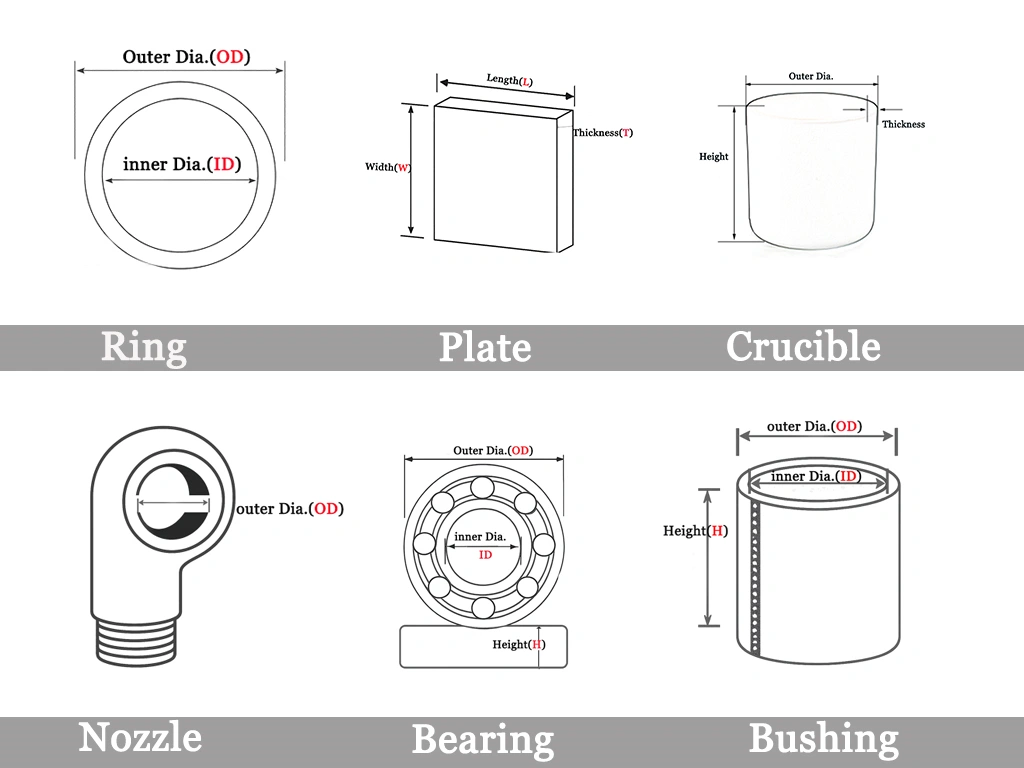
  • Dimensional Range: Custom outer/inner diameters, IC, and thickness can be manufactured with precision tolerances of ±0.025–0.05 mm, ensuring consistent runout control and tool interchangeability.
  • Corner Radii Options: Multiple radius configurations, such as 0.4 / 0.8 / 1.2 / 2.0 mm, available for balancing edge strength and surface finish quality across various materials.
  • Edge Preparation: Custom T-land width and angle, micro-honing (0.03–0.12 mm), or double-chamfer design to control notch wear, resist thermal shock, and improve surface integrity in dry or MQL cutting.
  • Material Grades: Selection between Si₃N₄ grades optimized for cast iron and SiAlON composites for nickel-based HRSA machining, depending on temperature and impact load conditions.
  • Surface Finish: Choices include as-ground for precision tolerance or micro-textured rake faces for enhanced chip evacuation and cutting efficiency in dry or high-speed operations.
  • Coating Options (on request): TiN, AlTiN, or TiAlSiN coatings can be added to extend life in oxidation-prone environments and improve hot hardness beyond 1100 °C.

Related Products

ADCERAX - Your Trusted Advanced Ceramics Manufacturing Partner

Direct factory manufacturing with comprehensive ceramic materials expertise and global supply capabilities

Direct Factory Manufacturing

China-based ceramic materials production facility with state-of-the-art equipment

Engineering Team

Experienced professionals in advanced ceramics applications and custom design

Quality Control

Strict quality control standards for technical ceramics manufacturing and quality management

Global Supply Chain

Serving customers worldwide with technical ceramics and rapid response

24/7 Technical Support

Round-the-clock support for ceramic components inquiries and technical assistance

500+ Satisfied Customers

Trusted by global customers for advanced ceramic materials and precision components

Get in touch with us

Our team will be happy to respond to you in less than 24 hours.

Adcerax's factory

Quick Quotation

*Our team will answer your inquiries within 24 hours.

*Your information will be kept strictly confidential.

Ready to Solve Your Engineering Challenge?

Partner with ADCERAX for reliable, high-performance advanced ceramic solutions. Our engineers are ready to discuss your project.

E-mail

info@adcerax.com

Phone

+(86) 0731-74427743 | WhatsApp: +(86) 19311583352

Response Time

Within 24 hours

Quick Quote

The more details you provide, the faster we can quote.

*We respond within 24 hours. All inquiries are confidential.

Download Catalog

Get Your Custom Sulution

The more details you provide, the faster we can respond.

customize size

*We respond within 24 hours. All inquiries are confidential.

Download Catalog