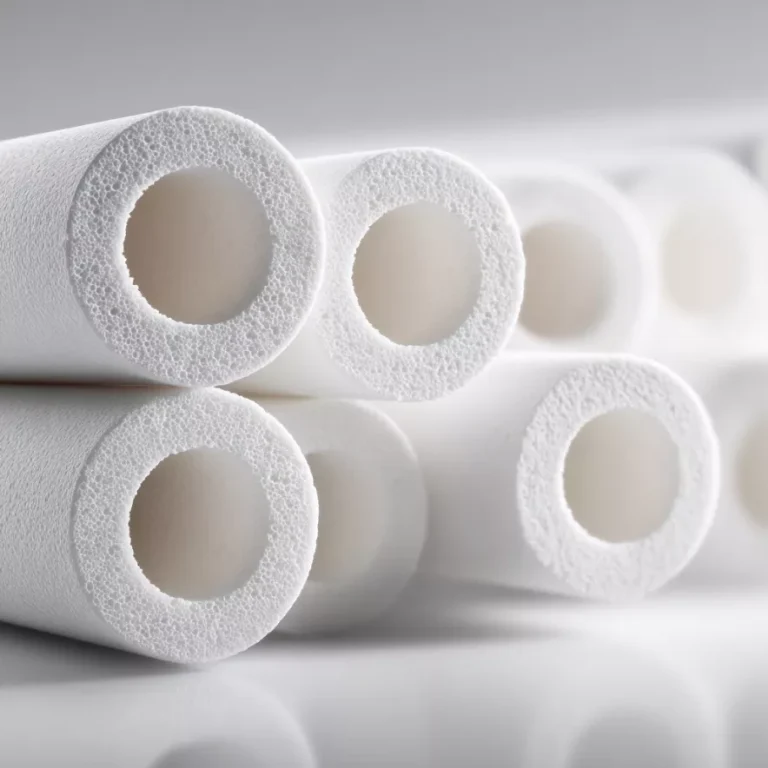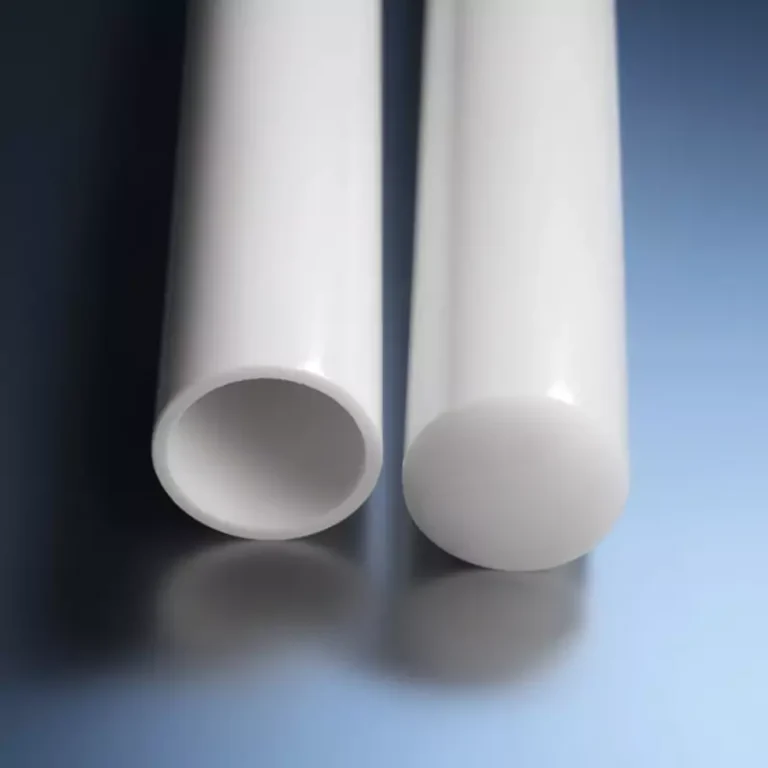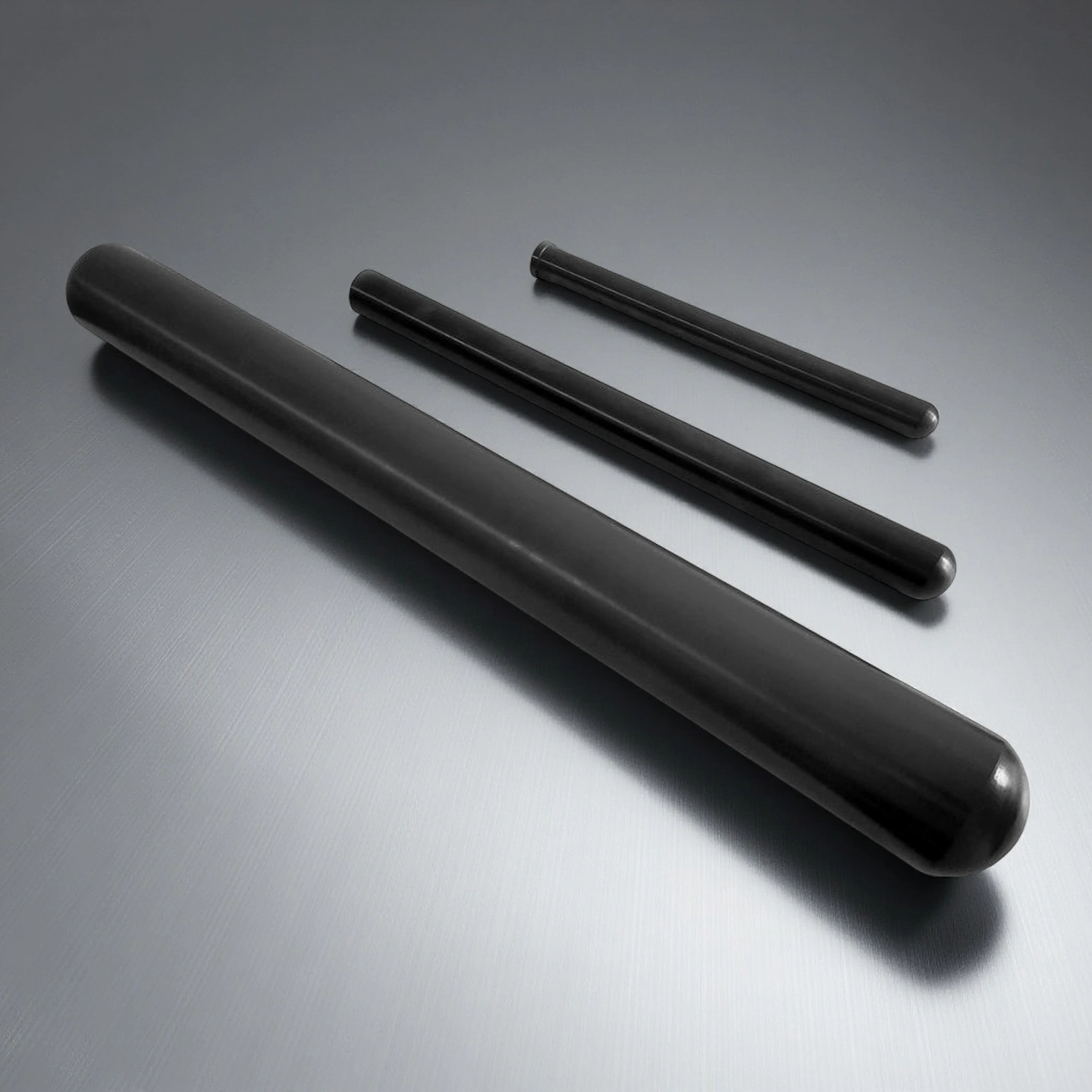
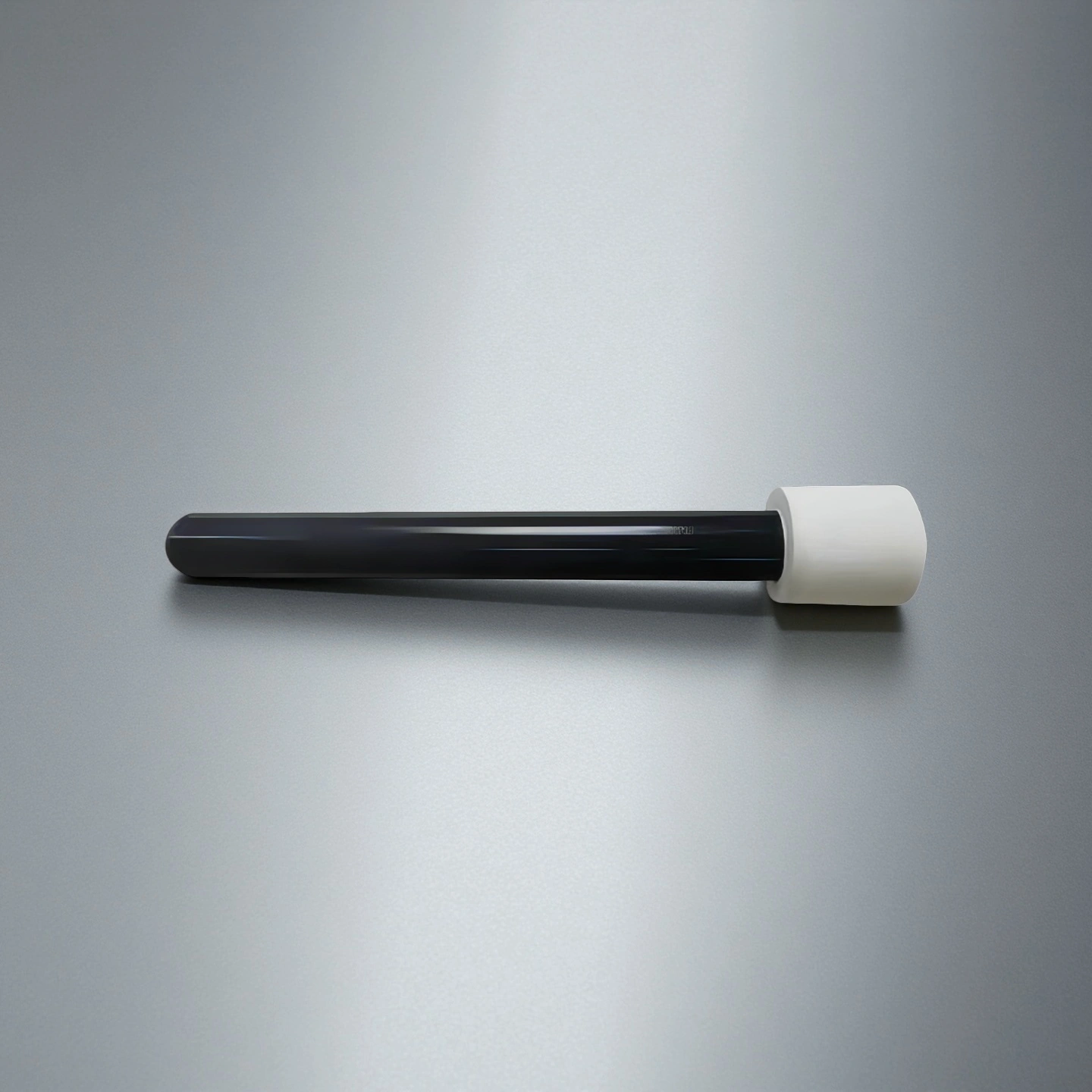
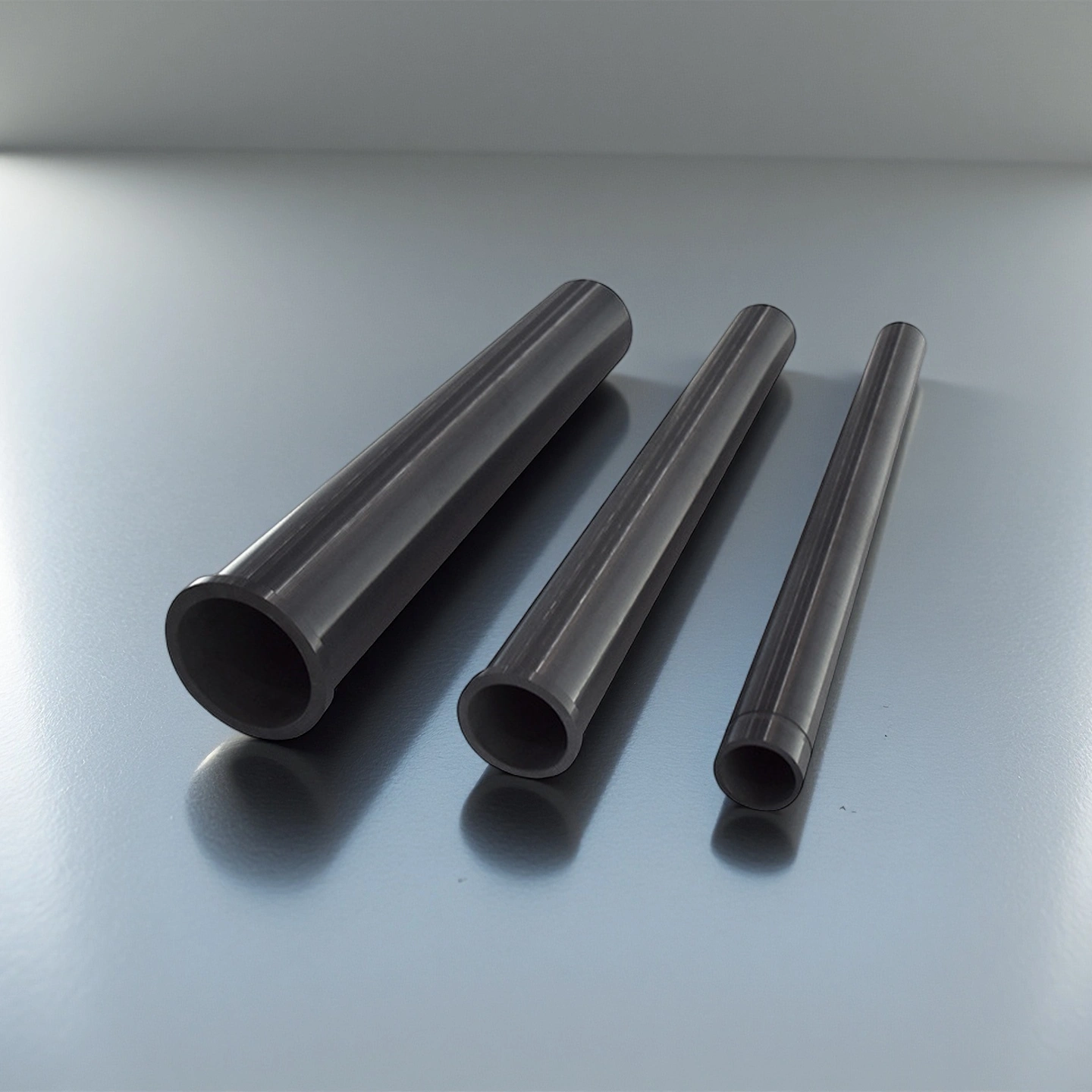
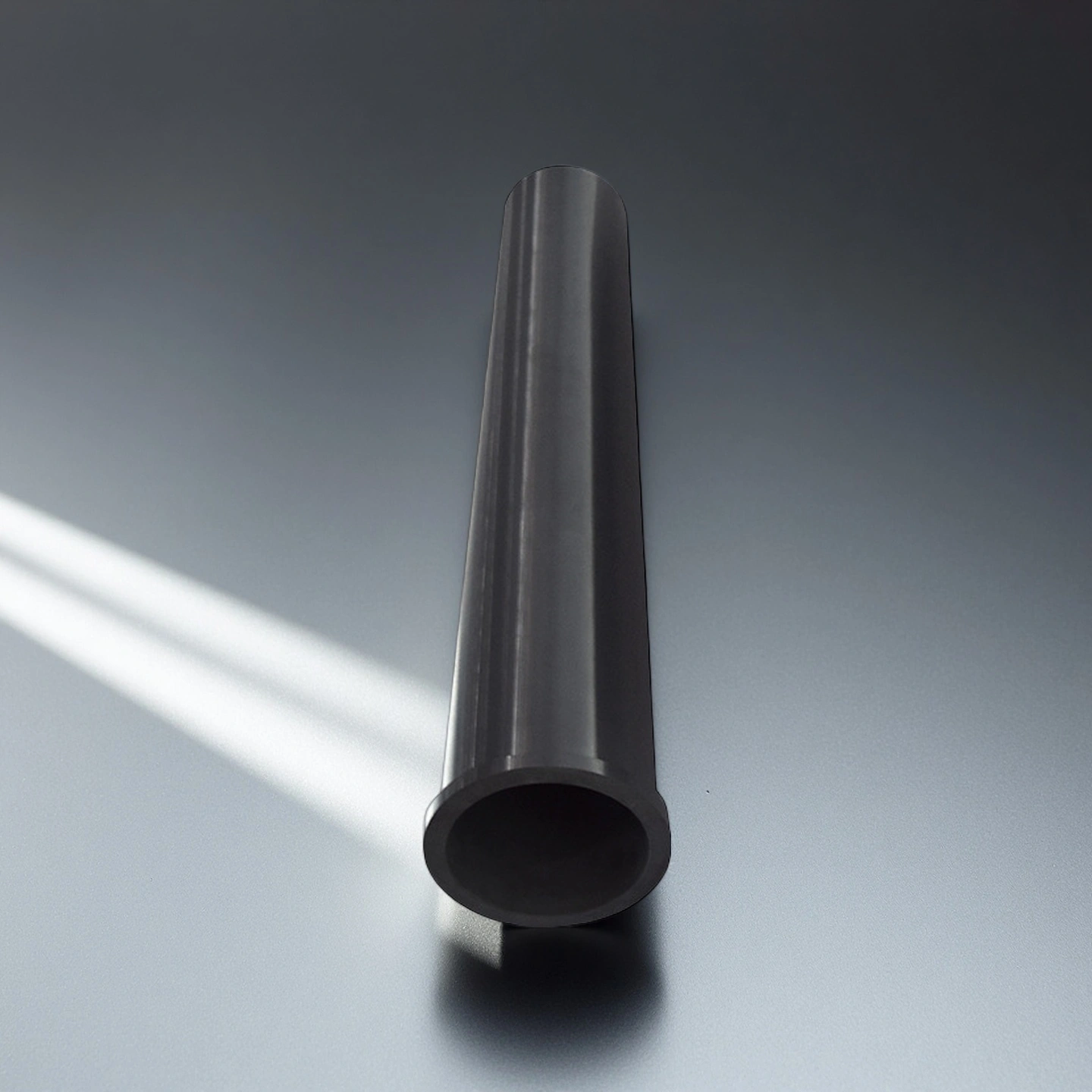
Silicon Nitride Heater Protection Tube for Aluminum Furnaces

Silicon nitride heater protection tubes protect heaters and thermocouples in molten aluminum, zinc, and other non-ferrous metal systems. Dense Si3N4 reduces wetting, oxidation, thermal shock, and dross buildup, with custom designs available.

Catalogue No. AT-DHG-G2001
Material Dense Si3N4 Silicon Nitride Ceramic
Standard OD Range 20–200 mm
Standard Length Range 500–1500 mm
End Design Closed-end, open-end, dome-end, stepped-end
Engineering RFQ Review
Small-Batch Custom Support
Factory-Direct Manufacturing
Drawing & Process Review

What Is a Silicon Nitride Heater Protection Tube?

A silicon nitride heater protection tube is a dense ceramic sleeve used to protect electric heaters, cartridge heaters, or thermocouples during immersion heating in molten aluminum, zinc, and other non-ferrous metal systems. The tube separates the heating element from direct metal contact while allowing heat transfer into the melt.

Compared with metal, alumina, or some silicon carbide protection tubes, Si3N4 offers better resistance to molten aluminum wetting, thermal shock, oxidation exposure, and mechanical impact. It is commonly used in aluminum holding furnaces, die-casting equipment, immersion heating systems, and temperature-control assemblies where heater stability and cleaner melt operation are important.

Silicon Nitride Heater Tube Benefits

Benefit Why It Matters in Molten Metal Heating
Non-Wetting to Molten Aluminum Dense Si3N4 helps reduce aluminum adhesion and oxide buildup on the tube surface, making cleaning easier and helping maintain stable heat transfer.
Thermal Shock Resistance Low thermal expansion and high fracture toughness help the tube withstand repeated heating and cooling cycles in furnace operation.
Corrosion and Erosion Resistance Silicon nitride resists attack from molten aluminum, zinc, flux residues, and oxide-rich melt environments better than many conventional ceramic or metal sleeves.
Dense Gas-Tight Structure A low-porosity ceramic body helps isolate internal heaters or thermocouples from furnace gas, metal vapor, and oxidation exposure.
Mechanical Strength High strength and impact resistance help reduce breakage risk during installation, immersion, and routine maintenance.
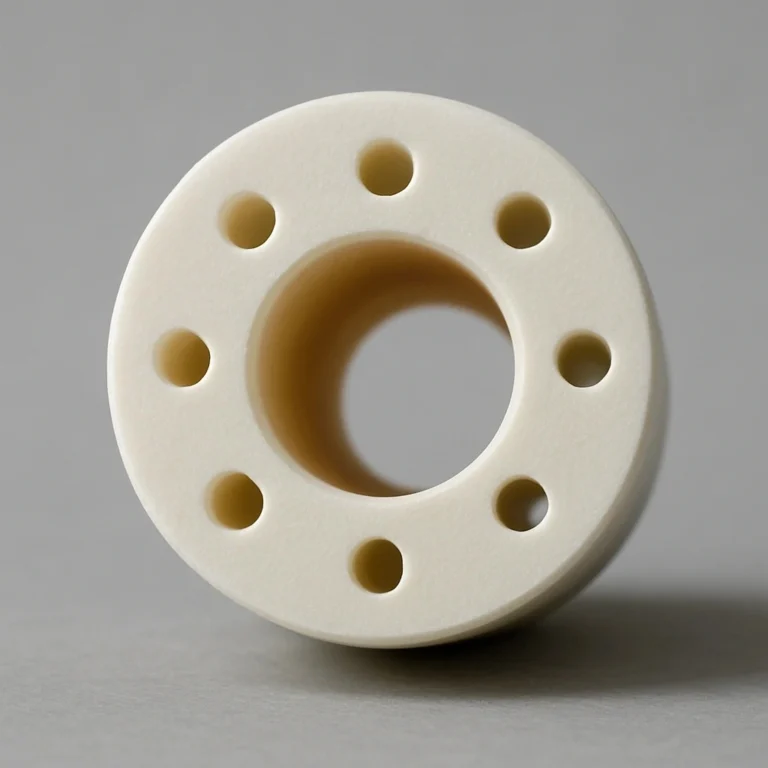
Custom Assembly Fit OD, ID, wall thickness, closed-end geometry, flanges, grooves, holes, and mounting interfaces can be reviewed according to furnace drawings.

Silicon Nitride Heater Protection Tube Properties

Si3N4 Type Gas pressure sintering Si3N4 Hot pressing sintering Si3N4 High thermal conductivity Si3N4
Density (g/cm3) 3.2 3.3 3.25
Flexural Strength (MPa) 700 900 600~800
Young Modulus (GPa) 300 300 300~320
Poisson's ratio 0.25 0.28 0.25
Compressive strength (MPa) 2500 3000 2500
Hardness (GPa) 15 16 15
Fracture toughness (MPa*m1/2) 5~7 6~8 6~7
Maximum working temperature (℃) 1100 1300 1100
Thermal conductivity (W/m*K) 20 25 80~100
Thermal expansion coefficient (/℃) 3*10-6 3.1*10-6 3*10-6
Thermal shock resistance (ΔT ℃) 550 800 /


Silicon Nitride Heater Tube Specifications

Comparison of Performance of Holding Furnaces with Different Heating Methods
No. Comparison Item Radiant Holding Furnace Immersion Holding Furnace Immersion Advantages
1 Heating Method The heating rod radiates heat from the aluminum liquid surface The heating rod heats inside the aluminum liquid
2 Thermal Efficiency 40-50% 90-95% High thermal efficiency
3 Heating Power 90Kw (1000Kg) 16Kw (1000Kg) Significant power saving
4 Furnace Gas Temperature 850-950℃ 650-700℃ Low aluminum loss
5 Aluminum Liquid Burn Loss Rate 1.5-2% 0.30% Few impurities
6 Slagging Phenomenon on Liquid Surface Severe Very little High-quality aluminum liquid
7 Aluminum Liquid Gas Absorption Phenomenon Severe Lower
8 Heating Rate Slow Fast Fast heating
9 Slagging and Aluminum Creeping in Furnace Lining Severe Not easy to slag Easy maintenance
10 Aluminum Liquid Depth Less than 400mm Unlimited More flexible
11 Temperature Uniformity Top-bottom temperature difference 10-20℃ Less than 5℃ Good quality
12 Furnace Lining Life Low High Long life


Si3N4 Heater Protection Tube
Item No. Outer Diameter (mm) Inner Diameter (mm) Standard Length (mm)
AT-DHG-G2001 20 9 500-1500
AT-DHG-G2002 30 18 500-1500
AT-DHG-G2003 40 20 500-1500
AT-DHG-G2004 70 45 800-1500
AT-DHG-G2005 100 75 800-1500
AT-DHG-G2006 112 86 800-1500
AT-DHG-G2007 125 100 800-1500
AT-DHG-G2008 132 108 800-1500
AT-DHG-G2009 160 135 800-1500
AT-DHG-G2010 192 168 800-1500
AT-DHG-G2011 200 175 800-1500

Other OD, ID, wall thickness, end shape, flange structure, and mounting dimensions can be reviewed according to furnace drawings or heater assembly samples.

Silicon Nitride Heater Protection Tube Packaging

  • Each tube is individually packed in foam-lined boxes to prevent damage during transit.
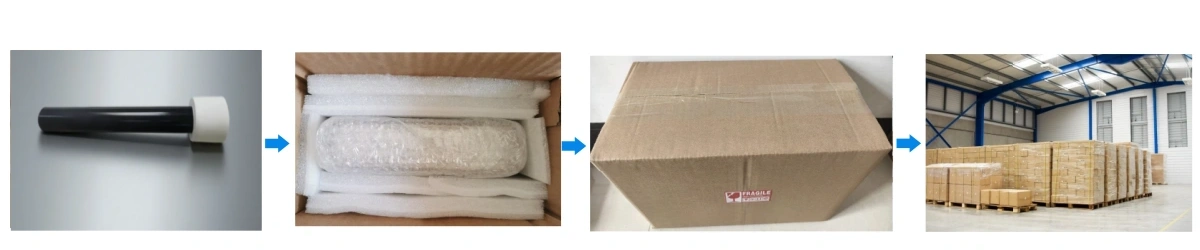
Silicon Nitride Heater Protection Tube Packaging

Silicon Nitride Heater Tube Applications

  • Aluminum Holding Furnaces

    Silicon nitride heater protection tubes are used to protect immersion heaters inside aluminum holding furnaces. Dense Si3N4 helps reduce molten aluminum wetting, heater oxidation exposure, and oxide buildup on the tube surface.
    Typical buyer concerns:

    Concern How Si3N4 Helps
    Aluminum sticks to the tube surface. Non-wetting behavior helps reduce adhesion and cleaning difficulty.
    Heater elements fail too early. The tube separates the heater from molten metal and furnace gas.
    Temperature response is unstable. Dense ceramic structure supports stable heat transfer into the melt.
    Maintenance causes breakage. High mechanical strength helps reduce handling-related damage.
  • Low-Pressure Die Casting Equipment

    In low-pressure die casting systems, heater protection tubes are used near molten aluminum holding and transfer areas where temperature control, splash resistance, and installation fit are important.
    Recommended design focus:

    Design Point Recommendation
    Closed-end protection Use for thermocouple or heater isolation from splashing metal.
    Mounting area Avoid point loading and allow thermal expansion clearance.
    Surface condition Ground or polished surfaces can be reviewed when dross adhesion must be reduced.
    Replacement access Design the tube length and flange area so the part can be removed safely.
  • Zinc and Non-Ferrous Metal Heating Systems

    Silicon nitride heater protection tubes can also be reviewed for selected zinc and non-ferrous metal heating systems. Material compatibility should be confirmed according to melt chemistry, operating temperature, flux use, and cleaning practice.
    Suitable review conditions include:

    Condition RFQ Information Needed
    Zinc bath heating Bath temperature, alloy composition, heater type, immersion depth.
    Magnesium alloy systems Furnace atmosphere, alloy grade, flux exposure, safety design.
    Non-ferrous metal holding Melt chemistry, cleaning interval, expected tube geometry.

Si3N4 Heater Protection Tube Usage Guidelines

Proper installation, preheating, handling, and cleaning directly affect the performance of a silicon nitride heater protection tube. The following guidelines are intended for engineering reference. Final operating procedures should follow the furnace, heater, and plant safety requirements.

  • Installation Instructions

    1. Inspect the tube surface, closed end, mounting section, and inner bore before installation.
    2. Do not use tubes with visible cracks, chips, impact marks, or abnormal surface defects.
    3. Insert the heater or thermocouple carefully and avoid direct metal-to-ceramic impact.
    4. Use ceramic fiber, graphite, or suitable high-temperature sealing materials when the mounting interface requires sealing.
    5. Avoid rigid clamping that creates point stress on the ceramic tube.

  • Preheating and Immersion

    1. Avoid direct cold insertion into molten metal.
    2. Preheat gradually when the tube has been stored in a cold or humid environment.
    3. Immerse the tube slowly and avoid sudden contact with furnace walls, stirring tools, or dross layers.
    4. Keep the tube supported during operation to reduce vibration and bending stress.
    5. Avoid rapid temperature cycling whenever possible.

  • Maintenance and Cleaning

    1. Allow the tube to cool naturally before inspection or cleaning.
    2. Remove oxide buildup with non-impact tools.
    3. Do not hammer, quench, or scrape the tube with sharp metal tools.
    4. Check the surface condition, closed-end area, mounting section, and wall thickness during maintenance.
    5. Replace the tube if cracks, severe erosion, loose mounting, or abnormal heater behavior is observed.

  • Storage & Handling

    1. Store tubes in a dry area with foam or soft support.
    2. Do not stack long tubes without separators.
    3. Avoid side impact, rolling, or unsupported overhang.
    4. Keep tubes away from moisture, oil, acid vapor, and heavy mechanical parts.

  • Common Misuse and Solutions

    Failure Mode Possible Cause Prevention
    Cracking during startup Rapid heating, moisture, or cold insertion. Preheat gradually and avoid thermal shock.
    Aluminum buildup High oxide content, insufficient cleaning, or unsuitable surface finish. Maintain melt cleanliness and clean gently.
    Heater oxidation Poor sealing or air leakage near the mounting section. Review flange, gasket, and sealing design.
    Tube breakage near flange Point loading or rigid clamping. Use compliant sealing material and avoid over-tightening.
    Closed-end damage Mechanical impact from tools or furnace wall contact. Confirm installation clearance and handling method.

Silicon Nitride Heater Protection Tube FAQ

  1. Q: What is a silicon nitride heater protection tube used for?
    A: A silicon nitride heater protection tube is used to protect electric heaters, cartridge heaters, or thermocouples from direct contact with molten aluminum, zinc, and selected non-ferrous metal environments. It helps isolate the heater from metal attack, oxidation exposure, and mechanical damage during immersion heating.
  2. Q: Why is Si3N4 used for molten aluminum heater protection?
    A: Si3N4 is used because it has low wettability to molten aluminum, good thermal shock resistance, high mechanical strength, and a dense ceramic structure. These properties help reduce aluminum adhesion, heater oxidation risk, and breakage caused by repeated heating cycles.
  3. Q: Can silicon nitride heater protection tubes be used without preheating?
    A: Direct cold insertion into molten metal is not recommended. The tube should be preheated gradually according to the furnace and heater operating procedure, especially when the tube has been stored in a cold or humid environment.
  4. Q: What information is needed for a custom heater protection tube quotation?
    A: Useful RFQ information includes outer diameter, inner diameter, length, wall thickness, open-end or closed-end design, heater or thermocouple size, furnace model, working media, temperature range, mounting structure, and quantity. Drawings or photos of the existing tube are helpful.
  5. Q: How is silicon nitride different from alumina or silicon carbide protection tubes?
    A: Compared with alumina, silicon nitride usually offers better thermal shock resistance and mechanical strength. Compared with some silicon carbide tubes, Si3N4 provides better resistance to molten aluminum wetting. The final choice should be reviewed based on furnace temperature, melt chemistry, installation design, and cost target.
  6. Q: Can ADCERAX make flanged or stepped silicon nitride heater tubes?
    A: Yes. ADCERAX can review custom OD, ID, wall thickness, closed-end geometry, flange design, grooves, holes, steps, and mounting interfaces according to drawings, samples, or furnace assembly requirements.

RFQ Checklist

Please provide the following information for a faster engineering review:

  1. Outer diameter, inner diameter, and total length.
  2. Closed-end or open-end requirement.
  3. Heater or thermocouple type and diameter.
  4. Furnace type and installation direction.
  5. Working metal and operating temperature range.
  6. Mounting structure, flange drawing, or sealing method.
  7. Quantity and expected delivery schedule.
  8. Drawing, sample photos, or previous tube specifications.
customize size

Custom Silicon Nitride Heater Tube

ADCERAX supports drawing-based silicon nitride heater protection tubes for aluminum furnaces, die-casting equipment, zinc bath systems, and custom immersion heating assemblies. Customization is reviewed according to heater size, furnace structure, working media, sealing method, and installation clearance.

Dimensions & Geometry
• Outer diameter: 20–80 mm (±0.2 mm tolerance)
• Inner diameter and wall thickness based on heater or thermocouple size
• Length: 200–1500 mm, or according to the provided drawing
• Straight tube, stepped tube, or reinforced head structures

End Configurations
• Closed-end, open-end, dome shape, hemispherical, flat or tapered
• Threaded connection, bolt flange, or clamp-mounted type
• Optional vent hole or gas outlet design for internal heater pressure relief

Machining & Interface Details
• Holes for lead wires or sensor cable exit
• Thermocouple guide channel or internal locking groove
• Sealing groove for O-rings, graphite gaskets, or ceramic fiber packing
• Custom slot or notch for fixing brackets in furnace wall

Surface Finish & Treatment
• Raw sintered surface for high friction-fit or coating compatibility
• Polished surface to reduce oxide adhesion in molten aluminum
• Anti-oxidation or anti-wetting surface treatment (Si₃N₄-based glaze coating optional)

Function-Specific Options
• Gas-tight construction for pressurized heating systems
• Permeable or vented design for vacuum and inert gas applications
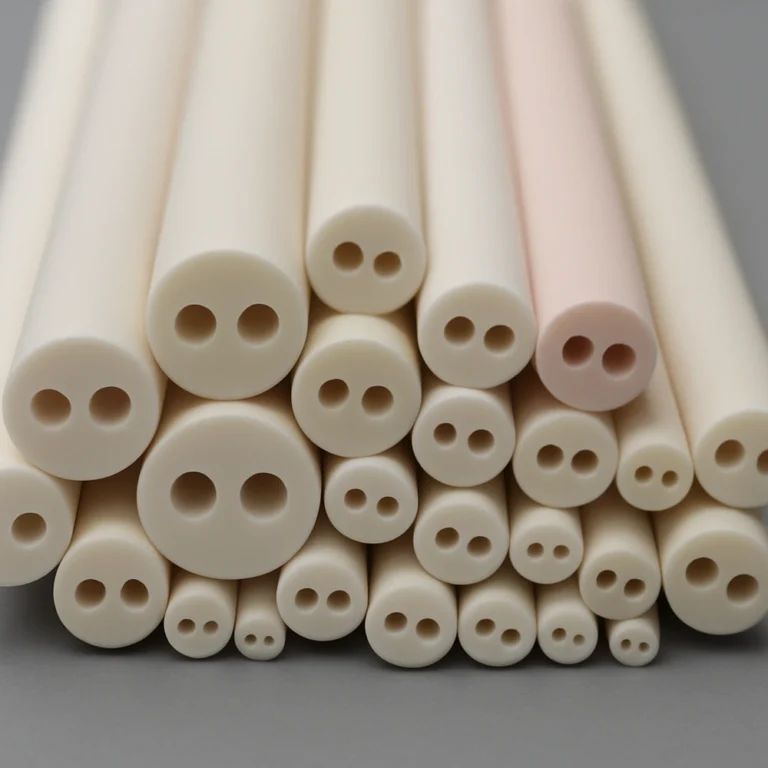
• Double-layer tube structures for heater protection plus thermocouple guidance

Related Products

ADCERAX - Your Trusted Advanced Ceramics Manufacturing Partner

Direct factory manufacturing with comprehensive ceramic materials expertise and global supply capabilities

China-Based Manufacturer

ADCERAX supplies ceramic components for overseas OEMs, equipment builders, and labs.

Custom Drawing Support

We review drawings, dimensions, materials, and application conditions before quotation.

Ceramic Process Control

Forming, sintering, machining, grinding, and finishing are arranged by part requirements.

Pre-Shipment Inspection

Dimensional checks, visual inspection, and packaging review help reduce procurement risk.

Get in Touch with Us

Our team will be happy to respond to you in less than 24 hours.

Pingxiang Factory — Silicon carbide, silicon nitride, high-temperature ceramics

Quick Quotation

*Our team will answer your inquiries within 24 hours.

*Your information will be kept strictly confidential.

Ready to Solve Your Engineering Challenge?

Partner with ADCERAX for reliable, high-performance advanced ceramic solutions. Our engineers are ready to discuss your project.

E-mail

info@adcerax.com

Phone

+(86) 0731-74427743 | WhatsApp: +(86) 19311583352

Response Time

Within 24 hours

Quick Quote

The more details you provide, the faster we can quote.

*We respond within 24 hours. All inquiries are confidential.

Get Your Custom Solution

The more details you provide, the faster we can respond.

customize size

*We respond within 24 hours. All inquiries are confidential.

Download Catalog