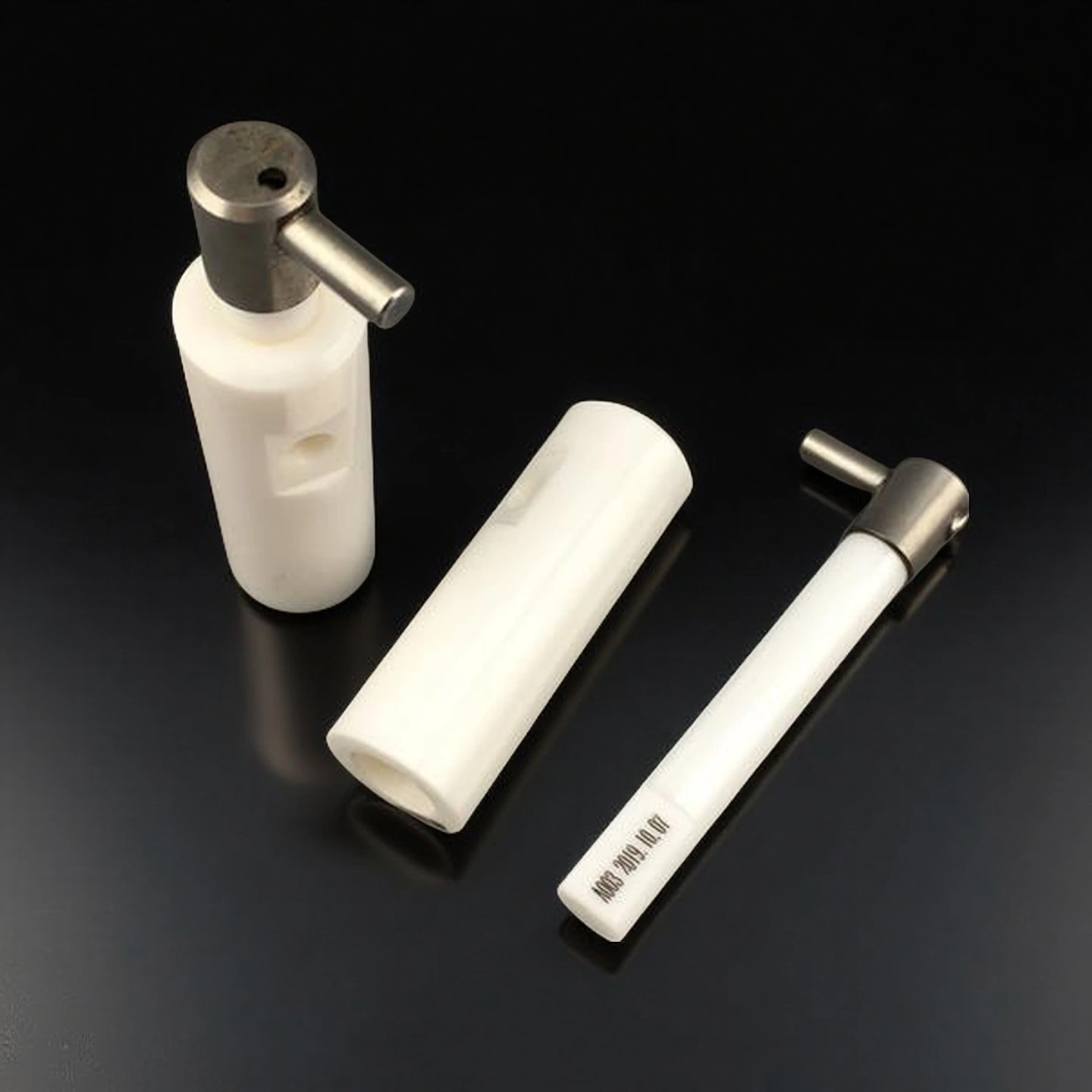
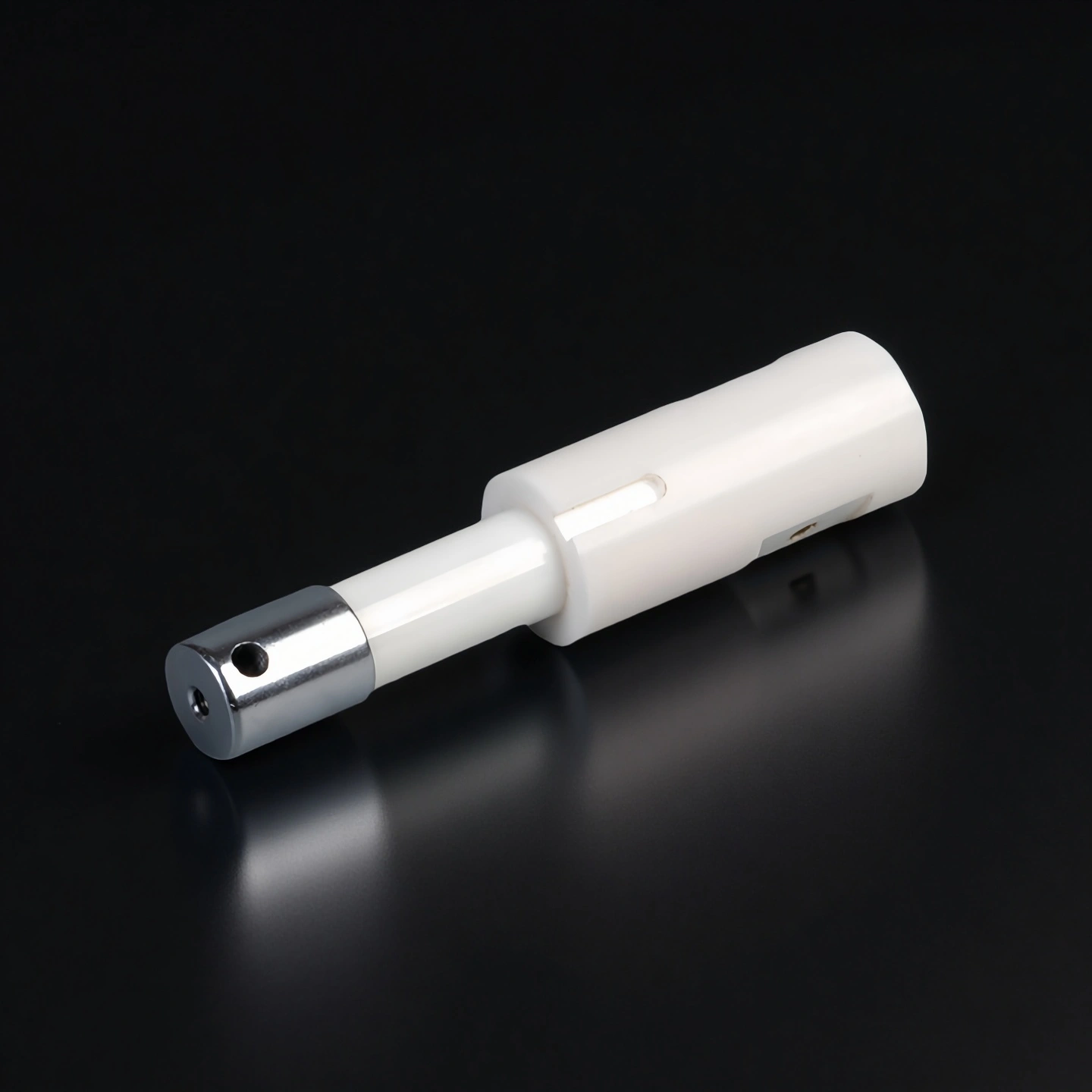
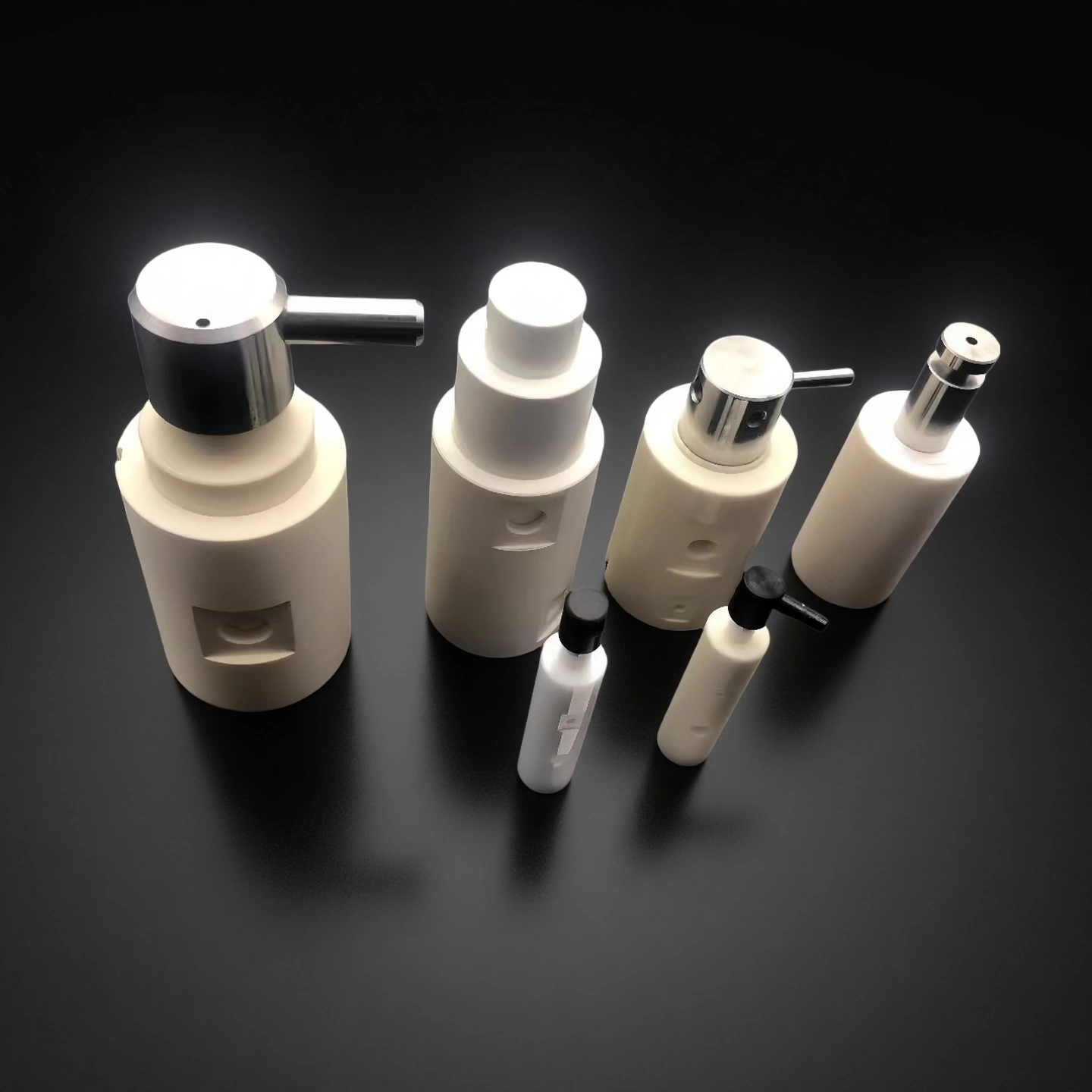
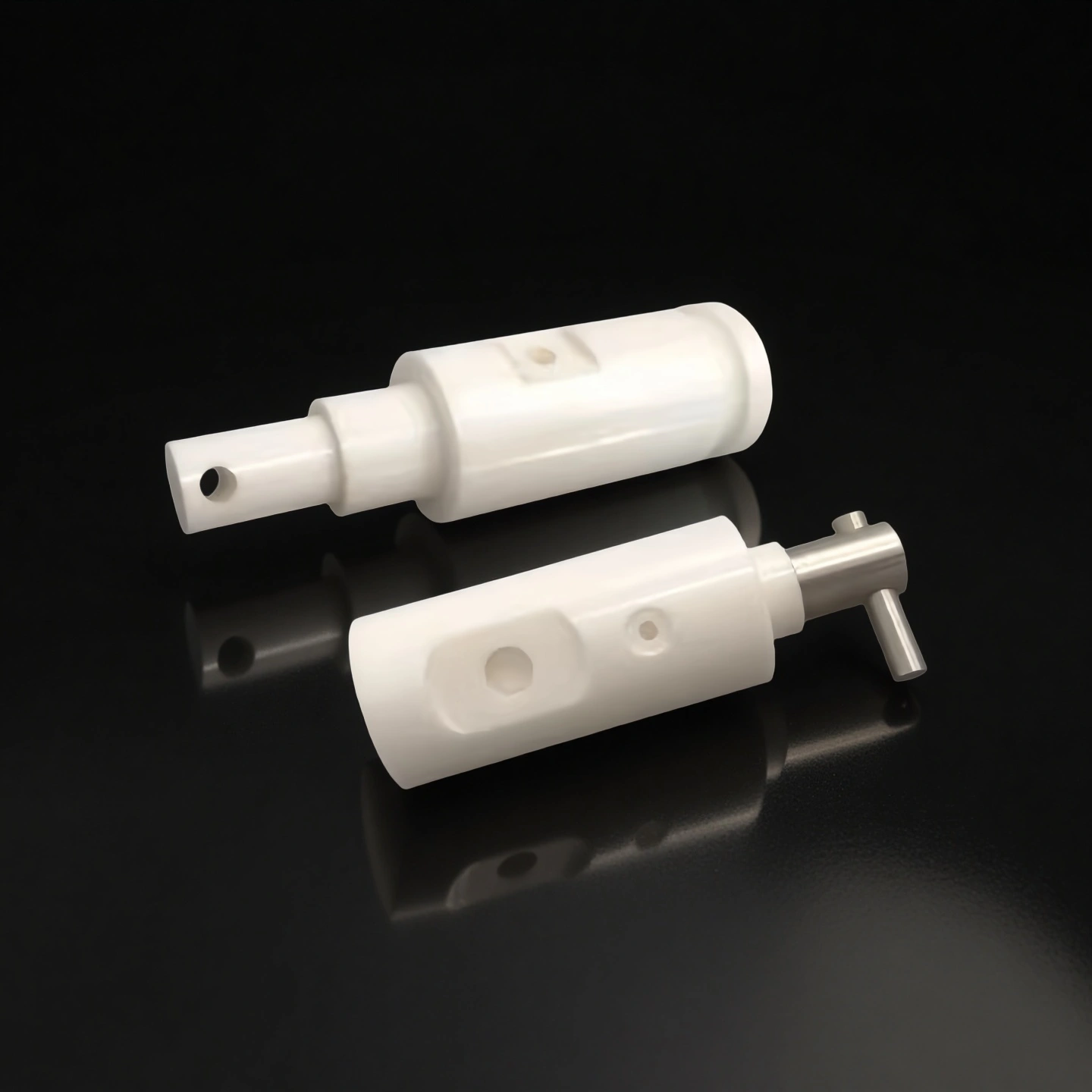
ADCERAX® Zirconia Ceramic Piston Pump is designed for precise dosing and long-term liquid handling in demanding industries. Its zirconia construction provides strong resistance to acids, bases, and solvents while maintaining stable performance under continuous operation. The pump supports hygienic processes such as CIP/SIP and delivers repeat accuracy down to 0.5%, making it suitable for pharmaceutical, cosmetic, food, and chemical applications.
Features of Zirconia Ceramic Piston Pump
- The Zirconia Ceramic Piston Pump achieves bending strength of 480–1000 MPa, enabling reliable operation under pressure. This wide strength range allows consistent performance even in high-load dosing systems.
- With compressive strength of 1600–2300 MPa, the pump can handle demanding conditions without deformation. Such resistance ensures long-term stability in continuous industrial use.
- The material’s fracture toughness of 6–8 MPa·m½ supports safe use in cyclic loading. This toughness minimizes sudden failure risks during extended duty cycles.
- The Zirconia Ceramic Piston Pump resists temperatures up to 1000 ℃, maintaining stable properties under heat. This makes it suitable for thermal-intensive filling and metering tasks.
- With thermal conductivity of 3 W/m·K, it effectively manages heat flow in continuous operation. This stability prevents thermal stress and extends pump life.
- The pump’s thermal expansion coefficient of 0.00001/℃ ensures dimensional stability. Such control reduces leakage and preserves repeat accuracy across temperature variations.
- The Zirconia Ceramic Piston Pump features hardness of 1200–1450 HV1, providing strong resistance to wear. This ensures minimal drift in dosing accuracy over years of service.
- With density of 5.65–6.05 g/cm³, it offers high material compactness and durability. This density contributes to long-term operation under mechanical and chemical stress.
Technical Properties for Zirconia Ceramic Piston Pump
The ZrO2 Ceramic Piston Pump is engineered with advanced zirconia materials that deliver consistent performance across demanding industrial environments.
| Property |
Specification |
| Material |
Zirconia (ZrO₂) + Stabilizing Agent |
| Density |
5.65–6.05 g/cm³ |
| Thermal Conductivity |
3 W/m·K |
| Temperature Resistance |
Up to 1000 ℃ |
| Thermal Expansion |
0.00001/℃ |
| Bending Strength |
480–1000 MPa |
| Compressive Strength |
1600–2300 MPa |
| Hardness |
1200–1450 HV1 |
| Fracture Toughness |
6–8 MPa·m½ |
Specifications of Zirconia Ceramic Piston Pump
|
Zirconia Piston Pump |
|
Item NO. |
Volmue (ml) |
Filling Accuracy (%) |
Purity (%) |
|
AT-ZP-6001 |
0.45 |
>0.5%,<1% |
95% |
|
AT-ZP-6002 |
4.5 |
>0.3%,<0.5% |
95% |
|
AT-ZP-6003 |
6.5 |
>0.3%,<0.5% |
95% |
|
AT-ZP-6004 |
8 |
>0.3%,<0.5% |
95% |
|
AT-ZP-6005 |
35 |
>0.3%,<0.5% |
95% |
|
AT-ZP-6006 |
82 |
>0.3%,<0.5% |
95% |
|
AT-ZP-6007 |
176 |
>0.3%,<0.5% |
95% |
Packaging of Zirconia Ceramic Piston Pump
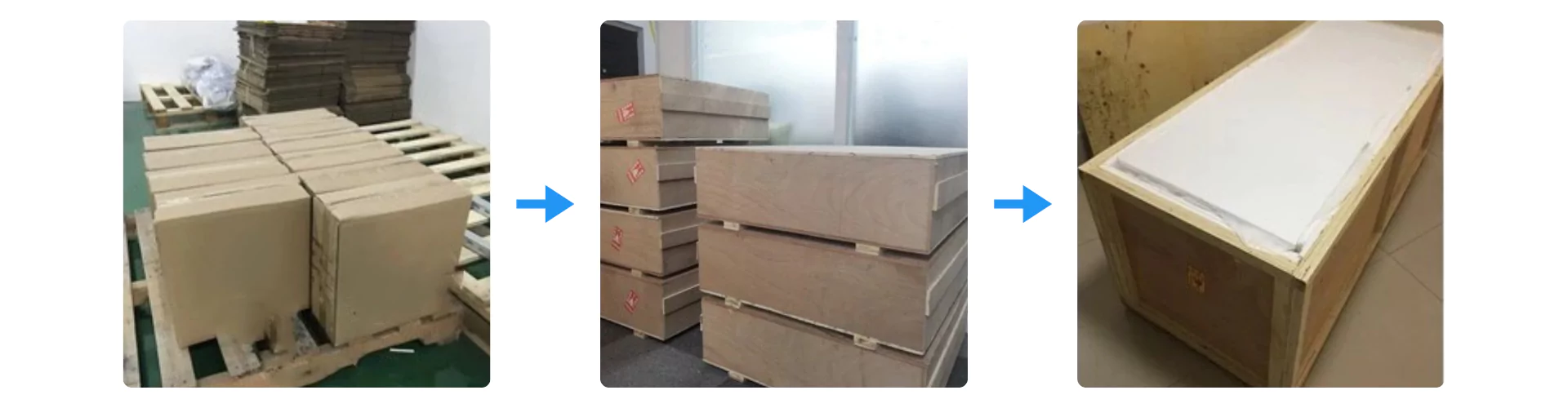
Each ZrO2 Piston Pump is first packed in reinforced cartons and then secured in wooden cases for safe export. The layered protection ensures them arrive intact during long-distance transportation. ADCERAX® guarantees every Zirconia Ceramic Piston Pump is delivered with stable, damage-free packaging suitable for global shipment.
Solving Application Challenges with ADCERAX® Zirconia Ceramic Piston Pump
ADCERAX® ZrO2 Piston Pump is designed to meet sector-specific challenges where precision dosing, chemical resistance, and long lifetime are critical. By aligning the pump’s unique material properties with high-demand industrial applications, it delivers stable results and reduces downtime in areas where traditional pumps often fail.
-
Sterile Biotech Filling
✅Key Advantages
1. Sub-microliter repeatability — Maintains ≤0.5% repeat accuracy from 0.1–5.0 mL fills. Polished zirconia wet-ends with Ra ≤0.5 µm minimize drift in long aseptic runs.
2. CIP/SIP endurance — Stable performance through steam cycles up to 1000 °C contact tolerance. Chemically inert ZrO₂ resists sanitants and solvents used in sterile suites.
3. Low wear dosing pair — Hardness ≥1200 HV1 and fracture toughness 6–8 MPa·m½ limit abrasion. Consistent clearances sustain validated fill CV targets over extended campaigns.
✅ ️Problem Solved
A multi-format vial line required CV ≤0.5% at 0.5–2.0 mL fills but saw weekly batch holds from volume drift >1.0% with metal plungers. After switching to the ADCERAX® Zirconia Ceramic Piston Pump (Ra ≤0.5 µm, hardness ≥1200 HV1), three validation lots maintained CV ≤0.5% over 10,000+ strokes per lot. CIP/SIP changeovers preserved surfaces without measurable corrosion. Nonconformances dropped to zero during the qualification window.
-
Battery Electrolyte Metering
✅Key Advantages
1. Electrolyte corrosion resistance — ZrO₂ wet-parts withstand LiPF₆/solvent blends, holding accuracy ≤0.5%. No metal ion shedding into EC/EMC/DMC systems reduces defect risk.
2. High load stability — Compressive strength 1600–2300 MPa keeps clearances stable under pump head pressure. Thermal expansion 1×10⁻⁵/°C supports tight flow control across temperature shifts.
3. Wear-controlled surfaces — Hardness 1200–1450 HV1 with Ra ≤0.5 µm lowers abrasion from fine particulates. Longer intervals between wet-end replacements sustain coating line takt time.
✅ ️Problem Solved
An electrode coating plant reported variation spikes when dosing electrolyte before stacking, pushing cells outside spec. ADCERAX® Zirconia Ceramic Piston Pump maintained ≤0.5% dose repeatability while exposed to fluorinated salts and organic solvents, aided by compressive strength ≥1600 MPa and inert ZrO₂ contact. Weekly changeouts were replaced by scheduled inspections only. Coating uniformity stabilized within process limits across three shifts.
-
High-Pressure Cleaning Systems
✅Key Advantages
1. Crack-resistant plungers — Fracture toughness 6–8 MPa·m½ mitigates failure under cyclic loads. Dimensional stability supports sustained high-pressure duty.
2. Abrasive wear defense — Surface hardness ≥1200 HV1 and Ra ≤0.5 µm reduce grit-induced scoring. Lower wear preserves volumetric efficiency across long campaigns.
3. Thermal and chemical robustness — Operation tolerant to 1000 °C contact exposure and harsh cleaners. ZrO₂ chemistry prevents corrosion pathways common to steel components.
✅ ️Problem Solved
A centralized wash-down system experienced piston cracking and frequent rebuilds from abrasive carryover. With ADCERAX® Zirconia Ceramic Piston Pump, plungers with ≥1200 HV1 hardness and toughness 6–8 MPa·m½ resisted crack initiation over extended cycles. Flow output stayed within target, eliminating mid-week maintenance stops. Planned service aligned with monthly plant windows without unplanned downtime.
User Guide for Zirconia Ceramic Piston Pump
The Zirconia Ceramic Piston Pump requires correct installation, operation, and maintenance to achieve its designed performance in demanding industries. This section provides clear instructions that help customers maximize efficiency, reduce downtime, and extend service life.
-
Installation Guidelines
1. Ensure the pump is mounted on a stable base to prevent vibration. Unstable installation can cause misalignment and reduce performance. Use proper tools to secure the unit during setup.
2. Always align the piston and connecting rod with the designed axis. Misalignment increases wear on seals and shortens pump lifetime. Regular checks are recommended before startup.
3. Confirm all piping and connectors are leak-proof. Leaks not only waste fluid but also compromise safety and dosing accuracy. Testing before operation avoids later failures.
-
Operating Conditions
1. Keep the fluid temperature within the -40 ℃ to 250 ℃ range. Exceeding this range reduces material stability and may damage the pump. Monitoring systems should be in place.
2. Operating pressure should remain below 0.6 MPa unless specified by customization. Exceeding this limit stresses the zirconia components and causes premature failure.
3. Avoid running the pump dry for extended periods. Continuous dry operation creates frictional heat, increasing wear and reducing efficiency.
-
Maintenance Practices
1. Inspect pistons, seals, and connectors at regular intervals. Worn components reduce accuracy and should be replaced immediately to maintain dosing consistency.
2. Clean the pump chamber after every production cycle using CIP/SIP-compatible methods. Proper cleaning prevents contamination and supports compliance in pharma and food lines.
3. Maintain a spare parts inventory. Having seals and pistons in stock reduces downtime during unexpected maintenance and ensures quick recovery.
-
Storage and Handling
1. When idle for long periods, clean and dry the pump before storage. Place it in a cool and dry environment to avoid moisture damage.
2. Cover the pump with protective wrapping to shield against dust and accidental scratches. Packaging should remain intact until the next use.
3. Transport the pump in its original reinforced case. This prevents mechanical shock and protects fragile zirconia components during shipping.