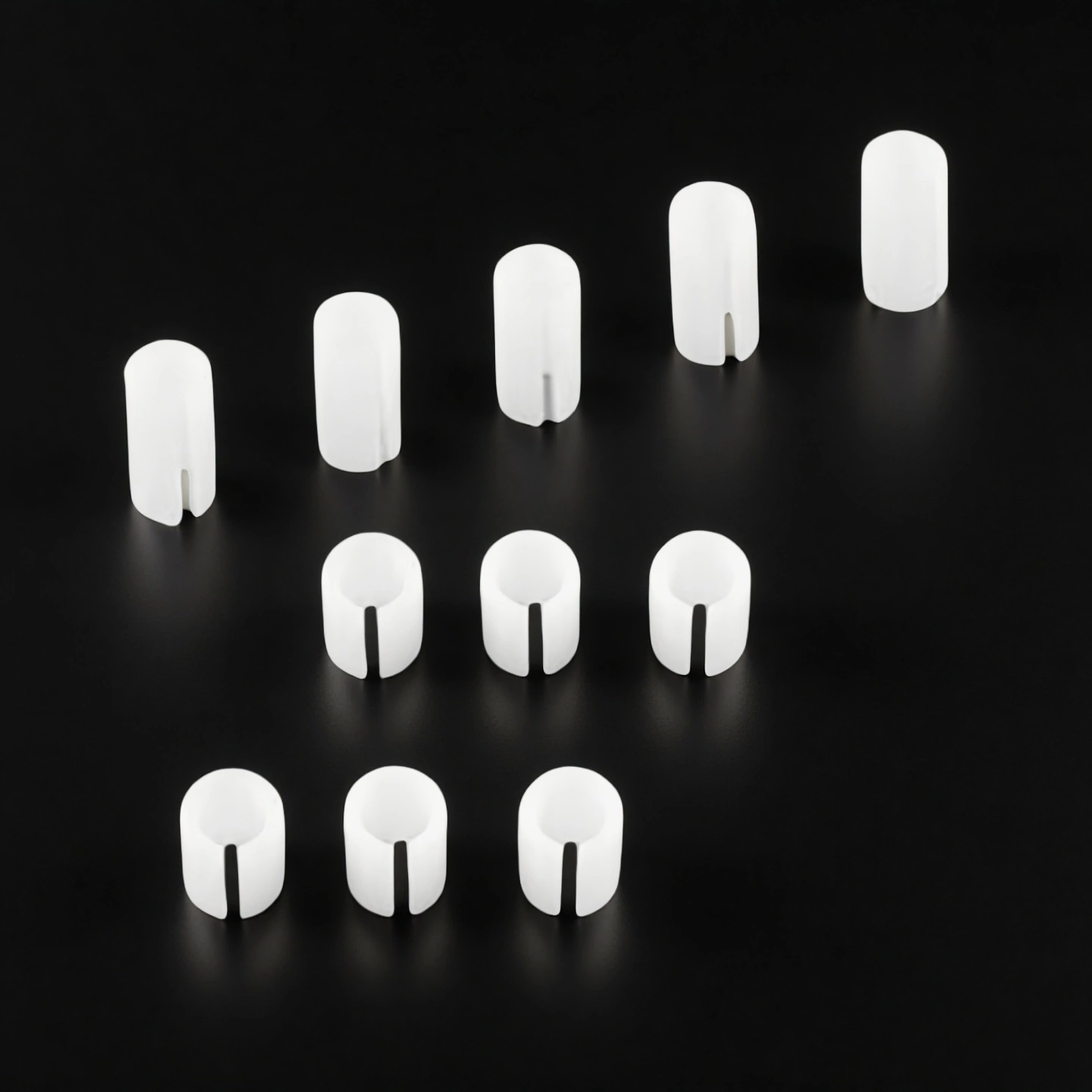
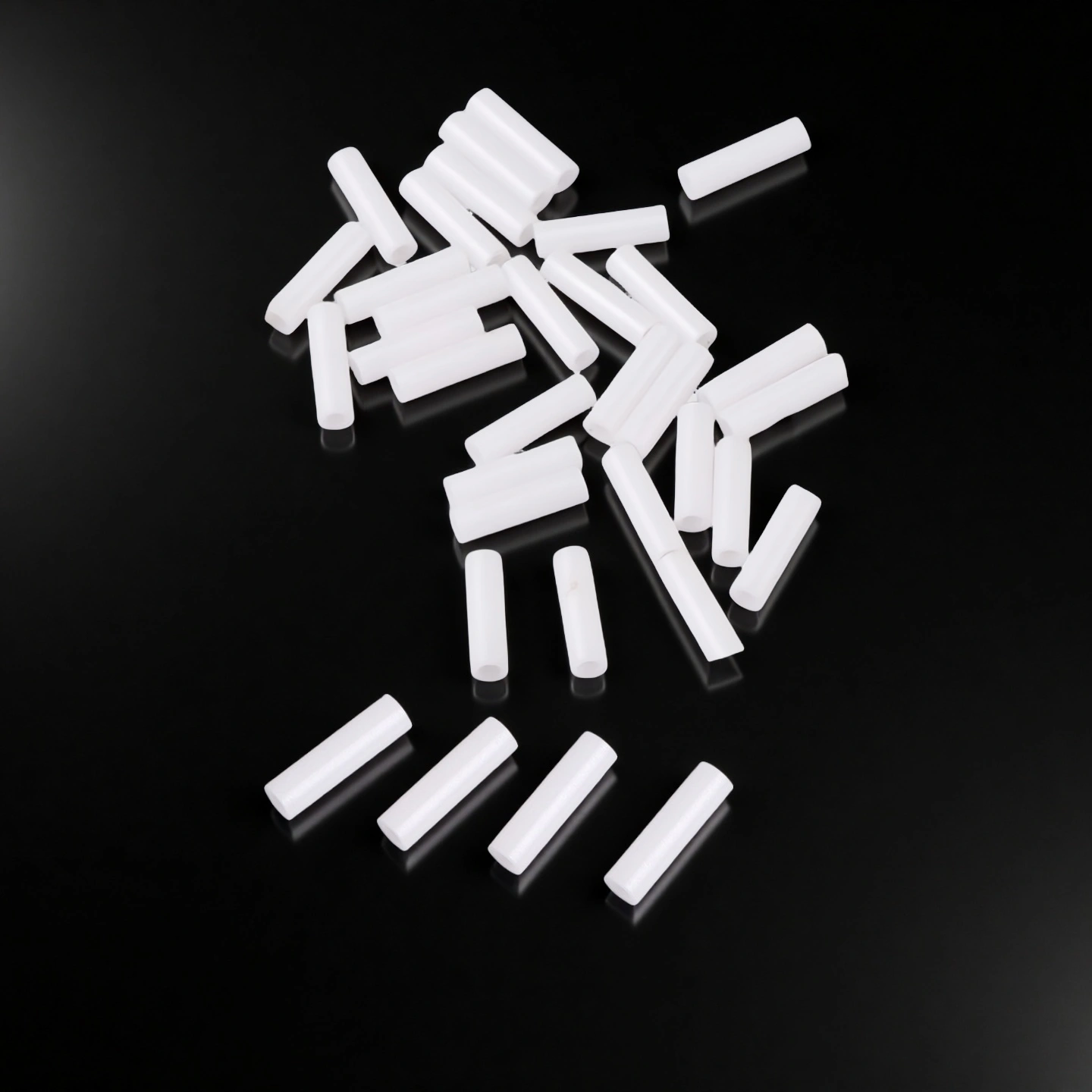
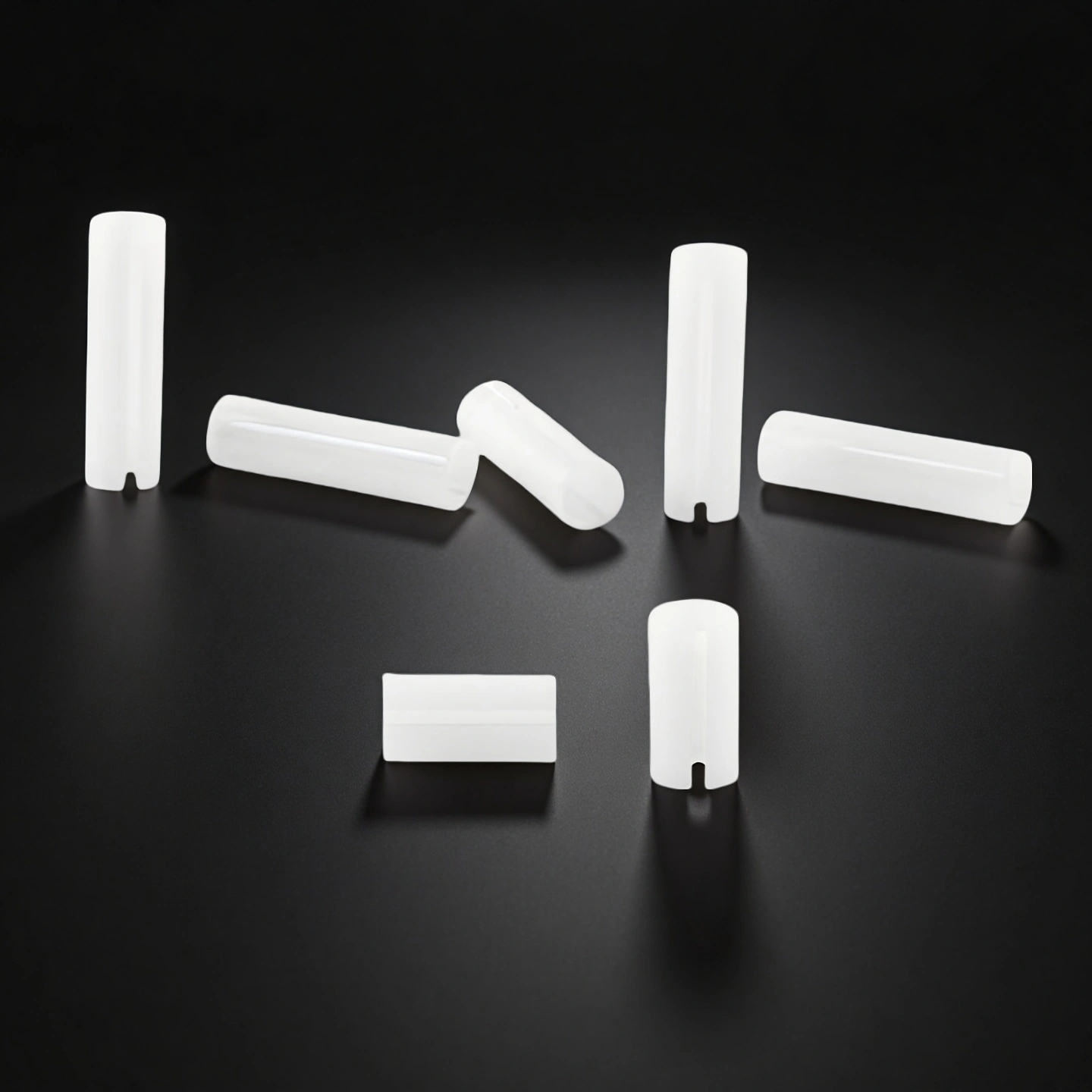
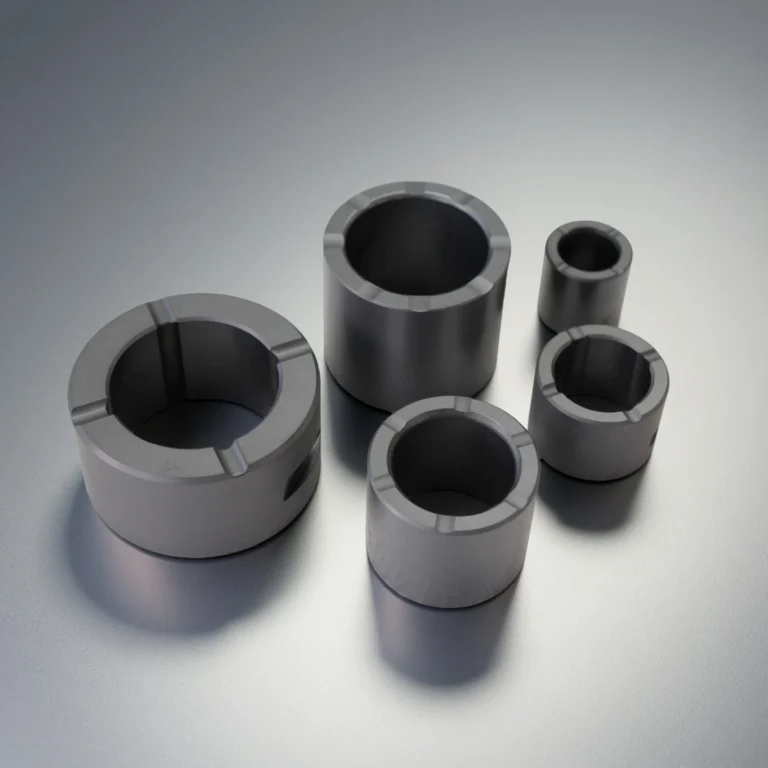
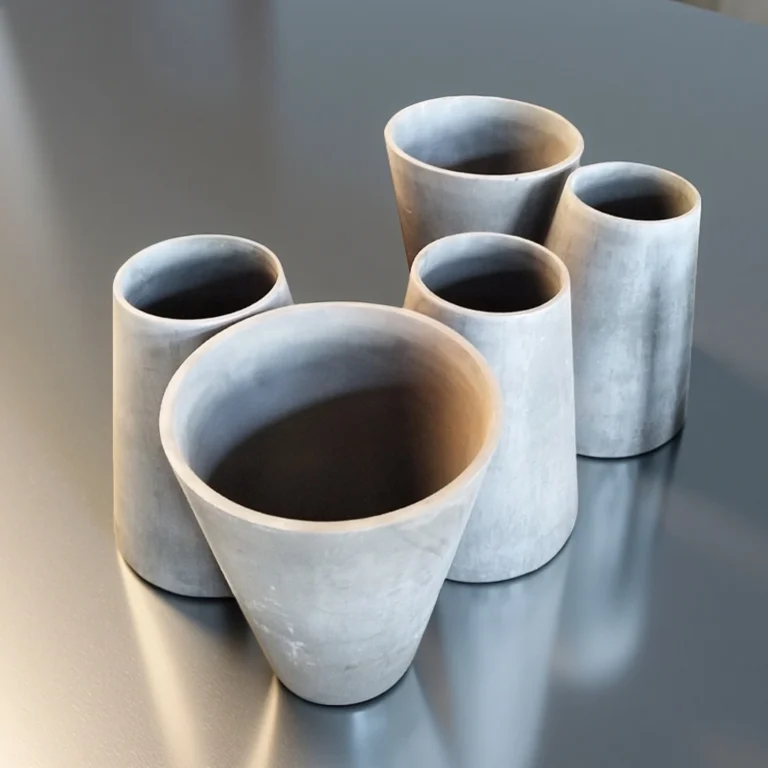
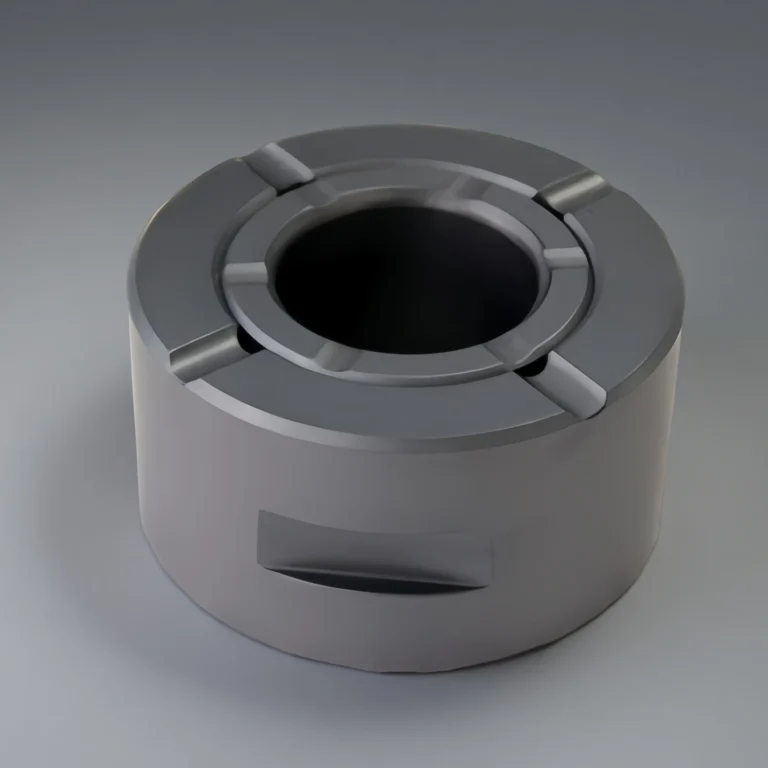
ADCERAX® Zirconia Sleeve is a precision ceramic component designed to align fiber cores within optical connectors and adapters. By ensuring consistent physical contact between fibers, it supports stable transmission with minimal insertion loss and back reflection. This structure enables reliable connections across fiber-to-fiber, fiber-to-device, and fiber-to-instrument interfaces in high-performance networks.
Performance-Driven Features of Zirconia Sleeve
- Concentricity Tolerance ≤ 0.5 µm
Each Zirconia Sleeve maintains a maximum concentricity deviation of 0.5 µm, enabling fiber cores to align within tight optical thresholds. This reduces insertion loss to ≤ 0.5 dB, meeting GR-326-CORE specifications.
- Inner Bore Roundness ≤ 0.3 µm
The inner surface is finished to ≤ 0.3 µm roundness, preventing axial misalignment and ensuring consistent coupling across fiber interfaces.
- Surface Roughness Ra ≤ 0.02 µm
A polished bore with Ra ≤ 0.02 µm minimizes scattering and abrasion, preserving ferrule end faces during repeated insertion.
- Flexural Strength ≥ 1000 MPa
The Y-TZP ceramic body offers a minimum flexural strength of 1000 MPa, effectively absorbing stress during connector mating cycles.
- Hardness ≥ HV1200
With a Vickers hardness of ≥ HV1200, the sleeve resists deformation and wear during more than 1000 mating operations.
- Compressive Strength > 2000 MPa
Its compressive threshold exceeds 2000 MPa, maintaining geometry under axial load and protecting the fiber contact point.
- Thermal Stability from –40 °C to +250 °C
Zirconia Sleeve functions reliably across –40 °C to +250 °C, making it suitable for field-deployed and equipment-integrated systems.
- Humidity Resistance: 1000 h / 85 °C / 85 % RH
Dimensional stability is maintained with no degradation after 1000 hours at 85 °C / 85 % RH, per accelerated aging tests.
- Mating Durability ≥ 1000 cycles
Even after 1000+ insertions, the optical performance remains stable with < 0.2 dB drift, ensuring long-term connector integrity.
Technical Properties of Zirconia Sleeve
Zirconia Sleeve is engineered from fine-grained Y-TZP ceramic to deliver exceptional dimensional consistency, mechanical durability, and environmental stability across fiber optic connection systems. Its structural and material characteristics meet the strict requirements of telecommunication, automation, and instrumentation-grade optical components.
| Property |
Specification |
| Material Composition |
Y-TZP (ZrO₂ + 3 mol% Y₂O₃) |
| Density |
≥ 6.05 g/cm³ |
| Flexural Strength |
≥ 1000 MPa |
| Fracture Toughness |
9–10 MPa·m¹ᐟ² |
| Vickers Hardness |
≥ HV1200 |
| Compressive Strength |
> 2000 MPa |
| Thermal Expansion Coefficient |
10.3 × 10⁻⁶ /K |
| Operating Temperature Range |
–40 °C to +250 °C |
| Thermal Shock Resistance |
ΔT > 250 °C |
| Surface Roughness (Ra) |
≤ 0.02 µm |
| Phase Structure |
Fully Tetragonal |
| Microstructure Grain Size |
< 0.3 µm |
| Humidity Aging Test Result |
Stable after 1000 h @ 85 °C / 85 % RH |
| Mating Durability |
≥ 1000 cycles |
Specifications of Zirconia Sleeve
Packaging of Zirconia Sleeve
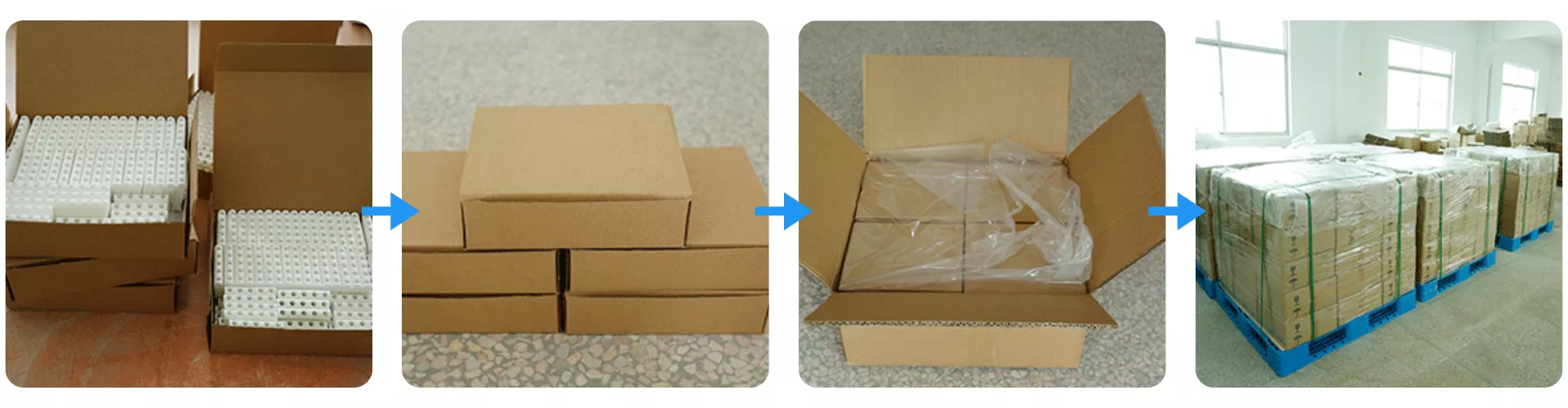
Zirconia Sleeve is securely packed in precision-molded trays to prevent movement and surface damage. Individual boxes are then sealed, grouped into larger cartons, and wrapped in moisture-resistant film. All cartons are finally palletized and reinforced for stable international shipping.
Addressing Fiber Interconnect Demands with ADCERAX® Zirconia Sleeve
ADCERAX® Zirconia Sleeve plays a functional role in securing reliable, loss-minimized physical connections between fiber cores in demanding environments. Whether in precision optical inspection stations, edge-based industrial Ethernet nodes, or high-density fiber patch modules, it enables performance stability under mechanical, thermal, and environmental stress. The following application cases illustrate how its material and structural characteristics solve recurring integration challenges.
-
Zirconia Sleeve in Fiber Patch Panels for Data Aggregation Hubs
✅Key Advantages
1. Micron-Level Alignment Accuracy
Each ADCERAX® Zirconia Sleeve maintains ≤0.5 µm concentricity, enabling fiber cores to align precisely even in dense 144-channel patch panels. This uniform alignment prevents cumulative insertion loss and ensures signal stability in 40G/100G transmission networks.
2. Low Reflection Performance
With an internal surface roughness of Ra ≤ 0.02 µm, optical back reflection remains below –45 dB, minimizing power fluctuation across multi-link connections. This precision surface finish preserves system performance through repeated maintenance cycles.
3. Extended Service Durability
Tested over 1000 mating cycles, sleeves retain <0.2 dB insertion loss deviation under re-patching conditions. The combination of fine-grain Y-TZP and dense sintering prevents micro-abrasion and deformation in long-term deployment.
✅ ️Problem Solved
A German data aggregation integrator reported increased downtime from inconsistent insertion losses exceeding 0.6 dB after repeated patching in high-capacity racks. By replacing bronze and polymer sleeves with ADCERAX® Zirconia Sleeves, average IL variation dropped to 0.18 dB, and return loss improved by 22% across 96-core modules. The reduction in connector maintenance frequency by 40% confirmed that consistent geometric precision and surface finish directly enhanced network throughput reliability.
-
Zirconia Sleeve in Optical Testing and Calibration Fixtures
✅Key Advantages
1. Thermal Stability Across Test Cycles
The material maintains structural integrity from –40 °C to +250 °C, ensuring measurement reproducibility between calibration sessions. This minimizes test deviation due to expansion mismatches in repeated thermal cycling.
2. High Repeatability of Insertion Loss Tests
Dimensional repeatability above 98% enables stable IL and RL measurement baselines in laboratory-grade optical test stations. This repeatability improves calibration traceability and device qualification accuracy.
3. Ultra-Fine Microstructure
The micro-grain Y-TZP structure (<0.3 µm) achieves consistent polish and uniform reflection control. This minimizes optical scattering that could distort readings during precision calibration.
✅ ️Problem Solved
A Korean instrument manufacturer observed inconsistent return loss readings fluctuating up to ±0.4 dB due to sleeve instability in thermal cycling calibration jigs. After adopting ADCERAX® Zirconia Sleeves, IL variation dropped to ±0.05 dB under the same conditions, improving pass-rate stability for exported test modules by 18%. The combination of thermal endurance and uniform geometry improved the calibration lab’s compliance with GR-326-CORE standards.
-
Zirconia Sleeve in Industrial Vision and Laser Sensing Networks
✅Key Advantages
1. High Compressive Strength
ADCERAX® Zirconia Sleeve exhibits >2000 MPa compressive strength, maintaining structural integrity under continuous vibration and motion typical of robotic production lines.
2. Humidity and Corrosion Resistance
After 1000 hours at 85 °C / 85 % RH, no measurable dimensional drift was recorded. This ensures optical stability in humid workshop environments or outdoor assembly systems.
3. Vibration-Endurance Performance
Fatigue testing under simulated vibration cycles confirmed <0.3 µm bore shift, preserving precise alignment for laser feedback loops in industrial vision assemblies.
✅ ️Problem Solved
A Polish automation system integrator reported frequent optical drift within robotic vision sensors installed in high-humidity machining cells. Using ADCERAX® Zirconia Sleeves reduced alignment deviation by 72% over six months of continuous operation. The result was a 25% improvement in visual positioning accuracy and elimination of weekly fiber connector recalibrations. This demonstrated the sleeve’s stability under combined vibration, temperature, and moisture stress, ensuring long-term optical reliability in industrial networks.
Usage and Handling Guide for Zirconia Sleeve
Zirconia Sleeve must be correctly handled and implemented to maintain alignment performance across fiber interconnect systems. This section provides structured recommendations for safe installation, optimized performance, cleaning protocols, and storage to support reliable use in various application environments.
-
Installation Precautions in Connector Assemblies
1. Avoid Force Misalignment
Excessive insertion force may damage fiber end-faces or deform sleeve structure. Always use calibrated alignment tools.
2. Check for Endface Cleanliness
Before insertion, ensure both ferrule and sleeve are free from particles or film residues. Contamination increases back reflection.
3. Confirm Insertion Depth
Use standard insertion reference depth to maintain consistent optical path and contact pressure. Deviations lead to unstable signal.
-
In-Use Handling and Maintenance
1. Limit Reconnection Frequency
Frequent insertion/removal accelerates sleeve wear and geometry drift. Use patch panels to reduce handling.
2. Use Anti-Static Handling Tools
Prevent charge buildup or dust attraction by using ESD-safe tweezers and trays.
3. Inspect for Surface Integrity
Visually check for chipping, surface pitting, or cracks under magnification before reuse in test or mission-critical systems.
-
Cleaning Recommendations for Field Use
1. Use Isopropyl Alcohol Wipes
Gently clean sleeve interiors using lint-free sticks with 99% IPA to remove debris.
2. Avoid Compressed Air Blasts
Uncontrolled air pressure may embed particles deeper or damage the bore. Use fiber-grade cleaning sticks.
3. Dry Before Reassembly
Ensure the sleeve is fully dried before reinserting connectors to prevent optical path disruption.
-
Storage and Transport Guidelines
1. Keep in Original Packaging
Always store in manufacturer-provided molded trays to avoid micro-contact wear during transit.
2. Avoid Temperature Extremes
Do not expose sleeves to thermal shock or freeze-thaw cycles. Recommended storage: 10–30 °C with <60% RH.
3. Label and Log Movement
Maintain batch traceability by labeling cartons and logging sleeve handling during inbound/outbound processes.