Yttrium Stabilized Zirconia Beads for High-Density Grinding Media

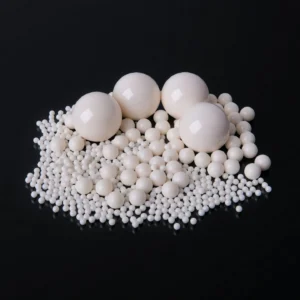
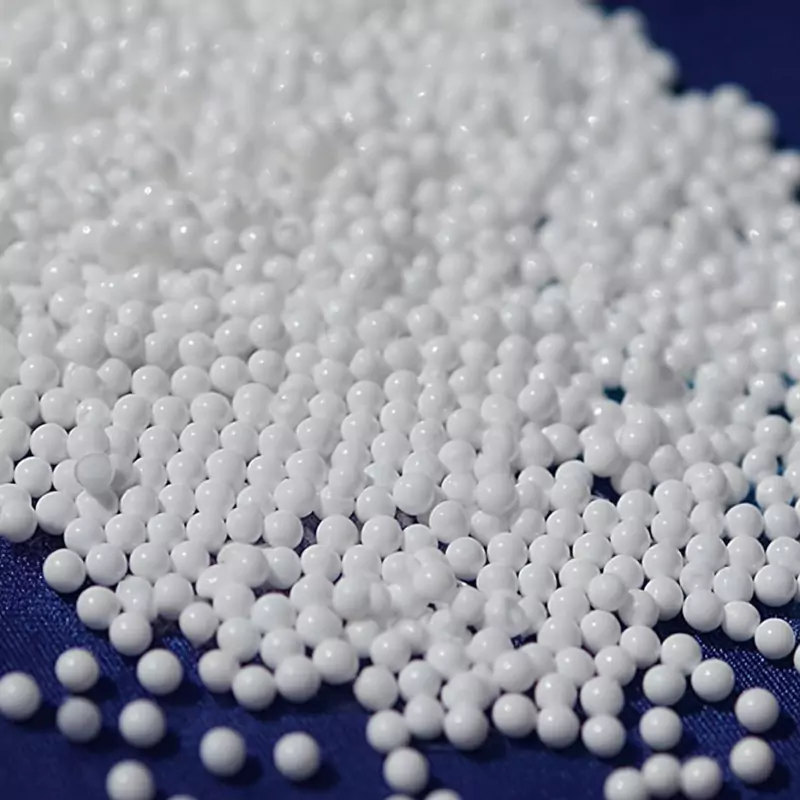
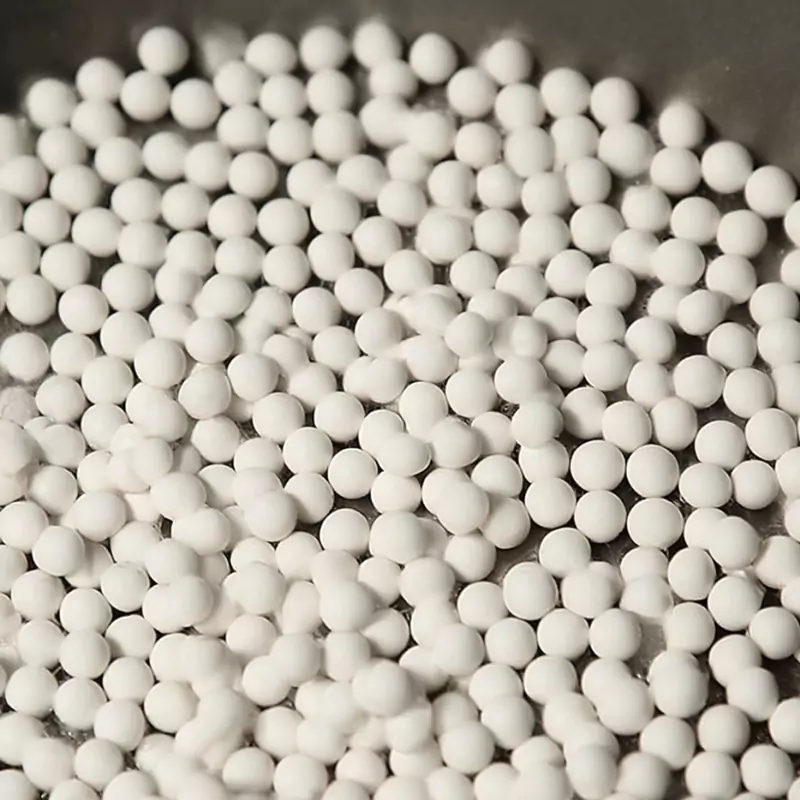
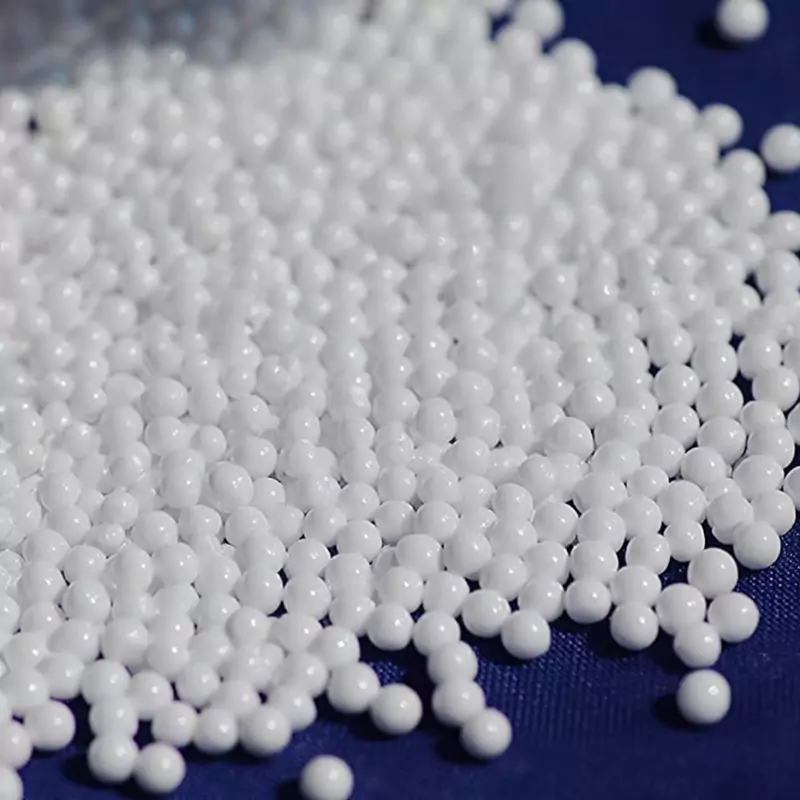
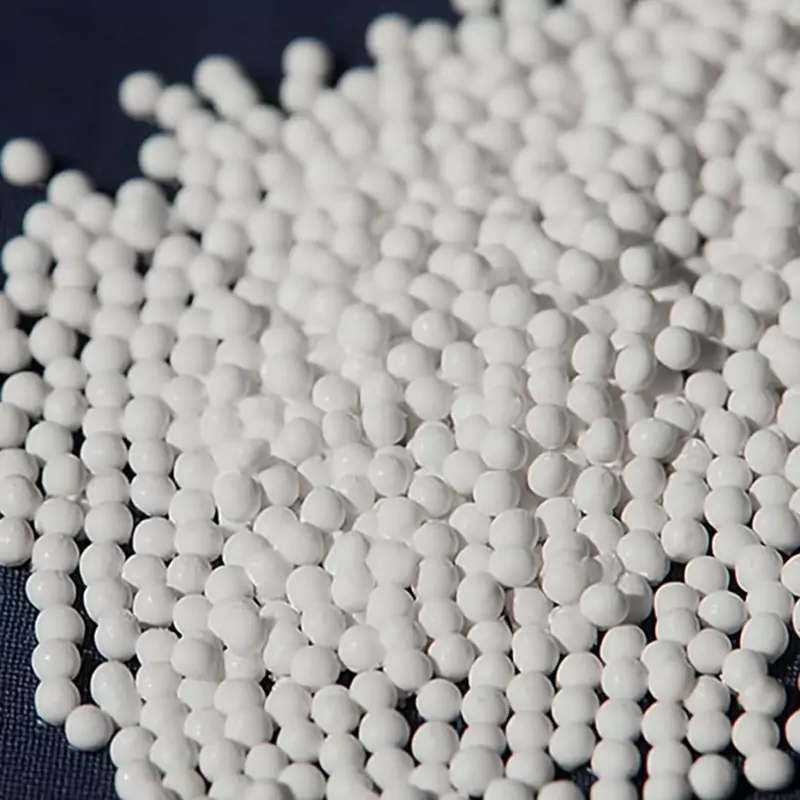
Yttrium stabilized zirconia beads, also known as YSZ beads or yttria stabilized zirconia grinding media, are high-density ceramic milling beads used for fine grinding, wet milling and slurry dispersion in bead mills, sand mills and laboratory milling systems.

Catalog No. AT-YHG-WZ1001
Material ZrO2 94.8±0.2%, Y2O3 5.2±0.2%
Self Wearing Rate <1.0 ppm/h
Density ≥6.04g/cm³
Roundness >0.97
Engineering RFQ Review
Small-Batch Custom Support
Factory-Direct Manufacturing
Drawing & Process Review

What Are Yttrium Stabilized Zirconia Beads?

Yttria stabilized zirconia beads, also known as YSZ beads or zirconia grinding media, are ceramic milling beads made from zirconia stabilized with yttria. They are selected when the process requires high density, wear resistance, round bead geometry and low contamination during wet grinding or dispersion.

Compared with lower-density ceramic media, YSZ beads can transfer milling energy more effectively in fine grinding systems. This makes them suitable for applications where particle size control, slurry uniformity and media wear are important to the final material quality.

Key Advantages of YSZ Zirconia Grinding Media

YSZ zirconia grinding media is selected when milling systems require high density, wear resistance, stable bead movement and reduced contamination risk. These properties help improve grinding consistency in ceramic powders, pigments, coatings, electronic slurries and other fine dispersion processes.

01. High Density for Efficient Energy Transfer

High-density YSZ beads support stronger energy transfer inside bead mills and fine grinding systems. This helps the media work more effectively when processing dense slurries, difficult-to-disperse powders or materials that require fine particle size control.


02. Wear Resistance for Cleaner Milling

YSZ zirconia beads are designed to limit media wear during repeated milling cycles. Lower bead wear helps reduce foreign particle contamination, which is important for ceramics, pigments, coatings and electronic material slurries where material cleanliness affects final quality.


03. Chemical Stability for Sensitive Formulations

Yttria stabilized zirconia offers good chemical stability in many ceramic, pigment, coating and electronic material systems. This makes it suitable for applications where the grinding media should not easily react with the processed slurry or affect formulation stability.


04. Smooth Round Shape for Stable Bead Motion

A smooth and round bead shape helps maintain stable rolling, impact and shear behavior inside the mill. Consistent bead motion can support more uniform dispersion and reduce abnormal bead breakage risk when the bead size and operating conditions are properly matched.


05. Wide Size Range for Different Milling Targets

YSZ beads are available in multiple diameter ranges to support ultra-fine dispersion, fine grinding and general powder milling. The bead size can be selected according to mill type, separator gap, starting particle size, target particle size and slurry viscosity.


06. Low Contamination Potential for High-Value Materials

Zirconia-based grinding media is often preferred for high-value powders and slurries because it combines density, wear resistance and low contamination potential. This is useful for advanced ceramics, electronic materials, pigments, coatings and laboratory R&D milling processes.

Properties of Yttrium Stabilized Zirconia Beads

Property Typical Value on Current Page Why It Matters
Composition ZrO₂ 94.8±0.2%, Y₂O₃ 5.2±0.2% Defines the YSZ material system and stabilization route.
Density 6.04 g/cm³ Higher density supports stronger milling energy transfer.
Filled Density 3.5 kg/L for φ5 mm Useful for estimating media loading and packaging weight.
Hardness >1350 HV Helps improve wear resistance during grinding.
Elastic Modulus 200 GPa Supports mechanical stability under repeated impact.
Thermal Conductivity 3 W/m·K Provides a basic reference for thermal behavior during processing.
Thermal Expansion 9.6 × 10⁻⁶/°C Helps evaluate thermal compatibility in heated or temperature-sensitive processes.
Crush Strength ≥20 kN for φ7 mm Indicates resistance to mechanical crushing under suitable operating conditions.
Fracture Toughness 8 MPa·m1/2 Helps reduce fracture risk compared with lower-toughness ceramic media.
Grain Size ≤0.5 μm Fine grain structure supports smooth surface and wear stability.

Available YSZ Bead Sizes

ADCERAX supplies YSZ zirconia beads in small, medium and larger bead diameters for laboratory trials, pilot production and industrial milling systems. Final selection should be reviewed according to the mill type, slurry viscosity, feed particle size, target particle size and contamination requirement.
size for beads

Model Diameter(mm)
AT-YHG-WZ1001 0.03
AT-YHG-WZ1002 0.05
AT-YHG-WZ1003 0.1
AT-YHG-WZ1004 0.2
AT-YHG-WZ1005 0.3
AT-YHG-WZ1006 0.4
AT-YHG-WZ1007 0.5
AT-YHG-WZ1008 0.6
AT-YHG-WZ1009 0.7
AT-YHG-WZ1010 0.8
AT-YHG-WZ1011 0.9
AT-YHG-WZ1012 0.9-1.0
AT-YHG-WZ1013 0.9-1.1
AT-YHG-WZ1014 1.0-1.2
AT-YHG-WZ1015 1.2-1.4
AT-YHG-WZ1016 1.4-1.6
AT-YHG-WZ1017 1.6-1.8
AT-YHG-WZ1018 1.8-2.0
AT-YHG-WZ1019 2.0-2.2
AT-YHG-WZ1020 2.2-2.5
AT-YHG-WZ1021 2.5-2.8
AT-YHG-WZ1022 2.8-3.2

How to Select the Right YSZ Bead Size

The correct bead size depends on the target particle size, starting powder size, slurry viscosity, mill structure and separation screen. Smaller beads provide more contact points and are useful for fine dispersion, while larger beads provide stronger impact energy for coarser or denser materials.

Selection Factor Recommended Review Point
Target Particle Size Finer target particle size usually requires smaller bead diameters.
Starting Particle Size Larger feed particles may require larger beads or pre-milling before fine dispersion.
Slurry Viscosity High-viscosity slurries may need adjusted bead size, filling ratio and milling speed.
Mill Type Confirm compatibility with bead mill, sand mill, basket mill or lab milling system.
Separator / Screen Size Bead diameter must be safely larger than the separator gap or screen opening.
Contamination Requirement For sensitive powders or slurries, choose high-wear-resistance media and clean handling procedures.
Trial Validation Small-batch milling tests are recommended before full-scale production.

Packaging of Yttrium Stabilized Zirconia Beads

ADCERAX® YSZ Beads are securely packaged in jumbo bags, metal barrels, plastic barrels, or paper barrels for bulk industrial applications. For smaller orders, they are supplied in paper boxes, aluminum foil vacuum bags, paper bags, or textile bags.
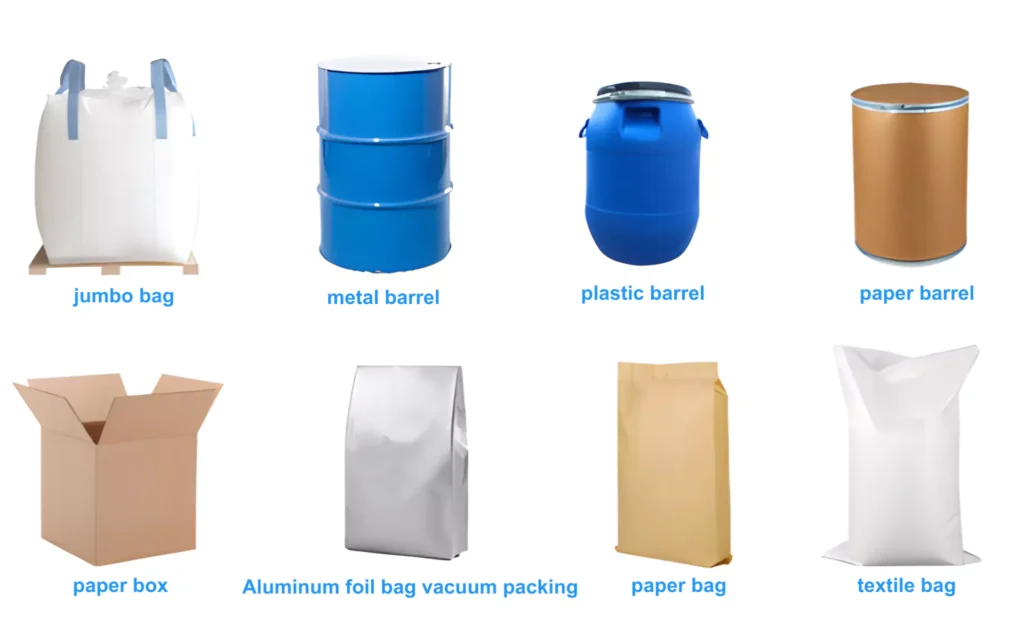
ADCERAX® Packaging of Zirconia Beads

Typical Applications of Yttrium Stabilized Zirconia Beads

Yttria stabilized zirconia beads are used in milling and dispersion processes where particle size control, slurry stability and media wear are closely related to final product quality. They are especially suitable for high-value powders, functional slurries and formulations that require efficient grinding with reduced contamination risk.

  • Advanced Ceramic Powder Milling

    YSZ beads are widely used for milling alumina, zirconia, silicon nitride, silicon carbide and other technical ceramic powders. In ceramic processing, poor powder dispersion can affect forming behavior, sintering uniformity and final part consistency.

    High-density zirconia beads help break down agglomerates and improve particle distribution before pressing, casting, coating or firing. This makes them suitable for ceramic powder preparation, ceramic slurry refinement and laboratory material development where stable particle size is important.

  • Pigments, Coatings and Ink Dispersion

    In pigment, coating and ink systems, YSZ zirconia grinding media helps disperse solid particles more evenly into the liquid phase. This can support better color consistency, smoother coating behavior and improved formulation stability.

    The smooth round shape and wear-resistant ceramic structure are important when the process needs to reduce oversized particles, avoid visible specks or maintain clean dispersion in high-value coatings, functional inks and specialty pigment systems.

  • Electronic Material Slurries

    YSZ beads are suitable for fine dispersion of electronic material slurries, including conductive pastes, dielectric materials, battery-related powders and other functional ceramic or oxide systems. These materials often require controlled particle distribution and reduced foreign contamination.

    For sensitive electronic slurry processes, bead diameter, cleaning method, slurry chemistry and milling equipment should be reviewed together. Proper media selection helps reduce the risk of abnormal wear, unstable viscosity or contamination-related quality issues.

  • Battery Material and Functional Powder Processing

    YSZ zirconia beads can be used in selected battery material, catalyst, oxide powder and functional powder milling processes. These applications often require a balance between grinding efficiency, particle size control and media cleanliness.

    Because different powder chemistries may respond differently during milling, process testing is recommended before scale-up. The bead size, filling ratio, milling time and cleaning method should be confirmed according to the target particle size and slurry behavior.

  • Fine Chemical and Specialty Material Processing

    For suitable fine chemical and specialty material applications, YSZ beads may support particle size reduction and stable dispersion in wet milling systems. Their density and wear resistance make them useful when the processed material has higher value or stricter cleanliness requirements than general industrial powders.

    Application suitability should be reviewed according to solvent compatibility, cleaning requirements, process temperature, slurry viscosity and equipment design.

  • Laboratory R&D and Pilot Milling

    Small-diameter YSZ beads are often used in laboratory R&D, formulation screening and pilot milling trials. They allow engineers to compare bead size, milling time, slurry stability and particle size results before moving to larger batches.

    This is especially useful when developing new ceramic powders, coatings, electronic slurries or functional materials. A controlled trial can help identify the most suitable bead diameter before full-scale production.

User Guide for YSZ Zirconia Beads

Proper handling, milling control and cleaning help YSZ zirconia beads maintain stable grinding behavior and reduce contamination risk. Before full production, bead size, filling ratio and cleaning method should be confirmed according to the mill type, slurry material and target particle size.

  • Handling and Storage

    Use clean tools, gloves and containers when handling YSZ beads, especially for electronic materials, pigments, coatings or other contamination-sensitive slurries. Do not mix zirconia beads with other grinding media unless compatibility has been confirmed.

    Store beads in a clean, dry and sealed container. Different bead sizes and material batches should be clearly labeled and separated to avoid cross-contamination or incorrect loading.

  • Milling and Dispersion Control

    Select bead size according to the mill type, separator gap, starting particle size, target particle size and slurry viscosity. Smaller beads are usually used for fine dispersion, while larger beads provide stronger impact energy for coarser materials or dense slurries.

    During milling, monitor slurry temperature, viscosity, milling time and particle size change. Excessive speed, long milling time or unsuitable loading ratio may increase bead wear, heat generation or contamination risk.

  • Cleaning and Maintenance

    Clean YSZ beads after each milling cycle with deionized water or a compatible solvent based on the processed material. Beads should be fully dried before storage to avoid residue, moisture retention or cross-batch contamination.

    Regularly inspect the beads for abnormal wear, broken media, discoloration or surface defects. Replace beads when wear or fracture begins to affect grinding efficiency, particle size stability or slurry cleanliness.

  • Safety and Process Check

    Operators should follow the safety requirements of the milling equipment and processed slurry. Gloves, goggles and protective clothing are recommended when handling beads, powders, solvents or slurry mixtures.

    Before scaling up production, run a small milling test to confirm bead size, media loading, cleaning method and process compatibility. This helps reduce the risk of unexpected bead wear, poor dispersion or contamination during larger batches.

FAQs about Yttrium Stabilized Zirconia Beads

  1. What are yttrium stabilized zirconia beads used for?
    Yttria stabilized zirconia beads are used as ceramic grinding media for fine milling, wet grinding and slurry dispersion. They are commonly used in bead mills, sand mills and laboratory milling systems for ceramic powders, pigments, coatings, electronic materials and other low-contamination processing applications.
  2. How do I choose the right YSZ bead size?
    The right YSZ bead size depends on the mill type, separator gap, starting particle size, target particle size and slurry viscosity. Smaller beads are usually selected for fine dispersion, while larger beads provide stronger impact energy for coarser materials or denser slurries. A small milling trial is recommended before full-scale production.
  3. Do zirconia beads cause contamination during milling?
    YSZ zirconia beads are selected because they offer high wear resistance and lower contamination risk than many lower-density media. Actual contamination depends on bead quality, milling speed, slurry chemistry, process time and cleaning method, so sensitive applications should be tested before production use.
  4. Can YSZ beads be used for wet milling and dry milling?
    YSZ beads are widely used in wet milling and slurry dispersion. Dry milling may be possible in some systems, but it should be reviewed carefully because heat generation, dust, impact load and bead wear can be different from wet grinding conditions.
  5. What is the difference between YSZ beads and alumina grinding media?
    YSZ beads have higher density and stronger wear resistance than typical alumina grinding media, which can improve energy transfer and reduce media wear in demanding fine grinding. Alumina media is usually more economical, while YSZ beads are preferred when particle uniformity, low contamination and milling efficiency are more important.
  6. When should zirconia beads be replaced?
    Zirconia beads should be replaced when visible wear, broken beads, abnormal particle contamination, reduced grinding efficiency or unstable particle size results appear. Regular inspection, cleaning and sieving help maintain consistent milling performance.
customize size

Customization Services for YSZ Beads

ADCERAX® YSZ Beads offer tailored solutions to meet diverse industrial and laboratory requirements, enhancing efficiency, consistency, and process reliability. Explore our customization options to optimize performance for your specific applications.

Material & Composition

Select bead materials to match chemical stability and operational demands.

  • Material Type: Choose zirconia variants for consistent milling and low wear.
  • Chemical Stability: Ensure resistance to slurry reactions and process contamination.
  • Purity Assurance: Minimize impurities affecting product performance and yield.

Size & Shape Design

Adjust bead geometry to optimize energy transfer and dispersion efficiency.

  • Bead Diameter: Control particle impact for uniform grinding results.
  • Shape Uniformity: Maintain consistent bead geometry for reliable milling.
  • Surface Finish: Reduce abrasion and scratches during delicate operations.

Application-Specific Adaptation

Customize Zirconia Beads to meet unique challenges across industries.

  • Milling Efficiency: Enhance energy transfer for dense or fragile materials.
  • Dispersion Quality: Achieve uniform particle distribution in slurries.
  • Surface Protection: Minimize defects in sensitive ceramic or electronic components.

Related Products

ADCERAX - Your Trusted Advanced Ceramics Manufacturing Partner

Direct factory manufacturing with comprehensive ceramic materials expertise and global supply capabilities

China-Based Manufacturer

ADCERAX supplies ceramic components for overseas OEMs, equipment builders, and labs.

Custom Drawing Support

We review drawings, dimensions, materials, and application conditions before quotation.

Ceramic Process Control

Forming, sintering, machining, grinding, and finishing are arranged by part requirements.

Pre-Shipment Inspection

Dimensional checks, visual inspection, and packaging review help reduce procurement risk.

Get in Touch with Us

Our team will be happy to respond to you in less than 24 hours.

Pingxiang Factory — Silicon carbide, silicon nitride, high-temperature ceramics

Quick Quotation

*Our team will answer your inquiries within 24 hours.

*Your information will be kept strictly confidential.

Ready to Solve Your Engineering Challenge?

Partner with ADCERAX for reliable, high-performance advanced ceramic solutions. Our engineers are ready to discuss your project.

E-mail

info@adcerax.com

Phone

+(86) 0731-74427743 | WhatsApp: +(86) 19311583352

Response Time

Within 24 hours

Quick Quote

The more details you provide, the faster we can quote.

*We respond within 24 hours. All inquiries are confidential.

Get Your Custom Solution

The more details you provide, the faster we can respond.

customize size

*We respond within 24 hours. All inquiries are confidential.

Download Catalog