Silicon Carbide Foam Filter for Molten Metal and Gas Filtration

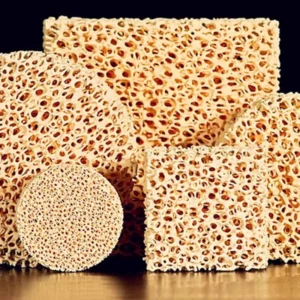
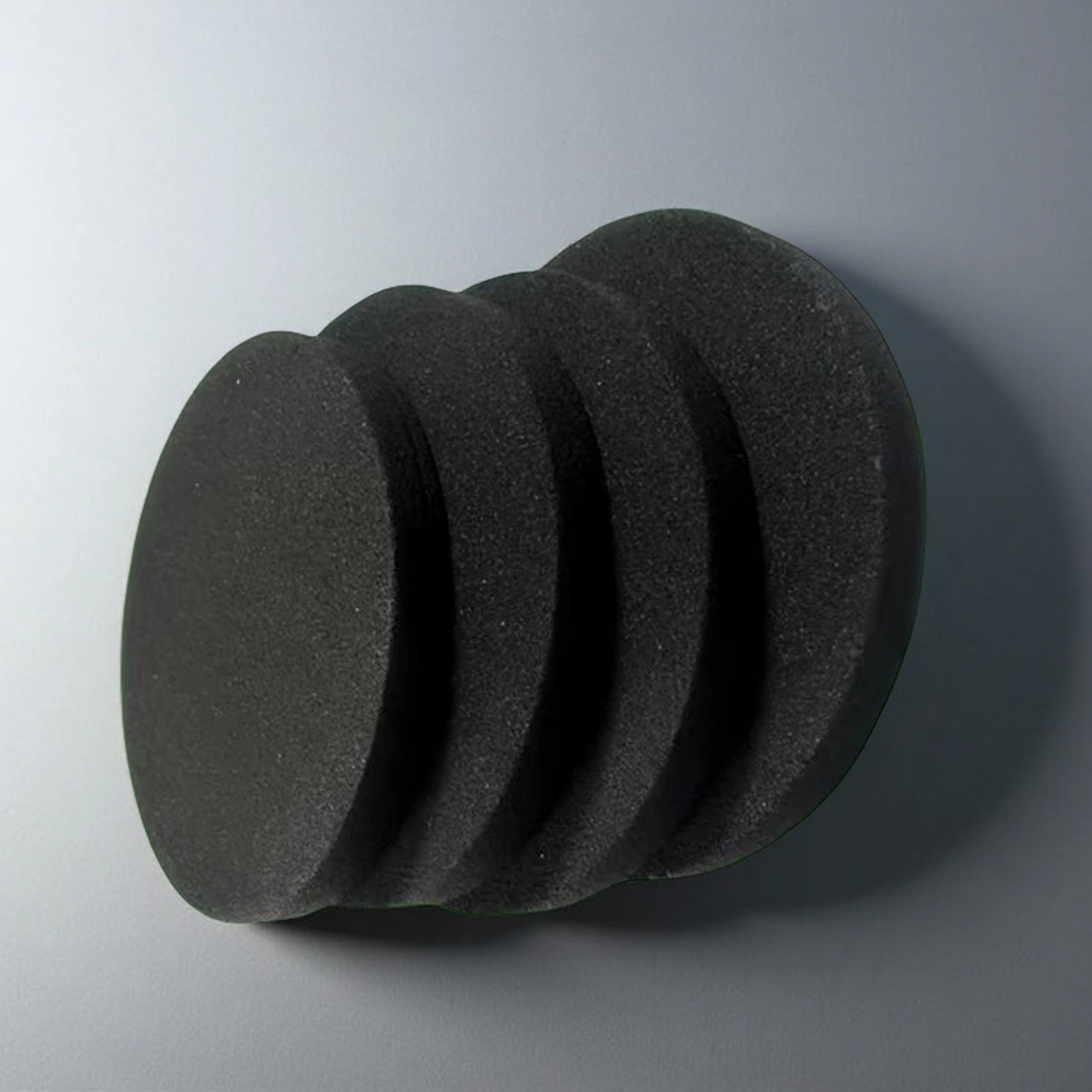
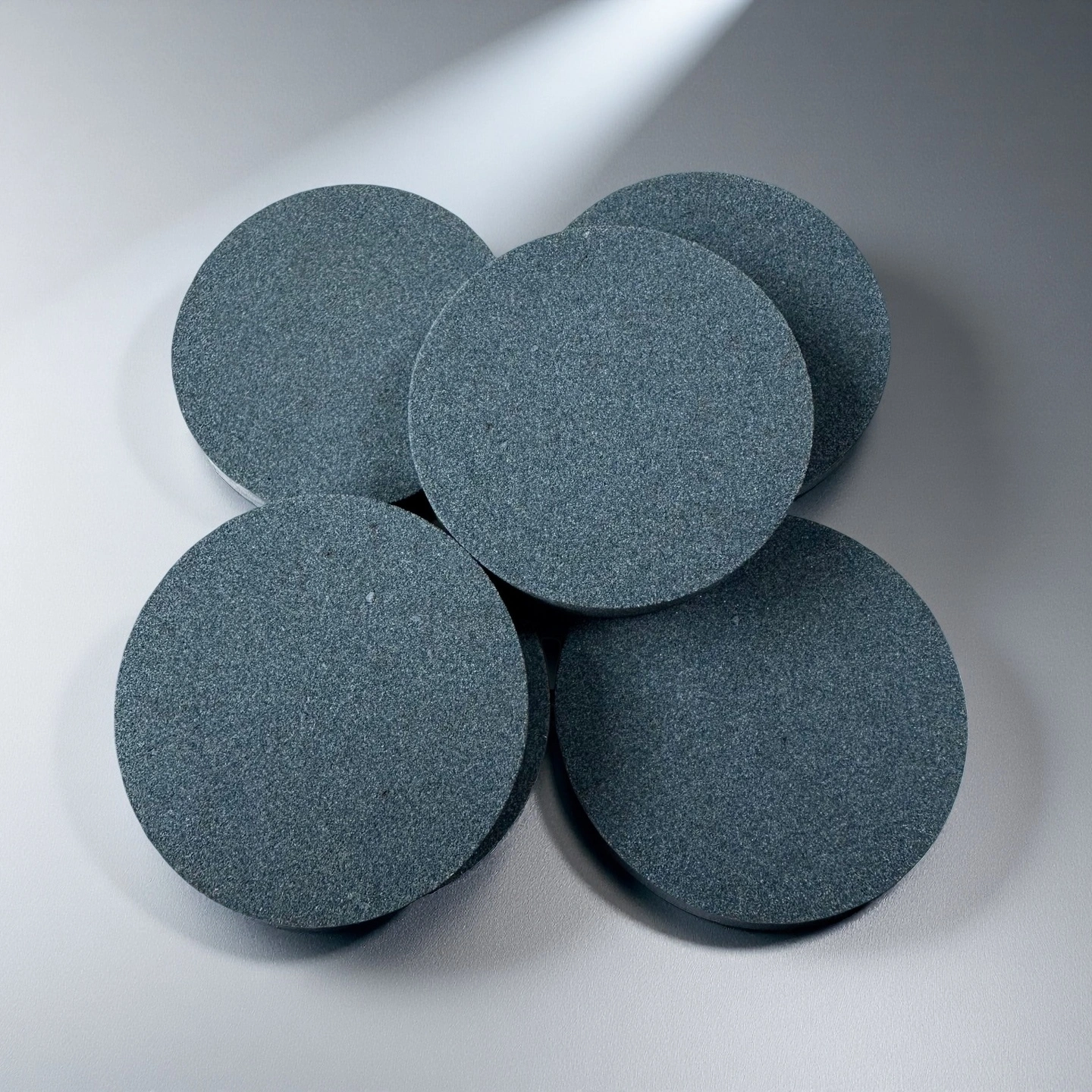
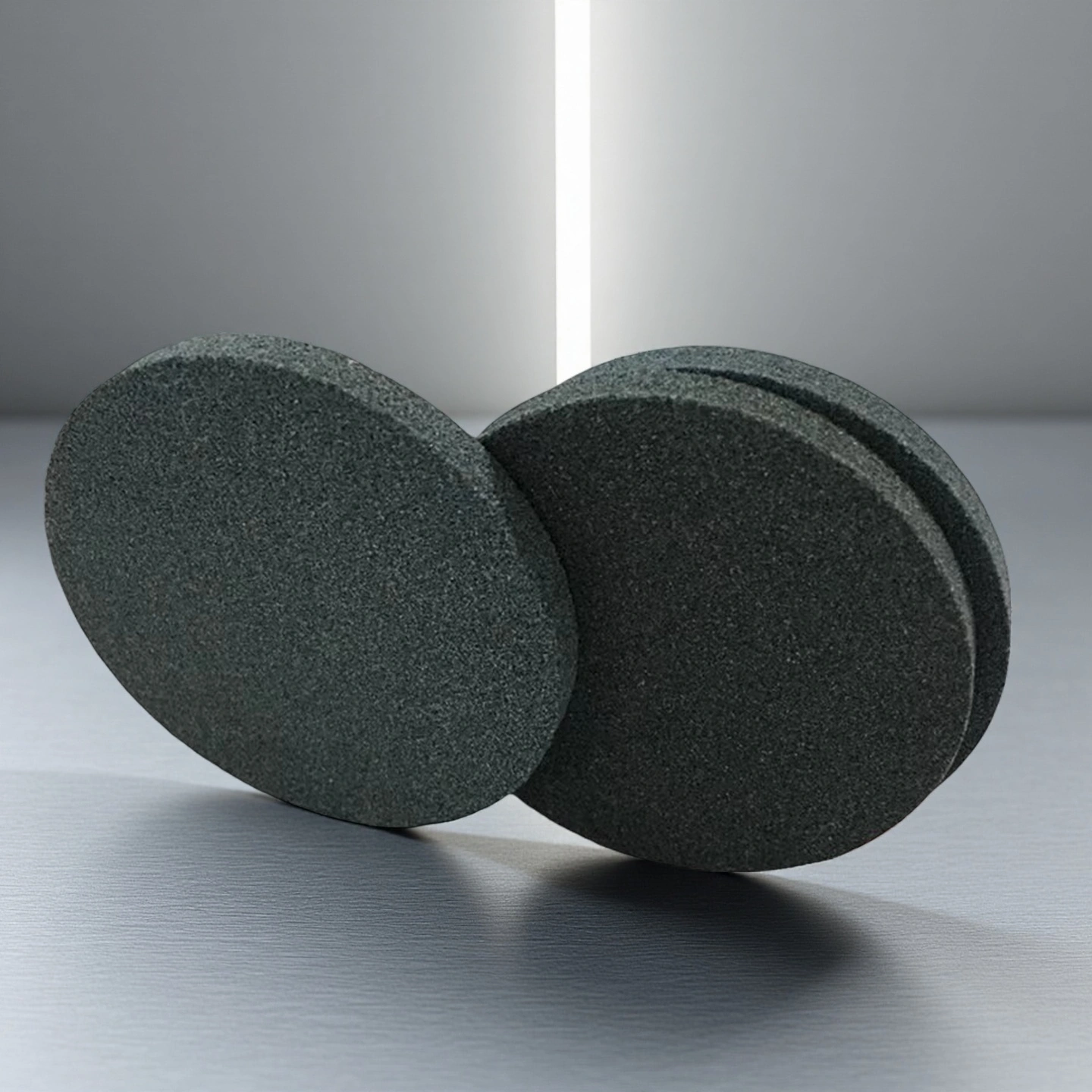
ADCERAX microporous silicon carbide foam filters are designed for high-temperature filtration in molten metal, furnace exhaust and corrosive gas-solid processing systems. The open-cell SiC structure helps retain inclusions, stabilize flow behavior and maintain pore integrity under thermal shock, chemical exposure and continuous industrial operation.

Custom PPI, shape, thickness and installation dimensions can be reviewed according to your casting line, furnace system or filtration unit.

Catalogue No. AT-SIC-PM025
Material Silicon Carbide (SiC)
Maximum Operating Temperature 1500–1700°C, application-dependent
Pore Size Range 10–60 PPI with ≥90% uniformity
Mechanical Strength Flexural strength 0.8–1.8 MPa; compressive strength 1.0–4.5 MPa
Engineering RFQ Review
Small-Batch Custom Support
Factory-Direct Manufacturing
Drawing & Process Review

What Is a Microporous Silicon Carbide Ceramic Foam Filter?

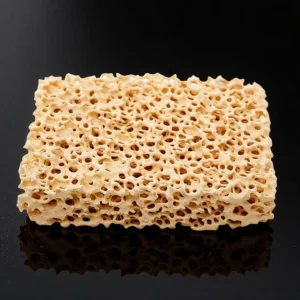
A microporous silicon carbide ceramic foam filter is an open-cell SiC filtration component used to capture inclusions, dust particles or solid impurities while allowing molten metal, hot gas or process media to pass through controlled pore channels. Compared with dense ceramic parts, the foam structure provides a balance of filtration area, flow resistance and thermal shock tolerance.

For industrial buyers, the key selection factors are not only material type, but also PPI, thickness, pore uniformity, flow direction, operating temperature, chemical exposure and installation geometry. ADCERAX supports these factors through engineering review before quotation.

Why Silicon Carbide Foam Filters Are Used in Harsh Filtration Systems

Silicon carbide foam filters are selected when filtration media must remain stable under heat, corrosion and particle loading. The SiC matrix provides a strong thermal and chemical foundation, while the open-cell pore network supports controlled flow through the filter body.

High-temperature stability helps the filter maintain shape during metal pouring, furnace exhaust treatment and thermal cycling. The interconnected pore channels support impurity capture without creating excessive flow restriction when the correct PPI and thickness are selected. Chemical resistance also makes SiC suitable for selected acidic, alkaline or solvent-rich gas-solid environments where metallic filters may corrode or deform.

Technical Specifications of Microporous Silicon Carbide Ceramic Foam Filter

ADCERAX® Microporous Silicon Carbide Ceramic Foam Filter is defined by measurable thermal stability, mechanical strength, and chemical endurance, providing a reliable filtration structure suitable for demanding metallurgical, thermal‑processing, and gas‑solid separation environments.

Parameter Current / Suggested Value What It Means for Filter Selection
Material Composition High-purity Silicon Carbide, SiC Determines heat resistance, corrosion behavior and mechanical stability.
PPI Range 10–60 PPI Lower PPI supports higher flow; higher PPI supports finer impurity retention.
Pore Uniformity ≥90% consistency Helps maintain predictable filtration and reduces uneven flow paths.
Density 0.25–0.60 g/cm³ Influences mechanical strength, pressure drop and handling stability.
Flexural Strength 0.8–1.8 MPa Indicates resistance to bending stress during handling and installation.
Compressive Strength 1.0–4.5 MPa Supports structural stability under fluid, gas or melt flow pressure.
Working Temperature 1500–1700°C Helps determine whether the filter matches casting or furnace conditions.
Thermal Expansion 4.0–5.5 × 10⁻⁶ K⁻¹ Lower expansion helps reduce cracking risk during rapid temperature changes.
Thermal Shock Resistance 1350°C ± 500°C Supports use in systems with repeated heating and cooling cycles.
Chemical Resistance Stable in strong acids and alkalis Useful for corrosive gas-solid filtration and selected chemical processing lines.
Molten Metal Compatibility Al, Fe, Cu, Mg Helps buyers judge whether the filter suits their alloy or melt system.
Heat Conduction Medium to high thermal conductivity Supports faster thermal balance and reduces localized thermal stress.

Microporous Silicon Carbide Ceramic Foam Filter Standard Sizes

ADCERAX supplies round and square microporous SiC foam filters for different installation cavities, casting layouts and filtration modules. Standard sizes are listed below for reference, but final selection should consider filter diameter, thickness, pore size, flow direction, operating temperature and expected impurity loading.

Type 1 -Round Microporous SiC Ceramic Foam Filter

Aluminum Nitride Plate Round size image

Item Diameter*Thickness (mm) Pore Size (μm)
AT-SIC-PM025 5.5*3 0.1
AT-SIC-PM026 15*3 25
AT-SIC-PM027 15*3 0.2
AT-SIC-PM028 16*3.5 1
AT-SIC-PM029 20*2 2
AT-SIC-PM030 20.5*4 0.8
AT-SIC-PM031 21*3.1 0.2
AT-SIC-PM032 21*3.1 0.1
AT-SIC-PM033 21*3.1 1
AT-SIC-PM034 26.2*3 1
AT-SIC-PM035 28.5*3 0.8
AT-SIC-PM036 28.5*3 1
AT-SIC-PM037 28*3 10
AT-SIC-PM038 28*4 1
AT-SIC-PM039 28.5*5 1
AT-SIC-PM040 29*2 0.8
AT-SIC-PM041 29*3 0.5
AT-SIC-PM042 29*6 0.2
AT-SIC-PM043 31.5*3.5 0.2
AT-SIC-PM044 31.5*4.5 1
AT-SIC-PM045 38.5*3 1
AT-SIC-PM046 47*5 30
AT-SIC-PM047 47.5*3 0.2
AT-SIC-PM048 47.7*2.5 0.2
AT-SIC-PM049 47.7*3.5 0.2
AT-SIC-PM050 47.5*4 30
AT-SIC-PM051 47.7*4.5 50
AT-SIC-PM052 48.5*3 0.2
AT-SIC-PM053 48.5*5 0.2
AT-SIC-PM054 49.5*4.5 30
AT-SIC-PM055 49.5*4.5 50
AT-SIC-PM056 50*2 0.2
AT-SIC-PM057 50*5 3
AT-SIC-PM058 50*10 3
AT-SIC-PM059 61.8*5 5
AT-SIC-PM060 61.8*10 5
AT-SIC-PM061 70*5 8
AT-SIC-PM062 70*10 8
AT-SIC-PM063 79.8*10 10
AT-SIC-PM064 83*10 13
AT-SIC-PM065 100*5 15
AT-SIC-PM066 100*10 30

Type 2 -Square Microporous SiC Ceramic Foam Filter
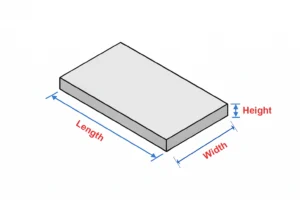
Aluminum Nitride Plate Square size image

Item Length*Width*Thickness (mm) Pore Size (μm)
AT-SIC-PM067 60*60*6 3
AT-SIC-PM068 100*100*8 10
AT-SIC-PM069 100*100*10 13
AT-SIC-PM070 150*150*10 15

How to Select PPI, Thickness and Shape for SiC Foam Filters

Selection Factor Recommended Buyer Check Engineering Meaning
PPI Confirm whether the priority is higher flow or finer retention. Lower PPI reduces flow resistance; higher PPI improves finer impurity capture.
Filter Thickness Match thickness to pressure drop and installation depth. Thicker filters may improve retention but can increase resistance.
Shape Choose round or square based on housing or gating design. Proper fit reduces bypass and edge leakage.
Operating Temperature Provide normal and peak temperature ranges. Helps confirm thermal shock and material suitability.
Media Type Specify molten metal, exhaust gas or chemical gas stream. Different media require different pore and material stability checks.
Impurity Type Provide expected particle type and approximate size. Helps select pore density and filtration path.
Installation Method Provide support frame, edge contact and flow direction. Prevents cracking, misalignment and bypass flow.

Packaging for Microporous SiC Foam Filters

Microporous SiC foam filters are packed with surface protection, internal cushioning and reinforced outer packaging to reduce vibration, edge damage and pore contamination during transport. For small or precision filters, individual wrapping and separation layers are recommended.
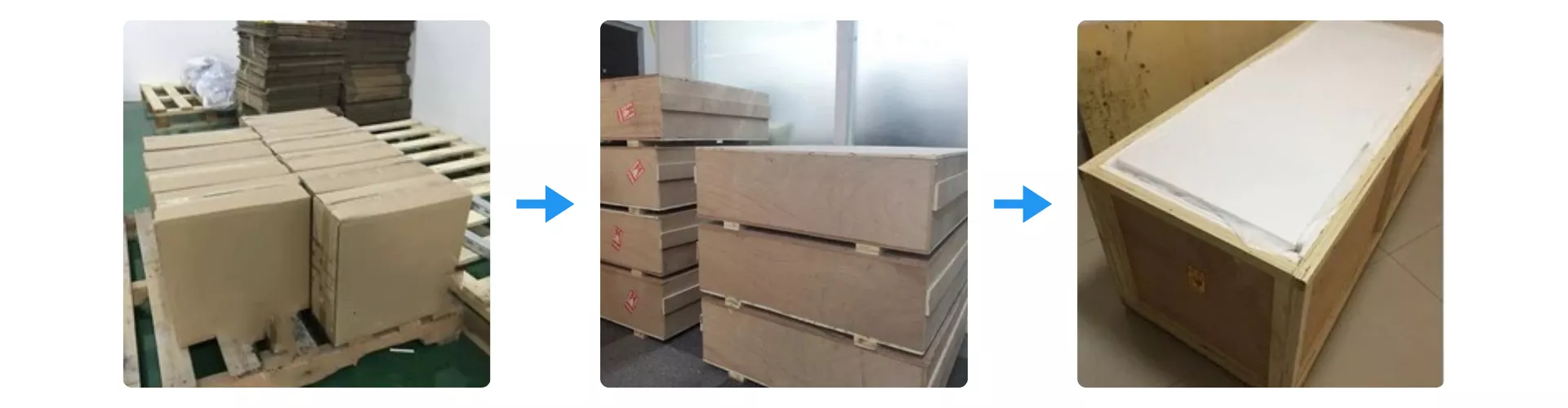

ADCERAX® Packaging of Microporous Silicon Carbide Cearmic Foam Filter

Industrial Applications of Microporous Silicon Carbide Foam Filters

Microporous silicon carbide foam filters are used in processes where filtration media must tolerate heat, chemical exposure and particle loading without losing pore stability. The following application areas reflect common industrial requirements for SiC foam filtration components.

  • Molten Metal Filtration in Casting Lines

    In aluminum, iron, copper and magnesium casting systems, SiC foam filters help remove oxide films, slag particles and solid inclusions before the melt enters the mold cavity. The open-cell structure supports more stable flow behavior, while the thermal shock resistance of SiC helps reduce filter cracking during temperature fluctuations.

    This application is especially relevant when recycled charge materials, repeated pouring cycles or mixed alloy batches increase the risk of inclusion-related defects.

  • Furnace Exhaust and Combustion Gas Filtration

    In furnace exhaust channels and combustion systems, SiC foam filters can be used to retain ash, dust and high-temperature particulates while maintaining gas passage through the pore network. Correct PPI selection helps balance dust retention and pressure drop, which is important for stable burner output and process airflow.

    This application is suitable for systems where metallic filters may oxidize, deform or lose strength under repeated high-temperature exposure.

  • Corrosive Gas-Solid Filtration in Chemical Processing

    Silicon carbide is suitable for selected corrosive gas-solid filtration environments because it resists many acidic, alkaline and solvent-rich atmospheres. The foam structure allows particulates to be captured within interconnected pores while the SiC matrix helps maintain structural integrity during long processing cycles.

    For chemical units, buyers should provide gas composition, temperature range, particle size, flow rate and cleaning method before final material and pore structure selection.

ADCERAX Microporous Silicon Carbide Ceramic Foam Filter User Guide

The Microporous Silicon Carbide Ceramic Foam Filter should be handled, installed and maintained carefully to support stable filtration in high-temperature, molten metal and corrosive gas-solid environments.

  •  Before Installation

    1. Keep filters in sealed protective packaging until use to prevent dust or moisture contamination.
    2. Inspect each filter for cracks, edge damage or pore blockage before installation.
    3. Allow filters stored in cold or humid areas to reach workshop temperature before use to reduce thermal shock risk.

  • Installation

    1. Preheat the filter gradually before contact with molten metal or hot gas.
    2. Use a heating range that matches the casting or filtration process.
    3. Ensure the filter is properly supported to avoid edge stress, bypass flow or uneven loading.

  • Operation

    1. Keep flow conditions within the filter structure and process design range to reduce blockage and pressure drop.
    2. Avoid sudden airflow, melt-flow or temperature changes that may damage the pore structure.
    3. Monitor pressure drop, filtration stability and surface condition during long production runs.

  • Maintenance and Replacement

    1. Allow the filter to cool naturally after operation. Do not force-cool or quench.
    2. Replace the filter if pore blockage, deformation, cracks or saturation are observed.
    3. Store unused filters in a dry, clean and sealed environment before the next operation.

Microporous Silicon Carbide Ceramic Foam Filter FAQs

  1. Q1: How do I choose the right PPI for a silicon carbide foam filter?
    The right PPI depends on the balance between flow capacity and impurity retention. Lower PPI structures are usually selected when higher flow and lower pressure drop are more important, while higher PPI structures are used when finer particle capture is required. Buyers should provide media type, expected impurity size, flow condition and operating temperature before final selection.

  2. Q2: Can microporous SiC foam filters be used for molten metal filtration?
    Yes. Microporous silicon carbide foam filters can be used for selected molten metal filtration applications, including aluminum, iron, copper and magnesium systems, depending on process temperature, alloy chemistry and installation design. The SiC structure helps maintain pore stability under thermal cycling, but final suitability should be reviewed according to the specific casting process.

  3. Q3: What information is needed for a custom SiC foam filter quotation?
    For a custom quotation, buyers should provide filter shape, outside dimensions, thickness, PPI or pore size requirement, operating temperature, media type, flow direction, installation position and quantity. A drawing, sample photo or equipment interface sketch can help ADCERAX review manufacturability and recommend a suitable structure.
  4. Q4: Why is preheating important before using ceramic foam filters in casting systems?
    Preheating helps reduce sudden thermal stress when the filter first contacts molten metal or hot gas. A controlled temperature transition can lower the risk of cracking, edge damage or pore deformation. The preheating method should match the casting process, filter size and installation environment.

  5. Q5: How can clogging or high pressure drop be reduced during operation?
    Clogging and excessive pressure drop can be reduced by selecting the correct PPI, avoiding oversized impurity loading, maintaining stable flow conditions and replacing filters before saturation. For gas-solid filtration, particle concentration, dust loading and cleaning method should be reviewed before choosing the pore structure.

  6. Q6: Can ADCERAX make round, square or non-standard SiC foam filters?
    Yes. ADCERAX can support round, square and selected custom SiC foam filter geometries according to drawings, samples or installation requirements. Custom review may include filter dimensions, edge design, thickness, pore structure, density and surface condition.

Please provide the following information for faster review:

1. Filter shape and dimensions.
2. Required PPI or target particle retention.
3. Operating temperature and temperature cycling condition.
4. Media type, such as molten metal, exhaust gas or chemical gas.
5. Flow direction and installation position.
6. Drawing, sample photo or equipment interface size.
7. Quantity and expected project stage.

customize size

Customization Services for SiC Microporous Foam Filter

The ADCERAX® Microporous Silicon Carbide Ceramic Foam Filter can be engineered to match diverse industrial environments requiring specialized structural, thermal, and filtration performance.

Structural and Geometric Customization Options

A wide range of structural configurations can be applied based on installation constraints and system‑specific operational layouts.

  • Shape Configuration
    tailored for designated equipment interfaces

  • Edge Design
    adapted to minimize mechanical stress concentration

  • Internal Geometry
    aligned with targeted flow distribution patterns

  • Surface Treatment
    optimized for enhanced environmental resistance

Filtration and Performance Customization Options

Customizable filtration characteristics can be implemented to support stable operation across metallurgical, thermal, and chemical processing workflows.

  • Pore Structure
    adjusted for specific inclusion retention needs

  • Flow Resistance
    balanced for consistent fluid or gas movement

  • Material Density
    set to achieve desired operational durability

  • Thermal Behavior
    configured for high‑temperature processing reliability

Related Products

ADCERAX - Your Trusted Advanced Ceramics Manufacturing Partner

Direct factory manufacturing with comprehensive ceramic materials expertise and global supply capabilities

China-Based Manufacturer

ADCERAX supplies ceramic components for overseas OEMs, equipment builders, and labs.

Custom Drawing Support

We review drawings, dimensions, materials, and application conditions before quotation.

Ceramic Process Control

Forming, sintering, machining, grinding, and finishing are arranged by part requirements.

Pre-Shipment Inspection

Dimensional checks, visual inspection, and packaging review help reduce procurement risk.

Get in Touch with Us

Our team will be happy to respond to you in less than 24 hours.

Pingxiang Factory — Silicon carbide, silicon nitride, high-temperature ceramics

Quick Quotation

*Our team will answer your inquiries within 24 hours.

*Your information will be kept strictly confidential.

Ready to Solve Your Engineering Challenge?

Partner with ADCERAX for reliable, high-performance advanced ceramic solutions. Our engineers are ready to discuss your project.

E-mail

info@adcerax.com

Phone

+(86) 0731-74427743 | WhatsApp: +(86) 19311583352

Response Time

Within 24 hours

Quick Quote

The more details you provide, the faster we can quote.

*We respond within 24 hours. All inquiries are confidential.

Get Your Custom Solution

The more details you provide, the faster we can respond.

customize size

*We respond within 24 hours. All inquiries are confidential.

Download Catalog