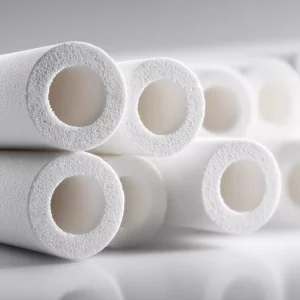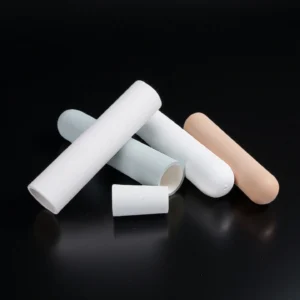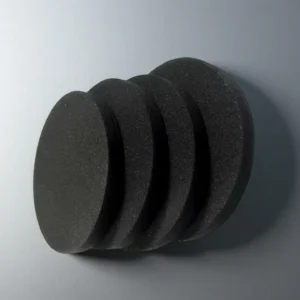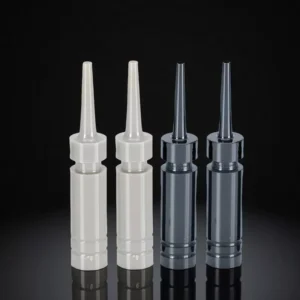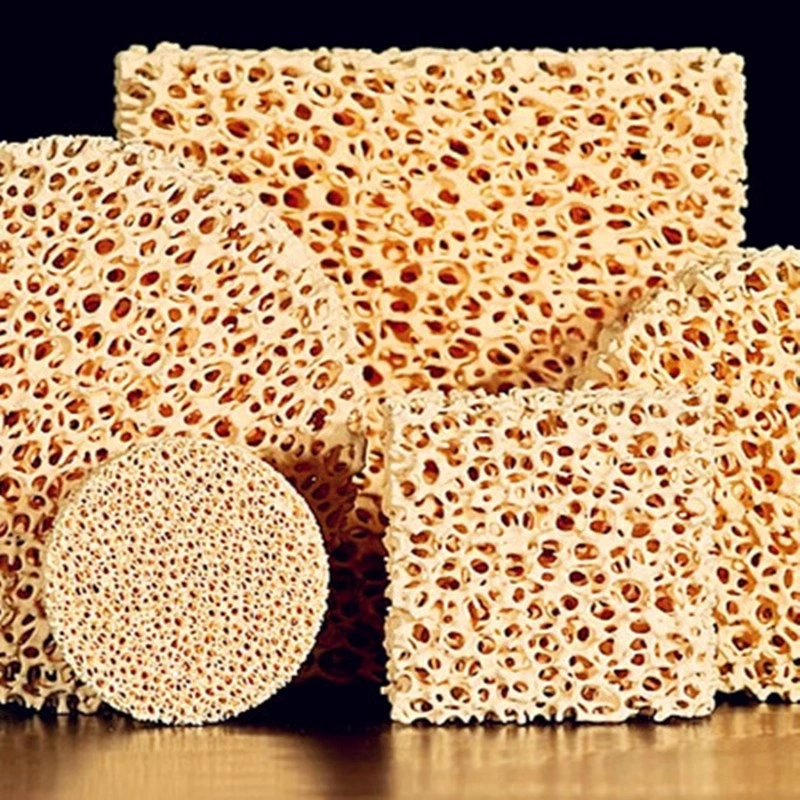
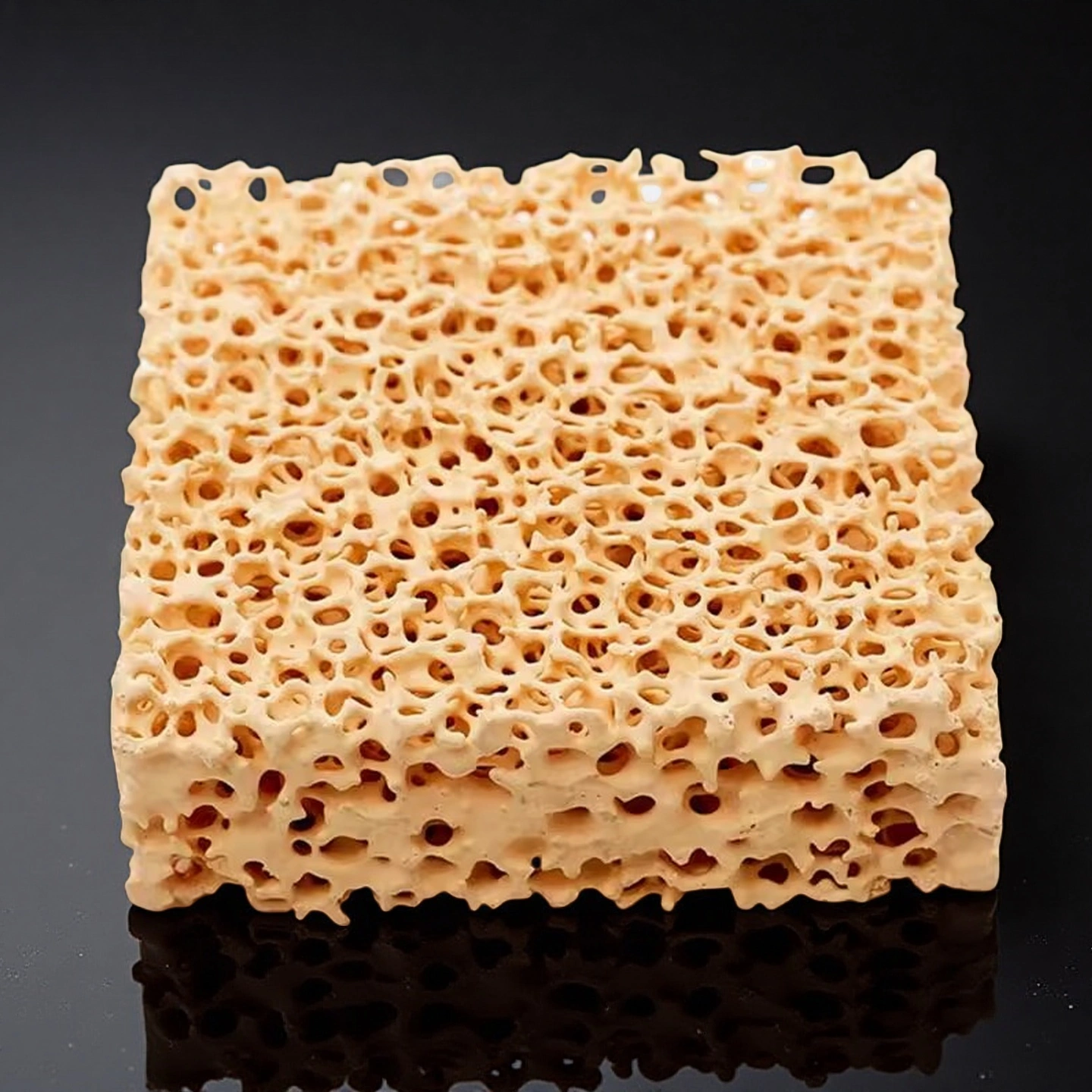
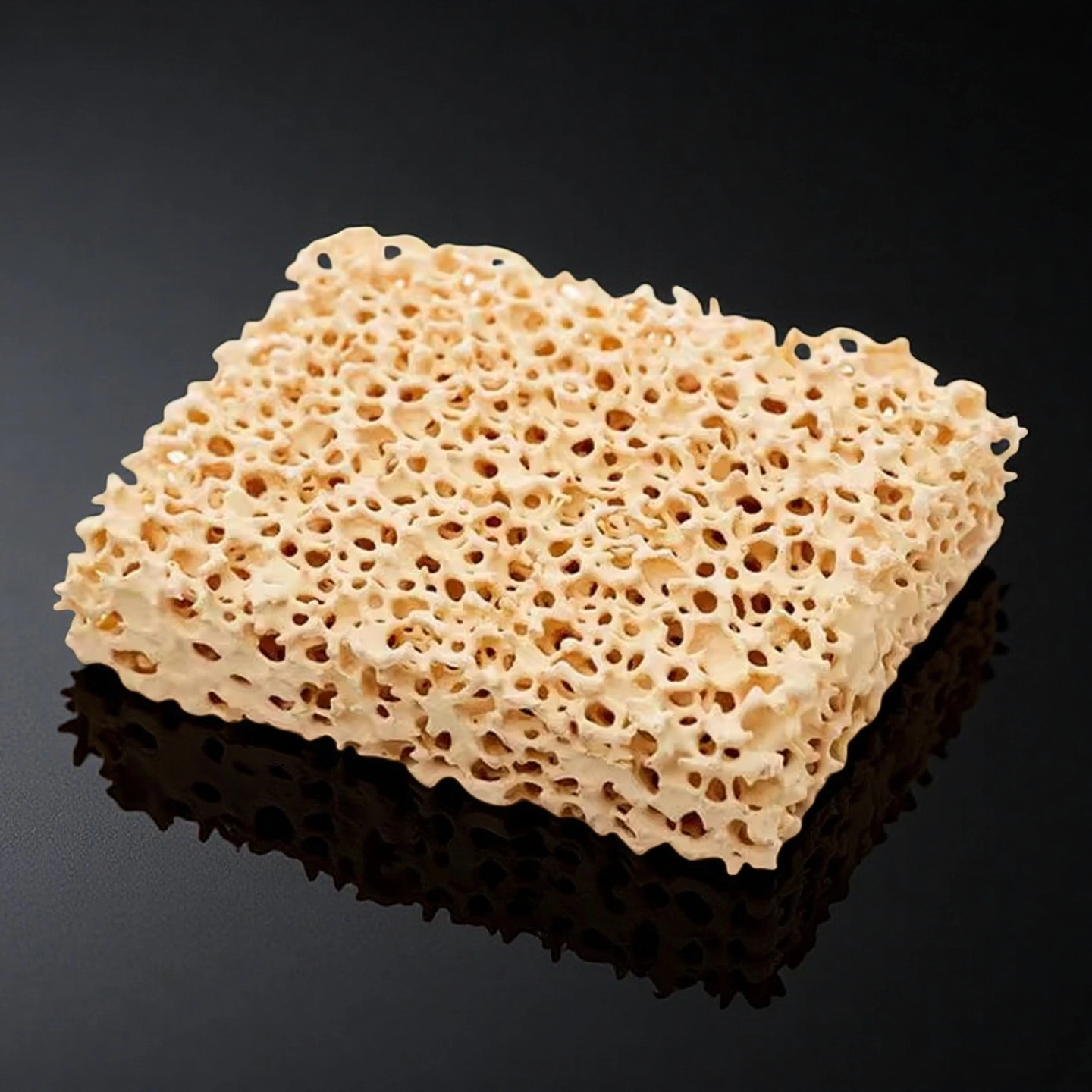
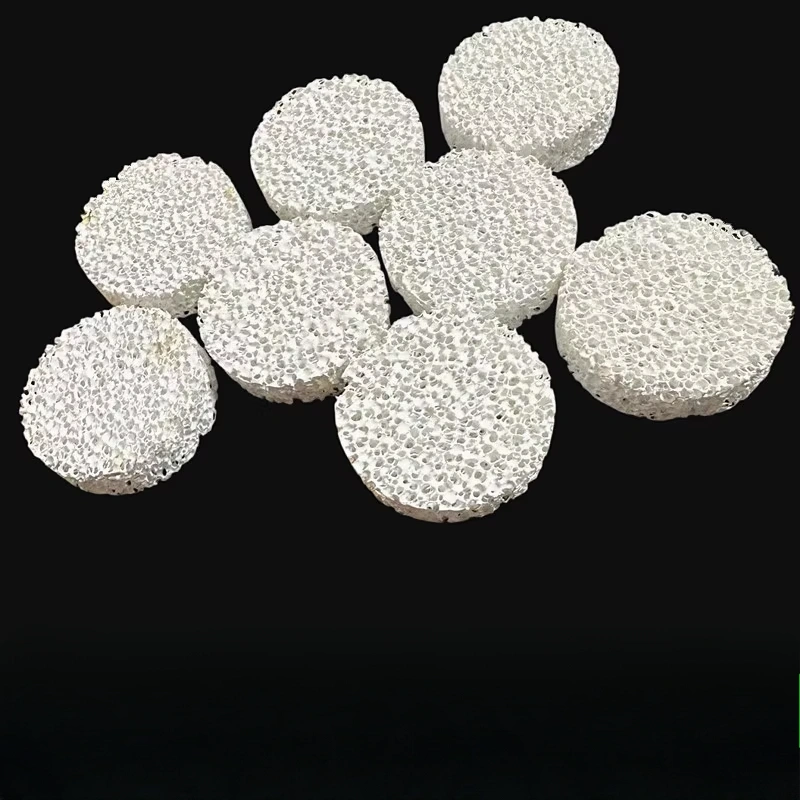
Zirconia Ceramic Foam Filter for Molten Steel Filtration

A zirconia ceramic foam filter is a porous ZrO₂-based filtration component used in foundry gating systems to capture slag, oxide inclusions and non-metallic particles before molten steel enters the mold cavity. ADCERAX supplies zirconia ceramic foam filters for molten steel, stainless steel and alloy casting applications where foundries need stable flow control, slag capture and high-temperature filtration support.

Catalogue No. AT-YHG-PM001
Material Y₂O₃ / MgO-stabilized Zirconia (ZrO₂)
Maximum Working Temperature 1700 °C – stable for molten steel and superalloys
Pore Density Common options include 8, 10, 15, 20, 25 and 30 PPI
Porosity Range Typical open porosity: 75–85%
Engineering RFQ Review
Small-Batch Custom Support
Factory-Direct Manufacturing
Drawing & Process Review

What Is a Zirconia Ceramic Foam Filter?

A zirconia ceramic foam filter is a 3D open-cell ceramic filter designed for high-temperature molten metal filtration. In steel and alloy casting, it is placed in the gating or pouring system to help trap slag, oxide films and non-metallic inclusions before the melt reaches the mold cavity.

Compared with alumina or silicon carbide foam filters, zirconia foam filters are usually selected for more demanding steel casting conditions where higher temperature resistance, chemical stability and thermal shock behavior are important. The final filter choice should be based on metal grade, pouring temperature, casting weight, inclusion level, flow rate and holder design.

When a stainless steel casting fails incoming inspection because of oxide inclusions or slag-related surface pitting, the root cause often traces back to insufficient melt filtration in the gating system. Zirconia ceramic foam filters are designed for exactly these high-temperature steel casting scenarios where alumina or SiC filters cannot survive the thermal and chemical conditions.

Product Features of Zirconia Ceramic Foam Filter

ADCERAX zirconia ceramic foam filters are designed for foundry filtration systems where molten steel, stainless steel and alloy melts require stable flow control and inclusion capture support. The open-cell zirconia structure helps reduce slag and non-metallic particles before the melt enters the mold cavity.

  • High-temperature zirconia ceramic structure for steel casting filtration.
  • Open-cell foam network designed to support molten metal flow and slag capture.
  • Suitable for molten steel, stainless steel and selected alloy casting systems.
  • Available in common PPI options for different flow and filtration requirements.
  • Square, round and custom shapes can be reviewed according to filter holder design.
  • Edge profile, thickness and seating area can be customized to reduce bypass flow risk.
  • Engineering review is available before quotation to confirm material, PPI and size suitability.

Technical Selection Factors for Zirconia Foam Filters

A zirconia foam filter should not be selected only by outer size. For steel casting, the key selection factors include metal grade, pouring temperature, casting weight, target flow rate, inclusion level, filter holder design and required pore density. ADCERAX reviews these conditions before confirming whether standard sizes or custom filters are more suitable.

Property Specification
Material Composition Y₂O₃ / MgO-stabilized ZrO₂
Maximum Working Temperature 1700 °C
Open Porosity 75 – 85 %
Pore Density (PPI) 10 – 40 ppi ± 1 ppi
Filtration Efficiency ≥ 80 % for inclusions < 10 µm
Compressive Strength (RT) 1.2 – 1.6 MPa
Thermal Shock Resistance ≥ 7 cycles (ΔT > 1000 °C)
Bulk Density 0.45 – 0.65 g/cm³
Thermal Expansion Coefficient 9.6 × 10⁻⁶ K⁻¹
Chemical Stability Inert to Fe, Ni, Cr, Co alloys
Microstructure 3D interconnected open-cell foam
Fracture Toughness ≥ 8 MPa·m½
Surface Condition Pre-fired, crack-free, chamfered edges
Testing Standard Reference ASTM C133 / DIN EN ISO 18754
Quality Certification ISO 9001:2015 process control

Specifications of Zirconia Ceramic Foam Filter

Type 1- Square Zirconia Ceramic Foam Filter

Item Length * Width * Thickness (mm) PPI Percentage of opening % Filtering capacity (kg) High deoxygenation - Low deoxygenation degree
AT-YHG-PM013 30*30*15 8/10/15/20/25/30 80~90 20-85
AT-YHG-PM014 50*50*20 8/10/15/20/25/30 80~90 35-110
AT-YHG-PM015 75*75*25 8/10/15/20/25/30 80~90 85-255
AT-YHG-PM016 75*50*22 8/10/15/20/25/30 80~90 75-235
AT-YHG-PM017 50*75*22 8/10/15/20/25/30 80~90 35-245
AT-YHG-PM018 60*100*22 8/10/15/20/25/30 80~90 45-285
AT-YHG-PM019 70*100*22 8/10/15/20/25/30 80~90 115-365
AT-YHG-PM020 100*100*25 8/10/15/20/25/30 80~90 150-450
AT-YHG-PM021 125*125*30 8/10/15/20/25/30 80~90 235-700
AT-YHG-PM022 150*150*30 8/10/15/20/25/30 80~90 340-1010
AT-YHG-PM023 200*300*50 8/10/15/20/25/30 80~90 405-1350
AT-YHG-PM024 300*300*80 8/10/15/20/25/30 80~90 550-1750


Type 2- Round Zirconia Ceramic Foam Filter

Item Diameter * Thickness (mm) PPI Percentage of opening % Filtering capacity (kg) High deoxygenation - Low deoxygenation degree
AT-YHG-PM001 D35*12 8/10/15/20/25/30 80~90 20-65
AT-YHG-PM002 D40*12 8/10/15/20/25/30 80~90 25-68
AT-YHG-PM003 D50*20 8/10/15/20/25/30 80~90 30-90
AT-YHG-PM004 D60*22 8/10/15/20/25/30 80~90 50-110
AT-YHG-PM005 D70*25 8/10/15/20/25/30 80~90 60-175
AT-YHG-PM006 D80*25 8/10/15/20/25/30 80~90 75-225
AT-YHG-PM007 D90*25 8/10/15/20/25/30 80~90 95-285
AT-YHG-PM008 D125*30 8/10/15/20/25/30 80~90 185-550
AT-YHG-PM009 D100*30 8/10/15/20/25/30 80~90 125-405
AT-YHG-PM010 D150*30 8/10/15/20/25/30 80~90 265-795
AT-YHG-PM011 D200*40 8/10/15/20/25/30 80~90 305-850
AT-YHG-PM012 D300*80 8/10/15/20/25/30 80~90 350-1005

Zirconia vs Alumina vs SiC Foam Filters: Material Selection Comparison

This comparison helps engineers select the right ceramic foam filter material based on casting temperature, molten metal type, thermal shock resistance, chemical stability and cost requirements.

Comparison Factor Zirconia Foam Filter Alumina Foam Filter SiC Foam Filter
Maximum Operating Temperature Up to 1700°C Up to 1200°C Up to 1500°C
Suitable Metals Steel, stainless steel and nickel-based alloys Aluminum and copper alloys Cast iron and ductile iron
Thermal Shock Resistance Excellent, suitable for repeated high-temperature casting cycles. Moderate, suitable for lower-temperature non-ferrous casting. Good, suitable for iron casting conditions.
Chemical Stability Stable against Fe, Cr and Ni alloy melts. Stable against aluminum-based melts. Good stability against iron-based melts.
Typical PPI Range 10–40 PPI 10–60 PPI 10–40 PPI
Cost Positioning Highest cost level Lowest cost level Medium cost level
Recommended Selection Scenario Recommended for steel casting and superalloy casting. Recommended for aluminum alloy casting and copper alloy casting. Recommended for cast iron filtration.

Packaging of Zirconia Ceramic Foam Filter

Zirconia Ceramic Foam Filter is securely packed in moisture-proof paper and cushioned with protective lining to prevent mechanical impact. Each layer is carefully stacked inside a reinforced wooden crate for safe long-distance transport. The sealed packaging ensures product stability and cleanliness until final installation at the foundry site.
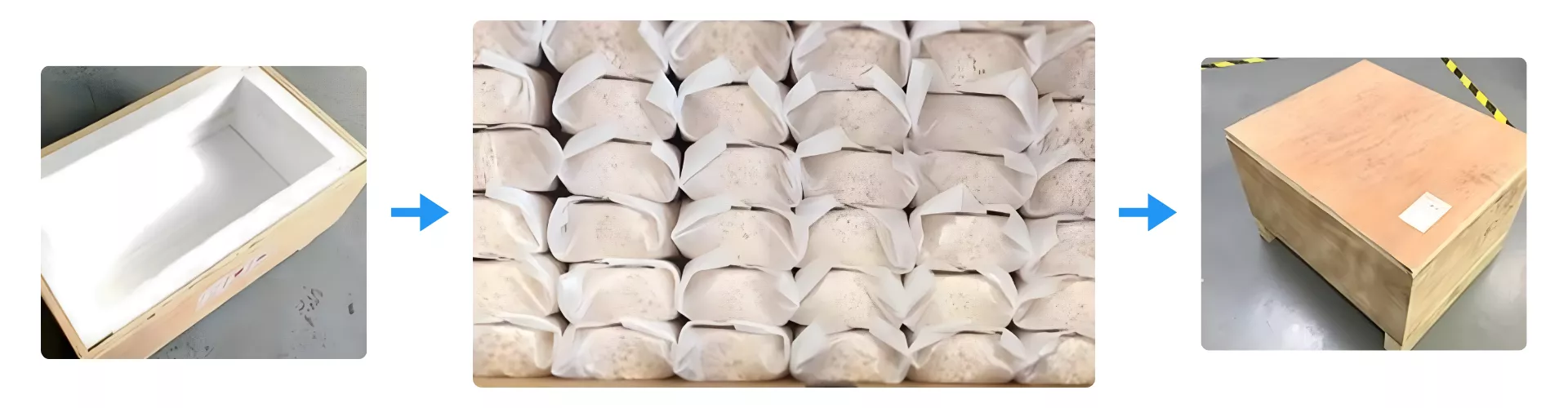

ADCERAX® Packaging of Zirconia Ceramic Foam Filter

Where Zirconia Ceramic Foam Filters Are Used?

ADCERAX zirconia ceramic foam filters are mainly used in foundry and metallurgical casting systems where molten steel or alloy melts require cleaner flow before solidification. The filter helps stabilize the melt stream and reduce the risk of inclusion-related defects, but final performance depends on correct pore density, preheating, filter placement and pouring practice.

  • Stainless steel casting

    ✅ Typical Casting Concern

    Slag, oxide inclusions and surface pitting

    ✅Why Zirconia Foam Filter Helps

    Zirconia provides high-temperature stability and chemical compatibility with steel alloy systems.

  • Alloy steel casting

    ✅Typical Casting Concern

    Inclusions that affect machining or sealing surfaces

    ✅Why Zirconia Foam Filter Helps

    A controlled open-cell structure helps intercept non-metallic particles before mold filling.

  • Tool steel and die components

    ✅Typical Casting Concern

    Flow instability and inclusion-sensitive surfaces

    ✅ ️Why Zirconia Foam Filter Helps

    Proper PPI selection can support smoother flow through the gating system.

  • Pump and valve castings

    ✅Typical Casting Concern

    Defects around sealing or fluid-contact surfaces

    ✅ ️Why Zirconia Foam Filter Helps

    Cleaner melt flow may help reduce inclusion-related weak points in precision casting.

  • Automotive and machinery castings

    ✅Typical Casting Concern

    Batch consistency and downstream machining risk

    ✅ ️Why Zirconia Foam Filter Helps

    Stable filtration geometry supports repeatable casting process control.

How to Use Zirconia Ceramic Foam Filters Safely?

Correct handling and installation are important for ceramic foam filters. Even when the material is suitable, poor preheating, forced installation or unstable pouring can cause cracking, bypass flow or inconsistent filtration. The following points help reduce avoidable process risk.

  • Preparation and Preheating

    1. Clean Environment: Always prepare a dust-free workspace before unpacking to prevent contamination of the filter’s open-cell structure. Avoid touching the filter surface directly to maintain its porosity.
    2. Gradual Heating: Preheat the filter to 1100–1250 °C using a controlled ramp rate to prevent thermal shock. Uneven or rapid heating can lead to microcracking and early performance degradation.
    3. Inspection Before Use: Check for visible cracks, chipping, or structural distortion. Do not use any filter that shows signs of physical damage, as this may reduce filtration efficiency or cause molten leakage.

  • Installation in Casting System

    1. Correct Orientation: Position the filter with its denser side facing the incoming molten metal stream. This ensures uniform filtration and prevents slag bypass.
    2. Secure Fitment: Use compatible refractory sealing material to fix the filter tightly in its holder, eliminating metal leakage around the edges during pouring.
    3. Alignment Check: Ensure proper alignment between the gating system and filter inlet to avoid turbulence. Misalignment can reduce flow stability and inclusion removal efficiency.

  • Filtration Operation and Flow Control

    1. Pouring Speed: Maintain a stable pouring rate that matches the filter’s permeability. Excessive flow pressure above 0.1 MPa may cause structural stress or deformation.
    2. Temperature Management: Operate within the recommended temperature range up to 1700 °C. Lower temperatures can reduce filtration performance due to incomplete slag removal.
    3. Monitoring During Casting: Observe the molten metal stream. Any sudden pressure drop or uneven flow may indicate clogging or partial blockage requiring immediate inspection.

  • Cleaning, Maintenance, and Disposal

    1. Post-Use Cleaning: Allow the filter to cool naturally to room temperature before removal. Avoid quenching with water or compressed air to prevent thermal cracking.
    2. Reuse Assessment: In automated or repeated pouring systems, inspect residual inclusions inside the filter. Reuse is only recommended when structural integrity is fully maintained.
    3. Safe Disposal: Spent filters should be collected and disposed of as non-hazardous refractory waste following local industrial waste management standards.

FAQs about Zirconia Ceramic Foam Filter

  1. Q1: What temperature can zirconia ceramic foam filters withstand?
    A: Zirconia ceramic foam filters typically withstand continuous use up to 1700°C, with short-term tolerance slightly higher depending on stabilizer type (Y₂O₃ or MgO). This is significantly above the 1200°C limit of alumina foam filters, making zirconia the standard choice for molten steel, stainless steel, and nickel-based superalloy casting.

  2. Q2: Can Zirconia Ceramic Foam Filter be used with stainless and alloy steels?
    A: Yes. Its chemical inertness to Fe, Cr, and Ni alloys prevents contamination and reaction with molten metal. The non-wetting surface minimizes slag adhesion, maintaining stable filtration performance. This compatibility makes it ideal for high-alloy and stainless steel casting lines.
  3. Q3: Can zirconia ceramic foam filters be reused?
    A: No. Zirconia ceramic foam filters are designed for single-use. After filtering molten metal, inclusions fill the internal pore network, and the structure loses its permeability. Attempting to clean and reuse the filter risks reintroducing trapped contaminants and weakening the ceramic matrix.
  4. Q4: What pore sizes are available for Zirconia Ceramic Foam Filter?
    A: Standard pore densities range from 10 ppi to 30 ppi, selected based on steel grade and casting requirements. Coarser pores allow higher flow rates, while finer pores provide better filtration precision.
  5. Q5: Can zirconia ceramic foam filters be customized?
    A: Yes. ADCERAX can review custom shape, size, thickness, pore density and edge profile according to customer drawings, filter holders or casting system requirements.
  6. Q6: What information is needed for a quotation?
    A: Please provide the filter size, PPI, metal grade, pouring temperature, casting weight, installation position, holder drawing or photo, required quantity and packaging requirement.

  7. Q7: What causes ceramic foam filter cracking during casting?
    A: Common causes include insufficient preheating, excessive thermal shock from cold filter contact with hot metal, forced mechanical installation, unstable pouring speed creating pressure spikes above 0.1 MPa, and pre-existing manufacturing defects. Proper preheating gradient and stable flow control are critical.
  8. Q8: How do I choose the right PPI for steel casting filtration?
    A: PPI selection depends on casting weight, inclusion severity, flow rate requirement and gating design. General guidelines: 10–15 PPI for heavy castings with coarse inclusions and high flow demand. 20–25 PPI for standard steel and stainless steel with moderate inclusion control. 30–40 PPI for precision investment casting or alloy steel requiring fine particle removal. ADCERAX reviews the casting conditions and recommends the suitable PPI before quoting.

Engineering Review and RFQ Support

For zirconia ceramic foam filters, a reliable quotation needs more than a size request. ADCERAX reviews the casting material, pouring temperature, filter position, PPI requirement, casting weight and packaging needs before confirming the recommended filter type. This helps buyers reduce selection risk before trial or batch purchasing.

Information to Send Example
Metal grade Stainless steel, carbon steel, alloy steel or special alloy.
Filter size Length, width, diameter and thickness.
PPI requirement 8, 10, 15, 20, 25, 30 PPI or project-specific request.
Casting weight Approximate metal weight per filter.
Pouring temperature Actual working temperature during casting.
Holder design Existing drawing, photo or installation method.
Quantity and packaging Trial quantity, batch quantity and export packaging needs.
customize size

Custom Zirconia Ceramic Foam Filters for Foundry Systems

ADCERAX supports standard and drawing-based zirconia ceramic foam filters for foundry and metallurgical applications. Customization can include filter shape, size, thickness, pore density, edge profile and packaging method. Before quotation, our team reviews the casting alloy, pouring temperature, filter holder, expected flow rate and required quantity to reduce mismatch risk.

Structural Design Customization

Every filtration system requires precise geometric fit and flow integration to ensure stable casting performance.

  • Shape Options: Square, round, or irregular forms for specific gating systems.
  • Mounting Fit: Customized edge profiles for secure installation in refractory holders.
  • Flow Alignment: Designed to balance molten stream pressure and direction effectively.

Pore and Material Engineering

Material and pore architecture are optimized to match steel type, inclusion load, and casting turbulence.

  • Pore Uniformity: Consistent open-cell network ensures predictable filtration efficiency.
  • Material Composition: Y₂O₃ or MgO-stabilized zirconia selected for alloy compatibility.
  • Thermal Endurance: Enhanced formulation for sustained operation at extreme temperature.

Integration and Performance Optimization

Filters are adapted for system-level use, ensuring functional alignment with modern foundry operations.

  • System Matching: Developed to fit automated or manual pouring systems precisely.
  • Coating Treatment: Optional anti-spall or pre-wetting layer for specific steel alloys.
  • Quality Traceability: Each batch is laser-marked and verified for production consistency.

Related Products

ADCERAX - Your Trusted Advanced Ceramics Manufacturing Partner

Direct factory manufacturing with comprehensive ceramic materials expertise and global supply capabilities

China-Based Manufacturer

ADCERAX supplies ceramic components for overseas OEMs, equipment builders, and labs.

Custom Drawing Support

We review drawings, dimensions, materials, and application conditions before quotation.

Ceramic Process Control

Forming, sintering, machining, grinding, and finishing are arranged by part requirements.

Pre-Shipment Inspection

Dimensional checks, visual inspection, and packaging review help reduce procurement risk.

Get in Touch with Us

Our team will be happy to respond to you in less than 24 hours.

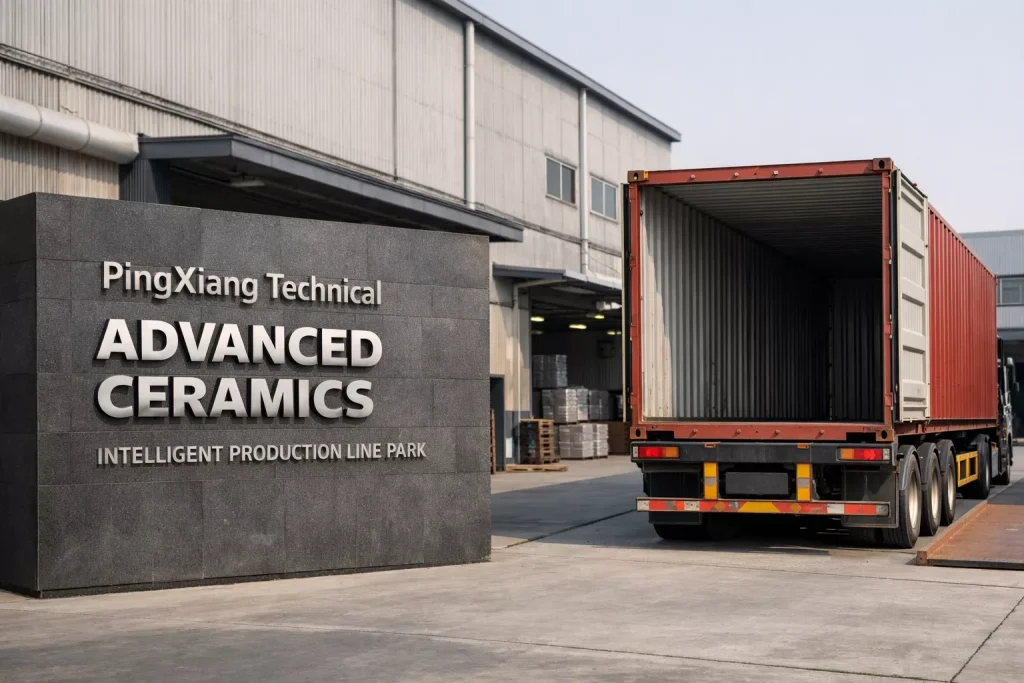
Pingxiang Factory — Silicon carbide, silicon nitride, high-temperature ceramics

Quick Quotation

*Our team will answer your inquiries within 24 hours.

*Your information will be kept strictly confidential.

Ready to Solve Your Engineering Challenge?

Partner with ADCERAX for reliable, high-performance advanced ceramic solutions. Our engineers are ready to discuss your project.

E-mail

info@adcerax.com

Phone

+(86) 0731-74427743 | WhatsApp: +(86) 19311583352

Response Time

Within 24 hours

Quick Quote

The more details you provide, the faster we can quote.

*We respond within 24 hours. All inquiries are confidential.

Get Your Custom Solution

The more details you provide, the faster we can respond.

customize size

*We respond within 24 hours. All inquiries are confidential.

Download Catalog