
Energy Equipment Ceramic Components in Industrial Systems
Industrial ceramics for energy equipment — matched to your sector (oil & gas, power generation, petrochemical, hydrogen/SOFC, wind/solar), operating condition, ceramic material route (alumina, zirconia, silicon carbide, silicon nitride and more) and part role (seals, sleeves, plungers, liners, nozzles, insulators, protection tubes, bearings).
We route each case by an Engineering Review before quotation rather than promising every energy ceramic off the shelf;
remains dimensionally stable under prolonged heat exposure
tolerates corrosive fluids and cleaning agents
preserves isolation in electrically active energy equipment
withstands abrasion and sustained mechanical load
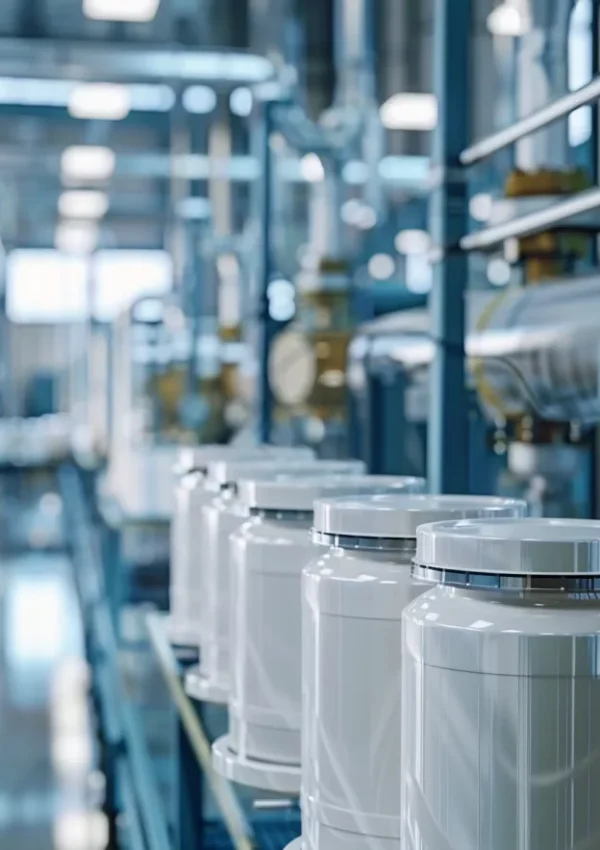
ADCERAX Material Performance of Energy Equipment Ceramic Components
In energy equipment applications, material selection for industrial ceramic parts is governed by measurable thermal, electrical, chemical, and mechanical behavior under defined operating conditions.
Thermal Properties
| Material | Max Continuous Temperature (°C) | Thermal Conductivity (W/m·K) | Thermal Expansion (10⁻⁶/K) | Test Conditions |
|---|---|---|---|---|
| Silicon Carbide (SiC) | 1350 | 120–180 | 4.0–4.5 | Air atmosphere, steady-state |
| Boron Carbide (B₄C) | 1000 | 30–42 | 5.0–5.5 | Air atmosphere, steady-state |
| Sapphire (Al₂O₃ single crystal) | 1600 | 35–40 | 5.3 | Air atmosphere, steady-state |
| Glass Ceramic (Machinable) | 800 | 1.4–2.0 | 9.0 | Air atmosphere, steady-state |
Electrical Properties
| Material | Volume Resistivity (Ω·cm) | Dielectric Strength (kV/mm) | Relative Permittivity (1 MHz) | Test Conditions |
|---|---|---|---|---|
| Silicon Carbide (SiC) | 10⁴–10⁶ | 8–12 | 9.7 | Room temperature, dry |
| Boron Carbide (B₄C) | 10⁶–10⁸ | 9–12 | 8–9 | Room temperature, dry |
| Sapphire (Al₂O₃ single crystal) | ≥10¹⁴ | 13–15 | 9.4 | Room temperature, dry |
| Glass Ceramic (Machinable) | ≥10¹⁴ | 15–20 | 6.0–6.5 | Room temperature, dry |
Chemical Resistance
| Material | pH Resistance Range | Acid Resistance | Alkali Resistance | Test Conditions |
|---|---|---|---|---|
| Silicon Carbide (SiC) | 0–14 | Stable in H₂SO₄, HCl | Stable in NaOH, KOH | 25–90 °C immersion |
| Boron Carbide (B₄C) | 1–13 | Stable in most acids | Limited in strong alkali | 25–80 °C immersion |
| Sapphire (Al₂O₃ single crystal) | 2–12 | Stable in inorganic acids | Limited in hot alkali | 25–80 °C immersion |
| Glass Ceramic (Machinable) | 2–10 | Stable in weak acids | Limited in strong alkali | 25–60 °C immersion |
Mechanical Properties
| Material | Flexural Strength (MPa) | Hardness (HV) | Elastic Modulus (GPa) | Test Conditions |
|---|---|---|---|---|
| Silicon Carbide (SiC) | 350–450 | 2500–2800 | 410 | Room temperature |
| Boron Carbide (B₄C) | 300–380 | 3000–3500 | 460 | Room temperature |
| Sapphire (Al₂O₃ single crystal) | 400–500 | 2200 | 345 | Room temperature |
| Glass Ceramic (Machinable) | 90–120 | 250–300 | 65 | Room temperature |
Where Industrial Ceramics Support Critical Energy Equipment
Power Generation Equipment
- Sensing and insulation: Alumina tubes and insulators protect thermocouples and conductors in hot or electrically active zones.
- Rotating equipment: Silicon nitride bearings may be considered for high-speed, electrically active or thermally cycled systems.
- Fluid systems: Silicon carbide seals and bearings are reviewed for pumps handling corrosive or particle-laden media.
Custom bushings, sleeves, standoffs and terminal supports for electrical isolation in power and high-temperature equipment.
Closed-end alumina protection tubes for thermocouples, sensors and conductors exposed to industrial hot zones.
Silicon nitride bearing solutions for high-speed or electrically active rotating equipment, reviewed by load, speed and temperature.
Oil & Gas Equipment
- Mechanical seals: SiC or Si₃N₄ faces for pumps and compressors handling abrasive or corrosive media.
- Sleeves and guides: Zirconia or Si₃N₄ sleeves for wear-prone shaft, plunger and seal interfaces.
- Pump bearings: SiC bearings for corrosive, particle-laden or low-lubrication systems.
Custom mechanical seal faces for pumps, compressors and mixers handling abrasive, corrosive or temperature-variable fluids.
Wear-resistant zirconia sleeves for pump, shaft, plunger and sealing interfaces manufactured to drawing.
Silicon carbide bearing components for pumps operating with corrosive fluids, abrasive particles or elevated temperatures.
Petrochemical & Refining Systems
- Pumps and dosing: Zirconia pistons and plungers for repeated motion.
- Flow control: Alumina or zirconia valve parts for aggressive media.
- Pump sleeves: Silicon nitride sleeves for wear-prone sealing and guiding surfaces.
Zirconia reciprocating components for metering and fluid-control pumps affected by wear, corrosion or seal friction.
Alumina ceramic valve internals for slurry and chemical flow-control applications requiring wear and corrosion resistance.
Wear-resistant ceramic sleeves for chemical pumps, sealing interfaces and fluid-handling equipment.
Hydrogen & SOFC Equipment
- Sensor protection: YSZ and alumina tubes for thermocouples and high-temperature probes.
- Electrical insulation: Alumina sleeves and insulators isolate conductors and electrodes.
- Controlled atmospheres: Boron nitride tubes support selected furnace and sensor assemblies.
Closed-end YSZ tubes for thermocouple protection, furnace probes and oxygen-related sensing assemblies.
Alumina beads for insulating thermocouple and heater wires in high-temperature assemblies.
Machinable BN tubes for selected furnace sleeves, sensor protection and controlled-atmosphere insulating fixtures.
Wind & Solar Equipment
- Wind systems: Silicon nitride rolling elements for high-speed or electrically active bearings.
- Solar inverters: Aluminum nitride substrates provide heat spreading and insulation.
- Electrical support: Alumina insulators isolate busbars and terminals.
Closed-end YSZ tubes for thermocouple protection, furnace probes and oxygen-related sensing assemblies.
Si₃N₄ rollers for insulated bearings in generators, motors and rotating equipment.
Alumina rings for electrical isolation and controlled spacing in power equipment.
Industrial Ceramic Parts for Energy Systems Integration
As a custom industrial ceramics manufacturer, ADCERAX delivers stable supply for both standard and non-standard ceramic components used across energy-related equipment. Production planning and quality verification are aligned with repeat orders and long-term deployment.
ADCERAX Industrial Energy Equipment Ceramics by Material Category
ADCERAX organizes industrial ceramic parts for energy systems by material behavior to align selection with real operating conditions rather than component form.
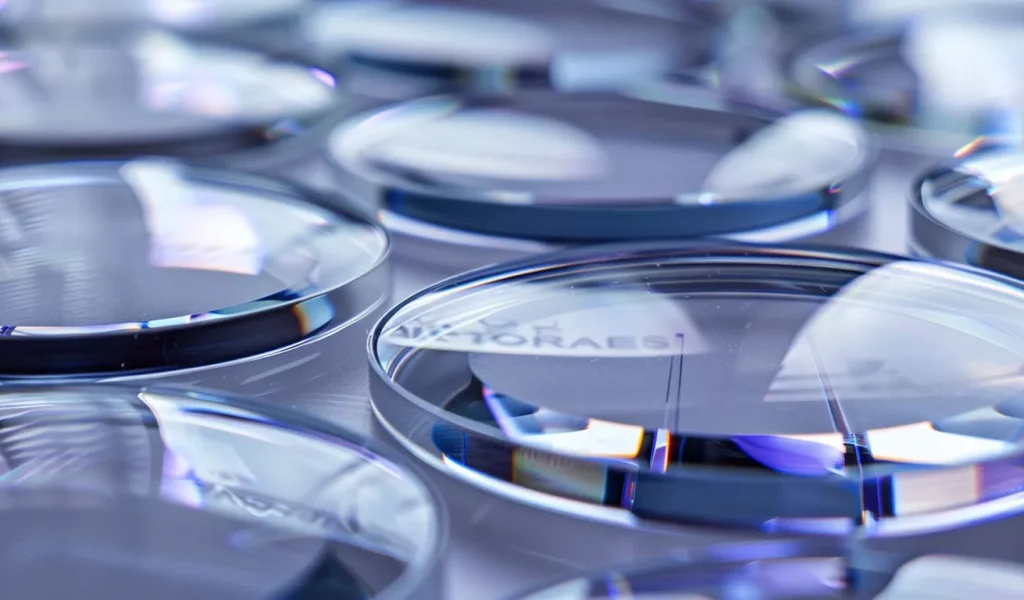
Transparent Ceramics
Transparent sapphire ceramics for harsh energy environments
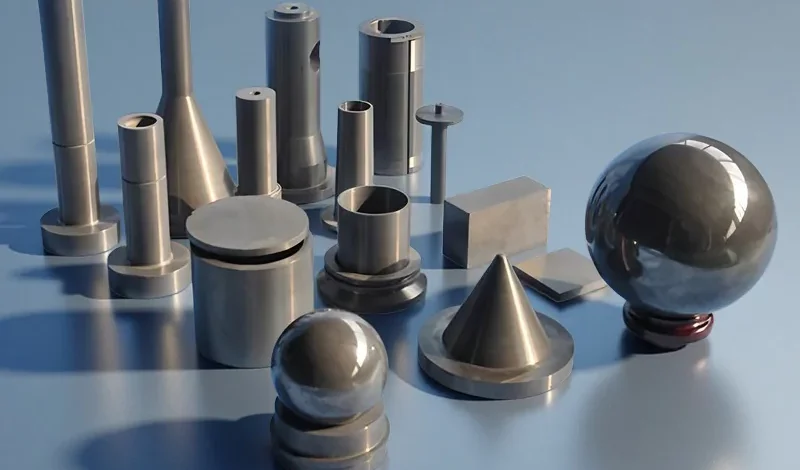
Silicon Nitride Ceramic
Silicon nitride ceramics for high-load bearings, wear parts and thermal cycling
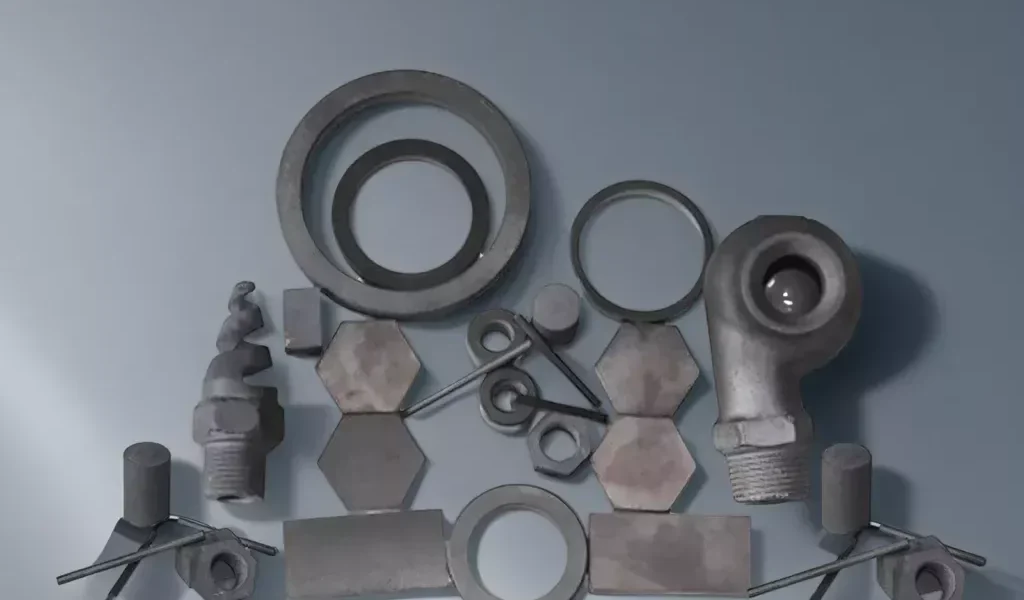
Silicon Carbide Ceramics
Silicon carbide ceramics for filtration and corrosion control

Alumina Ceramic
Alumina ceramics for electrical insulation, wear resistance and thermal stability

Zirconia Ceramic
Zirconia ceramics for tough, wear-resistant seals, sleeves and plungers
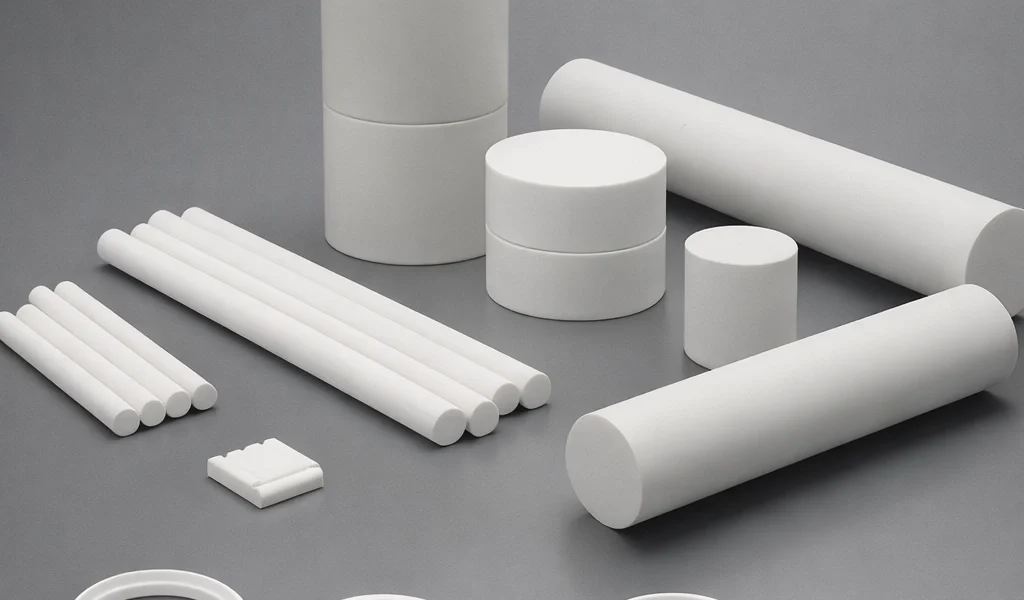
Technical Ceramics for Energy Equipment Manufacturing Services
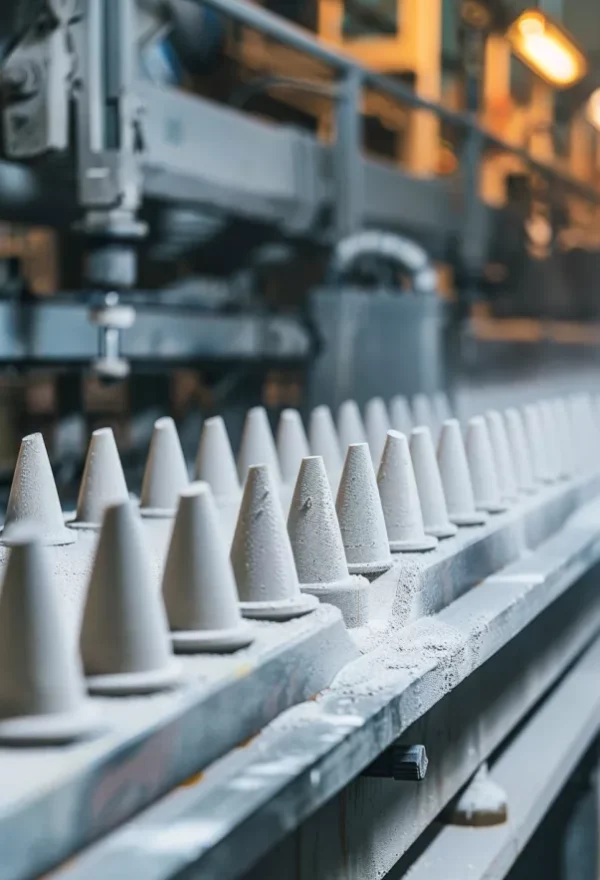
ADCERAX delivers an integrated manufacturing framework for industrial ceramic parts for energy systems, where material behavior, geometry, and process control are managed as a unified engineering system.
As a custom industrial ceramics manufacturer, production decisions are driven by service conditions, drawing constraints, and scalability requirements rather than isolated fabrication steps.
Tailors ceramic compositions to temperature, corrosion, and electrical load profiles.
Applies extrusion, pressing, or isostatic forming based on geometry demands.
Achieves tolerances down to ±0.02 mm on functional interfaces.
Maintains thermal profiles up to 1,800 °C with controlled atmosphere.
Delivers Ra ≤ 0.4 µm for sealing and flow-contact surfaces.
Supports ceramic-to-metal or ceramic-to-ceramic structural interfaces.
ADCERAX Fabrication of Industrial Ceramics for Energy Processing Equipment
Ceramic Forming and Shaping
Forming establishes the initial geometry, density distribution, and dimensional feasibility of industrial energy equipment ceramic components.
Utilizes isostatic pressing up to 300 MPa pressure.
Enables uniform density across complex tubular sections.
Achieves green-body deviation within ±0.3 mm.
High-Temp Sintering Control
Controlled sintering develops the density and material stability required for ceramic components used in energy equipment.
Operates high-temperature furnaces up to 1,800 °C.
Controls inert or reactive atmospheres during densification.
Delivers bulk density exceeding 98% theoretical value.
Precision Ceramic Machining
Machining converts sintered ceramic bodies into functional components with controlled interfaces and tolerances.
Uses CNC diamond grinding and multi-axis machining centers.
Maintains dimensional accuracy within ±0.02 mm.
Produces Ra ≤ 0.4 µm functional surfaces.
ADCERAX Custom Energy Equipment Ceramic Components Engineering
ADCERAX delivers industrial ceramic parts for energy systems by converting operating conditions and drawings into manufacturable solutions with controlled geometry and material performance.
Each project prioritizes functional fit, thermal and chemical suitability, and production readiness.
Contact ADCERAX to initiate a specification-driven ceramic customization process.
Industrial Ceramics for Energy Equipment Engineering FAQs by ADCERAX
Energy processing fluids often span wide pH ranges and carry aggressive ions. In these conditions many ceramic materials hold chemical stability where metals can corrode and polymers can swell, which is why a ceramic route is often reviewed. The right material depends on the medium, temperature and part role, confirmed by an Engineering Review.
Silicon carbide is often considered for abrasion, slurry flow and high heat-flux zones, while alumina is often considered for static insulation and lower-wear roles. Neither is a universal choice; selection depends on medium, temperature, pressure and part role
Wastewater and process streams in energy processing may involve high temperature and aggressive chemical cleaning. Ceramic membranes are typically evaluated for tolerance to repeated cleaning cycles rather than by polymer criteria. Suitability for a specific stream is assessed case by case.
Boron carbide is often considered for zones exposed to extreme particle impact and erosion, such as blasting or abrasive redirection areas, where its high hardness is relevant. Whether B4C or SiC fits a given part depends on the abrasive, geometry and operating boundary.
Surface preparation and material handling can involve continuous abrasive contact. Boron carbide is valued for high hardness that helps hold dimensional accuracy under sustained erosion. Actual life depends on the abrasive, load and part design, confirmed at review.
Observation windows can face pressure, heat and corrosive gases. Sapphire is often considered where higher mechanical strength and chemical resistance than quartz are needed, while quartz may suit less demanding optical roles. The choice depends on the window's pressure, temperature and medium.
Pressurized optical access calls for materials with high fracture strength and low creep. Sapphire is often reviewed for such roles because of its mechanical and optical properties. The pressure rating for any specific window is determined by design and Engineering Review, not assumed.
Glass ceramics are often considered where controlled thermal expansion is required, while alumina offers strength with more limited expansion matching. The suitable insulation material depends on the temperature profile, mating parts and electrical requirement of the assembly.
Rapid heating and cooling create thermal gradients. Materials with low thermal expansion combined with high-temperature stability are generally more resistant to thermal-shock cracking, though no material is immune. The right route depends on the thermal cycle and geometry.
Energy equipment depends on predictable thermal, chemical and mechanical behavior. Consistent microstructure supports more repeatable part performance across a batch. We confirm the material route and specification for each case rather than assuming a fixed outcome.
Discuss Your Energy Equipment Ceramic Requirements
To review an industrial energy equipment ceramic component, please share:
- The energy sector, equipment type and component function
- The operating medium, temperature, pressure, load, speed or insulation requirement
- The current material, failure mode and expected improvement
- A drawing, sample or clear photos with critical dimensions and mating interfaces
- The preferred material, quantity, destination and required documentation
ADCERAX reviews the operating conditions, material route and manufacturability before quotation. If no drawing is available, send old-part photos, critical dimensions and a description of the current failure.
*Our team will answer your inquiries within 24 hours.
*Your information will be kept strictly confidential.
info@adcerax.com
Tel:+86-0731-84428843
WhatsApp:+86 19311583352
Within 24 hours
