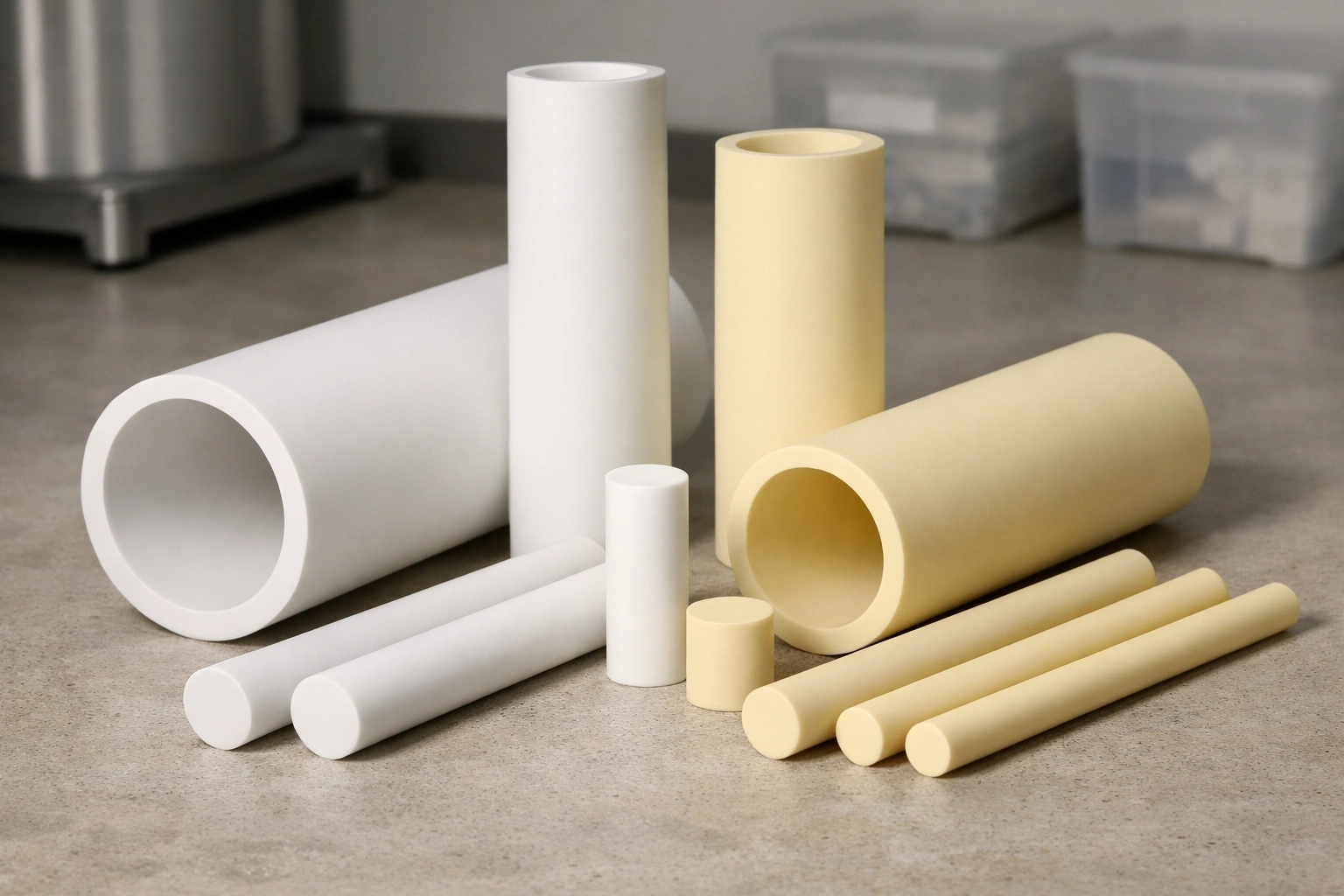
Zirconia Ceramic Max Temperature Limits Across 3Y-TZP YSZ MSZ CSZ
High-temperature assemblies fail when a “safe” number hides time, cycling, and damage. Escalating thermal loads amplify risk. A usable limit resolves continuous exposure, peaks, and
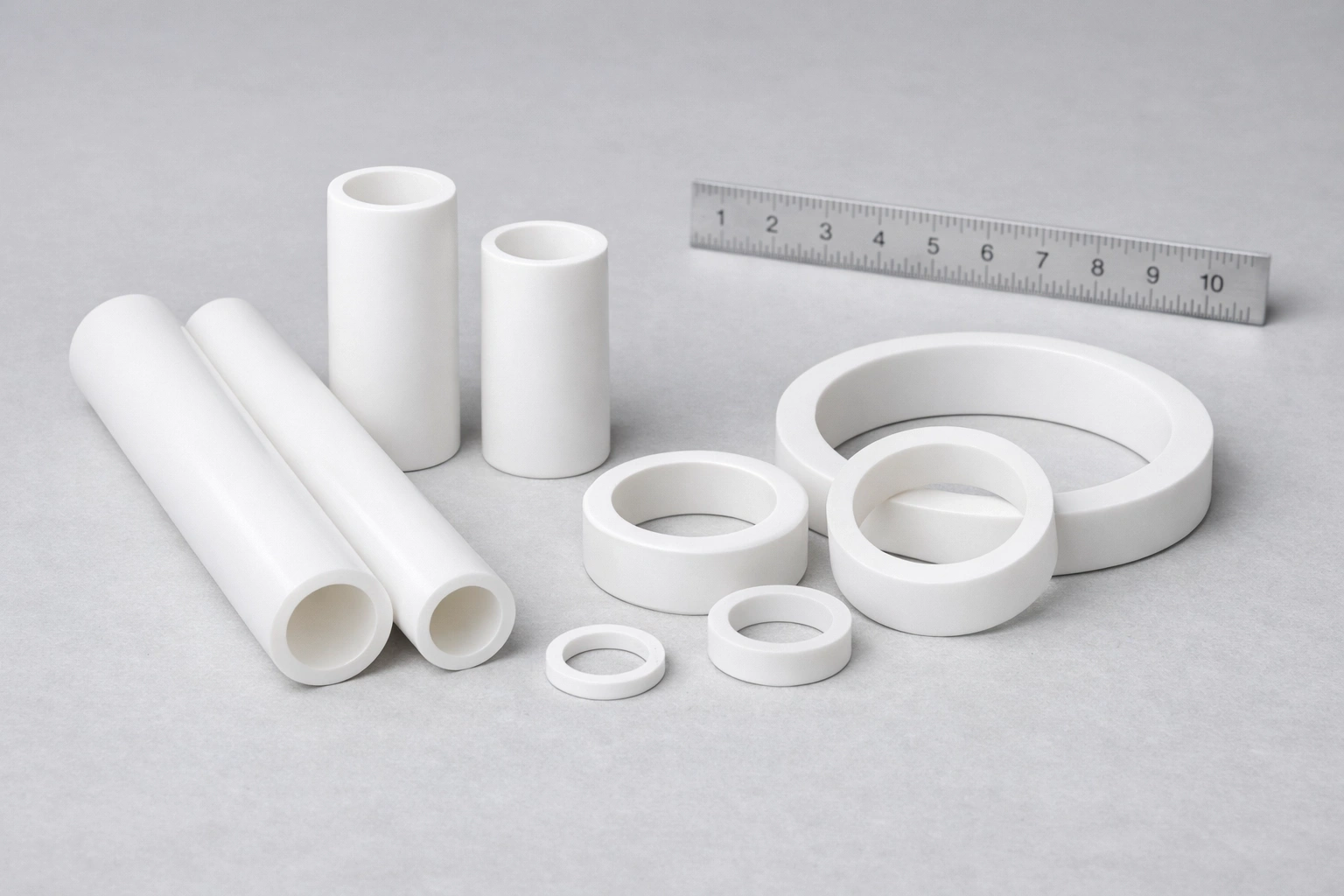
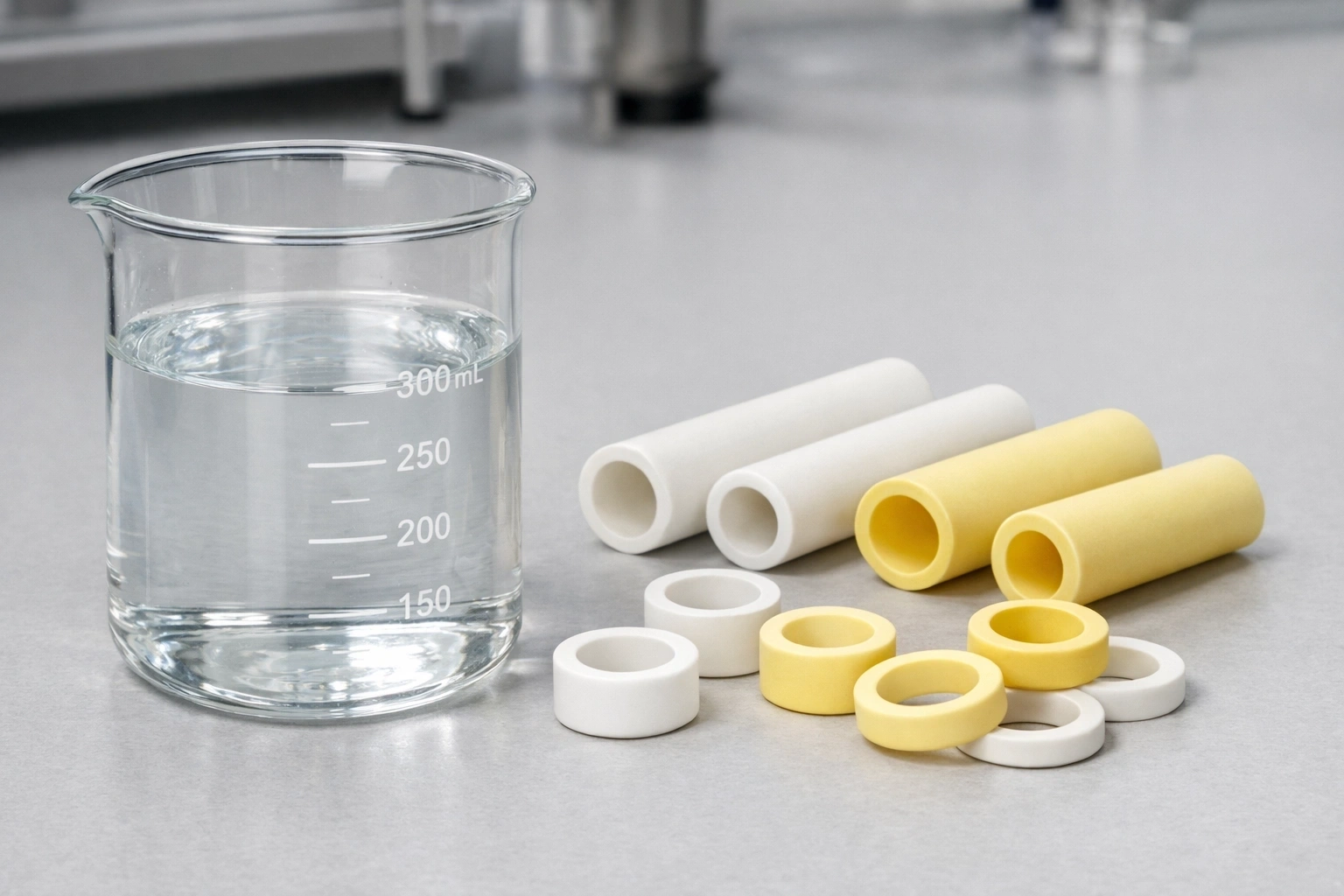
High-temperature assemblies fail when a “safe” number hides time, cycling, and damage. Escalating thermal loads amplify risk. A usable limit resolves continuous exposure, peaks, and
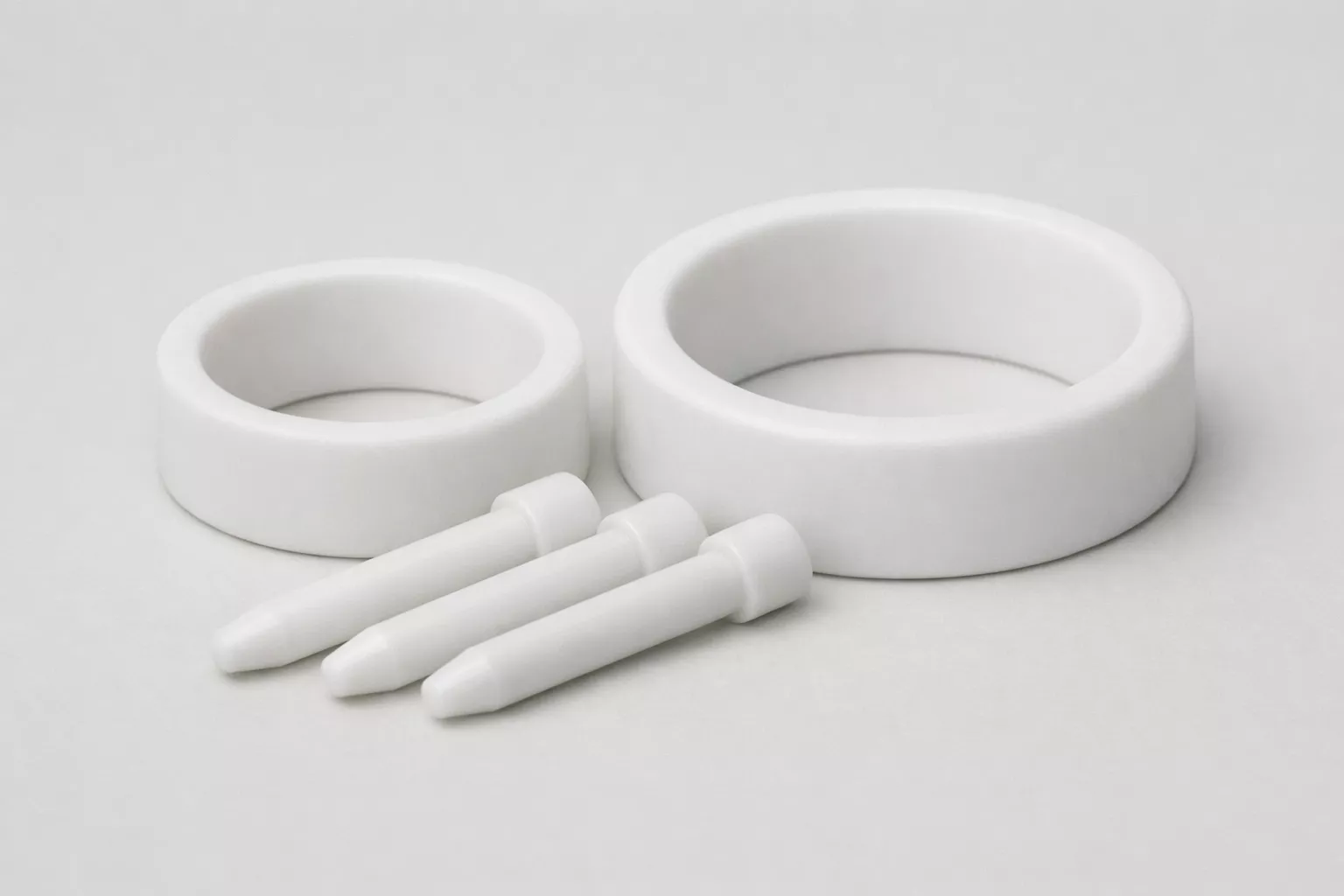
High-temperature systems frequently fail when heat transfer assumptions deviate from real material behavior, particularly once ceramics are expected to perform both thermal and structural functions

High-performance systems often fail prematurely when material chemistry is misjudged under aggressive media. Misalignment between environment and material stability remains a dominant root cause across

Unexpected fracture remains one of the most disruptive failure modes in oxide ceramic components, often occurring without visible warning and causing disproportionate system-level consequences. Zirconia-based

High-performance zirconia components often fail to meet expectations because density assumptions are oversimplified or incorrectly generalized across stabilized systems. Zirconia ceramic density varies with stabilizer

Unexpected frictional behavior remains one of the most frequent causes of premature ceramic component failure, especially when zirconia parts are transferred directly from material datasheets

Unexpected surface roughening and strength loss can arrive quietly; consequently, unrecognized degradation triggers microcracking, performance drift, and premature fracture in zirconia ceramic components. Zirconia ceramic

High mechanical loads, brittle failure risks, and long-term reliability often limit material choices in demanding engineering systems. Consequently, zirconia ceramic strength attracts attention where conventional

High-performance ceramics frequently fail when property assumptions oversimplify real conditions; consequently, zirconia ceramics demand a precise property-level understanding to avoid structural, thermal, or chemical misapplication.

High-performance engineering systems often fail at the material–component interface; therefore, advanced ceramics increasingly define reliability limits in real industrial equipment. Zirconia ceramic occupies a unique

Ceramic components can fail abruptly under heat and stress; consequently, zirconia demanded decades of scientific corrections before dependable service became possible. Zirconia ceramics progressed from

High-duty industrial systems frequently fail when conventional materials reach mechanical, thermal, or chemical limits. Consequently, zirconia ceramic material emerges where durability, predictability, and damage tolerance

High-performance ceramics often appear complex and inaccessible; however, zirconia ceramic bridges natural mineral origins with engineered reliability. Consequently, understanding its material foundation clarifies why this

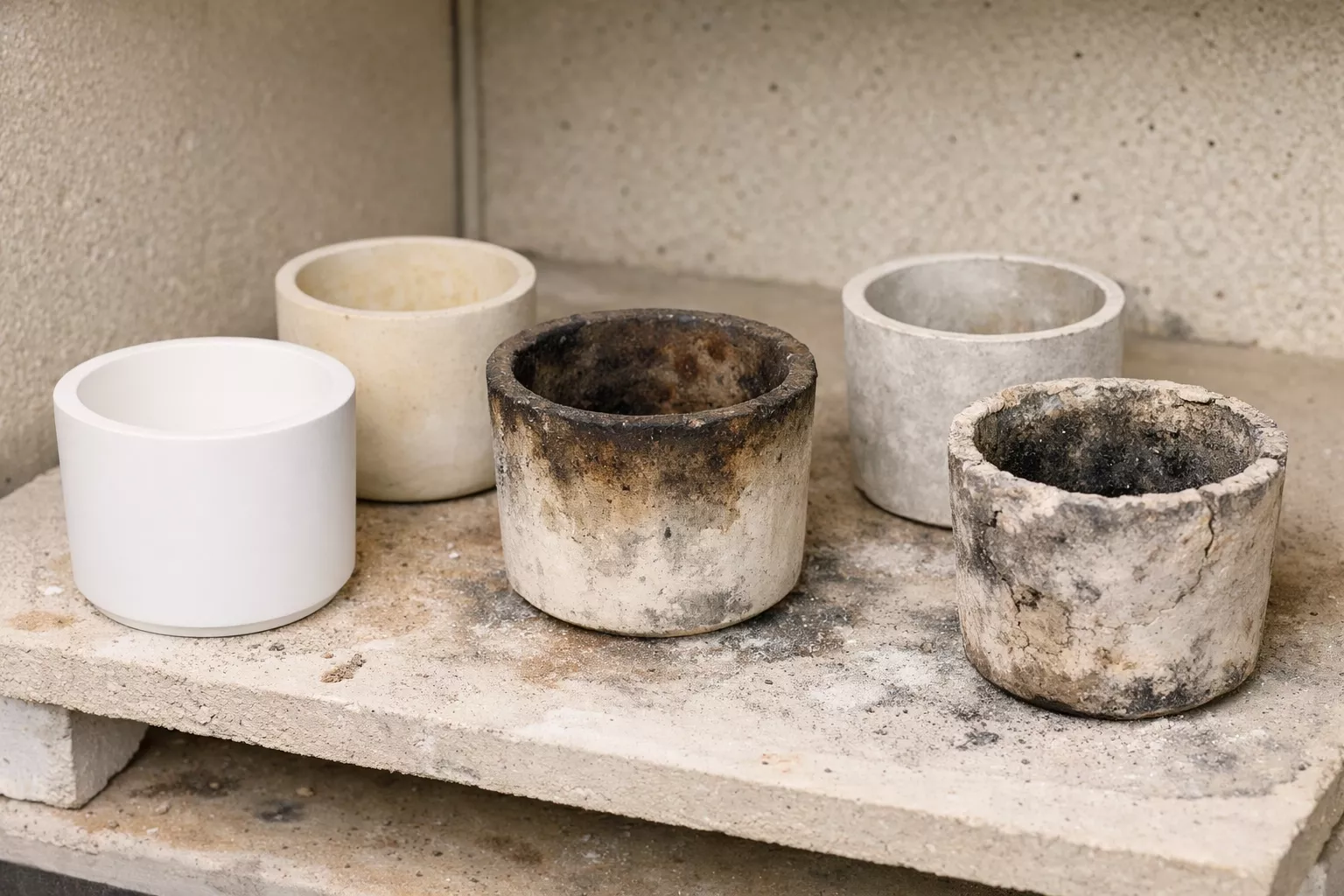
Material Safety Behavior of Zirconia Sintering Crucible High-temperature zirconia crucibles may appear inert; however, hidden material interactions can compromise furnace safety, cleanliness, and long-term process

High-temperature zirconia sintering crucibles often appear durable during early use; however, progressive degradation silently accumulates until sudden failure disrupts furnace stability and product consistency. Repeated

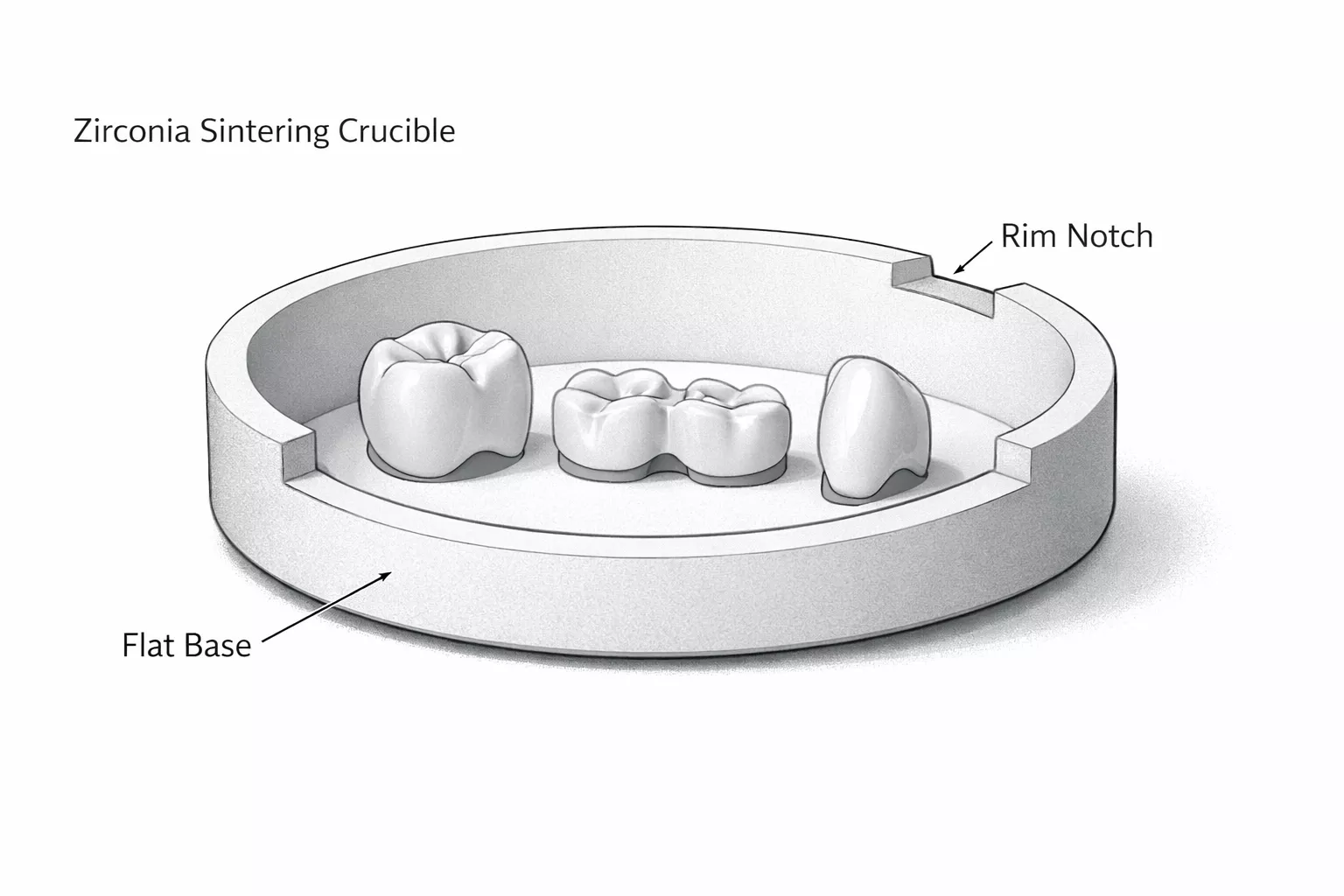
Unstable zirconia sintering results often originate from unnoticed crucible quality variation; consequently, surface defects, contamination, and dimensional drift accumulate until restorative consistency becomes unreliable. This

Unexpected defects in zirconia firing often appear without warning; consequently, yield drops, rework increases, and root causes remain disputed across teams. This article isolates failure

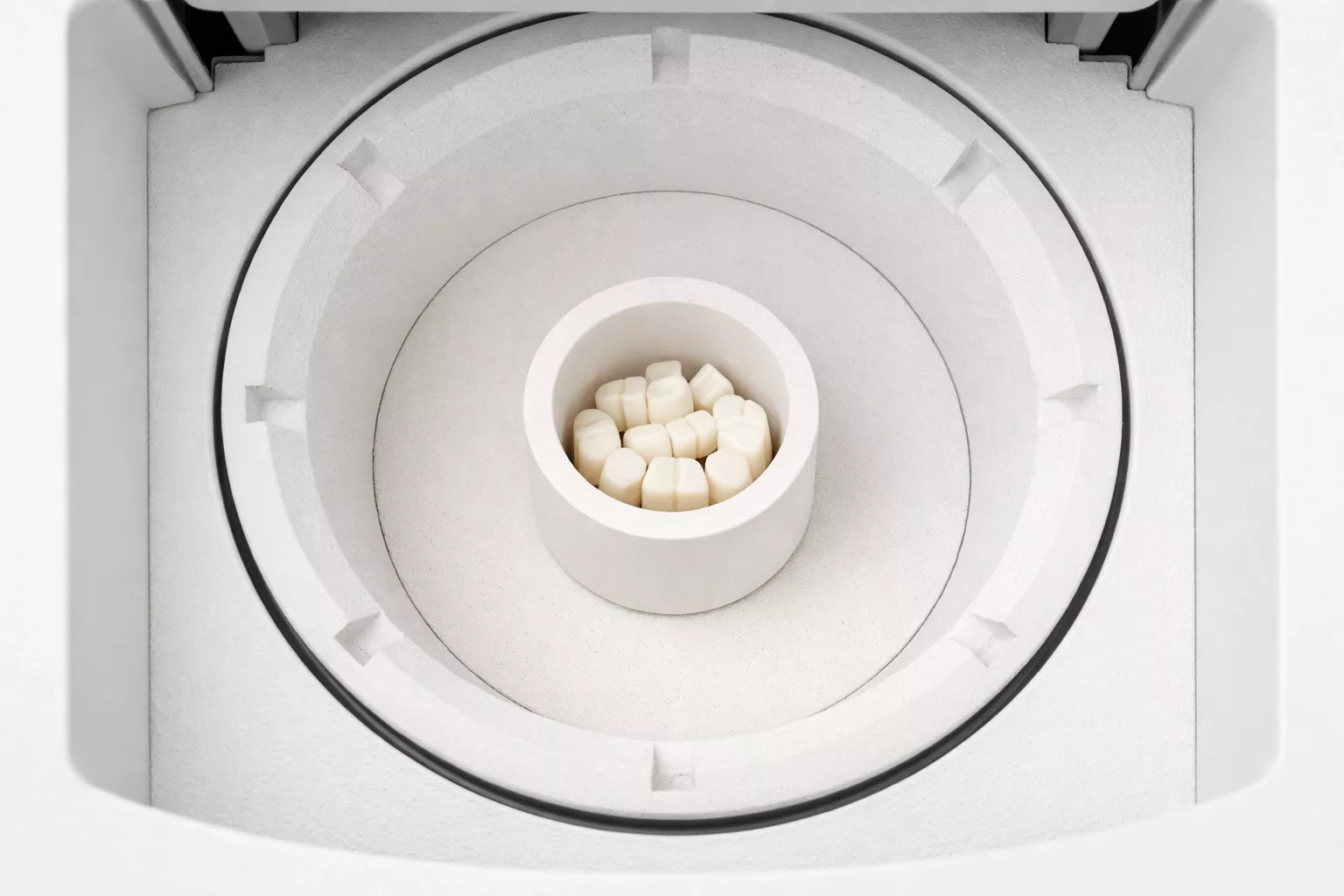
Poor sintering consistency often originates not from furnace failure, but from improper crucible use that silently distorts thermal balance and shrinkage behavior. This article consolidates

Poor sintering outcomes often originate before firing begins; consequently, unnoticed incompatibility between crucible and furnace quietly undermines dimensional accuracy, surface integrity, and thermal repeatability. This

Zirconia crucibles often fail not because of material limits, but because thermal and operational conditions exceed implicit assumptions. Consequently, failure prevention begins with understanding how

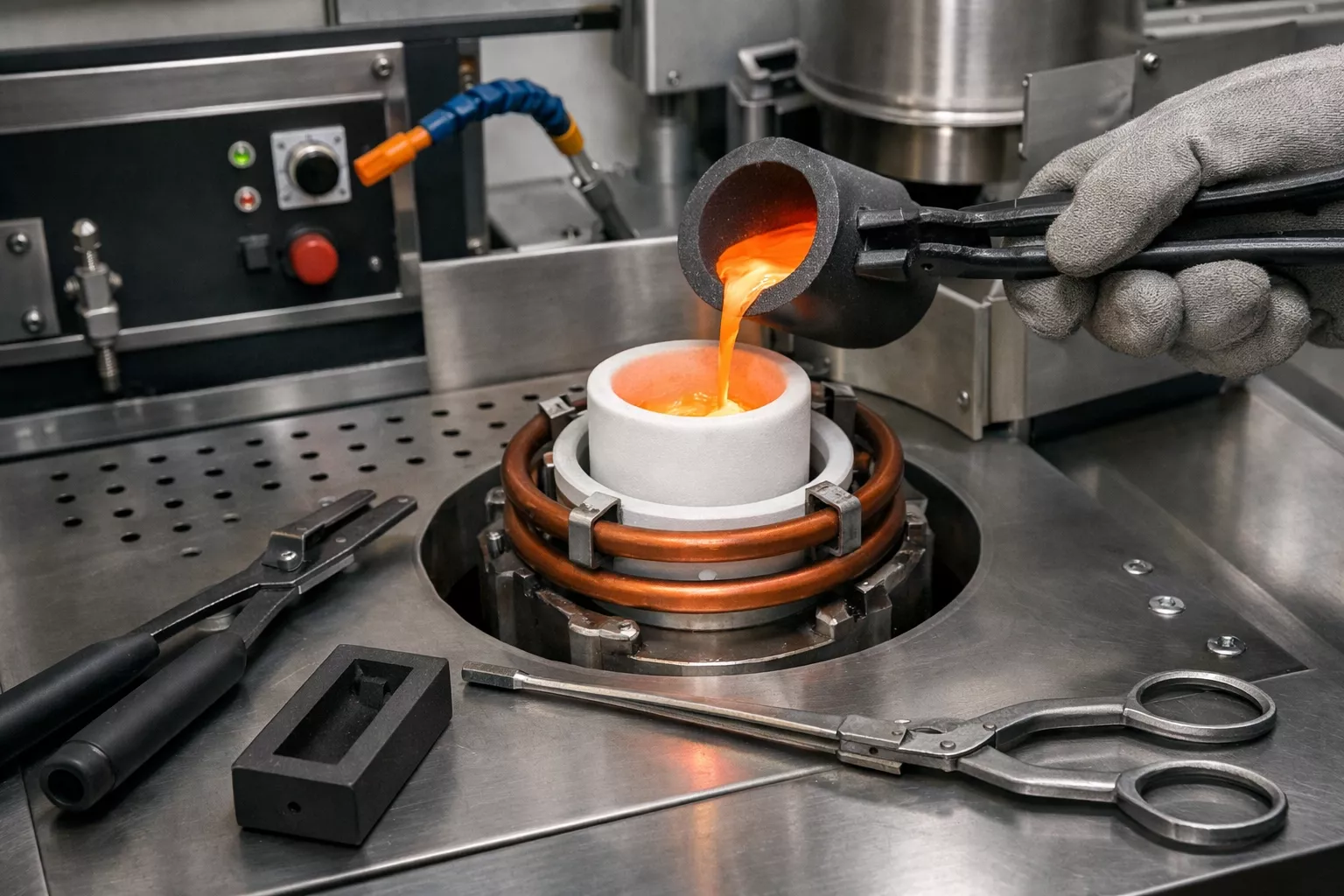
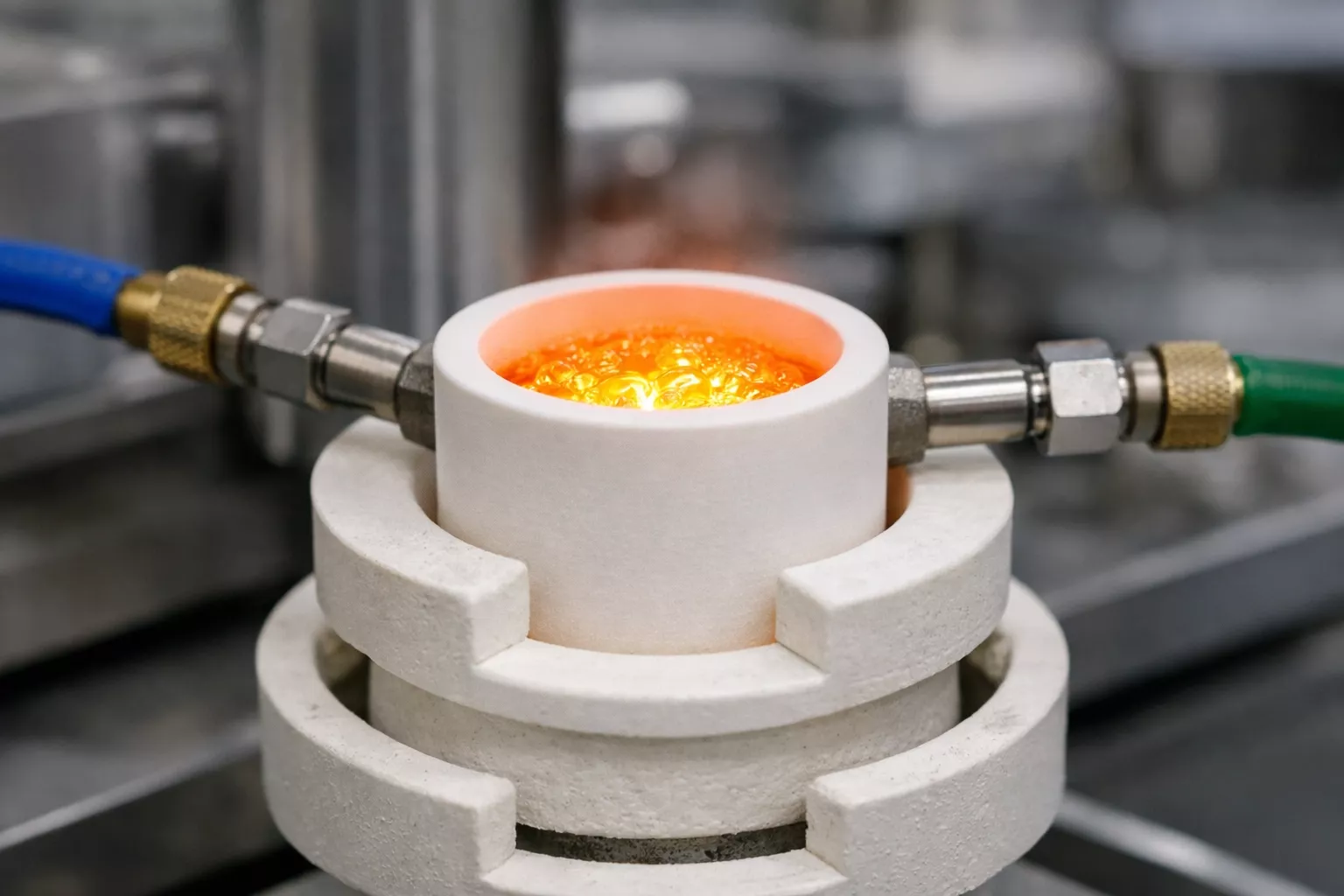
Instability in melting and casting rarely originates from peak temperature alone; instead, it emerges when thermal loads, phase behavior, and melt interactions exceed material coherence

Alumina Ceramic Parts often fail quietly; meanwhile, thermal gradients, voltage stress, and corrosive vapors accumulate until downtime becomes unavoidable. Consequently, engineers need parts that stay

Alumina Ceramic Parts often fail quietly before a machine alarms. Consequently, unchecked wear, contamination, and drift accumulate until throughput or product quality collapses. Alumina Ceramic

Alumina Ceramic Parts are frequently introduced into precision systems only after metals begin to compromise dimensional integrity, measurement repeatability, or assembly consistency under demanding operating
WhatsApp us
The more details you provide, the faster we can quote.
*We respond within 24 hours. All inquiries are confidential.