Technical Blog

Engineering Guides for Advanced Ceramic Components

Practical articles on material selection, operating conditions, failure prevention, and RFQ preparation for alumina, zirconia, silicon carbide, and boron nitride ceramics — written for engineers and industrial buyers.

Product catalog

Download the ADCERAX Ceramics Catalog

Materials, product forms, and manufacturing capabilities in one PDF — a quick reference for material selection and RFQ preparation.

Latest

Latest Technical Blogs

Selection, application, failure-prevention, and RFQ guides — updated regularly.

Define the measured volume and specimen condition before comparing ceramic density or setting an inspection requirement. Bulk, apparent and true

Separate leakage performance, breakdown characterization, and withstand acceptance when reviewing ceramic insulators and supplier test reports. Dielectric strength vs insulation

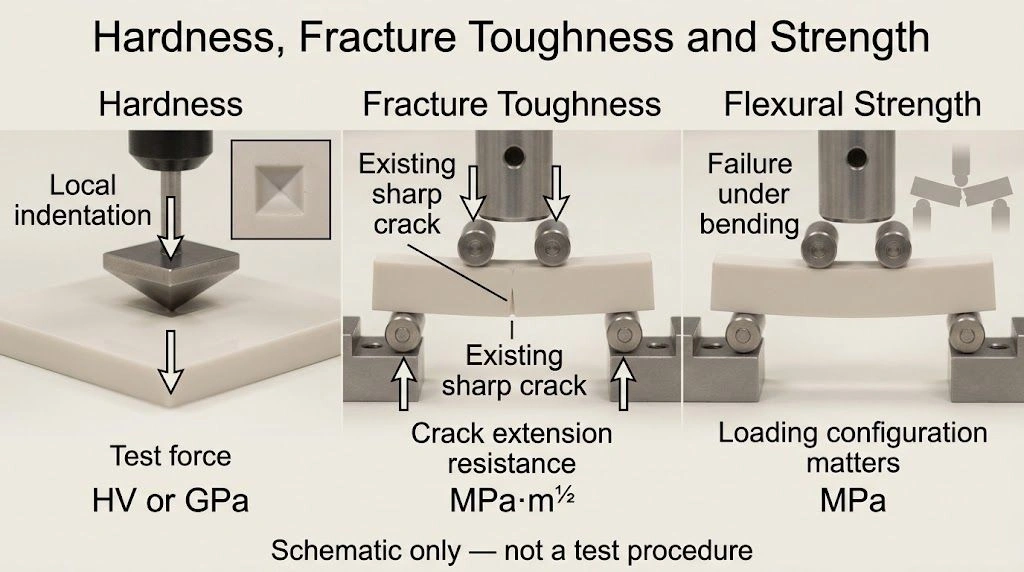
Match mechanical-property evidence to surface damage, crack growth, and component loading before changing ceramic grades. Hardness vs toughness vs strength

A ceramic’s melting point is not its maximum service temperature. Melting—or decomposition, dissociation, sublimation, or softening for some ceramics—is a

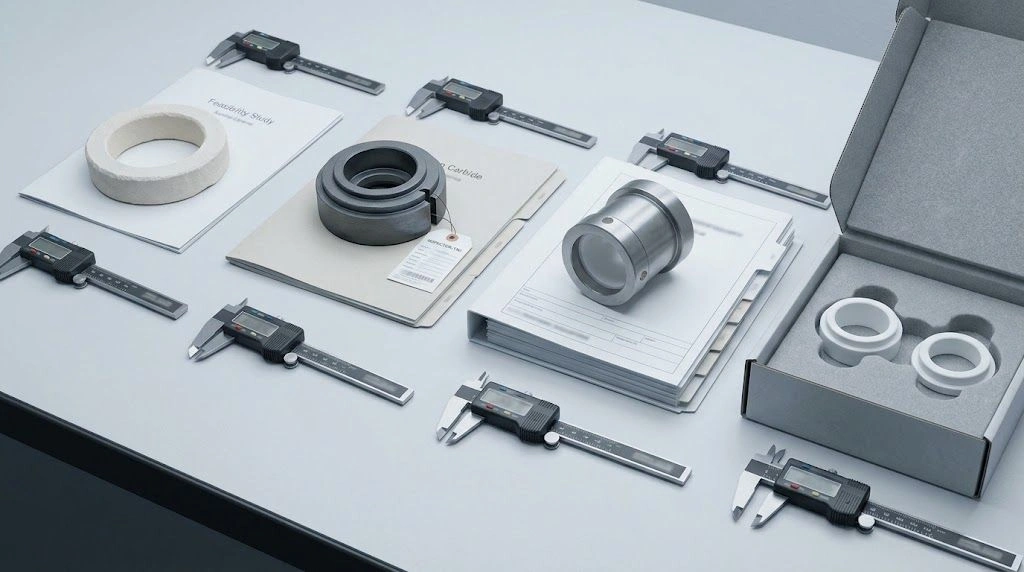
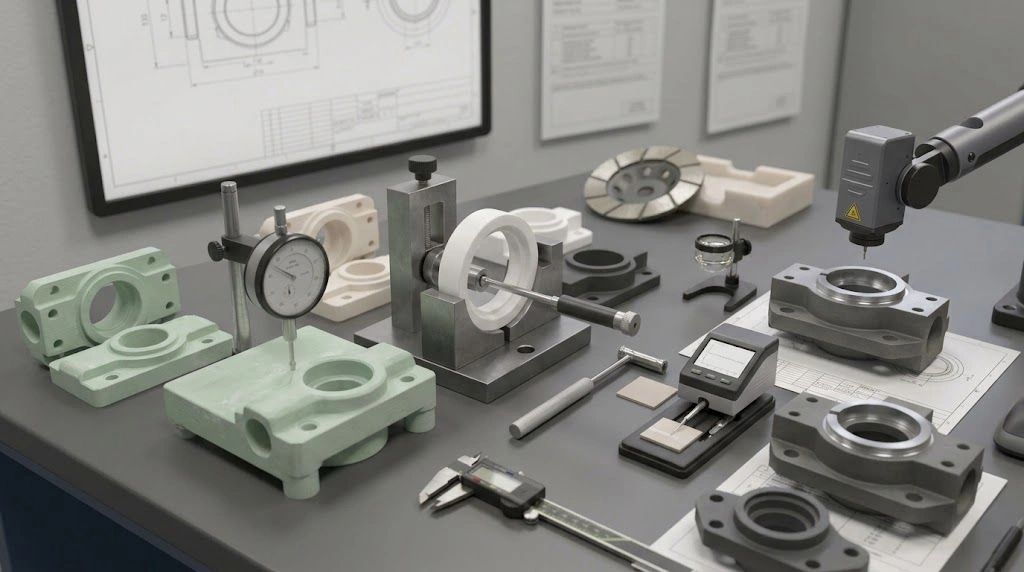
A ceramic part is feasible only when its critical features can be manufactured with process margin, measured by an agreed

A worn sample can start a replacement project, but it should not be copied as an undamaged master. Wear may

A quote-ready ceramic-part RFQ should include the current drawing and revision, available 3D model, part function, assembly position, ceramic grade

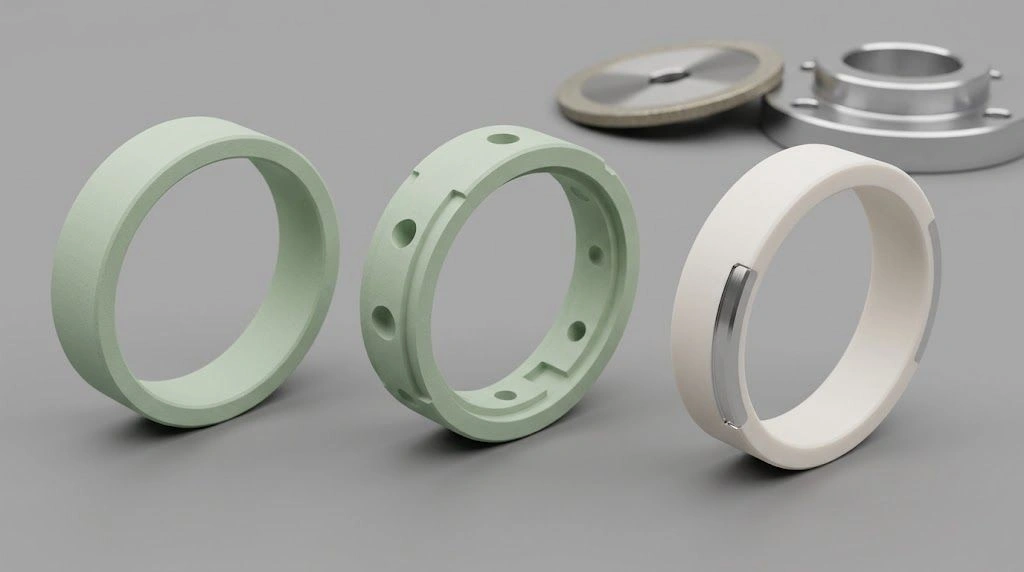
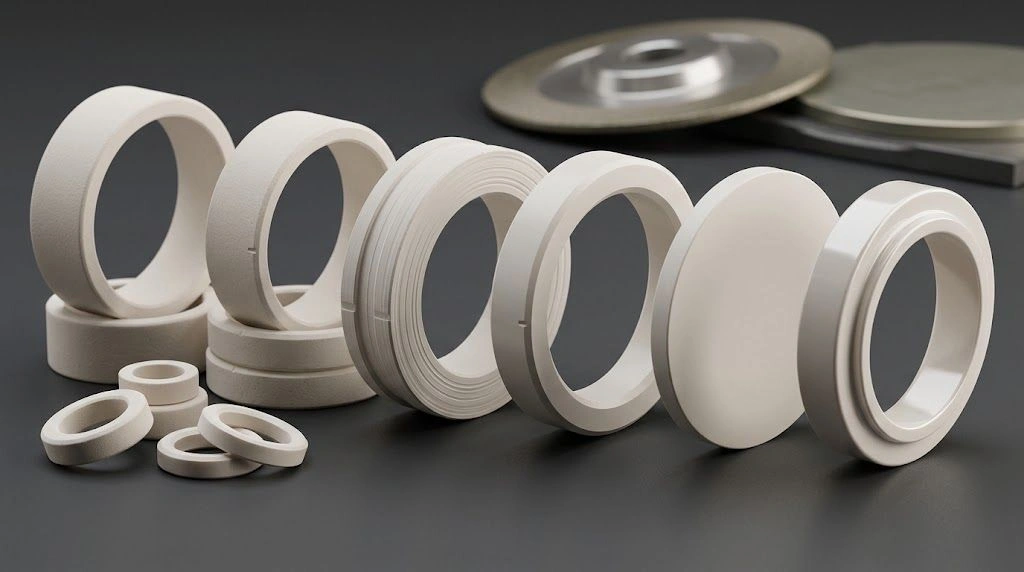
Tight ceramic tolerances increase cost when they move a feature from forming or green machining into post-sinter diamond grinding, lapping,

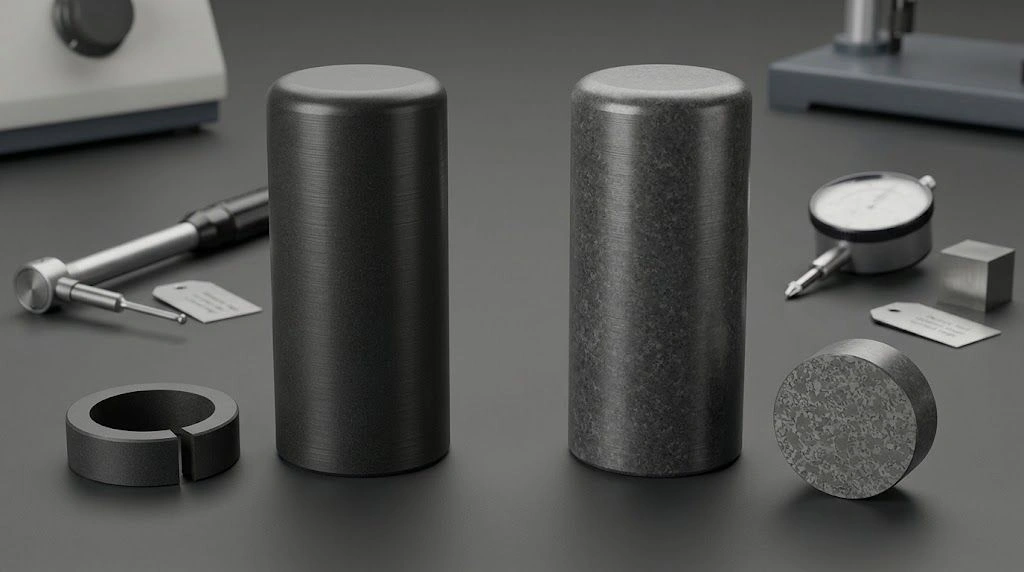
Choose SSiC when purity, absence of residual metallic silicon, or media that may attack free silicon controls the decision. Consider

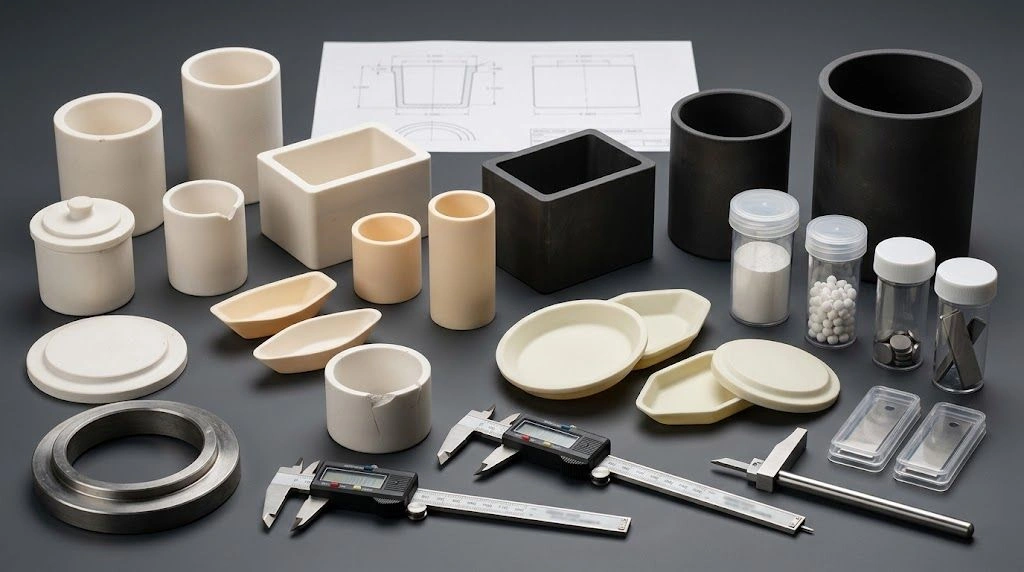
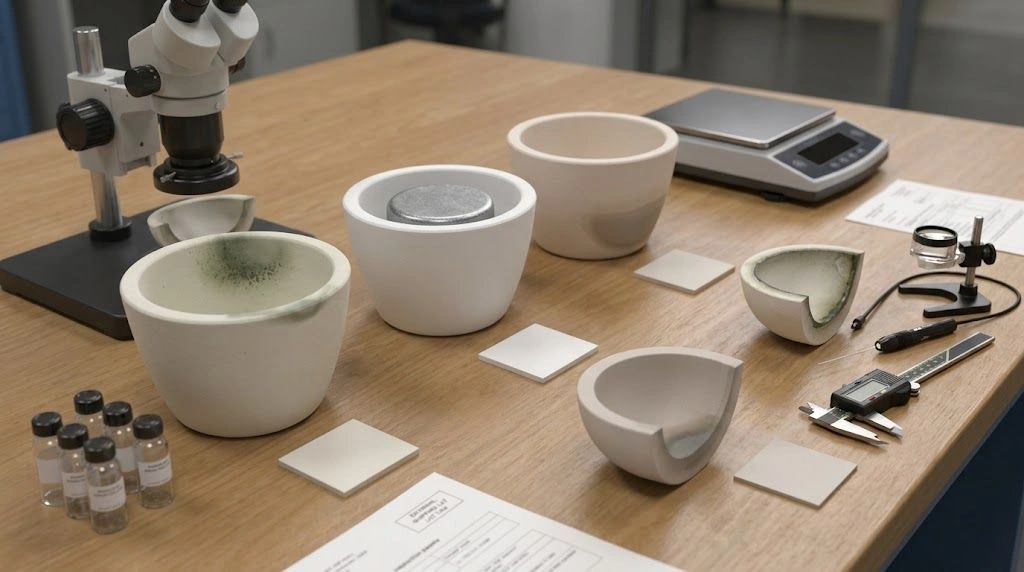
For an initial custom-crucible quote, provide the application, contained material, normal and peak temperatures, furnace atmosphere, preferred material or required

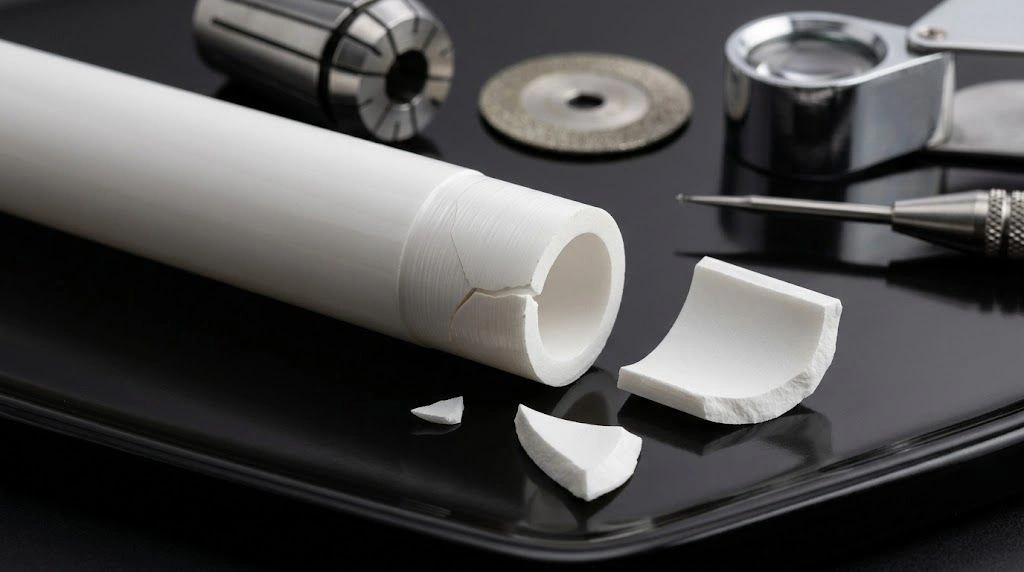
A zirconia tube cracks during grinding when tensile stress at an existing or grinding-created flaw exceeds the tube’s local resistance

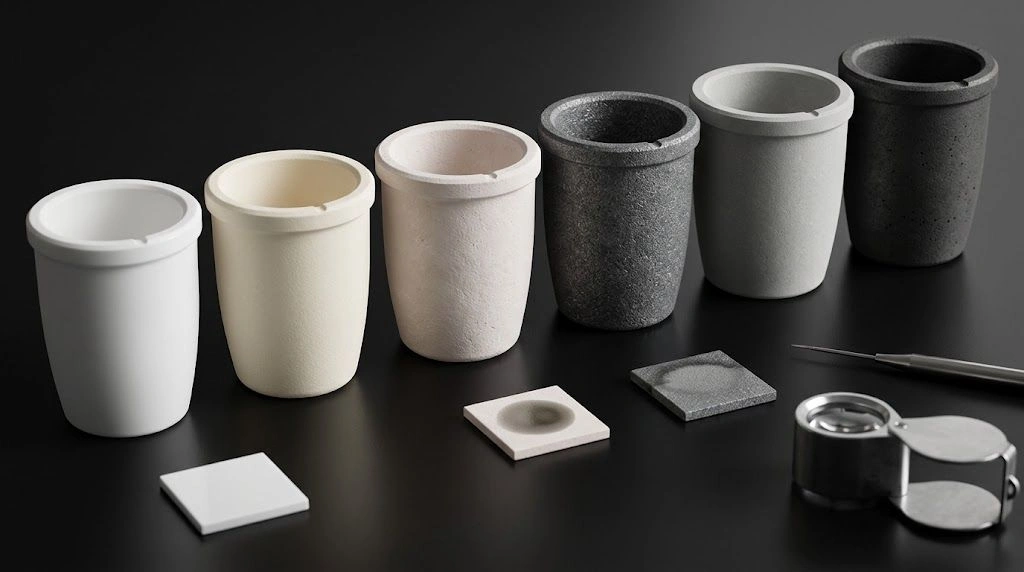
Select a crucible from the complete process, not a maximum-temperature value. Record the sample, flux, binder, impurities and expected reaction

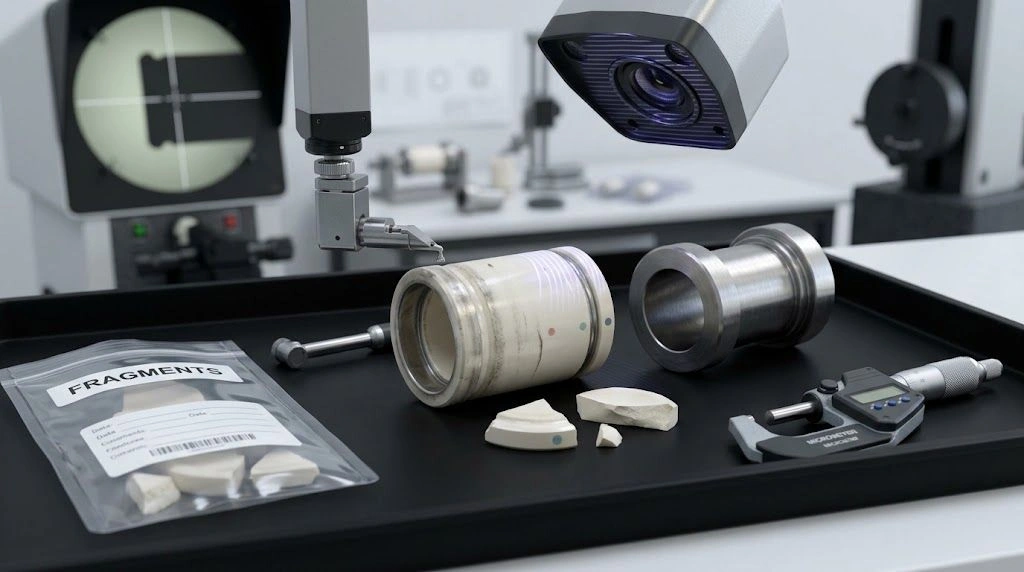
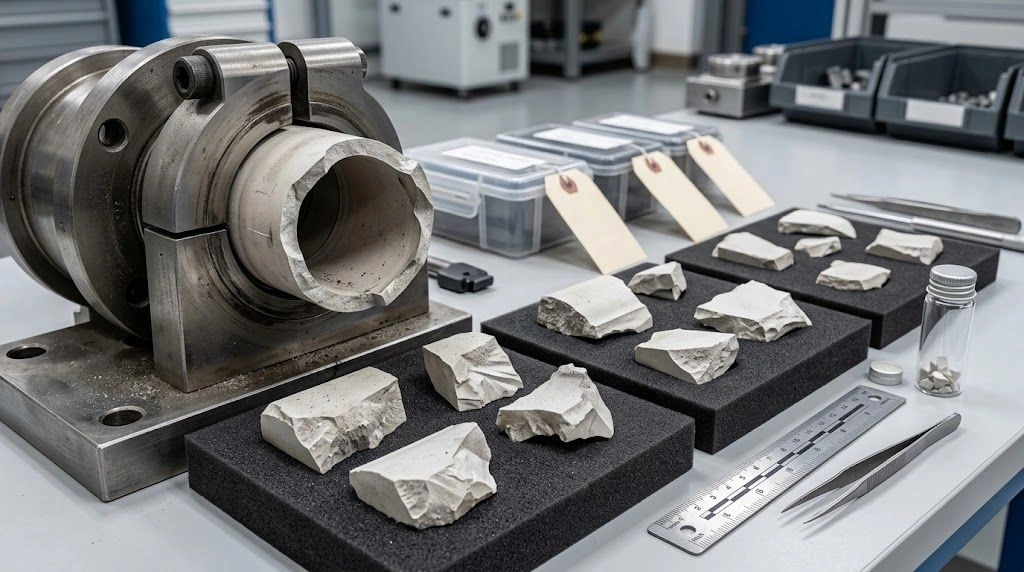
A ceramic failure investigation begins before anyone cleans, matches, marks, repairs, or discards fragments. Assign incident and part IDs, photograph

Ceramic tolerance and surface finish should be specified from function, not copied from a generic capability table. Identify the surfaces

A ceramic-part drawing is ready for supplier release when it defines one governing revision, a controlled material grade, functional geometry,

Select a crucible by documenting the complete process—not by choosing the material with the highest published temperature. Record the sample,

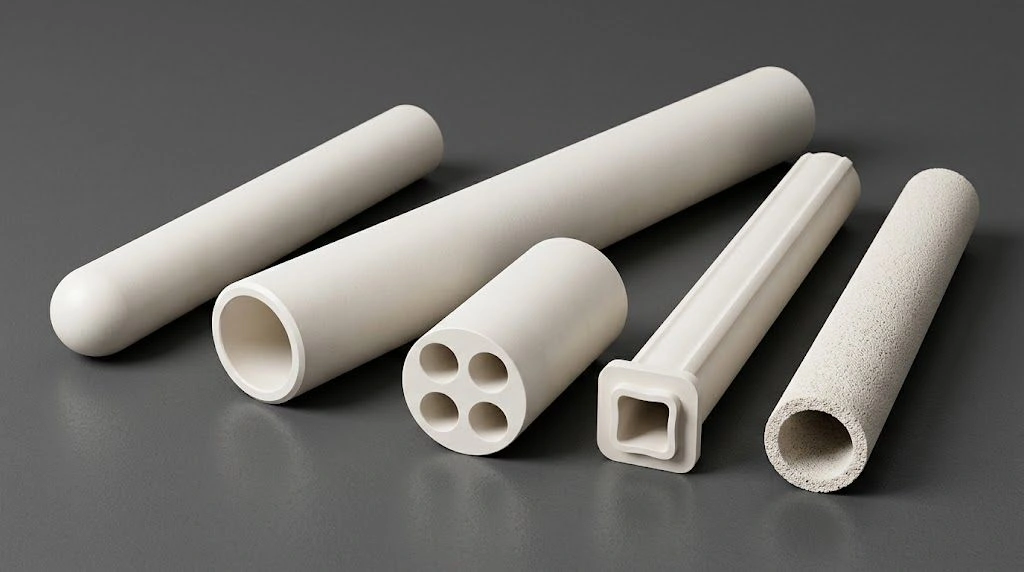
A quote-ready alumina tube RFQ identifies the function and architecture first: open both ends, closed one end, single-bore, multi-bore, porous

A grade-selection framework for engineers specifying alumina plate purity by application risk, operating temperature, insulation requirement, contamination sensitivity, and verification

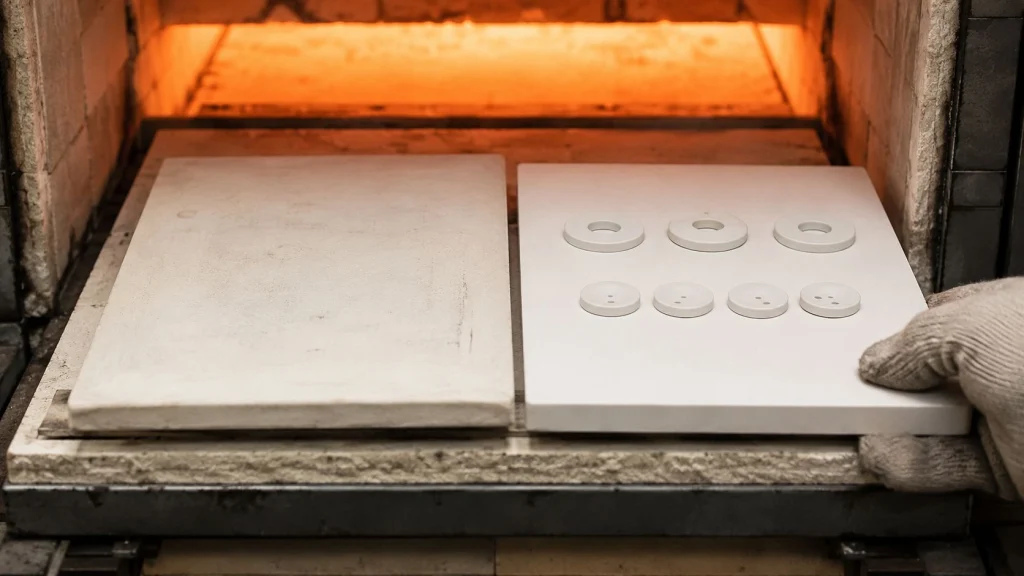
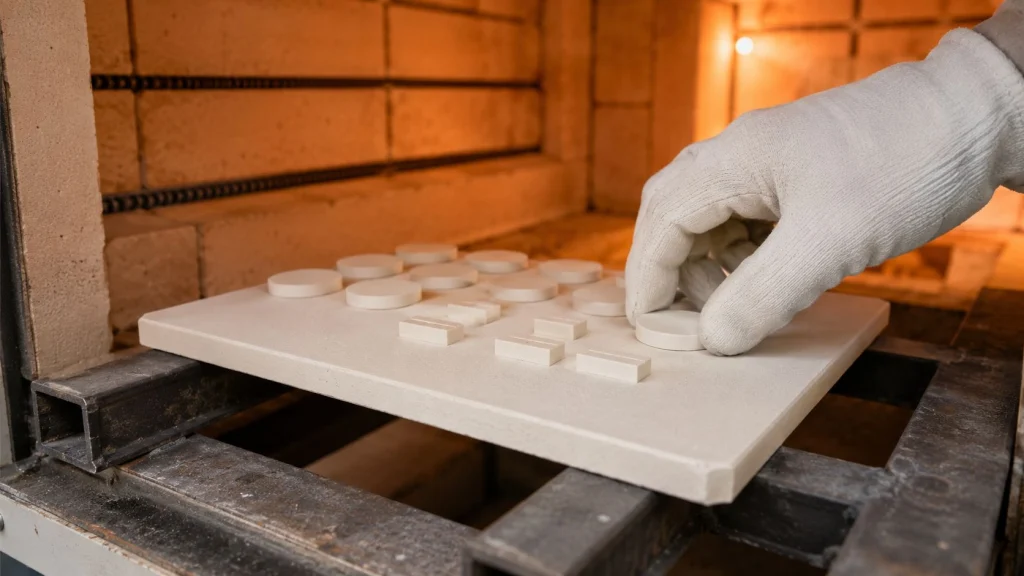
A process-engineer’s selection framework for alumina setter plates, hearth plates, and support boards — covering material choice, critical specifications, failure

A function-first selection framework for engineers specifying alumina plate thickness by load, span, thermal cycle, flatness, and operating condition —

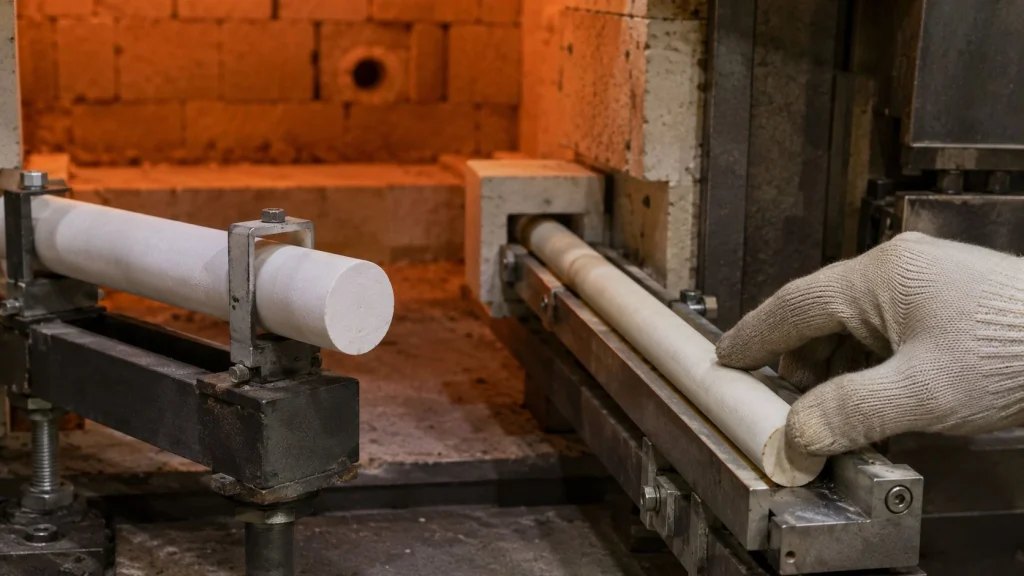
A rod-specific selection framework for engineers deciding between alumina and zirconia by failure risk, operating condition, and specification requirement —

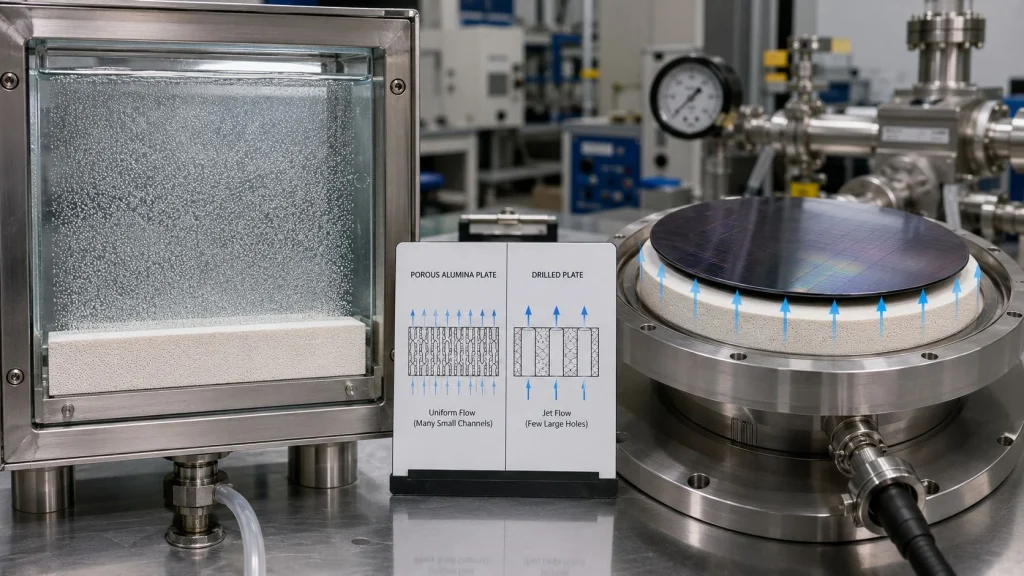
A porous ceramic plate is suitable for flow distribution when gas, vacuum, or liquid must pass evenly across a wide

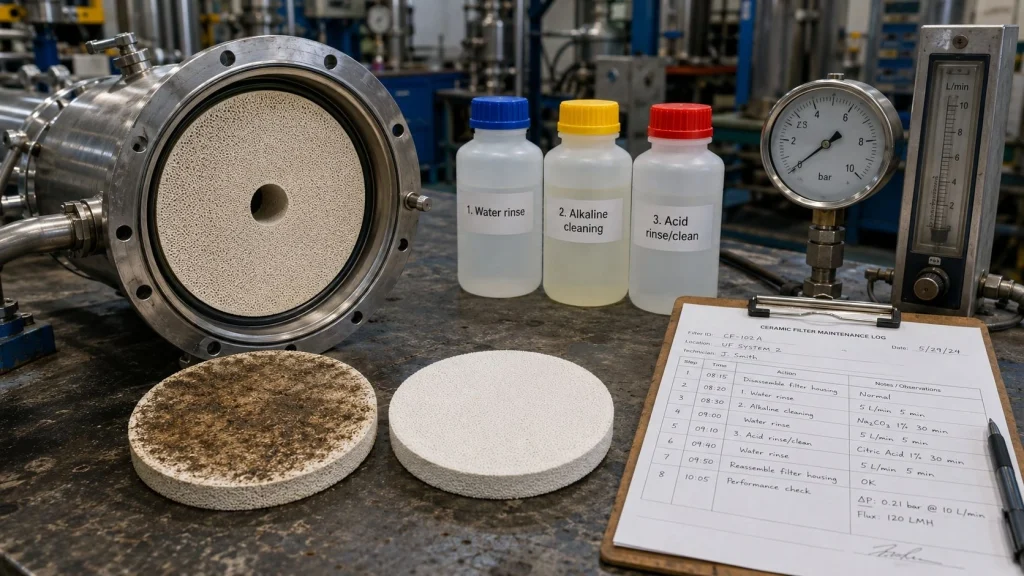
Clean porous ceramic filters by diagnosing the fouling type before applying any chemical or physical cleaning method, then working from

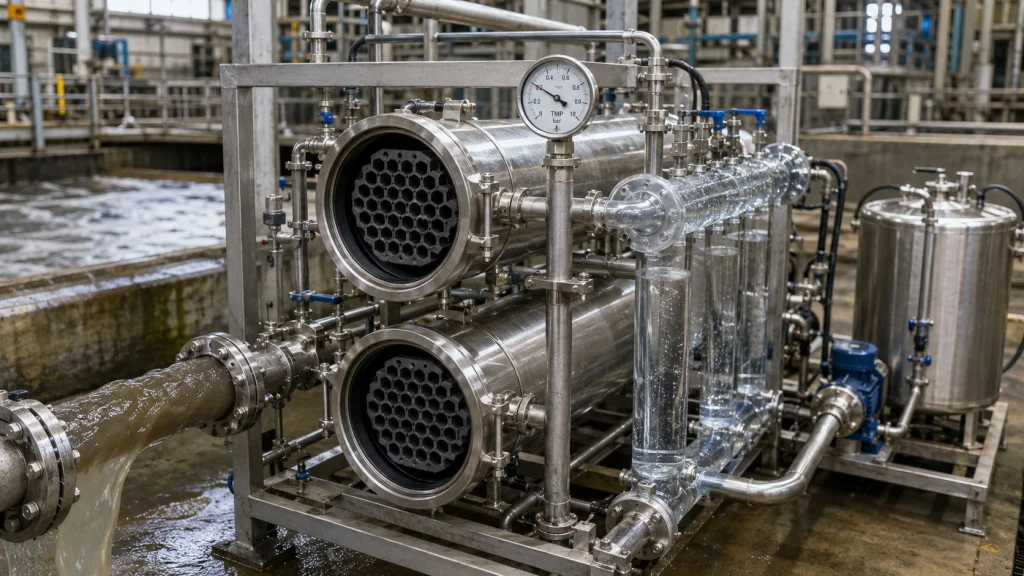
SiC membrane filtration is advantageous for industrial wastewater when the feed contains difficult suspended solids, emulsified oil, colloids, abrasive particles,

How Does the Alumina Ceramic Manufacturing Process Work in 2025

Alumina Ceramic Manufacturing Process: Enhanced Engineering Edition

Engineering teams face increasing demand for materials that combine durability, precision, and cost efficiency. The alumina ceramic manufacturing process follows...
2025-09-26
Read More
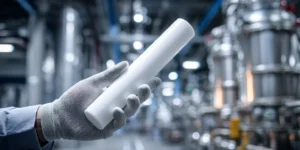
Quality-Verified Alumina Tubes - Global Standards Certified for Laboratory and Industrial Applications

How ISO 9001 and ASTM Standards Ensure Quality-Verified Alumina Tubes

Quality-verified alumina tubes represent a critical benchmark for industries requiring reliable, traceable, and certified ceramic components. At the beginning of...
2025-11-13
Read More
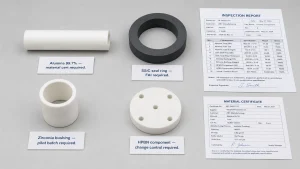
ceramic supplier qualification first article inspection material certificate dimensional inspection report alumina tube SSiC seal ring zirconia bushing HPBN component documentation

How to Qualify a New Ceramic Supplier: Procurement Checklist

To qualify a new ceramic supplier, do not start with price. Start with material-grade capability, application understanding, drawing review, manufacturability...
2026-08-17
Read More
High-Purity Alumina Tubes for Chemical Reactors

Why Do Chemical Processing Plants Choose Alumina Tubes for Corrosive Acid Reactor Linings?

Alumina tubes for chemical reactors provide unmatched performance in highly corrosive environments where metals fail within months. These advanced ceramic...
2025-10-26
Read More
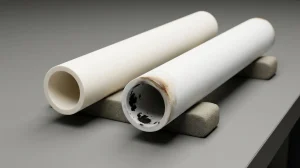
Unused white alumina furnace tube beside a used tube with visible black bore deposits

Why Does a Ceramic Furnace Tube Turn Black?

A white ceramic furnace tube usually turns black because carbon, condensed process vapor or another contaminant accumulates on its surface....
2026-10-24
Read More
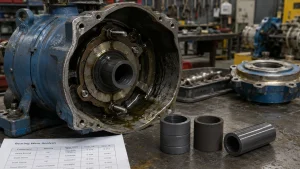
SiC bearings magnetic drive pumps selection SSiC bushing sleeve bearing SiC-SiC carbon-SiC dry running cavitation fluid lubrication cooling abrasive chemical pump

SiC Bearings for Magnetic Drive Pumps: Lubrication, Dry-Run Risk & RFQ

Select SiC bearings for magnetic drive pumps when the internal bearing and shaft-support system must resist corrosion, sliding wear, chemical...
2026-09-04
Read More

Working on a Custom Ceramic Part?

Send your drawing, material requirement, dimensions, tolerance, and working conditions. Our engineering team reviews manufacturability before quotation.

Quick Quote

The more details you provide, the faster we can quote.

*All inquiries are confidential.

Get Your Custom Solution

The more details you provide, the faster we can respond.

customize size

*We respond within 24 hours. All inquiries are confidential.

Download Catalog