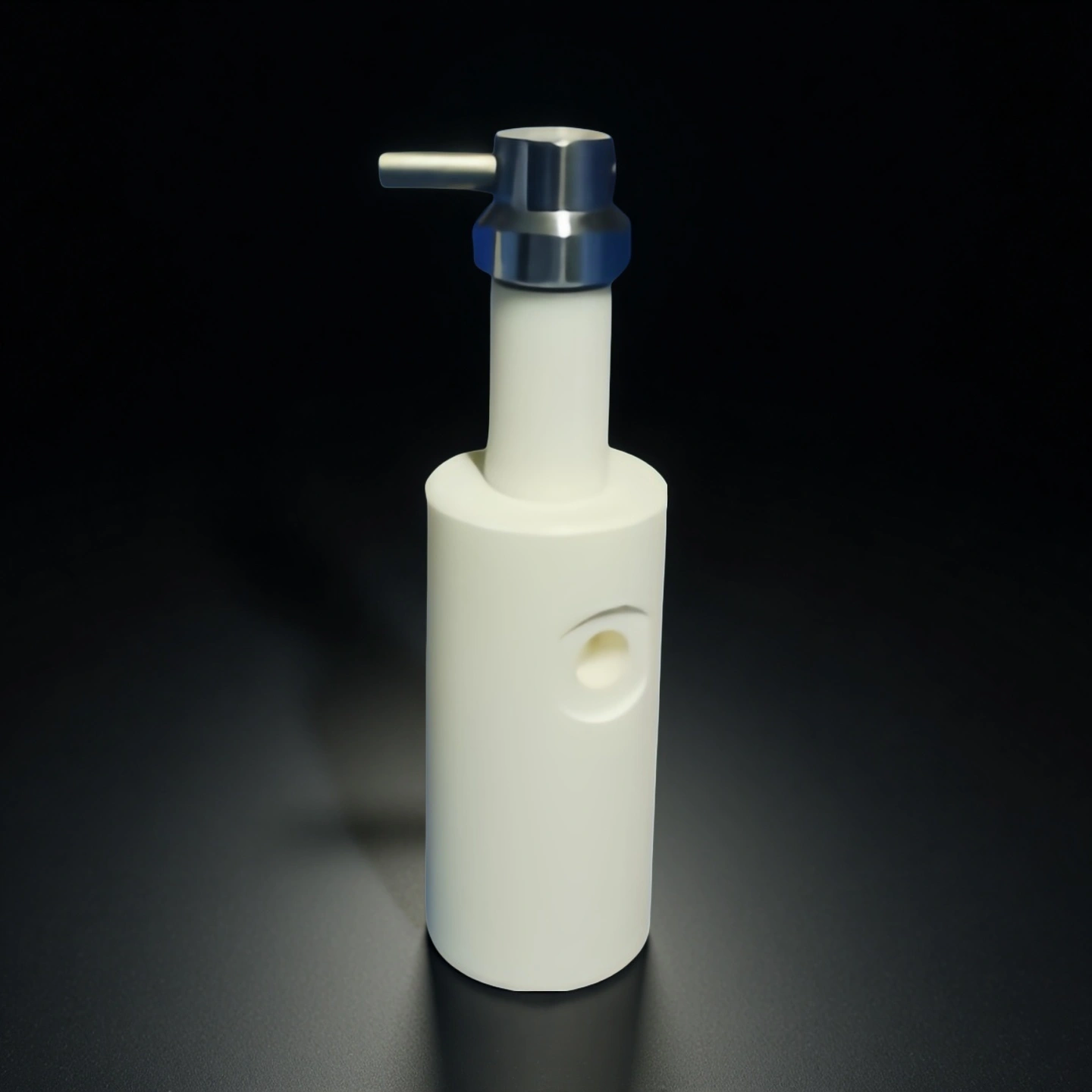
Zirconia Ceramic Filling Pump — Precision Dosing for Industrial Liquids

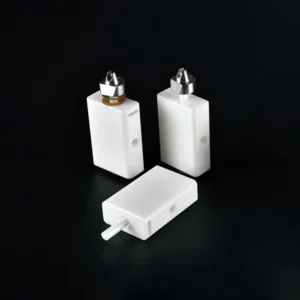
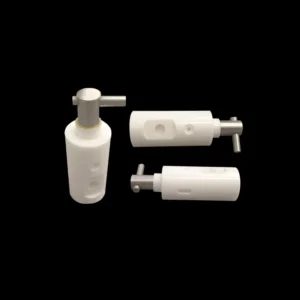
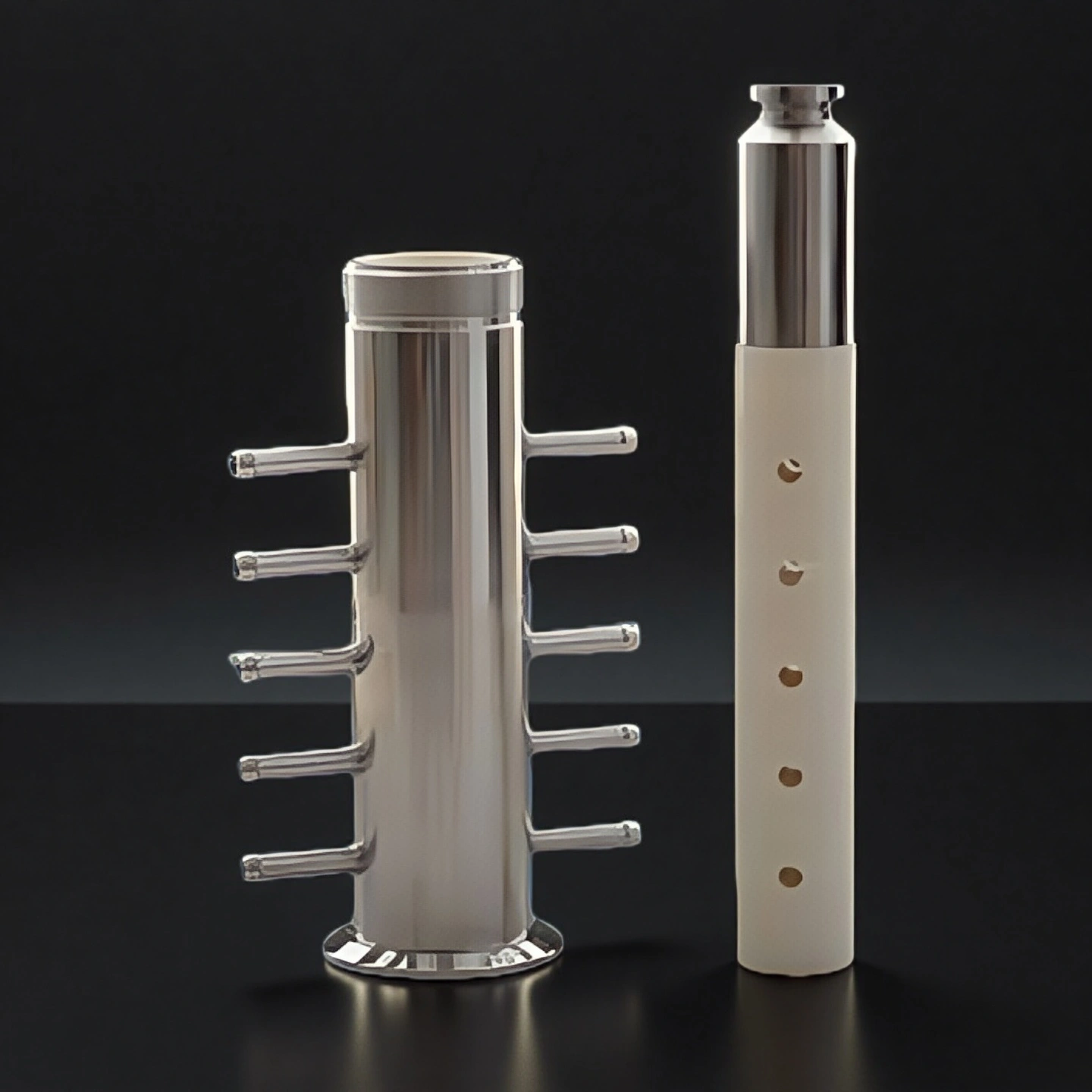
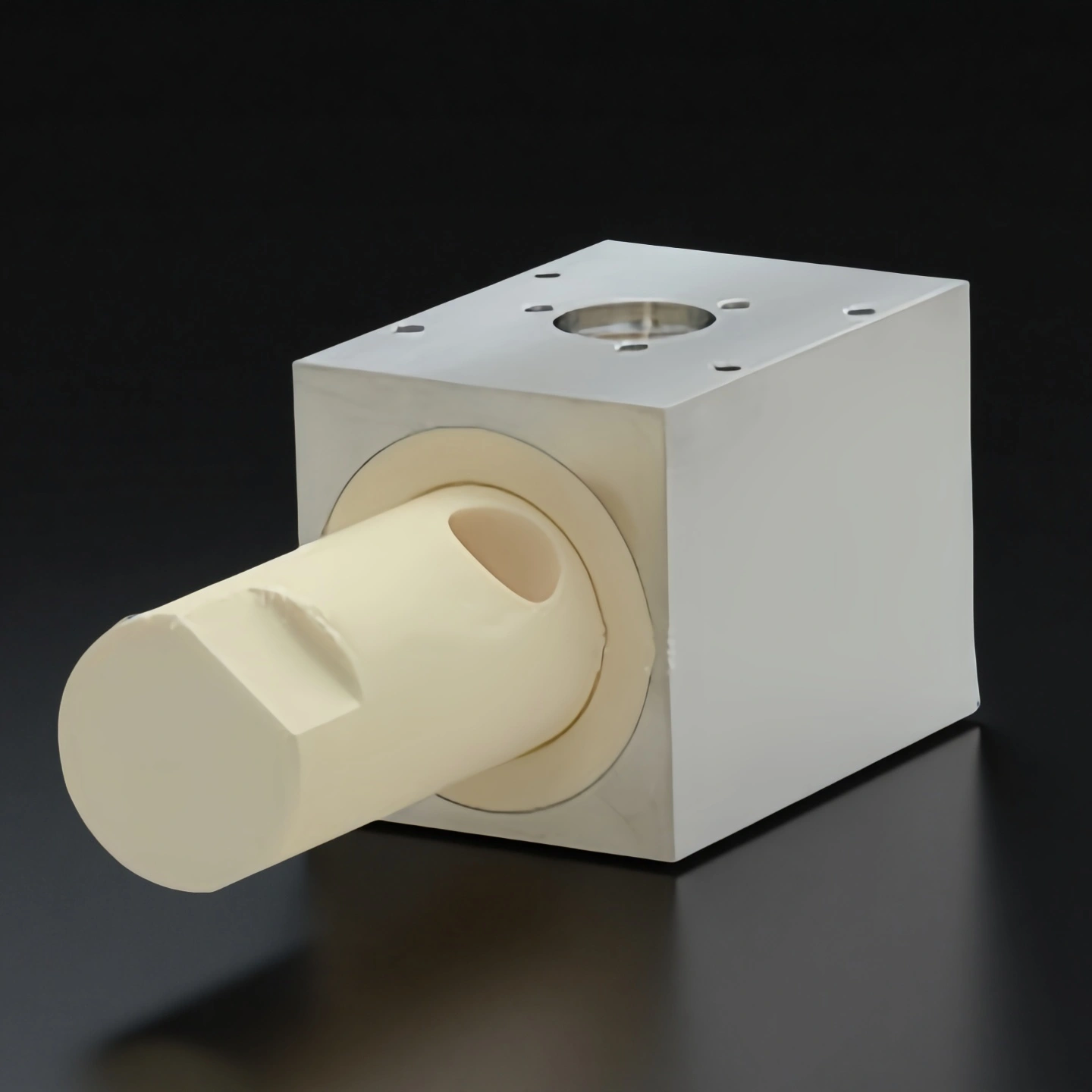
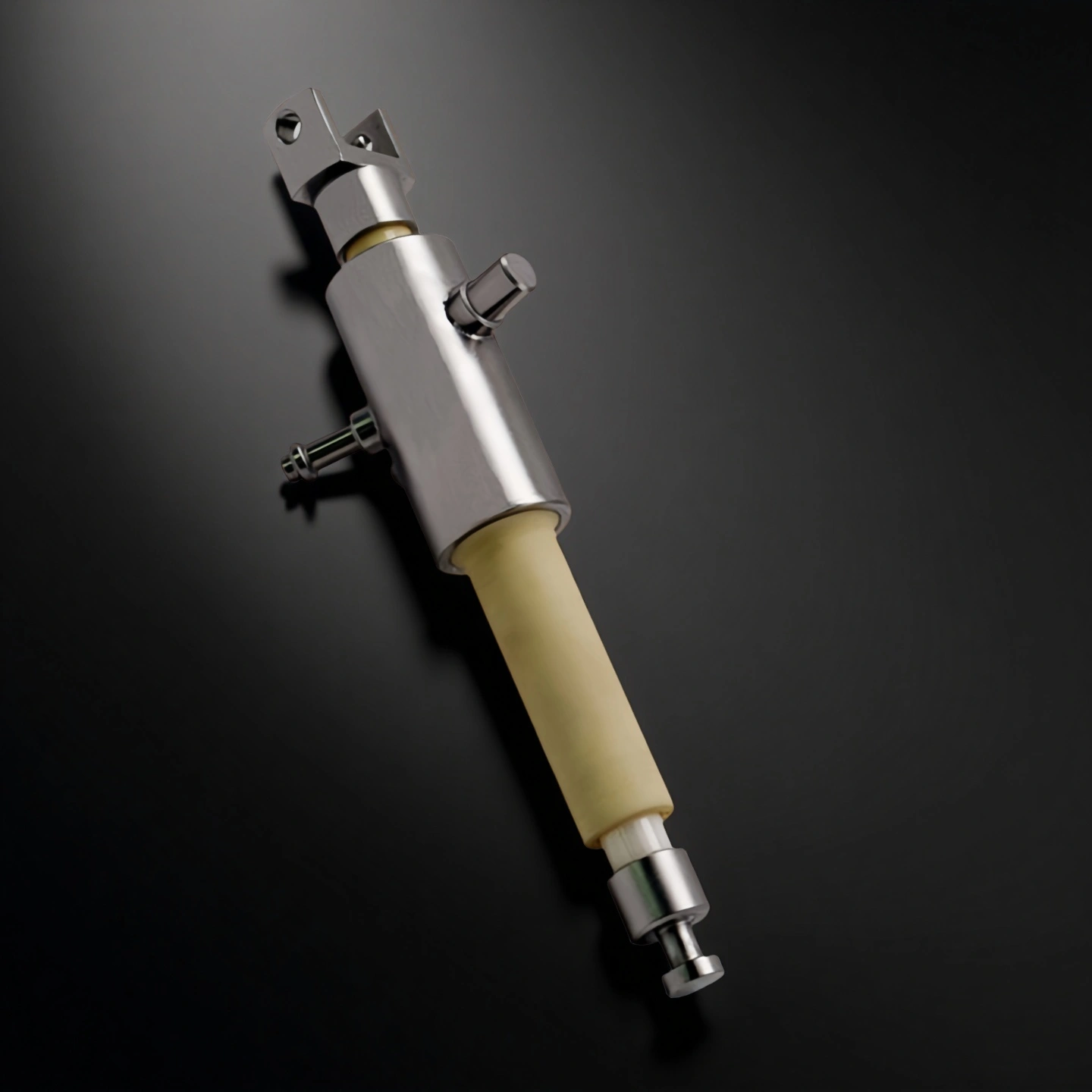
The Zirconia Ceramic Filling Pump is designed for repeatable liquid dosing where metal pump parts may face wear, corrosion, residue build-up, or contamination concerns. Dense zirconia ceramic wetted components provide high hardness, chemical stability, and smooth contact surfaces for cosmetic, chemical, battery electrolyte, and hygiene-sensitive filling systems.

Catalog No. AT-ZP-2001
Material Zirconia (ZrO₂) + Stabilizing Agent
Typical Filling Range 0.2–220 mL, depending on model and system design
Filling Accuracy Typically <0.5–1%, depending on volume, viscosity, speed, and calibration
Custom Options Pump body, piston, plunger, valve interface, port design, seal interface, and surface finish
Engineering RFQ Review
Small-Batch Custom Support
Factory-Direct Manufacturing
Drawing & Media Review

ADCERAX Zirconia Ceramic Filling Pump is used in liquid filling systems where repeatable volume control, wear resistance, chemical stability, and cleanable wetted surfaces are important. Compared with common metal contact parts, zirconia ceramic pump components can reduce wear, corrosion risk, and residue adhesion in suitable operating conditions.

What is a Zirconia Ceramic Filling Pump?

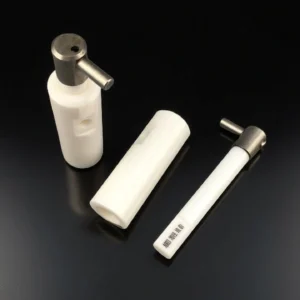
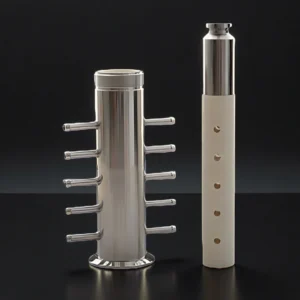
Zirconia Ceramic Filling Pump is a precision liquid dosing component that uses zirconia ceramic parts in the wetted path, such as the pump body, piston, plunger, sleeve, or valve interface. It is selected when filling equipment requires stable dosing, smooth ceramic contact surfaces, and better resistance to wear or chemical attack than standard metal components can provide.

ADCERAX supplies standard and custom zirconia filling pump components for cosmetic filling, chemical dosing, battery electrolyte filling, and hygiene-sensitive liquid handling systems. Final model selection should be based on filling volume, viscosity, liquid chemistry, operating speed, seal design, and equipment interface.

Why Choose Zirconia Ceramic for Filling Pump Components?

  • Wear-resistant ceramic contact surfaces: Zirconia ceramic provides high hardness, helping reduce surface wear during repeated piston or plunger movement.
  • Chemical stability in suitable media: Zirconia can resist many acids, alkalis, and solvent-based liquids, but final compatibility should be confirmed according to the exact liquid formula and seal material.
  • Stable dimensional behaviour: Dense zirconia ceramic helps maintain pump clearances during repeated operation, supporting consistent liquid dosing.
  • Cleanable wetted path: Smooth ceramic surfaces can reduce residue adhesion and support faster cleaning during product changeovers.
  • Custom integration support: Pump body geometry, ports, flow paths, piston fit, and sealing interfaces can be adjusted according to drawings or equipment requirements.

Technical Properties for Zirconia Ceramic Filling Pump Components

The following values describe typical zirconia ceramic material properties used for pump components. Actual pump performance depends on pump structure, seal material, liquid chemistry, pressure, temperature, speed, and equipment calibration.

Property Typical Value Engineering Meaning
Material Stabilized zirconia ceramic Used for dense, wear-resistant wetted pump components.
Density 5.65–6.05 g/cm³ Indicates a dense ceramic structure.
Hardness 1200–1450 HV1 Supports wear resistance under repeated piston or plunger motion.
Bending Strength 480–1000 MPa Helps resist mechanical stress in ceramic pump parts.
Compressive Strength 1600–2300 MPa Useful for loaded pump structures and sealing areas.
Fracture Toughness 6–8 MPa·m¹/² Improves resistance to cracking compared with more brittle ceramics.
Thermal Conductivity Approx. 3 W/m·K Helps evaluate heat transfer around the ceramic contact area.
Thermal Expansion Approx. 10 × 10⁻⁶ /K Helps engineers evaluate clearance and fit under temperature change.
Operating Note Application-dependent Actual pump temperature range depends on liquid, seals, and equipment design.
Compliance Note Available upon request RoHS or other compliance information should be confirmed by order requirement.

Specifications of Zirconia Ceramic Filling Pump

Zirconia Filling Pump For Cosmetics
Item No. Filling Volume (mL) ZrO₂ Content (%) Typical Filling Accuracy
AT-ZP-2001 0.2 95 <1%
AT-ZP-2002 0.5 95 <1%
AT-ZP-2003 1 95 <1%
AT-ZP-2004 2 95 <1%
AT-ZP-2005 3 95 <0.5%
AT-ZP-2006 5 95 <0.5%
AT-ZP-2007 7 95 <0.5%
AT-ZP-2008 10 95 <0.5%
AT-ZP-2009 15 95 <0.5%
AT-ZP-2010 16 95 <0.5%
AT-ZP-2011 20 95 <0.5%


Zirconia Filling Pump for Hygiene-Sensitive Filling Systems
Item No. Filling Volume (mL) ZrO₂ Content (%) Typical Filling Accuracy
AT-ZP-3001 0.5 95 <1%
AT-ZP-3002 1 95 <1%
AT-ZP-3003 2 95 <1%
AT-ZP-3004 3 95 <0.5%
AT-ZP-3005 5 95 <0.5%
AT-ZP-3006 7 95 <0.5%
AT-ZP-3007 10 95 <0.5%
AT-ZP-3008 15 95 <0.5%
AT-ZP-3009 16 95 <0.5%
AT-ZP-3010 20 95 <0.5%
AT-ZP-3011 30 95 <0.5%
AT-ZP-3012 40 95 <0.5%


Zirconia Filling Pump for Food and Additive Filling Equipment
Item No. Filling Volume (mL) ZrO₂ Content (%) Typical Filling Accuracy
AT-ZP-4001 1 95 <1%
AT-ZP-4002 2 95 <1%
AT-ZP-4003 3 95 <0.5%
AT-ZP-4004 5 95 <0.5%
AT-ZP-4005 7 95 <0.5%
AT-ZP-4006 10 95 <0.5%
AT-ZP-4007 15 95 <0.5%
AT-ZP-4008 16 95 <0.5%
AT-ZP-4009 20 95 <0.5%
AT-ZP-4010 30 95 <0.5%
AT-ZP-4011 40 95 <0.5%
AT-ZP-4012 40-220Custom large-volume model 95 <0.5%


Zirconia Filling Pump For Battery Electrolytes
Item No. Filling Volume (mL) Zirconia Content (%) Approx. Electrolyte Mass Typical Filling Accuracy
AT-ZP-5001 0.5 95 0.5g <0.3%
AT-ZP-5002 1 95 1g <0.3%
AT-ZP-5003 2 95 3g <0.3%
AT-ZP-5004 3 95 8g <0.3%
AT-ZP-5005 4 95 18g <0.3%
AT-ZP-5006 5 95 40g <0.3%

FAQs about Zirconia Ceramic Filling Pump

  1. Q: What liquids can a zirconia ceramic filling pump handle?
    A: It can be used for many cosmetic liquids, chemical liquids, battery electrolyte systems, and hygiene-sensitive fluids. Final compatibility depends on liquid chemistry, viscosity, temperature, seal material, and cleaning method.
  2. Q: Is zirconia better than stainless steel for filling pumps?
    A: Zirconia is often selected when stainless steel faces wear, corrosion, residue build-up, or contamination concerns. Stainless steel may still be suitable for low-wear and low-corrosion liquid filling applications.
  3. Q: What filling accuracy can be achieved?
    A: Typical filling accuracy is usually below 0.5–1%, depending on filling volume, liquid viscosity, pump speed, seal condition, and system calibration.
  4. Q: Can the pump size be customized?
    A: Yes. ADCERAX can customize the pump body, piston, plunger, sleeve, valve interface, inlet and outlet ports, sealing structure, and surface finish according to drawings or equipment requirements.
  5. Q: Can it be used for battery electrolyte filling?
    A: Yes, zirconia ceramic filling pumps can be used for electrolyte dosing. Compatibility should be checked according to the electrolyte formula, solvent system, working temperature, and sealing material.
  6. Q: What information is needed for a quotation?
    A: Please provide filling volume, liquid type, viscosity, operating temperature, required accuracy, equipment interface, drawing, quantity, and cleaning method. These details help us recommend the correct pump structure and ceramic components.

ADCERAX Packaging of Zirconia Ceramic Filling Pump

Each ZrO2 Filling Pump is first packed in reinforced cartons to prevent movement during handling. The cartons are then secured inside wooden cases for added impact resistance during international shipping. This multi-layer protection ensures every one of them arrives safely and ready for integration into production lines.
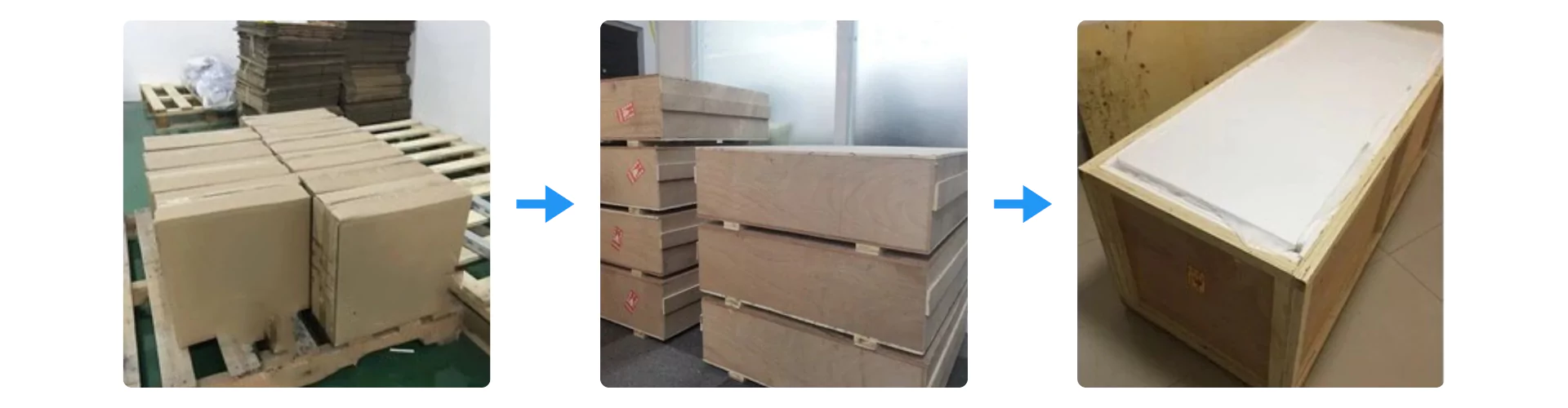
export packaging for zirconia ceramic filling pump components

Application Areas of Zirconia Ceramic Filling Pump

ADCERAX zirconia ceramic filling pumps are used in liquid filling systems where repeatable dosing, wear resistance, chemical stability, and cleanable contact surfaces are required. The final pump design should be selected according to liquid viscosity, filling volume, flow speed, seal material, and cleaning method.

Cosmetic Liquid Filling

Zirconia ceramic wetted parts help reduce wear and residue carryover when filling creams, serums, lotions, and emulsions. The smooth ceramic surface supports cleaner changeovers between different formulations.

Battery Electrolyte Dosing

For small-volume electrolyte filling, zirconia ceramic pump components provide stable dimensional behavior and resistance to many solvent-rich systems. Compatibility should be confirmed based on the electrolyte formula, working temperature, and seal design.

Chemical Liquid Metering

Zirconia offers good resistance to many acids, alkalis, and solvents, making it suitable for controlled chemical dosing where metallic contact parts may corrode, wear, or release unwanted contamination.

Hygiene-Sensitive Filling Systems

Dense zirconia ceramic surfaces are easy to clean and can reduce residue build-up in filling equipment. Final use in regulated production should be validated by the equipment builder or end user.

How to Select and Use a Zirconia Ceramic Filling Pump

Correct pump selection depends on liquid properties, target filling volume, equipment interface, and cleaning method. The following points help reduce selection errors before quotation or prototype testing.

Selection Checklist Before Quotation

  • Liquid type: Provide the liquid name, chemical composition, corrosiveness, and whether particles or pigments are present.
  • Target volume: Confirm the required filling volume, acceptable tolerance, and cycle rate.
  • Viscosity and temperature: Share the working viscosity and operating temperature range, because both affect dosing stability.
  • Equipment interface: Provide drawings, port dimensions, installation space, shaft connection, and sealing method.
  • Cleaning method: Confirm whether the pump will be cleaned by flushing, CIP, SIP, solvent rinsing, or manual disassembly.

Operation Notes

  • Do not run the pump dry unless the system is specifically designed for dry operation.
  • Keep particles, hard crystals, or unexpected solids away from the pump path when possible.
  • Check seal condition regularly, because seal wear can affect filling accuracy.
  • Recalibrate the filling system after changing liquid viscosity, pump stroke, speed, or temperature.

Cleaning and Maintenance

  • Flush the pump after each production run to reduce residue build-up inside the ceramic flow path.
  • Use cleaning liquids compatible with both zirconia ceramic and the selected seal material.
  • Inspect the piston, sleeve, valve interface, and sealing area if dosing drift or leakage appears.
  • Store cleaned pump components in dry, protected packaging to prevent impact damage or surface scratches.

User Guide for Zirconia Ceramic Filling Pump

To achieve stable and efficient performance, every operator should follow clear instructions when using the Zirconia Ceramic Filling Pump. This section provides practical recommendations that reduce wear, improve dosing accuracy, and extend the pump’s service life. By following these guidelines, users can ensure safe operation across pharmaceutical, cosmetic, food, and chemical filling environments.

  • Installation and Setup

    1. Ensure the pump is mounted on a stable and vibration-free base to avoid shaft misalignment. Use proper fasteners and alignment tools to keep the piston and sleeve in correct position. Incorrect installation may lead to premature wear and reduced accuracy.
    2. Connect inlet and outlet lines with leak-proof fittings that match system specifications. Proper sealing prevents contamination or air entry, which could disrupt volumetric consistency. All connections should be checked before initial operation.
    3. Before commissioning, perform a trial run with clean liquid to confirm smooth piston movement. This step ensures compatibility with your line design and verifies correct installation before processing valuable media.

  • Operation Guidelines

    1. Always operate the pump within the recommended temperature range of 10–40 °C. Exceeding this range may cause viscosity changes or expansion mismatches, affecting dosing precision. Monitoring liquid temperature is essential for stable performance.
    2. Maintain dosing volumes within the 0.2–50 mL working range for best accuracy. Excessive stroke adjustments beyond this range can increase wear and decrease consistency. Follow design recommendations for repeatable results.
    3. Avoid running the pump dry, as lack of lubrication from liquid media increases friction. Dry operation accelerates surface damage and shortens lifespan, reducing reliability in continuous production lines.

  • Cleaning and Maintenance

    1. Rinse the pump with neutral cleaning solution before and after every production run. This prevents residue build-up inside the ceramic sleeve and reduces cross-contamination between batches. Always flush until clear liquid is observed.
    2. Conduct CIP/SIP cleaning where required, as zirconia ceramics tolerate 121 °C steam sterilization. This ensures compliance with pharmaceutical and food hygiene standards. Proper sterilization also extends operational safety.
    3. Regularly inspect seals, pistons, and sleeves for visible wear or surface changes. Early replacement of worn components reduces downtime and keeps dosing precision within ±0.5%.

  • Storage and Handling

    1. When not in use, clean and dry the pump before storage. Place it in a dry and shaded environment to avoid moisture exposure, which could degrade seals. Store with protective covers to keep internal parts free from dust.
    2. For long-term storage, apply protective film or wrapping around key contact areas. This prevents accidental scratches or contact with corrosive air particles. Ensure the pump is packed in sturdy wooden cases if relocation is expected.
    3. During handling, always lift the unit with proper support tools instead of manual carrying. This avoids impact damage to ceramic components, preserving strength and dimensional stability for the next use.

customize size

Customization Services for Zirconia Ceramic Filling Pump

Every filling system has different requirements for volume, flow path, liquid chemistry, seal structure, and installation space. ADCERAX customizes zirconia ceramic pump components to improve equipment fit, dosing stability, and long-term wear resistance.

Customized Pump Body Design

The pump body can be adjusted for different filling systems and installation requirements.

  • Body Geometry: Custom length, diameter, flange, groove, step, and installation profile.
  • Port Design: Inlet and outlet ports can be configured according to tubing, fittings, or equipment layout.
  • Flow Path: Internal channels can be optimized for liquid viscosity, dosing volume, and cleaning access.

Precision Piston and Plunger Fit

Piston and plunger matching is critical for stable dosing and long-term operation.

  • Dimensional Fit: Ceramic parts can be ground and finished according to sealing and movement requirements.
  • Surface Finish: Polished surfaces help reduce friction and residue adhesion.
  • Wear Control: Zirconia hardness supports repeated sliding contact in suitable pump designs.

Valve and Sealing Interface Options

Valve and seal design should be matched with the liquid, pressure, cleaning method, and equipment interface.

  • Valve Geometry: Custom valve contact surfaces can support stable suction and discharge.
  • Seal Interface: Sealing areas can be designed around selected elastomers or mechanical seal structures.
  • Assembly Fit: Drawings can be reviewed to reduce installation mismatch before production.

This product belongs to the ADCERAX zirconia pump series, which includes ceramic metering, filling, piston, plunger, and custom dosing pump components.

Related Products

ADCERAX - Your Trusted Advanced Ceramics Manufacturing Partner

Direct factory manufacturing with comprehensive ceramic materials expertise and global supply capabilities

China-Based Manufacturer

ADCERAX supplies ceramic components for overseas OEMs, equipment builders, and labs.

Custom Drawing Support

We review drawings, dimensions, materials, and application conditions before quotation.

Ceramic Process Control

Forming, sintering, machining, grinding, and finishing are arranged by part requirements.

Pre-Shipment Inspection

Dimensional checks, visual inspection, and packaging review help reduce procurement risk.

Get in Touch with Us

Our team will be happy to respond to you in less than 24 hours.

Pingxiang Factory — Silicon carbide, silicon nitride, high-temperature ceramics

Quick Quotation

*Our team will answer your inquiries within 24 hours.

*Your information will be kept strictly confidential.

Ready to Solve Your Engineering Challenge?

Partner with ADCERAX for reliable, high-performance advanced ceramic solutions. Our engineers are ready to discuss your project.

E-mail

info@adcerax.com

Phone

+(86) 0731-74427743 | WhatsApp: +(86) 19311583352

Response Time

Within 24 hours

Quick Quote

The more details you provide, the faster we can quote.

*We respond within 24 hours. All inquiries are confidential.

Get Your Custom Solution

The more details you provide, the faster we can respond.

customize size

*We respond within 24 hours. All inquiries are confidential.

Download Catalog