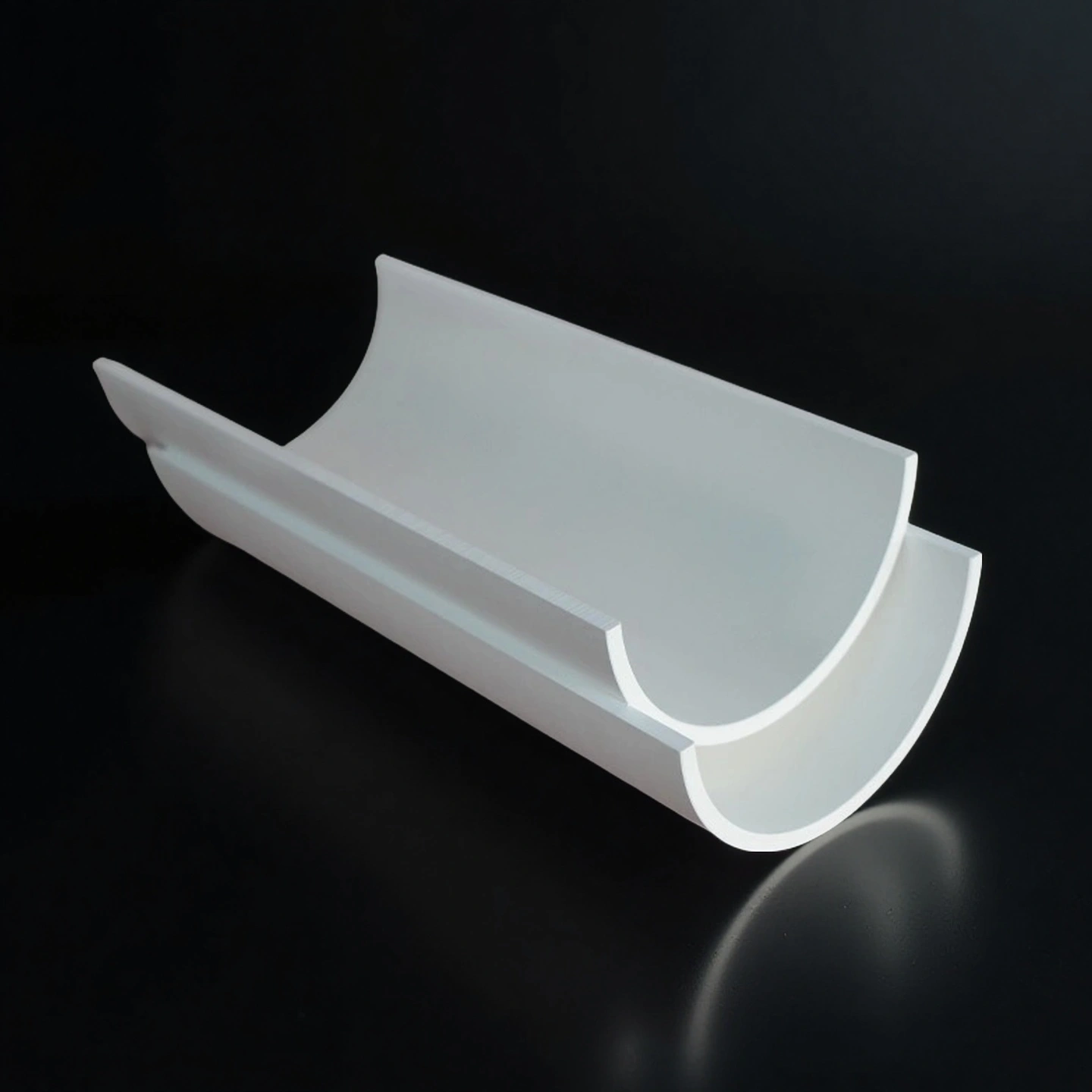
Boron Nitride Insulation Gasket for PVD and Vacuum Furnace Systems

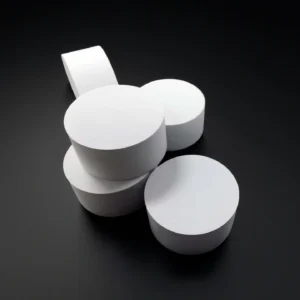
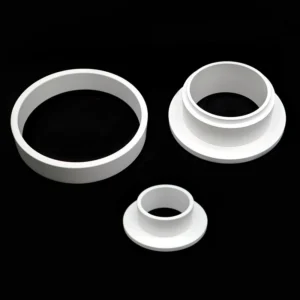
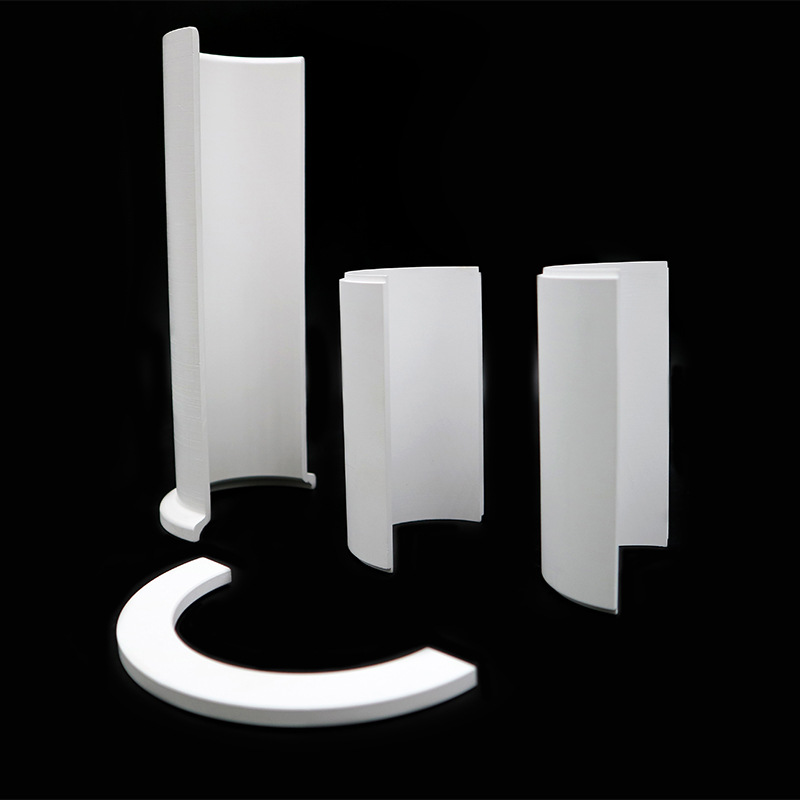
ADCERAX supplies precision-machined boron nitride insulation gaskets for PVD systems, vacuum furnaces, heat-treatment fixtures and high-temperature electrical isolation assemblies.

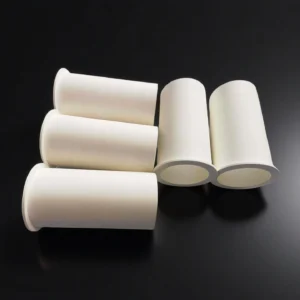
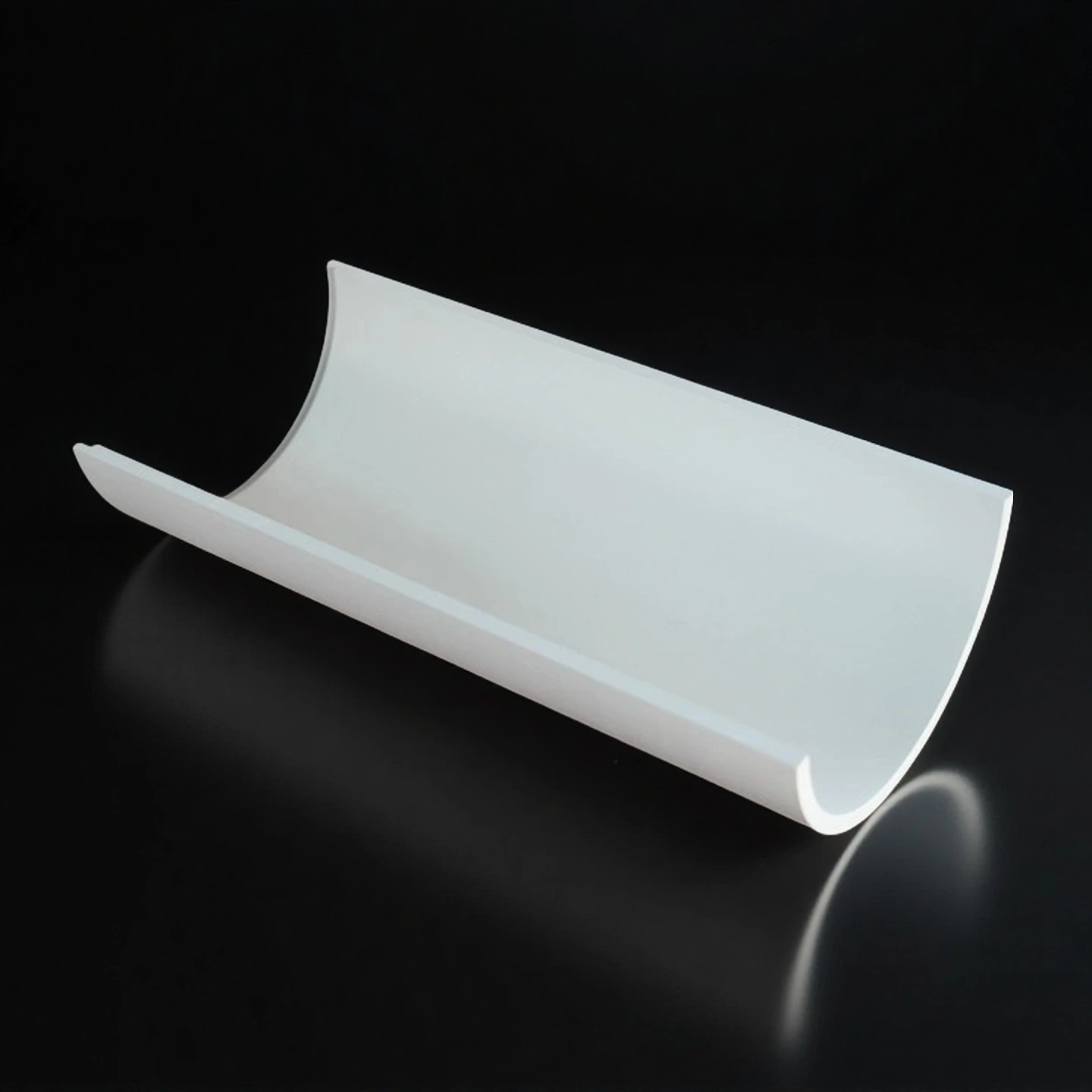
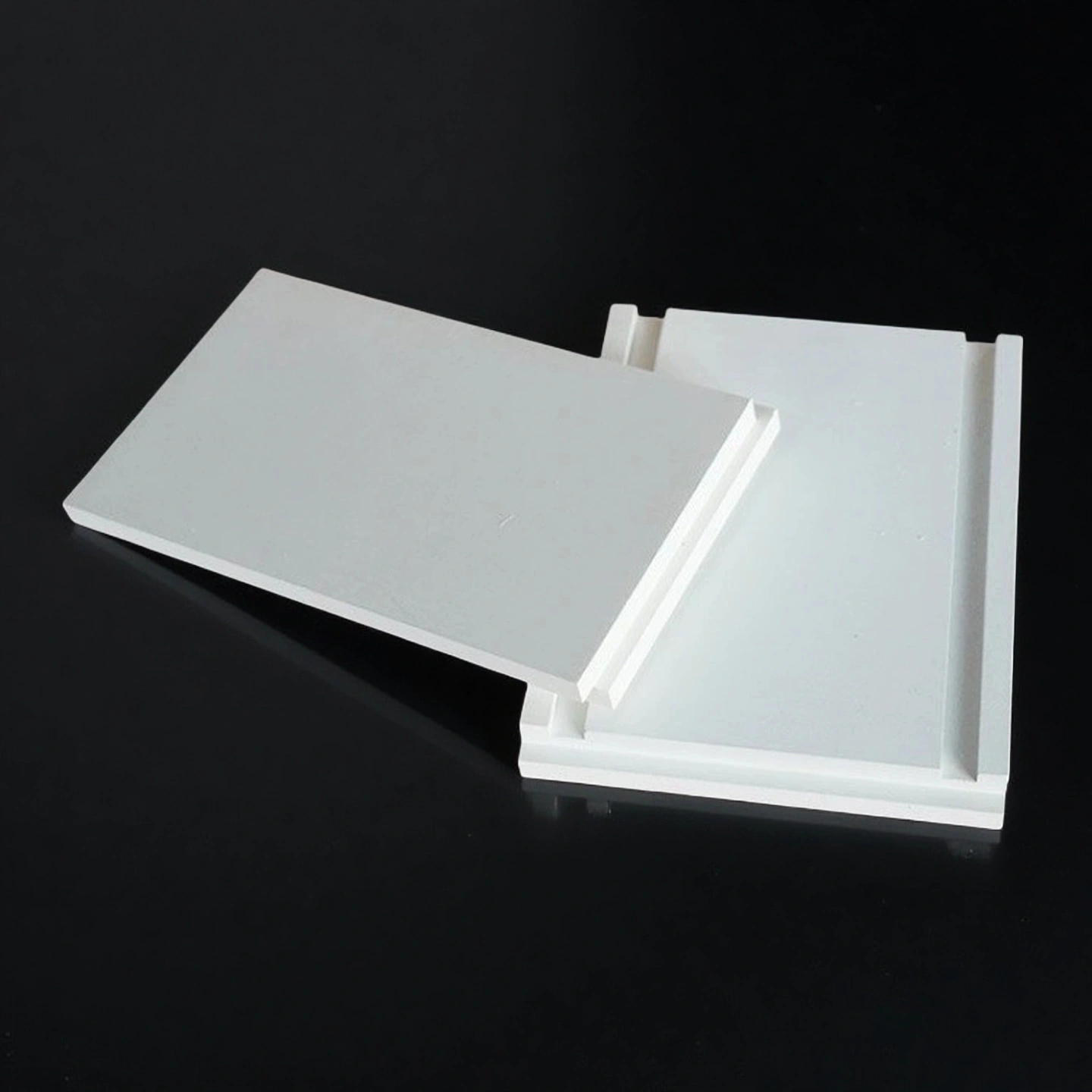
Standard circular, ring and rectangular forms are available, and custom OD, ID, thickness, hole pattern, slot, chamfer and step geometry can be machined according to drawings or samples.

Catalogue No. AT-BN-JYD001
Material Boron Nitride
Maximum Operating Temperature depends on BN grade and atmosphere
Dielectric Strength >10⁶ V/m
Engineering RFQ Review
Small-Batch Custom Support
Factory-Direct Manufacturing
Drawing & Process Review

A boron nitride insulation gasket is a precision-machined BN ceramic spacer used to provide electrical isolation, thermal separation and non-wetting contact in high-temperature vacuum, inert-gas and coating equipment. It is commonly used between electrodes, shields, fixtures, quartz parts and metal mounting structures where polymer, mica or metal gaskets cannot withstand the combined temperature, voltage and contamination requirements.

Why BN Works for High-Temperature Insulating Interfaces?

Boron nitride is selected for insulation gaskets when the part must separate heat, voltage and metal contact at the same time.

  • Electrical isolation under heat
    BN provides high electrical resistivity and dielectric strength, helping isolate electrodes, shields and mounting parts in PVD, CVD, vacuum furnace and thermal processing assemblies.
  • Non-wetting contact surface
    The low surface energy of BN reduces adhesion from molten metals, coating residues and process deposits. This helps reduce sticking, contamination and cleaning difficulty around hot fixtures.
  • Machinable custom geometry
    Hot-pressed BN can be machined into thin rings, washers, stepped spacers, slotted plates and multi-hole gaskets based on drawings. This is useful when alumina or quartz parts are difficult to machine into complex interfaces.
  • Low thermal expansion
    The low CTE of BN helps reduce stress mismatch when it contacts quartz, alumina, graphite or metal support parts during repeated heating and cooling cycles.
  • Clean separation in vacuum and inert atmospheres
    BN is commonly used where metal contact, short circuits, particle adhesion or local thermal stress may affect process stability.

Engineering Selection Factors for BN Insulation Gaskets

Property Unit PBN Reference Material Hot-Pressed BN Plate Material
Purity 99.99% 99.50%
Density g/cm³ 2.15-2.19 1.96-2
Hardness HV0.5 651 62
Volume resistivity Ohm*cm 2*1014 1.2*1014
Dielectric strength kV/mm 55 76
Maximum working temperature 1000 (air), 2300 (vacuum) 900 (air), 1850 (vacuum)
Bending strength MPa 173 (A direction) 310
Thermal conductivity W/m*K 60 (A direction) 55
Tensile strength MPa 112 (A direction) 110
Thermal expansion coefficient /℃ 6*10-7 1.8*10-6
Compressive strength MPa 154 (A direction) 120


BN Insulation Gasket Specifications

Boron Nitride Insulation Gasket
Item No. Outer Diameter(mm) Inner Diameter(mm)
AT-BN-JYD001 Customize


Boron Nitride Insulation Gasket Packaging

  • Each BN insulation gasket is packed to reduce edge chipping, moisture exposure and handling damage during international shipment.
  • Small gaskets are separated in anti-static foam trays or individual protective bags. Thin rings, large-diameter parts and precision-machined profiles can be packed with soft interlayers, edge protection and rigid outer cartons. Moisture-sensitive orders can be sealed with desiccant on request.
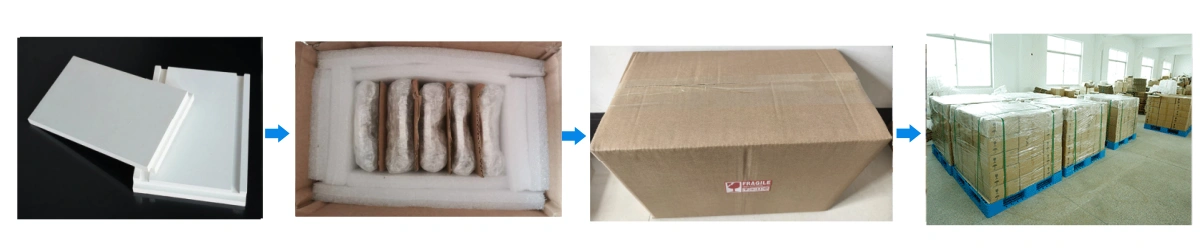

Boron Nitride Insulation Gasket Packaging

Boron Nitride Insulation Gasket Applications

  • PVD, CVD and Vacuum Coating Systems

    BN insulation gaskets are used between powered electrodes, shields, target fixtures, chamber hardware and metal support structures. They help provide electrical isolation while reducing coating adhesion on contact surfaces.

    This application is suitable when the equipment requires a clean insulating spacer that can tolerate vacuum, plasma exposure, thermal cycling and repeated maintenance.

  • Vacuum Furnaces and Heat-Treatment Fixtures

    In vacuum or inert-gas furnaces, BN gaskets can be used as insulating pads, spacer rings, thermal barrier washers and fixture interfaces. They help separate heating elements, graphite fixtures, quartz parts and metallic supports.

    BN is preferred when mica, polymer or metal gaskets cannot withstand the process temperature, while alumina may be too difficult to machine into the required shape.

  • Quartz, Glass and Precision Fixture Interfaces

    BN insulation gaskets can act as a soft ceramic interface between quartz, glass, alumina, graphite or metal components. Its low thermal expansion and machinability help reduce stress concentration around holes, edges and contact faces.

    This is useful for high-temperature tooling where dimensional fit, non-sticking contact and electrical isolation are more important than elastic sealing.

BN Insulation Gasket Usage Instructions

  • Installation

    1. Inspect the gasket and mating surfaces before installation. Remove dust, oil, oxide layers, metal particles, or other residues that may affect flat contact.
    2. Verify that the contact faces are flat and properly aligned with the intended assembly structure.
    3. Tighten bolts or clamps gradually and diagonally to ensure even pressure distribution.
    4. For delicate surfaces, use a soft support or suitable interlayer if required by the assembly design.
    5. Avoid localized point loading, edge chipping, or bending stress during installation.

  • Operation

    1. BN insulation gaskets are typically used in vacuum or inert-gas environments and may operate at elevated temperatures depending on grade, support condition, and process cycle.
    2. In vacuum or inert atmospheres, service temperatures may reach up to 1800°C; in mild oxidizing environments, operation is typically limited to around 1000°C.
    3. Avoid rapid temperature changes unless the gasket design, thickness, and support structure have been reviewed for thermal stress.
    4. BN is compatible with quartz, alumina, graphite, and many refractory or non-wetting contact materials in high-temperature assemblies.
    5. For plasma, reactive gas, or repeated oxidation exposure, material grade or surface-protection options should be reviewed before use.

  • Storage

    1. Store gaskets in a clean, dry, dust-free environment.
    2. Keep the relative humidity below 60% whenever possible.
    3. Store large-diameter or thin parts flat with soft interlayers between each piece to reduce edge damage.
    4. Avoid contact with water, acidic vapors, or corrosive chemicals that may affect the material surface.
    5. Label and separate each batch clearly to avoid mixing different sizes or material grades.

  • Cleaning

    1. Remove loose residue with compressed air, a soft brush, or isopropyl alcohol wipes.
    2. For stubborn deposits, use non-metallic scrapers or gentle manual cleaning methods.
    3. Avoid strong acids, strong alkalis, ultrasonic cleaning, or steam cleaning unless compatibility has been confirmed.
    4. After cleaning, dry the gasket thoroughly before reuse.
    5. If moisture absorption is suspected, bake the gasket at 80–100°C for 1–2 hours before reinstallation.

Boron Nitride Insulation Gasket FAQ

  1. Q: Can a boron nitride gasket be used as a real pressure-sealing gasket?
    A: A boron nitride gasket is mainly used as a high-temperature insulating spacer, thermal barrier or non-wetting interface. It is not an elastic sealing gasket like graphite, rubber or metal C-rings. If gas-tight or pressure sealing is required, the mating structure, surface flatness, compression design and secondary sealing material should be reviewed together.
  2. Q: Is BN suitable for vacuum or inert-gas furnace use?
    A: Yes. Hot-pressed BN is commonly used in vacuum and inert-gas furnaces as an insulating spacer, fixture interface or thermal barrier. The suitable temperature depends on BN grade, atmosphere, part thickness and mechanical load, so the operating condition should be confirmed before production.
  3. Q: How to determine the correct BN gasket grade for my process?
    A: Grade selection depends on temperature, load, and atmosphere.
    a. HP-BN → high-density for precision fixtures
    b. HBN-R → reinforced for mechanical strength
    c. BN + AlN composite → improved thermal conductivity (30–40 W/m·K) for heat-spreading interfaces

  4. Q: What tolerances and surface finishes can ADCERAX achieve?
    A: BN insulation gaskets can be machined to ± 0.05 – 0.10 mm, with flatness ≤ 0.03 mm. Surface finish options include raw, fine-polished, or sand-blasted, depending on required sealing or contact pressure uniformity.
  5. Q: Can ADCERAX machine thin BN washers or complex multi-hole gaskets?
    A: Yes. ADCERAX can machine BN washers, rings, square gaskets, slotted spacers, stepped profiles and multi-hole insulation parts according to drawings. Very thin walls, sharp corners or narrow slots should be reviewed before quotation because BN is machinable but still brittle compared with metals.
  6. Q: What information should I provide for a custom BN insulation gasket quote?
    A: Please provide the drawing or sample photo, OD, ID, thickness, hole pattern, slot design, quantity, working temperature, atmosphere, voltage condition, contact load and required surface finish. If the gasket works in a vacuum chamber, furnace or coating system, please also provide the installation position.
  7. Q: What makes a boron nitride insulation gasket different from alumina or mica gaskets?
    A: Boron nitride (BN) insulation gaskets differ from alumina and mica types by combining electrical insulation, non-wetting performance, and machinability in one material.
    Below is a comparison of key performance factors commonly evaluated in high-temperature and vacuum applications:
    Property Boron Nitride (BN) Alumina (Al₂O₃) Mica
    Maximum Working Temperature 1800 °C (vacuum/inert) / 1000 °C (air) 1650 °C (air) ≤ 600 °C
    Electrical Resistivity ≥ 10¹⁴ Ω·cm — excellent insulator ≥ 10¹³ Ω·cm — strong insulator Moderate, degrades at > 400 °C
    Thermal Conductivity 20 – 40 W/m·K — good heat spreading 25 – 30 W/m·K — moderate 0.2 – 0.4 W/m·K — poor
    Thermal Expansion (CTE) 2 × 10⁻⁶ /K — matches quartz & metal 8 × 10⁻⁶ /K — higher mismatch 5 – 7 × 10⁻⁶ /K — unstable
    Non-Wetting with Molten Metals Excellent — resists Al, Cu, Mg adhesion Poor — easily wets and contaminates Not resistant to molten metals
    Machinability High — CNC-machinable to ± 0.05 mm Low — brittle, needs diamond tools Very limited
    Vacuum Compatibility Excellent — no outgassing Excellent Moderate — contains bound moisture
    Chemical Stability Inert to most acids & metals Stable in air, reactive with strong alkalis Limited chemical resistance

    Conclusion:
    A boron nitride insulation gasket provides the best balance of high-temperature capability, dielectric strength, and non-wetting performance.
    It is preferred in vacuum coating, heat-treatment, and semiconductor processes where alumina or mica cannot withstand combined electrical and thermal demands.

customize size

Custom BN Insulation Gaskets to Drawing

ADCERAX supports drawing-based boron nitride insulation gaskets for equipment builders, vacuum system integrators, furnace manufacturers and industrial maintenance teams. Custom options may include below:

  • Dimensions: Outer/inner diameters and thickness with precision up to ±0.05–0.10 mm, supporting both miniature and large-format parts.

  • Shapes: Circular, ring, square, rectangular, stepped, slotted, multi-hole, or asymmetric geometries based on 2D/3D drawings.

  • Edge Design: Options for chamfered, rounded, or countersunk edges to reduce stress and prevent chipping during installation.

  • Surface Finish: Choose from raw-machined, fine-polished, or sand-blasted textures depending on sealing or insulation needs.

  • Material Grades: Multiple BN formulations available — HP-BN, HBN-R, BN + AlN composite — optimized for density, strength, and machinability.

  • Thermal Conductivity Range: Tunable between 10–40 W/m·K to balance insulation and heat dissipation for various process zones.

  • Optional Coatings: BN + Y₂O₃, BN + Si₃N₄, or BN + ZrO₂ composite surface layers for enhanced oxidation and erosion resistance.

  • Flatness Control: Custom surface parallelism (<0.03 mm for precision fixtures) for stable contact under compression load.

Related Products

ADCERAX - Your Trusted Advanced Ceramics Manufacturing Partner

Direct factory manufacturing with comprehensive ceramic materials expertise and global supply capabilities

China-Based Manufacturer

ADCERAX supplies ceramic components for overseas OEMs, equipment builders, and labs.

Custom Drawing Support

We review drawings, dimensions, materials, and application conditions before quotation.

Ceramic Process Control

Forming, sintering, machining, grinding, and finishing are arranged by part requirements.

Pre-Shipment Inspection

Dimensional checks, visual inspection, and packaging review help reduce procurement risk.

Get in Touch with Us

Our team will be happy to respond to you in less than 24 hours.

Pingxiang Factory — Silicon carbide, silicon nitride, high-temperature ceramics

Quick Quotation

*Our team will answer your inquiries within 24 hours.

*Your information will be kept strictly confidential.

Ready to Solve Your Engineering Challenge?

Partner with ADCERAX for reliable, high-performance advanced ceramic solutions. Our engineers are ready to discuss your project.

E-mail

info@adcerax.com

Phone

+(86) 0731-74427743 | WhatsApp: +(86) 19311583352

Response Time

Within 24 hours

Quick Quote

The more details you provide, the faster we can quote.

*We respond within 24 hours. All inquiries are confidential.

Get Your Custom Solution

The more details you provide, the faster we can respond.

customize size

*We respond within 24 hours. All inquiries are confidential.

Download Catalog