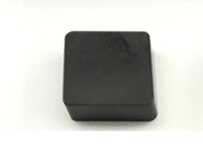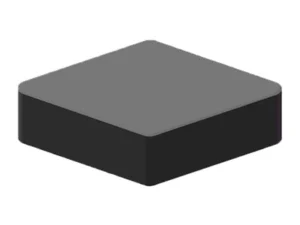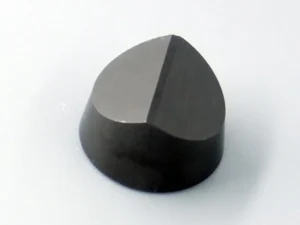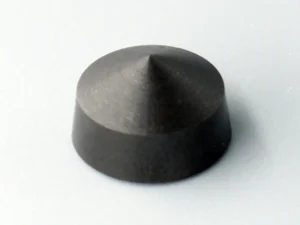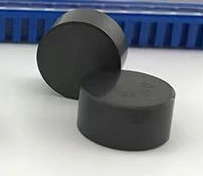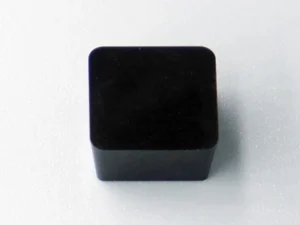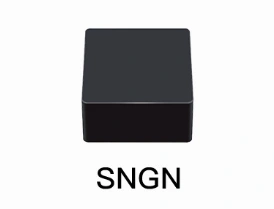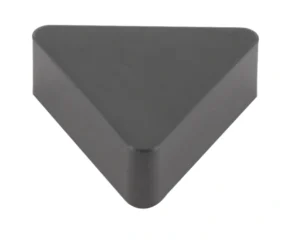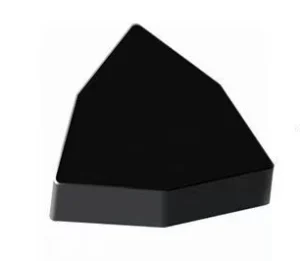
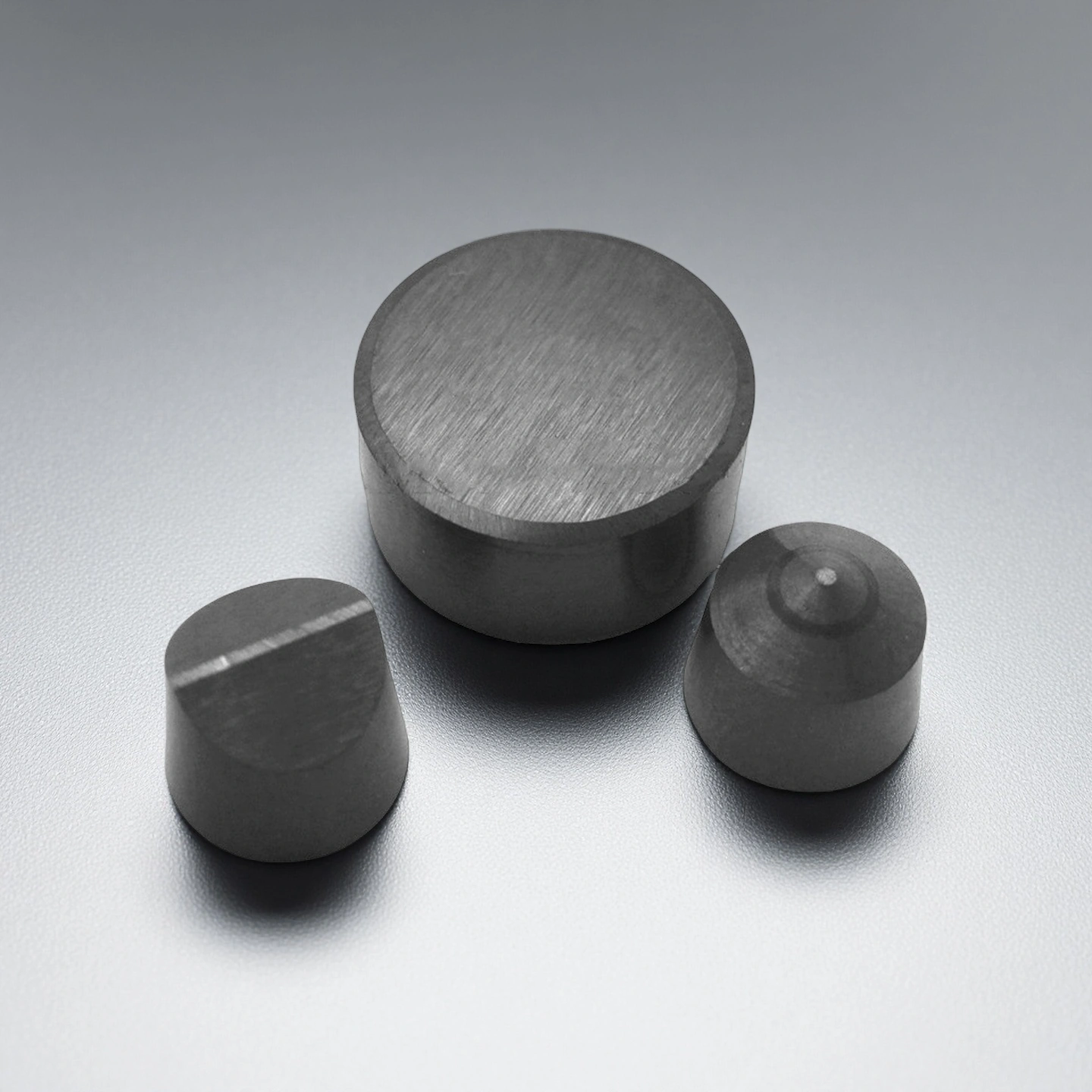
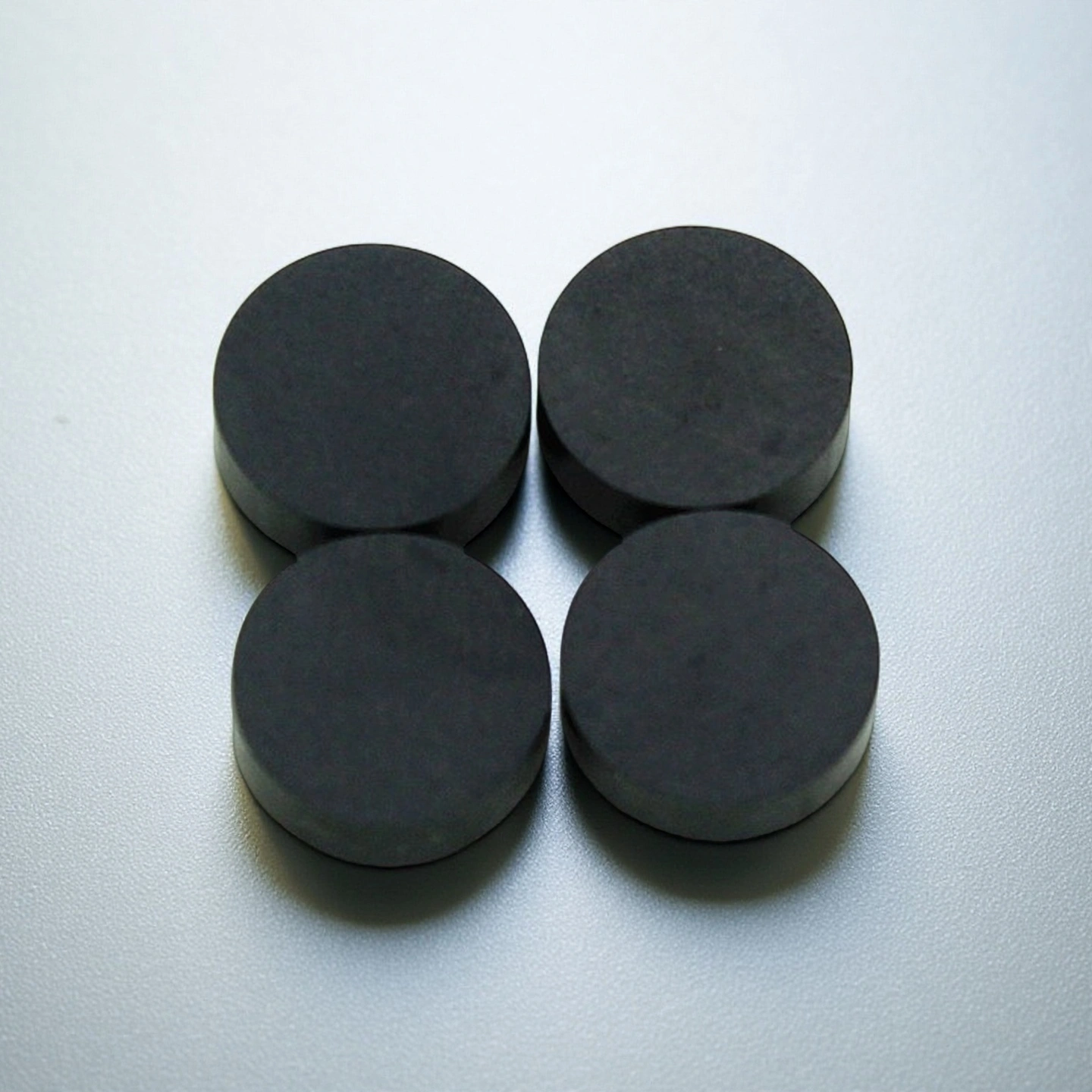
Cubic Boron Nitride (CBN) Cutting Tools for Hard Turning

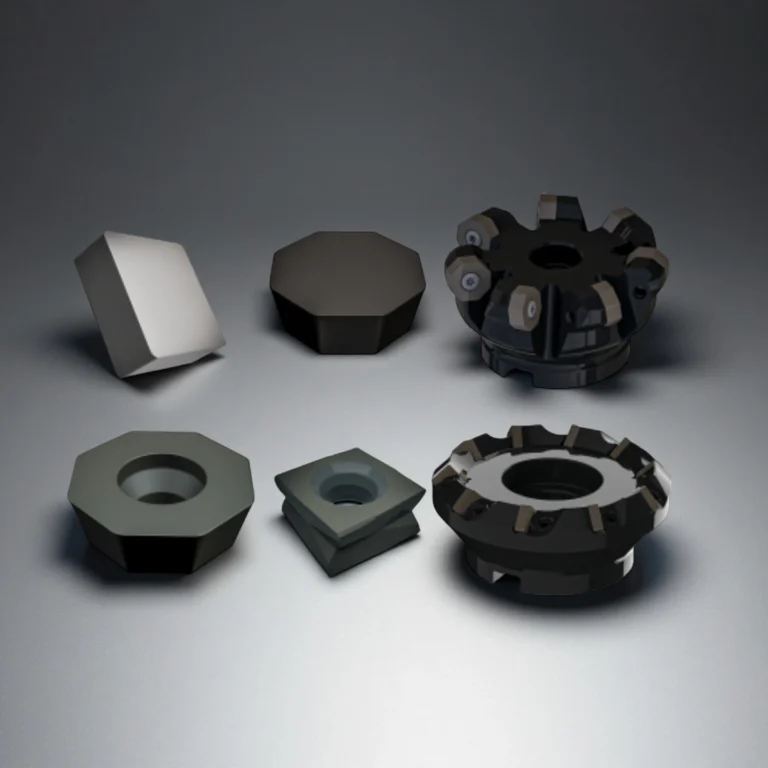
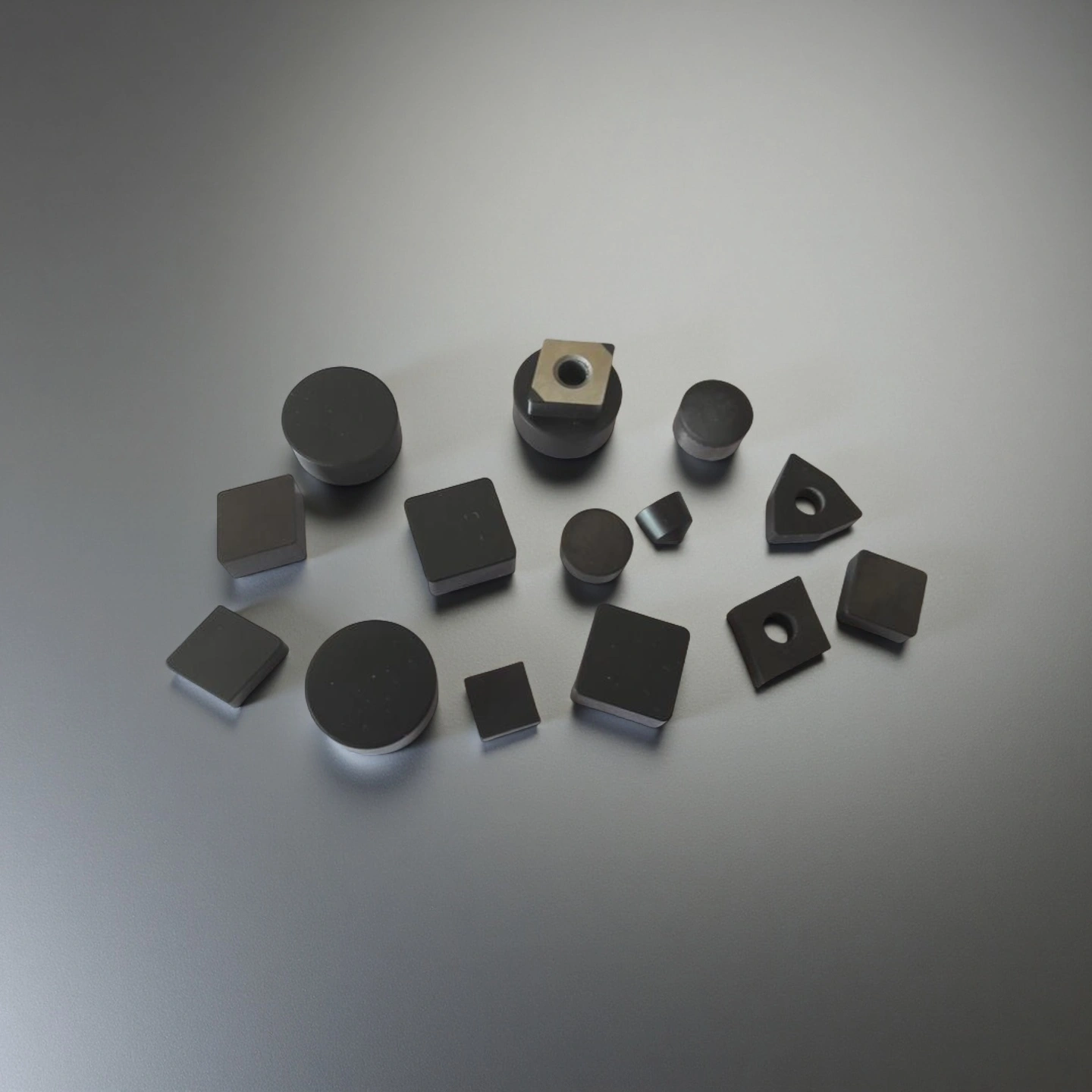
Cubic Boron Nitride cutting tools are designed for efficient machining of hardened steel (HRC45–65), cast iron, and aerospace alloys. These tools offer high wear resistance, thermal stability, and dimensional accuracy, making them suitable for dry cutting and high-speed operations. Standard CNGA/SNGA/WNGA/BNGA with common thicknesses and R options; custom solid CBN, tipped brazed tools, grooving/boring forms, and large-radius finishing inserts can be produced to drawing.

Catalogue No. AT-CNGN1204
Material Boron Nitride
Hardness 4500–5000 HV
Thermal Stability Up to 1200°C
Dimensions/Sizes Download PDF
Engineering RFQ Review
Small-Batch Custom Support
Factory-Direct Manufacturing
Drawing & Process Review

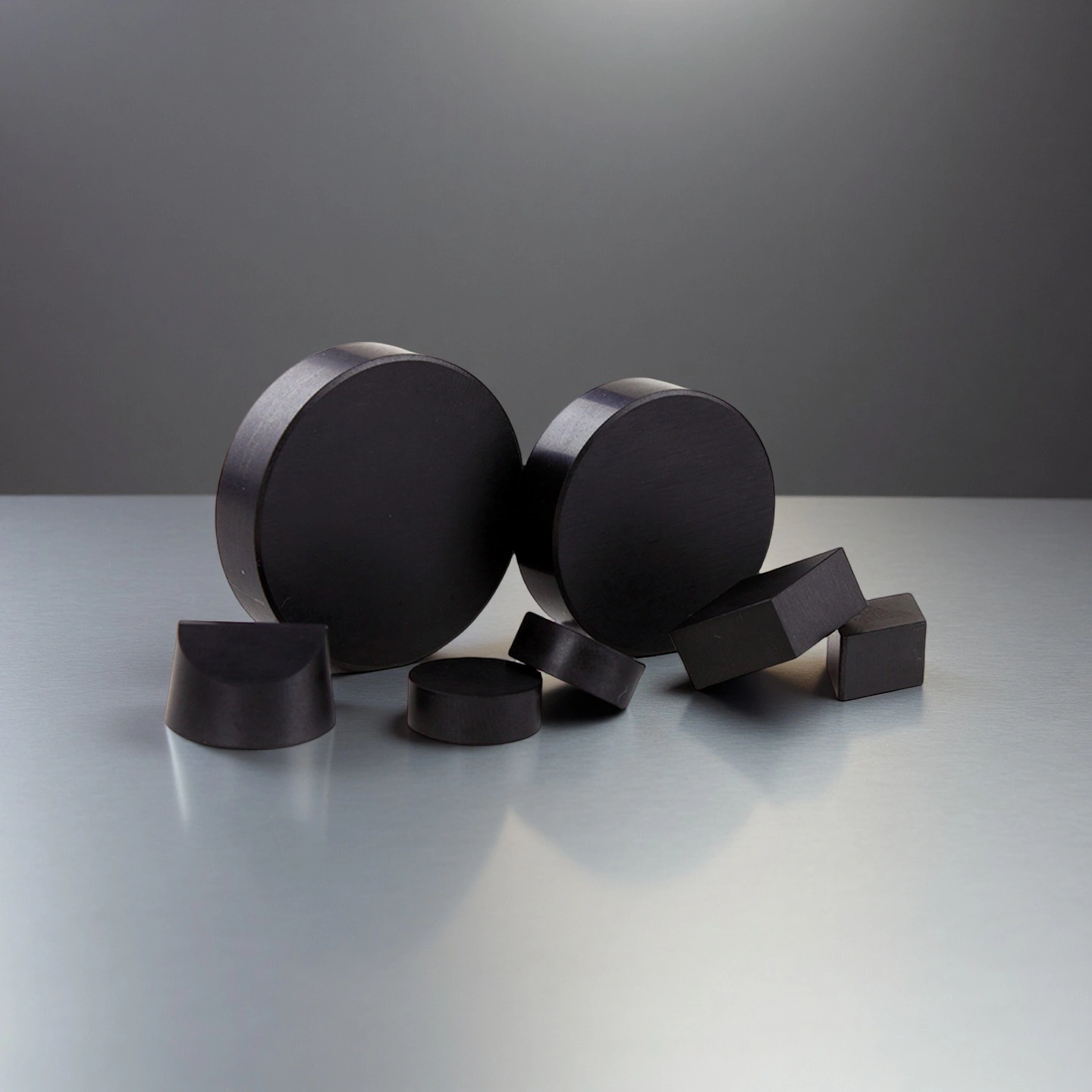
Cubic boron nitride cutting tools—often called PCBN inserts, solid CBN tips, or CBN-tipped brazed tools—are superhard tools designed for hard turning and high-temperature machining. They maintain edge strength where hardened steels (≈55–68 HRC), cast irons, and powder-metallurgy parts would quickly wear out carbide or many ceramics.

Cubic Boron Nitride Cutting Tools Benefits

Cubic boron nitride cutting tools are selected for hard turning and finish machining where carbide tools wear too quickly or where conventional ceramic inserts become unstable under heat, abrasion or interrupted contact. Their value depends on the correct match between CBN grade, workpiece hardness, edge preparation, machine rigidity and cutting condition.

  • High wear resistance helps CBN tools maintain edge condition when machining hardened steels, cast iron and powder metallurgy parts.
  • Stable edge preparation such as micro-hone, chamfer or T-land design helps reduce premature chipping in stable or lightly interrupted cuts.
  • Heat-resistant cutting behavior makes CBN suitable for many dry or minimum-fluid hard-turning processes where coolant control is important.
  • Surface finish support can be achieved when CBN grade, corner radius, feed rate and machine rigidity are matched correctly.
  • Batch production consistency improves when insert wear becomes more predictable and tool-change planning is based on the actual machining condition.

Cubic Boron Nitride (CBN) Cutting Tools Properties

Parameter Typical Range/Value Description & Application Relevance
Hardness (Vickers HV) 4,500 – 5,000 HV Second only to diamond; ensures wear resistance at ≥ 58 HRC materials such as bearing steel, tool steel, and hardened gears.
Thermal Stability Up to 1,200 °C in air Retains cutting-edge strength at elevated temperatures where carbide and ceramics soften or oxidize.
Thermal Conductivity 80 – 130 W/m·K Enables effective heat dissipation from cutting zone, improving finish and tool life in dry/minimum-fluid cutting.
Coefficient of Thermal Expansion (4.5 – 5.5) × 10⁻⁶ /K Low expansion ensures dimensional stability and reduced distortion during high-speed cutting.
Fracture Toughness (KIC) 5 – 8 MPa·m¹ᐟ² Balanced strength against micro-chipping, especially for interrupted cuts or rough cast surfaces.
Density 3.45 – 3.48 g/cm³ Moderate density suitable for brazed or solid insert configurations.
CBN Volume Fraction 45 – 90 vol% Higher CBN → better wear resistance for continuous cuts; lower → higher toughness for interrupted cuts.
Workpiece Hardness Range 45 – 70 HRC Ideal for hardened steels, gray/nodular cast iron, and powder-metallurgy components.
Achievable Surface Roughness (Ra) 0.2 – 0.8 µm Depending on radius and feed rate, suitable for finish or semi-finish hard turning.
Expected Tool Life Extension 2 – 5× vs. Coated Carbide Proven in production lines for gears, bearings, and hydraulic parts.

CBN Cutting Tools  Specifications

Cubic Boron Nitride Cutting Tools
Item NO. ISO Standard Designation Cutting Edge Length(mm) Inner Cutting Circle Dia.(mm) Thickness(mm) Standing edge
AT-CNGN1204 CNGN1204 12.9 12.7 4.76 S01020 S02015 S02020
AT-CNGN1207 CNGN1207 12.9 12.7 7.94
AT-CNGN1608 CNGN1608 16.1 15.875 8.0 
AT-DNGN1104 DNGN1104 11.6 9.525 4.76 T01020 T02020 S01020 S02020
AT-RCGV0605 RCGV0605 6 6.35 5.00  S01020 S02020 S03025 S05020
AT-RCGV0907 RCGV0907 9 9.525 7.94 
AT-RCGV1207 RCGV1207 12 12.7 7.94 
AT-RCGV1510 RCGV1510 15 15.875 10.00 
AT-RCGV1910 RCGV1910 19 19.05 10.00 
AT-RCGV2012 RCGV2012 20 20 12.00 
AT-RCGV2512 RCGV2512 25 25.4 12.00 
AT-RCGX0605 RCGX0605 6.35 6.35 5 S01020 S02020 S03025 S05020
AT-RCGX0907 RCGX0907 9.525 9.525 7.94
AT-RCGX1207 RCGX1207 12.7 12.7 7.94
AT-RCGV1510 RCGV1510 15.875 15.875 10
AT-RCGX1910 RCGX1910 19.05 19.05 10
AT-RNGN090400 RNGN090400 9 9.525 4.76 T01020 T02020 S01020 S02020 S03025 S05020
AT-RNGN120400 RNGN120400 12 12.7 4.76
AT-RNGN120700 RNGN120700 12 12.7 7.94
AT-RNGN150700 RNGN150700 15 15.875 7.94
AT-RNGN160800 RNGN160800 16 16 8
AT-RNGN190700 RNGN190700 19 19.05 7.94
AT-RNGN201000 RNGN201000 20 20 10
AT-RNGN250700 RNGN250700 25 25.4 7.94
AT-RNGN251000 RNGN251000 25 25.4 10
AT-RNGN251200 RNGN251200 25 25.4 12
AT-SCGN0903 SCGN0903 9.525 9.525 3.18 T01020 T02020 S01020 S02020
AT-SCGN0904 SCGN0904 9.525 9.525 4.76
AT-SCGN1204 SCGN1204 12.7 12.7 4.76
AT-SNGN0903 SNGN0903 9.525 9.525 3.18 T01020 T02020 S01020 S02020
AT-SNGN0904 SNGN0904 9.525 9.525 4.76
AT-SNGN1204 SNGN1204 12.7 12.7 4.76
AT-SNGN1208 SNGN1208 12.7 12.7 8
AT-SNGN1608 SNGN1608 16 16 8
AT-SNGN2010 SNGN2010 20 20 10
AT-TNGN1103 TNGN1103 11 6.35 3.18 T01020 T02020 S01020 S02020
AT-TNGN1604 TNGN1604 16.5 9.525 4.76
AT-TNGN1603 TNGN1603 16.5 9.525 3.18
AT-WNGN0804 WNGN0804 8.7 12.7 4.76 T01020 T02020 S01020 S02020


CBN Cutting Tools Packaging

  • Each cutting tool is individually packed in anti-static foam and sealed for protection.
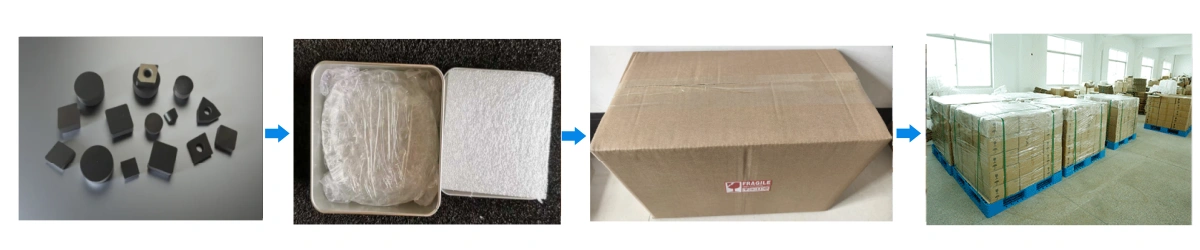
cbn carbide cutting tools

CBN Cutting Tools Applications

CBN cutting tools are widely used in hard turning and finish machining of hardened ferrous materials where surface finish, dimensional consistency and tool wear stability are critical.
They are commonly selected when conventional carbide tools wear too quickly, ceramic inserts become unstable under interrupted contact, or secondary grinding adds cost and process complexity.

  • Automotive Gears & Transmission Shafts

    ✅Key Advantages

    1. Stable hard-turning performance on hardened and carburized steels.
    2. Better control of dimensional consistency and finished surface quality.
    3. More predictable wear behavior in automated batch production.
    4. Potential to reduce secondary grinding in selected finishing operations.

    ✅Application Challenge Addressed

    For gears and transmission shafts, the main challenge is usually the combination of high workpiece hardness, interrupted engagement and strict finish requirements.
    CBN tools help improve machining stability and wear consistency, making them a practical option where buyers need more reliable hard-turning performance and better batch-to-batch repeatability.

  • Bearing Rings & Races

    ✅Key Advantages

    1. Good edge stability for hard turning of bearing steel components.
    2. Better support for roundness, raceway finish and repeatable machining quality.
    3. Suitable for dry or minimum-fluid machining in many bearing applications.
    4. Stable tool behavior for longer unattended or semi-automated production runs.

    ✅ Application Challenge Addressed

    Bearing components require tight tolerance control, stable edge condition and consistent surface finish.
    CBN tools are often selected where carbide wear becomes too fast or where more stable hard-turning results are needed on hardened rings, races and related precision parts.

  • Powder Metallurgy & Cast Iron Components

    ✅Key Advantages

    1. Strong wear resistance in abrasive cast iron and PM materials.
    2. Better edge stability on porous, interrupted or uneven cutting surfaces.
    3. Improved consistency in repetitive machining of sintered components.
    4. More predictable insert wear in suitable high-speed finishing operations.

    ✅ Application Challenge Addressed

    Cast iron and powder metallurgy parts often cause abrasive wear, micro-chipping and unstable edge loading, especially when porosity or interrupted surfaces are involved.
    CBN tools help buyers improve wear consistency and machining reliability in these demanding production environments.

CBN Cutting Tools Usage Instructions

  • Installation

    1. Clean the insert pocket, clamp surface and seat area before installation. Chips, dust or metallic residue may cause uneven seating and premature edge failure.
    2. Install the CBN insert fully against the pocket reference surface and tighten the screw or clamp according to the holder specification.
    3. Confirm the insert orientation, cutting edge position and corner alignment before starting the machining cycle.
    4. Select edge preparation according to the application. A micro-honed edge is usually preferred for stable finishing, while chamfered or T-land edges are often used for interrupted cuts.
    5. Keep tool overhang as short as possible to reduce vibration, notch wear and unstable surface finish.

  • Machining Use

    1. Start with the cutting parameters recommended for the CBN grade, workpiece hardness and machining operation. Make small adjustments after checking the first cutting results.
    2. Increase cutting speed and feed gradually during trial machining instead of making large parameter changes at once.
    3. Maintain stable workholding, rigid fixturing and consistent tool clamping to reduce edge shock during hard turning.
    4. For dry cutting or minimum-fluid machining, keep chip evacuation stable and avoid sudden thermal changes at the cutting edge.
    5. Monitor flank wear, chipping, notch wear, crater wear and surface finish variation. These signs help determine whether the grade, edge preparation or cutting condition should be adjusted.

  • Storage

    1. Keep CBN inserts dry, sealed and separated in their original trays to avoid edge-to-edge contact.
    2. Do not mix different grades, edge preparations or batches in open containers. Keep lot information traceable for production review.
    3. Store inserts away from high humidity, corrosive vapor and strong temperature fluctuation to protect the tool surface and packaging condition.

  • Cleaning

    1. After each tool change, clean the insert pocket, clamp, screw and shim with a lint-free cloth or clean compressed air.
    2. Replace worn clamps, screws or shims when clamping force becomes unstable or insert seating is no longer repeatable.
    3. Avoid abrasive powder, hard metallic residue or loose chips under the insert, as these may distort seating and affect dimensional accuracy.

  • Cautions/Common Misuse & Fix

    1. If edge micro-chipping appears during light interruption, use a tougher PCBN grade or a reinforced chamfer / T-land edge preparation, and check holder rigidity.
    2. If surface finish varies on hardened bores, review corner radius, feed rate, tool overhang, holder runout and vibration before changing the CBN grade.
    3. If notch wear appears near the shoulder or entry point, adjust the tool path to avoid repeated cutting in the worn zone and consider a protective chamfer or positive lead angle.
    4. If built-up edge appears on lower-hardness steel, the material may not be suitable for CBN cutting. In this case, reduce cutting speed or review whether coated carbide is a better option.
    5. If thermal cracking appears after dry cutting, avoid sudden air cooling or unstable coolant contact. Keep the cutting temperature condition consistent during machining.

Cubic Boron Nitride (CBN) Cutting Tools FAQ

  1. Q: What materials are CBN cutting tools best suited for?
    A: CBN cutting tools are mainly used for hardened steels, cast iron, powder metallurgy parts and other abrasive ferrous materials. They are usually considered when carbide wears too quickly or when the workpiece has already been heat-treated. They are not the first choice for aluminum or many non-ferrous materials, where PCD or carbide may be more suitable.
  2. Q: How do I choose the right CBN grade for hard turning?
    A: Grade selection depends on workpiece hardness, cut continuity, required surface finish and failure mode. Continuous finishing usually needs a wear-focused CBN grade with controlled edge sharpness, while interrupted cuts often require a tougher PCBN structure and reinforced chamfer or T-land edge preparation.

  3. Q: Can CBN cutting tools replace grinding after heat treatment?
    A: CBN tools can reduce or replace grinding in some hard-turning operations, but this depends on part geometry, machine rigidity, surface finish target, tolerance requirement and process stability. For precision parts, the machining process should be reviewed before assuming that grinding can be fully removed.

  4. Q: Should CBN cutting tools be used dry or with coolant?
    A: Many CBN tools are used in dry cutting or controlled minimum-fluid conditions because they can tolerate high cutting temperatures. However, sudden coolant shock can cause thermal cracking in some applications. The best cooling strategy depends on grade, workpiece material, cutting continuity and chip evacuation.
  5. Q: What information is needed to quote custom CBN inserts or tools?
    A: Please provide the current insert model or drawing, workpiece material, hardness, machining operation, cutting speed, feed rate, depth of cut, coolant condition, required surface finish and photos of the worn edge if available. These details help review the grade, geometry and edge preparation before quotation.
  6. Q: What is the difference between CBN, PCBN, carbide and ceramic cutting tools?
    A: Carbide is widely used for general machining, ceramic tools can perform well in stable high-speed cutting, and CBN or PCBN tools are selected for hard ferrous materials where wear resistance and thermal stability are critical. The correct tool should be chosen by material hardness, cut stability, surface finish and cost-per-part target.


customize size

Cubic Boron Nitride Cutting Tools Customized

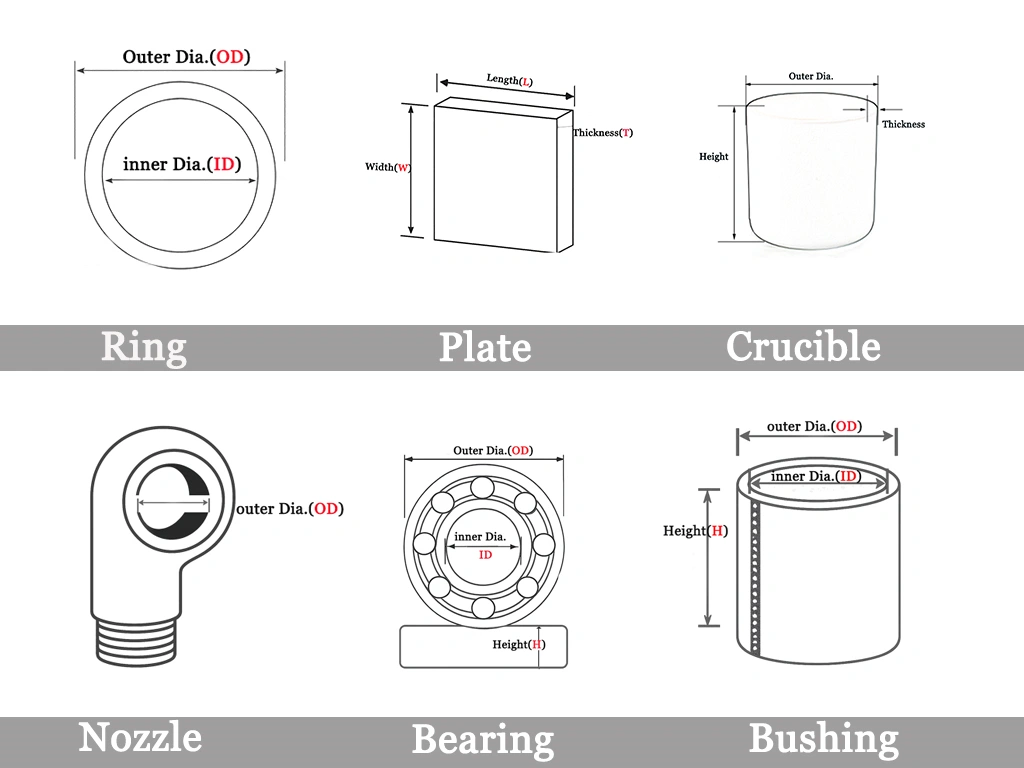
Our customization ensures optimized grade, geometry, and edge prep for consistent tool life, surface integrity, and cost-per-part stability. What you can specify:

1. Geometry & Size Options

  • ISO insert styles: CNGA / SNGA / WNGA / BNGA / DNGA / VBGA
  • Dimensions: inscribed circle, thickness, corner radius R0.2–R3.2 mm
  • Tolerance control: R tolerance ±0.02 mm, flatness ≤0.005 mm

2. Edge Preparation

  • Micro-hone radius: 0.02–0.08 mm for continuous cuts
  • T-land or chamfer: 0.05–0.20 mm × 20–30° for interrupted or abrasive cuts
  • Chamfer orientation: leading / trailing / double-edge prep
  • Optional polishing or honing direction for Ra optimization

3. Grade & Composition System

  • CBN content: 45–90 vol% (balance wear resistance vs. toughness)
  • Grain size: 1–5 µm (fine) for finishing / 8–15 µm (coarse) for heavy-duty
  • Binder type: ceramic (wear) or metal (shock resistance) depending on application

4. Special Form & Design Options

  • Non-standard shapes: grooving, parting, threading, chamfering, radius finishers
  • Custom brazed-tipped tools and solid CBN boring bars
  • Multi-corner or double-sided inserts for high-volume operations

5. Dimensional & Quality Control

  • Laser batch ID with geometry and grade traceability
  • Verified thickness, flatness, and R dimensions per QC inspection protocol
  • Custom packaging by geometry and batch for fast identification

Related Products

ADCERAX - Your Trusted Advanced Ceramics Manufacturing Partner

Direct factory manufacturing with comprehensive ceramic materials expertise and global supply capabilities

China-Based Manufacturer

ADCERAX supplies ceramic components for overseas OEMs, equipment builders, and labs.

Custom Drawing Support

We review drawings, dimensions, materials, and application conditions before quotation.

Ceramic Process Control

Forming, sintering, machining, grinding, and finishing are arranged by part requirements.

Pre-Shipment Inspection

Dimensional checks, visual inspection, and packaging review help reduce procurement risk.

Get in Touch with Us

Our team will be happy to respond to you in less than 24 hours.

Pingxiang Factory — Silicon carbide, silicon nitride, high-temperature ceramics

Quick Quotation

*Our team will answer your inquiries within 24 hours.

*Your information will be kept strictly confidential.

Ready to Solve Your Engineering Challenge?

Partner with ADCERAX for reliable, high-performance advanced ceramic solutions. Our engineers are ready to discuss your project.

E-mail

info@adcerax.com

Phone

+(86) 0731-74427743 | WhatsApp: +(86) 19311583352

Response Time

Within 24 hours

Quick Quote

The more details you provide, the faster we can quote.

*We respond within 24 hours. All inquiries are confidential.

Get Your Custom Solution

The more details you provide, the faster we can respond.

customize size

*We respond within 24 hours. All inquiries are confidential.

Download Catalog