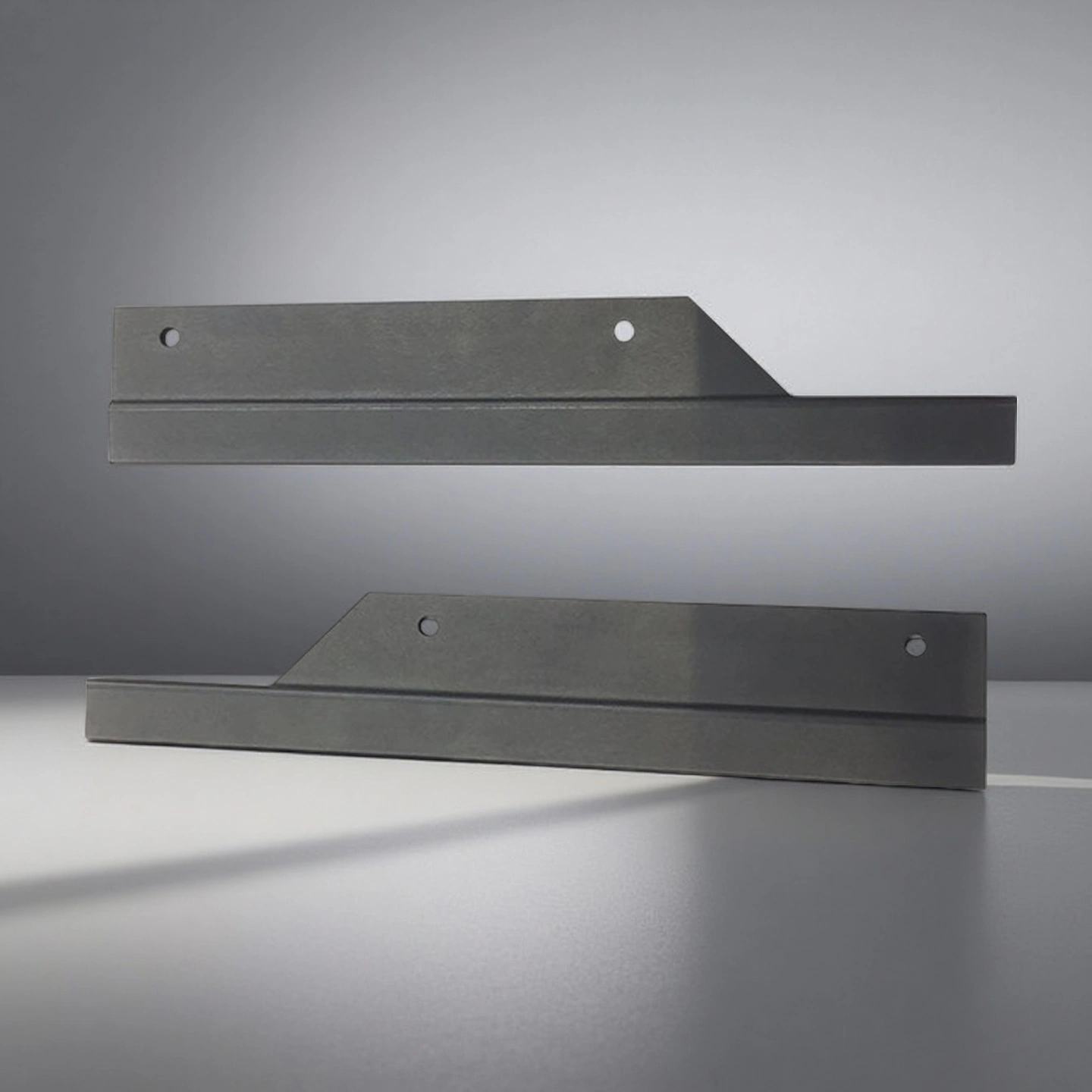
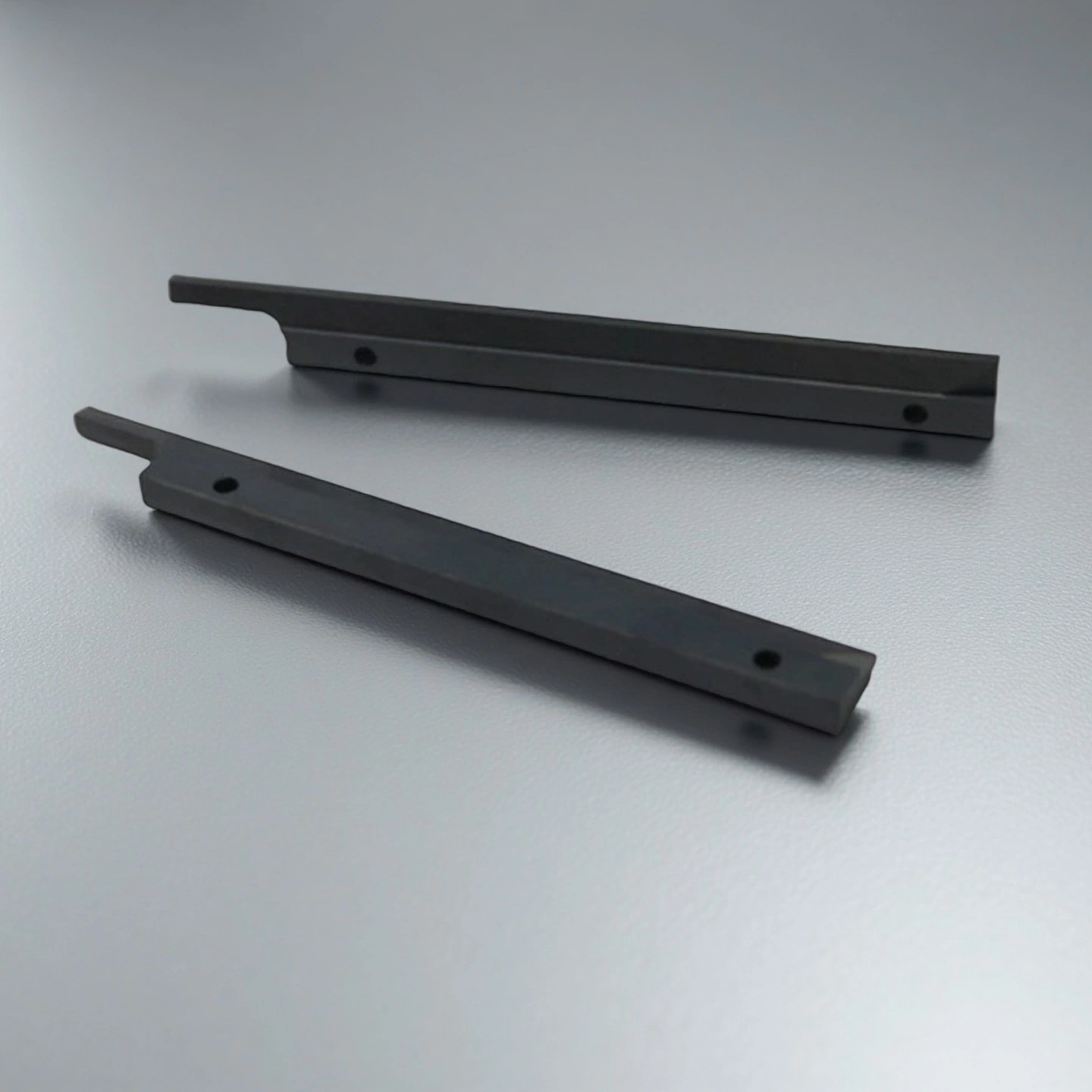
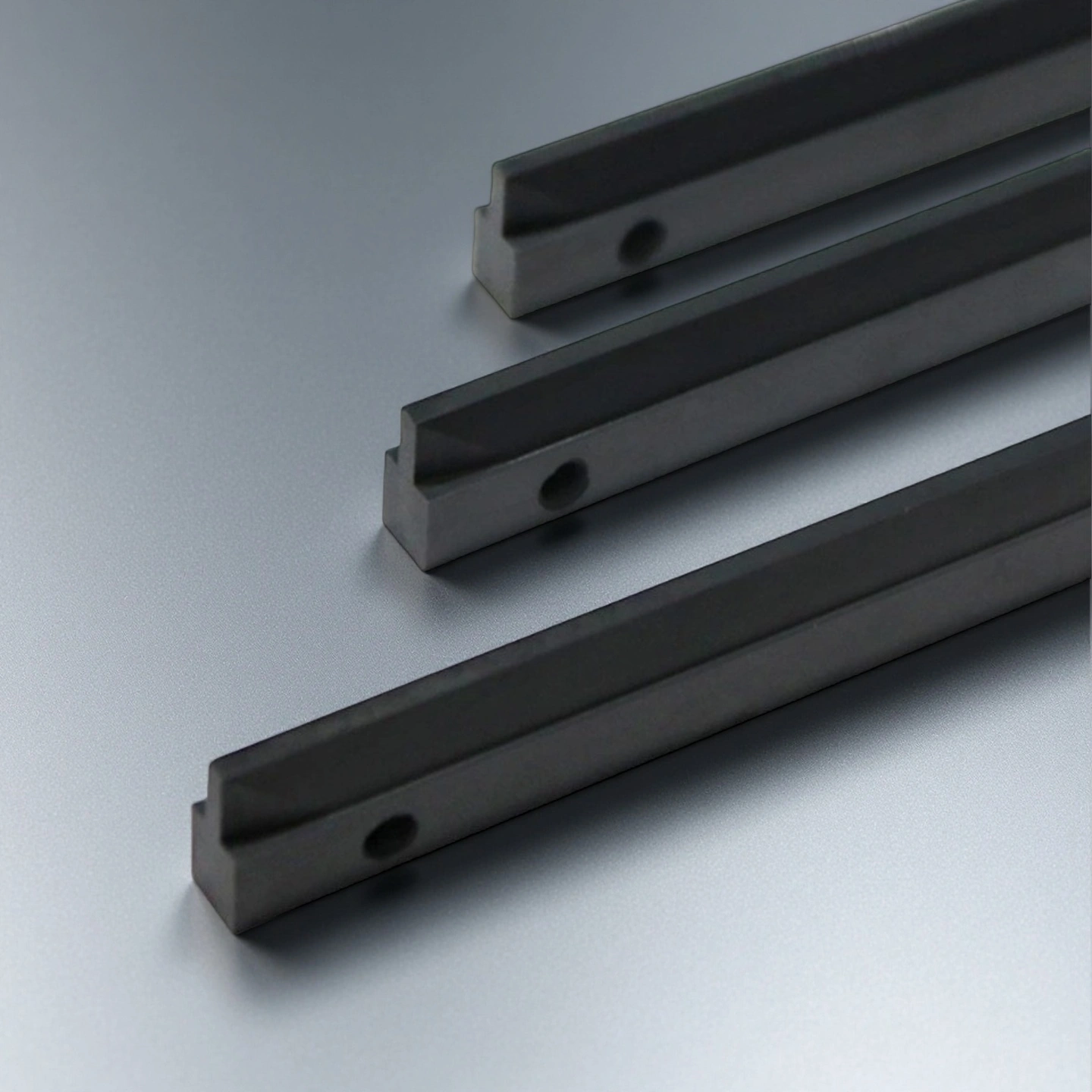
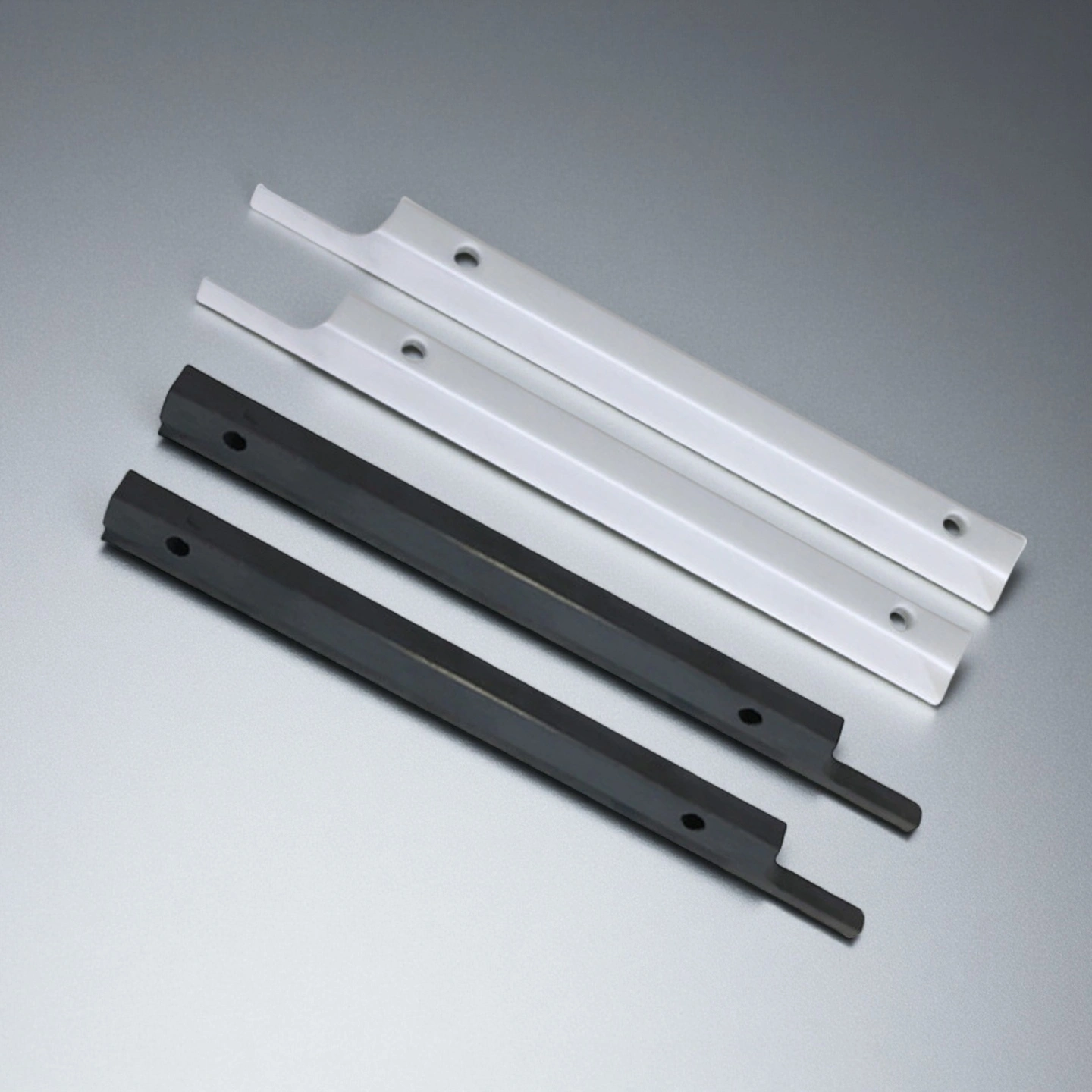
What Is a Silicon Nitride 3D Printer Scraper?
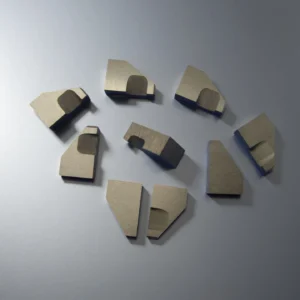
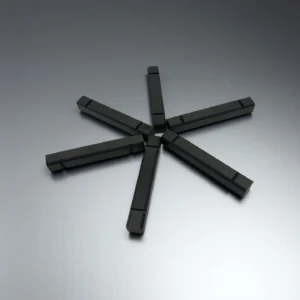
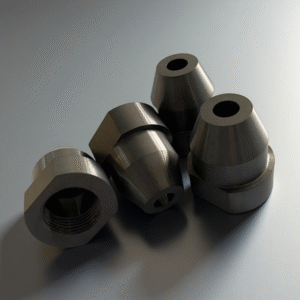
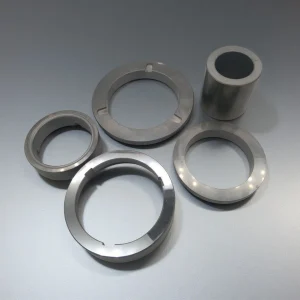
A silicon nitride 3D printer scraper is a ceramic part-removal tool made from Si3N4 ceramic for separating printed parts, cured resin bases and residue from PEI sheets, glass beds, textured steel plates and resin build platforms. It is designed for users who need a harder, more dimensionally stable and more chemical-resistant alternative to common metal or plastic scrapers.
The main value of a Si3N4 scraper is controlled edge geometry. When the blade is ground and used at a low insertion angle, it can slide under prints with less surface gouging risk than many stamped metal scrapers, while offering better wear resistance and solvent stability than plastic tools.
Why Use a Silicon Nitride Ceramic Scraper for 3D Printing?
-
Stable ceramic edge geometry
The ground Si3N4 edge maintains its shape better than soft plastic blades and many thin metal scrapers, which helps operators keep a consistent removal angle.
-
Reduced build surface damage risk
A controlled bevel, rounded corners and proper low-angle use help reduce gouging on PEI, glass and textured build surfaces.
-
Chemical resistance near resin workflows
Silicon nitride resists common cleaning fluids used around resin printing, including alcohol-based cleaners and many water-based detergents.
-
Suitable for repeated use
The ceramic body resists wear during frequent print removal, making it suitable for print farms and lab environments.
-
Customizable for OEM tool kits
Blade width, thickness, bevel, handle interface and marking can be adjusted for printer brands or accessory kits.
Silicon Nitride vs Metal and Plastic 3D Printer Scrapers
| Scraper Type |
Advantages |
Limitations |
Best Use |
| Silicon nitride ceramic scraper |
High hardness, stable edge, chemical resistance and low wear. |
The edge can chip if dropped or impacted against metal fixtures. |
OEM accessories, print farms, resin labs and high-cycle users. |
| Metal scraper |
Strong, thin and easy to source. |
Can scratch PEI, glass and FEP surfaces if used aggressively. |
Low-cost general removal where surface damage risk is acceptable. |
| Plastic scraper |
Safer for delicate surfaces and low cost. |
Wears quickly and may soften or deform near solvents or heat. |
Light resin vat cleaning and occasional hobby use. |
| Silicone scraper |
Flexible and surface-friendly. |
Limited ability to lift strongly bonded prints. |
Gentle cleaning or residue movement, not rigid part removal. |
Material Reference Properties of Silicon Nitride Ceramic
|
Si3N4 Type |
Gas pressure sintering Si3N4 |
Hot pressing sintering Si3N4 |
High thermal conductivity Si3N4 |
|
Density (g/cm3) |
3.2 |
3.3 |
3.25 |
|
Flexural Strength (MPa) |
700 |
900 |
600~800 |
|
Young Modulus (GPa) |
300 |
300 |
300~320 |
|
Poisson's ratio |
0.25 |
0.28 |
0.25 |
|
Compressive strength (MPa) |
2500 |
3000 |
2500 |
|
Hardness (GPa) |
15 |
16 |
15 |
|
Fracture toughness (MPa*m1/2) |
5~7 |
6~8 |
6~7 |
|
Maximum working temperature (℃) |
1100 |
1300 |
1100 |
|
Thermal conductivity (W/m*K) |
20 |
25 |
80~100 |
|
Thermal expansion coefficient (/℃) |
3*10-6 |
3.1*10-6 |
3*10-6 |
|
Thermal shock resistance (ΔT ℃) |
550 |
800 |
/ |
Si3N4 Scraper for 3d Printer Specifications
|
Silicon Nitride 3D Printer Scraper |
|
Item No. |
Diameter (mm) |
Thickness (mm) |
|
AT-SIN-DG1001 |
Customize |
Silicon Nitride Ceramic 3D Scraper Packaging
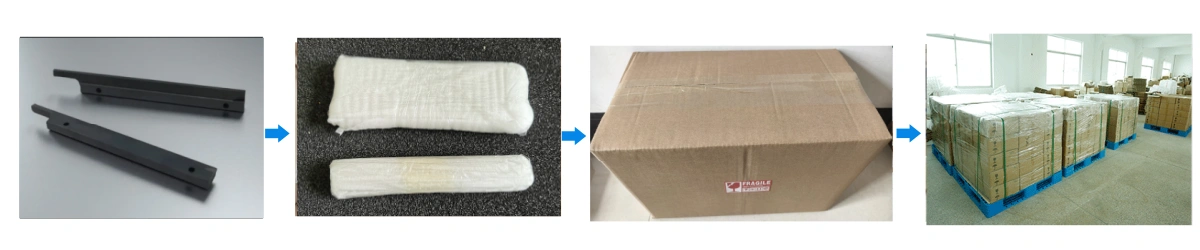
- Each silicon nitride 3D printer scraper is wrapped in soft protective material to prevent chipping of the ceramic edge during transport.
How to Use a Silicon Nitride 3D Printer Scraper Safely?
Proper use is important because silicon nitride ceramic is hard and wear-resistant, but it can chip under sharp impact. The scraper should be used as a low-angle sliding tool, not as a lever bar or hammering tool.
-
Installation and Handling
1. If the silicon nitride 3D printer scraper is supplied as a bare blade, mount it into the designated handle or bracket using the correct fasteners or over-moulded grip as defined by your tool design.
2. When handling a bare ceramic blade, avoid knocking the edge against hard metal corners or dropping it on the floor, as ceramics can chip under impact.
-
Using the Scraper on FDM Build Plates
1. Heat the build plate to the recommended release temperature for your material, then allow it to cool slightly if specified by your print profile.
2. Hold the scraper at a low angle (for example 15–30° relative to the plate) and slide the silicon nitride edge gently under the part base rather than prying downward.
3. For large parts, work from one edge and gradually move along the perimeter instead of forcing the entire base at once.
4. On textured steel or coated plates, avoid sudden twisting motions that concentrate force on the corner of the scraper.
-
Using the Scraper on Resin Printers
1. Wear gloves and eye protection when working with resin and solvents.
2. Use the silicon nitride 3d printer scraper to guide cured resin bases away from the build plate using slow, controlled movements.
3. For vat cleaning, keep the scraper edge parallel to the bottom film or coated surface and avoid hard impacts; the goal is to glide and lift residues, not to dig into the film.
-
Cleaning and Storage
1. After use, wipe the blade with a soft cloth and a suitable cleaner such as isopropyl alcohol or mild detergent, then dry it thoroughly.
2. Store the scraper on a dedicated rack or in a sheath where the ceramic edge cannot hit other tools.
3. Do not store the scraper with heavy metal tools pressing against the blade edge.
-
Points to Extend Service Life and Reduce Operating Cost
1. Assign each silicon nitride 3D printer scraper to a defined area (e.g. FDM only or resin only) to prevent cross-contamination between materials.
2. Keep operators trained on low-angle sliding techniques; controlled force along the bevel is less likely to chip the edge or damage the build surface.
3. Inspect the blade visually at regular intervals for chips at the corners; if a corner is damaged, it may be possible to re-polish or re-grind depending on your tooling.
-
Typical Misuse and How to Correct It
1. Using the scraper as a lever bar
Misuse: Prying large prints straight upward with a high angle, using the scraper as a lever.
Risk: Concentrated stress at the tip can chip the ceramic and gouge the build plate.
Correction: Train operators to slide under the part at low angle and walk around the perimeter.
Hitting metal hardware or clamps
2. Misuse: Striking bed clips, bolts, or rails with the scraper edge while working quickly.
Risk: Localized impact can create micro-chips or larger fractures at the blade edge.
Correction: Mark the clamp zones and remind operators to avoid contact points when inserting the scraper.
Storing blades loose in tool drawers
3. Misuse: Mixing the silicon nitride 3D printer scraper with wrenches, pliers, and nozzles in a single drawer.
Risk: Hard metal tools can damage the ceramic edge when the drawer is opened or closed.
Correction: Use a dedicated holder, foam insert, or sleeve for each ceramic scraper.