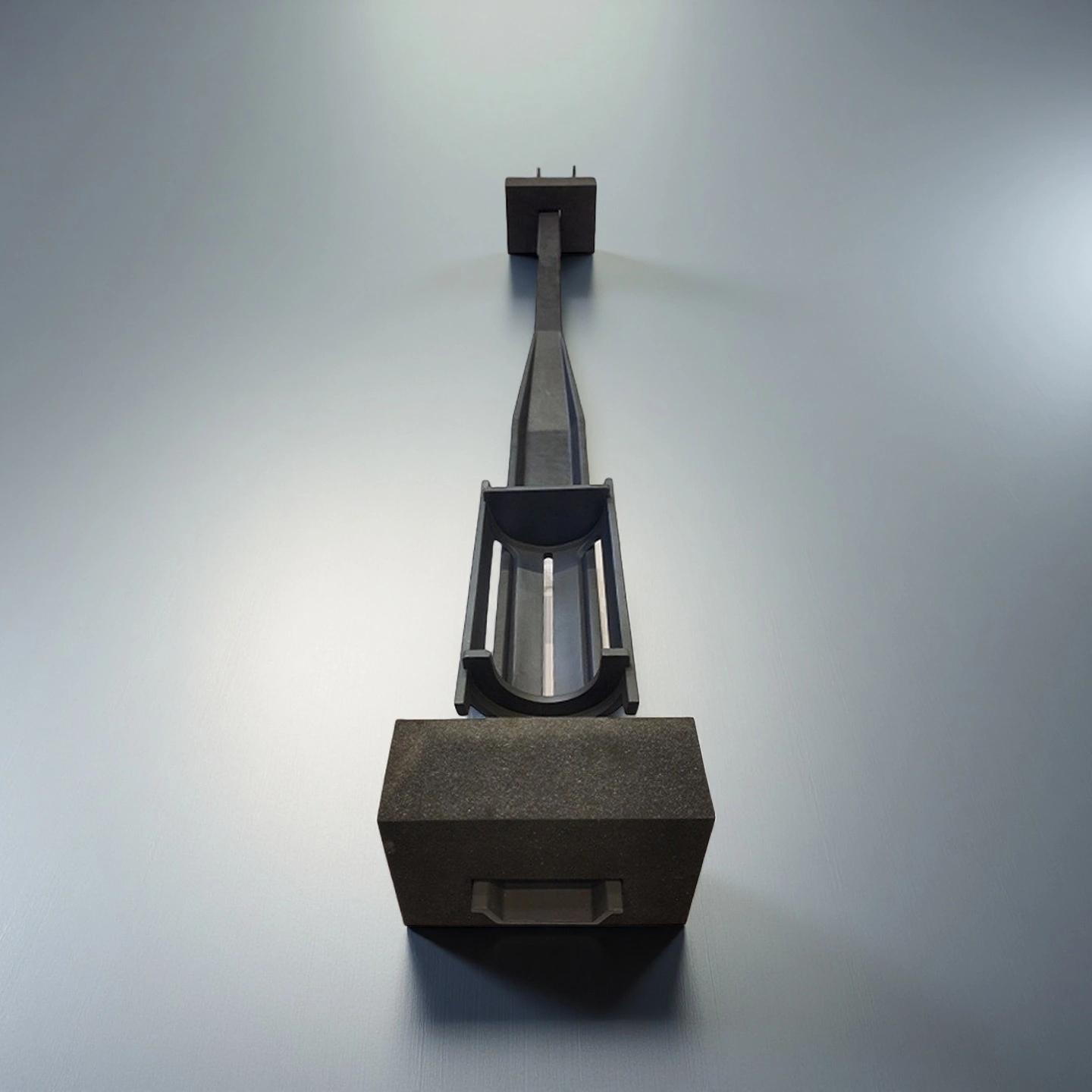
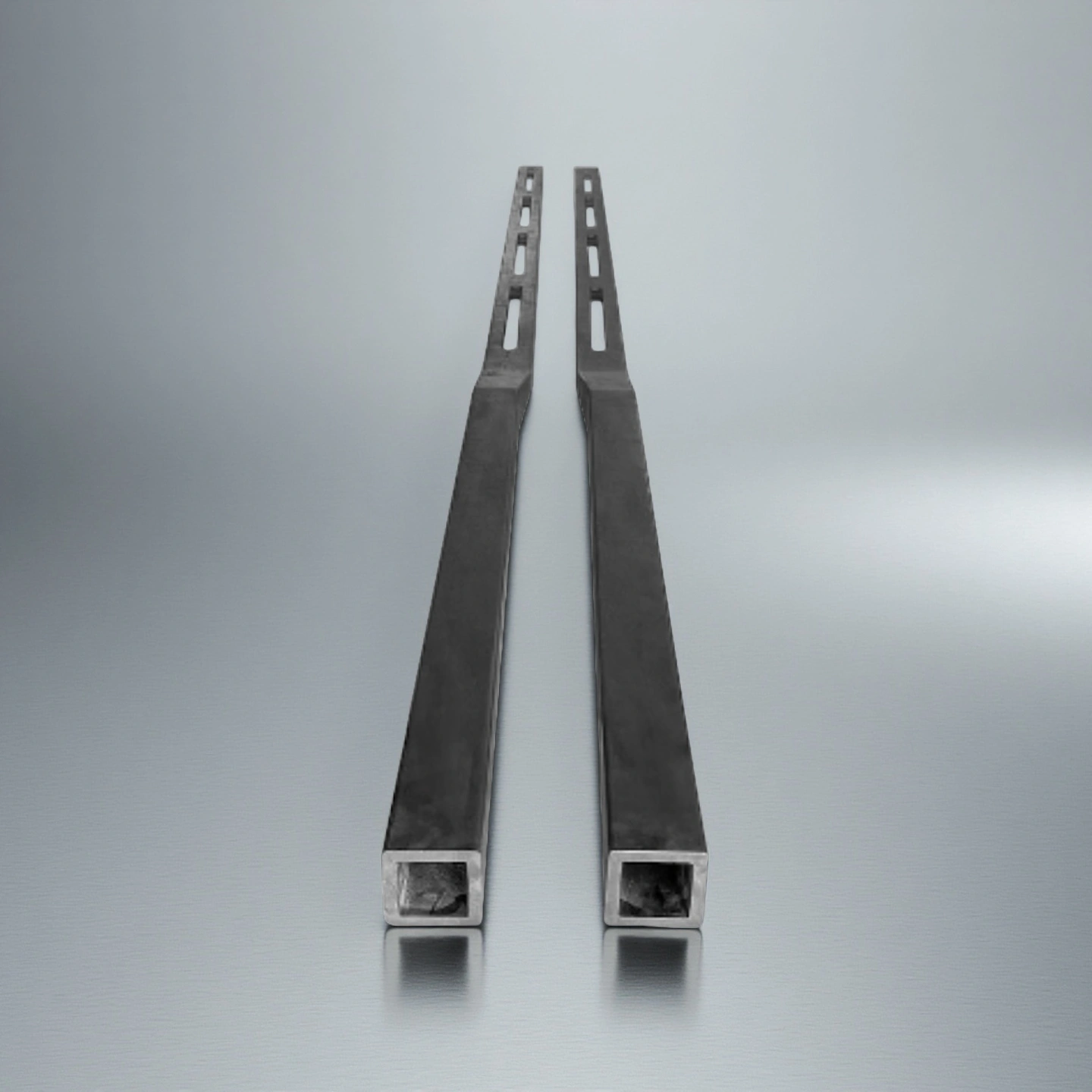
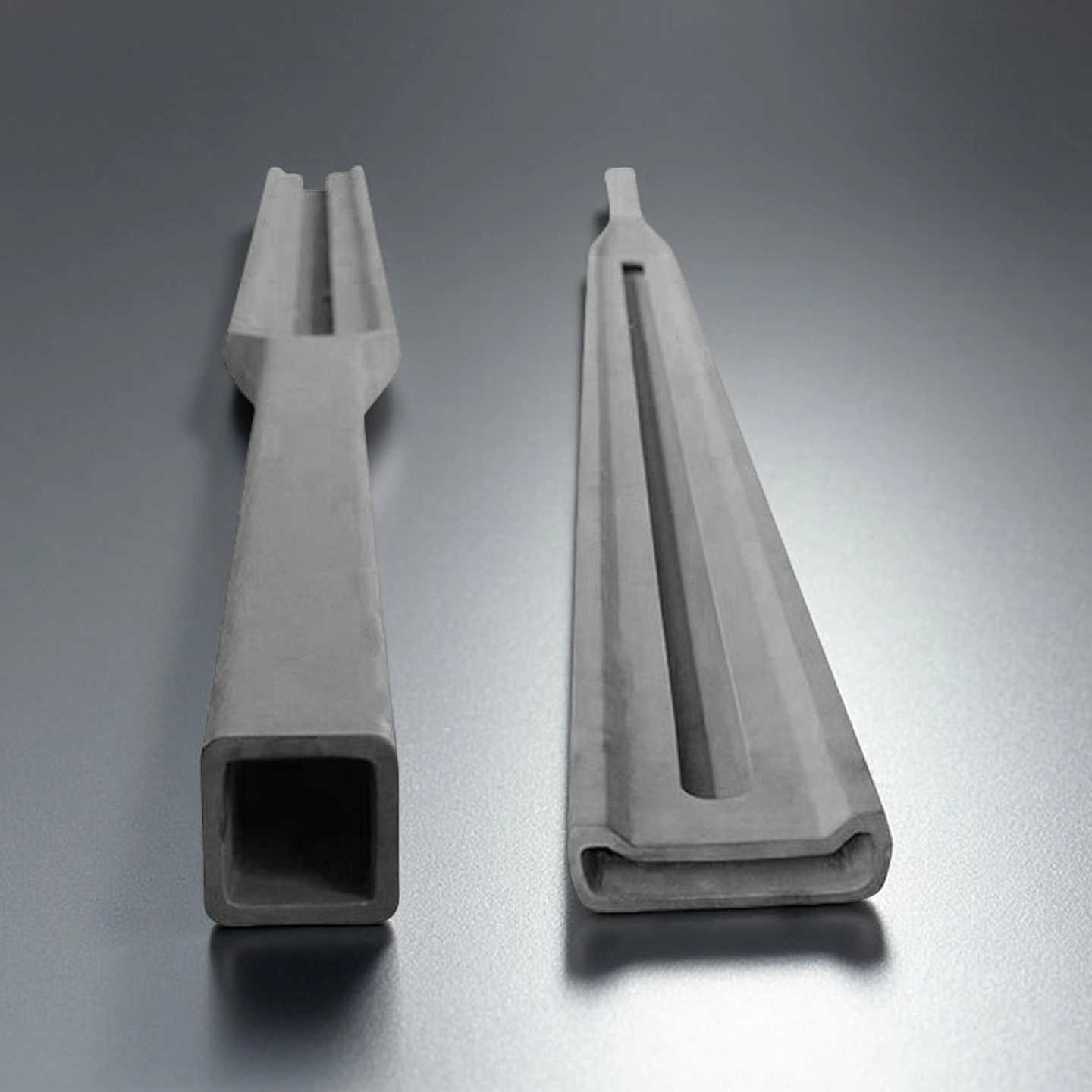
What Is a Silicon Carbide Cantilever Paddle?
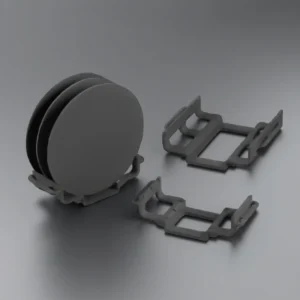
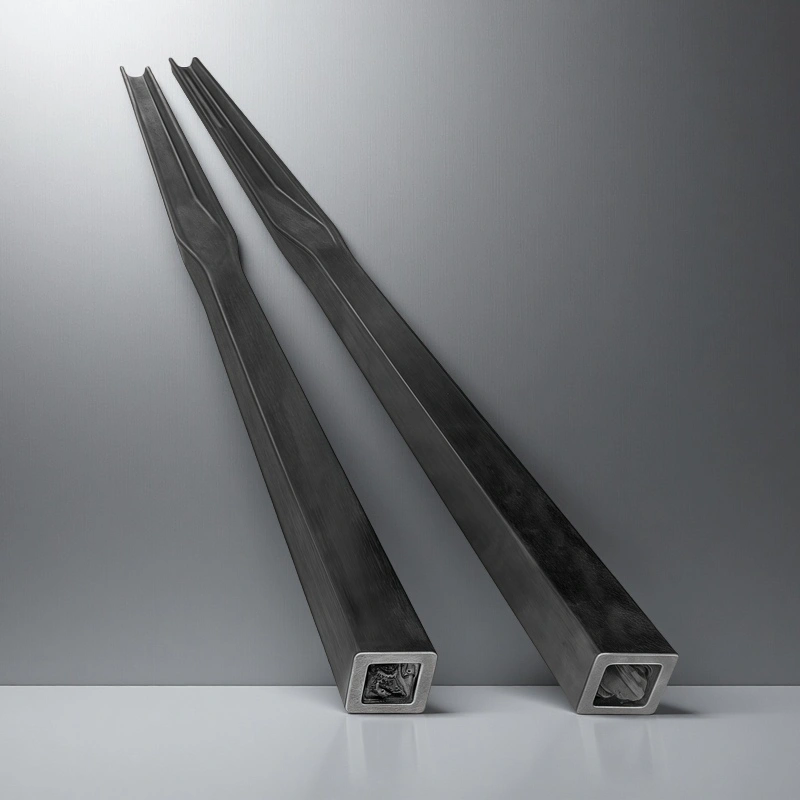
A silicon carbide cantilever paddle is a high-temperature ceramic support component used to carry wafers, substrates or furnace fixtures inside diffusion, oxidation, annealing and thermal processing systems. The paddle usually works as a long-span support arm or loading element, where dimensional stability, stiffness and thermal shock resistance are critical.
Compared with metal, graphite or coated carrier materials, silicon carbide provides high hardness, low thermal expansion, oxidation resistance and stable mechanical behavior at elevated temperatures. This makes SiC cantilever paddles suitable for furnace positions where deformation, particle generation, thermal misalignment or repeated heating cycles can affect process consistency.
ADCERAX manufactures SiC cantilever paddles according to customer drawings, existing samples or furnace interface requirements. The final design should be confirmed based on loading span, working temperature, atmosphere, support method, surface contact requirements and installation clearance.
Key Engineering Advantages of SiC Cantilever Paddles
| Engineering Need | How Silicon Carbide Helps |
|---|---|
| Long-span furnace loading | High stiffness helps reduce bending risk during wafer or fixture transfer. |
| Repeated thermal cycling | Low thermal expansion supports dimensional stability during heating and cooling. |
| Clean furnace handling | Dense SiC surfaces help reduce particle release compared with unstable coatings or porous carriers. |
| Oxidation and annealing use | SiC maintains stable performance in many high-temperature oxidizing or inert atmospheres. |
| Custom furnace integration | Geometry, mounting seat, support surface and clearance features can be machined to match furnace hardware. |
RBSiC and SSiC Options for Furnace Paddle Design
ADCERAX can review both RBSiC and SSiC options for silicon carbide cantilever paddle applications. The correct material depends on operating temperature, load, atmosphere, surface contact requirements, dimensional size and cost target.
RBSiC is often considered when the design requires good thermal shock resistance, larger custom structures and cost-effective furnace support components. SSiC may be preferred when higher corrosion resistance, higher purity requirements or more demanding surface stability are important.
Because cantilever paddles are highly dependent on span length, support method and furnace interface, material selection should not be based only on maximum temperature. ADCERAX reviews the complete application condition before recommending the material grade and structure.
Technical Specifications of Silicon Carbide Cantilever Paddle
The Silicon Carbide Cantilever Paddle demonstrates stable thermomechanical performance, controlled microstructural behavior, and high reliability under extended high-temperature furnace conditions. Its material characteristics, atmospheric compatibility, and mechanical stability support demanding diffusion, oxidation, epitaxy, and sintering environments where consistent thermal response and structural rigidity are required.
| Property | Specification |
| Density | 3.00–3.15 g/cm³ |
| Closed Porosity | <1% |
| Thermal Conductivity | >120 W/m·K |
| Thermal Expansion Coefficient | ~4.0 × 10⁻⁶/K |
| Continuous Operating Temperature | ≥1400°C |
| Short-Term Temperature Limit | 1600–1700°C |
| Flexural Strength | 250–400 MPa |
| Elastic Modulus | >380 GPa |
| Surface Hardness | >22 GPa |
| Chemical Stability (O₂/N₂/Ar) | Stable to >1200°C |
| Chloride Gas Compatibility | >100 h exposure stability |
| Thermal Shock Resistance | High; validated in rapid cycle testing |
| Wear Resistance | >500 cycles with minimal degradation |
| Microstructure | Fine-grain SiC with uniform distribution |
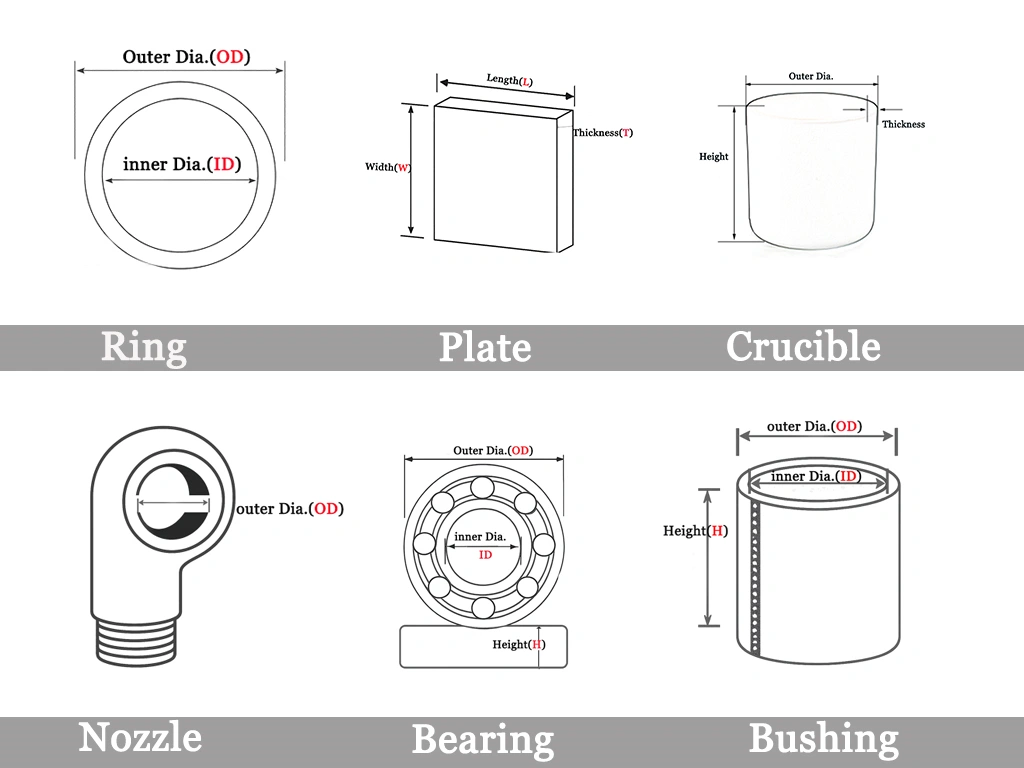
Dimensions of Silicon Carbide Cantilever Paddle
| Silicon Carbide Cantilever Paddle | ||
| Item No. | Diameter(mm) | Height (mm) |
| AT-SIC-XJ1001 | Customize | |
Technical Selection Factors Before Ordering a SiC Cantilever Paddle
| Selection Factor | What Buyers Should Confirm |
|---|---|
| Working temperature | Continuous temperature, peak temperature and heating/cooling rate. |
| Furnace atmosphere | Air, oxygen, nitrogen, argon, reducing gas or mixed process gas. |
| Loading span | Unsupported length, support position and load distribution. |
| Contact surface | Whether the paddle contacts wafers, boats, trays, substrates or fixtures. |
| Installation interface | Mounting seat, rail fit, slot, pocket, groove or alignment feature. |
| Surface finish | Ground, polished or application-specific contact finish. |
| Replacement target | Whether the part is replacing graphite, quartz, metal or another SiC design. |
Packaging & Protection for Silicon Carbide Cantilever Paddle
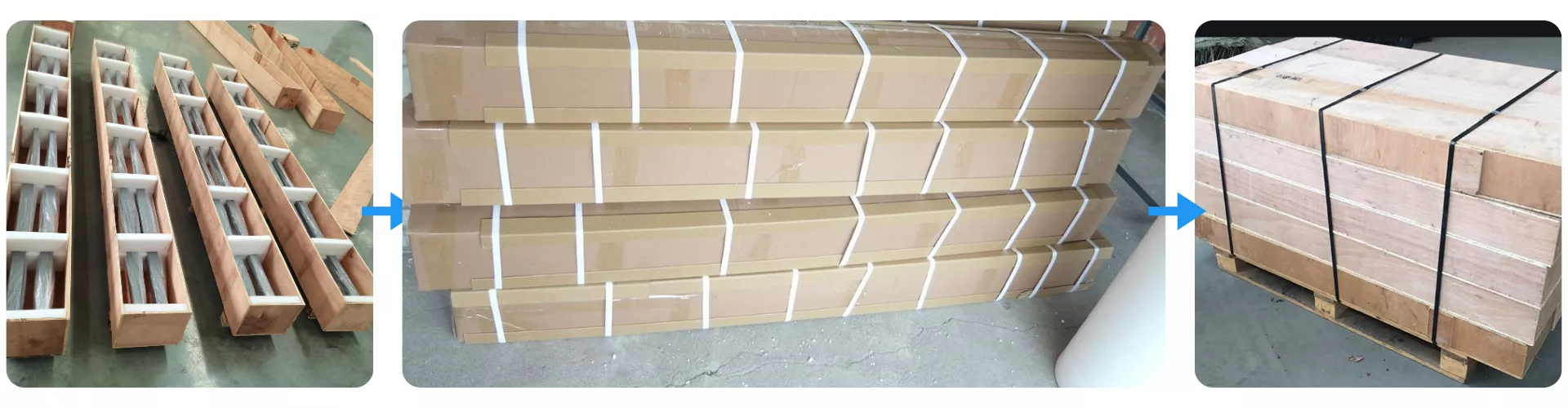
Silicon Carbide Cantilever Paddle packaging is arranged using reinforced wooden crates with internal foam partitioning to prevent vibration and edge impact during transport. Each unit is individually wrapped, boxed, and secured with multi-layer strapping to maintain stability through long-distance freight. The final palletized assembly provides additional load integrity, ensuring safe arrival for installation in photovoltaic furnace lines.