Silicon Carbide Mechanical Seal Faces for OEM & Repair Projects

SiC hard-face components for the sliding seal interface in industrial pumps. Source rotating or stationary faces with material, working-face geometry and mounting features matched to your OEM design or repair project.

Catalogue No. AT-MS-10
Material SSiC / RBSiC
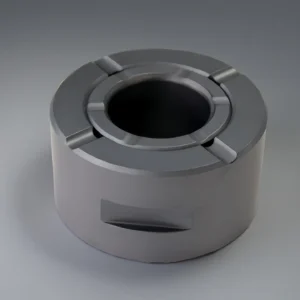
Custom profiles Working-face bands, steps, grooves and mounting features to drawing
Seal-face role Hard SiC working faces for rotating or stationary seal components
Dimensions/Sizes Download PDF
Engineering RFQ Review
Small-Batch Custom Support
Drawing-Based Production
Drawing & Process Review

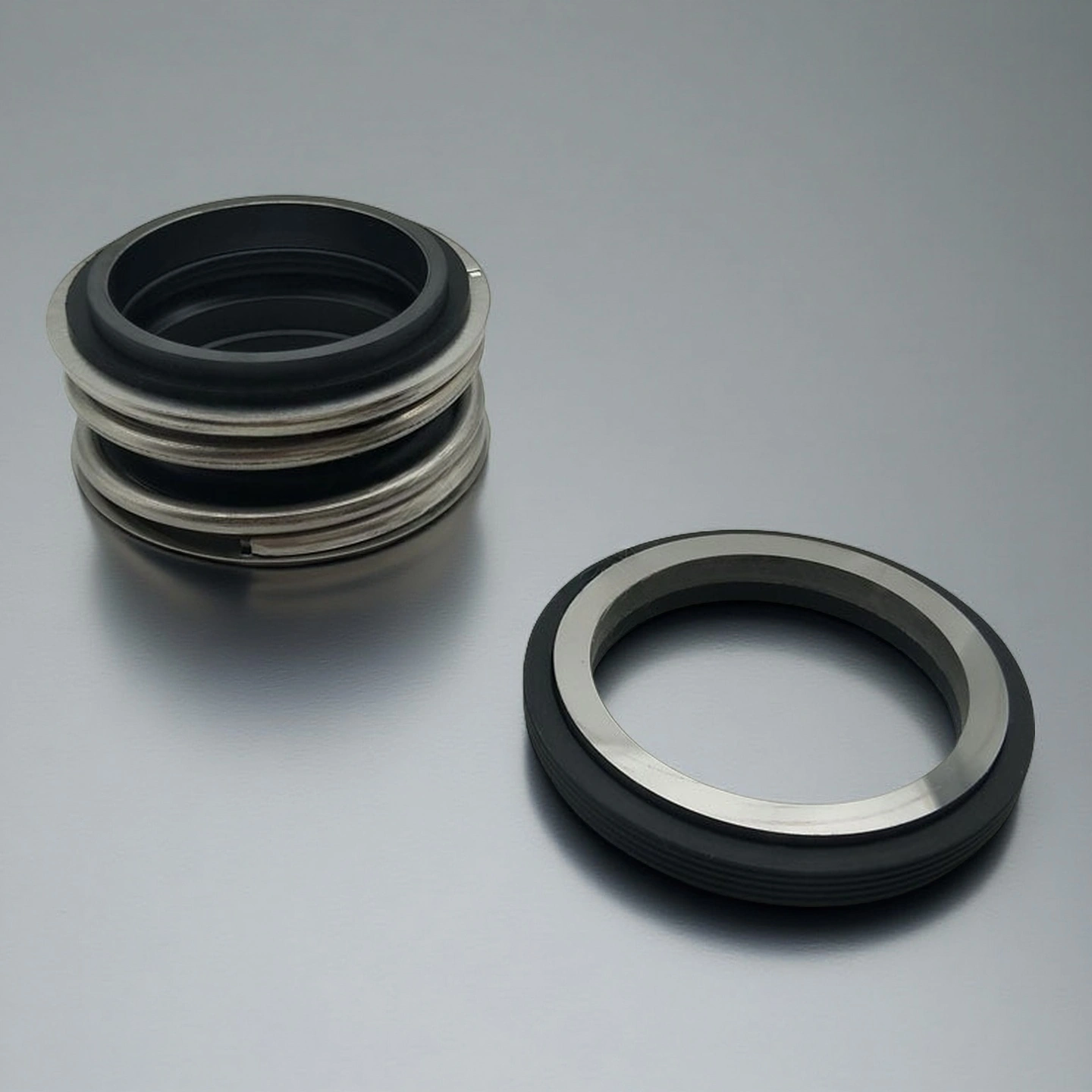
Silicon Carbide Mechanical Seal is a high-performance sealing solution designed for the most demanding industrial applications. Known for its exceptional resistance to wear, corrosion, and high temperatures, it ensures reliable operation in fluid handling systems across industries like chemical processing, oil and gas, and power generation. Engineered to withstand harsh environments, this seal significantly reduces downtime and maintenance costs, offering an extended operational lifespan.

Dimensions of Silicon Carbide Mechanical Seal

SiC Mechanical Seal
Item No. Outer Diameter (mm) Inner Diameter (mm) Height (mm) Purity %
AT-SC-H001 10.0  5.0  2.1  99
AT-SC-H002 10.0  6.0  3.5  99
AT-SC-H003 11.0  6.0  3.0  99
AT-SC-H004 11.5  4.0  3.5  99
AT-SC-H005 11.9  6.0  4.5  99
AT-SC-H006 12.0  6.0  4.0  99
AT-SC-H007 12.9  8.5  3.0  99
AT-SC-H008 14.5  8.5  3.5  99
AT-SC-H009 14.5  8.0  4.0  99
AT-SC-H010 14.5  9.0  3.5  99
AT-SC-H011 14.5  9.0  4.0  99
AT-SC-H012 14.5  10.0  4.0  99
AT-SC-H013 14.5  8.5  3.5  99
AT-SC-H014 18.0  12.0  4.0  99
AT-SC-H015 20.0  6.0  4.0  99
AT-SC-H016 22.3  15.2  11.0  99
AT-SC-H017 25.0  16.0  6.0  99
AT-SC-H018 25.0  18.0  6.0  99
AT-SC-H019 26.0  14.0  4.0  99
AT-SC-H020 26.0  20.0  5.0  99
AT-SC-H021 28.0  12.0  4.0  99
AT-SC-H022 28.0  22.0  7.0  99
AT-SC-H023 28.0  21.0  4.0  99
AT-SC-H024 31.0  18.0  10.0  99
AT-SC-H025 32.0  20.0  3.0  99
AT-SC-H026 32.8  22.6  11.0  99
AT-SC-H027 34.0  23.0  4.5  99
AT-SC-H028 34.5  28.0  5.0  99
AT-SC-H029 36.0  20.0  10.0  99
AT-SC-H030 36.0  26.0  14.0  99
AT-SC-H031 37.0  30.0  7.0  99

Download Size Guide

RBSiC and SSiC Material Data for Seal Faces

Seal face components are supplied in one of two dense silicon carbide routes. Values below apply only after the route and grade are fixed on your order; neither column is a blanket guarantee for every face we supply.

Property (selection value) RBSiC · reaction-bonded SSiC · sintered
SiC content 85 wt% nominal, with a residual silicon phase ≥99 wt%
Bulk density ≥3.02 g/cm³ 3.10 g/cm³ typical
Open porosity ≤0.1 vol% <0.1 vol%
Flexural strength at 20 °C 250 MPa 380 MPa
Compressive strength Not listed in the current grade table ≥2600 MPa
Young's modulus at 20 °C 330 GPa 420 GPa
Application-temperature ceiling 1380 °C 1600 °C
Flexural strength at 1200 °C 280 MPa Not listed in the current grade table

Match the Face Component to the Procurement Task

Project Selection focus Decision supported
Mechanical seal OEM design Rotating or stationary face, component geometry, material and mating interface Specify the face, drive and mating interfaces together
Pump or seal repair Existing face profile, complete assembly version, mounting features and failure condition Match the component role, face band and seating profile
Chemical process-fluid projects Material route, actual chemical exposure, mating face and flushing Compare the material route with the actual fluid and mating face
Slurry and particle-containing duty Particle exposure, working-face geometry, lubrication and wear endpoint Align face-material and geometry selection with particle and flushing conditions
Water and utility-pump maintenance Seal configuration, fluid condition, interfaces and sample acceptance Confirm the selected face and its sample-approval basis


Common Seal Face Failures and How Selection Addresses Them

1. Face Wear and Abrasive Tracking

What happens: Particles in the sealed fluid can score the working face, leaving visible grooves or a frosted band.

Selection response: SSiC offers strong hardness for abrasive duty. Select the working-face geometry and flushing arrangement together, and include particle material, size, and concentration in the inquiry.

2. Thermal Stress Cracking

What happens: Rapid temperature changes or dry running can create thermal gradients that crack the face.

Selection response: Match the material route and lubrication or flushing plan to the actual duty. SSiC and RBSiC have different thermal conductivity behavior, so define the seal-chamber temperature and start-stop profile for the order.

3. Chemical Attack on the Face or Residual Phase

What happens: The sealed fluid, cleaning media, or flushing agent may react with the ceramic or its residual phase. Certain chemicals can affect the free silicon in RBSiC.

Selection response: Confirm the fluid identity, concentration, and cleaning cycle against the material route before specifying the component.

4. Chipping and Edge Damage

What happens: Working-face edges and drive features are especially vulnerable during handling and installation.

Selection response: Specify proper edge preparation on the drawing and use protective handling procedures. Include edge-acceptance requirements in the component specification.

5. Mating-Face Mismatch

What happens: Incompatible mating-face hardness, surface finish, or flatness can cause uneven wear or leakage.

Selection response: Specify the mating-face material and condition together with the replacement ring so the full sliding interface can be evaluated.

Packaging Method for Silicon Carbide Mechanical Seal

The Silicon Carbide Mechanical Seal is carefully packed to ensure safe and secure transportation. The packaging includes custom foam inserts to prevent damage during transit, ensuring that the seal arrives in perfect condition. Each unit is placed in a sturdy, sealed cardboard box, which is then reinforced with wooden crates for added protection.
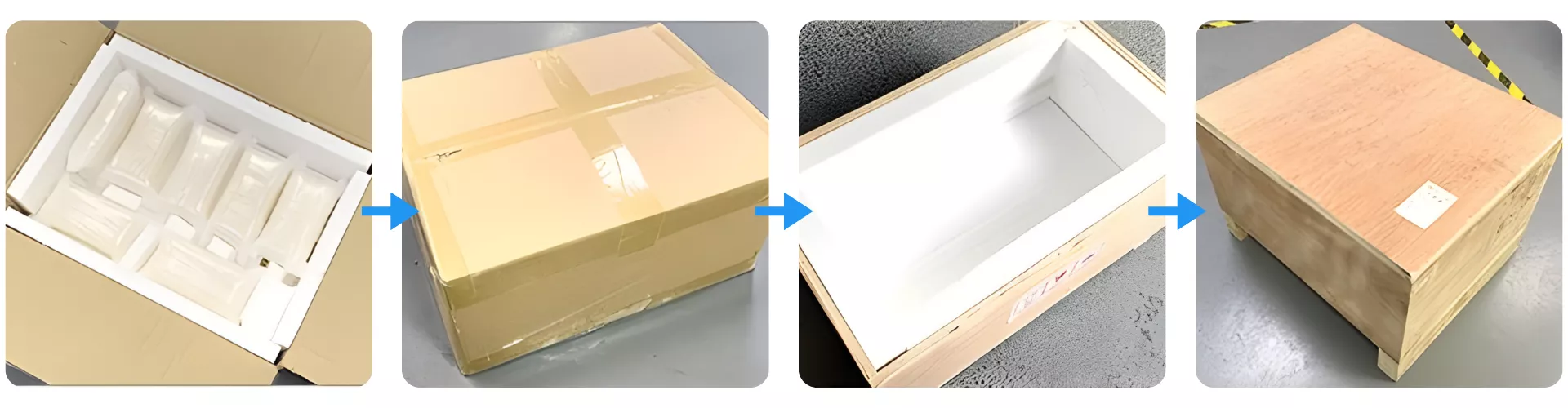
ADCERAX® Packaging of Silicon Carbide Mechanical Seal

Solving Industry Challenges with Silicon Carbide Mechanical Seal Faces

SiC seal faces serve as the hard working faces in pumps across chemical processing, oil and gas, and power generation. Each section below shows what the face component addresses, and what to confirm in your inquiry.

  • Overcoming Chemical Corrosion Challenges in Chemical Processing

    ✅Key Advantages

    1. Chemical resistance by material route
    SSiC, with no free-silicon phase, is the first choice for aggressive acids and solvents. Confirm the actual fluid and temperature against the selected route.

    2. Hard faces for abrasive, corrosive media
    The SiC working face resists scoring where particles and chemicals act together. Select face geometry and flushing with the material route.

    3. Leak control from the face specification
    Face flatness, finish and mating-face pairing are defined on the drawing, with inspection records.

    ✅ ️Problem Solved

    Frequent face replacement in corrosive service usually traces to a material-route mismatch. Send the fluid list, temperatures and flushing arrangement, so the quoted SSiC or RBSiC face matches the real exposure.

  • Selecting Seal Faces for High-Temperature Duties in Oil and Gas

    ✅Key Advantages

    1. Thermal stability of dense SiC routes
    SiC faces hold their geometry in hot hydrocarbon service. The route’s temperature ceiling is a material limit, not a seal operating rating.

    2. Defined duty instead of blanket ratings
    Seal-chamber pressure, speed and temperatures are specified per project and evaluated within the seal design.

    3. Protection against thermal distress
    Confirming the lubrication and flushing plan reduces the risk of thermal cracking from dry running.

    ✅ ️Problem Solved

    Face failures in hot, high-pressure service are a system question. Include the seal maker, assembly model, operating conditions and flushing arrangement, so the face is quoted against the duty it actually sees.

  • Managing Thermal Cycling in Power Generation Pump Systems

    ✅Key Advantages

    1. Faces matched to thermal-cycling duty
    The SiC route, face band and mating pair are chosen for the starts, stops and temperature swings the seal actually sees.

    2. Dimensional stability of the working face
    Dense SiC resists wear-driven geometry change on the sealing band in cooling-water and auxiliary pumps.

    3. Inspection-based acceptance
    Flatness, finish and dimensions are checked per drawing, with records for plant QA.

    ✅ ️Problem Solved

    Seal distress during thermal transients drives unplanned pump maintenance. Send the pump role, temperatures, cycle pattern and full seal-assembly identification, so the replacement face matches the plant’s maintenance plan.

Essential User Guide for Silicon Carbide Mechanical Seal

These checkpoints cover handling, installation and service of SiC seal face components. The seal maker’s assembly procedure and the approved drawing remain the controlling documents.

  • Installation Guidelines

    1. Check before assembly
    Verify the drawing revision, component role (rotating or stationary), face condition and the mating parts.
    2. Clean, aligned mounting
    Clean the seating surfaces and confirm shaft and housing alignment. Misalignment causes uneven face wear.
    3. Follow the seal maker’s procedure
    Use the specified tools and face-loading steps; support the ceramic through its intended interfaces.

  • Operating Recommendations

    1. Prevent dry running
    Establish lubrication or flushing before start-up. Dry contact damages the working face.
    2. Stay within the seal design
    Operate within the temperatures and pressures defined for the seal assembly, not generic material limits.
    3. Control vibration
    Excessive vibration accelerates face wear. Monitor leakage, temperature and vibration after start-up.

  • Maintenance Tips

    1. Inspect regularly
    Check for leakage changes, face wear, grooves, chips and deposits.
    2. Keep flushing effective
    Verify the flushing or lubrication arrangement stays as designed.
    3. Replace by condition
    Replace a worn or damaged face per the seal-maintenance criteria, and record findings for the next order.

  • Storage and Handling Instructions

    1. Store dry and separated
    Keep components individually packed in a clean, dry place.
    2. Protect faces and edges
    The working face, edges and drive features are the most vulnerable. Avoid drops and impact.
    3. Keep contaminants away
    Dust, dirt or chemicals on the face affect sealing at installation.

Silicon Carbide Mechanical Seal FAQ

  1. Q: What pressure and temperature can a silicon carbide mechanical seal face handle?
    A: Pressure and temperature ratings belong to the complete seal design, not to the face alone. The material route sets a temperature ceiling, which is a material limit; seal-chamber pressure, face loading, lubrication and the mating pair decide the actual duty. Define these in your inquiry and the face is quoted against them.
  2. Q: Can SiC seal faces handle corrosive or abrasive fluids?
    A: Dense SiC routes are specified for aggressive chemical and particle-laden media. SSiC, with no free-silicon phase, is the usual choice where the fluid could attack residual silicon; RBSiC suits duties where the residual phase is compatible. Confirm the actual fluid, concentration, temperature and particles against the selected route.
  3. Q: Which views help reproduce an existing seal face?
    A: Include front, reverse and side views. Mark the working face, seating surfaces and drive features, with the dimensions you can measure beside the relevant view. This helps connect the old part to the drawing and mounting profile.
  4. Q: How do I scope an inquiry when replacing one ring in a face pair?
    A: Identify the replacement ring and the mating component that will remain in service. Include the mating-face material and condition, assembly drawing and required quantity. The quotation can identify the new component and any separately requested mating or assembly work.
  5. Q: How can an approved sample support a repeat order?
    A: Use the approved drawing revision, material specification and sample inspection record for the repeat order. Identify changes to the mating face, fluid or mounting interface so the component specification stays aligned with the project.
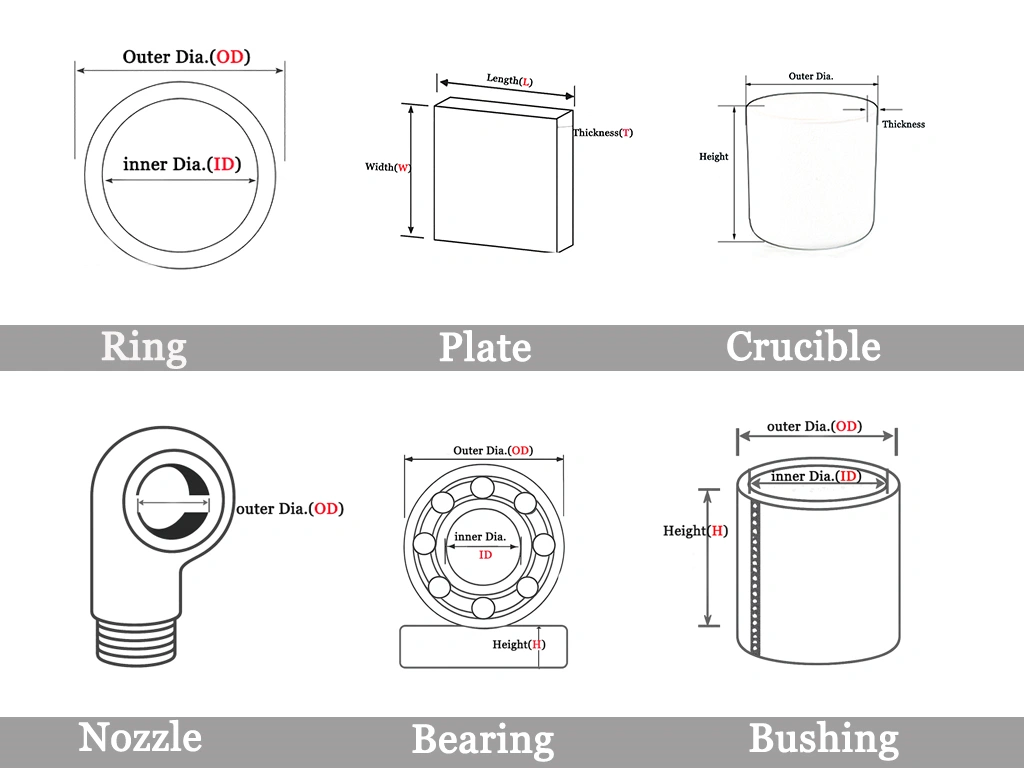
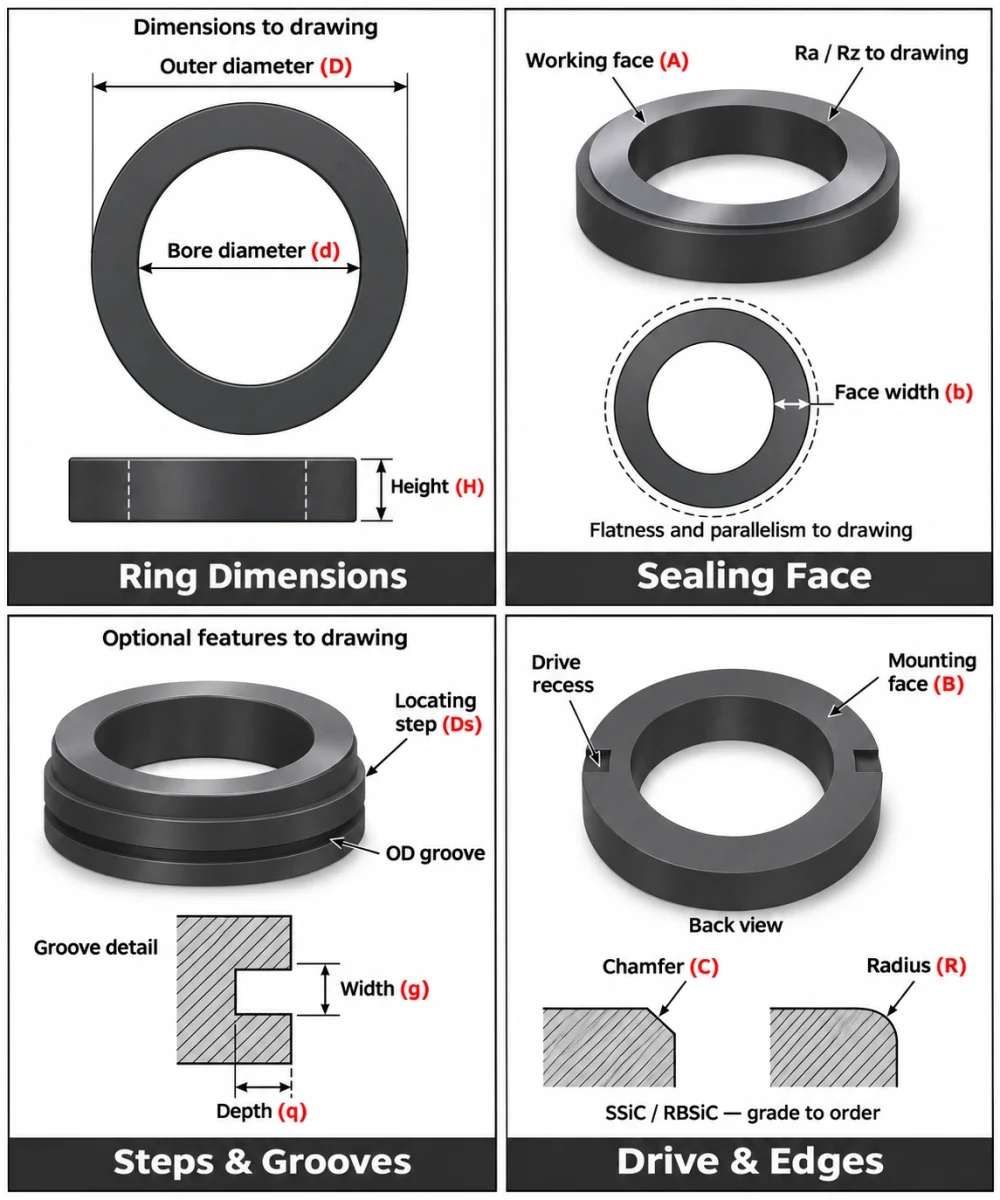
Silicon carbide mechanical seal face diagrams showing ring diameters, height, sealing face width, locating steps, grooves, drive recesses and edge details.

Customization Services for SiC Mechanical Seal Faces

Specify a face component to your drawing, or develop one from an old part. Each option below is defined on the part drawing and confirmed in the quotation.

Material Customization Options

  • Material route and grade selection
    SSiC or RBSiC is selected against the fluid, mating face and duty. The grade and composition basis are fixed on the order drawing.
  • Surface treatment requirements
    A requested treatment or coating is quoted with the substrate, treated location and service conditions, with acceptance defined in the quotation.
  • Working-face design adjustments
    Face-band ID/OD, flatness, parallelism and finish are set to match the sealing configuration on your drawing.

Design and Dimension Customization

  • Custom face sizes
    OD, ID, height and wall sections are matched to the pump or seal design, beyond the AT-SC-H catalog items.
  • Profiles and mounting interfaces
    Steps, grooves, holes, pins, drive features and seating or O-ring interfaces follow the assembly drawing.
  • Precision tolerances and inspection
    Tolerances are drawing-defined, with agreed datums, inspection records and acceptance limits.

Related Products

ADCERAX - Your Trusted Advanced Ceramics Manufacturing Partner

ADCERAX – Custom Ceramic Supply and Engineering Coordination
ADCERAX coordinates drawing review, production and inspection with manufacturing partners against agreed specifications.

China-Based Ceramic Supply Partner

ADCERAX coordinates custom ceramic supply for overseas OEMs, equipment builders, and labs.

Custom Drawing Support

We review drawings, dimensions, materials, and application conditions before quotation.

Ceramic Process Control

Forming, sintering, machining, grinding, and finishing are arranged by part requirements.

Pre-Shipment Inspection

Dimensional checks, visual inspection, and packaging review help reduce procurement risk.

Get in Touch with Us

Our team will be happy to respond to you in less than 24 hours.

Adcerax's factory

Quick Quotation

*Our team will review your inquiry and respond with the next steps.

*Your information will be kept strictly confidential.

Ready to Solve Your Engineering Challenge?

Partner with ADCERAX for reliable, high-performance advanced ceramic solutions. Our engineers are ready to discuss your project.

E-mail

info@adcerax.com

Phone

Tel: +86-0731-84428843 WhatsApp: +86 19311583352

Response Time

Within 24 hours

Quick Quote

The more details you provide, the faster we can quote.

*All inquiries are confidential.

Get Your Custom Solution

The more details you provide, the faster we can respond.

customize size

*We respond within 24 hours. All inquiries are confidential.

Download Catalog