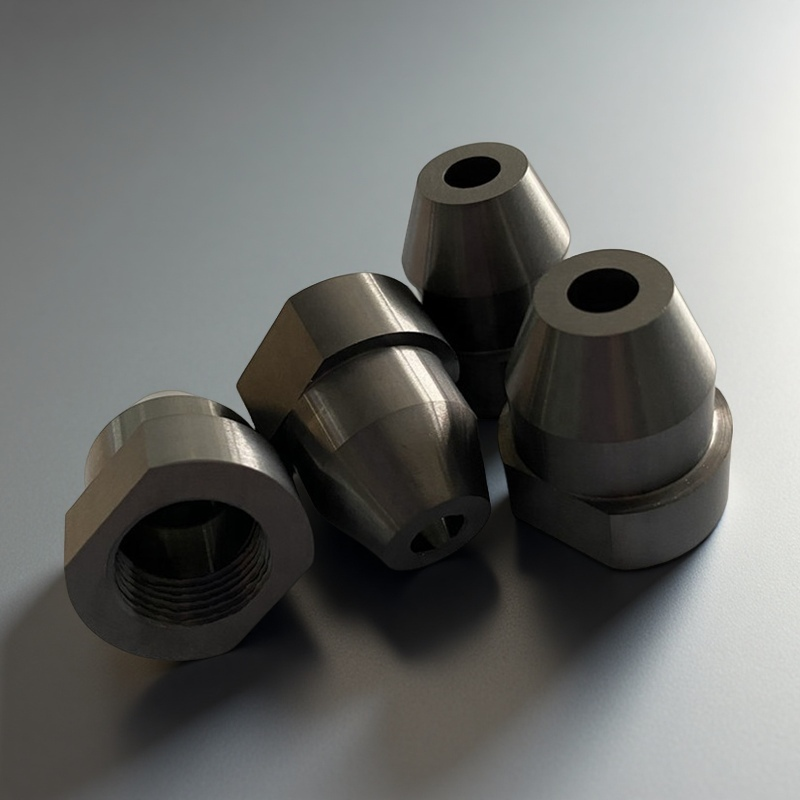
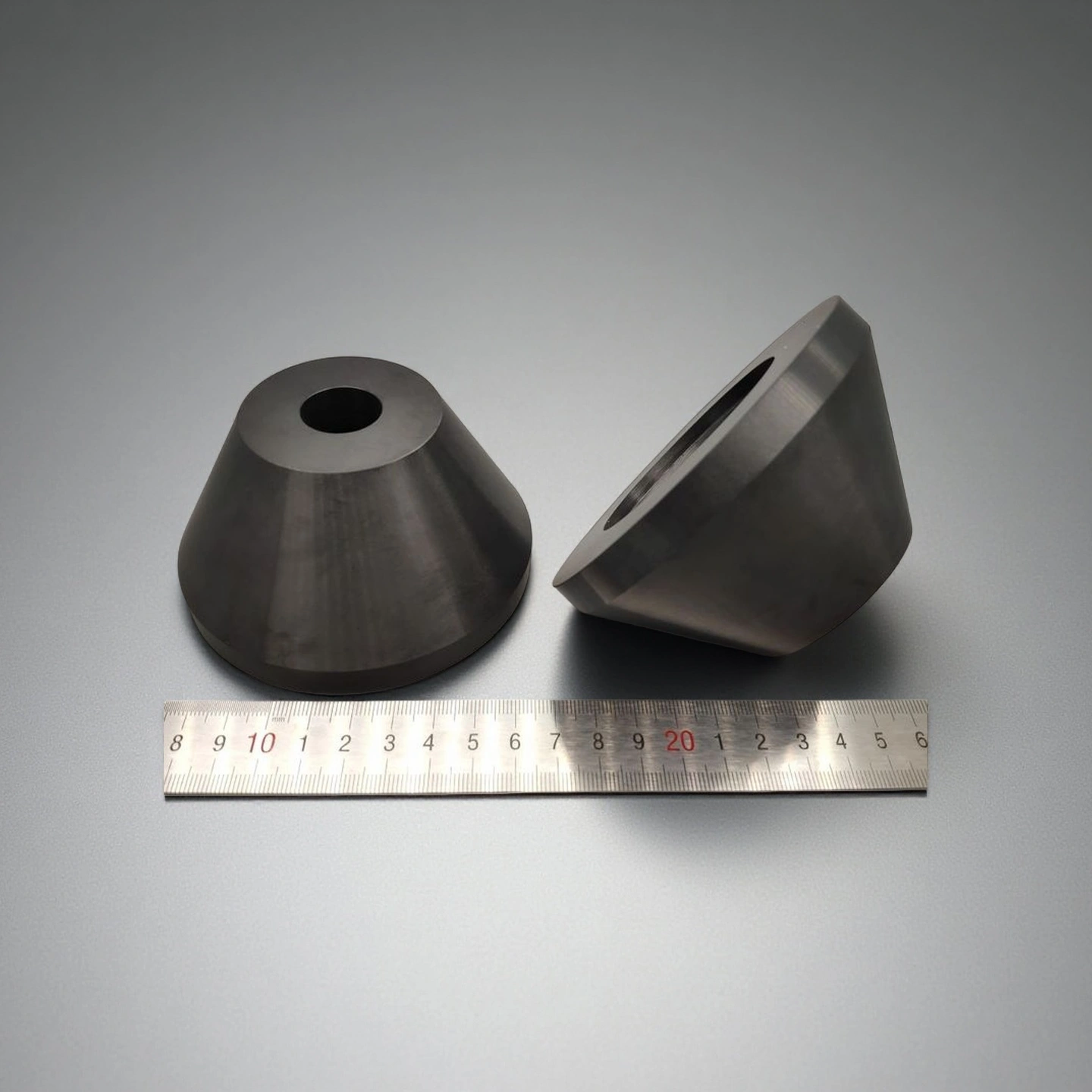
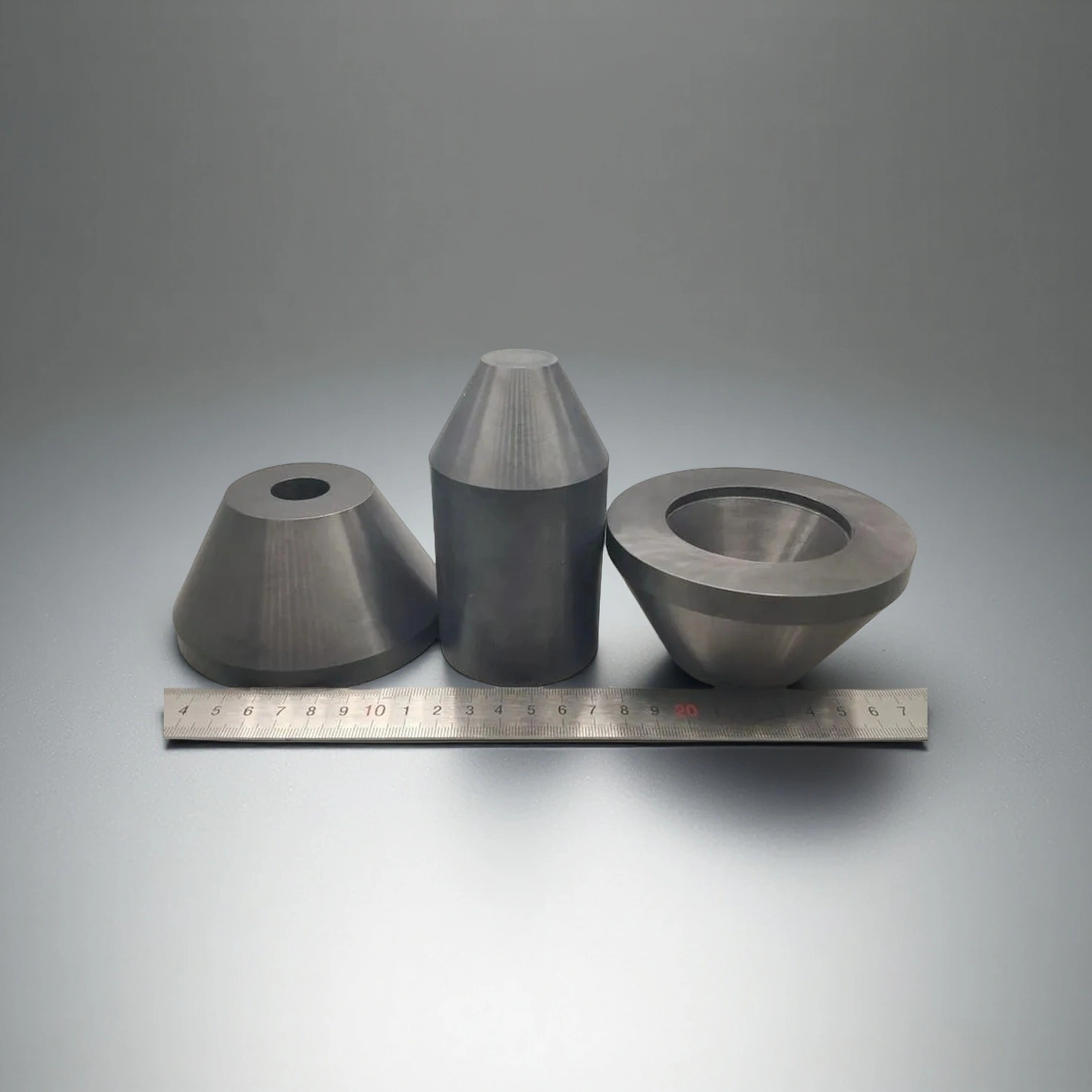
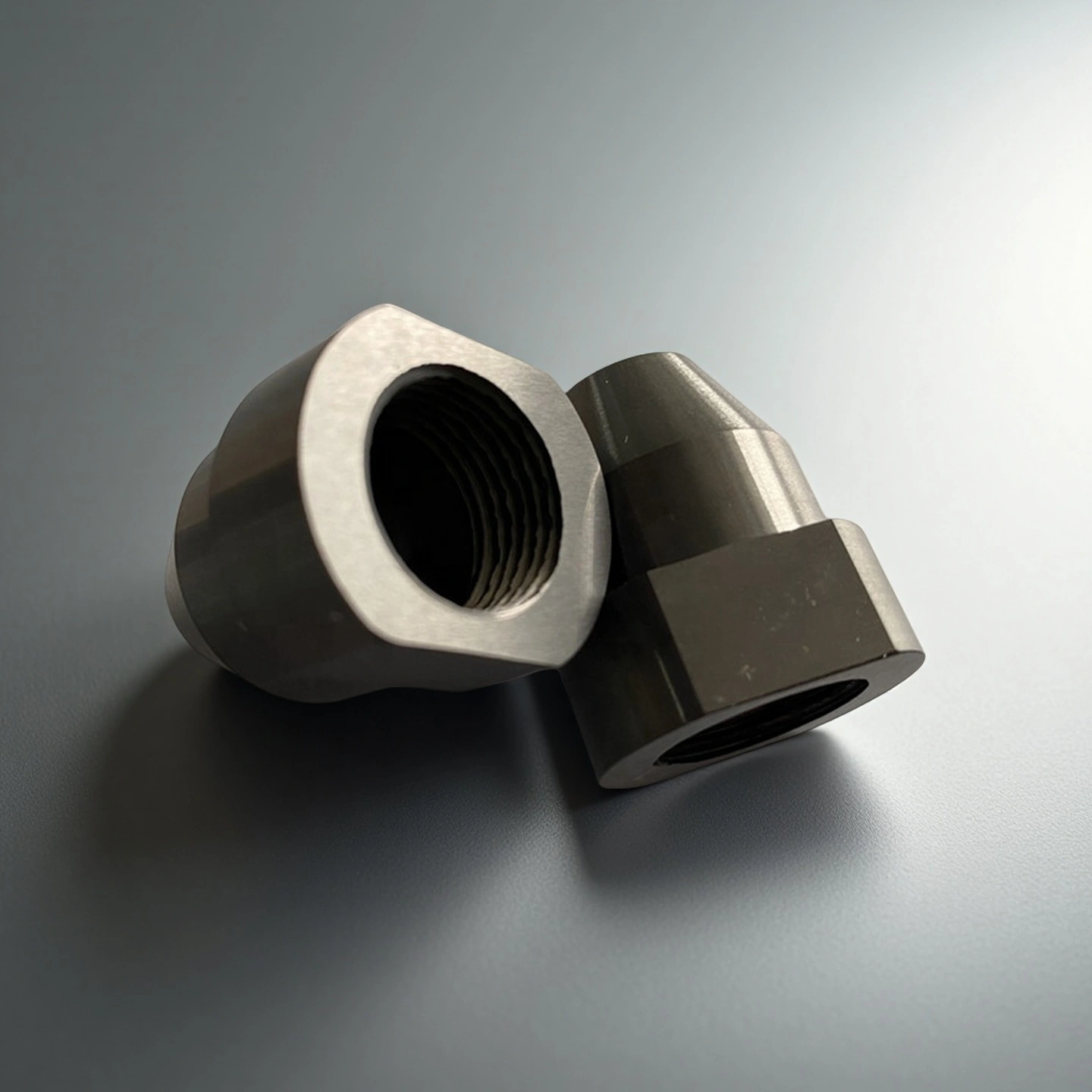
What Is a Silicon Nitride Nozzle?
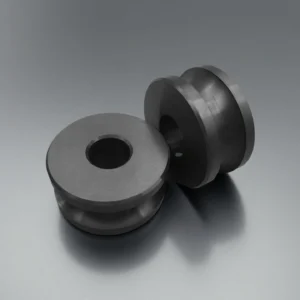
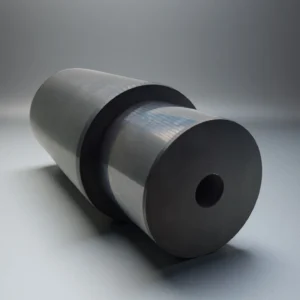
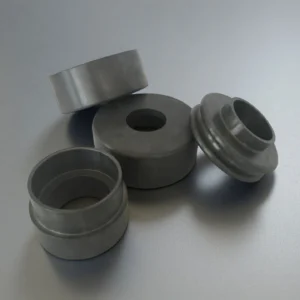
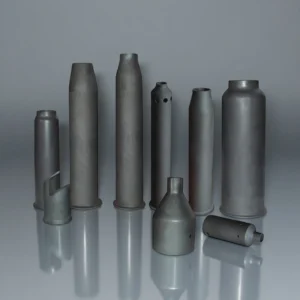
A silicon nitride nozzle is a precision ceramic flow component used to guide gas, liquid, solder, abrasive media, or hot process streams through a controlled bore. Compared with common alumina or metal nozzles, Si₃N₄ is selected when the outlet must keep its geometry under abrasive wear, thermal shock, or repeated heating and cooling.
ADCERAX manufactures custom Si₃N₄ ceramic nozzles based on drawings, samples, or application requirements. Typical design points include bore diameter, inlet geometry, outlet edge shape, seat type, thread design, coaxiality, and surface finish.
Why Use Silicon Nitride for Nozzles?
| Customer Concern |
Why Si₃N₄ Helps |
| Bore enlargement during blasting |
High hardness and good fracture toughness help slow orifice wear. |
| Edge chipping at the outlet |
Silicon nitride has better toughness than many brittle ceramic alternatives. |
| Thermal shock during soldering or casting |
Low thermal expansion helps reduce cracking during heating and cooling cycles. |
| Metal or solder buildup |
Dense, smooth Si₃N₄ surfaces can reduce wetting and adhesion in suitable processes. |
| Multi-nozzle process variation |
Controlled bore geometry and runout help maintain more consistent jet behavior. |
Silicon Nitride vs. Other Nozzle Materials
Silicon nitride nozzles are often compared with alumina, silicon carbide, boron carbide, and tungsten carbide nozzles. Compared with these materials, Si₃N₄ offers a useful combination of toughness, low thermal expansion, wear resistance, and thermal shock stability, especially when nozzle bore geometry and outlet-edge durability are critical.
| Material |
Strength |
Limitation |
Better Use Case |
| Silicon Nitride |
Good toughness, thermal shock resistance, low density, stable bore geometry. |
Cost is usually higher than alumina. |
Blasting, soldering, hot-gas spray, thermal cycling. |
| Alumina |
Cost-effective and widely available. |
Lower toughness; outlet edges may chip faster in impact conditions. |
General ceramic nozzles with moderate wear. |
| Silicon Carbide |
Strong wear and corrosion resistance. |
More brittle in some impact or thermal cycling situations. |
Harsh chemical spray and high-wear flow paths. |
| Boron Carbide |
Very high hardness. |
Brittle and costly; not ideal for all thermal cycling conditions. |
Severe abrasive blasting where impact control is stable. |
| Tungsten Carbide |
Excellent wear resistance and impact strength. |
Heavy and electrically conductive; may corrode or wet in some processes. |
Heavy-duty blasting and metal tooling environments. |
Silicon Nitride Ceramic Nozzles Properties
|
Si3N4 Type |
Gas pressure sintering Si3N4 |
Hot pressing sintering Si3N4 |
High thermal conductivity Si3N4 |
|
Density (g/cm3) |
3.2 |
3.3 |
3.25 |
|
Flexural Strength (MPa) |
700 |
900 |
600~800 |
|
Young Modulus (GPa) |
300 |
300 |
300~320 |
|
Poisson's ratio |
0.25 |
0.28 |
0.25 |
|
Compressive strength (MPa) |
2500 |
3000 |
2500 |
|
Hardness (GPa) |
15 |
16 |
15 |
|
Fracture toughness (MPa*m1/2) |
5~7 |
6~8 |
6~7 |
|
Maximum working temperature (℃) |
1100 |
1300 |
1100 |
|
Thermal conductivity (W/m*K) |
20 |
25 |
80~100 |
|
Thermal expansion coefficient (/℃) |
3*10-6 |
3.1*10-6 |
3*10-6 |
|
Thermal shock resistance (ΔT ℃) |
550 |
800 |
/ |
Si3N4 Nozzle Specifications
|
Silicon Nitride Nozzle |
|
Item No. |
Diameter(mm) |
Height(mm) |
|
AT-SIN-PZ1001 |
Customize |
Silicon Nitride Nozzle Packaging
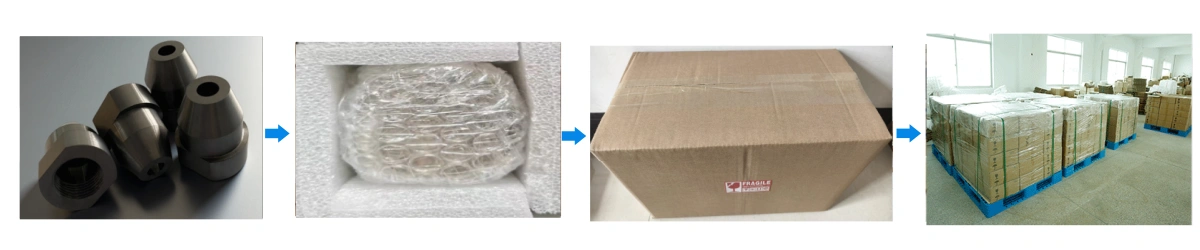
- Silicon nitride nozzles are packed in separated foam cells or protective trays to reduce outlet-edge contact during transport. Oil-free bags help keep finished ceramic surfaces clean before installation.
Silicon Nitride Nozzle Applications
Silicon nitride nozzles are used in abrasive, thermal, soldering, and molten-metal environments where stable bore geometry, outlet-edge strength, and thermal cycling resistance are important. ADCERAX reviews each application based on media type, temperature, pressure, flow direction, mounting method, and required bore accuracy before recommending a nozzle design.
-
Abrasive Blasting
✅Application Fit
Suitable for abrasive media flow where bore enlargement, outlet wear, and jet consistency are key concerns.
✅Design Focus
Wear-resistant bore, chamfered outlet edge, stable ID control, and proper wall thickness.
-
Selective Soldering
✅Application Fit
Suitable for solder wave or solder jet systems that require stable jet height and reduced solder adhesion.
✅Design Focus
Polished outlet, low-wetting Si₃N₄ surface, controlled coaxiality, and repeatable seat fit.
-
Hot-Gas Spraying
✅Application Fit
Suitable for heated air, gas, or process streams where thermal cycling and flow stability are required.
✅ Design Focus
Smooth bore transition, thermal shock review, outlet geometry, and fixture compatibility.
-
Molten Aluminum Handling
✅Application Fit
Suitable for selected molten aluminum contact conditions where non-wetting behavior and thermal shock resistance are needed.
✅ Design Focus
Dense Si₃N₄ grade, smooth flow path, proper edge design, and controlled contact surface.
-
Precision Fluid or Gas Jetting
✅Application Fit
Suitable for controlled gas or liquid flow where small-bore accuracy and repeatable jet direction matter.
✅ Design Focus
Straight or tapered bore, runout control, polished internal channel, and inspection-defined tolerance.
Silicon Nitride Ceramic Nozzle Usage Instructions
Proper installation, operation, storage, and cleaning help protect the ceramic bore, outlet edge, and seating surface. Actual process settings should be confirmed according to the equipment design, media type, temperature profile, mounting structure, and operating environment.
-
Installation
1. Seat Verification
Confirm whether the nozzle uses a threaded, slip-fit, stepped, or custom seat design before installation. The ceramic body should be supported evenly, and direct wrenching or metal impact on the ceramic surface should be avoided.
2. Coaxial Alignment
Align the nozzle bore with the holder, spindle, arm, or flow path during assembly. Poor alignment may cause unstable jet direction, uneven bore wear, outlet-edge damage, or local stress on the ceramic body.
3. Bore and Outlet Inspection
Check the inner bore, inlet edge, outlet face, thread, and seating surface before use. Nozzles with visible chips, cracks, deep scratches, or blocked flow paths should not be installed in production equipment.
4. Gasket / Seal Fit
Install sealing rings, O-rings, soft washers, or support pads evenly when they are required by the fixture design. Uneven sealing or point contact may concentrate stress around the ceramic seating edge.
-
Media and Flow Review
1. Media and Flow Review
Confirm the abrasive media, solder, molten metal, gas, liquid, or powder condition before operation. Oversized particles, debris, or unstable media flow may accelerate bore wear or cause partial blockage.
2. Temperature Control
Avoid sudden heating or cooling when the nozzle is used in soldering, hot-gas spraying, or molten-metal environments. Controlled temperature transition helps reduce thermal stress and lowers the risk of cracking.
3. Equipment Setting Check
Set jet height, air pressure, flow rate, stand-off distance, and spray direction according to the equipment manual and process requirement. Stable equipment settings help maintain consistent flow behavior and balanced nozzle wear.
4. Physical Protection
Avoid dropping, striking, or forcing the nozzle against metallic fixtures. Silicon nitride has high mechanical strength compared with many ceramics, but it remains a brittle material under impact or point loading.
5. Visual Monitoring
Inspect jet shape, spray angle, flow stability, and outlet condition during routine maintenance. Changes in jet behavior may indicate bore wear, residue buildup, misalignment, or partial blockage.
-
Storage
1. Protective Arrangement
Store silicon nitride nozzles individually in foam trays, plastic boxes, or separated compartments. The outlet edge and polished bore should not contact other ceramic, metal, or unfinished parts.
2. Clean Storage Environment
Keep finished nozzles in a clean, dry, and dust-controlled area before installation. Dust, hard particles, or mixed storage with metal parts may scratch the bore or damage the outlet edge.
3. Transport Protection
Use shock-absorbing packaging when shipping or moving precision nozzles. Heavy stacking, loose packing, or direct contact between parts should be avoided during transport.
-
Cleaning
1. Routine Cleaning
Clean the inlet and outlet with non-metallic rods, nylon brushes, soft swabs, or process-approved tools. Steel picks, hard blades, or aggressive scraping tools may scratch the bore or chip the outlet edge.
2. Residue Removal
For soldering or molten-metal applications, remove residue only after the nozzle has cooled under controlled conditions. A hot nozzle should not be quenched in cold solvent or water, as rapid cooling may create thermal stress.
3. Periodic Maintenance
If deeper cleaning is required, use a mild cleaning method approved by the process owner and allow the nozzle to dry completely before reinstallation. After cleaning, inspect the bore, outlet face, seat, and sealing surface again.
RFQ Checklist for Custom Silicon Nitride Nozzles
To help our engineering team review your nozzle design quickly, please send the following information when requesting a quotation.
| Information Needed |
Example |
| Drawing or sample photo |
CAD, 2D drawing, or clear product image. |
| Bore diameter and tolerance |
ID, OD, length, outlet angle, wall thickness. |
| Bore type |
Straight, tapered, Venturi, multi-step, or special profile. |
| Media type |
Abrasive grit, solder, molten metal, air, gas, liquid, or powder. |
| Operating condition |
Temperature, pressure, flow rate, cycling frequency. |
| Interface requirement |
Thread, slip-fit, flange, step shoulder, O-ring groove. |
| Surface finish requirement |
Ground, polished, or mirror-polished outlet. |
| Quantity and use scenario |
Prototype, maintenance batch, OEM assembly, or distributor stock. |