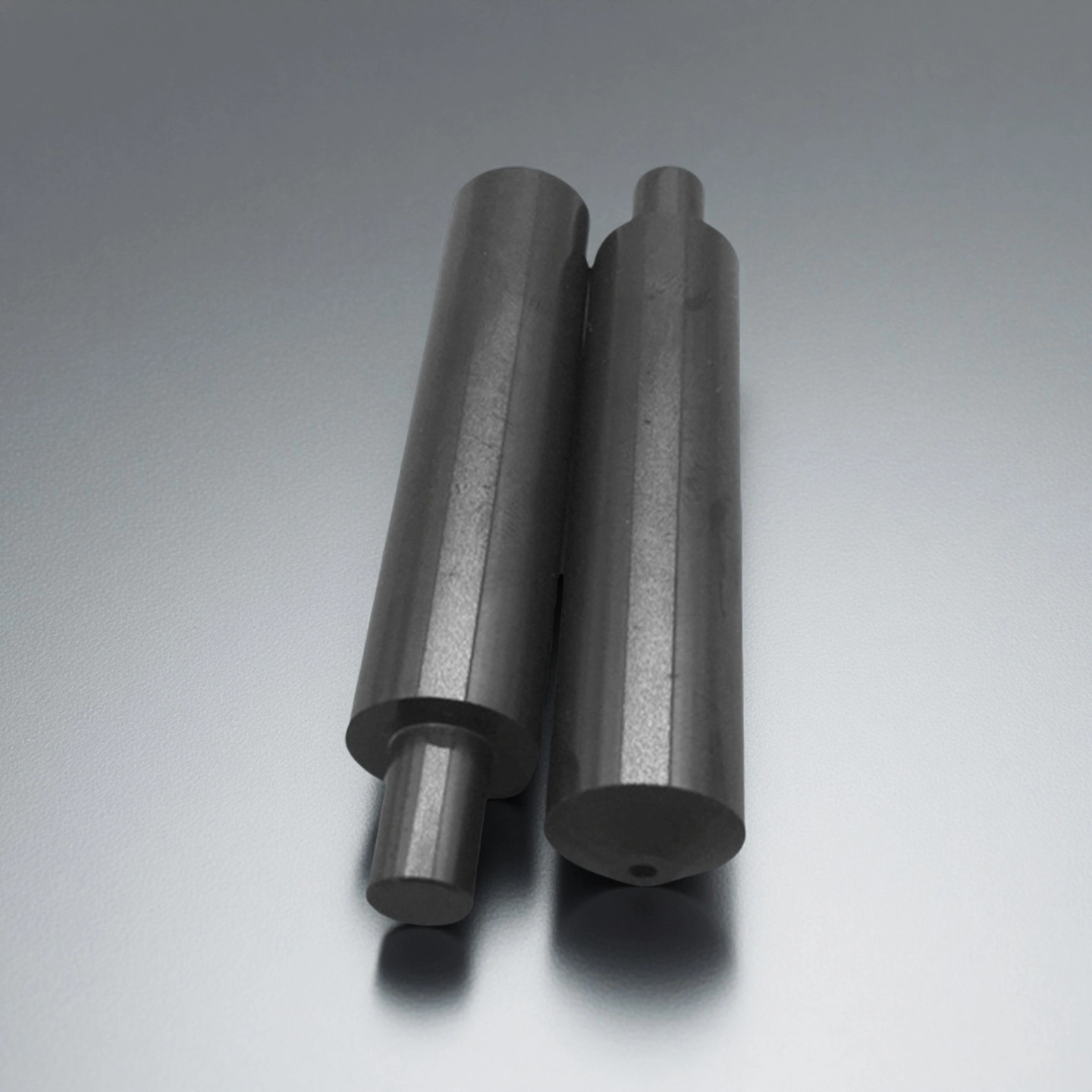
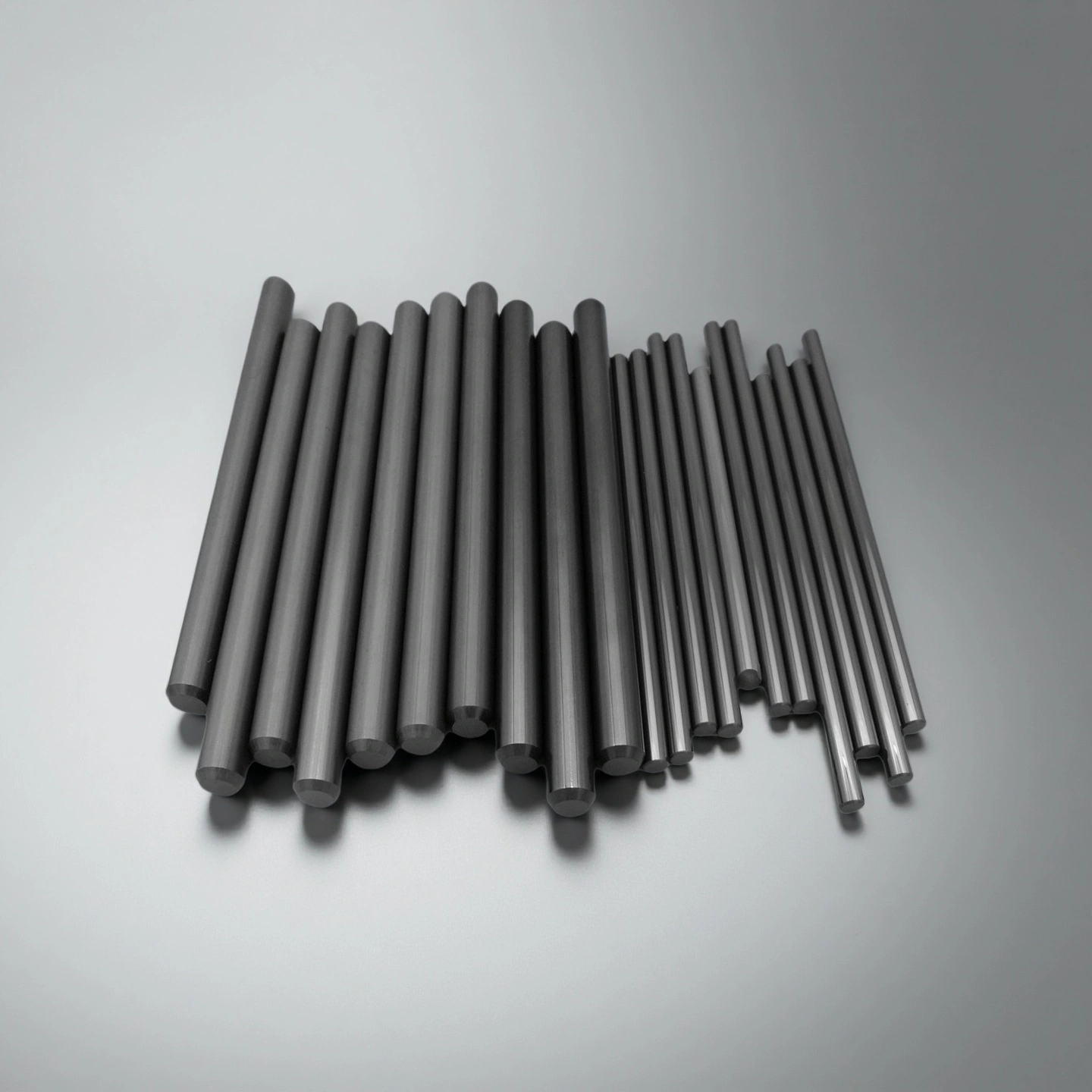
Silicon Nitride Plungers for Pump and Metering Systems

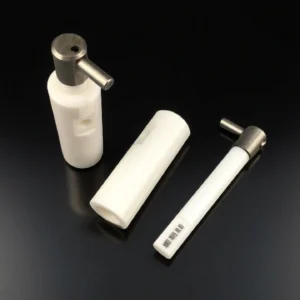
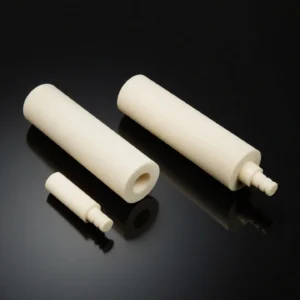
ADCERAX supplies custom silicon nitride plungers for high-pressure pumps, metering and dosing systems and filling equipment. Non-standard sizes, end connections and transition geometries are produced from your drawing or worn sample, with the sealing band ground or polished to the finish agreed at drawing review.

Catalogue No. AT-SN-ZS001
Material Gas-pressure sintered Si₃N₄ or hot-pressed Si₃N₄
Independent custom options Common OD 6–40 mm · approximate single-piece L 20–650 mm · geometry and ends by drawing
Design features Straight / stepped / shouldered profiles · plain / threaded / tapped / radiused ends
Dimensions/Sizes Download PDF
Engineering RFQ Review
Small-Batch Custom Support
Drawing-Based Production
Drawing & Process Review

What is a Silicon Nitride Plunger?

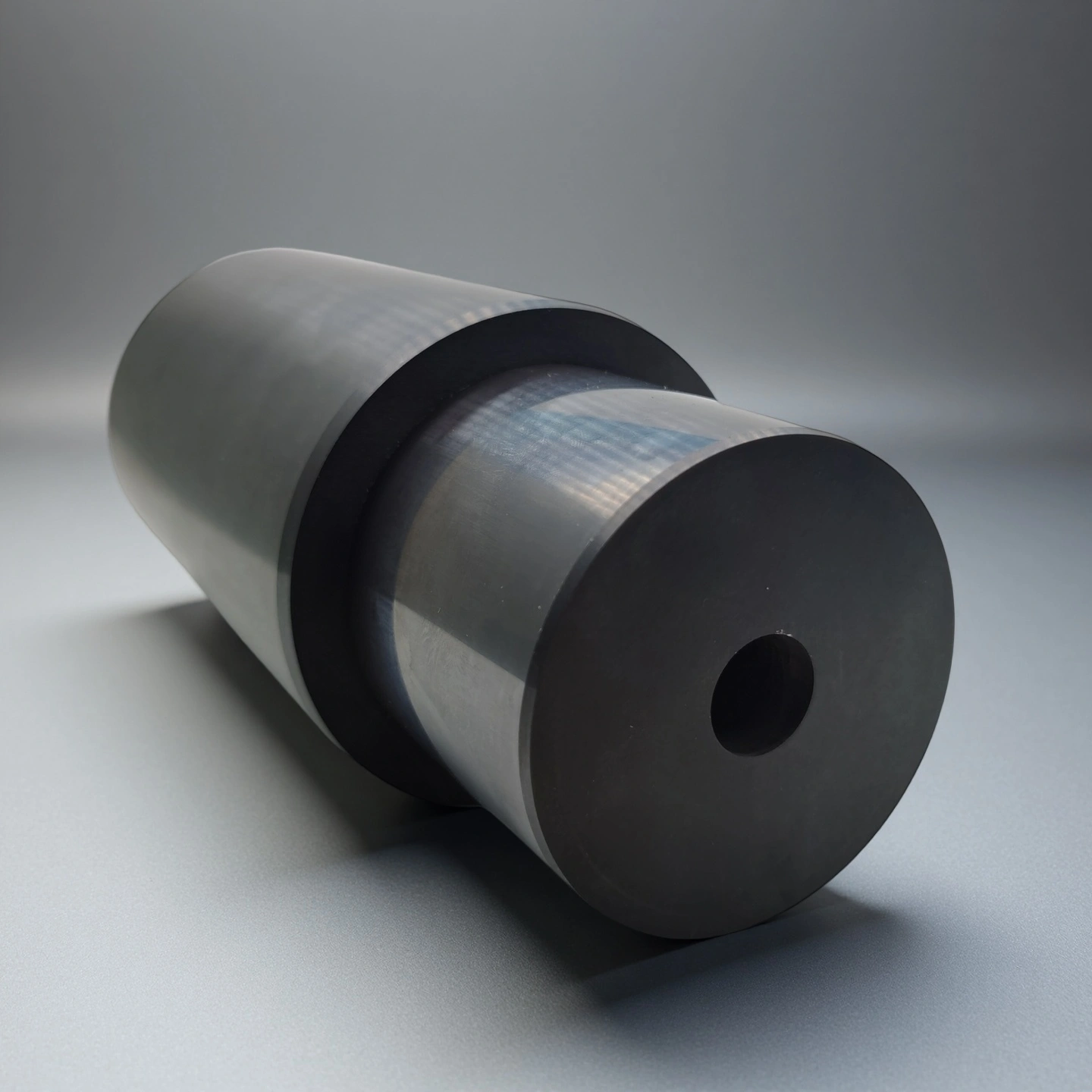
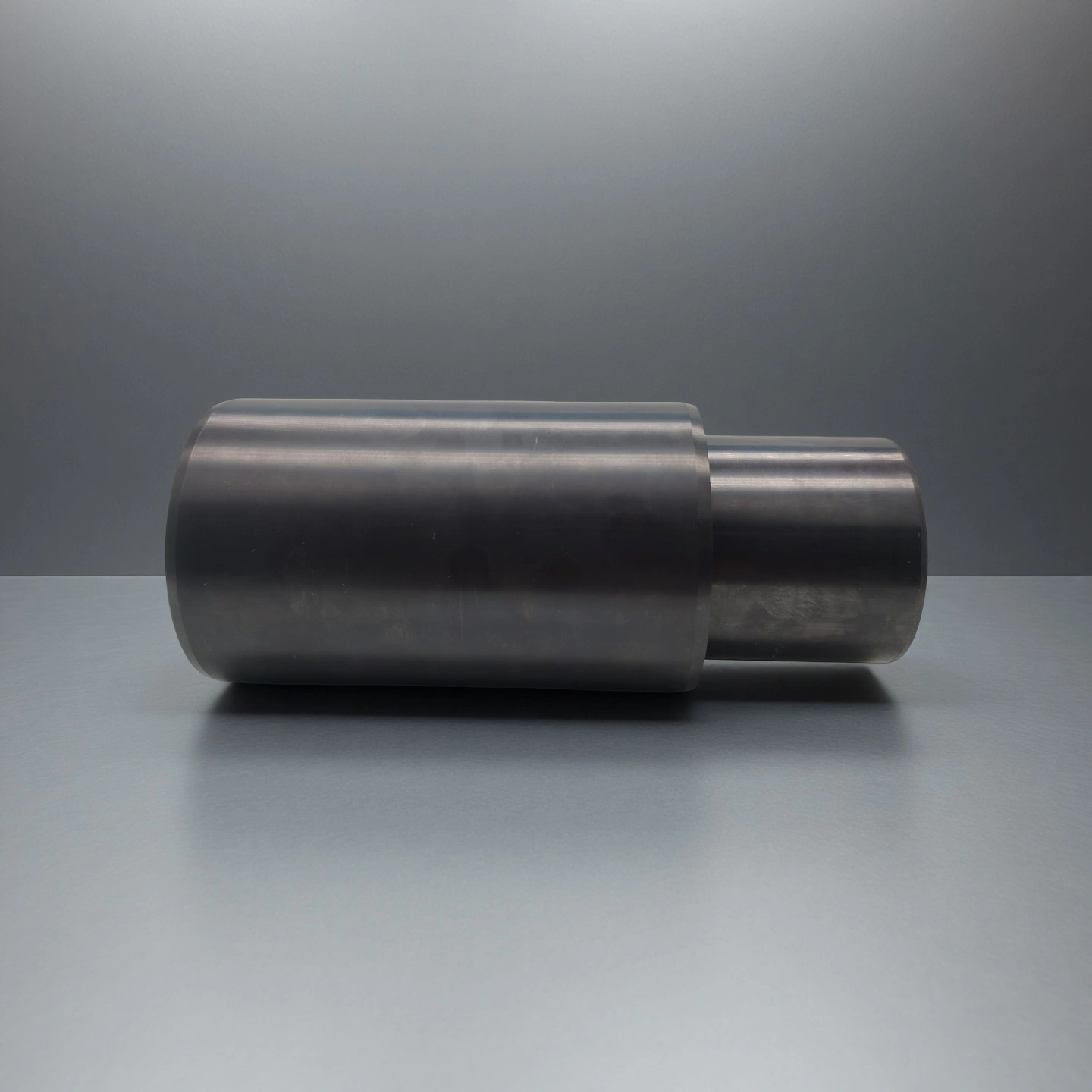
A silicon nitride plunger is a precision Si₃N₄ ceramic piston rod that reciprocates inside a pump head, passing through fixed packing or seals to pressurise or meter the working fluid. It is chosen when metal plungers develop wear tracks, corrosion marks or sealing drift under repeated strokes in high-pressure, metering, dosing or filling duty.

Silicon Nitride Plunger Specifications

Silicon Nitride Plunger
Item No. Diameter (mm) Length (mm) GPSN / HPSN / Custom Grade (%)
AT-SN-ZS001 2 20 85-99
AT-SN-ZS002 2 50 85-99
AT-SN-ZS003 3 50 85-99
AT-SN-ZS004 4 50 85-99
AT-SN-ZS005 5 50 85-99
AT-SN-ZS006 6 60 85-99
AT-SN-ZS007 6.75 50 85-99
AT-SN-ZS008 7.5 100 85-99
AT-SN-ZS009 8 30 85-99
AT-SN-ZS010 10 40 85-99
AT-SN-ZS011 12 10 85-99
AT-SN-ZS012 12 40 85-99
AT-SN-ZS013 15 10 85-99
AT-SN-ZS014 15 40 85-99
AT-SN-ZS015 20 80 85-99
AT-SN-ZS016 20 40 85-99
AT-SN-ZS017 25 50 85-99
AT-SN-ZS018 30 80 85-99
AT-SN-ZS019 2-80 20-200 85-99

Download Size Guide

Structural Silicon Nitride Material Reference

Use these values to compare Si₃N₄ against other materials early in your design. They come from standardized material tests, not from finished plungers in service — so actual allowable load, wear rate and seal behavior depend on your geometry, media and operating conditions.

Property Unit / Condition AD-SIN-ST Typical Value
Bulk density g/cm³, typical 3.2
Flexural strength MPa, typical 700
Fracture toughness K<sub>IC</sub> MPa·m½, method-dependent 6.5
Thermal conductivity W/(m·K), typical 20
Apparent porosity vol%, sintered body <0.3
Poisson’s ratio dimensionless, typical 0.25
Rockwell hardness HRA, typical 92–94


Select the Contact Pair and Define the Fit

Pairing under review Specify together Decision evidence
SiC or zirconia guide/bushing Actual ceramic grades, bore/plunger tolerances, working length and surface Fit assessment, medium compatibility and relevant contact-pair test or operating evidence
Metal guide/bushing Alloy, bore geometry, alignment, temperature and lubrication/flushing Cold and operating fit, surface acceptance and wear objective
PTFE / composite packing Packing formulation, working diameter, preload and sealing travel Packing supplier’s assembly requirements and leakage / wear acceptance
Elastomer seals Compound, seal geometry, medium/cleaning chemistry and temperatures Seal-system compatibility and assembly requirements

Define Clearance and Seal Requirements Clearly

Specify whether the guide fit uses radial or diametral clearance. For both mating parts, provide the dimensions, tolerance limits and measurement temperature. Then check how operating temperatures, fluid conditions and lubrication affect the fit.

Define packing compression or preload separately, following the specification for the selected seal system.

If the piston carries a seal that moves with it, provide a piston-and-cylinder assembly drawing. Clearly show:

  • Which part moves and its direction of motion
  • Where the seal is located
  • Which components are to be supplied

This helps ensure the quotation covers the intended parts.

Why Use Silicon Nitride for Pump Plungers?

Engineering Need How Si₃N₄ Helps Buyer Note
Wear control under repeated strokes High hardness and stiffness help reduce surface wear on the working band. Final life depends on pressure, media, seal material and alignment.
Seal and packing stability A ground or polished sealing surface helps maintain stable contact with PTFE, elastomer or composite packings. Surface finish should be specified by working-zone requirements.
Corrosion resistance Silicon nitride can be used with many water-based, salt and chemical media where metal plungers may corrode. Media compatibility should be checked before quotation.
Dimensional stability Low thermal expansion and high modulus help maintain plunger geometry during repeated motion. Clearance must be reviewed with pump-head design.
Custom pump integration Shoulders, threaded ends, flats and transition radii can be designed to match the drive and packing layout. Drawings or worn samples are recommended for RFQ.


Si3N4 ceramic plunger Packing

  • Each silicon nitride plunger is individually wrapped in soft protective material to prevent contact damage and micro-chipping.
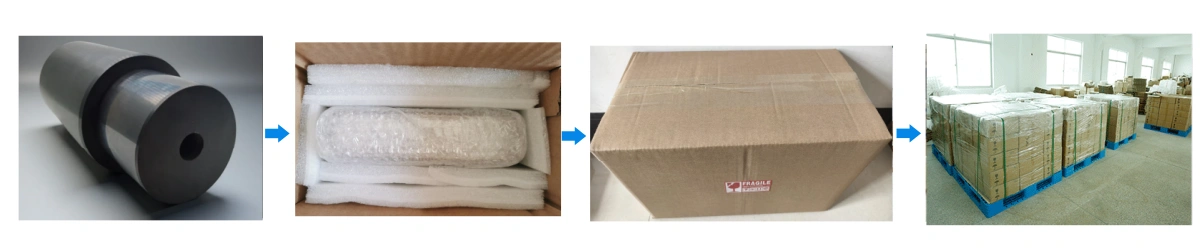
Si3N4 ceramic plunger Packing

Silicon Nitride Plungers for Pump and Metering Applications

Customers come to ADCERAX to replace worn plungers, develop new pump heads, improve dosing consistency or reduce wear in slurry service. Each application requires a different review before quoting.

  • Plunger-Pump Design or Replacement

    ADCERAX supplies working rods with drive-end interfaces matched to the stationary packing and guide. For quotation, provide working and peak pressure, stroke, frequency, support span, alignment tolerance and seal arrangement. For replacements, send the worn plunger details and pump make/model.

  • Chemical Metering and Dosing

    The plunger, guide, bushing and packing are reviewed together. Specify the medium, concentration, particle content, temperature, viscosity, cleaning method and acceptable leakage. These details help assess fit, sealing performance and potential causes of dosing drift.

  • Filling and Dispensing

    Supply options include individual ceramic parts, ceramic–metal assemblies and specified mating sets. Provide the fluid formulation, short-stroke cycle rate, working-band length, connecting-end geometry and cleaning sequence between fills.

  • Particle-Containing Fluids and Slurry

    The plunger is reviewed with its actual seal and guide contact pair. Specify particle size, hardness and concentration, along with lubrication or flushing arrangements, pressure, motion profile and wear acceptance criteria.

Material Pairing Guide for Silicon Nitride Plungers

A silicon nitride plunger is usually paired with ceramic, metal or composite components inside the pump head. The right material combination helps control wear, sealing behavior, clearance stability and media compatibility, especially in metering, dosing, filling and high-pressure pump systems.

Pairing Option Suitable Use Engineering Notes
Si₃N₄ plunger + SiC bushing Abrasive liquids, slurry or high-wear pump heads Review clearance, lubrication and particle size before use.
Si₃N₄ plunger + zirconia bushing Chemical metering and precision dosing Useful when toughness and corrosion resistance are both required.
Si₃N₄ plunger + metal bushing General water, light chemical or retrofit systems Surface finish and clearance should be checked carefully.
Si₃N₄ plunger + PTFE / composite packing Metering, filling and dosing systems Packing preload should be adjusted for ceramic surface behavior.
Si₃N₄ plunger + elastomer seals Low-to-medium temperature systems Seal compatibility must match the media and cleaning method.

Silicon Nitride Plunger Usage Instructions

  • Installation

    Inspect for chips, cracks and surface damage. Clean the plunger and bushing with lint-free wipes and a compatible solvent. Check alignment and tighten couplings gradually. Never hammer the ceramic or apply point loads.

  • Operation

    Start at low speed and pressure, then increase gradually. Avoid dry running and cavitation. Stay within the agreed pressure, temperature, stroke frequency and media limits.

  • Storage

    Store individually in padded trays or sleeves. Keep clean, dry and protected from impact. Retain identification labels for traceability.

  • Cleaning

    Use soft cloths, compatible fluids and non-metallic tools. Avoid blasting or coarse abrasives on the sealing band.

  • Common Service Issues

    1. Edge chips or cracks: Check alignment and report damage locations to ADCERAX before replacement.
    2. Packing wear or scoring: Review packing compatibility with ceramic surfaces and verify preload.
    3. Scratches after cleaning: Switch to non-abrasive methods. Replace damaged plungers in critical metering service.

Silicon Nitride Ceramic Plunger FAQ

  1. Q: What is a silicon nitride plunger used for?
    A: A silicon nitride plunger is used in high-pressure pumps, metering pumps, dosing units and filling equipment where wear, corrosion or seal stability is a concern. It works as a precision ceramic piston rod inside the pump head.
  2. Q: Why choose silicon nitride instead of metal for pump plungers?
    A: Silicon nitride offers high hardness, corrosion resistance and dimensional stability. It is often selected when metal plungers develop wear tracks, corrosion marks or sealing instability in repeated-stroke operation.
  3. Q: What surface finish is suitable for the sealing band?
    A: Ground or polished surfaces can be specified depending on packing material, leakage control and media. Critical working zones should be marked clearly on the drawing before quotation.
  4. Q: What is the recommended plunger–bushing clearance for silicon nitride plungers?
    A: For high-pressure duty, target clearances are normally in the range of a few micrometres, often around 0.002–0.003 mm, adjusted for fluid viscosity, temperature and speed.
  5. Q: Which media can silicon nitride plungers handle?
    A: Silicon nitride can be used with many water-based products, salt solutions, chemicals, adhesives, epoxy and abrasive fluids. Compatibility should be checked according to the exact formulation, temperature and cleaning method.
  6. Q: Can silicon nitride plungers be customized from drawings?
    A: Yes. ADCERAX can review drawings, worn samples or pump-head requirements to support custom diameter, length, end design, shoulders, threads, transition radius and working surface finish.
  7. Q: What information is needed for quotation?
    A: Please provide drawings, target dimensions, working media, pressure, stroke length, seal or packing type, bushing material, surface finish requirement and order quantity.
  8. Q: How can a worn plunger help define a replacement?A: Mark the worn regions, intact reference surfaces and measured current dimensions on photographs or a sketch. Keep these observations separate from the intended drawing dimensions. Intact mating interfaces and assembly references help establish the replacement geometry.
  9. Q: How can I compare a ceramic trial with the current metal plunger?A: Use matching working geometry, medium, seal/guide pairing, alignment, pressure, temperature and stroke conditions. Compare dimensional and surface changes, leakage and contact-pair condition against the agreed acceptance criteria, recording operating hours or cycles for each trial.

RFQ Checklist for Custom Silicon Nitride Plungers

Information Needed Why It Matters
Drawing or worn sample photos Defines diameter, length, shoulders, threads and transition areas.
Pump type and working pressure Helps evaluate material grade, geometry and safety margin.
Working media Determines corrosion, swelling, cleaning and seal compatibility.
Stroke length and stroke speed Affects wear pattern, heat generation and packing design.
Matching bushing material Controls clearance, friction and long-term leakage behavior.
Required surface finish Defines polishing scope on the sealing band.
Critical tolerance zones Helps separate functional surfaces from non-critical areas.
Quantity and replacement schedule Helps choose machining route and inspection level.
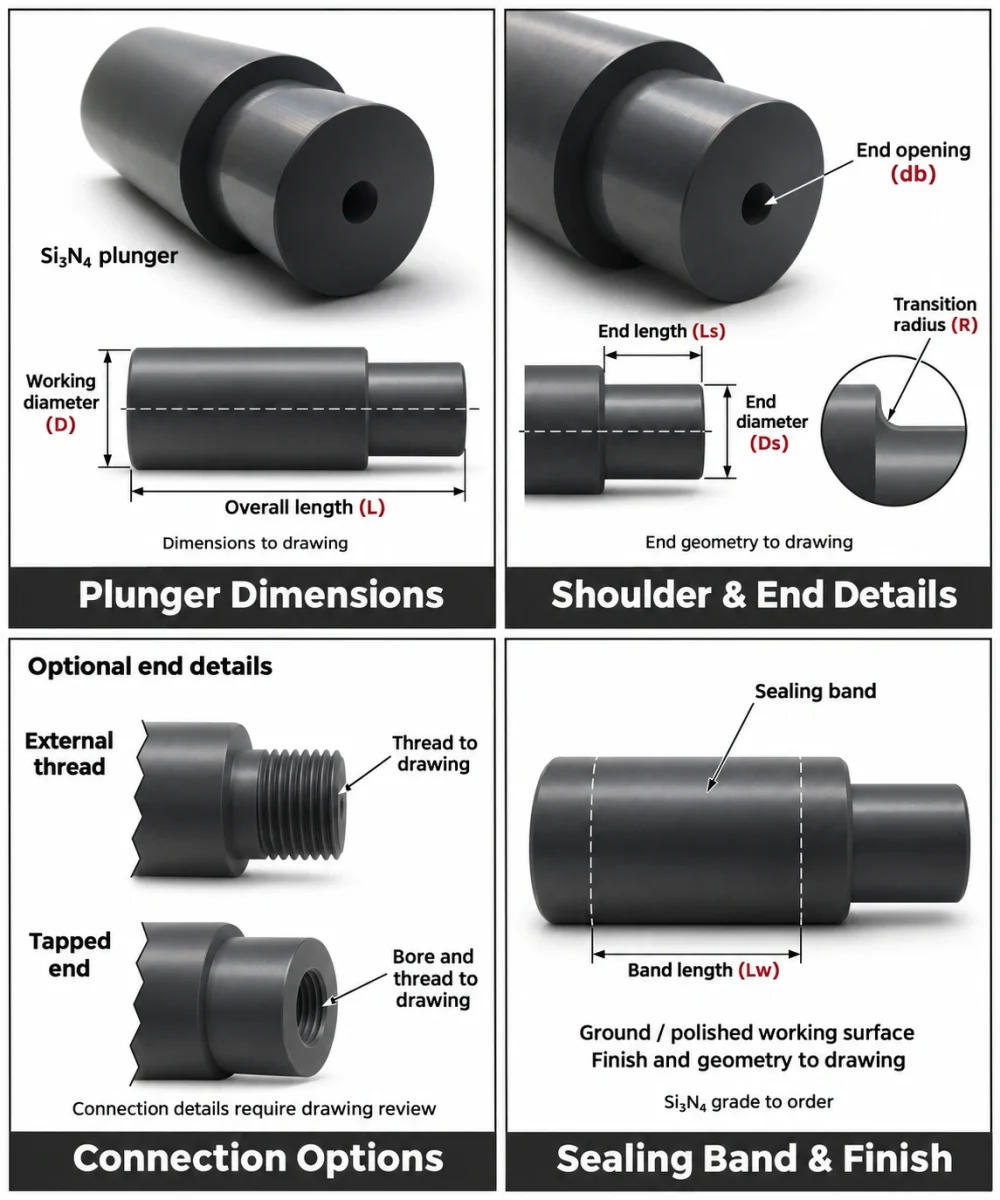
Silicon nitride plunger diagram showing overall length, working diameter, stepped end, end opening, optional threaded connections and sealing band dimensions.

Custom Si₃N₄ Plungers for Pump Assemblies

ADCERAX supplies custom silicon nitride plungers based on your drawing, pump geometry, working media and sealing requirements.

1. Outer diameter range
Common outside diameters from 6–40 mm; other sizes can be evaluated according to stroke length and load.

2. Length range
Approximate single-piece lengths from 20–650 mm for compact dosing pumps up to long-stroke plunger pumps.

3. End details

  • Plain cylindrical ends
  • Threaded or tapped ends for nuts, couplings or yokes
  • Shouldered ends for crossheads and piston shoes
  • Radiused or tapered transitions to reduce stress concentration

4. Cross-section options

  • Standard round plunger
  • Modified sections with flats, keyways or drive features on non-working areas

5. Working surface finish

  • Ground surface for general duty
  • Polished surface on the sealing band, targeting Ra around 0.1 μm

6. Tolerance and clearance

  • Diameter tolerance in the order of ±0.001–0.005 mm on sealing zones, depending on size
  • Target operating clearance between plunger and bushing in the approximate range of 0.002–0.003 mm, adjusted for medium viscosity and temperature

7. Material pairing

  • Si₃N₄ plunger with ceramic bushing (such as SiC or zirconia) for abrasive or corrosive fluids
  • Si₃N₄ plunger with metal bushing for general high-pressure water or light chemical duty

Related Products

ADCERAX - Your Trusted Advanced Ceramics Manufacturing Partner

ADCERAX – Custom Ceramic Supply and Engineering Coordination
ADCERAX coordinates drawing review, production and inspection with manufacturing partners against agreed specifications.

China-Based Ceramic Supply Partner

ADCERAX coordinates custom ceramic supply for overseas OEMs, equipment builders, and labs.

Custom Drawing Support

We review drawings, dimensions, materials, and application conditions before quotation.

Ceramic Process Control

Forming, sintering, machining, grinding, and finishing are arranged by part requirements.

Pre-Shipment Inspection

Dimensional checks, visual inspection, and packaging review help reduce procurement risk.

Get in Touch with Us

Our team will be happy to respond to you in less than 24 hours.

Adcerax's factory

Quick Quotation

*Our team will review your inquiry and respond with the next steps.

*Your information will be kept strictly confidential.

Ready to Solve Your Engineering Challenge?

Partner with ADCERAX for reliable, high-performance advanced ceramic solutions. Our engineers are ready to discuss your project.

E-mail

info@adcerax.com

Phone

Tel: +86-0731-84428843 WhatsApp: +86 19311583352

Response Time

Within 24 hours

Quick Quote

The more details you provide, the faster we can quote.

*All inquiries are confidential.

Get Your Custom Solution

The more details you provide, the faster we can respond.

customize size

*We respond within 24 hours. All inquiries are confidential.

Download Catalog