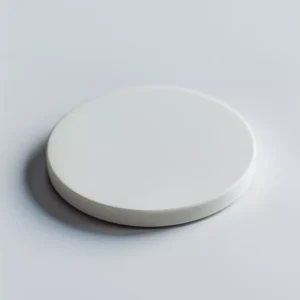
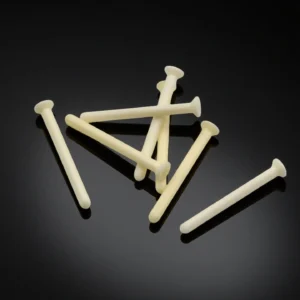
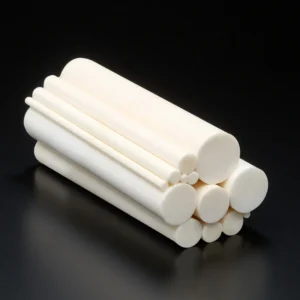
What Are Zirconia Ceramic Jigs and Fixtures?
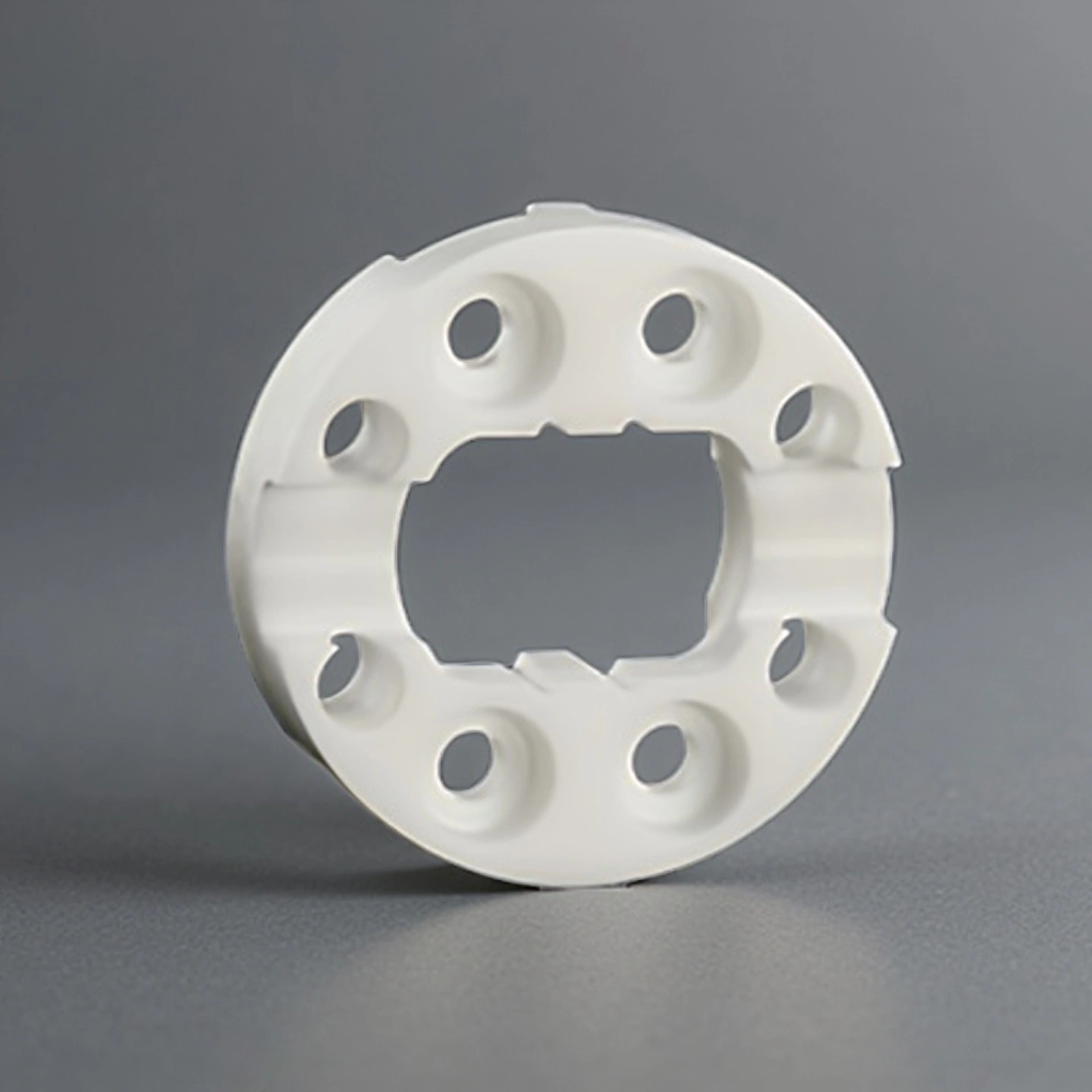
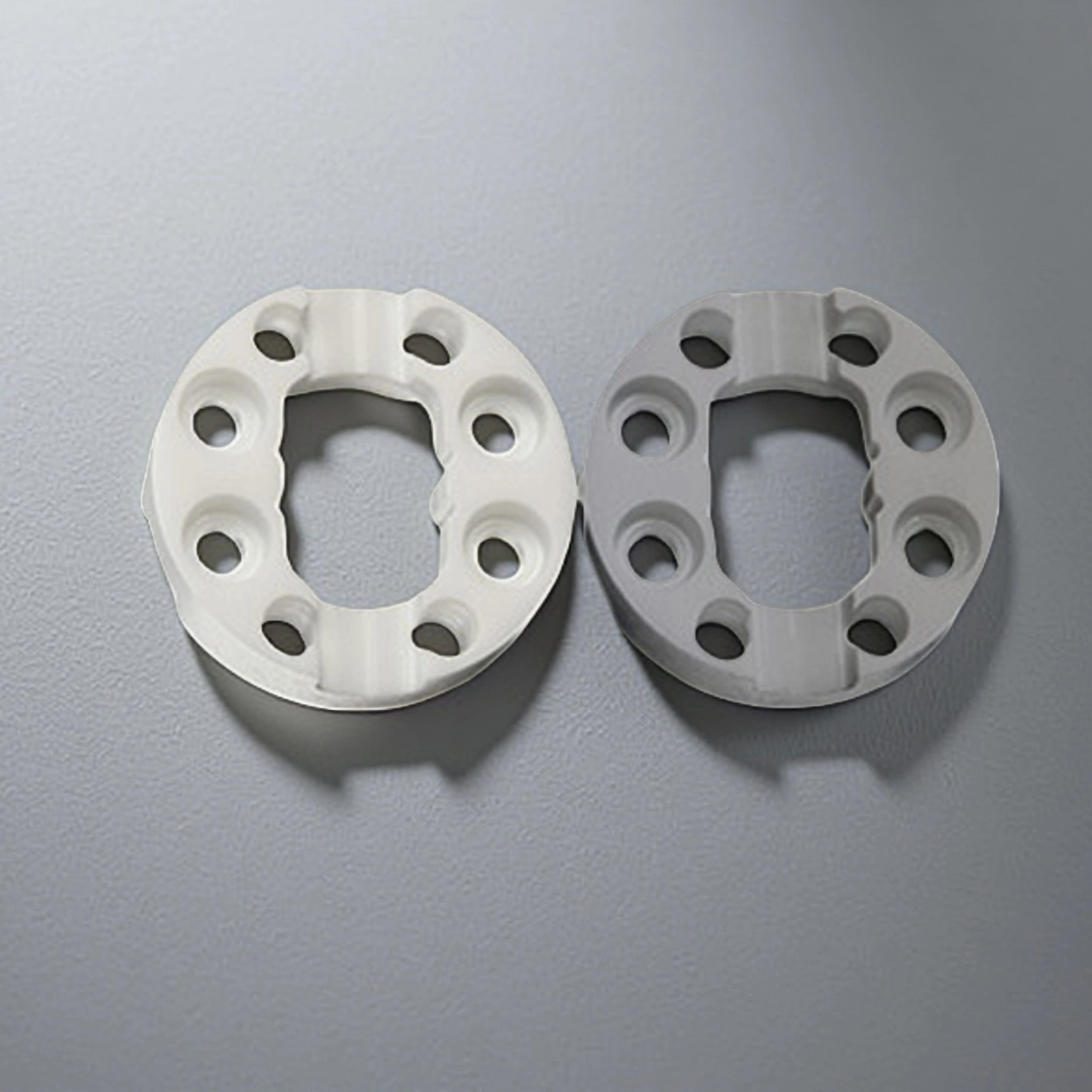
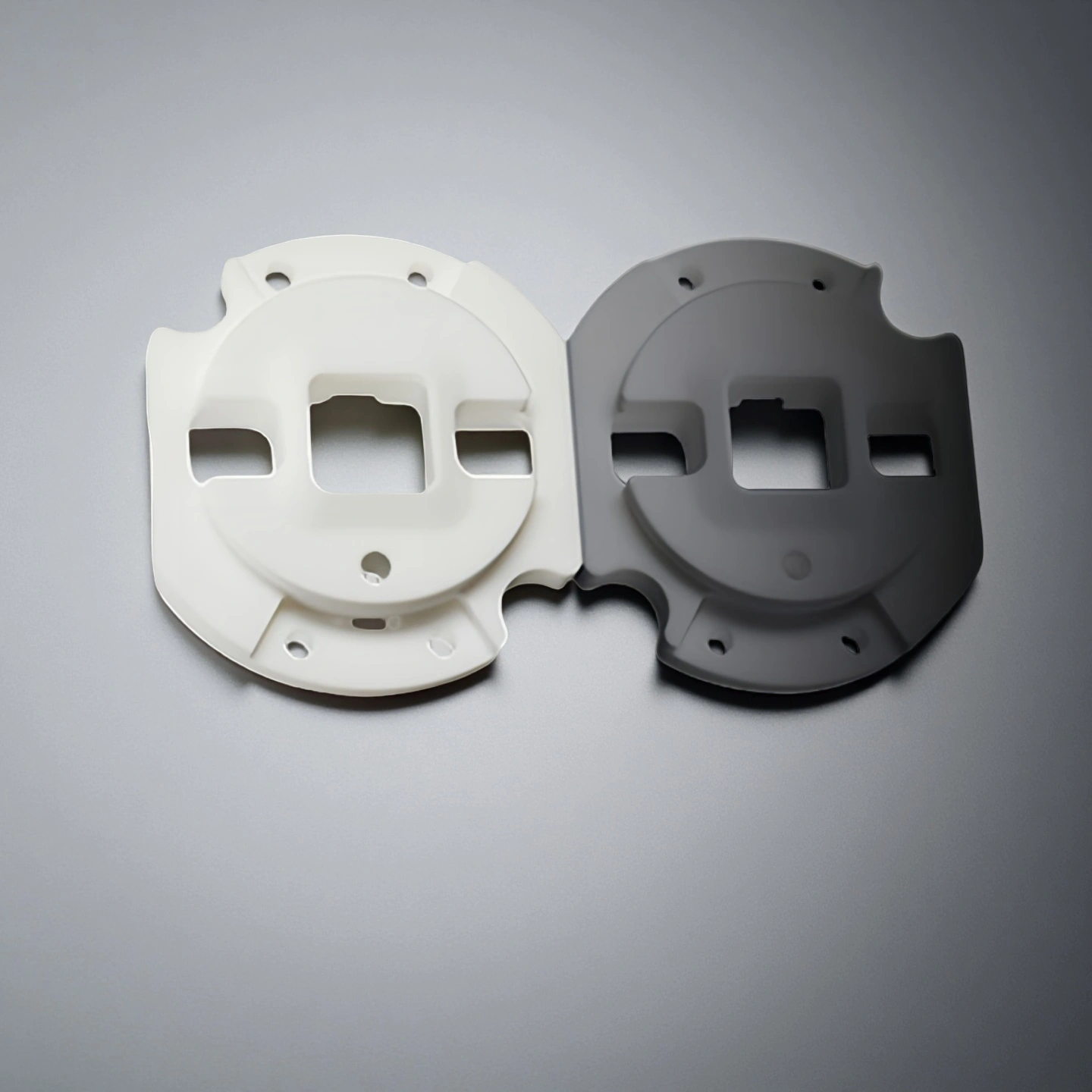
Zirconia ceramic jigs and fixtures are precision ceramic tooling components used to hold, locate, support or align parts during machining, inspection, testing, heat treatment or assembly. Compared with many metal fixtures, zirconia offers higher wear resistance, electrical insulation, corrosion resistance and dimensional stability in demanding environments. It is often selected when the fixture surface must resist repeated contact, maintain alignment, avoid electrical conduction or operate near heat, chemicals or abrasive particles.
When to Use Zirconia Instead of Metal Fixtures
1. The fixture surface wears quickly.
Zirconia is suitable when the fixture contact surface is exposed to repeated sliding, loading or part insertion. Its hard ceramic surface helps maintain contact geometry and reduces fixture drift caused by surface wear.
2. Electrical insulation is required.
Zirconia can be used in test fixtures, probe holders and electronic assembly tools where metal conduction is not acceptable. It provides a non-conductive positioning surface while supporting stable part alignment.
3. Heat or cleaning chemicals affect metal parts.
Zirconia is a good option when metal fixtures may corrode, oxidize or deform under heat, cleaning solvents or chemically exposed conditions. It helps improve fixture stability in selected thermal and chemical environments.
4. Dimensional repeatability is critical.
Zirconia ceramic surfaces help reduce seating variation, fixture wear and frequent recalibration. This is useful for positioning, inspection and assembly fixtures that must maintain repeatable contact over repeated use.
5. The part surface must avoid metal contamination.
Zirconia provides a hard, non-metallic contact interface for sensitive parts. It is often used when the workpiece surface should avoid metal transfer, marking or unwanted conductive contact.
Technical Properties of Zirconia Ceramic Jig and Fixture
These are typical reference properties for yttria-stabilized zirconia. Final suitability should be reviewed by geometry, load direction, tolerance, surface finish, temperature and use conditions.
| Property |
Specification |
Description |
| Material Composition |
Yttria-Stabilized Zirconia (3Y-TZP) |
This material is commonly selected for precision ceramic fixtures that require strength, wear resistance and stable positioning performance. |
| Density |
6.0 ± 0.05 g/cm³ |
High density helps provide a compact ceramic structure with good mechanical stability and wear resistance. |
| Flexural Strength |
≥ 1000 MPa |
High bending strength supports fixture designs that need to resist controlled mechanical loading during positioning or assembly. |
| Compressive Strength |
≥ 2200 MPa |
Strong compressive resistance is useful for fixtures that support clamping, seating or repeated contact loads. |
| Fracture Toughness |
7–10 MPa·m¹/² |
Higher toughness helps reduce cracking risk compared with many conventional oxide ceramics, especially in complex fixture geometries. |
| Elastic Modulus |
200 GPa |
Good stiffness helps the fixture maintain shape and alignment under repeated use. |
| Vickers Hardness |
11–13 GPa |
High hardness helps reduce surface wear in repeated sliding, locating or part-contact applications. |
| Thermal Conductivity |
2.5–3.0 W/m·K |
Lower thermal conductivity than many metals can help reduce heat transfer in selected thermal positioning applications. |
| Max Operating Temperature |
≤ 1200 °C (continuous use) |
Temperature suitability should be reviewed according to heating rate, cooling rate, atmosphere, fixture support method and contact materials. |
| Thermal Expansion Coefficient |
10 × 10⁻⁶ /K |
Thermal expansion behavior should be considered when zirconia fixtures are assembled with metal, glass or other ceramic components. |
| Electrical Resistivity |
> 10¹² Ω·cm |
High electrical insulation makes zirconia suitable for non-conductive positioning, probe holding and electronic assembly fixtures. |
| Chemical Resistance Range |
pH 2–13 |
Chemical compatibility should be confirmed according to the actual cleaning agent, process chemical and exposure time. |
| Surface Finish (Polished) |
Ra ≤ 0.2 μm |
A polished surface helps improve contact repeatability and reduce marking risk on sensitive parts. |
Specifications of Zirconia Ceramic Jig and Fixture
|
Zirconia Ceramic Jig and Fixture |
|
Item NO. |
Diameter (mm) |
Width(mm) |
|
AT-YHG-ZJ1001 |
Customize |
Packaging of Zirconia Ceramic Jig and Fixture
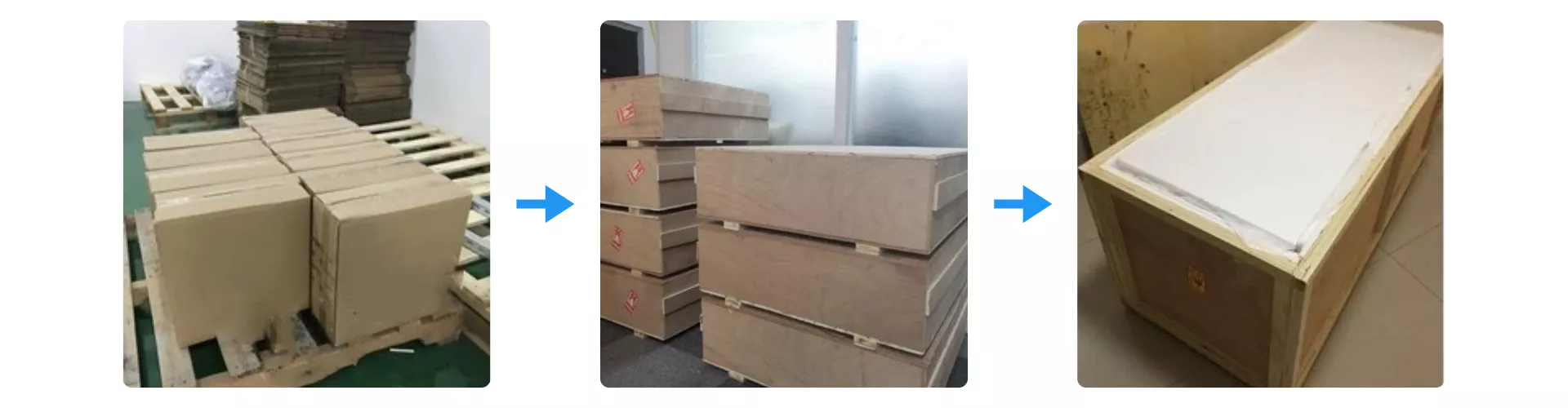
Zirconia Ceramic Jig and Fixture is securely packed using a multi-layer protection system to ensure safe international transit. Each unit is individually cushioned, boxed, and reinforced with foam-lined plywood crates. The packaging method minimizes vibration and impact during shipping, protecting the structural integrity of every precision component.
Zirconia Ceramic Jig and Fixture Applications
ADCERAX Zirconia Ceramic Jig and Fixture provides precision positioning, thermal reliability, and extended wear life in high-stress industrial settings. Its application solves critical process challenges across niche use-cases where traditional materials fail due to deformation, corrosion, or dimensional instability.
-
CNC Machining Fixtures
CNC machining fixtures often face repeated clamping, sliding contact, coolant exposure and part-loading impact. When metal fixtures begin to wear or lose their locating accuracy, the machining result can become unstable, especially for small parts, hard materials or high-repeatability production.
Zirconia ceramic fixtures are suitable for locating seats, support blocks, guide surfaces and hard-contact positioning areas where wear resistance and dimensional stability are important. The hard ceramic surface helps maintain contact geometry during repeated operation, while the non-metallic contact surface can reduce the risk of metal transfer on sensitive parts.
For this type of fixture, the drawing should clearly define datum surfaces, clamping direction, support span, contact load, hole position and edge protection. Chamfers or radius transitions are recommended around high-contact edges to reduce chipping risk during installation and use.
-
Inspection and Metrology Fixtures
Inspection fixtures need stable positioning surfaces because even small fixture wear or seating variation can affect measurement repeatability. In dimensional inspection, optical inspection or alignment checking, the fixture must support the part without changing its reference position after repeated loading.
Zirconia ceramic fixtures can be used for inspection seats, reference supports, locating pads and alignment holders. The material provides a hard and wear-resistant contact surface, which helps reduce fixture drift caused by repeated part placement. A ground or polished contact face can also improve seating consistency and reduce surface marking risk.
For inspection applications, the key design points are flatness, parallelism, contact surface finish, support balance and repeatable part removal. Critical surfaces should be marked on the drawing so that ADCERAX can review the required grinding or polishing process before quotation.
-
SMT and Electrical Test Fixtures
SMT fixtures and electrical test holders often require accurate part positioning without unwanted electrical conduction. Metal fixtures may create leakage paths, signal interference or contact risks when used near probes, circuits or electronic assemblies.
Zirconia ceramic fixtures provide electrical insulation together with mechanical strength and wear resistance. They can be used for probe holders, non-conductive locating blocks, small-part positioning nests and electronic assembly supports where stable alignment and insulation are both required.
For this application, hole accuracy, probe spacing, contact stability and surface cleanliness are important. The design should confirm whether the fixture contacts conductive parts, whether cleaning agents are used, and whether the fixture needs polished surfaces around probe or seating areas.
-
Brazing and Heat-Treatment Carriers
Brazing and heat-treatment fixtures are exposed to heat, atmosphere changes, flux, gas flow or repeated thermal cycling. Metal fixtures may oxidize, deform or react with the workpiece under certain conditions, which can affect part positioning and process consistency.
Zirconia ceramic carriers can be used to support small components during heating, bonding or thermal positioning processes. The material offers thermal stability, chemical resistance and a non-metallic support surface for selected high-temperature fixture designs.
For thermal applications, the design review should include temperature profile, heating and cooling rate, atmosphere, fixture support method, contact material and whether the part is exposed to flux or process chemicals.
-
Precision Assembly Tooling
Precision assembly fixtures are used when small or delicate parts must be located repeatedly during bonding, pressing, fastening, laser processing or manual assembly. The fixture surface must resist wear while keeping the part in the same position over repeated operation.
Zirconia ceramic fixtures are suitable for locating nests, positioning blocks, support pads and custom assembly holders. They can provide a hard, non-metallic and dimensionally stable contact interface for parts that need clean positioning and reduced metal contact risk.
For assembly tooling, the most important details are part loading direction, contact surface shape, operator handling, cleaning method and traceability marking.
Usage and Handling Recommendations for Zirconia Ceramic Jigs and Fixtures
Zirconia ceramic jigs and fixtures are designed for precision positioning, repeated contact and demanding fixture environments. To maintain dimensional stability and reduce the risk of edge damage, the fixture should be installed, handled, cleaned and stored according to ceramic material behavior, not treated the same way as metal tooling.
-
Installation and Alignment
Before installation, make sure that the contact surface between the fixture and machine base is clean, flat and free from hard particles. Dust, chips or uneven seating may create localized stress and affect fixture alignment.
The fixture should be supported across stable contact areas instead of resting on small edges, grooves or unsupported spans. During clamping, avoid excessive point pressure, direct metal impact and uneven tightening. For fixtures with bolt holes, slots or thin sections, the clamping direction and support surface should be reviewed before use.
If the fixture is used as a locating seat, datum block or positioning reference, the critical contact faces should be checked before operation. A small burr, particle or misalignment at the contact interface can affect repeatability in machining, inspection or assembly processes.
-
Handling During Setup and Transport
Zirconia provides high hardness and wear resistance, but ceramic edges can still be damaged by impact or concentrated loading. Operators should avoid dropping the fixture, striking it with metal tools or placing heavy parts on small contact areas.
Protective gloves, clean work surfaces and cushioned handling tools are recommended when the fixture has polished faces, precision holes or sharp alignment features. During internal transport, the fixture should be separated from other ceramic or metal parts to prevent edge-to-edge impact.
For multi-piece fixture sets, each part should be labeled or packed separately after use. This helps protect machined features and makes it easier to trace fixture position, inspection status and usage history.
-
Cleaning and Maintenance
After use, remove chips, powder, coolant residue or process particles before applying liquid cleaning. A clean microfiber cloth, filtered air or non-metallic brush can help prevent hard particles from scratching polished surfaces.
For deeper cleaning, use a cleaning method compatible with the actual process environment. Neutral cleaning solutions, alcohol-based cleaning or other approved methods can be reviewed according to the surface finish, application and chemical exposure. Strong acids, strong alkalis or unknown cleaning agents should not be used without compatibility confirmation.
Critical contact faces, holes, slots and edges should be inspected regularly for chipping, surface wear, residue buildup or seating marks. Early inspection helps identify handling issues before they affect part positioning, fixture repeatability or measurement stability.
-
Storage and Reuse
Zirconia ceramic fixtures should be stored in a clean, dry and stable environment away from direct impact, abrasive particles and corrosive exposure. Precision surfaces should not be stacked directly against other hard parts.
For fixtures with polished faces, thin sections or machined edges, use foam separation, soft liners or individual protective packaging. Avoid ceramic-to-ceramic contact during storage because small impacts may damage edges or precision contact features.
Before reuse after long storage, inspect the fixture surface, mounting area and critical positioning features. If the fixture is used in inspection, electrical testing or thermal processing, confirm that the contact faces remain clean and that no residue or edge damage affects the intended function.