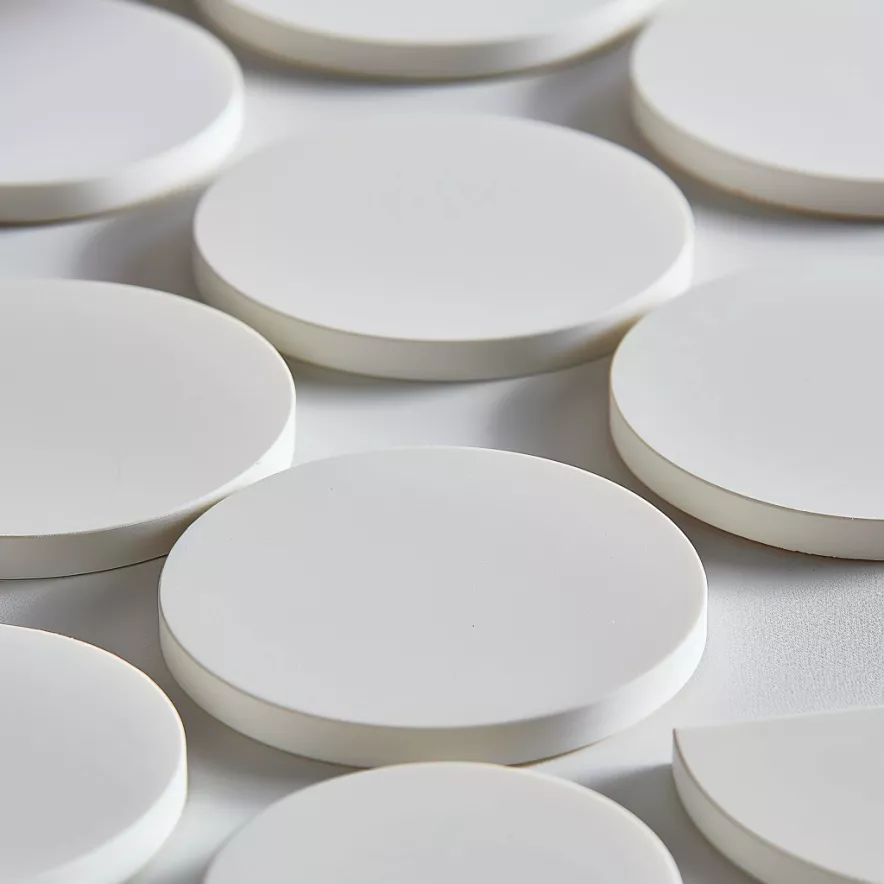
What Is a Zirconia Ceramic Disc?
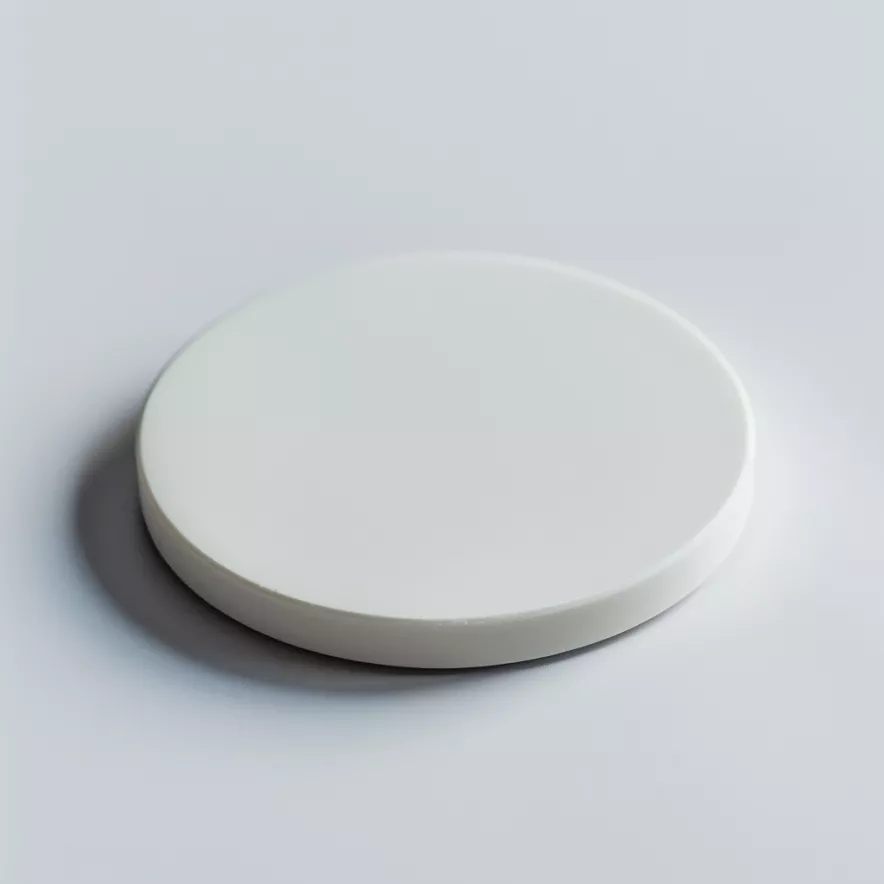
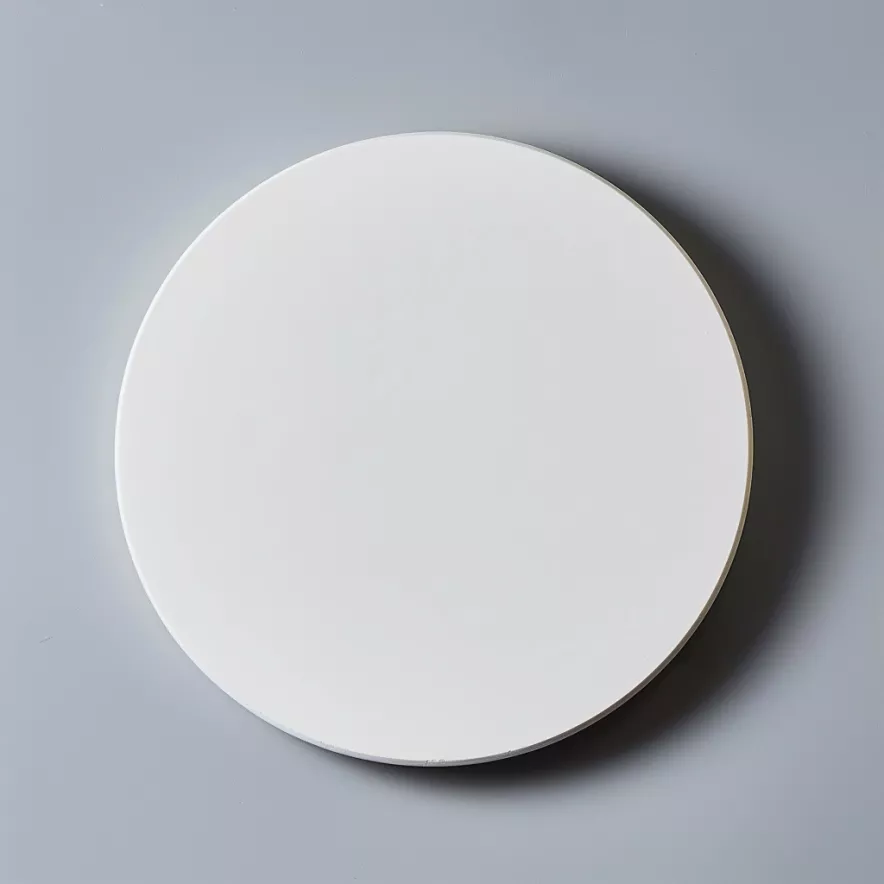
A zirconia ceramic disc is a round ZrO2 ceramic component used where metal, plastic or lower-toughness ceramics may suffer from wear, corrosion, insulation failure or dimensional change. ADCERAX supplies YSZ and PSZ zirconia ceramic discs for sealing faces, wear parts, insulating spacers, thermal fixtures, valve components, pump assemblies and precision mechanical supports. Each disc can be reviewed according to drawing, diameter, thickness, hole design, edge finish, flatness, surface roughness and operating conditions.
Why Use Zirconia Ceramic Discs in Industrial Assemblies?
High Wear Resistance
Zirconia ceramic discs help reduce surface wear in sliding, abrasive or particle-contact environments where metal or polymer parts may wear quickly. This makes them suitable for wear plates, valve discs, pump components and precision contact surfaces.
Strong Fracture Toughness
Compared with many oxide ceramics, zirconia offers better resistance to crack growth. It is useful for compact ceramic parts exposed to mechanical load, repeated contact or assembly pressure.
Chemical Stability
Dense zirconia ceramic discs can support selected acid, alkali, solvent and chemical-transfer environments. Final suitability should be reviewed according to media concentration, temperature and exposure time.
Electrical Insulation
Zirconia discs can function as insulating spacers, support plates or separation parts in electrical, sensor, heating and thermal assemblies. They provide insulation support while maintaining mechanical stability.
Precision Machining After Sintering
Zirconia ceramic discs can be ground, lapped, polished, drilled, slotted and chamfered after sintering. These processing options help match drawing-based requirements for sealing, spacing, wear and fixture applications.
Technical Properties for Zirconia Ceramic Disc
Zirconia ceramic discs combine high density, hardness, fracture toughness and electrical insulation for wear, sealing, spacer and fixture applications. The values below are typical reference data for engineering selection. Final performance should be reviewed according to zirconia grade, disc geometry, machining process, load, temperature, media and mounting method.
| Property | Typical Value | Application Relevance |
|---|---|---|
| Density | ≥ 6.0 g/cm³ | High density helps zirconia ceramic discs provide compact structure, good wear resistance and stable mechanical support in precision assemblies. |
| Hardness | 12.5–13 GPa | High hardness helps reduce surface wear when the disc is used in sliding, abrasive or contact-loaded environments. |
| Fracture Toughness | 8–12 MPa·m¹/² | Good fracture toughness helps the disc resist crack growth better than many oxide ceramics under mechanical stress. |
| Flexural Strength | 900–1200 MPa | High flexural strength supports use in compact ceramic parts exposed to bending load or assembly pressure. |
| Compressive Strength | > 2000 MPa | Strong compressive resistance makes zirconia discs suitable for spacers, support pads and load-bearing contact parts. |
| Thermal Conductivity | 2–3 W/m·K | Low thermal conductivity can help reduce heat transfer in insulation, fixture and thermal separation applications. |
| Thermal Expansion (CTE) | 10–11 × 10⁻⁶/K (25–800°C) | Thermal expansion should be reviewed with mating materials to reduce stress from temperature cycling. |
| Maximum Continuous Operating Temperature | 600–1100°C | Temperature suitability should be confirmed according to material grade, disc thickness, load, atmosphere and thermal cycling. |
| Electrical Resistivity | > 10¹¹ Ω·cm | High electrical resistivity allows zirconia discs to function as insulating spacers or separation parts in electrical assemblies. |
| Dielectric Strength | 9–12 kV/mm | Dielectric strength supports insulation use where ceramic discs need to separate conductive parts or protect electrical components. |
| Chemical Resistance | Stable in selected acids, alkalis, chlorides and solvents | Chemical compatibility should be reviewed according to media type, concentration, temperature and exposure time. |
| Porosity | Closed porosity < 0.1% | Low closed porosity helps improve density, surface integrity and resistance to fluid penetration. |
| Phase Composition | Tetragonal zirconia stabilized with Y₂O₃ | Yttria stabilization helps improve toughness and dimensional stability for industrial zirconia ceramic components. |
| Surface Finish Range | Ra 0.2–0.8 μm, depending on process | Surface finish should be selected according to sealing, sliding, polishing, fixture or spacer requirements. |
Note: These values are typical reference data for zirconia ceramic discs. Final values should be confirmed according to zirconia grade, geometry, machining process and application conditions.
Specifications of Zirconia Ceramic Disc
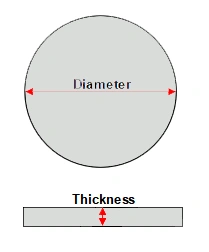
| Round Zirconia Plates | |||
| Item No. | Diameter(mm) | Thickness (mm) | Purity (mm) |
| AT-ZV-1001 | 60 | 7 | 95 |
| AT-ZV-1002 | 30 | 5 | 95 |
| AT-ZV-1003 | 35 | 4.5 | 95 |
| AT-ZV-1004 | 37 | 5 | 95 |
| AT-ZV-1005 | 38 | 4.5 | 95 |
| AT-ZV-1006 | 50 | 5.5 | 95 |
| AT-ZV-1007 | 60 | 5 | 95 |
| AT-ZV-1008 | 68 | 4.7 | 95 |
| AT-ZV-1009 | 73 | 5 | 95 |
| AT-ZV-1010 | 80 | 5 | 95 |
| AT-ZV-1011 | 84 | 5 | 95 |
Packaging for Zirconia Ceramic Discs
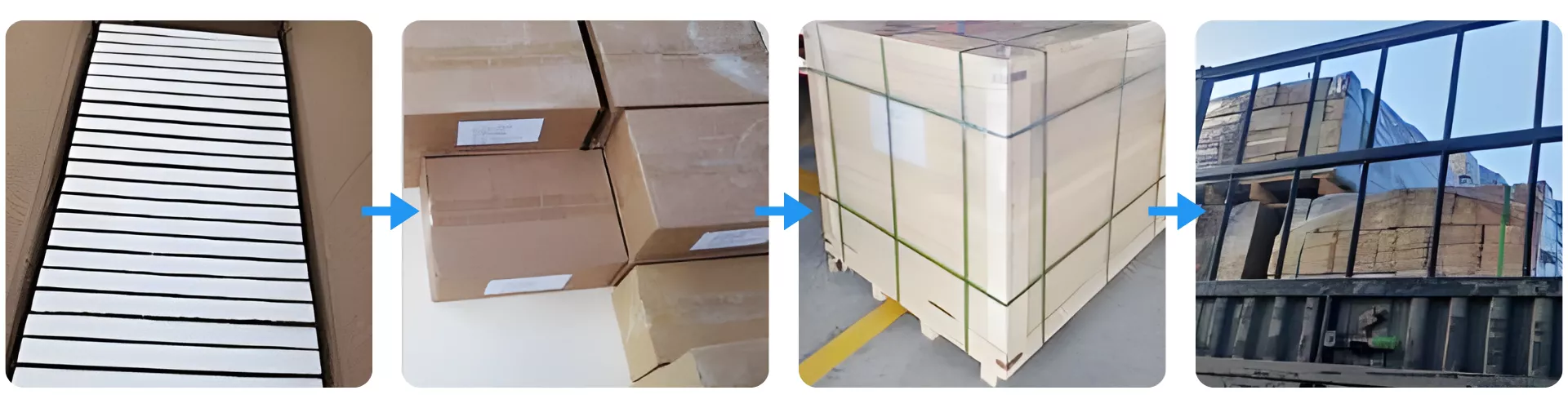
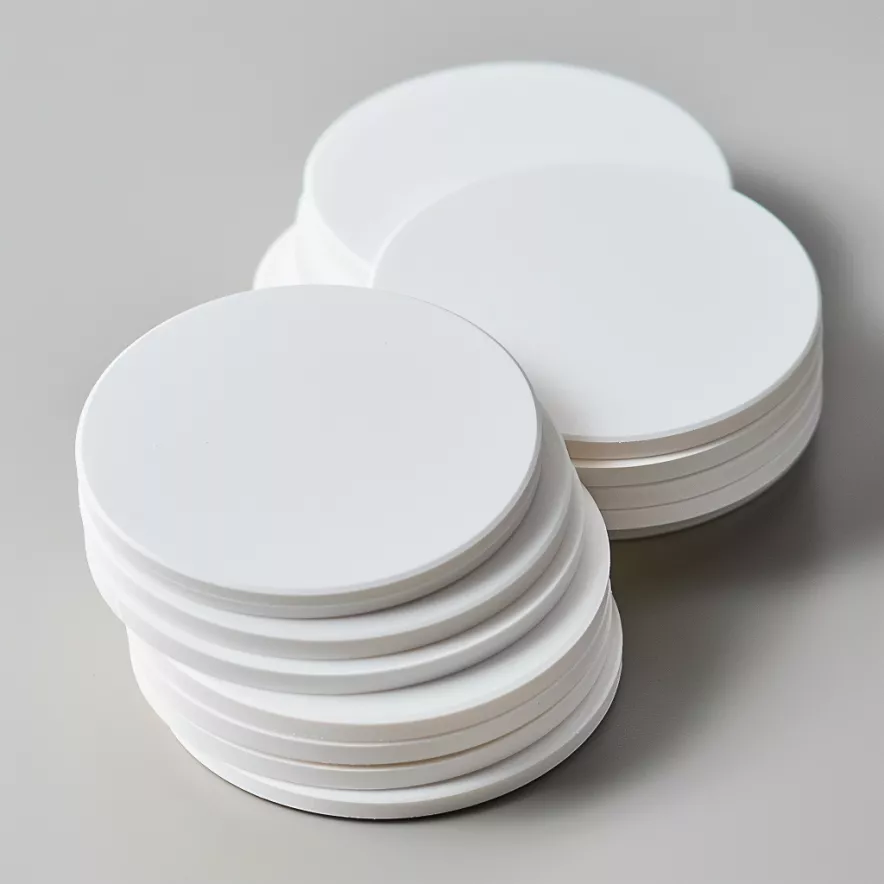
Zirconia ceramic discs are packed with surface separation, edge protection and cushioning according to size, thickness, quantity and shipping method. Thin, polished or precision-ground discs should be individually separated to reduce the risk of scratches, edge chips and vibration damage during international transport.