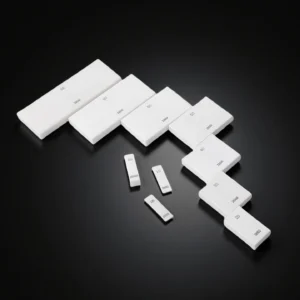
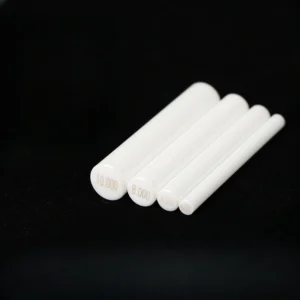
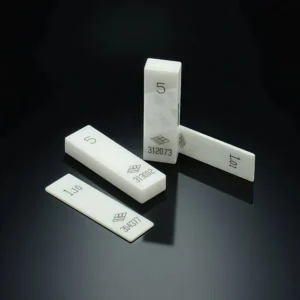
What Is a Zirconia Ceramic Setting Ring Gauge?
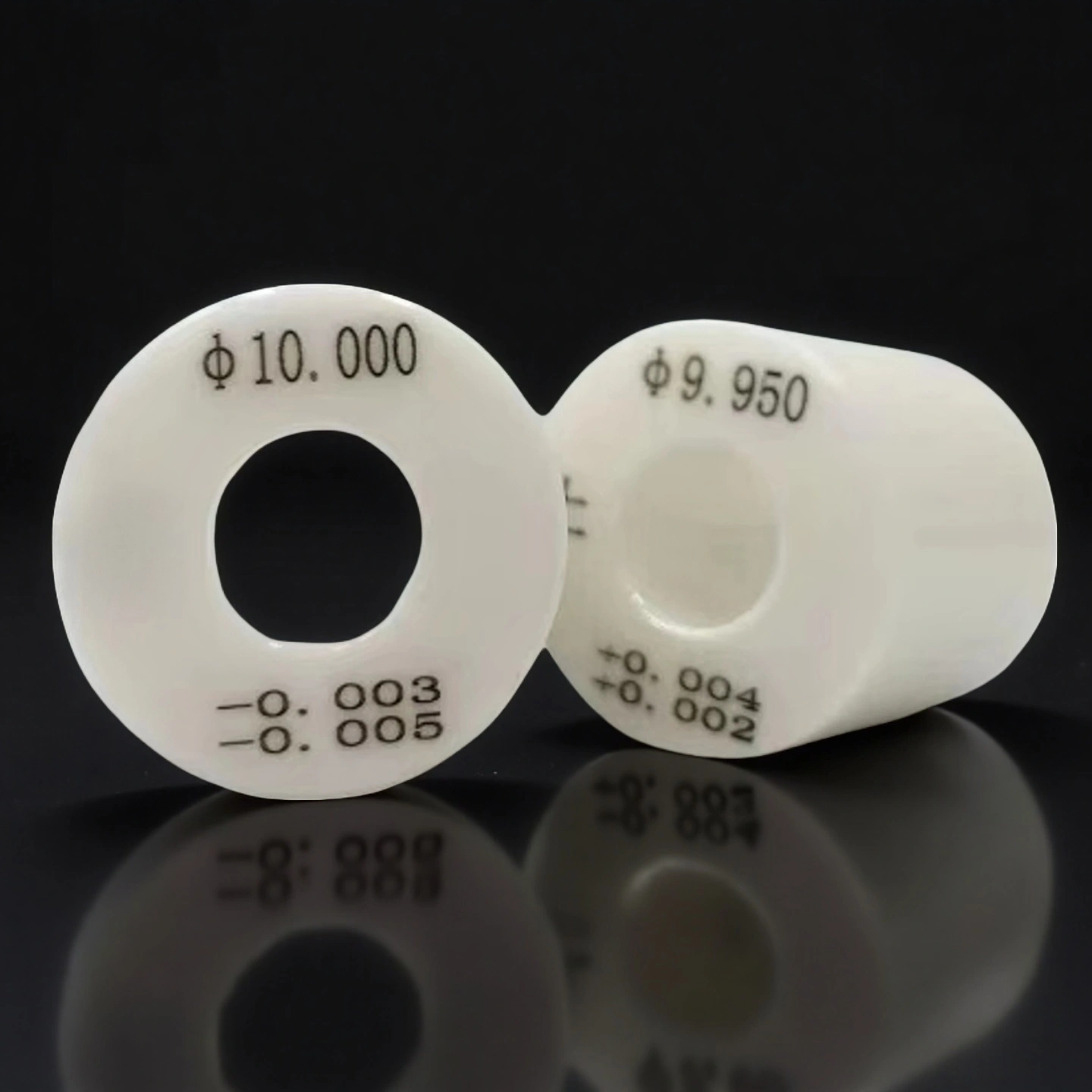
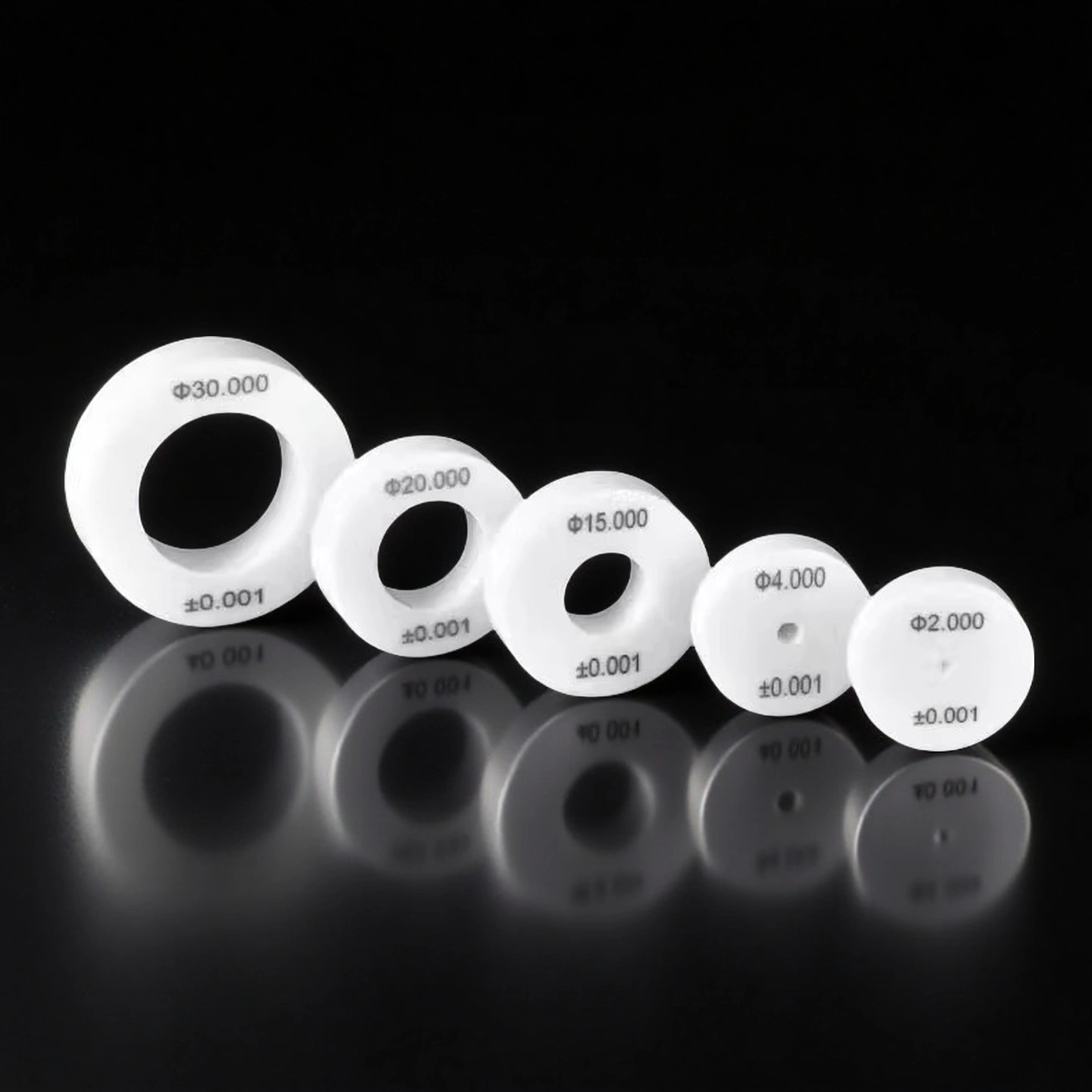
A zirconia ceramic setting ring gauge is a precision reference ring used to set or verify bore gages, inside micrometers and other internal diameter measuring tools. The inner diameter of the ring provides a stable reference for calibration or setup before inspection work begins.
Compared with conventional steel setting rings, zirconia ceramic is selected for applications where wear resistance, corrosion resistance, non-magnetic behavior and clean long-term handling are important. It is especially useful in inspection environments exposed to coolant, oil, cleaning agents or frequent gauge contact.
For custom projects, ADCERAX can review the required inner diameter, outer diameter, thickness, roundness, surface finish, chamfer and inspection method according to the drawing, instrument type and application conditions.
Technical Properties for Zirconia Ceramic Setting Ring Gauge
Zirconia Ceramic Setting Ring Gauge is engineered for demanding calibration environments where laboratories and inspection agencies require stable performance benchmarks. Its material composition and mechanical behavior combine durability, resistance to harsh conditions, and consistency under thermal or chemical stress, making it suitable for advanced industrial metrology.
| Property |
Typical Specification |
Why It Matters for Setting Rings |
| Density |
Density is typically 5.65–6.05 g/cm³. |
High density helps the ring maintain a solid structure and stable handling during repeated gauge setup. |
| Hardness |
Vickers hardness is typically 1200–1450 HV. |
High hardness helps reduce surface wear caused by repeated contact with bore gages or inside micrometers. |
| Fracture Toughness |
Fracture toughness is typically 6–8 MPa·m½. |
Good toughness helps reduce the risk of cracking during handling, fixture contact or repeated inspection use. |
| Flexural Strength |
Flexural strength is typically 480–1000 MPa. |
High strength supports the ring structure when custom ID, OD and thickness are required. |
| Compressive Strength |
Compressive strength is typically 1600–2300 MPa. |
Strong compressive performance helps the ring withstand contact pressure during calibration and measurement setup. |
| Thermal Conductivity |
Thermal conductivity is typically about 2–3 W/m·K. |
Low thermal conductivity helps reduce rapid heat transfer, but precision measurement should still be done under stable ambient conditions. |
| Thermal Expansion Coefficient |
Thermal expansion is typically about 10.5 × 10⁻⁶/K. |
The expansion behavior should be considered when the ring is used in temperature-sensitive inspection environments. |
| Maximum Service Temperature |
The material can typically withstand up to 1000°C in suitable conditions. |
This property shows material stability, although most setting ring applications are used at room temperature. |
| Temperature Resistance |
Zirconia ceramic can remain stable under elevated-temperature exposure. |
It helps maintain material integrity if the ring is used near warm equipment or after thermal processing inspection. |
| Chemical Resistance |
Zirconia ceramic is resistant to many coolants, weak acids and alkalis. |
It helps reduce rust and chemical attack risks compared with steel setting rings in inspection areas with coolant or cleaning agents. |
Specifications of Zirconia Ceramic Setting Ring Gauge
|
Zirconia Ceramic Gauge Ring |
|
Item NO. |
Outer Diameter (mm) |
Thickness (mm) |
Measurement Range |
|
AT-YHG-HG001 |
32 |
8 |
3-10mm |
|
AT-YHG-HG002 |
38 |
10 |
10-15mm |
|
AT-YHG-HG003 |
45 |
14 |
20-25mm |
|
AT-YHG-HG004 |
53 |
16 |
25-32mm |
|
AT-YHG-HG005 |
71 |
18 |
32-40mm |
Packaging of Zirconia Ceramic Setting Ring Gauge
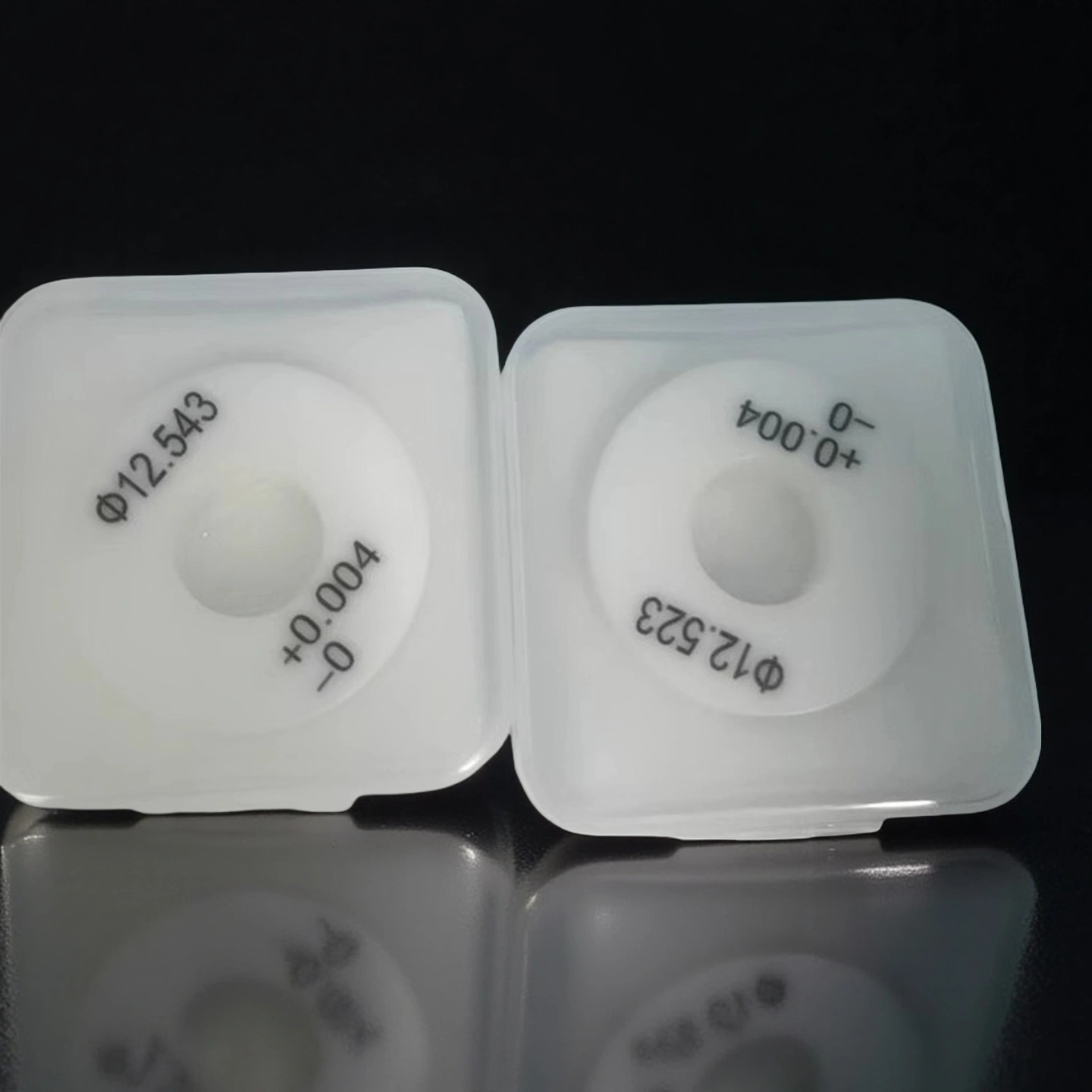
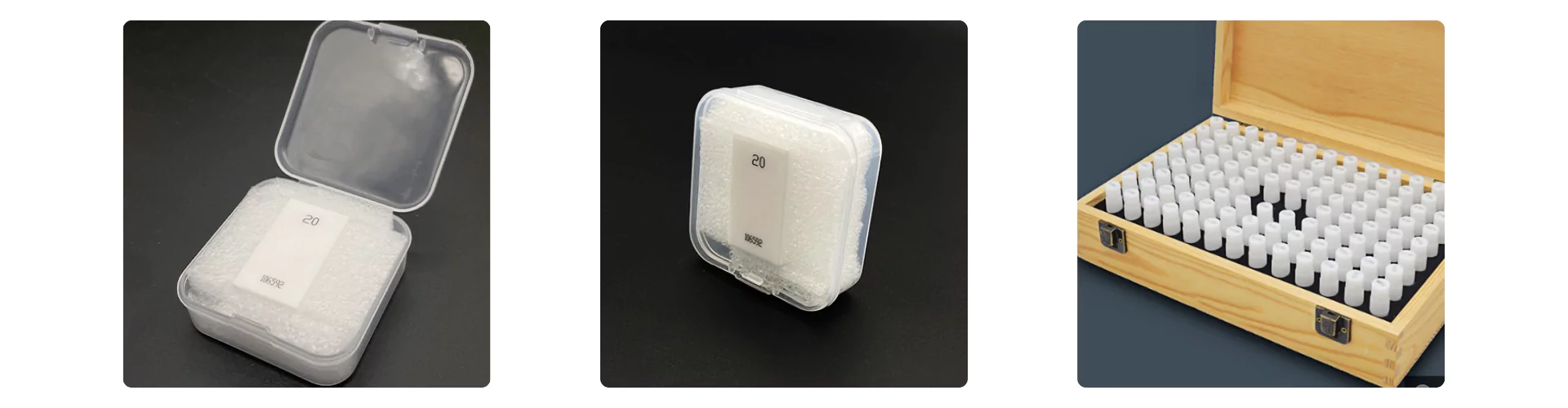
Each Zirconia Ceramic Setting Ring Gauge is individually packed in a protective plastic case with foam to prevent surface damage during transport. For bulk orders, the units are organized in secure wooden boxes with numbered slots for easy identification. This packaging ensures that every one of them arrives in stable condition and ready for immediate calibration use.
Application Scenarios for Zirconia Ceramic Setting Ring Gauges
Zirconia ceramic setting ring gauges are used where bore gages, inside micrometers and inspection fixtures need a stable reference before dimensional checks. They are suitable for repeated gauge contact, coolant exposure, oil residue and non-magnetic inspection environments.
-
Automotive Bore Inspection
Zirconia ceramic setting ring gauges are used in automotive inspection workflows where bore gages need a stable reference before measuring small internal diameters. Typical parts include fuel injector components, valve bodies, pump housings, hydraulic sleeves and precision machined bores.
In these environments, steel setting rings may face repeated contact, coolant exposure, oil residue and frequent handling. Zirconia ceramic helps reduce concerns related to rust, surface wear and magnetic interference, making it suitable for inspection stations that require clean handling and repeated dimensional checks.
-
Hydraulic and Pneumatic Component Inspection
Hydraulic and pneumatic components often require repeatable internal diameter measurement because small bore deviations can affect sealing, flow control and assembly fit. Zirconia ceramic setting rings can support bore gage setup for valve blocks, piston sleeves, spool bores, pneumatic fittings and fluid-control components.
This material is useful when the inspection area is exposed to oils, coolants, cleaning agents or high-frequency measurement routines. The ring can be reviewed with the required ID, OD, thickness, chamfer and surface finish so it matches the customer’s gauge setup and handling method.
-
Bearing Seat and Precision Bore Measurement
Bearing seats, shaft housings and precision bore features require reliable reference tools before production inspection begins. A zirconia ceramic setting ring helps technicians set bore gages or inside micrometers before checking whether the machined bore is within the required dimensional range.
For repeated measurement tasks, surface condition and handling stability are important. Zirconia ceramic provides a hard, non-corrosive and non-magnetic reference material, while lapped or polished surfaces can be reviewed when stable gauge contact is required.
-
Metrology Fixtures and Custom Inspection Systems
Custom zirconia ceramic ring gauges can be integrated into dedicated metrology fixtures, quality-control benches and laboratory reference sets. They are suitable for applications where the ring is not only a standalone gauge reference, but also part of a repeatable inspection process.
ADCERAX can review non-standard ring dimensions, lapped surfaces, chamfers, marking needs and inspection documentation requirements according to the drawing and measurement workflow. This helps the customer confirm whether the ceramic ring can match the instrument, fixture design and quality-control process before production.
Handling, Cleaning and Storage Guide for Zirconia Ceramic Setting Ring Gauges
A zirconia ceramic setting ring gauge is a precision reference tool used for bore gage setup, inside micrometer setting and dimensional inspection. To keep the reference bore reliable, the ring should be handled as a metrology component rather than a general ceramic part. Clean contact surfaces, stable room conditions and proper storage are important for repeatable measurement results.
-
Handling Before Calibration
Before use, inspect the inner bore, end faces and chamfered edges for dust, oil film, metal particles or visible damage. Even small particles on the reference surface may affect gauge seating during calibration.
Wipe the ring gently with a lint-free cloth before placing the measuring instrument into the bore. Avoid touching the reference surface directly with fingers, because oil or residue may affect contact consistency.
Although zirconia ceramic offers high hardness and wear resistance, it should still be protected from impact. Do not drop the ring, knock it against metal tools or place it directly on rough workbench surfaces.
-
During Bore Gage or Micrometer Setup
Use the setting ring in a stable inspection environment whenever possible. Large temperature differences between the ring, measuring tool and workpiece may affect measurement repeatability, especially in precision bore inspection.
When setting a bore gage or inside micrometer, keep the instrument aligned with the ring bore and avoid side loading. The measuring contact should enter smoothly, with consistent seating pressure, rather than being forced into the ring.
If the ring is used in a fixture or inspection station, confirm that the ring is supported evenly and that the contact surface is not clamped too tightly. Uneven support may affect positioning and long-term handling stability.
-
Cleaning After Use
After calibration, remove coolant, oil, dust or cleaning residue from the ring surface. A clean and dry ring is easier to inspect and less likely to transfer contamination to measuring tools.
Use approved cleaning methods according to the inspection environment. Harsh chemicals, abrasive pads or aggressive ultrasonic cleaning should be avoided unless they have been reviewed for the specific ceramic grade and surface finish.
If the ring is used in a production area with frequent coolant or oil exposure, cleaning should be performed more regularly. This helps maintain clean gauge contact and reduces the risk of measurement variation caused by residue build-up.
-
Storage and Periodic Inspection
Store each zirconia ceramic setting ring gauge in a protective case or separated compartment when not in use. The ring should not be stored together with steel tools, loose gauges or abrasive parts.
Keep the ring away from heavy impact, grinding dust and uncontrolled workshop contamination. For precision inspection rooms, it is better to store reference rings in a clean cabinet near the calibration area.
Periodic inspection should be arranged according to the user’s quality-control system, usage frequency and required measurement uncertainty. If chipping, scratches, abnormal wear marks or contamination are found, the ring should be cleaned, checked or removed from active use until its condition is confirmed.
-
Documentation and Quality Control
For production inspection or audited measurement workflows, users should define how each ring is identified, stored, inspected and recalibrated. Marking, dimensional inspection reports or calibration documentation can be reviewed before production when required.
For custom zirconia ceramic setting rings, ADCERAX can review the required ID, OD, thickness, chamfer, surface finish and inspection documentation according to the drawing, measuring instrument and application workflow.