
Silicon Carbide (SiC) Ceramic Membranes: Tubular, Flat Sheet & MBR Modules for Water Treatment
ADCERAX silicon carbide (SiC) ceramic membranes are porous filtration membrane elements — tubular, flat sheet and MBR modules for microfiltration and ultrafiltration (MF/UF). They suit industrial and oily wastewater, produced water, MBR and RO pretreatment. We supply the membrane elements and modules and review your feedwater, pore-size target and configuration — we do not sell them as a complete water-treatment system.
0.02–0.1 µm
Nominal pore size (MF/UF)
What Is a Silicon Carbide Membrane?
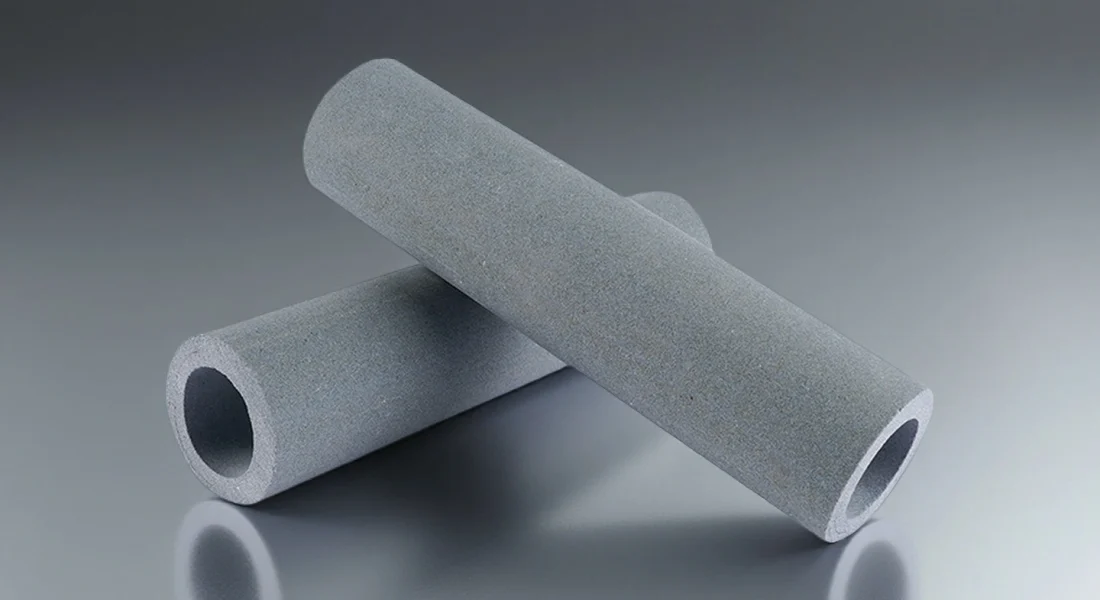
A Silicon Carbide Membrane is an inorganic filtration medium made from recrystallized SiC with a stable micro-porous structure. It provides high flux, strong hydrophilicity, and wide chemical compatibility in industrial treatment systems.
Unlike polymer membranes, a silicon carbide filtration membranes maintains performance under fluctuating loads and aggressive cleaning cycles. Its durability makes it a preferred choice in large-scale water, wastewater, and process-liquid operations.
Technical Specification of Silicon Carbide Membrane
The following specifications summarize the core performance ranges of silicon carbide membranes commonly used in industrial filtration projects. Actual values may vary depending on membrane type—tubular, column module, or flat-sheet configuration.
| Parameter | Specification | Parameter | Specification |
|---|---|---|---|
| Membrane Material | Recrystallized Silicon Carbide (SiC) | Design Flux Range | 150–400 LMH |
| Recommended Operating pH | 2–12; Cleaning pH: 1–13 | Typical Nominal Pore Size | 0.02–0.1 μm |
| Operating Temperature (System-Limited) | 5–65 °C | Open Porosity | 40–45% |
| Maximum Transmembrane Pressure (TMP) | Modules: 3 bar; Flat Sheets: 1.2 bar | Contact Angle (Hydrophilicity) | <10° (typical) |
| Effective Filtration Area | Per Tube: 0.03–0.25 m²; Per Flat Sheet: 0.15–0.30 m²; Per Column Module: 5–15 m² | ||
| Maximum Operating Pressure | Tube/Module: up to 6 bar; Flat Sheet: up to 1.5 bar | ||
| Cleaning Compatibility | Backwash; Air Scouring; Chemical CIP; Oxidation Cleaning | ||
When to Choose Silicon Carbide Ceramic Membranes?
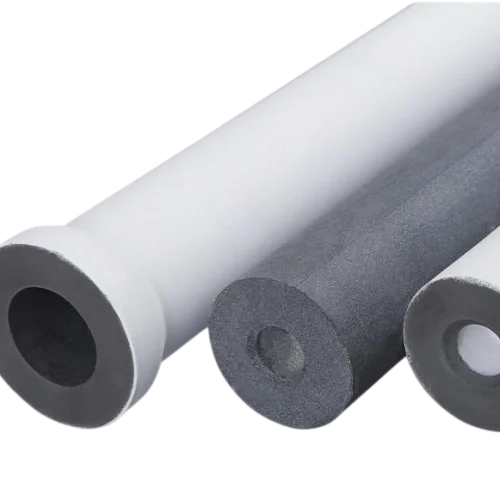
SiC ceramic membranes combine exceptional chemical resistance, high flux stability, and superior fouling recovery. They are the optimal choice for demanding filtration environments where polymer membranes fail.
When to Choose SiC Membranes
| Your Filtration Challenge | Why SiC Fits | Recommended Configuration |
|---|---|---|
| High-COD / high-TSS wastewater | Strong hydrophilicity and open porosity lower fouling; flux recovery after CIP is typically high | Tubular Membrane or Column Module |
| Aggressive pH (pH 1-13) | Chemically stable SiC matrix tolerates strong acids and alkalis during cleaning | All configurations |
| High oxidant cleaning (>200 ppm) | High tolerance to chlorine, ozone and hypochlorite (typical for recrystallized SiC) | All configurations |
| MBR upgrade / retrofit | Stable flux at typical MBR design rates with low TMP; elements sized to fit existing housings | Flat Sheet or Column Module |
| RO pretreatment/desalination | Handles high-salinity feed as RO pretreatment; SiC does not perform desalination itself; helps reduce downstream RO fouling | Column Module |
| Oil-bearing wastewater | Negative surface charge and hydrophilicity reduce oil adhesion for high, stable oil rejection | Tubular Membrane |
| Mining tailings / slurry | Rigid structure handles high-TSS slurries at crossflow velocity; module max TMP 3 bar | Tubular Membrane |
| Catalyst recovery / process liquid | 0.1 µm-class retention for high catalyst recovery (feed-dependent) | Tubular Membrane |
When SiC Membranes May Not Be the Right Choice
SiC membranes are a strong fit for demanding water and process liquids, but not for every duty. For the cases below, our engineers can compare options across our full range of advanced ceramic materials before you commit.
For clean, low-fouling water, a polymer membrane is often more cost-effective.
These are MF/UF membranes (0.02–0.1 µm); tighter separation or desalination needs NF/RO.
Hydrofluoric acid attacks SiC/silica phases; contact us for a compatibility review.
SiC vs Alumina vs Polymer Membranes — How They Compare
 = strongest of the three for that property (typical)
Bottom line: Choose SiC when your duty involves aggressive chemistry, high fouling, oil, or frequent CIP — its higher initial cost is typically offset over time by less frequent cleaning, longer service life and less downtime. For milder duties, alumina or polymer membranes may be the better value.
| Property | SiC Ceramic Membrane | Alumina Ceramic Membrane | Polymer Membrane (PVDF/PES) |
|---|---|---|---|
| pH Range | 0-14 ⭐ | 2-12 | 2-10 |
| Operating Temperature (System-Limited) | 5–65°C | 85°C | 40-50°C |
| Oxidant Tolerance | >200 ppm ⭐ | >200 ppm | <50 ppm |
| Fouling Recovery | >95% ⭐ | 85-90% | 70-85% |
| Thermal Shock | 20°C/min ⭐ | 5-10°C/min | Poor |
| Hydrophilicity | 0.3° contact angle ⭐ | 15-30° | 40-70° |
| Oil/Grease Resistance | Excellent ⭐ | Good | Poor |
| Mechanical Strength | Very High ⭐ | High | Low |
| Service Life | 10-15+ years ⭐ | 10-15 years | 3-7 years |
| Initial Cost | Higher | High | Lower ⭐ |
| Total Cost of Ownership | Lower (long term) ⭐ | Medium | Higher (frequent replacement) |
| Best For | Aggressive wastewater, oil, high-COD, harsh CIP | High-temp, moderate chemistry | Simple water, budget-constrained |
*Comparative values are typical for each material class and depend on feedwater and design; exact performance is confirmed in an Engineering Review.
Which SiC Membrane Configuration Do You Need?
Different SiC membrane configurations are designed for different process needs. The right option depends on your solids level, system size, and filtration target.
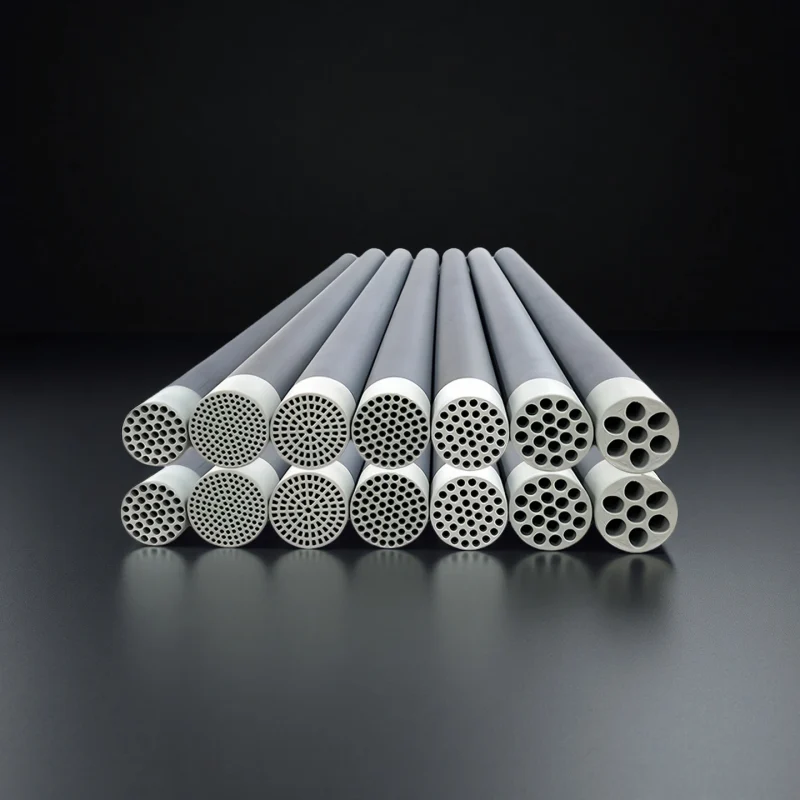
Tubular Membrane
Best For: High-solids, cross-flow, pilot testing
Typical applications:Mining slurry, oily water, catalyst recovery
Filtration Area: 0.03-0.25 m² per tube
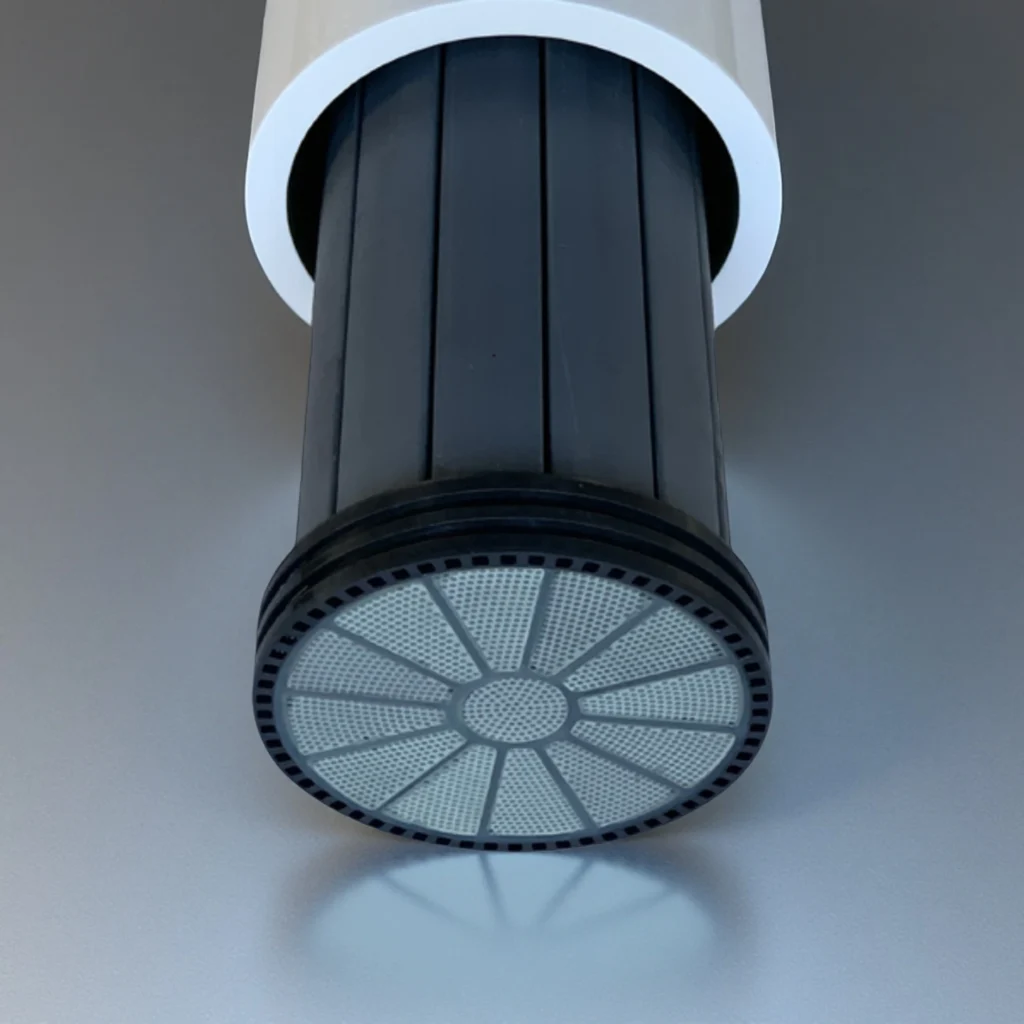
Column Module
Best For: Large-scale municipal/industrial systems
Typical Applications: MBR, RO pretreatment, municipal WWTP
Filtration Area: 5-15 m² per module
Flat Sheet
Best For: High packing density, MBR retrofit
Typical Applications: MBR systems, desalination pretreatment
Filtration Area: 0.15-0.30 m² per sheet
Silicon Carbide Membrane Product Portfolio
SiC ceramic membranes combine exceptional chemical resistance, high flux stability, and superior fouling recovery. They are the optimal choice for demanding filtration environments where polymer membranes fail.
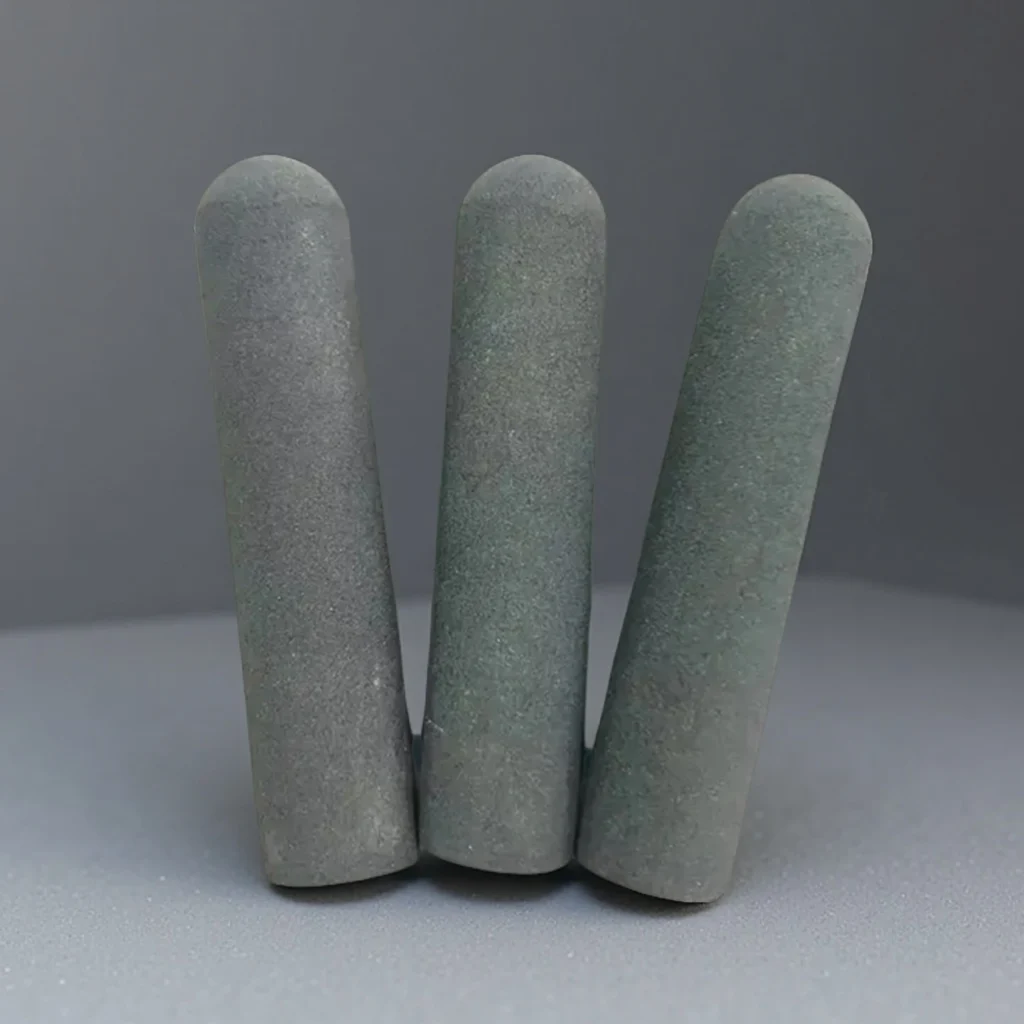
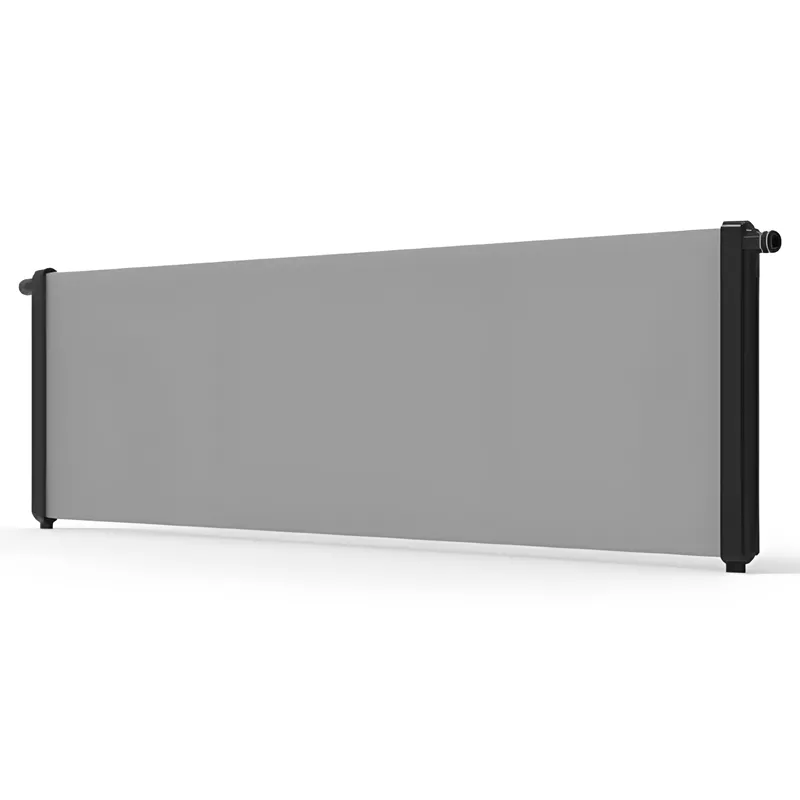
This flat-sheet silicon carbide sic ceramic membrane offers high packing density and stable filtration under MBR, desalination, and high-COD industrial wastewater conditions.
Industrial and Municipal Silicon Carbide Membrane Applications
ADCERAX silicon carbide membranes serve demanding municipal and industrial water treatment — from MBR upgrades and RO pretreatment to oily, high-solids and chemically aggressive effluents. We supply the membrane elements and modules; your system builder or EPC integrates them into the plant.
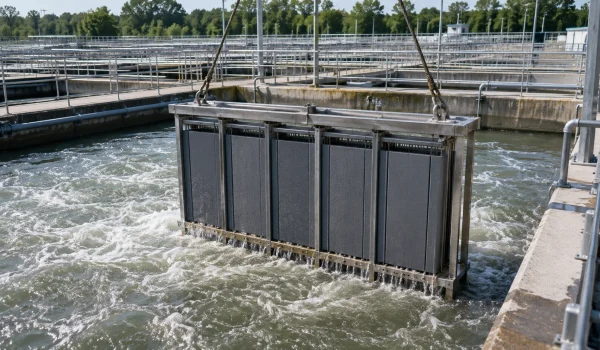
Municipal Treatment
Stable filtration for variable municipal water.
- MBR upgrades: stable flux, strong cleaning tolerance.
- RO pretreatment: less fouling of downstream RO.
- Tertiary polishing: clear, compliant effluent.
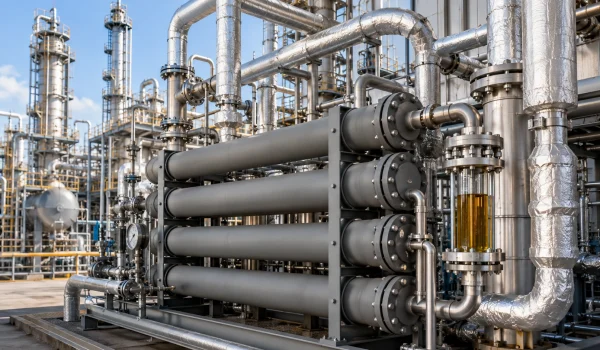
Chemical Processing
For corrosive and hot process liquids.
- Chemically stable across strong acids, alkalis and solvents.
- Clarifies process liquids and recovers valuable catalysts.
- Tolerates harsh cleaning without loss of integrity.
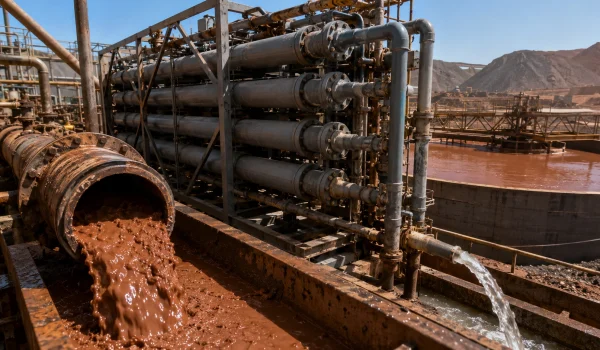
Mining Filtration
For abrasive slurries and solid–liquid separation.
- Rigid structure stands up to abrasive, high-solids slurries.
- Stable crossflow separation for tailings and process streams.
- Recovers clarified water and concentrates solids.
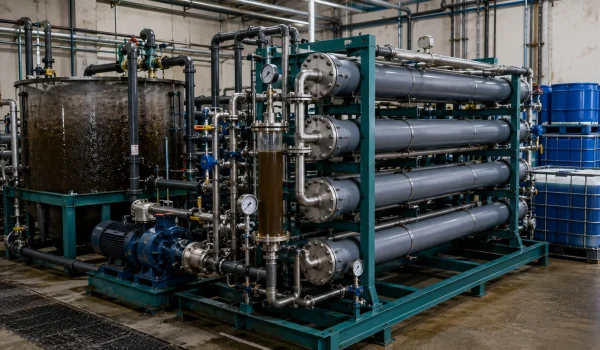
Industrial Effluents
For high-strength, variable industrial wastewater.
- Handles heavy organic and solids loads without rapid fouling.
- Withstands aggressive CIP and oxidizing cleaners.
- Recovers water for reuse from difficult effluents.
No MOQ · drawing-based customization · an engineer reviews your feedwater before quoting.
Customized Silicon Carbide Membrane Supplier
We specialize in customizing silicon carbide membrane filter with special sizes, tight tolerances, and complex features. OEM and small-batch support available.
Customization Options
Extra-large / Extra-small diameters, non-standard thicknesses, and ultra-long / ultra-short lengths.
Provide higher - level dimensional accuracy and concentricity control than the standard.
Flanges, steps, threads, drilling holes, grooves, etc.
Adjust the material according to the application requirements.
Polish and grind the surface to achieve a specific surface roughness.
Customization Process
Send us your drawing, CAD file, or physical sample with material grade, dimensions, tolerances, and quantity. Our engineers will evaluate the design and provide a detailed quotation with lead time and pricing.
Once the quote is approved, we proceed with sample prototyping (1–50 pcs) if needed, for testing and validation.
After sample approval or direct confirmation, we begin batch manufacturing using CNC machining, sintering, and polishing. All parts undergo dimensional checks, material purity testing, and surface finish inspection.
Finished products are securely packed and shipped via DHL/FedEx/UPS or your preferred method. We support global delivery with full documentation.
Factory-Direct SiC Membranes with In-House Custom Engineering
Engineering Support for Complex Project Conditions
Our engineers match each SiC membrane configuration to your real operating loads, chemistry and retrofit constraints.
-
Operating Window Assessment:
pH, TMP, flux and CIP conditions checked for feasibility. -
Hydraulic Load Review:
flow distribution and turbulence assessed for stable operation. -
Retrofit Geometry Alignment:
dimensions and interfaces matched to your existing housings. -
Pore Architecture Selection:
pore size and porosity recommended for your fouling profile. -
Integration Drawing Support:
2D/3D drawings provided to assist OEM and EPC design. -
Pilot Validation Analysis:
small-batch sampling to check flux and fouling recovery on your feed.


Manufacturing Strength Behind Every SiC Membrane
ADCERAX runs a vertically integrated SiC membrane line — high-temperature recrystallization, precision machining and dimensional inspection — keeping membrane quality consistent batch to batch. Exact equipment ratings and tolerances are confirmed for your project on review.
| Manufacturing Capabilities Overview | |||
|---|---|---|---|
| Capability | Description | ||
| Recrystallization furnaces | High-temperature recrystallization for a stable, pure SiC membrane matrix | ||
| Microstructure control | Recrystallization tuned for consistent grain bonding batch to batch | ||
| Pore-size control | Pore size and distribution controlled to your target separation | ||
| Multi-channel forming | Multi-channel tube cores formed for stable hydraulic geometry | ||
| Flat-sheet pressing | Ceramic pressing for flat, low-warpage sheets | ||
| Module assembly | Elements assembled into UPVC / FRP / SS housings with standard interfaces | ||
Technical FAQs About Silicon Carbide Membrane
The recrystallized SiC matrix remains chemically inert across pH 1–13 during continuous operation. It also tolerates oxidants such as chlorine, ozone, and hypochlorite without degradation. These properties make the membrane suitable for chemical, petrochemical, and surface-treatment wastewater where polymeric membranes typically fail.
SiC membranes can be customized in length, outer diameter, and interface geometry to match existing housings. This minimizes structural modifications for EPC contractors. Their stable TMP tolerance supports plug-and-play upgrades for MBR, RO pretreatment, and industrial wastewater retrofits.
The membrane remains stable in salinity levels above 35,000 ppm and resists scaling under fluctuating ionic loads. Its hydrophilicity reduces biofouling and particulate deposition common in seawater. These characteristics make it ideal for desalination pretreatment and offshore process-water filtration.
Yes, SiC's negative surface charge and microstructure reduce oil adhesion compared with polymeric membranes. This results in more stable flux under emulsified oil conditions. It also allows aggressive chemical cleaning to remove stubborn oil-based foulants.
Multi-channel SiC tubes increase hydraulic efficiency and reduce pressure drop. Smaller hydraulic diameters enhance shear forces, lowering the fouling rate. These design features help maintain LMH stability in high-viscosity and particle-rich feed streams.
No. SiC membranes are MF/UF (microfiltration/ultrafiltration) elements that remove suspended solids, oil and colloids. In desalination they serve as RO pretreatment ahead of an RO/NF system; they do not perform desalination themselves.
When the target is dissolved-salt removal or desalination (that needs RO/NF), when a very low-cost single-use filter is enough, or for gas/foundry/DPF or semiconductor-wafer uses — those are different products. We confirm fit by your feedwater and removal target first.
Application, feedwater quality (TSS, oil, COD, salinity, temperature, pH), removal target, required pore size, membrane form (tubular/flat sheet/MBR module), flow or area, and interface/module type. For a replacement, send the current membrane model and interface for review.
What to Send for a Silicon Carbide Membrane Quote
For a fast engineering review, please share:
- Feedwater chemistry — COD/BOD, TSS, oil & grease, pH, temperature, salinity/TDS
- Target separation — required pore size (MF/UF) or the contaminant you must remove
- Flow & duty — design flow (m³/h), continuous or batch, recovery target
- Configuration & fit — tubular / column module / flat sheet; housing dimensions or drawing if retrofitting
- Cleaning regime — backwash, air scour, CIP chemicals and frequency
- Drawing, datasheet or current membrane — PDF, DXF, STEP or image
Plus quantity — prototype, spare or repeat production. Our engineers confirm membrane fit (pore size, configuration and material), feasibility and typical lead time by review before quotation.
*Our team will answer your inquiries within 24 hours.
*Your information will be kept strictly confidential.
info@adcerax.com
Tel:+86-0731-84428843
WhatsApp:+86 19311583352
Within 24 hours
