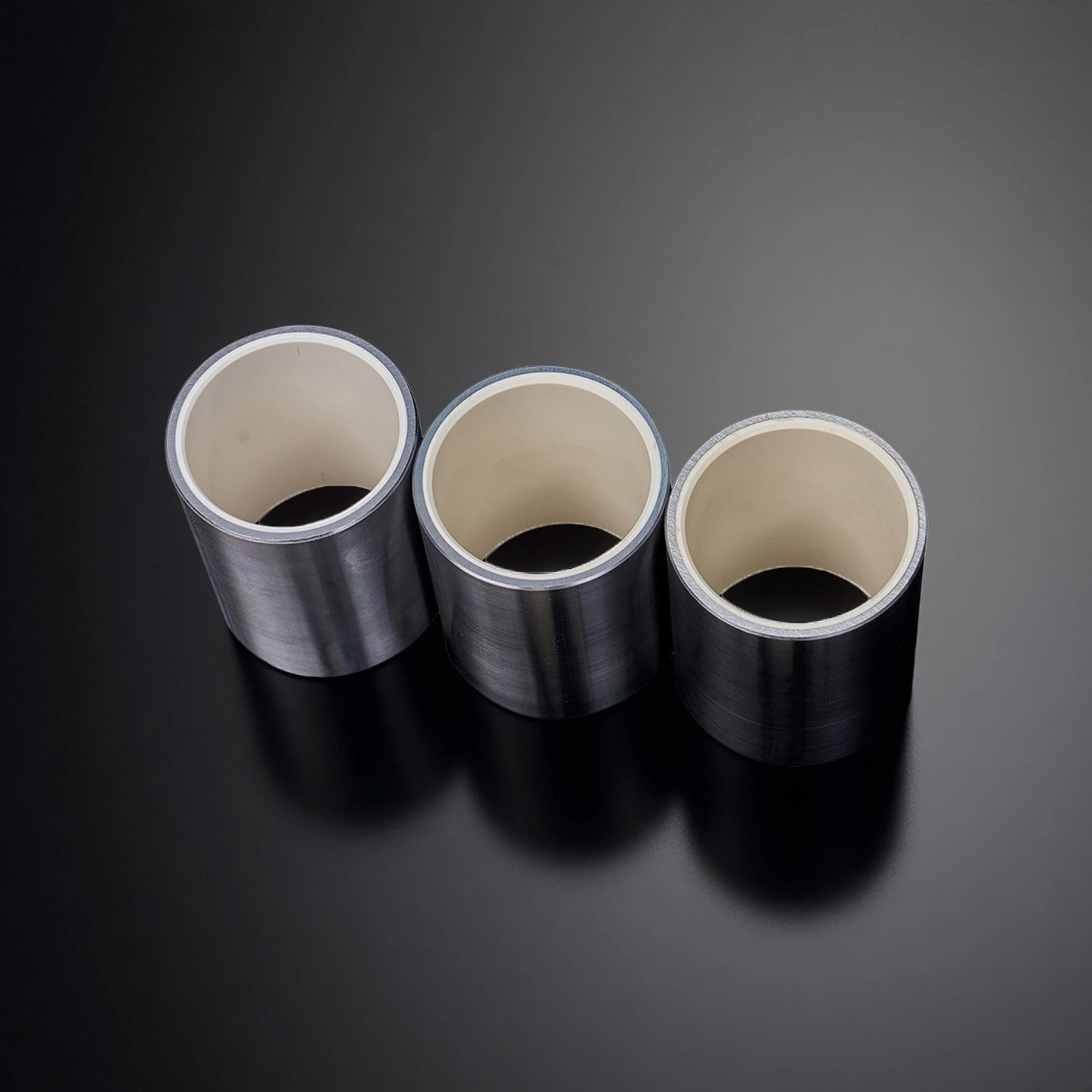
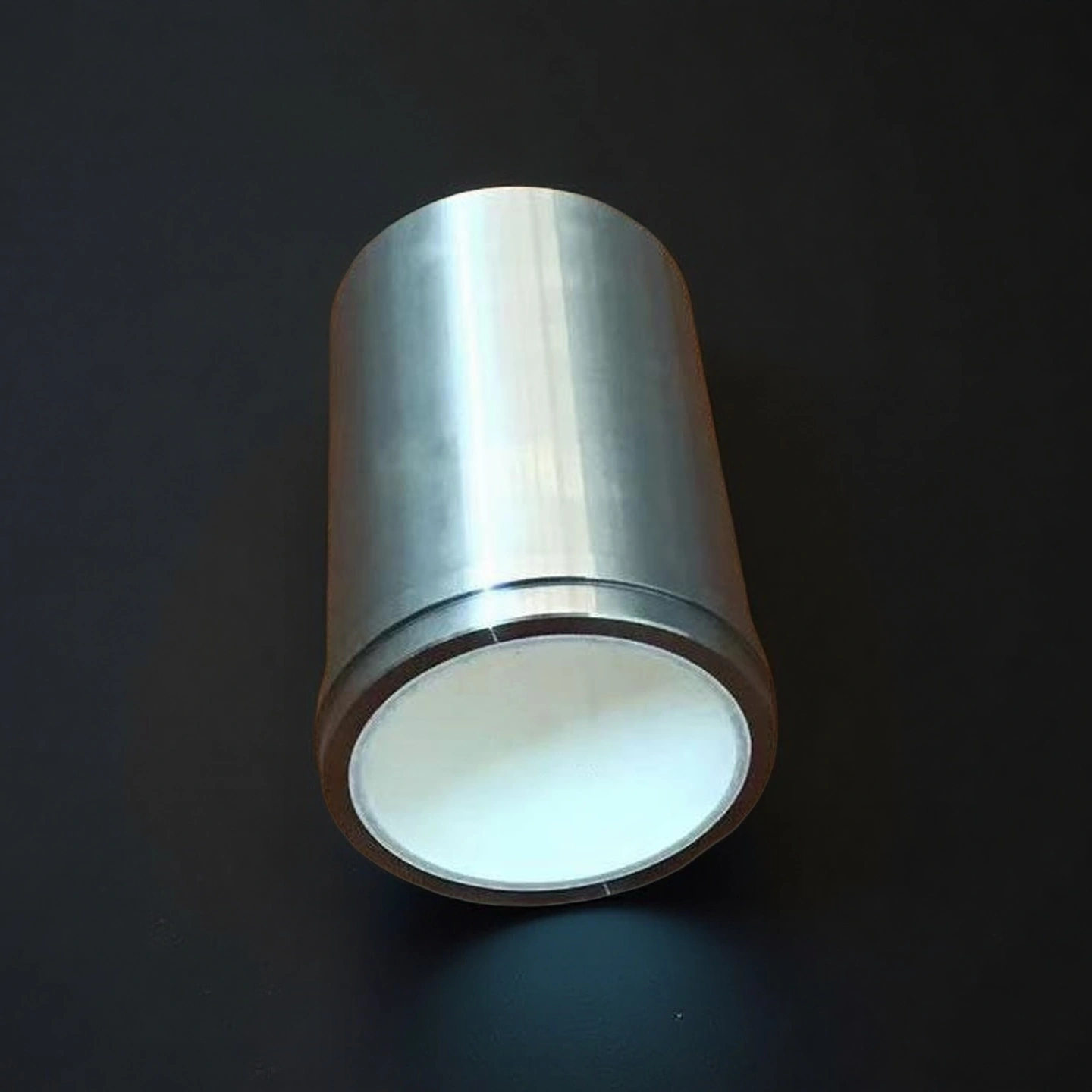
What Is an Alumina Ceramic Cylinder Liner?
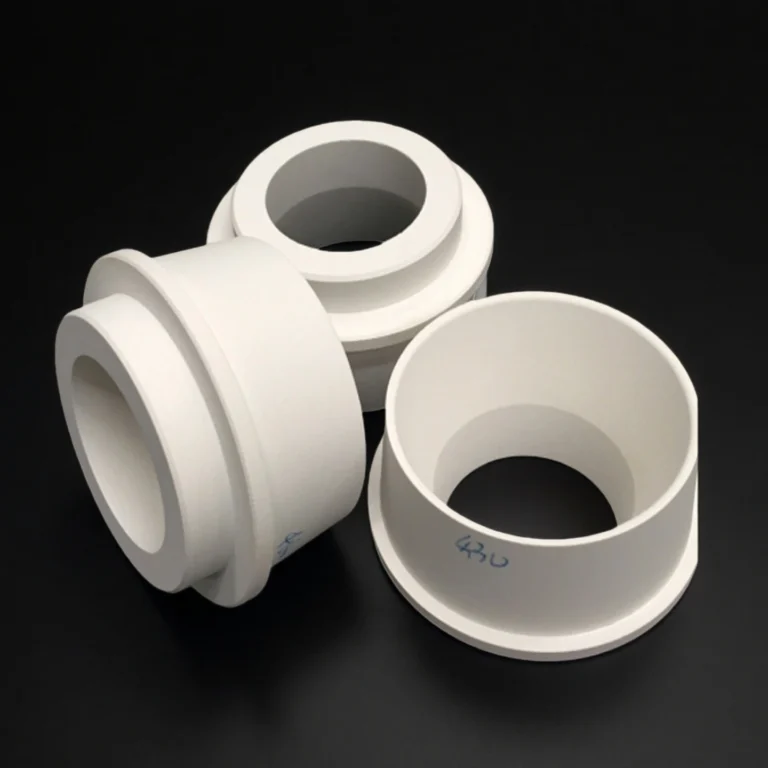
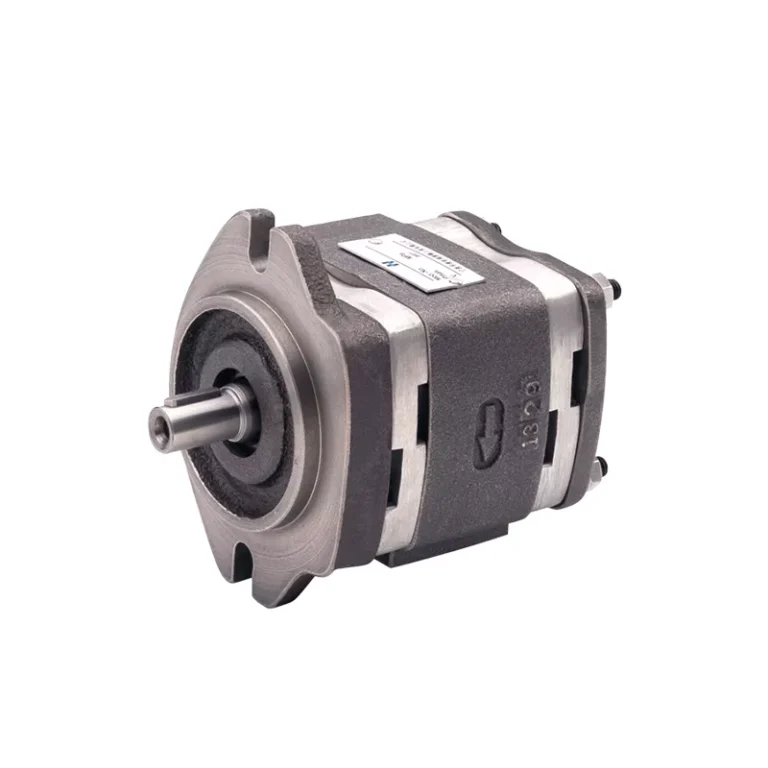
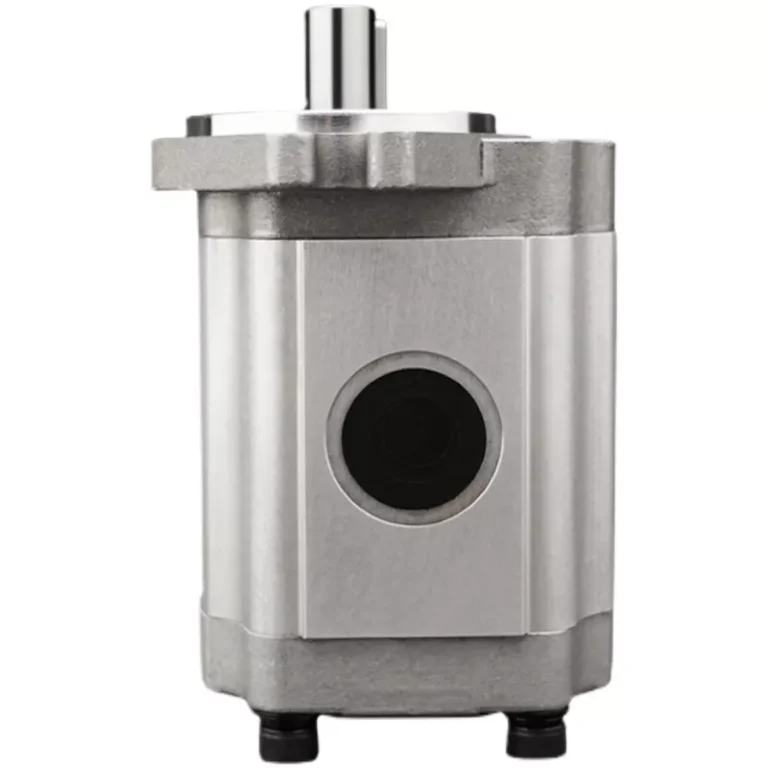
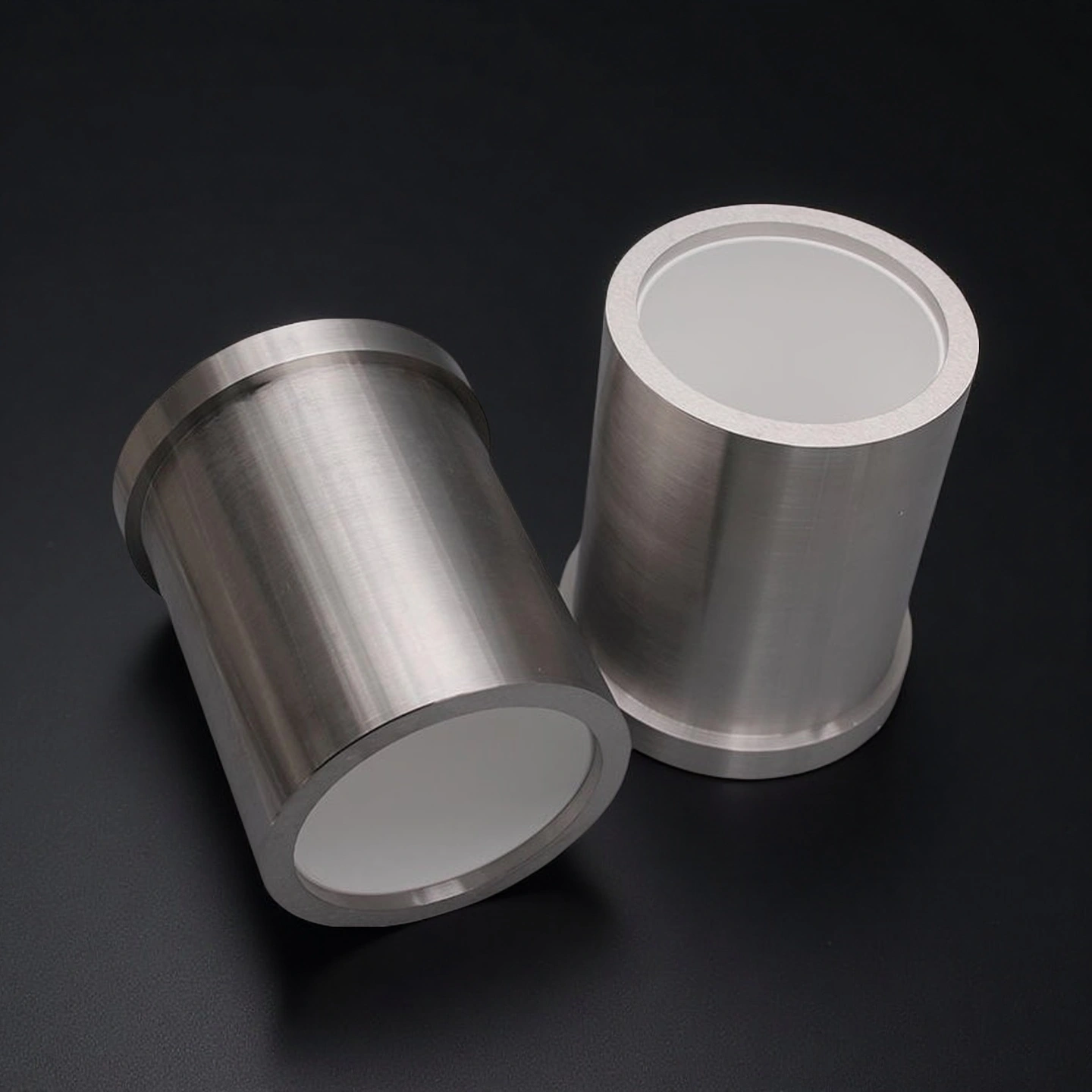
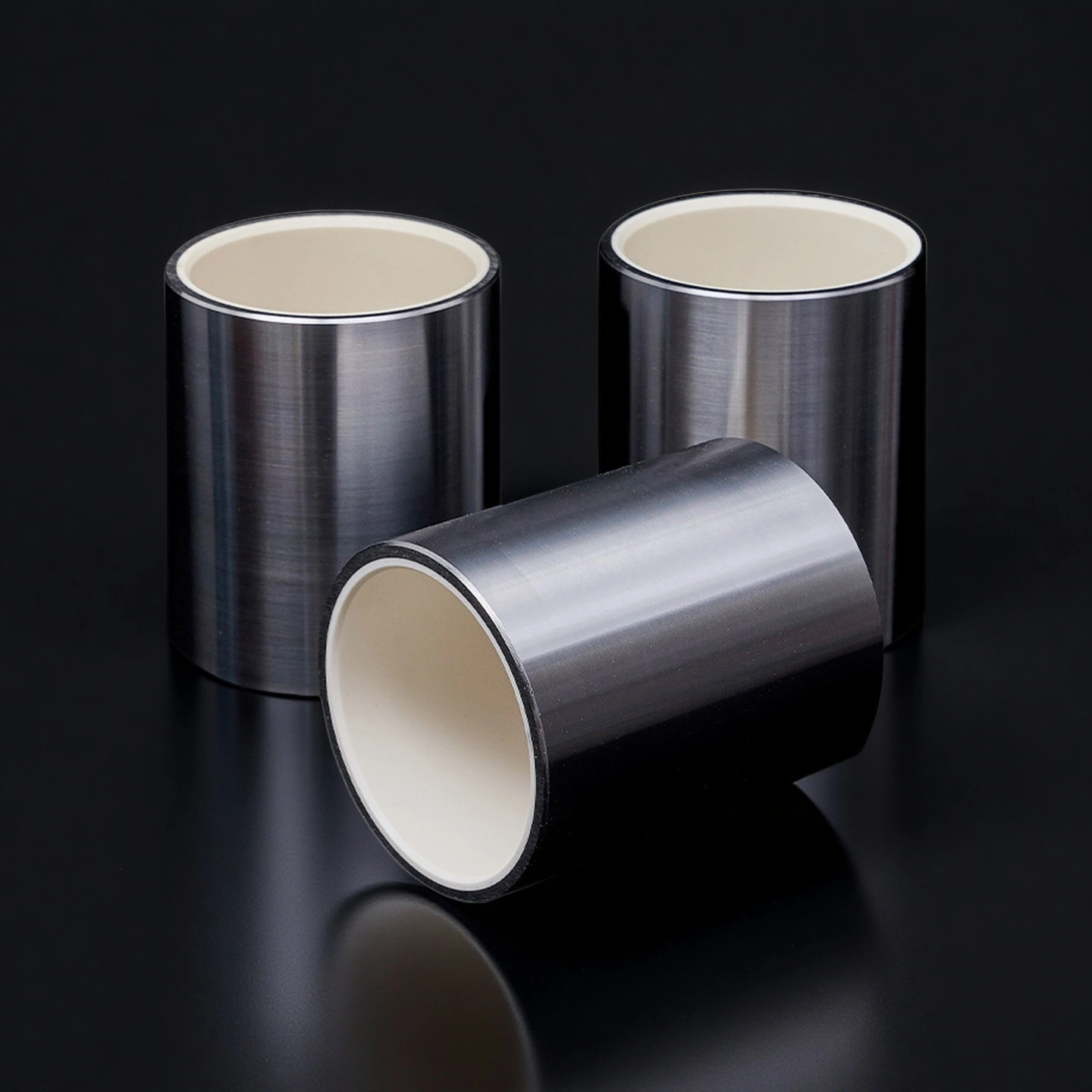
An alumina ceramic cylinder liner is a precision ceramic sleeve used to create a hard, smooth and wear-resistant inner bore inside a pump or fluid-control assembly. The liner acts as the contact surface for a piston, plunger or sealing component, helping the system maintain stable movement, sealing performance and pressure output.
Unlike a conventional metal liner, an alumina ceramic liner is selected when the working medium may cause abrasion, corrosion, bore scoring or rapid dimensional wear. Its polished ceramic bore helps reduce friction against sealing parts, while the high hardness of alumina helps the liner maintain its internal geometry during repeated reciprocating operation.
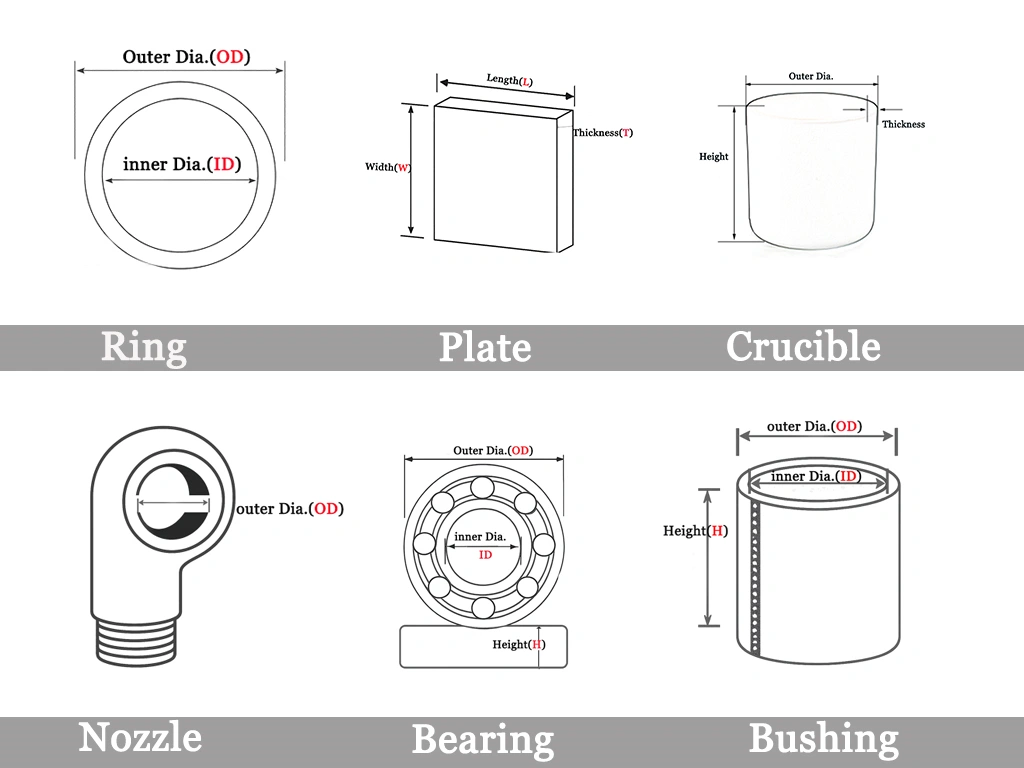
For engineering selection, the key factors are not only alumina purity. ID accuracy, bore roughness, cylindricity, wall thickness, edge chamfer, support structure and seal compatibility should also be reviewed because these details directly affect installation fit, sealing stability and service life.
Alumina Ceramic Cylinder Liner Benefits
Key Engineering Benefits
Alumina ceramic cylinder liners are selected for pump and slurry-handling systems because they provide a hard, smooth and chemically stable bore surface. These properties help reduce common problems such as metal liner wear, seal leakage, pressure fluctuation and corrosion-related service failure.
Polished Bore Surface
The polished alumina bore helps reduce seal lip wear, leakage risk and pressure fluctuation during piston or plunger movement. A smoother contact surface is especially important when the pump handles abrasive slurry, drilling mud or filled process fluids.
High Hardness
Alumina ceramic provides high hardness and strong resistance to abrasive wear from mud, mineral slurry and solid-filled fluids. This helps the liner maintain a more stable bore surface than many metal liners in harsh operating conditions.
Controlled ID Tolerance
Controlled inner diameter tolerance helps support stable piston or plunger movement inside the liner. It also helps reduce uneven contact, seal instability and abnormal wear caused by poor bore accuracy.
Chemical Stability
Alumina ceramic has good chemical stability in many acids, alkalis, solvents and process fluids. This makes it suitable for pump systems where corrosion may shorten the service life of conventional metal sleeves.
Dimensional Stability
The ceramic liner helps maintain bore geometry during repeated operation, flushing and cleaning cycles. Stable dimensions are important for maintaining sealing performance and consistent pump output over time.
Electrical Insulation
Alumina ceramic also provides electrical insulation when the liner is used in an insulated pump, metering assembly or special fluid-control system. This can be useful when the pump design requires both wear resistance and electrical isolation.
Alumina Ceramic Cylinder Liner Properties
| Property | Unit | 96% Al₂O₃ | 99% Al₂O₃ | 99.5% Al₂O₃ | 99.6% Al₂O₃ | 99.7% Al₂O₃ | 99.8% Al₂O₃ | 99.9% Al₂O₃ | 99.99% Al₂O₃ |
| Alumina content | % | 96 | 99 | 99.5 | 99.6 | 99.7 | 99.8 | 99.9 | 99.99 |
| Density | g/cm³ | 3.6-3.75 | 3.83 | 3.89 | 3.91 | 3.92 | 3.93 | 3.94 | 3.98 |
| Color | – | white | Ivory | Ivory | Ivory | Ivory | Ivory | Ivory | Ivory |
| Water absorption | % | 0 | 0 | – | 0 | 0 | 0 | 0 | 0 |
| Young’s modulus (Elastic modulus) | GPa | 300 | 350 | 375 | 356 | 357 | 358 | 359 | 362 |
| Shear modulus | GPa | – | – | 152 | – | – | – | – | – |
| Bulk modulus | GPa | – | – | 228 | – | – | – | – | – |
| Poisson’s ratio | – | – | – | 0.22 | – | – | – | – | – |
| Compressive strength | MPa | 1910 | 2210 | 2500 | 2552 | 2554 | 2556 | 2558 | 2570 |
| Flexural strength | MPa | 260 | 300 | 340 | 345 | 346 | 347 | 348 | 365 |
| Fracture toughness | MPa·m¹ᐟ² | – | – | 4 | – | – | – | – | – |
| Hardness | GPa | 14.5 | 17 | 17 | 23 | 24 | 25 | 26 | 30 |
| Thermal conductivity | W/m·K | 20 | 31 | 31 | 31-33 | 31-33 | 31-33 | 31-35 | 31-35 |
| Thermal shock resistance ΔT | °C | – | – | – | 222 | 223 | 224 | 225 | 228 |
| Maximum use temperature (no load) | °C | 1450 | 1680 | ≤1750 | 1755 | 1760 | 1765 | 1770 | 1800 |
| Coefficient of thermal expansion | 10⁻⁶/°C | 7.6 | 7.6 | 7.6 | 7.6 | 7.5 | 7.5 | 7.4 | 7.4 |
| Volume resistivity | Ω·cm | >1×10¹⁴ | >1×10¹⁴ | >1×10¹⁴ | >1×10¹⁴ | >1×10¹⁴ | >1×10¹⁴ | >1×10¹⁴ | >1×10¹⁴ |
| Dielectric constant (relative permittivity) | – | 9.2 | 9.5 | 9.8 | 9.83 | 9.84 | 9.85 | 9.86 | 9.92 |
| Dielectric strength | kV/mm | 15 | 19 | 16.9 | 23.2 | 23.4 | 23.6 | 23.8 | 24 |
| Dissipation factor (loss factor @ 1 kHz) | – | – | – | 0.0002 | – | – | – | – | – |
Alumina Ceramic Cylinder Liner Specifications
| Item No. | Diameter (mm) | Thickness (mm) | Purity |
| AT-GT-01 | Customize | ||
Alumina Ceramic Cylinder Liner Packaging
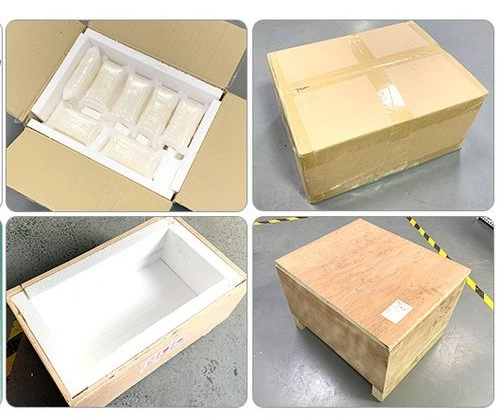
Each alumina ceramic cylinder liner is packed to protect the polished bore, end face and chamfered edges during handling and international shipment. Bore caps, foam sleeves, separated positioning and reinforced outer packaging can be selected according to liner size, wall thickness and surface finish requirement.
- Bore protection: Inner bore can be capped or separated to reduce scratch risk during transport.
- Edge protection: End faces and chamfers can be cushioned to reduce chipping risk.
- Individual separation: Liners should be separated to avoid ceramic-to-ceramic contact.
- Outer packaging: Reinforced cartons or wooden cases can be used according to order size and shipping method.