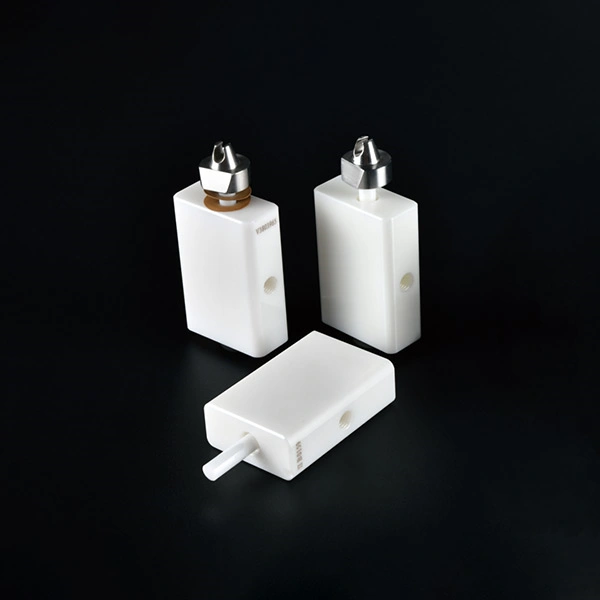
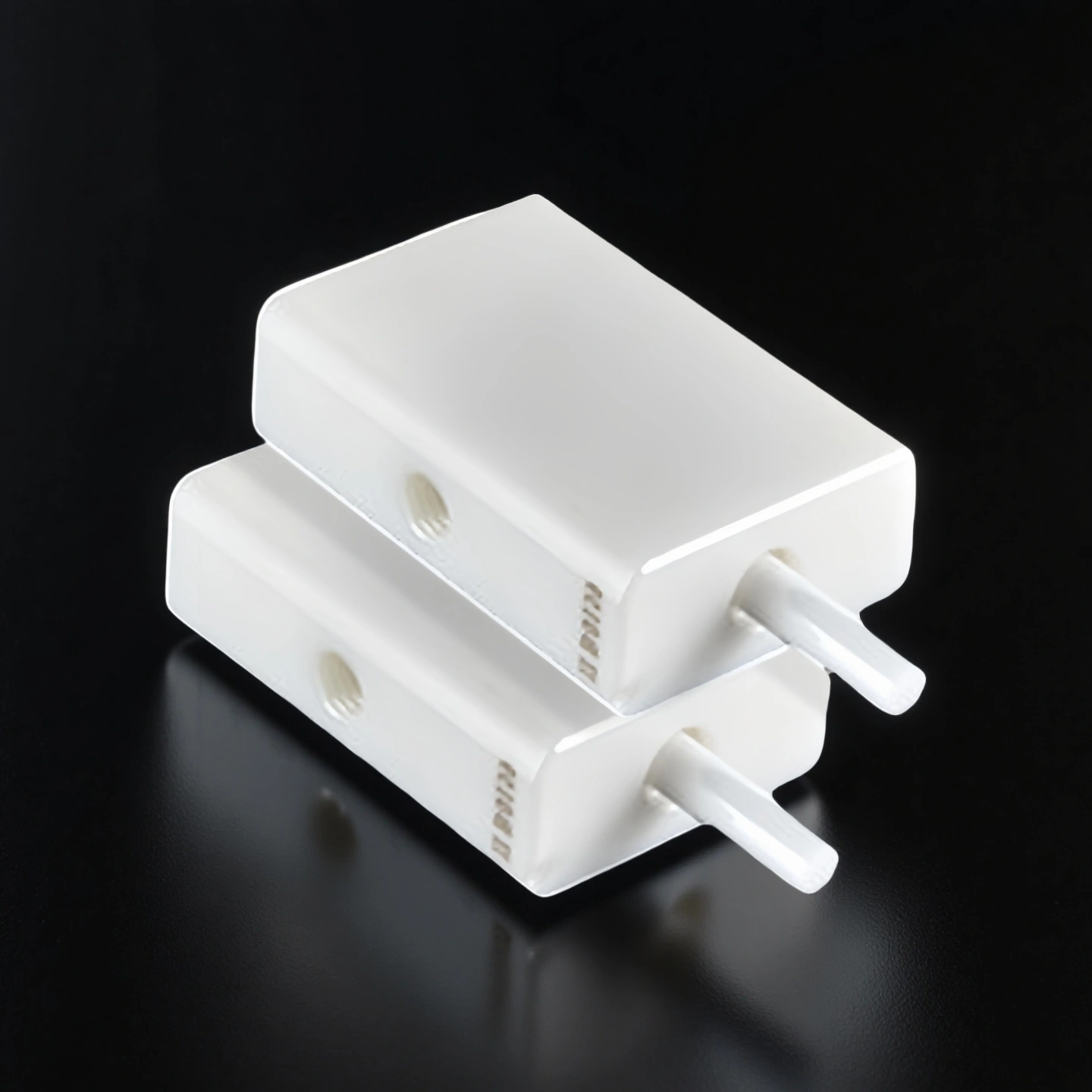
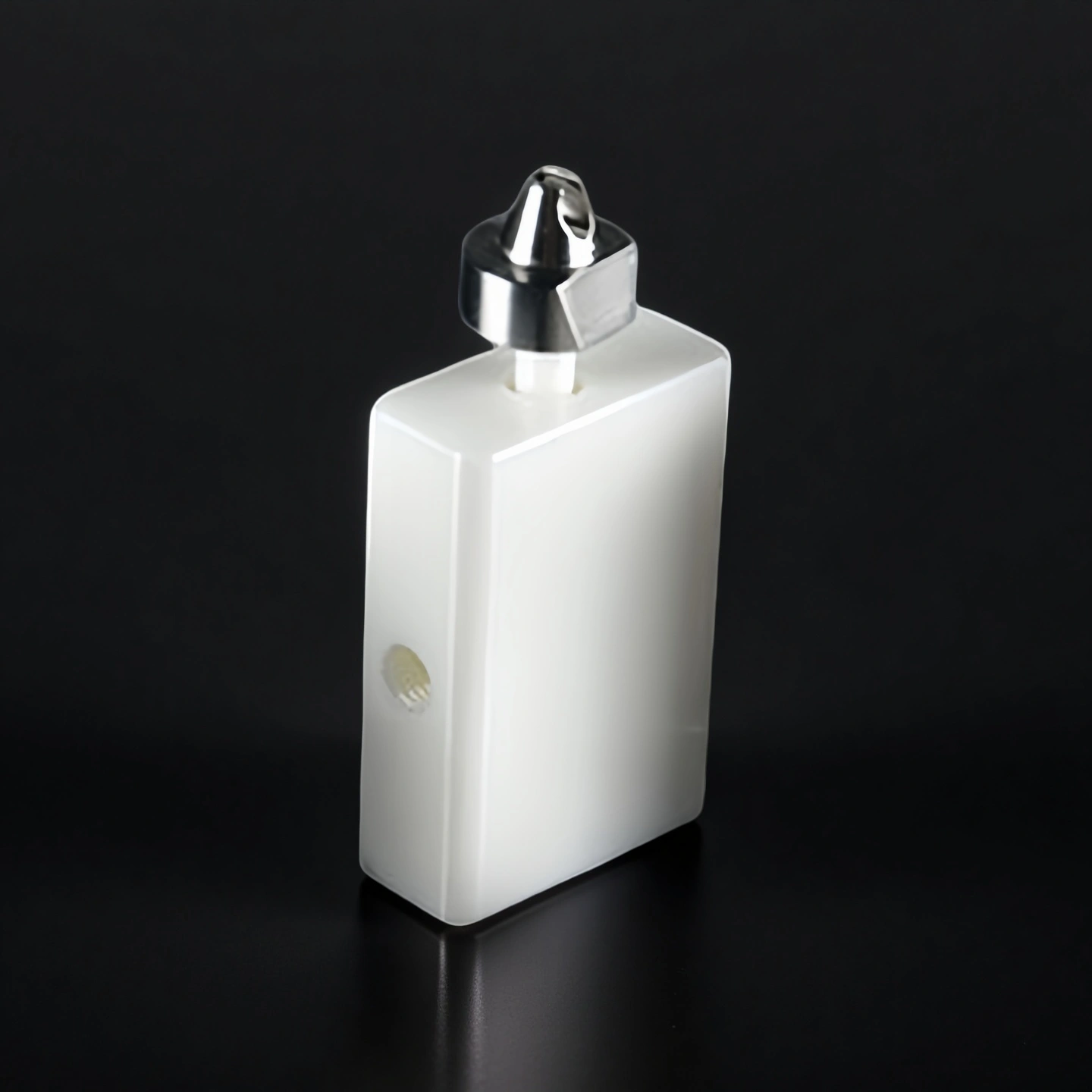
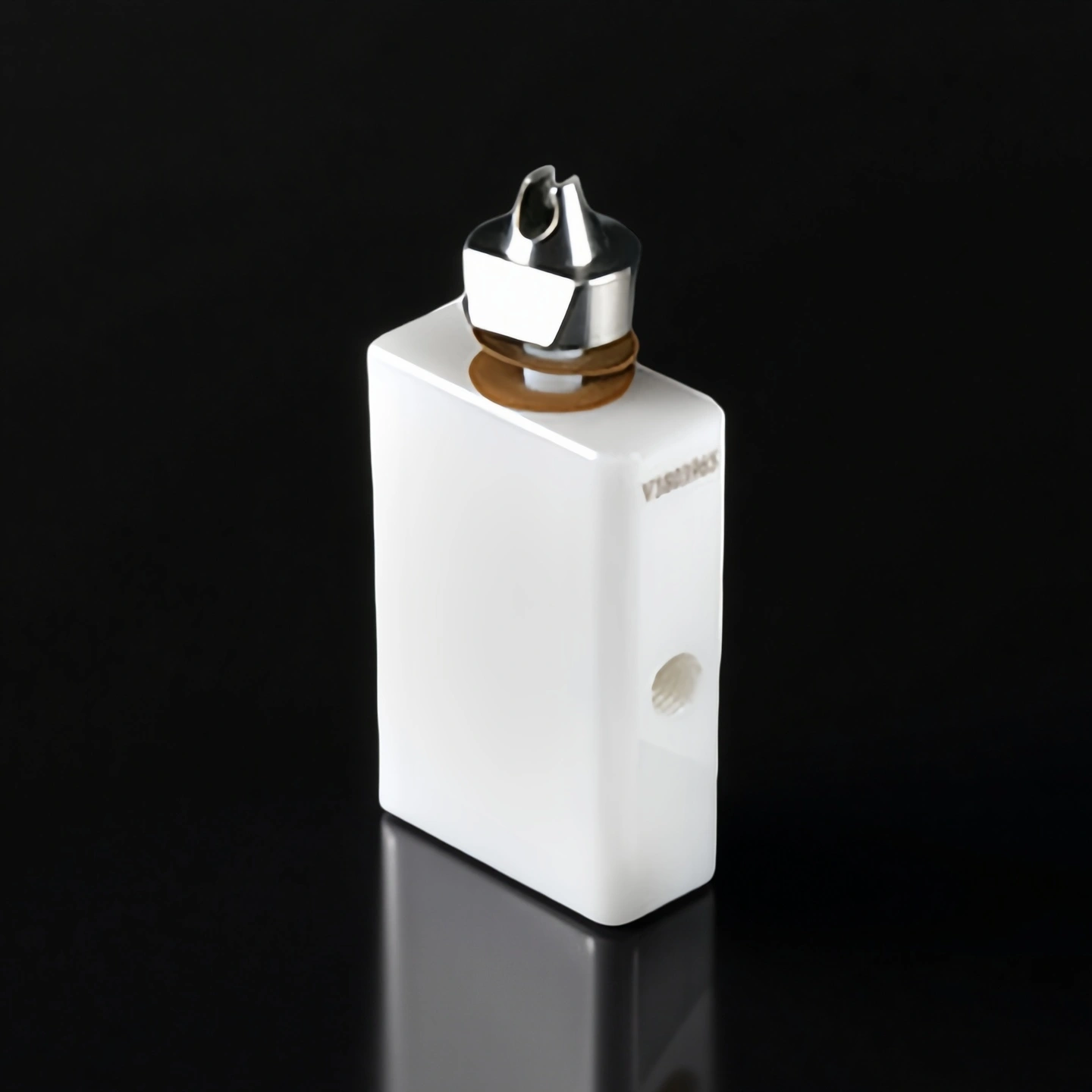
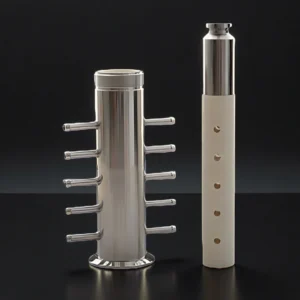
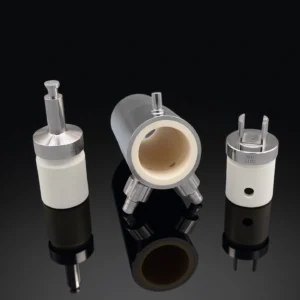
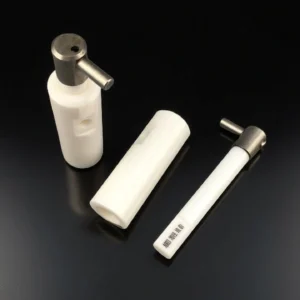
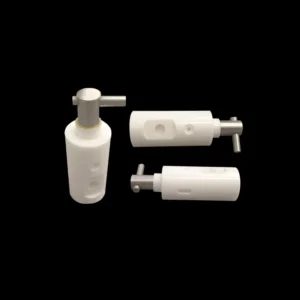
ADCERAX® Zirconia Ceramic Dosing Pump for Liquid Crystal Filling is engineered for high-precision liquid crystal filling lines where stability and reliability define productivity. The pump uses full zirconia ceramic contact surfaces to ensure chemical resistance, wear durability, and clean operation with no contamination risk. By enabling bubble-free and leakage-free dosing under vacuum, Zirconia Ceramic Dosing Pump directly supports yield improvement and consistent performance in advanced LCD manufacturing. Its proven material strength and thermal stability also extend use into chemical dosing, coating processes, and electrolyte filling for demanding industries.
Features of Zirconia Ceramic Dosing Pump for Liquid Crystal Filling
- The Zirconia Ceramic Plunger Pump achieves filling accuracy as low as ±0.3%, maintaining consistency in small- and mid-volume dosing tasks. This performance minimizes variation in pharmaceutical and cosmetic filling lines.
- It delivers metering accuracy of up to ±0.1%, making it a dependable choice where precise dosage is critical. This accuracy reduces the risk of costly production errors.
- The material offers fracture toughness of 6–8 MPa·m½, providing resistance against sudden mechanical shocks. This toughness ensures reliability even during high-speed operations.
- A density of 5.65–6.05 g/cm³ ensures structural integrity while reducing porosity. This dense structure enhances resistance against chemical penetration.
- It maintains stability at temperatures up to 1000 °C, enabling safe use in processes involving heated or corrosive liquids. This makes it suitable for both food sterilization and chemical dosing.
- The Zirconia Ceramic Plunger Pump resists aggressive media with a thermal conductivity of 3 W/m·K. This low conductivity minimizes thermal stress during rapid temperature shifts.
- Its hardness of 1200–1450 HV1 ensures exceptional resistance to abrasion. This hardness directly lowers maintenance frequency in production environments.
- With a compressive strength of 1600–2300 MPa, the pump resists deformation in demanding operations. This property extends service life by reducing wear under high loads.
Technical Properties for Zirconia Ceramic Dosing Pump for Liquid Crystal Filling
Zirconia Ceramic Dosing Pump is designed with advanced material properties that ensure stable dosing performance in LCD filling and chemical applications.
| Property |
Pure Zirconia (Monoclinic) - Unstabilized |
Yttria-Stabilized Zirconia (YSZ) |
Magnesia-stabilized zirconia (Mg-PSZ) |
| Typical Purity |
High-purity raw material, but unstabilized for the final product |
High purity |
High purity |
| Crystal Phases (at RT) |
Monoclinic (stable up to ~1170°C); Tetragonal and Cubic at higher temperatures. |
Primarily, Metastable Tetragonal can have a Cubic phase. |
Partially stabilized with tetragonal precipitates in a cubic matrix. |
| Density (g/cm³) |
5.65–6.05 |
5.85-6.1 |
~5.7 |
| Melting Point (°C) |
~2700-2715 |
Very High (similar to pure zirconia, but phase stability is key) |
Very High |
| Thermal Conductivity (W/m·K) |
Low (approx. 2-3) |
Low (approx. 2.5-3) |
Low (approx. 3) |
| Thermal Expansion Coefficient (10⁻⁶/K) |
~10 |
9.5-10 |
10 |
| Flexural Strength (MPa) |
Poor (due to phase transformation and brittleness) |
Up to 1000, 710-900 |
500 |
| Compressive Strength (MPa) |
Not typically used structurally |
~2000 |
~2500 |
| Fracture Toughness (MPa·m^0.5) |
Low (inherently brittle) |
Up to 10 (exceptionally high for ceramics due to transformation toughening), 8-9 |
6 |
| Hardness (Vickers, HV1) |
Moderate |
11-13 GPa, 1100-1220 kg/mm² |
1100 kg/mm² |
| Chemical Inertness |
Excellent in acids and alkalis |
Excellent |
Excellent |
| Biocompatibility |
Generally good, but stabilized forms are preferred for medical use |
Excellent, widely used in dental and medical implants |
Good |
| Typical Applications |
Refractories (at high temperatures) |
Structural ceramics, dental implants, oxygen sensors, cutting tools, thermal barrier coatings |
Refractories, structural components requiring specific thermal properties |
Packaging of Zirconia Ceramic Dosing Pump for Liquid Crystal Filling
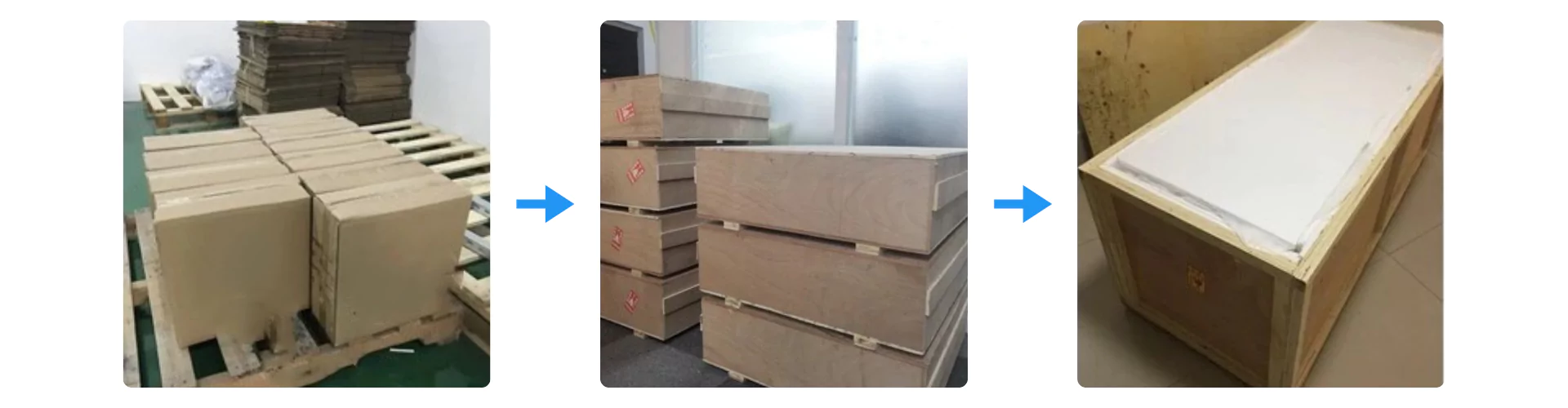
Each ZrO2 Dosing Pump is first secured in reinforced cartons and then packed into solid wooden cases for safe international transport. The wooden crates provide strong protection against vibration and moisture, ensuring the Zirconia Ceramic Dosing Pump arrives without damage. This multi-layer process guarantees stable delivery and keeps every one of them ready for immediate installation.
Solving Application Challenges with ADCERAX® Zirconia Ceramic Dosing Pump for Liquid Crystal Filling
ADCERAX® ZrO2 Dosing Pump is purpose-built for processes where vacuum filling, chemical resistance, and dosing uniformity are decisive for production yield. Within semiconductor-related industries, it serves distinct functions across LCD panel filling, OLED/LCOS modules, and liquid encapsulant dosing.
-
TFT-LCD Panel Injection
✅Key Advantages
1. Vacuum-stable microflow control — Zirconia Ceramic Dosing Pump holds output variation <0.5% across 5–20 mPa·s viscosities under process vacuum. This stability suppresses micro-bubble nucleation that triggers mura on large substrates.
2. Wear-stable dosing head — Y-TZP wetted parts deliver >1200 HV hardness with life tested to >10 million strokes. Shot drift stays ≤0.2% over 24 h continuous operation, preserving cell-gap uniformity.
3. Bubble-suppression geometry — Cavitation margin exceeds 30 kPa relative to duty conditions. Coordinated with upstream degassing, it cuts trapped-air events by >50% versus baseline pumps.
✅ ️Problem Solved
On a Gen-6 TFT-LCD line with 3–5 µm cell gaps, baseline pumps caused 6.2% mura-related rejects and 9 h/month dosing downtime. After switching to ADCERAX® Zirconia Ceramic Dosing Pump, bubble incidence fell to <0.3 defects/m² and the reject rate dropped to 2.1%. Shot stability held at <0.5% CV across three shifts. OEE rose by +4.5%, with MTBF exceeding 3000 h in vacuum duty.
-
LCOS and Microdisplay Modules
✅Key Advantages
1. Sub-microliter shot accuracy — Zirconia Ceramic Dosing Pump maintains ≤1.0% CV for 0.2–0.8 µL shots. This precision stabilizes electro-optical response across pixel arrays.
2. Ion-free wetted path — Extractables remain <1 ppm after 72 h solvent soak, eliminating metallic contamination. Color drift (ΔE) variability contracts by >40% in post-assembly tests.
3. Thermal stability across process steps — CTE stays near ~10×10⁻⁶/K with volumetric drift ≤0.3% from 25–120 °C. This prevents dose shift near thermal cure windows.
✅ ️Problem Solved
An AR microdisplay line reported flicker and color-shift returns tied to contamination and under-dosing, with field failures at 1.9%. Deploying ADCERAX® Zirconia Ceramic Dosing Pump cut shot error to 0.6% CV and lowered ΔE excursions by 55%. RMA rate fell to 0.6% within two quarters. First-pass yield improved by +3.2% without altering upstream materials.
-
Encapsulation and Alignment Layer Processes
✅Key Advantages
1. Resin-duty chemical resilience — Mass loss is <0.05% after 168 h in UV acrylates and epoxies (100–3000 mPa·s). Dosing performance remains stable across full cure schedules.
2. Shot-to-shot uniformity for seals and films — For 5–50 µL shots the pump holds ≤0.8% CV. Alignment-layer thickness variation tightens to ±2% across panels.
3. Extended uptime in corrosive duty — Mean time between failures exceeds 4000 h in resin service. Changeover with solvent CIP completes in <10 min, reducing tool idle time.
✅ ️Problem Solved
A smartphone module line showed seal-void rates of 8.7% and moisture-ingress returns impacting warranty cost. With ADCERAX® Zirconia Ceramic Dosing Pump, voids dropped to 2.4% and IPX water-ingress failures declined by 60%. Shot CV stabilized at ≤0.8% across three resin SKUs. Preventive-maintenance downtime fell by 35%, producing payback in <4 months.
User Guide of Zirconia Ceramic Dosing Pump for Liquid Crystal Filling
The Zirconia Ceramic Dosing Pump requires proper operation and routine care to achieve long service life and stable dosing performance. This guide provides clear recommendations for installation, operation, environment, and maintenance so that users can minimize downtime and protect critical LCD production processes.
-
Installation Guidelines
1. Ensure the pump is firmly mounted on a vibration-free base to prevent alignment drift. Three-axis stability helps maintain dosing accuracy in long production runs.
2. Always connect the inlet and outlet fittings with approved sealing materials to avoid leakage during vacuum operation. Improper sealing may cause trapped air bubbles.
3. Verify electrical and control integration before startup. Stable power and signal communication prevent misfiring and cycle interruptions.
-
Operating Recommendations
1. Start the Zirconia Ceramic Dosing Pump only after confirming that liquid crystal material has been fully degassed. Entrapped air causes injection defects and yield loss.
2. Operate within the specified viscosity range of 5–20 mPa·s, as higher viscosities increase wear and reduce dosing accuracy. Monitoring viscosity ensures consistent flow.
3. Use gradual pressure ramp-up when initiating cycles. Sudden pressure spikes can stress the plunger and shorten pump lifetime.
-
Environmental Conditions
1. Keep the surrounding work area clean and dust-free to prevent foreign particles from entering the dosing chamber. Even small contaminants disrupt flow stability.
2. Maintain ambient temperature between 15–30°C to reduce thermal expansion differences. Stable conditions help maintain consistent volumetric dosing.
3. Avoid direct exposure to corrosive vapors from other processes. Long-term contact with aggressive gases can affect sealing and housing durability.
-
Maintenance Practices
1. Inspect seals and plunger surfaces weekly for wear marks or micro-cracks. Early replacement prevents sudden leakage during production.
2. Perform routine solvent flushing after every 200 hours of operation. This removes residual material and ensures clean dosing channels.
3. Document service intervals and performance logs to track pump stability. Predictive maintenance lowers unplanned downtime and extends mean time between failures.