
What Is a Silicon Nitride Bonded Silicon Carbide Kiln Plate?
A silicon nitride bonded silicon carbide kiln plate, also called an NBSiC kiln plate or NSiC kiln furniture plate, is a ceramic loading plate made from silicon carbide particles bonded by a silicon nitride phase. This structure gives the plate a useful balance of high-temperature strength, thermal shock resistance and oxidation resistance.
Compared with traditional oxide-based kiln shelves, NBSiC plates are often selected for repeated firing cycles, heavy loading, fast heating and cooling, and applications where plate deformation, cracking or contamination may affect product yield. ADCERAX supports standard and drawing-based kiln plates for ceramic sintering, powder metallurgy, electronic ceramic firing and other industrial furnace applications.
Key Engineering Benefits of NBSiC Kiln Plates
-
High-temperature dimensional stability
NBSiC kiln plates help reduce bending, deformation and shape change during repeated firing cycles. This is important for kiln furniture used in ceramic sintering, powder processing and other high-temperature loading systems where plate flatness affects product support. -
Thermal shock resistance
The silicon carbide structure and silicon nitride bonding phase give the plate strong resistance to rapid heating and cooling. This helps lower the risk of cracking when the kiln cycle includes temperature changes, repeated firing or localized thermal stress -
Hot load support
NBSiC kiln plates can support ceramic parts, setters, powders and fixtures during high-temperature processing. When plate thickness, support span and loading method are properly reviewed, the plate can provide stable support inside industrial kilns and furnaces. -
Oxidation and corrosion resistance
The material remains stable in many industrial kiln atmospheres and reactive processing environments. This makes it suitable for applications where conventional refractory plates may suffer from surface degradation, contamination or shortened service stability. -
Lower kiln furniture mass potential
In selected designs, NBSiC allows thinner or lighter kiln furniture compared with some conventional refractory supports. A lower-mass plate may help improve heat transfer efficiency and reduce the thermal load inside the furnace system. -
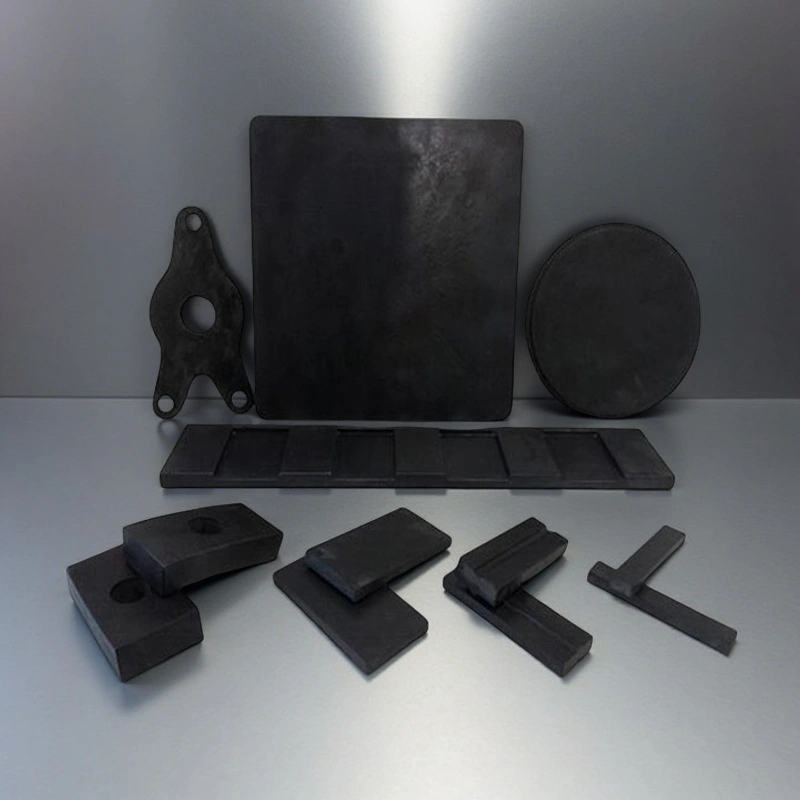
Drawing-based customization
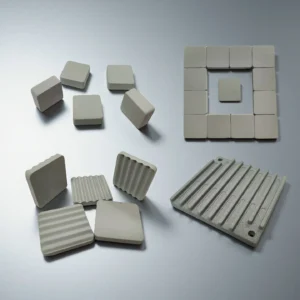
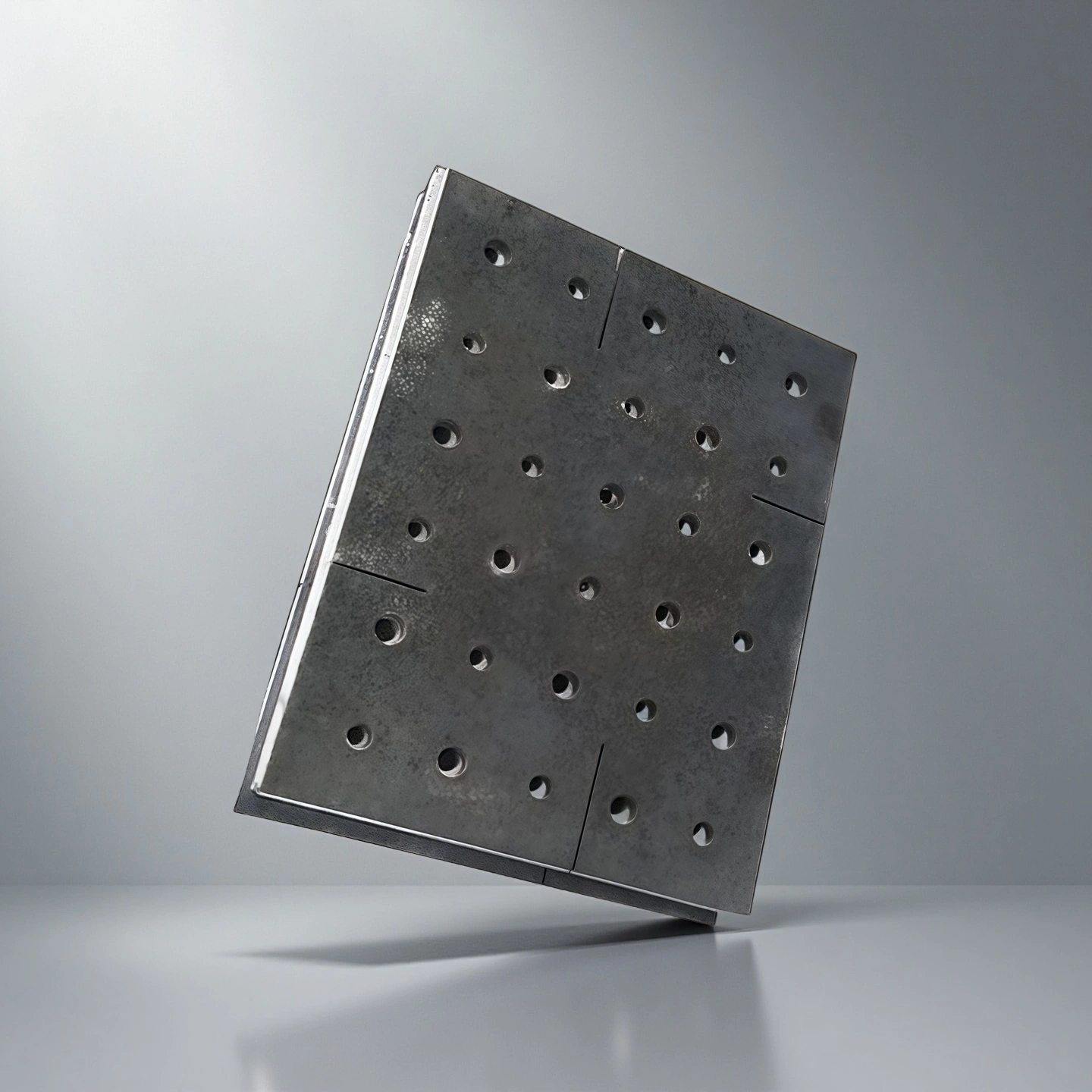
ADCERAX can review custom size, thickness, holes, grooves, chamfers and support interfaces according to the kiln layout, loading weight and firing process. This makes the plate suitable for both new kiln furniture designs and replacement projects based on existing drawings or samples.
Technical Specifications of Nitride Bonded Silicon Carbide Kiln Plate
The Nitride Bonded Silicon Carbide Kiln Plate is engineered to deliver outstanding performance in high-temperature and demanding industrial sintering environments. Designed with a composite of SiC and Si₃N₄, it offers superior thermal stability, mechanical strength, and excellent corrosion resistance.
| Parameter | Typical Page Specification | Engineering Relevance |
|---|---|---|
| Material System | Silicon nitride bonded silicon carbide, NBSiC / NSiC | Defines the ceramic structure and distinguishes it from RSiC, SiSiC, SSiC and mullite kiln furniture. |
| Maximum Use Temperature | Around 1500°C, depending on load, cycle and atmosphere | Helps buyers judge whether the plate fits the furnace temperature range. |
| Thermal Expansion Coefficient | 2.7 × 10⁻⁶ /°C | Lower thermal expansion helps reduce cracking and dimensional change during thermal cycling. |
| Compressive Strength | 350 MPa at high temperature, based on current page specification | Supports loaded kiln furniture designs where plates carry setters, products or powder containers. |
| Hardness | ≥9 Mohs | Indicates surface wear resistance during repeated loading, unloading and contact with ceramic products. |
| Density | Around 3.2 g/cm³ | Helps estimate plate weight, handling requirements and kiln furniture mass. |
| Thermal Shock Resistance | High resistance to rapid temperature change | Important for firing cycles with heating, cooling or local temperature gradients. |
| Oxidation Resistance | Suitable for many high-temperature oxidizing environments | Helps maintain plate stability in common industrial kiln atmospheres. |
| Corrosion Resistance | Good resistance in many acidic and alkaline environments | Relevant when the processed material or atmosphere may react with conventional refractory supports. |
| Custom Geometry | Size, thickness, holes, chamfers, grooves and support layout | Allows the plate to match existing kiln furniture systems or equipment drawings. |
Nitride Bonded Silicon Carbide Kiln Plate Available Sizes
The following sizes are examples of available square NBSiC kiln plates. Custom length, width, thickness, hole layout, edge chamfer and support structure can be reviewed according to your furnace drawing, loading method and firing cycle.
Square NBSiC Kiln Plate Size Examples
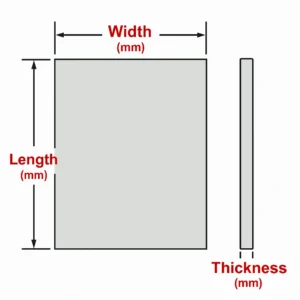
| Square NBSIC Refractory Plate | ||
| Item No. | Length(mm) | Width (mm) |
| AT-SIC-PB001 | 200 | 200 |
| AT-SIC-PB002 | 250 | 250 |
| AT-SIC-PB003 | 270 | 270 |
| AT-SIC-PB004 | 280 | 280 |
| AT-SIC-PB005 | 290 | 290 |
| AT-SIC-PB006 | 300 | 280 |
| AT-SIC-PB007 | 300 | 300 |
| AT-SIC-PB008 | 310 | 300 |
| AT-SIC-PB009 | 310 | 310 |
| AT-SIC-PB010 | 320 | 300 |
| AT-SIC-PB011 | 320 | 320 |
| AT-SIC-PB012 | 340 | 340 |
| AT-SIC-PB013 | 350 | 300 |
| AT-SIC-PB014 | 350 | 350 |
| AT-SIC-PB015 | 360 | 360 |
| AT-SIC-PB016 | 370 | 240 |
| AT-SIC-PB017 | 382 | 382 |
| AT-SIC-PB018 | 390 | 290 |
| AT-SIC-PB019 | 390 | 380 |
| AT-SIC-PB020 | 390 | 390 |
| AT-SIC-PB021 | 395 | 295 |
| AT-SIC-PB022 | 400 | 300 |
| AT-SIC-PB023 | 400 | 350 |
| AT-SIC-PB024 | 400 | 370 |
| AT-SIC-PB025 | 400 | 380 |
| AT-SIC-PB026 | 400 | 400 |
| AT-SIC-PB027 | 410 | 180 |
| AT-SIC-PB028 | 410 | 400 |
| AT-SIC-PB029 | 410 | 410 |
| AT-SIC-PB030 | 420 | 370 |
| AT-SIC-PB031 | 420 | 380 |
| AT-SIC-PB032 | 420 | 400 |
| AT-SIC-PB033 | 420 | 420 |
| AT-SIC-PB034 | 430 | 330 |
| AT-SIC-PB035 | 430 | 380 |
| AT-SIC-PB036 | 430 | 390 |
| AT-SIC-PB037 | 430 | 400 |
| AT-SIC-PB038 | 430 | 420 |
| AT-SIC-PB039 | 440 | 340 |
| AT-SIC-PB040 | 440 | 390 |
| AT-SIC-PB041 | 440 | 420 |
| AT-SIC-PB042 | 450 | 300 |
| AT-SIC-PB043 | 450 | 340 |
| AT-SIC-PB044 | 450 | 350 |
| AT-SIC-PB045 | 450 | 380 |
| AT-SIC-PB046 | 450 | 400 |
| AT-SIC-PB047 | 450 | 420 |
| AT-SIC-PB048 | 450 | 450 |
| AT-SIC-PB049 | 460 | 350 |
| AT-SIC-PB050 | 460 | 360 |
| AT-SIC-PB051 | 460 | 370 |
| AT-SIC-PB052 | 460 | 390 |
| AT-SIC-PB053 | 460 | 400 |
| AT-SIC-PB054 | 460 | 420 |
| AT-SIC-PB055 | 460 | 450 |
| AT-SIC-PB056 | 460 | 460 |
| AT-SIC-PB057 | 465 | 380 |
| AT-SIC-PB058 | 470 | 300 |
| AT-SIC-PB059 | 470 | 330 |
| AT-SIC-PB060 | 470 | 390 |
| AT-SIC-PB061 | 470 | 400 |
| AT-SIC-PB062 | 475 | 475 |
| AT-SIC-PB063 | 480 | 360 |
| AT-SIC-PB064 | 480 | 370 |
| AT-SIC-PB065 | 480 | 380 |
| AT-SIC-PB066 | 480 | 390 |
| AT-SIC-PB067 | 480 | 400 |
| AT-SIC-PB068 | 480 | 420 |
| AT-SIC-PB069 | 480 | 450 |
| AT-SIC-PB070 | 480 | 480 |
| AT-SIC-PB071 | 490 | 360 |
| AT-SIC-PB072 | 490 | 400 |
| AT-SIC-PB073 | 495 | 445 |
| AT-SIC-PB074 | 500 | 260 |
| AT-SIC-PB075 | 500 | 360 |
| AT-SIC-PB076 | 500 | 370 |
| AT-SIC-PB077 | 500 | 380 |
| AT-SIC-PB078 | 500 | 400 |
| AT-SIC-PB079 | 500 | 420 |
| AT-SIC-PB080 | 500 | 430 |
| AT-SIC-PB081 | 500 | 450 |
| AT-SIC-PB082 | 500 | 460 |
| AT-SIC-PB083 | 500 | 480 |
| AT-SIC-PB084 | 500 | 500 |
| AT-SIC-PB085 | 505 | 375 |
| AT-SIC-PB086 | 510 | 390 |
| AT-SIC-PB087 | 520 | 370 |
| AT-SIC-PB088 | 520 | 400 |
| AT-SIC-PB089 | 520 | 480 |
| AT-SIC-PB090 | 520 | 500 |
| AT-SIC-PB091 | 525 | 485 |
| AT-SIC-PB092 | 530 | 330 |
| AT-SIC-PB093 | 530 | 335 |
| AT-SIC-PB094 | 530 | 500 |
| AT-SIC-PB095 | 535 | 175 |
| AT-SIC-PB096 | 540 | 370 |
| AT-SIC-PB097 | 540 | 420 |
| AT-SIC-PB098 | 550 | 100 |
| AT-SIC-PB099 | 550 | 200 |
| AT-SIC-PB100 | 550 | 300 |
| AT-SIC-PB101 | 550 | 330 |
| AT-SIC-PB102 | 550 | 370 |
| AT-SIC-PB103 | 550 | 410 |
| AT-SIC-PB104 | 550 | 420 |
| AT-SIC-PB105 | 550 | 450 |
| AT-SIC-PB106 | 550 | 500 |
| AT-SIC-PB107 | 560 | 200 |
| AT-SIC-PB108 | 560 | 480 |
| AT-SIC-PB109 | 570 | 460 |
| AT-SIC-PB110 | 570 | 500 |
| AT-SIC-PB111 | 570 | 550 |
| AT-SIC-PB112 | 580 | 430 |
| AT-SIC-PB113 | 580 | 470 |
| AT-SIC-PB114 | 580 | 500 |
| AT-SIC-PB115 | 590 | 510 |
| AT-SIC-PB116 | 590 | 520 |
| AT-SIC-PB117 | 600 | 120 |
| AT-SIC-PB118 | 600 | 200 |
| AT-SIC-PB119 | 600 | 300 |
| AT-SIC-PB120 | 600 | 305 |
| AT-SIC-PB121 | 600 | 400 |
| AT-SIC-PB122 | 600 | 500 |
| AT-SIC-PB123 | 600 | 550 |
| AT-SIC-PB124 | 600 | 600 |
| AT-SIC-PB125 | 610 | 240 |
| AT-SIC-PB126 | 610 | 400 |
| AT-SIC-PB127 | 610 | 480 |
| AT-SIC-PB128 | 620 | 560 |
| AT-SIC-PB129 | 620 | 570 |
| AT-SIC-PB130 | 620 | 600 |
| AT-SIC-PB131 | 630 | 410 |
| AT-SIC-PB132 | 650 | 400 |
| AT-SIC-PB133 | 650 | 600 |
| AT-SIC-PB134 | 650 | 650 |
| AT-SIC-PB135 | 660 | 340 |
| AT-SIC-PB136 | 660 | 520 |
| AT-SIC-PB137 | 665 | 500 |
| AT-SIC-PB138 | 670 | 360 |
| AT-SIC-PB139 | 700 | 600 |
| AT-SIC-PB140 | 720 | 400 |
Packaging of Nitride Bonded Silicon Carbide Kiln Plate
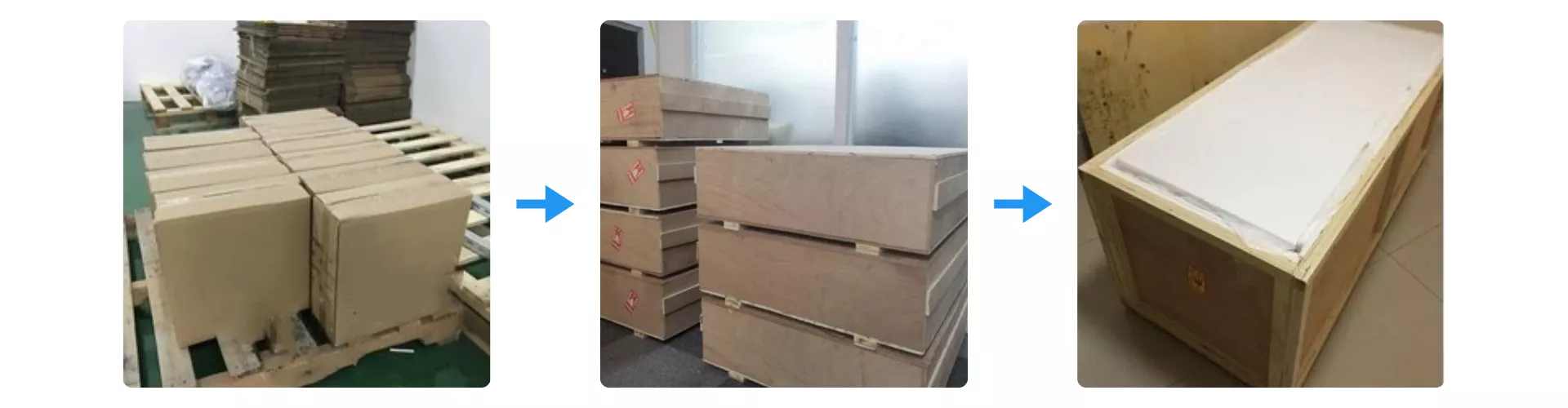
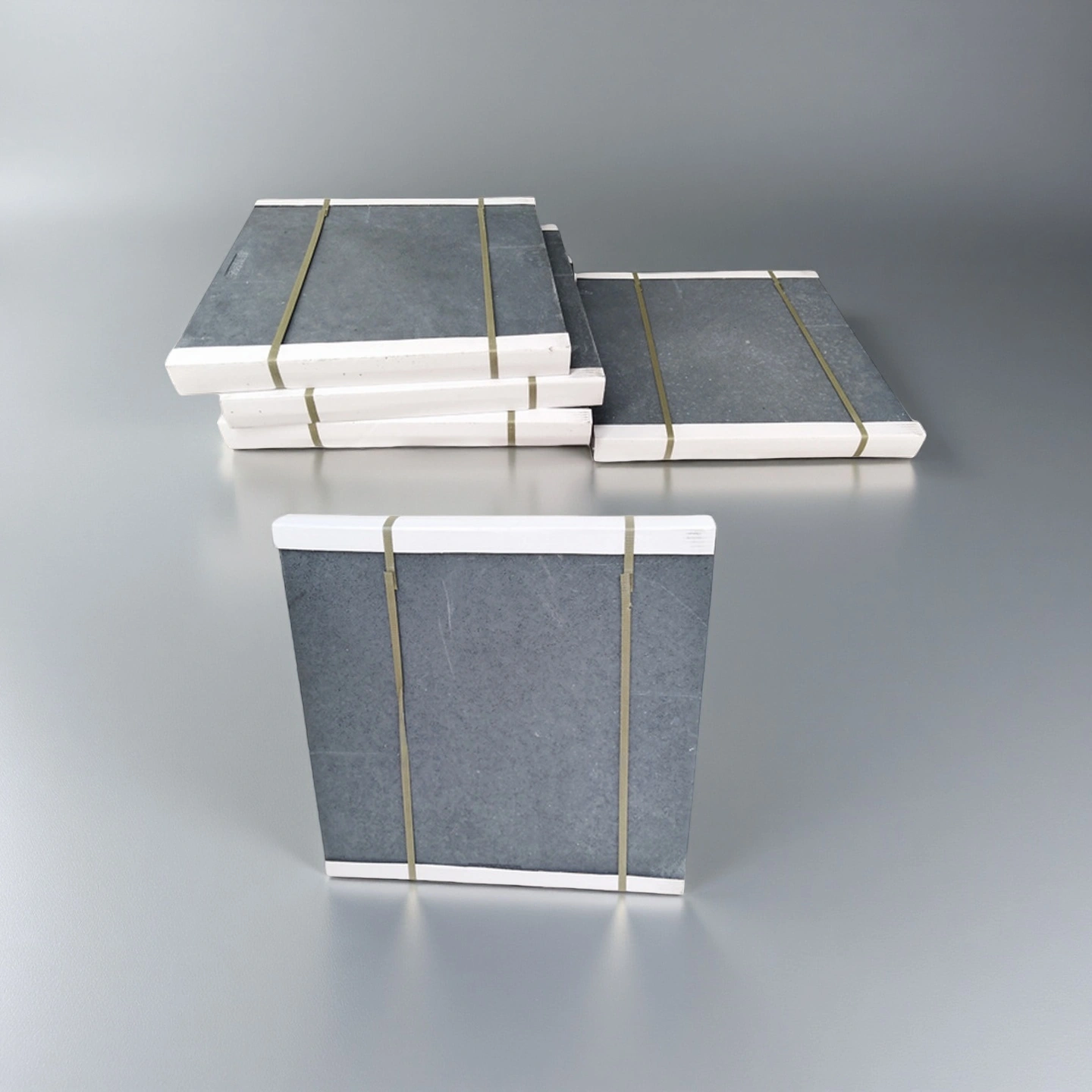
The Nitride Bonded Silicon Carbide Kiln Plate is carefully packaged to ensure safe delivery. It is first wrapped in protective materials, then placed in sturdy cartons to prevent damage during transportation. The kiln plates are wrapped with protective materials, packed in cartons and secured in wooden crates when required. This packaging method helps reduce impact, edge damage and surface contamination during transportation.