Blogs
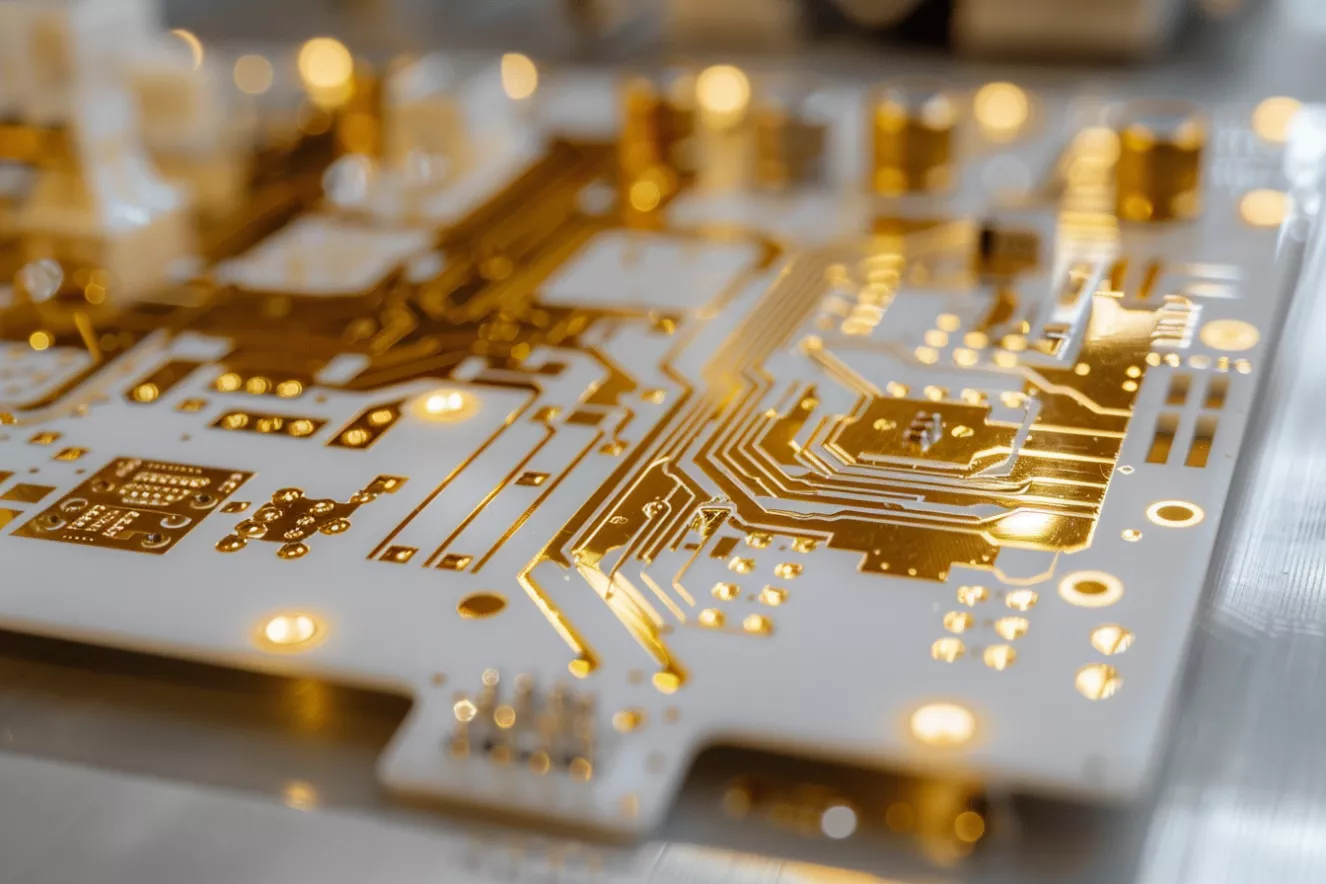
What Is an Alumina Substrate in PCB Design
Alumina Substrate selection often determines whether a PCB can withstand heat, electrical stress, and long-term operation. However, many electronic failures still originate from an incomplete

Alumina Substrate selection often determines whether a PCB can withstand heat, electrical stress, and long-term operation. However, many electronic failures still originate from an incomplete
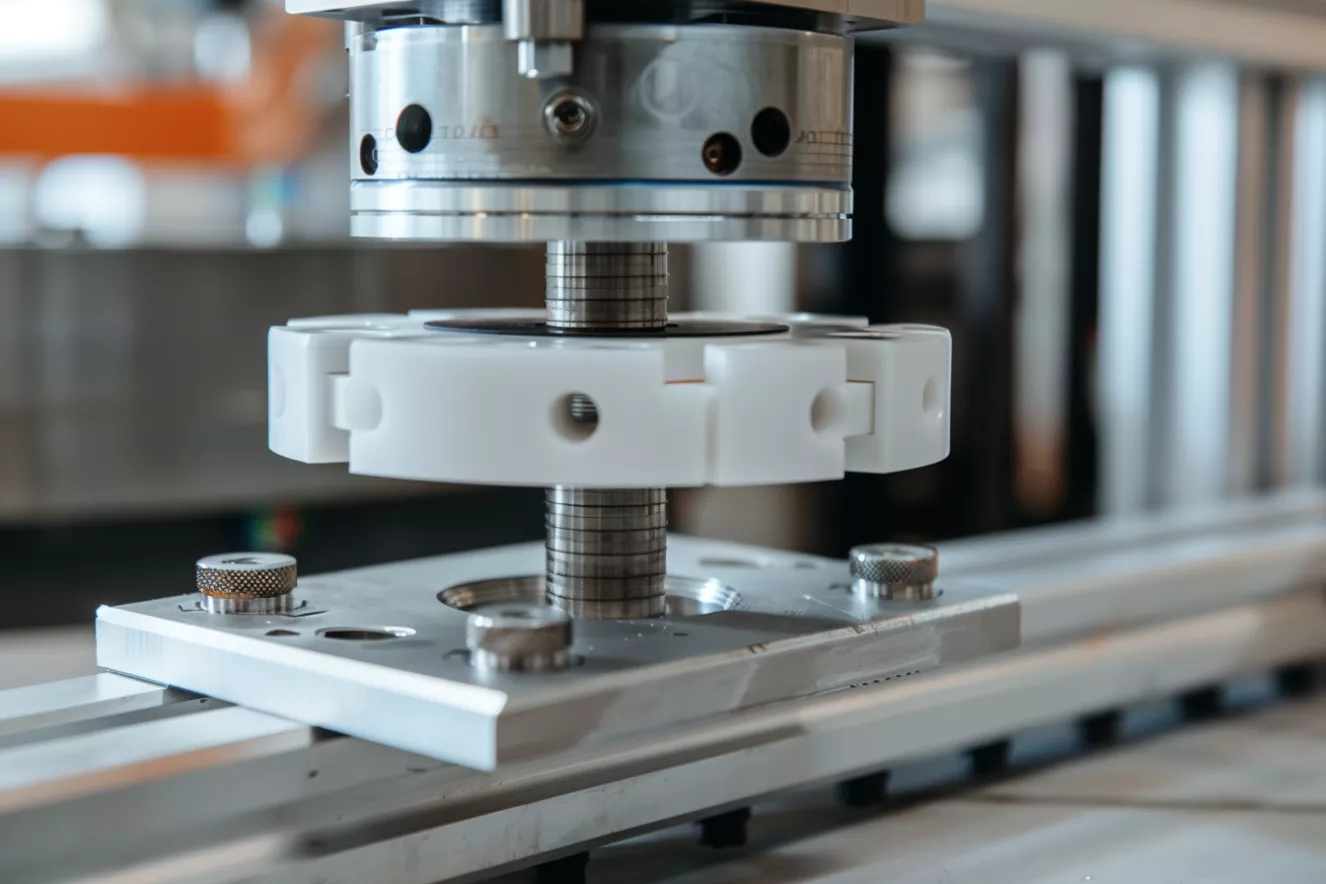
Alumina Ceramic components are often selected to solve heat, wear, or insulation problems; however, misinterpreted properties repeatedly cause premature failure, redesign cycles, and unplanned downtime
As communication systems push toward higher frequencies, tighter integration, and longer duty cycles, material-induced instability increasingly undermines signal reliability and system lifespan. Even minor dimensional
Alumina Ceramic has become inseparable from modern lithium battery manufacturing, where microscopic contamination, process drift, and equipment instability can directly undermine cell consistency and safety.

Alumina Ceramic is increasingly applied where food processing equipment faces wear, heat, and hygiene pressure simultaneously, yet conventional metals struggle to remain stable and contamination-free.
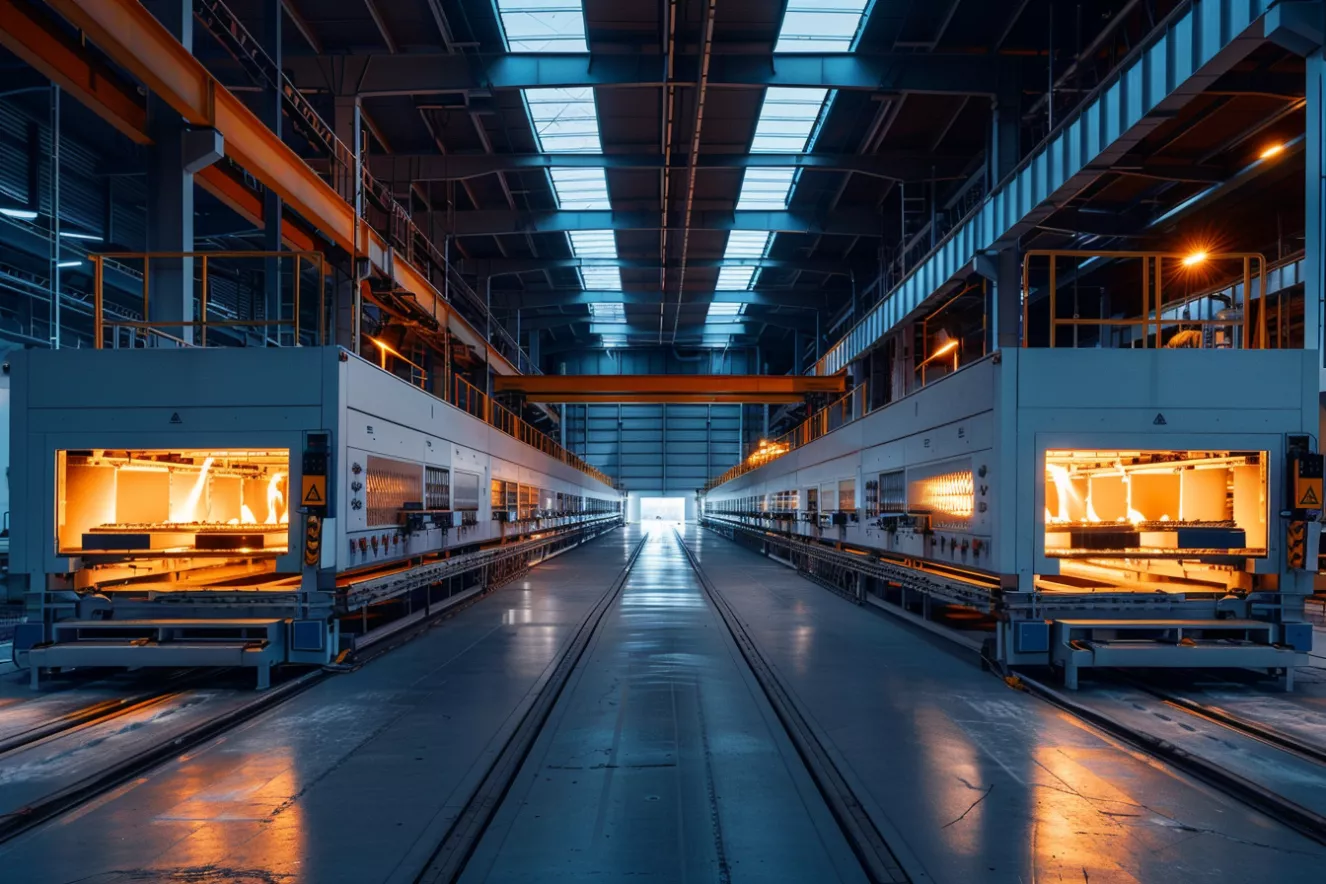
Alumina Ceramic is frequently selected when photovoltaic production faces instability caused by thermal distortion, mechanical fatigue, or inconsistent component lifetimes across high-temperature process stages. This
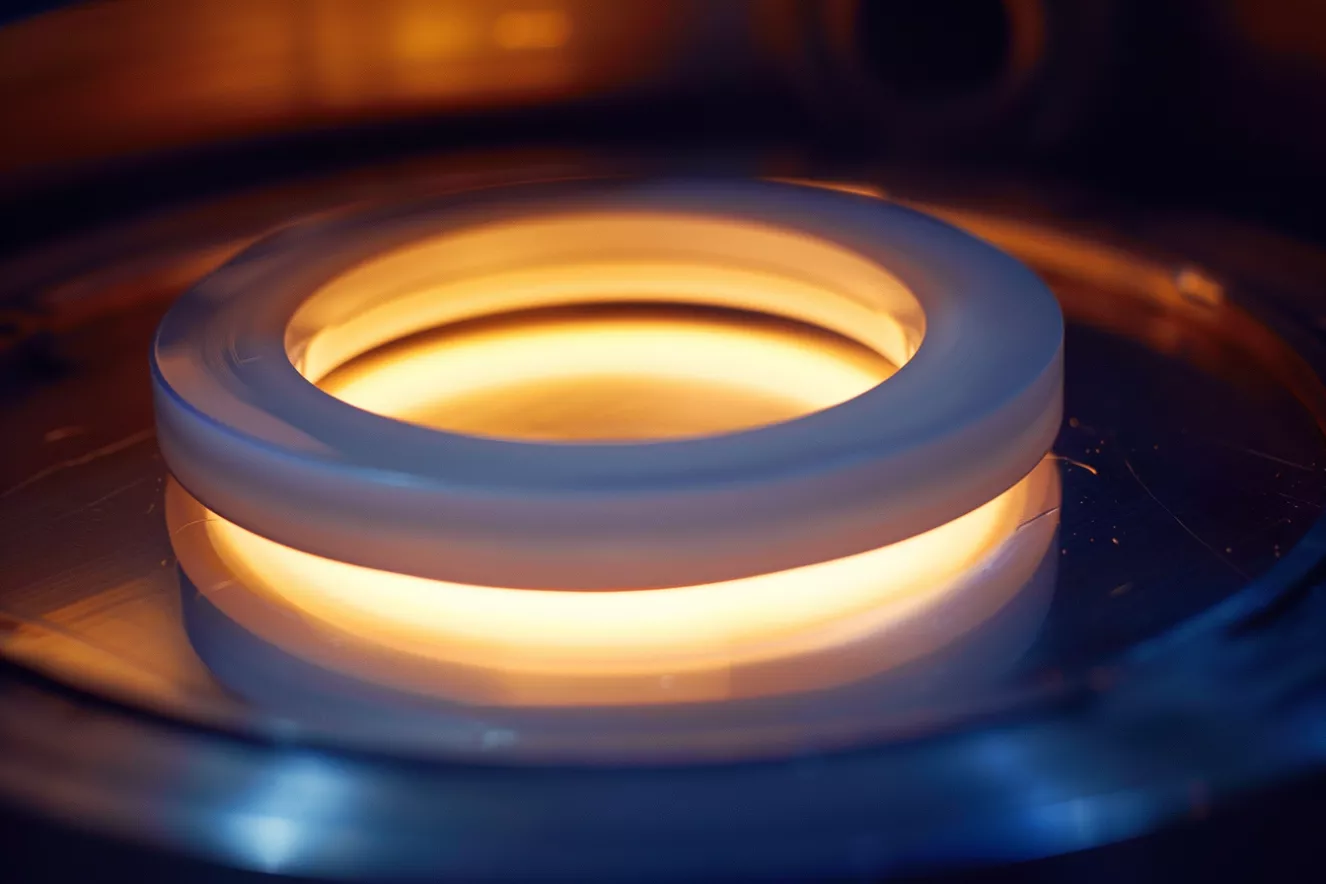
Alumina Ceramic is frequently selected to stabilize semiconductor processes where microscopic deviations translate directly into yield loss and tool instability. Alumina Ceramic plays a quiet

Alumina Ceramic is increasingly selected when electronic systems demand long-term stability rather than short-term performance. However, insulation failure heat accumulation and dimensional drift still threaten
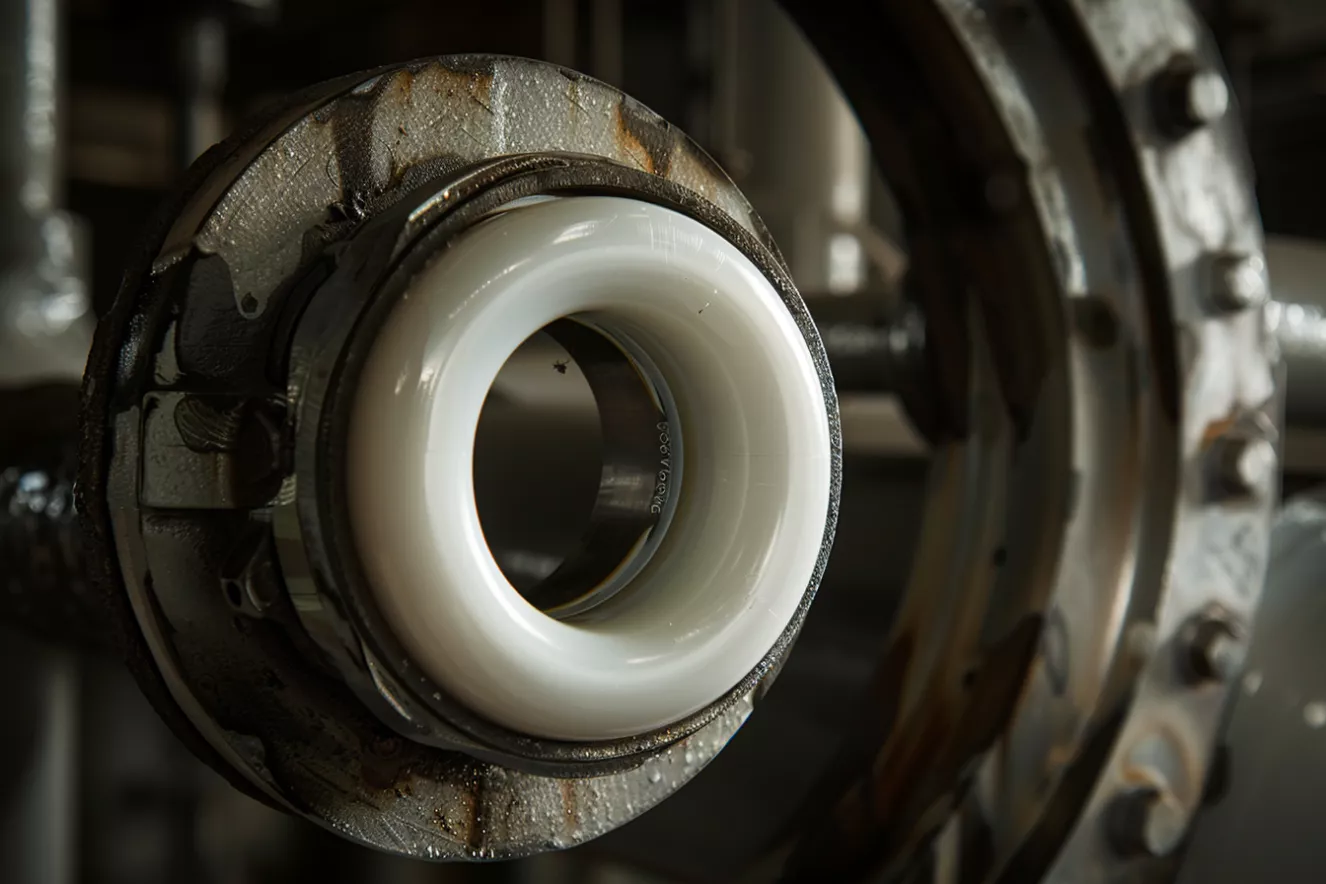
Alumina Ceramic is widely adopted in petrochemical systems because equipment failure often begins with material degradation rather than process design errors. However, corrosive media erosion
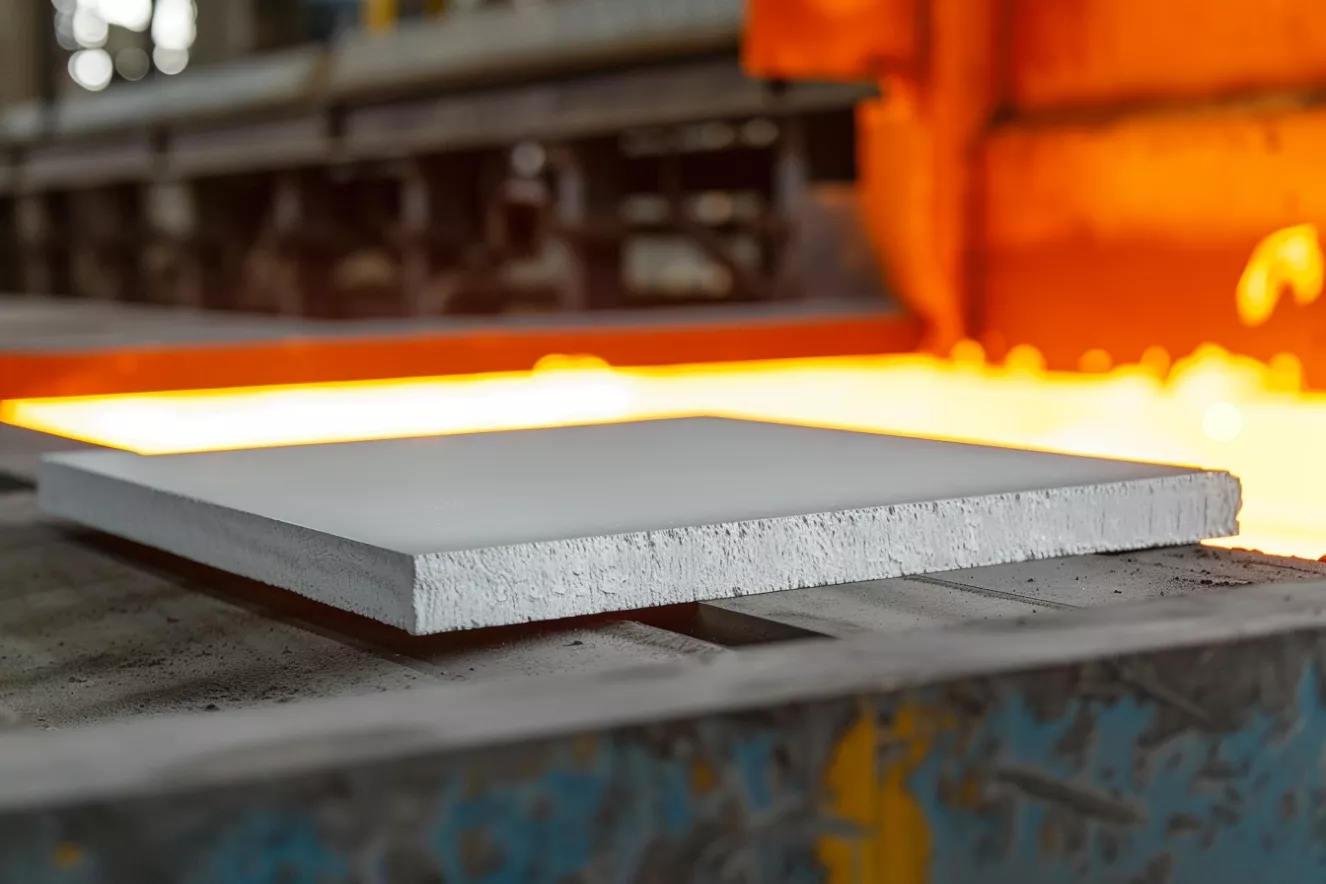
Alumina Ceramic is often selected when metallurgical processes face instability, deformation, or contamination. However, extreme heat and reactive slag frequently expose material limits. Therefore, reliable
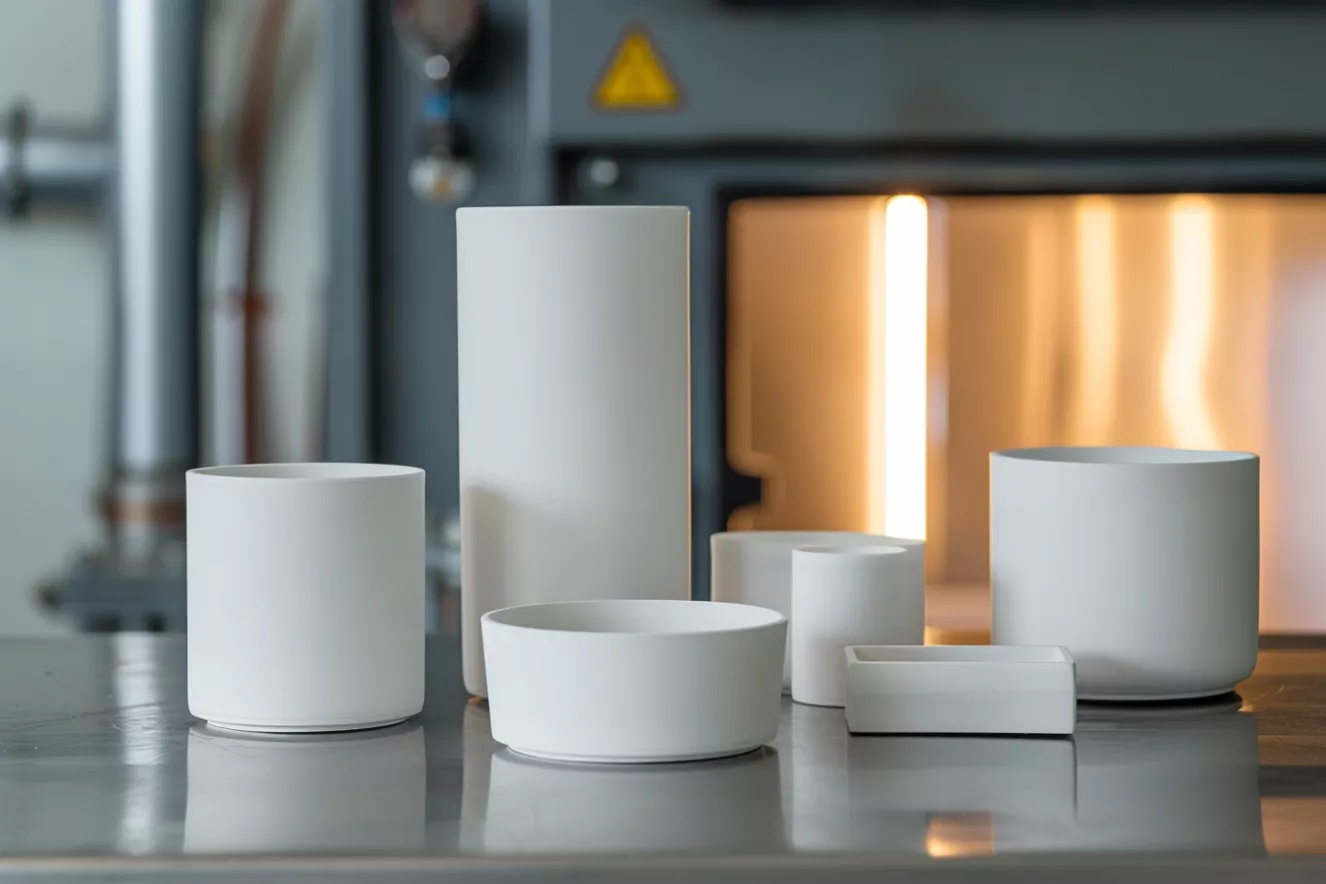
Alumina Ceramic is frequently selected when experimental accuracy is at risk. However, laboratory users often face inconsistent results. Therefore, material neutrality becomes essential for reliable
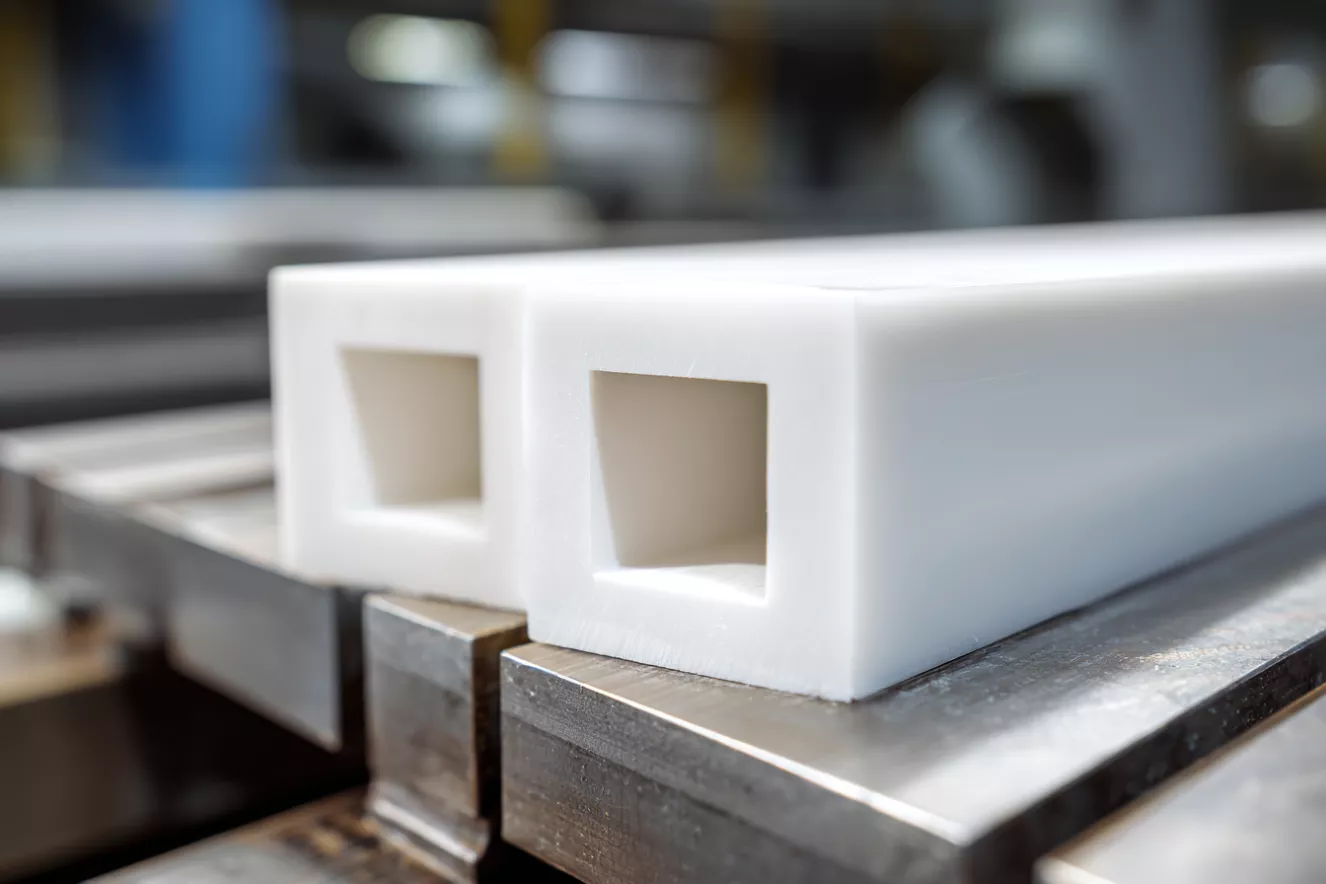
Corundum square tube selection often fails when treated as a simple material choice. As a result, hidden geometric and structural risks emerge during operation, causing
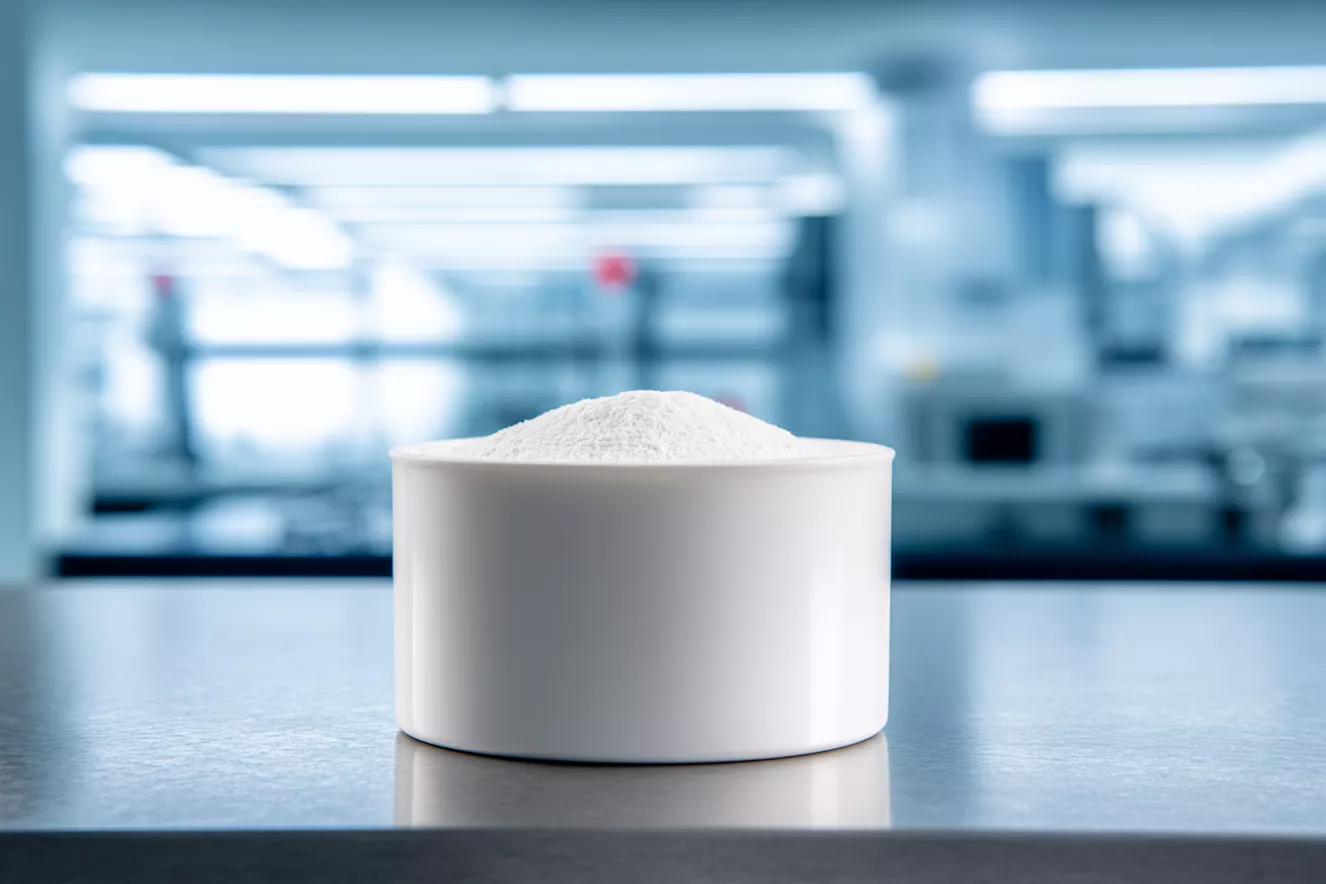
In pharmaceutical DSC analysis, abnormal peaks, drifting baselines, or missing transitions often appear even when standard procedures are followed. Consequently, repeating experiments blindly wastes time
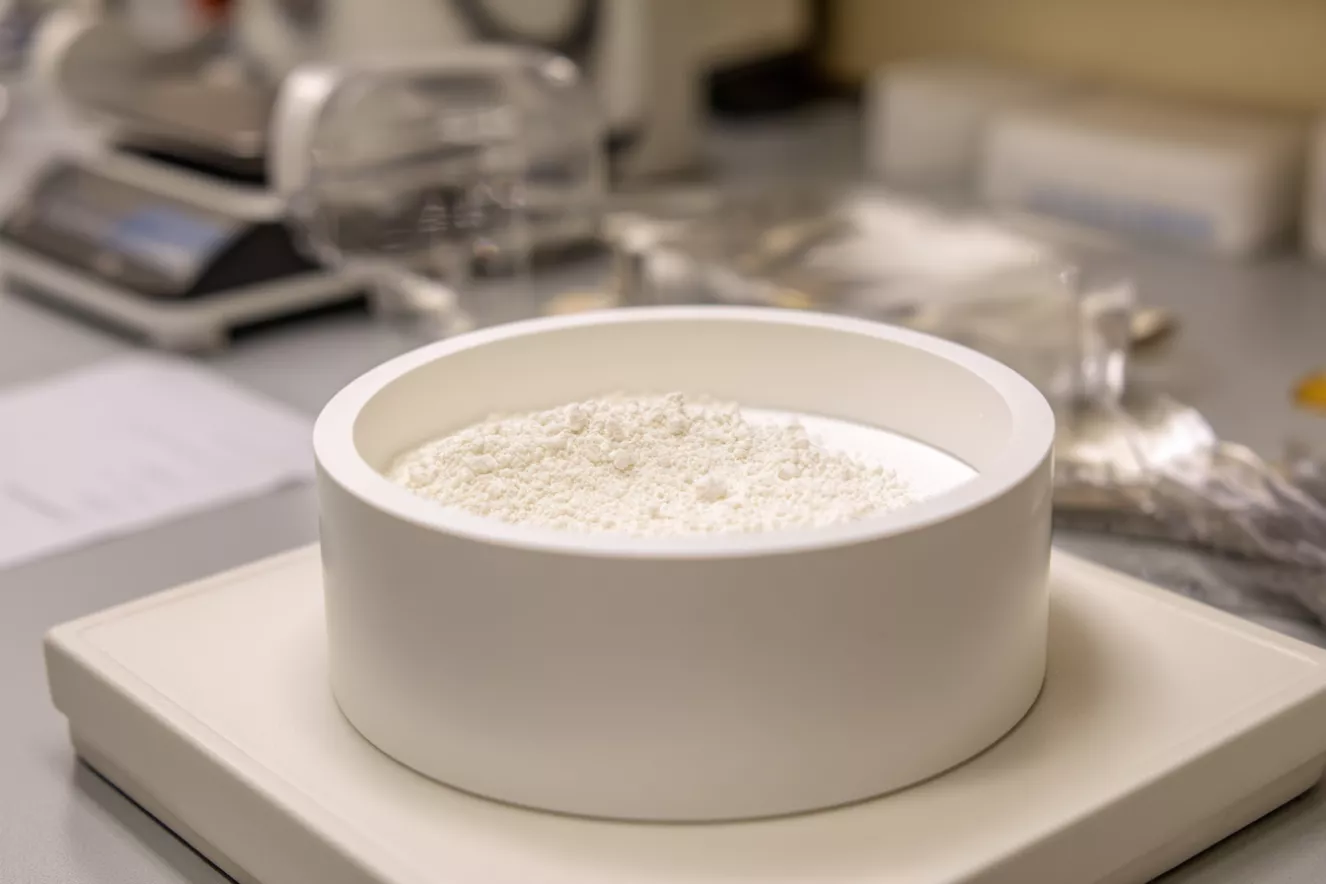
DSC Alumina Pans are frequently adopted after inconsistent DSC curves appear during pharmaceutical testing. Consequently, repeated scans of the same API often diverge, not because
DSC alumina crucibles are introduced only after aluminum pans begin to distort pharmaceutical DSC results. Consequently, unresolved variability, misleading transitions, and weakened method credibility increasingly
DSC alumina crucibles are often blamed only after data fails; consequently, engineers search for stability when experiments already risk repetition, delays, or invalid conclusions. DSC
DSC alumina crucibles operate at μW-level sensitivity; therefore, even minor material variability can distort weak thermal signals. However, conventional crucibles often introduce hidden interference that
DSC alumina crucibles are routinely selected for thermal analysis, yet their influence on baseline stability and peak accuracy is often underestimated. As a result, engineers
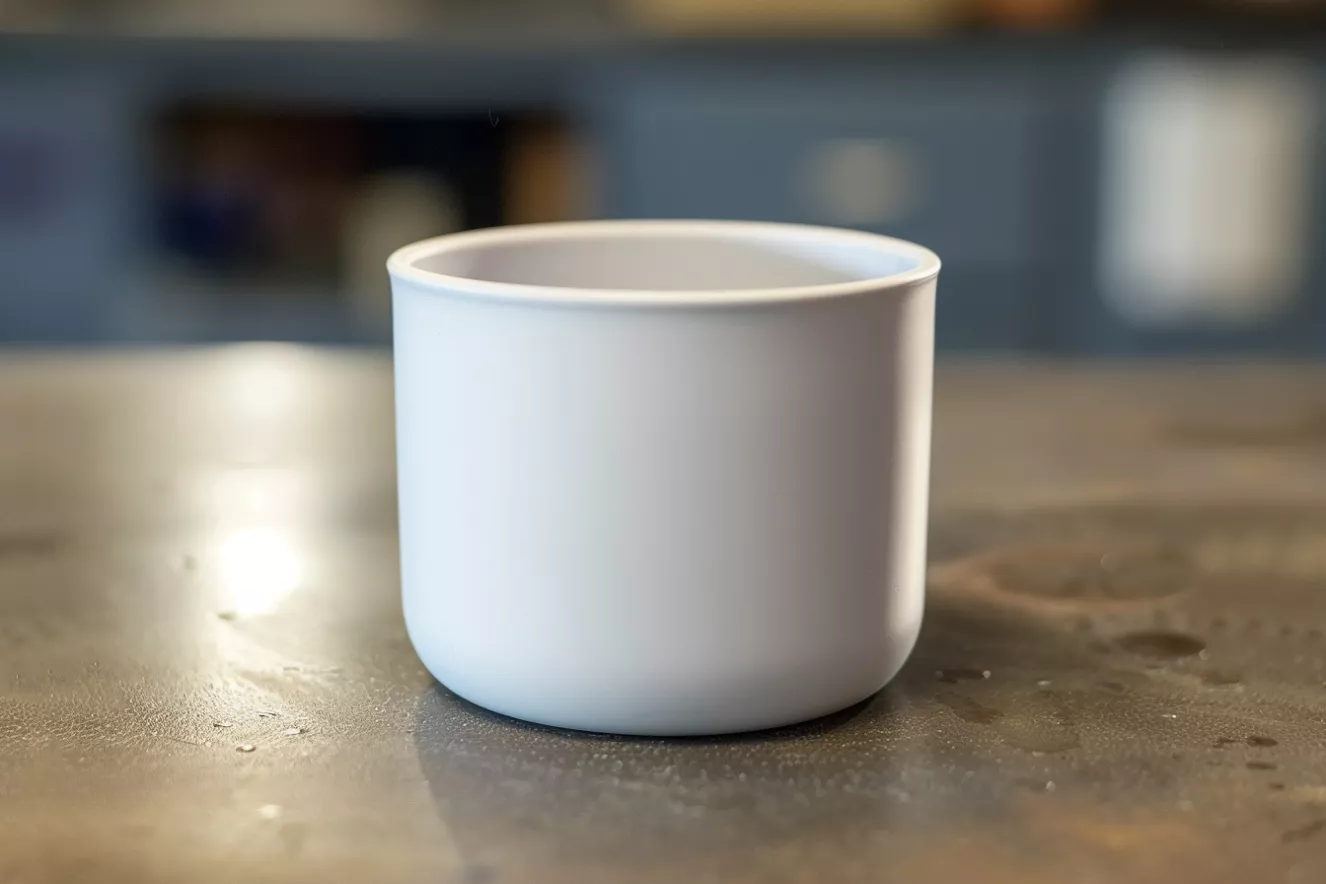
DSC alumina crucibles are often treated as neutral consumables in laboratory workflows; however, small and overlooked differences can silently compromise DSC data accuracy, repeatability, and
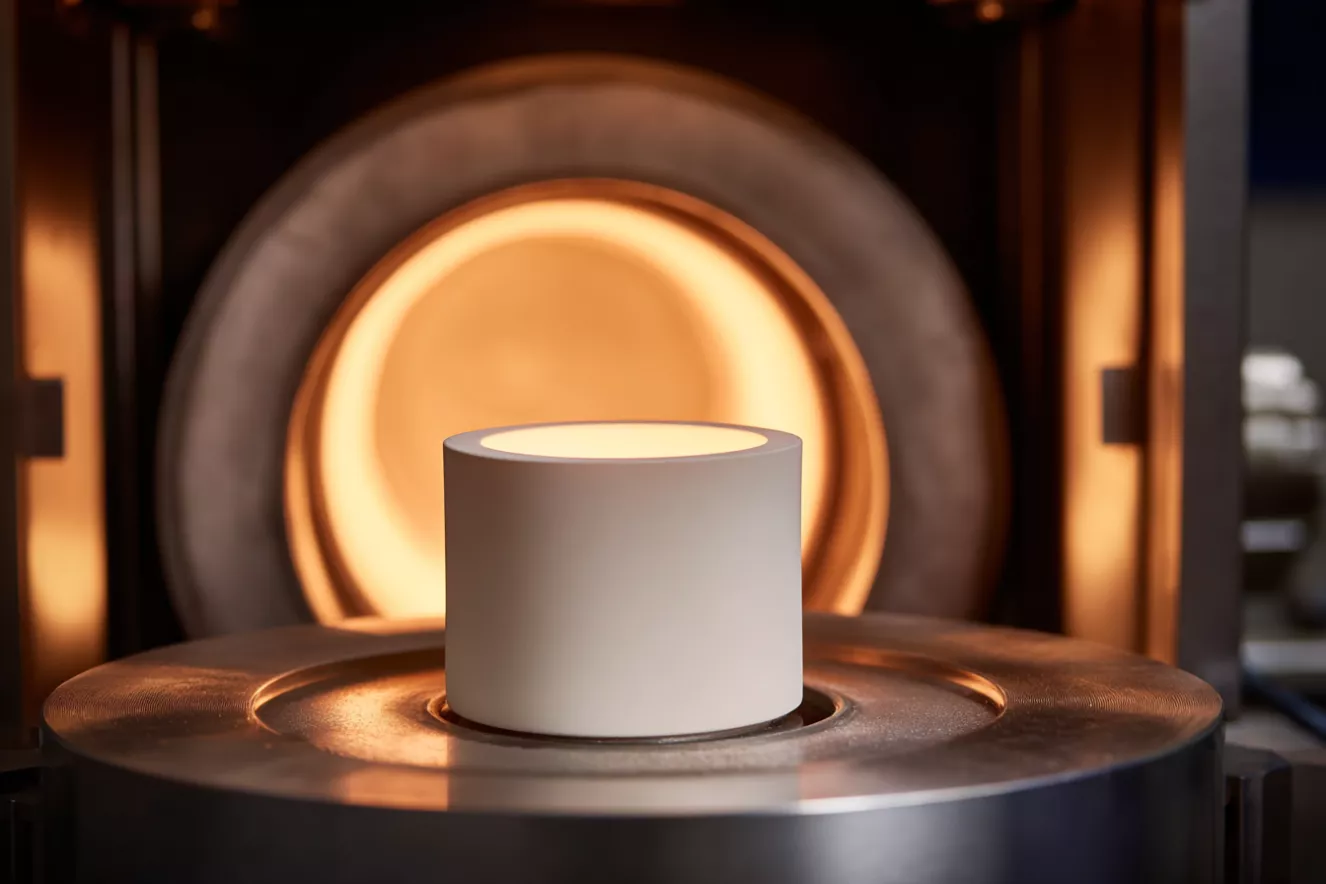
TGA Alumina Crucibles are often treated as passive holders; however, small material and geometry deviations can quietly shift baselines, skew mass-loss steps, and force avoidable
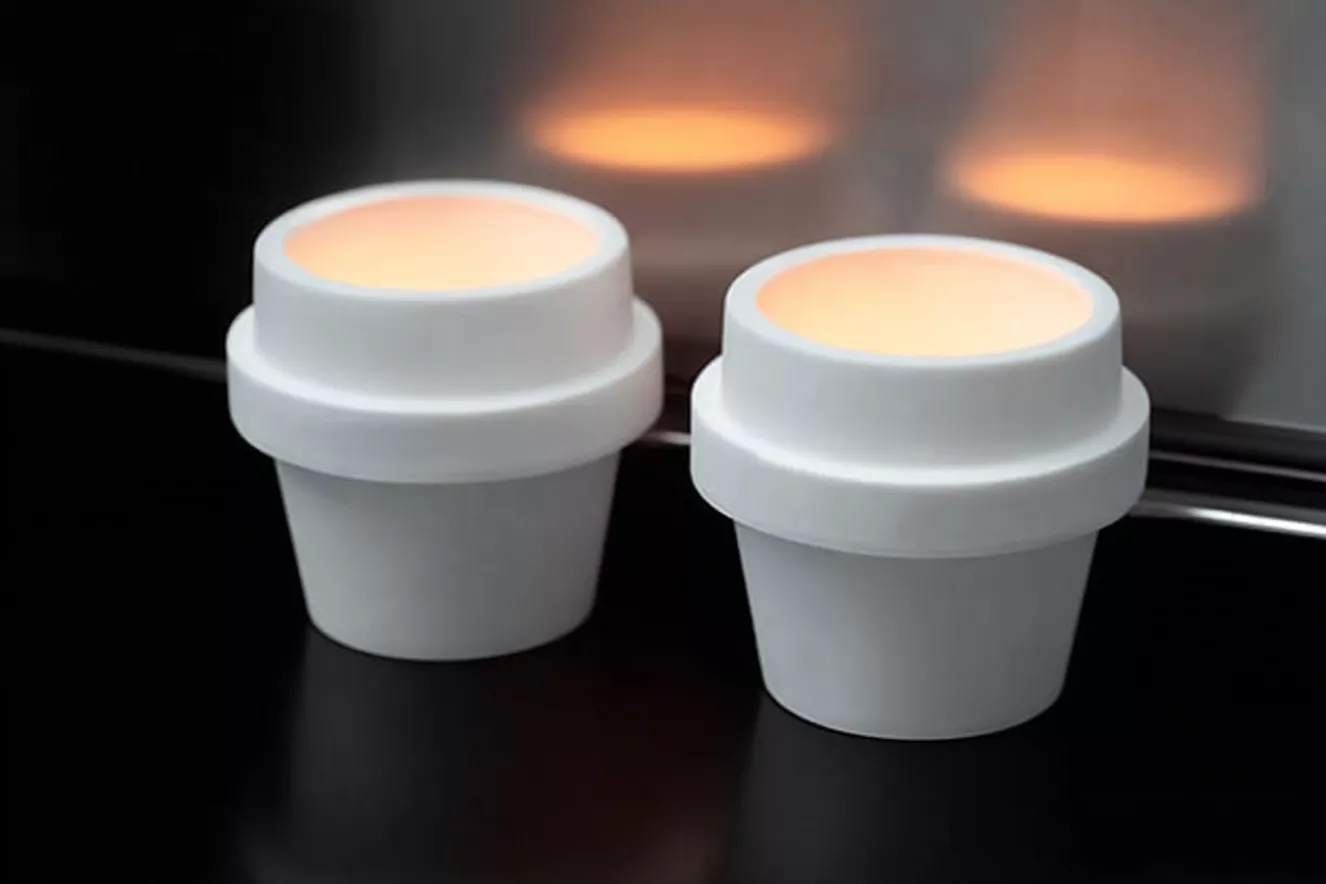
TGA alumina crucibles can trap iron residues; consequently, TGA curves drift and repeatability degrades. Therefore, this guide delivers safe removal steps and clear stop rules.

tga alumina crucibles are critical consumables in thermogravimetric analysis, where microgram-level mass stability directly affects baseline accuracy, repeatability, and data credibility. Thermogravimetric analysis operates at

Figure 1: Adcerax engineers high-performance Zirconia solutions for extreme environments. Zirconia ceramic (ZrO₂) is widely regarded as one of the most advanced structural ceramic materials
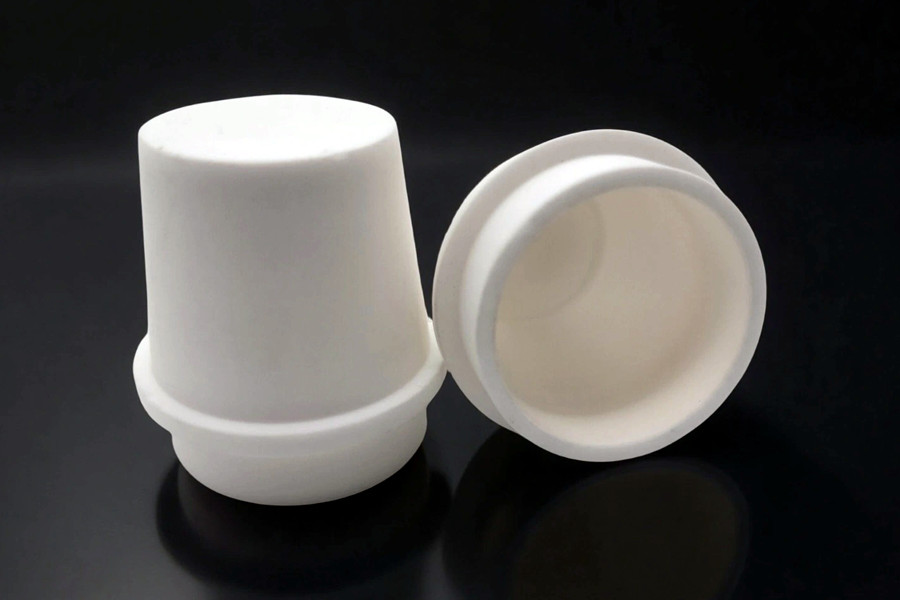
tga alumina crucibles are often selected quickly, yet incorrect size choices frequently introduce hidden variability into thermal analysis results. Consequently, size-driven decisions directly influence accuracy,