How Do Heating Rates Extend Alumina Tube for Thermal Shock Service Life?
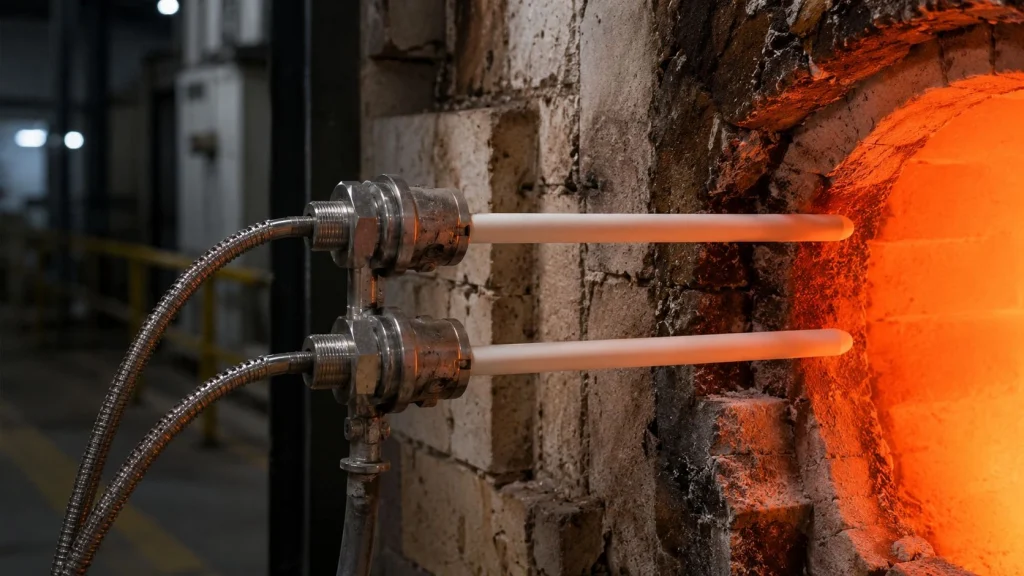
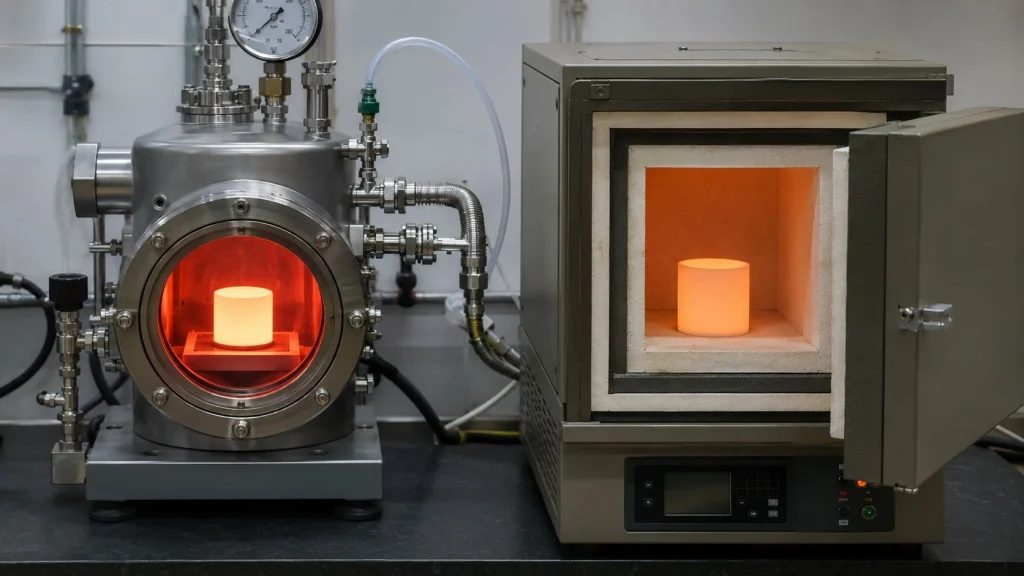
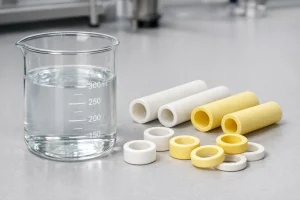
An alumina tube for thermal shock must balance heating rate, wall thickness, and stress. Slow, optimized ramps control temperature gradients, reduce tensile stress, and extend

An alumina tube for thermal shock must balance heating rate, wall thickness, and stress. Slow, optimized ramps control temperature gradients, reduce tensile stress, and extend

High purity alumina tube plays a critical role in industrial environments where temperature fluctuations cause structural stress. Its exceptional purity minimizes impurities and microcracking, ensuring

Thermal shock resistant alumina tube design depends on understanding how critical temperature difference (CTD) governs durability. This relationship defines the upper limit of safe operation

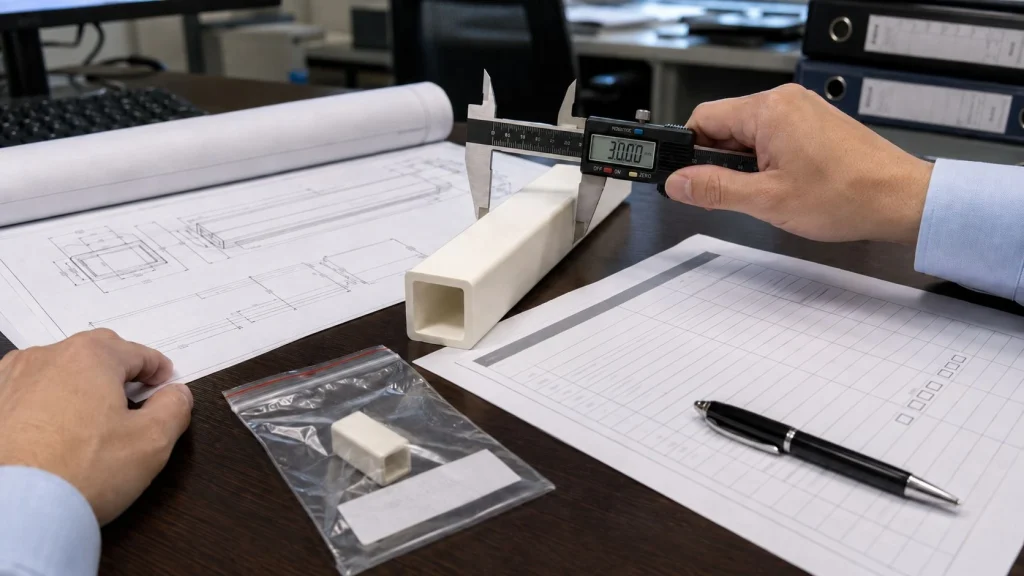
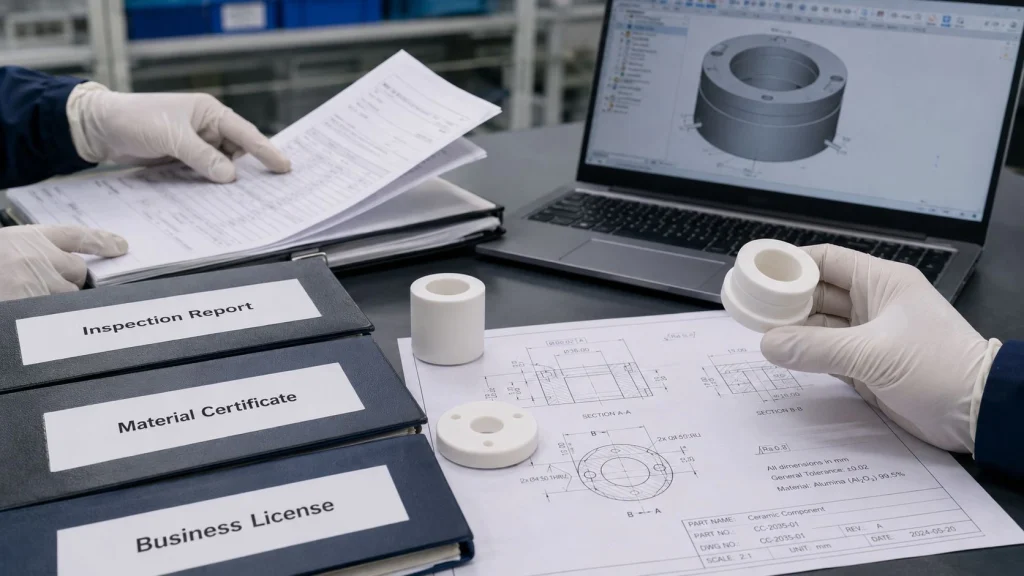
An alumina tube for industrial applications requires complete technical and commercial information before accurate quotations can be prepared. When specifications are missing or unclear, suppliers

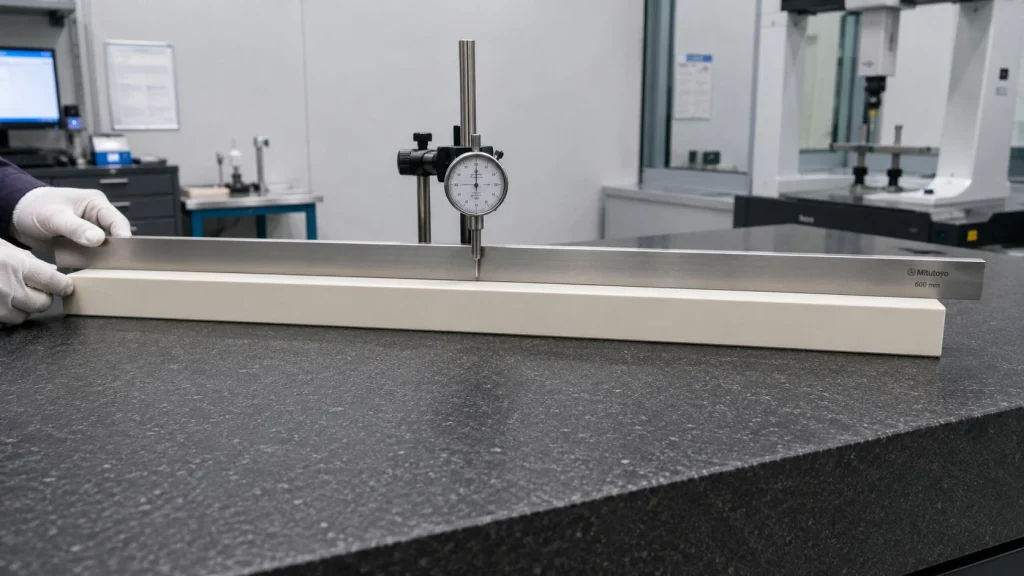
A precision length alumina tube is a core component in high-temperature assemblies requiring dimensional accuracy, controlled flatness, and minimal warpage. The performance of every precision

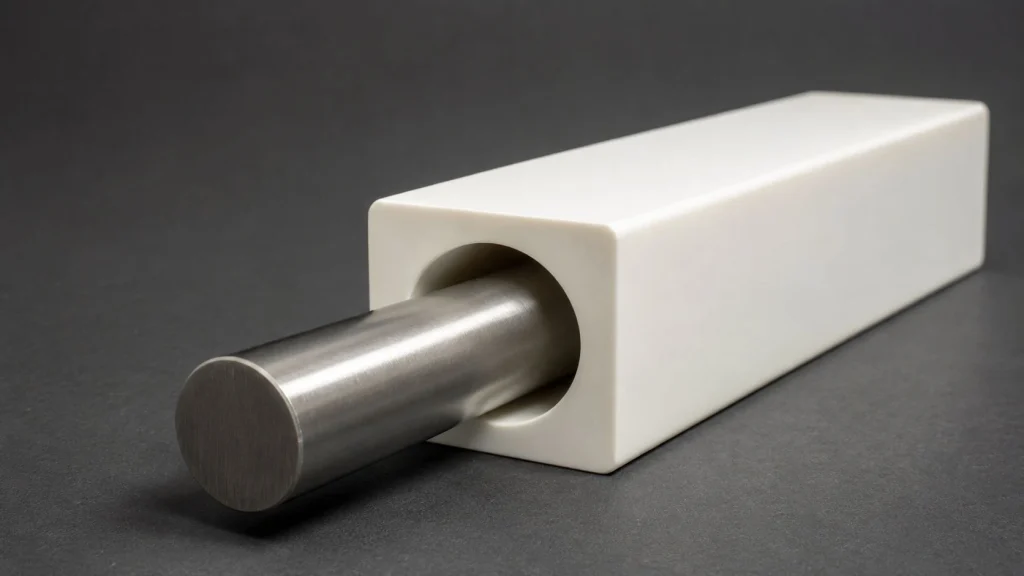
Custom diameter alumina tube selection is the foundation of accurate ceramic component design. At the beginning of every specification, defining the exact custom diameter alumina

High-purity alumina tubes require real-time SEM-EDX and XRD monitoring to ensure purity, consistency, and phase stability during production. This analytical integration transforms alumina tube manufacturing

Quality-verified alumina tubes represent a critical benchmark for industries requiring reliable, traceable, and certified ceramic components. At the beginning of any advanced ceramics procurement, ISO

Certified purity alumina tubes represent a critical supply-chain component for chemical process plants. Achieving the required microstructural integrity, impurity control and dimensional stability hinges on

Insulating alumina tube performance depends on its ability to endure rapid heating without cracking or losing dielectric strength. These ceramic tubes must resist severe temperature

Electrical alumina tube is essential for high-voltage, high-temperature systems where insulation failure can cause significant process downtime. The electrical performance of alumina tubes directly depends

High voltage alumina tube defines insulation reliability in electrical systems operating up to 1500°C. The material’s dielectric strength determines whether it remains an insulator or

Alumina tubes for reactors experience high thermal gradients that generate tensile stresses, leading to circumferential cracks and premature failure in catalytic systems. Thermal gradient failures

Alumina tube purity is the single most decisive factor influencing catalytic reactor performance and longevity. It governs mechanical strength, corrosion resistance, and stability at 1000–1700°C.

High-temperature alumina tubes are essential components in catalytic reactors that operate under extreme heat. These advanced ceramic tubes ensure stable operation above 1600°C, maintain dimensional

Alumina tubes for fluid transport play a critical role in high-temperature and pressurized industrial systems. Their performance and safety directly depend on optimized wall thickness

High-purity alumina tubes provide unmatched protection against chemical attack in corrosive gas streams exceeding 1200°C. Their performance depends on purity, density, and microstructural control that

Alumina tubes for gas delivery operate under extreme thermal conditions where rapid temperature transitions often exceed the safe thermal gradient threshold. Thermal shock causes premature

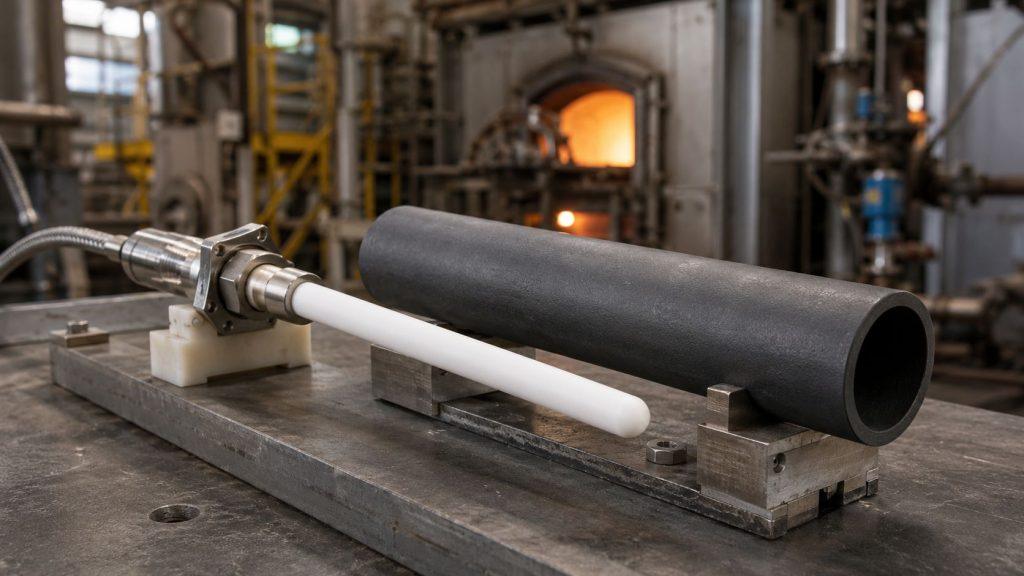
Alumina Protection Tube for Platinum-Based Thermocouples plays a vital role in maintaining stability and measurement reliability in extreme thermal environments. These tubes ensure that platinum

Recrystallized Alumina Tubes for Thermocouple provide the most reliable protection in rapid thermal cycling environments where standard ceramics often fail. Their performance depends on grain

Alumina Thermocouple Protection Tubes are essential in high-temperature furnaces where thermocouples face corrosive, erosive, and chemically reactive atmospheres. Understanding how purity affects performance helps engineers

alumina furnace tube geometry shapes heat transfer, temperature uniformity, and energy use from the first ramp. Small changes in diameter, wall thickness, aspect ratio, and

alumina furnace tube reliability depends on thermal management, chemical resistance, and mechanical precision in design and operation. When these parameters fall out of tolerance, early

An alumina furnace tube is engineered to perform reliably in continuous high-temperature environments exceeding 1600°C. Engineers must define operating temperature limits that prevent phase transformation,
WhatsApp us
The more details you provide, the faster we can quote.
*We respond within 24 hours. All inquiries are confidential.