
Electrical Ceramics in Industrial Systems
Electrical ceramics are engineered ceramic parts used where electrical insulation must work together with mechanical support, thermal exposure, or environmental requirements. In industrial assemblies, they commonly serve as insulators, bushings, ceramic-to-metal feedthrough bodies, and substrates or insulating carriers.
The correct ceramic is not selected by voltage alone. Geometry, creepage and clearance, interfaces, temperature, atmosphere, mechanical load, and acceptance criteria must be reviewed together before the material and manufacturing route are confirmed.
maintains structure under sustained heat
tolerates corrosive industrial atmospheres
resists leakage under high voltage
supports loads without deformation
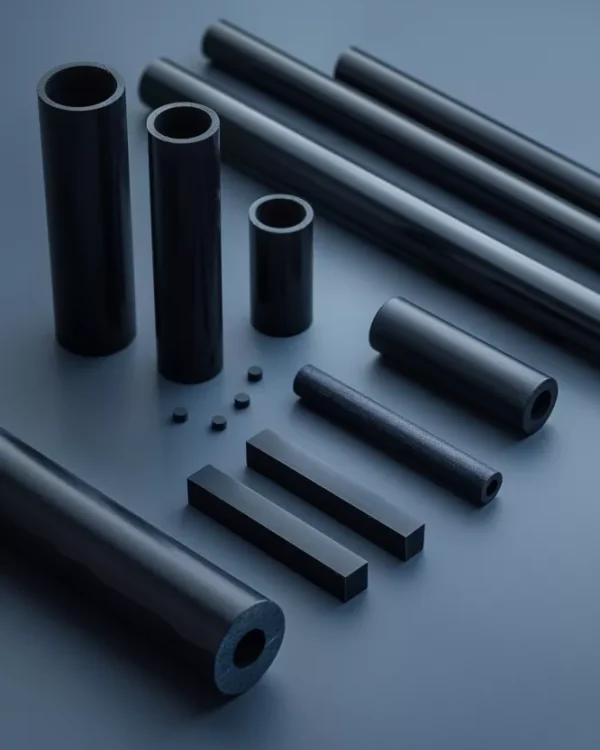
Material Properties Behind ADCERAX Electrical Ceramics Performance
Electrical ceramics used in industrial systems are evaluated through measurable thermal, electrical, chemical, and mechanical properties rather than general material descriptions.
Thermal Properties of Electrical Ceramics
| Material | Thermal Conductivity (W/m·K) | Max Service Temperature (°C) | Thermal Expansion (×10⁻⁶/K) | Test Conditions |
|---|---|---|---|---|
| Alumina (96–99%) | 20–30 | 1500–1700 | 7.5–8.5 | Air atmosphere, steady-state |
| ZTA (Zirconia Toughened Alumina) | 18–25 | 1400–1600 | 8.0–9.0 | Air atmosphere, steady-state |
| Zirconia (YSZ) | 2–3 | 1000–1200 | 10.0–11.0 | Air atmosphere, steady-state |
| Aluminum Nitride (AlN) | 140–200 | 900–1000 | 4.5–5.5 | Inert atmosphere |
| Silicon Nitride (Si₃N₄) | 20–35 | 1200–1400 | 3.0–3.5 | Air atmosphere |
| Boron Nitride (h-BN) | 30–60 | 900–1000 | 1.0–2.0 | Inert atmosphere |
| Silicon Carbide (SiC) | 120–180 | 1400–1600 | 4.0–4.5 | Air atmosphere |
| Magnesia (MgO) | 45–60 | 1600–1800 | 12.0–13.5 | Air atmosphere |
| Glass-Ceramic | 1.5–3.0 | 700–900 | 0.0–2.0 | Air atmosphere |
Electrical Properties of Electrical Ceramics
| Material | Volume Resistivity (Ω·cm) | Dielectric Strength (kV/mm) | Dielectric Constant (1 MHz) | Test Conditions |
|---|---|---|---|---|
| Alumina (96–99%) | ≥10¹⁴ | 12–20 | 9.0–9.8 | Room temperature, dry |
| ZTA | ≥10¹³ | 10–18 | 9.5–10.5 | Room temperature, dry |
| Zirconia | ≥10¹¹ | 8–12 | 20–30 | Room temperature, dry |
| Aluminum Nitride | ≥10¹³ | 15–18 | 8.5–9.0 | Room temperature, dry |
| Silicon Nitride | ≥10¹² | 12–15 | 7.5–8.5 | Room temperature, dry |
| Boron Nitride | ≥10¹⁵ | 25–35 | 3.5–4.0 | Room temperature, dry |
| Silicon Carbide | 10²–10⁵ | 2–5 | 9.5–10.0 | Room temperature |
| Magnesia | ≥10¹³ | 8–12 | 9.5–10.5 | Room temperature |
| Glass-Ceramic | ≥10¹⁴ | 15–25 | 4.5–6.5 | Room temperature |
Chemical Stability of Electrical Ceramics
| Material | Acid Resistance | Alkali Resistance | Oxidation Stability | Test Conditions |
|---|---|---|---|---|
| Alumina | Stable to HCl, H₂SO₄ | Limited NaOH resistance | Stable ≤1000 °C | 24 h immersion |
| ZTA | Similar to alumina | Slightly reduced vs Al₂O₃ | Stable ≤1000 °C | 24 h immersion |
| Zirconia | Stable to most acids | Stable to alkalis | Stable ≤800 °C | 24 h immersion |
| Aluminum Nitride | Reacts with water | Poor alkali resistance | Stable ≤700 °C | Controlled humidity |
| Silicon Nitride | Stable to acids | Moderate alkali resistance | Stable ≤900 °C | 24 h immersion |
| Boron Nitride | Chemically inert | Chemically inert | Stable ≤900 °C | 24 h immersion |
| Silicon Carbide | Highly inert | Highly inert | Stable ≤1000 °C | 24 h immersion |
| Magnesia | Poor acid resistance | Stable to alkalis | Stable ≤1200 °C | 24 h immersion |
| Glass-Ceramic | Stable to weak acids | Limited alkali resistance | Stable ≤700 °C | 24 h immersion |
Mechanical Properties of Electrical Ceramics
| Material | Flexural Strength (MPa) | Hardness (HV) | Fracture Toughness (MPa·m¹ᐟ²) | Test Conditions |
|---|---|---|---|---|
| Alumina (96–99%) | 300–400 | 1200–1600 | 3.0–4.0 | 3-point bend |
| ZTA | 450–650 | 1100–1400 | 5.0–7.0 | 3-point bend |
| Zirconia | 800–1200 | 1100–1300 | 6.0–10.0 | 3-point bend |
| Aluminum Nitride | 300–350 | 1100–1300 | 2.5–3.5 | 3-point bend |
| Silicon Nitride | 700–1000 | 1400–1600 | 5.0–7.0 | 3-point bend |
| Boron Nitride | 50–100 | 200–400 | 1.0–1.5 | 3-point bend |
| Silicon Carbide | 350–450 | 2200–2600 | 3.0–4.5 | 3-point bend |
| Magnesia | 150–250 | 600–800 | 1.5–2.5 | 3-point bend |
| Glass-Ceramic | 100–200 | 500–700 | 1.5–2.0 | 3-point bend |
Choose the Electrical Ceramic Family That Matches Your Assembly
Electrical ceramics are applied across industrial electrical systems based on functional roles such as insulation continuity, thermal control, mechanical stability, and packaging integration.
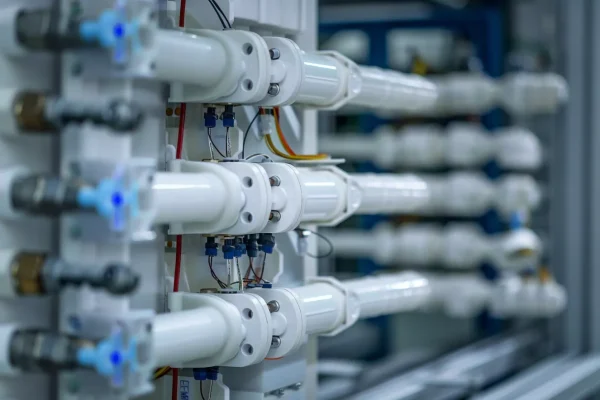
High Voltage Electrical Insulation Assemblies
Electrical ceramics are essential in high-voltage systems where insulation failure leads to electrical leakage, thermal degradation, and safety risks.
- Electrical ceramics for high voltage maintain dielectric stability under sustained electric fields and temperature gradients.
- Electrical ceramic components prevent partial discharge and surface tracking in compact insulation assemblies.
- Electrical ceramics for industrial applications support long-term insulation reliability beyond polymer limits.
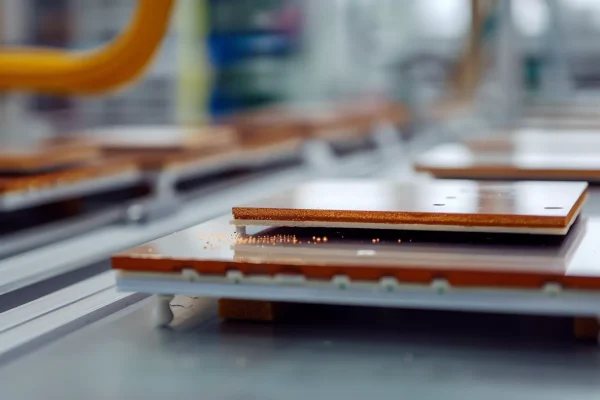
Power Electronics Substrate Integration Systems
Power electronic systems rely on ceramic substrates to balance insulation, heat dissipation, and dimensional stability within compact assemblies.
- Electrical ceramics for power equipment isolate conductive layers while enabling controlled thermal transfer.
- Electrical ceramics for industrial electronics support stable circuit performance under repeated thermal cycling.
- Electrical ceramic parts reduce failure risks caused by CTE mismatch and localized overheating.
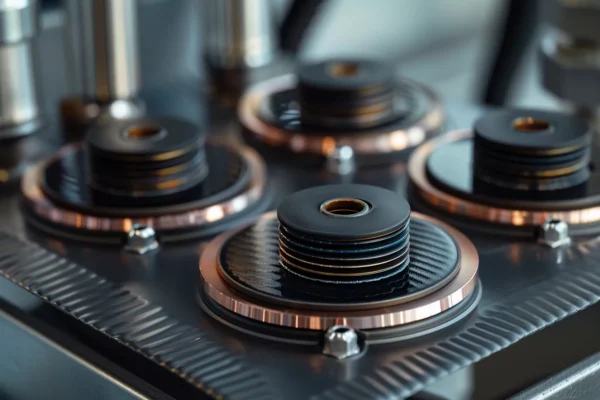
Thermal Control and Heating Systems
Electrical ceramics enable precise thermal generation and dissipation while maintaining electrical insulation in heated environments.
- Electrical ceramics ensure uniform heat distribution without electrical leakage in heating assemblies.
- Electrical ceramic components remain dimensionally stable under continuous thermal cycling.
- Electrical ceramics for industrial applications support controlled heating where metal elements degrade.
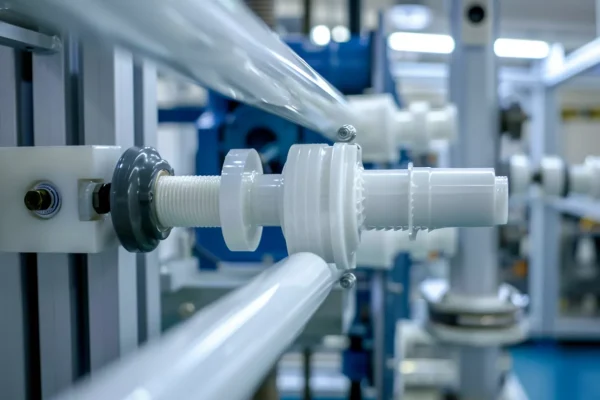
Mechanical Load Bearing Electrical Structures
Certain electrical systems require ceramics to carry mechanical loads while maintaining insulation and geometric accuracy.
- Electrical ceramic parts resist deformation under mechanical stress and electrical exposure.
- Electrical ceramics maintain dimensional accuracy where vibration and wear coexist.
- Electrical ceramics for industrial applications reduce maintenance caused by material fatigue.
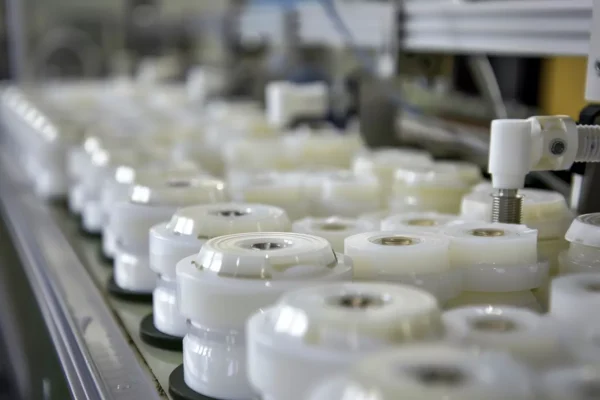
Electrical Packaging and Interface Integration
Packaging systems depend on electrical ceramics to integrate insulation, conductive interfaces, and structural alignment.
- Electrical ceramics provide hermetic insulation in compact electrical housings.
- Electrical ceramic components support metal-ceramic interfaces without signal degradation.
- Electrical ceramics for industrial electronics ensure long-term package integrity under thermal stress.
ELECTRICAL CERAMIC PRODUCT ROUTES
Choose Products by Application Family
All four product families are shown below. Start with the part’s function, then confirm material, geometry, electrical conditions, interfaces, environment, and acceptance criteria from the drawing.
01
High-Voltage Insulators
Insulating bodies, standoffs and spacing components used where voltage, creepage, surface condition and mounting geometry must be reviewed together.
RFQ should include
Voltage waveform, creepage and clearance, mounting load, temperature, contamination, drawing and inspection method.
Tube forms for insulating bodies, supports and custom high-voltage assemblies.
Rod forms for standoffs, insulating supports and assembly fixtures.
Compact forms for electrical spacing, isolation and component interfaces.
02
Ceramic Bushings
Ceramic bodies that carry a conductor through an enclosure, wall, transformer-related assembly, breaker or switchgear interface.
RFQ should include
Conductor interface, wall or flange geometry, mounting method, surface path, sealing need, temperature and mechanical loading.
Tubular ceramic bodies for carrying a conductor through a panel or enclosure.
Hollow forms with mounting flanges for wall, enclosure and equipment interfaces.
03
Ceramic-to-Metal Feedthroughs
Metallized ceramic bodies and interfaces reviewed for sealed transmission of electrical power or signals in vacuum-related and controlled environments.
RFQ should include
Vacuum or pressure, leak criterion, conductor and flange materials, joining route, metallized area, voltage, thermal cycle and installation.
Alumina tube bodies with defined metallized areas for joining review.
Ring interfaces for brazed or sealed ceramic-to-metal assembly review.
Custom ceramic interfaces reviewed with the conductor, flange, seal and installation conditions.
04
Substrates & Insulating Carriers
Alumina or aluminum nitride carriers used where electrical isolation works together with mechanical support and, when required, heat transfer.
RFQ should include
Layout, thickness, flatness, surface, metallization, electrical conditions, thermal path, handling and inspection requirements.
A broad route for electrical isolation and mechanical support in ceramic carriers.
For insulating carriers where heat transfer is also a primary design requirement.
Carrier routes reviewed with the conductor pattern, joining process and interface requirements.
Not sure which route fits your assembly?
Send the application family, drawing or photo, voltage conditions, interfaces, environment and quantity for an engineering review.
ADCERAX Electrical Ceramics Portfolio Overview
ADCERAX organizes its electrical ceramics portfolio by material systems to help engineers and procurement teams quickly align performance requirements with suitable electrical ceramic components.

Alumina Ceramic
Alumina-based electrical ceramic parts form the core solution for insulation and structural stability in industrial electrical systems.

Zirconia Ceramic
Zirconia electrical ceramic components are applied where high mechanical strength and precision geometry are required alongside insulation.
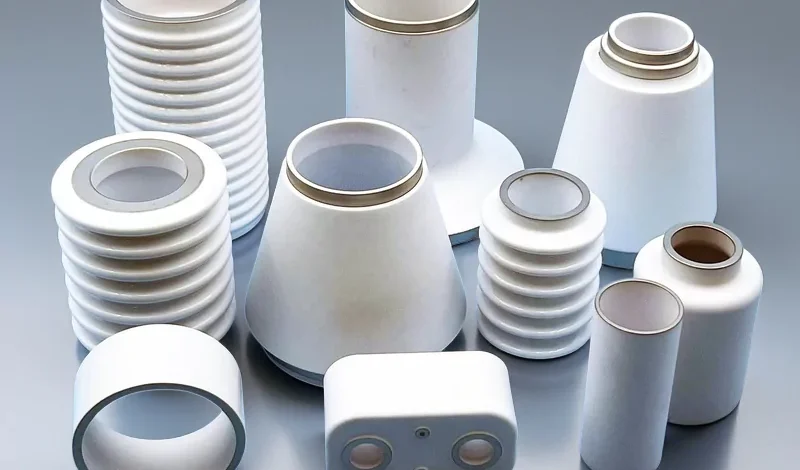
Metallized Ceramics
Metallized electrical ceramic components integrate conductive interfaces for electrical connection and packaging.
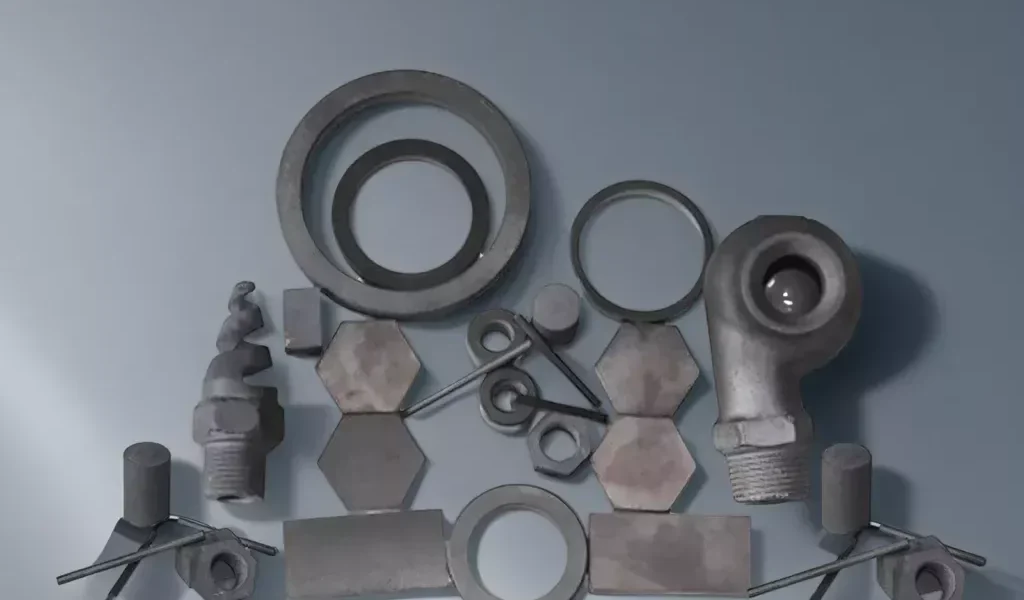
Silicon Carbide Ceramics
Silicon carbide ceramic parts are selectively used for electrically adjacent high-temperature or wear-intensive applications.
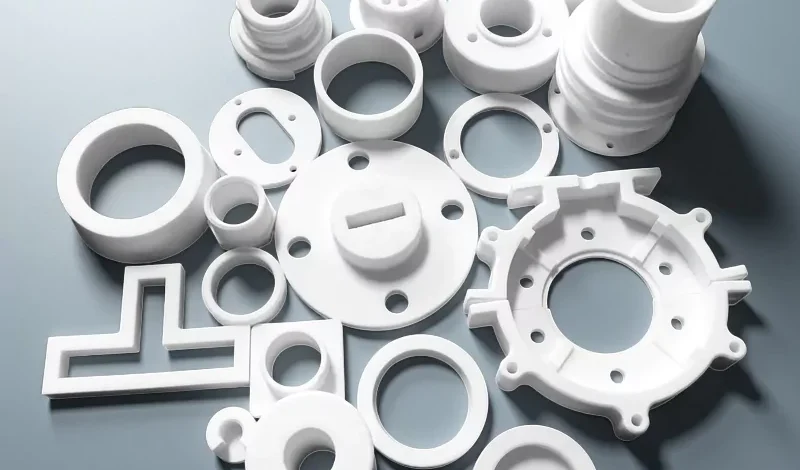
Boron Nitride Ceramics
Boron nitride electrical ceramics provide insulation performance under high temperature with non-wetting characteristics.
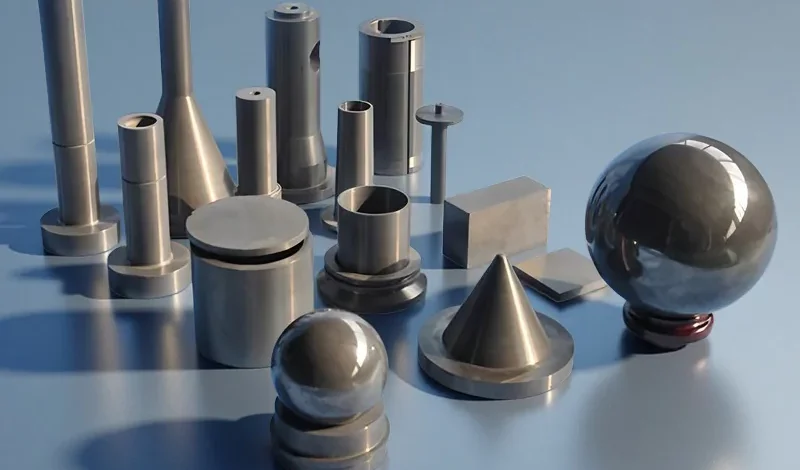
Silicon Nitride Ceramics
Silicon nitride electrical ceramic parts combine structural reliability with thermal endurance in electrically stressed environments.
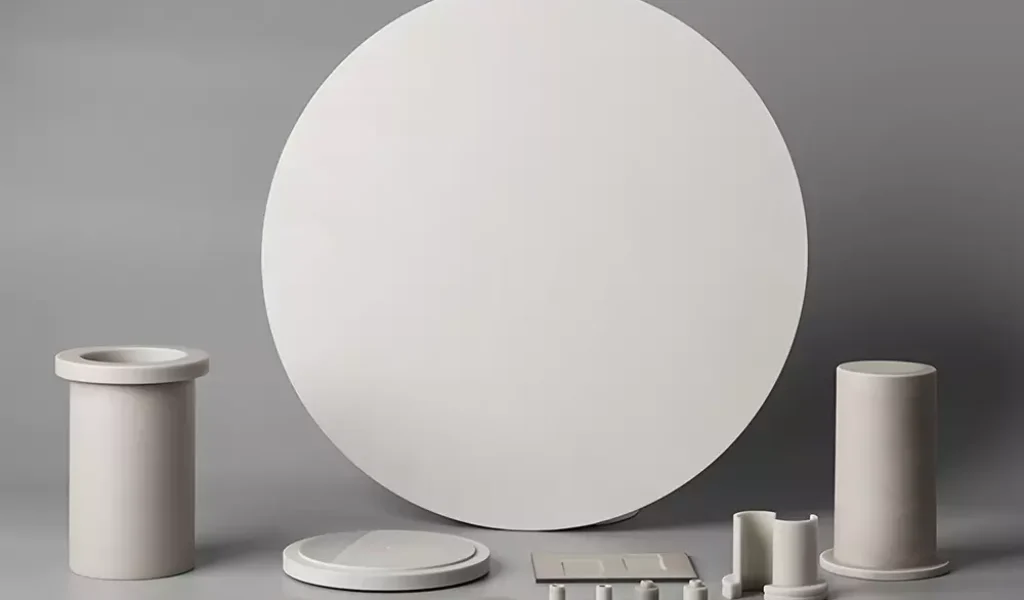
Aluminum Nitride Ceramics
Aluminum nitride electrical ceramics address heat dissipation challenges in power electronics and industrial electronics.
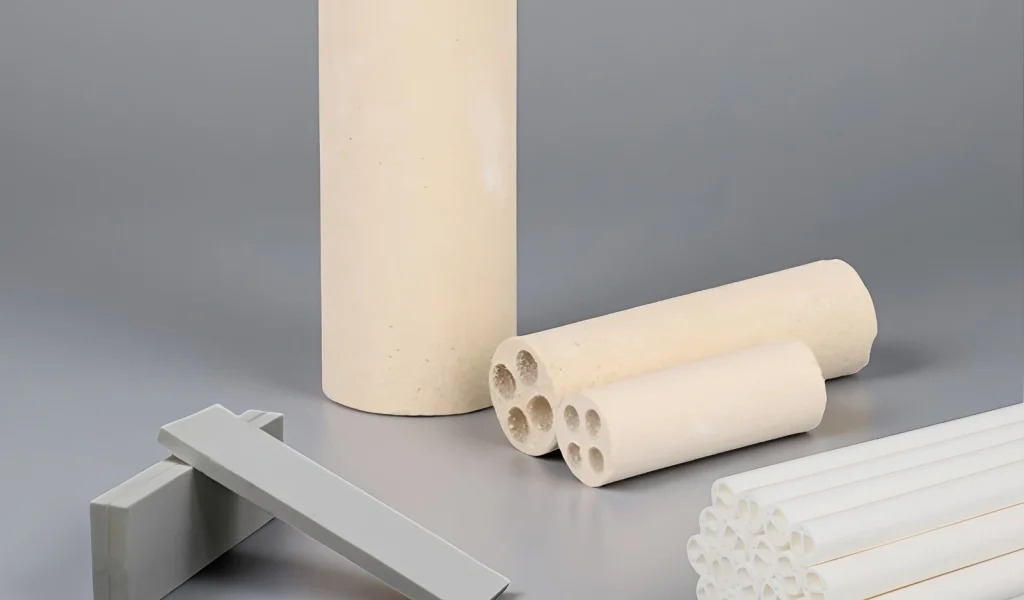
Magnesium Oxide Ceramics
Magnesia electrical ceramics are applied where electrical insulation must remain stable at elevated temperatures.
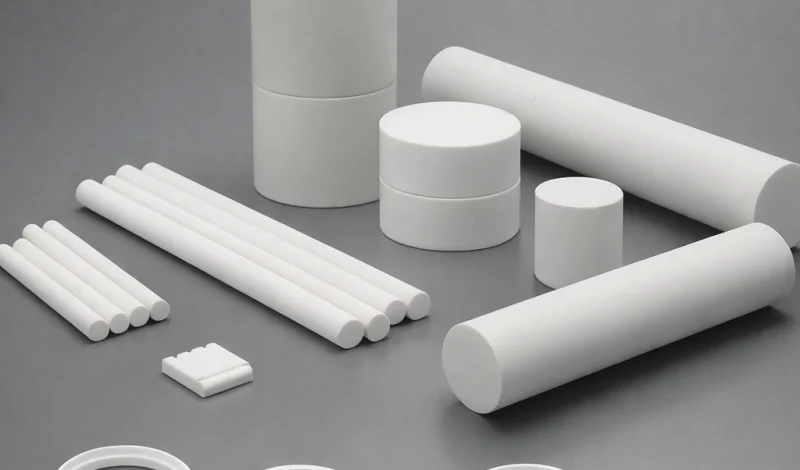
Glass Ceramics
Glass ceramic electrical parts support electrical insulation with low thermal expansion in precision assemblies.
Electrical Ceramics Integrated at System Level
Electrical ceramics perform best when material properties align with system-level electrical and thermal behavior.
ADCERAX® works from application context backward to ensure ceramic components fit the complete electrical assembly.
Integrated Processing Services for Electrical Ceramics
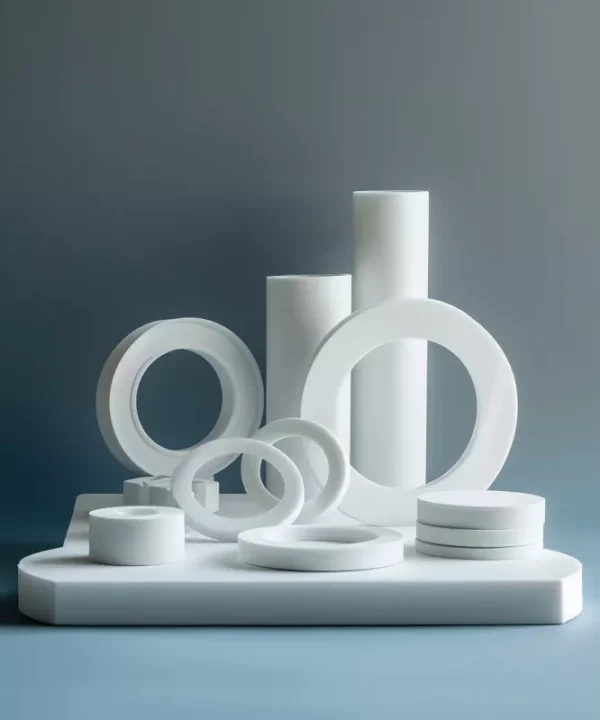
ADCERAX provides consolidated manufacturing services that support electrical ceramic components from early-stage validation through stable production.
Each process step is aligned with the performance needs of electrical ceramics for industrial applications, ensuring consistency across materials, geometry, and final use conditions.
Engineering drawing review and feasibility assessment
Material selection and application alignment
Precision forming and controlled sintering
CNC machining and tolerance finishing
Metallization and functional surface treatment
Dimensional inspection and electrical testing
ADCERAX Process Capabilities Behind Electrical Ceramics Manufacturing
Precision Forming and Sintering
Stable electrical performance begins with forming and sintering that determines density, insulation integrity, and dimensional reliability.
Uniform green density above 98% theoretical
Temperature stability within ±3 °C range
Grain size controlled at 3–5 µm
CNC Machining and Tolerance Finishing
Post-sintering machining that balances dimensional accuracy with surface integrity under electrical stress.
Dimensional tolerance maintained within ±0.02 mm
Ra surface roughness reduced below 0.8 µm
Chamfer integrity prevents voltage concentration
Functional Surface Processing
For electrical ceramics used in packaging and interfaces, surface treatments define bonding reliability and long-term electrical stability.
Bond strength exceeding 120 MPa shear
Coating thickness controlled at 5–10 µm
Thermal cycling endurance beyond 500 cycles
Electrical Ceramics Customization for Engineering Projects
ADCERAX supports custom electrical ceramics by translating drawings, samples, and operating conditions into manufacturable ceramic solutions.
Customization covers material systems, geometries, tolerances, and surface treatments aligned with real electrical and thermal requirements.
Start a technical discussion with ADCERAX to confirm feasibility, lead time, and production scalability for your application.
ADCERAX Electrical Ceramics Technical Questions for Engineering Applications
Electrical ceramics maintain extremely high volume resistivity, typically above 10¹³–10¹⁵ Ω·cm, even at elevated temperatures.
This prevents leakage current growth that often triggers partial discharge in polymer or composite insulators.
As a result, electrical ceramics provide stable insulation margins in high-voltage electrical assemblies over long service cycles.
Their dielectric strength remains stable under continuous electrical stress and thermal cycling.
This stability directly reduces insulation drift in power equipment and industrial electronics.
This allows heat generated by electrical losses to dissipate without compromising insulation integrity.
Such coupling performance is critical in compact power electronics and high-density electrical systems.
High-purity electrical ceramics reduce ionic impurities that act as charge migration paths.
Lower impurity levels directly improve breakdown voltage and reduce dielectric loss.
This advantage becomes especially important in high-frequency or high-voltage electrical ceramics applications.
Electrical ceramics maintain dimensional and electrical stability under vibration and thermal cycling.
This prevents micro-crack propagation that can alter electrical clearances over time.
The result is predictable electrical performance in industrial electronics operating continuously.
The dense, non-porous microstructure of electrical ceramics limits surface contamination absorption.
This suppresses conductive film formation that often leads to surface tracking.
Consequently, electrical ceramics perform reliably in humid or polluted electrical environments.
High dielectric strength allows electrical ceramics to maintain insulation at reduced wall thicknesses.
This enables smaller clearances without increasing failure risk.
Designers use this advantage to achieve compact layouts in power equipment and electrical modules.
Electrical ceramics exhibit low dielectric loss across a wide frequency range.
This minimizes signal attenuation and heat generation during high-frequency operation.
Such characteristics are essential in electrical ceramics for industrial electronics and control systems.
This prevents dimensional drift during repeated heating and cooling cycles.
Stable geometry preserves electrical spacing and alignment in precision electrical assemblies.
Electrical ceramics remain chemically inert to oils, solvents, and industrial atmospheres.
Polymers often degrade, swell, or lose dielectric strength under similar exposure.
This chemical resistance extends service life in demanding electrical installations.
High-purity alumina is the usual choice, combining high dielectric strength with high volume resistivity and good arc and creepage resistance. Aluminum nitride is chosen when the part must also spread heat. The exact grade depends on your voltage, environment and geometry, which we confirm by review — the figures we quote are typical industry values, not certified data.
The target vacuum level or leak rate, the metallization and brazing (Mo-Mn/W, plating), the flange and pin layout, the voltage and current, and the thermal cycling. Without the leak-rate target and metallization details a feedthrough cannot be quoted reliably.
Electrical ceramics focus on high-voltage insulation, vacuum sealing and electrical isolation — insulators, bushings and feedthroughs. Electronic ceramic components focus on power-electronics heat dissipation and packaging — IGBT, LED and 5G substrates. Insulating substrates overlap; we keep the two pages linked rather than merged.
Discuss Your Electrical Ceramic Component Requirements
Tell us the component function, voltage conditions, interfaces, and operating environment. A drawing, photo, or key dimensions are enough for an initial review.
- Component and application: Insulator, bushing, feedthrough, tube, ring, washer, or substrate for power equipment, vacuum systems, or industrial electronics.
- Electrical and service conditions: AC/DC working and test voltage, creepage and clearance, temperature, vacuum, humidity, and contamination.
- Interfaces and current issues: Mounting, conductor, flange, metallized or brazed areas; flashover, tracking, leakage, cracking, or seal failure.
- Project information: Drawing or photo, critical dimensions and tolerances, quantity, applicable standards, and required delivery date.
ADCERAX uses this information to review the material, geometry, manufacturing route, and inspection needs. If no drawing is available, send clear photos, approximate dimensions, and operating conditions.
*Our team will answer your inquiries within 24 hours.
*Your information will be kept strictly confidential.
info@adcerax.com
Tel:+86-0731-84428843
WhatsApp:+86 19311583352
Within 24 hours
