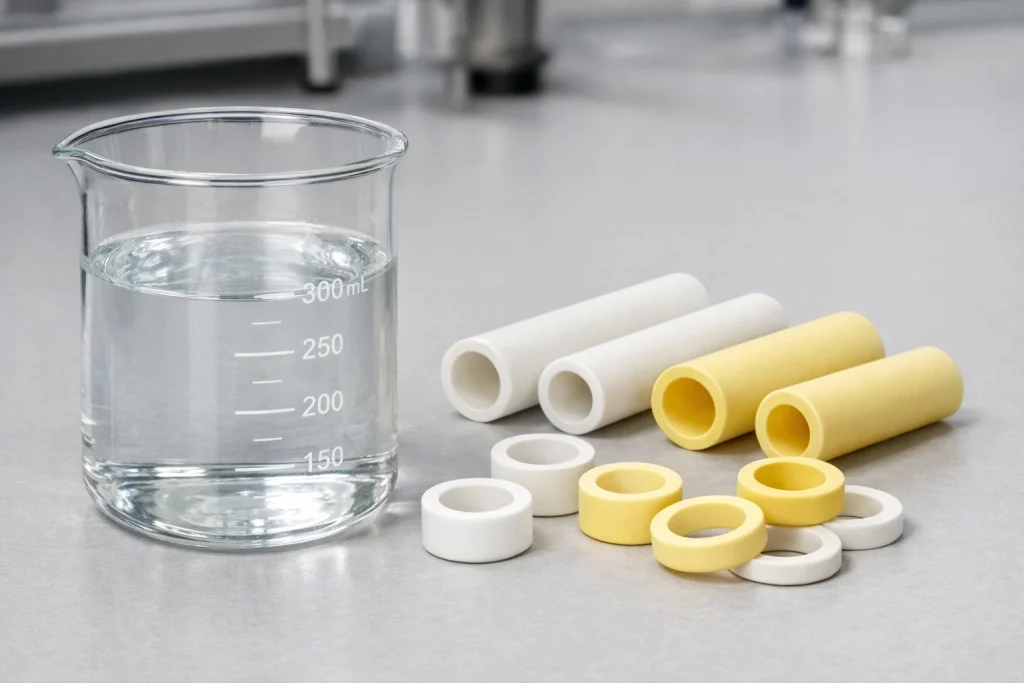
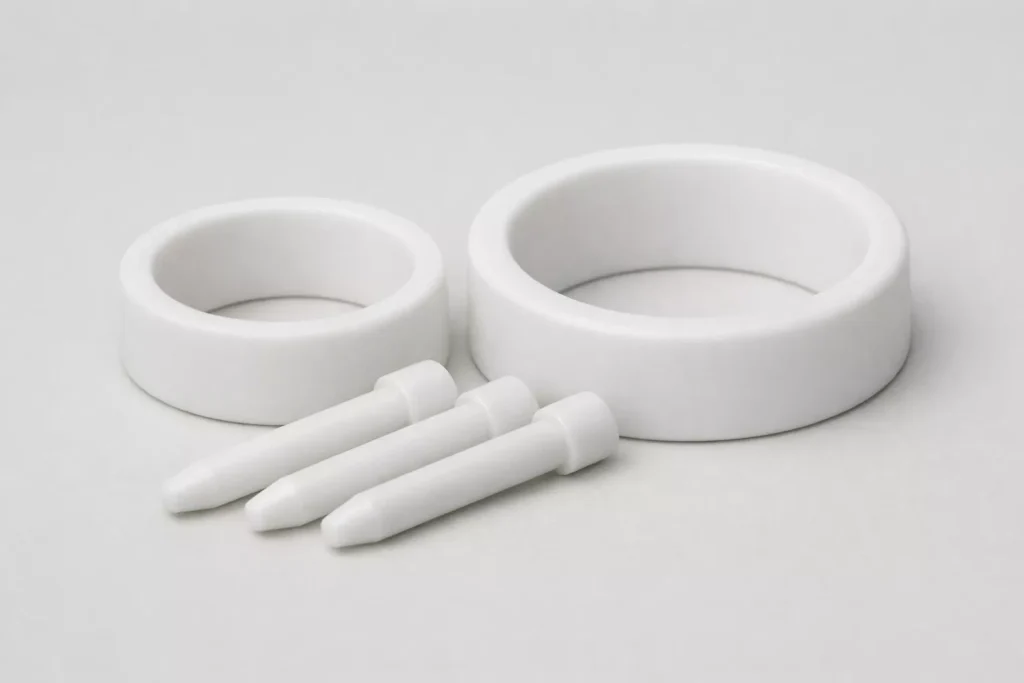
Zirconia Ceramic (ZrO₂) : High-Toughness Tubes, Balls & Precision Components
ADCERAX manufactures industrial zirconia ceramics in China, covering Y-TZP, Mg-PSZ (MSZ), and related material routes for wear, corrosion, high-pressure, and thermal-cycling service.
We supply tubes, rods, balls, beads, crucibles, valve and pump components, gauges, plates, and drawing-based custom zirconia ceramic components. Every RFQ gets an engineering review — material route, geometry, tolerance, and working conditions — before we quote.
Typical starting points:
- Pump & valve wear parts: seats, balls, plungers, sleeves
- Wire, textile & metal-forming guides and rollers
- Furnace fixtures, sensor ceramics, and old-part replacement

Advanced Zirconia Ceramics Built for Industrial Resilience
Zirconia Ceramics are engineered ceramic materials designed to withstand extreme wear, corrosion, and thermal shocks in high-value industrial systems. These components are preferred where metallic parts fail under aggressive media or magnetic sensitivity.
Built from ZrO₂ Ceramic stabilized with yttria or magnesia, they offer unmatched dimensional precision and mechanical reliability.
Each Zirconium oxide ceramic part supports both standard and complex geometries with stable microstructure and low porosity.
Compressive strength ≥ 2000 MPa (typical Y-TZP)
typically to ~1000°C for Y-TZP in air; higher for Mg-PSZ
resistivity exceeds 10¹² Ω·cm
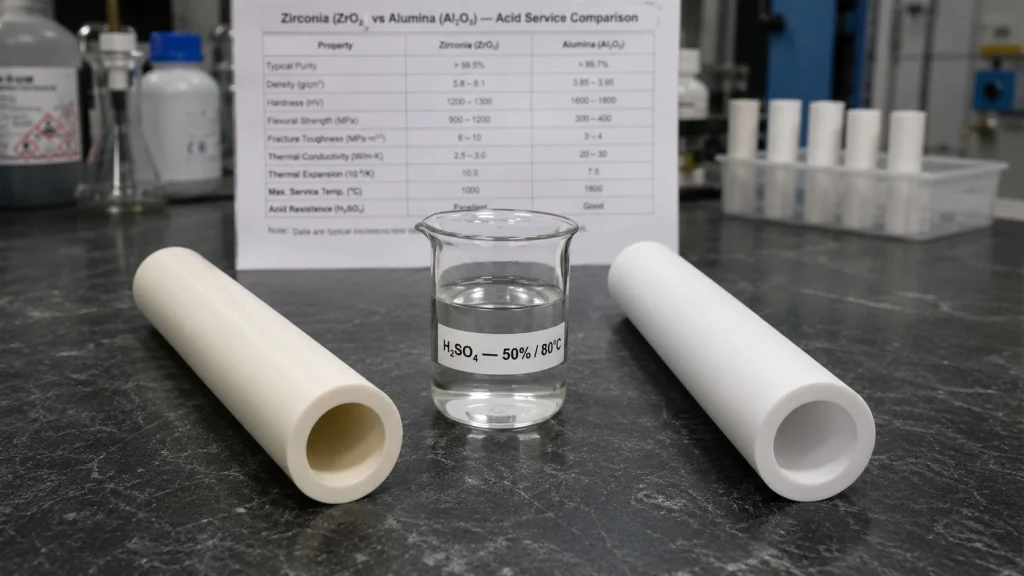
stable in acid/alkali conditions
Valve seats, balls, plungers, sleeves
Send media, pressure, tolerance and wear mode.
Y-TZP
3Y-TZP
Thermal cycling, humid heat, refractory
Confirm temperature, atmosphere, cycle frequency.
Mg-PSZ
MSZ
Impact chipping, vibration, shock
Send failed-part photos or damage description.
Ce-TZP
Mg-PSZ
Alumina cost vs zirconia toughness
Review ZTA instead of forcing full zirconia.
ZTA
ATZ
Y-TZP, Mg-PSZ / MSZ, Ce-TZP and ZTA: What to Review First
Y-TZP is usually the first grade to review for precision wear parts, valve seats, balls, plungers and guides.
Mg-PSZ / MSZ is reviewed for thermal cycling, humid heat, molten-metal contact or heavy-load replacement parts.
Ce-TZP or ZTA may be considered when impact chipping, cost balance or alumina-to-zirconia upgrade is the main concern.
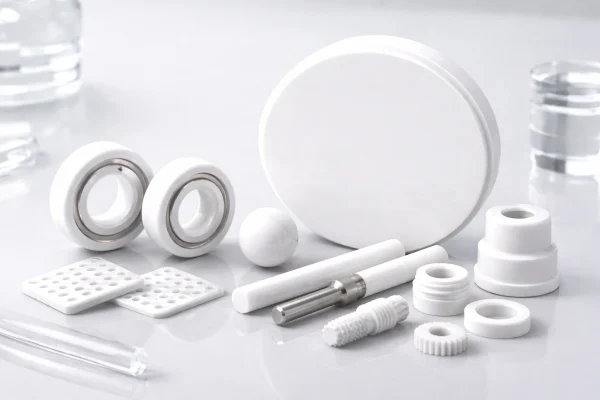
High-strength precision wear parts, pump and valve components, ceramic balls, sleeves and guides.
Review when: Tight tolerance, wear resistance and fine grinding are required.
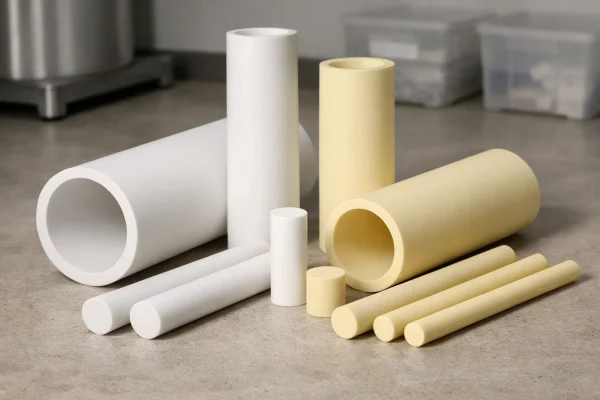
Thermal cycling, humid heat, molten-metal contact and heavy-load replacement parts.
Review when: Temperature, atmosphere or repeated thermal shock is a concern.
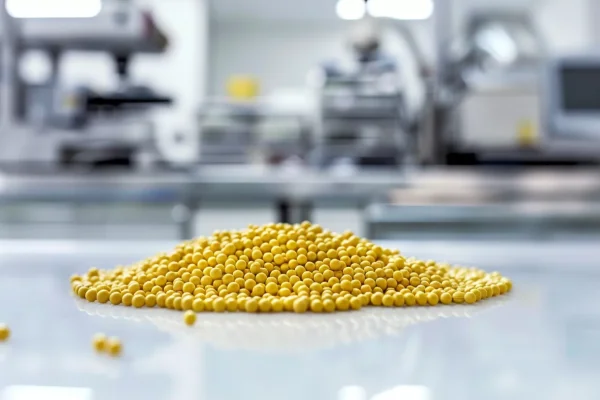
Parts that keep chipping under impact, vibration or repeated mechanical stress.
Review when: Impact resistance is more important than standard strength data.
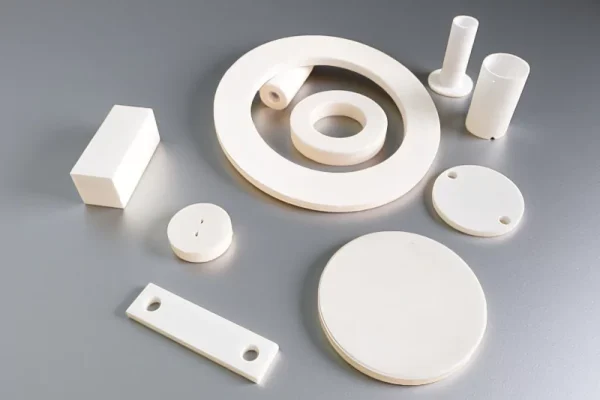
Projects that need a balance between alumina cost and zirconia toughness.
Review when: Full zirconia may be unnecessary or over-specified.
Send your drawing, old-part photo, media, temperature, pressure, tolerance and quantity.
Choose the Right Zirconia Ceramic Grade for Your Application
Start with the service condition, not only the material name. ADCERAX reviews grade selection by wear mode, media, temperature, pressure, tolerance and quantity.
Zirconia Ceramic Properties: Y-TZP, PSZ & MSZ Data
Zirconia Ceramics offer a balanced combination of thermal endurance, electrical insulation, chemical stability, and mechanical toughness for mission-critical use.
| Key Parameter | Y-TZP | PSZ | MSZ |
|---|---|---|---|
| Density (g/cm³) | 6.05 | 5.85 | 5.70 |
| Maximum Service Temperature | 1000 °C(air) | ~1500-1600 °C by grade | ~1500-1600 °C by grade |
| Thermal Expansion Coefficient (20–1000 °C) | 10.3×10⁻⁶/K | 10.5×10⁻⁶/K | 9.6×10⁻⁶/K |
| Thermal Conductivity (W/m·K) | 2.5 | 2.2 | 2.0 |
| Thermal Shock Resistance | >300 °C | ~250 °C | ~220 °C |
| Flexural Strength (MPa) | ≥1000 | ~850 | ~650 |
| Compressive Strength (MPa) | ≥2000 | ~1800 | ~1500 |
| Vickers Hardness (HV0.5) | >1200 | ~1150 | ~1000 |
| Fracture Toughness (MPa·m½) | 8-10 | 6–8 | 6–8 |
Typical values for material selection; properties vary with stabilizer, grain size and processing. For certified values on a specific part, request an engineering review with your drawing.
Zirconia Ceramic Products & Custom Parts
ADCERAX provides precision-engineered Zirconia Ceramics across 9 product categories, each designed for distinct high-performance industrial uses.
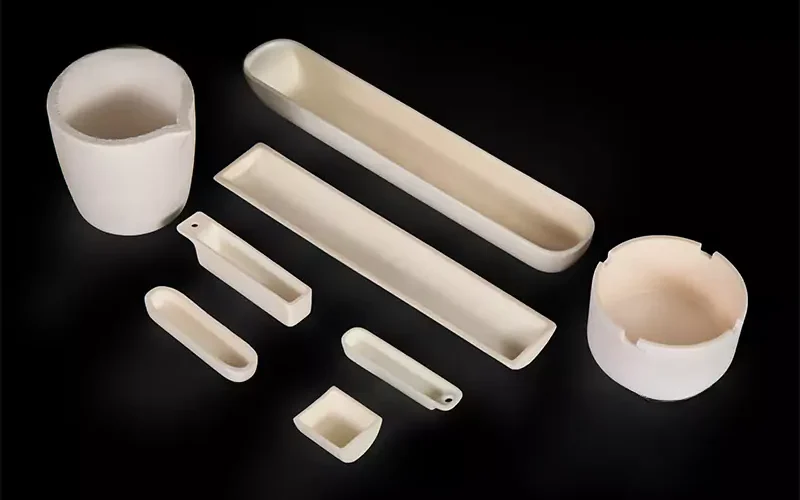
Zirconia Crucible
Engineered for oxide melting, high-temp reaction containment, and vacuum sintering.
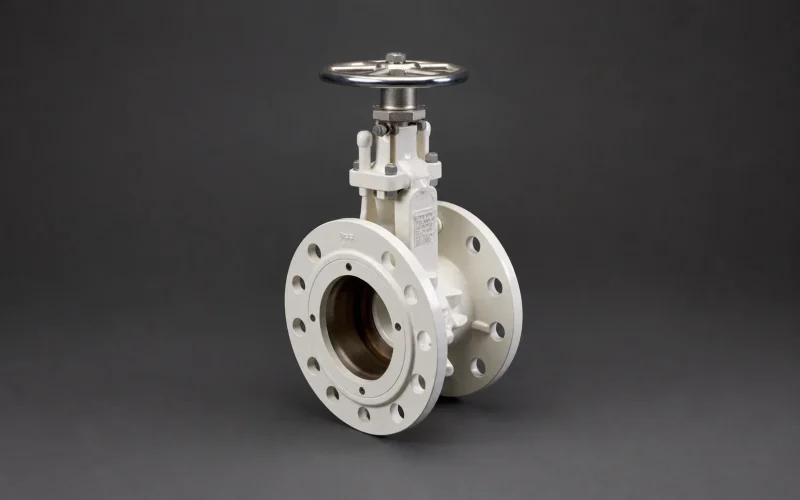
Zirconia Valve
Designed for fluid control in abrasive, acidic, or high-pressure systems.
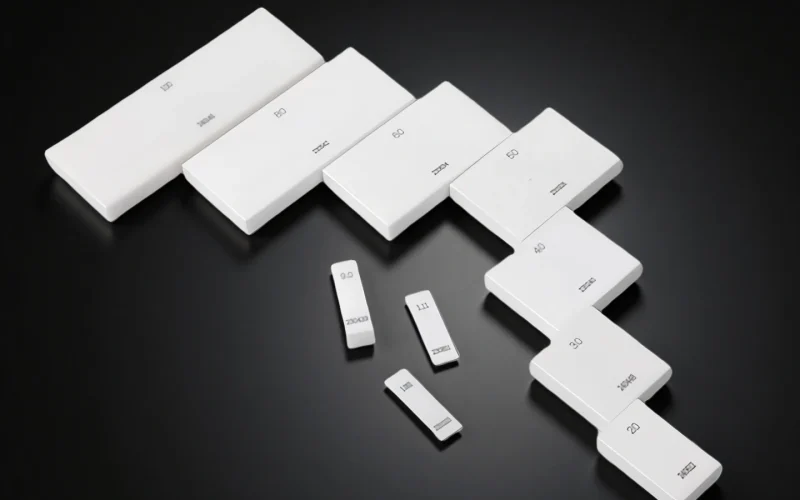
Zirconia Gauge
Used in tool calibration, tolerance setting and automated detection lines.
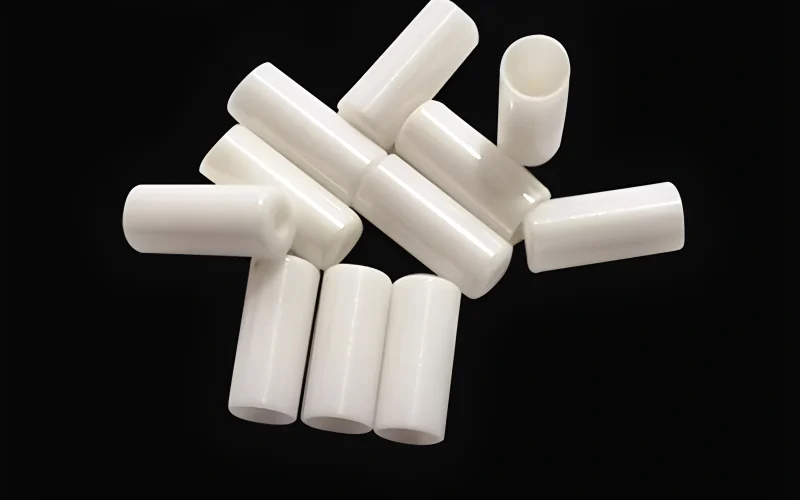
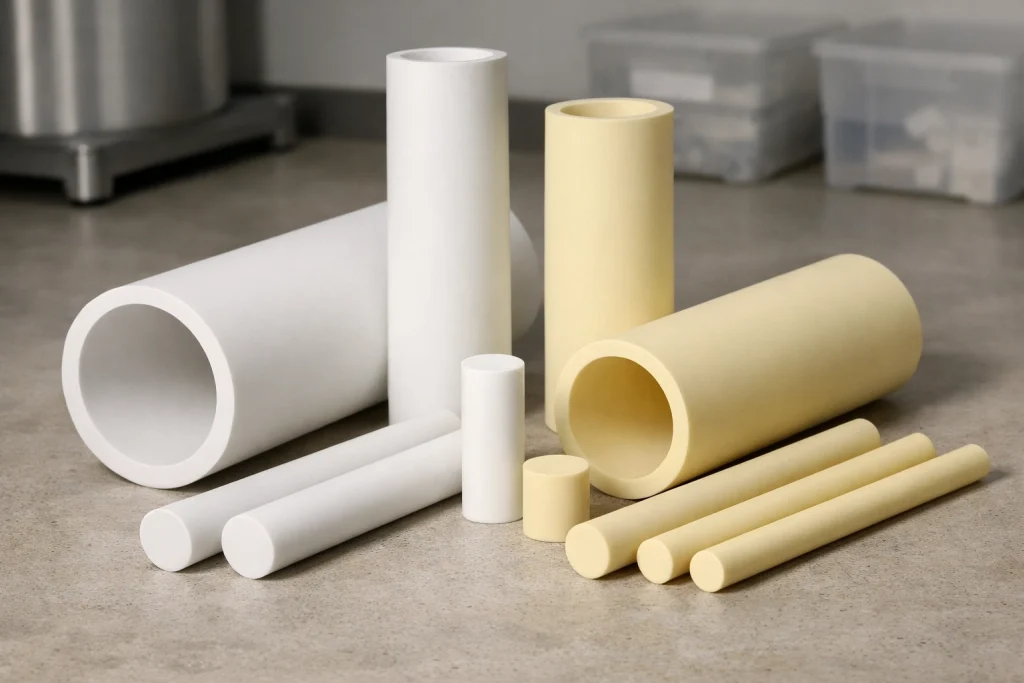
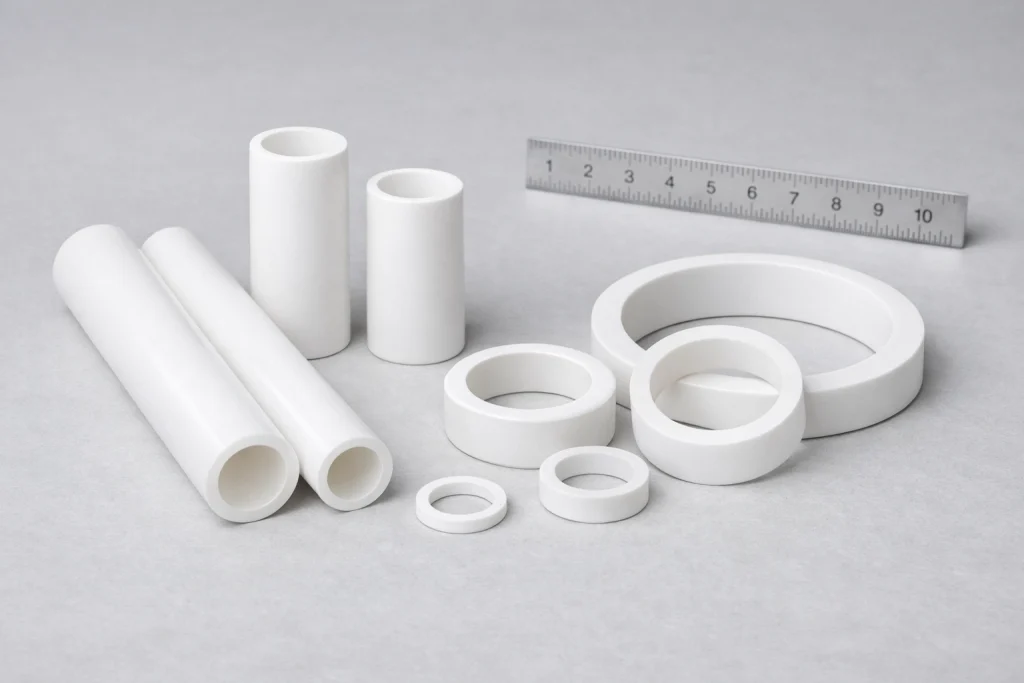
Zirconia Tubes
Used for gas flow control, insulation and thermal processing applications.
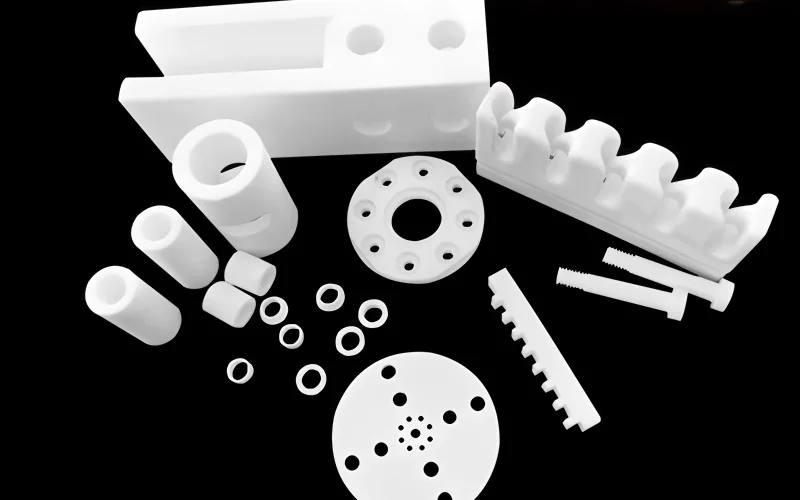
Zirconia Ceramic Components
Custom-shaped parts for mechanical systems, sensors, and material handling tools.
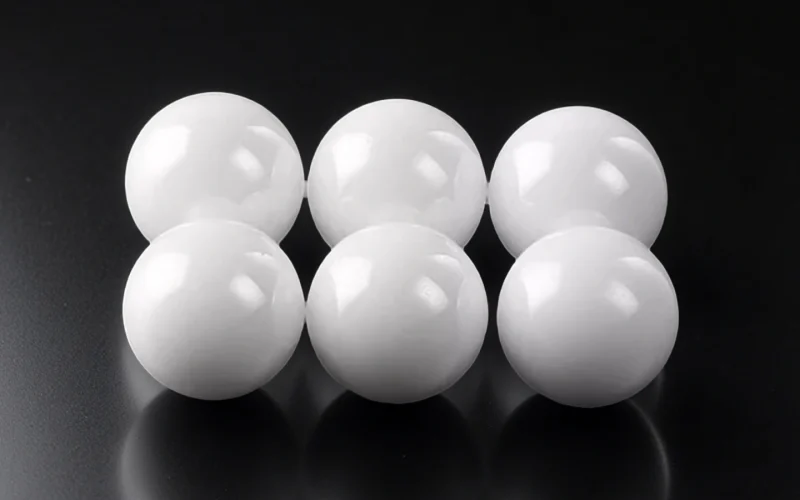
Zirconia Ball
Applied in mechanical bearings, dispersing media, and rotational alignment.
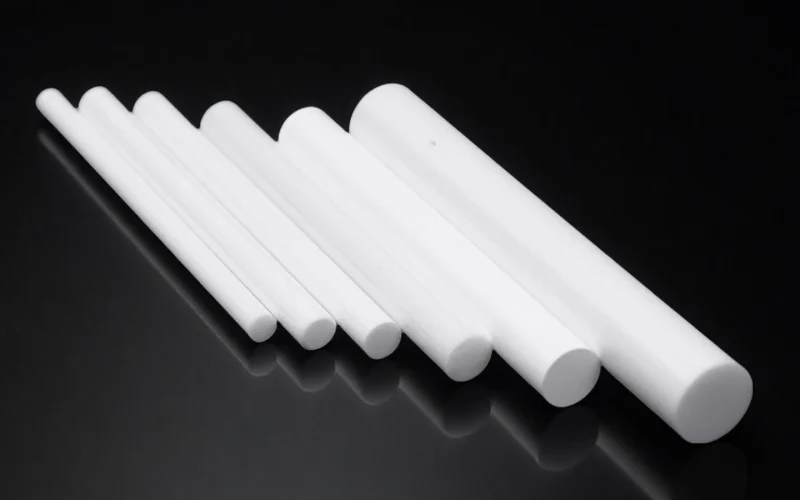
Zirconia Rods
Ideal for drive shafts, guide pins, alignment parts and non-metallic bearings.
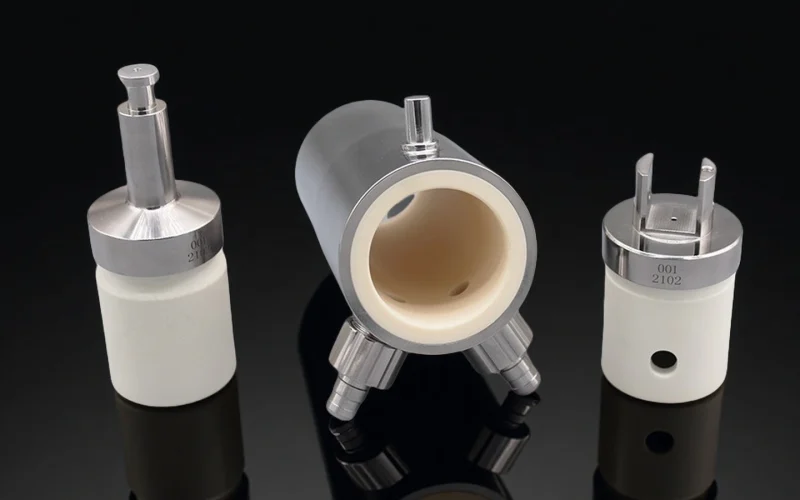
Zirconia Pump
Critical in metering, filling, and dosing tasks for chemical and medical systems.
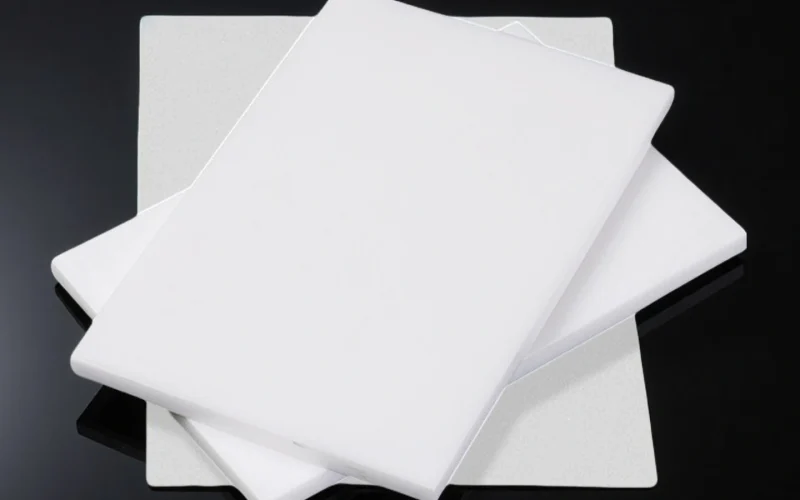
Zirconia valve seats, balls, plungers and sleeves outlast metal trim in abrasive, corrosive or high-pressure media, and protect metal bodies from wear and leakage.
Ceramic wire guides, thread guides and rollers reduce scratching, groove wear and downtime on drawing and winding lines.
Y-TZP grinding beads and milling media keep contamination low in paint, ink, battery-slurry and pigment milling.
Y-TZP balls combine high fracture toughness with fine surface finish for hybrid bearings and metering motion.
ZrO2 crucibles, setters and fixtures handle melting, sintering and thermal cycling where metals distort.
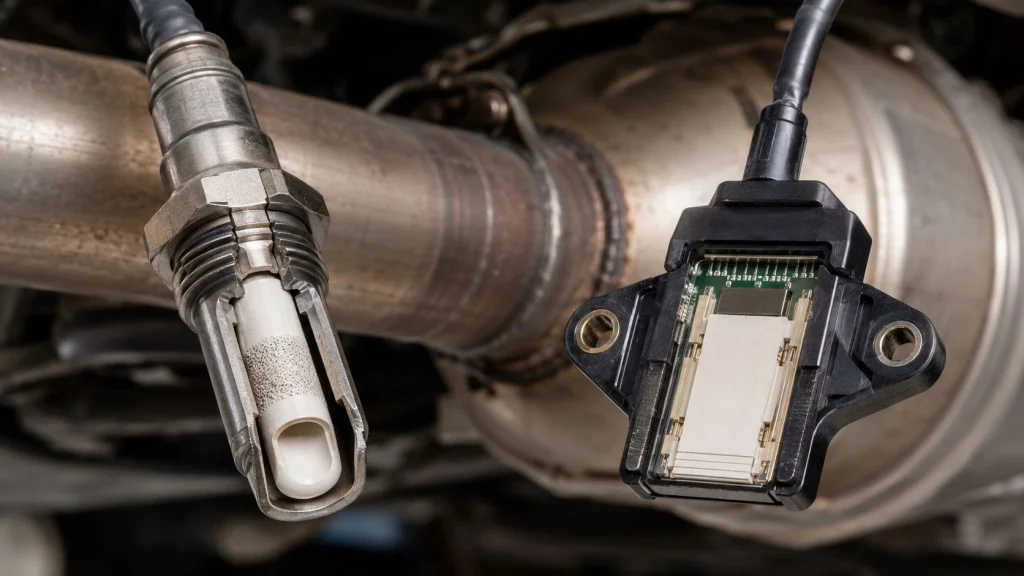
YSZ ceramics serve oxygen sensors and related functional parts; geometry and grade need engineering confirmation.
Zirconia Ceramics Applications: Pumps, Valves, Guides & More
ADCERAX zirconia ceramics are used in industrial applications that require high wear resistance, chemical stability, and mechanical strength. Typical uses include semiconductor equipment, battery processing, fluid control, precision gauging, and high-temperature metal handling.
Zirconia Ceramic Machining Capabilities
ADCERAX runs the full zirconia process in-house — forming, sintering, precision machining and inspection — under one process control. Your drawing is reviewed by our engineers before quotation, and the same process records keep trial parts and repeat orders consistent.
In-house forming & sintering
Blanks made on our own production line — not bought-in and re-machined.
Engineering review before quotation
A ceramic engineer checks route, geometry and tolerance before you get a price.
Trial-to-repeat consistency
The same process records control your first sample and your hundredth batch.
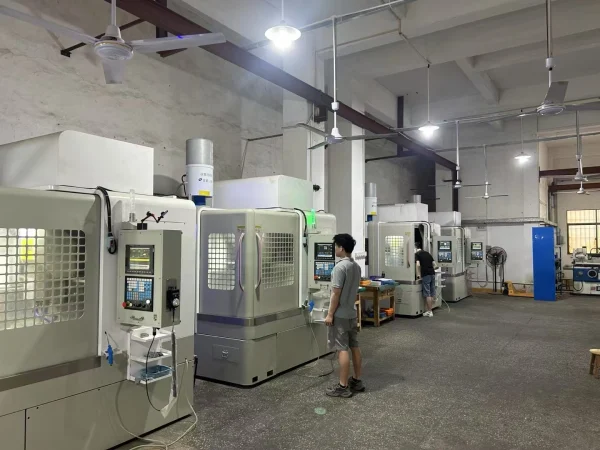
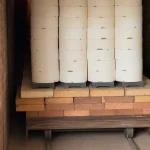
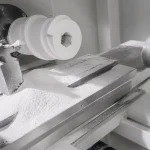
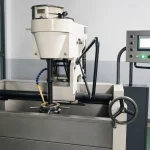
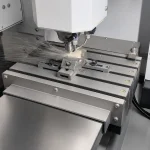
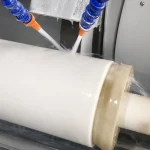
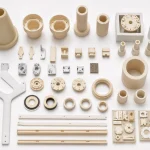
In-House Process: From Blank to Finished Part
Green density and sintering curves are controlled in-house, so machining starts from a known material state.
Diamond grinding brings parts to final tolerance — ground, not just fired.
Each piece verified against your drawing; records stay with the batch.
Steps, bores, grooves and mating faces shaped with repeatable fixturing.
Residues removed before inspection — clean sealing and fluid-contact faces.
Bonded or inserted assemblies quoted after engineering review.
Machining Equipment & Process Control
The equipment below exists for one purpose: holding your tolerances batch after batch.
| Category | Specification | Detail | Application Focus |
|---|---|---|---|
| Machining Center | 5-axis CNC Milling Systems | ±0.01 mm repeat accuracy | High-precision bearing and valve parts |
| Laser Equipment | Industrial Laser Marking and Engraving | 0.02 mm linewidth resolution | Code traceability, ID marking |
| Inspection Tools | Digital Micrometers & CMMs | Tolerance verification to ±0.002 mm | Quality assurance for custom fittings |
| Forming Tools | Hydraulic Isostatic Presses (CIP) | Uniform density up to 3.5 g/cm³ | Critical shaping for rod and sleeve blanks |
| Thermal Processing | High-Temp Sintering Furnaces (up to 1700°C) | Controlled shrinkage and grain growth | Densification of zirconia structures |
| Polishing Lines | Precision Lapping & Polishing Machines | Surface roughness Ra < 0.2 µm | Optical-grade and fluid-contact surfaces |
| Threading Units | Ultrasonic and Diamond Tooling Systems | Non-metallic thread forming | M6/M8 ports and custom fluidic joints |
| Batch Traceability | ERP-Integrated Manufacturing Record System | Full-process material batch logging | Critical for regulated industry supply |
Three core processes define what we can machine — and which parts they fit best.
CNC ultra-fine turning
The cylindrical turning process is performed with micron-level control on high-rigidity CNC lathes.
-
Equipment High-rigidity ceramic CNC
lathes - Finish Ra 0.2 µm achievable
- Tolerance Typical ±0.01 mm
- Use cases Valve stems, plungers, shafts

Multi-axis grinding
Step faces and precision flats are ground using 5-axis grinders with dynamic toolpath compensation.
- Equipment CNC grinders, in-process dressing
- Flats & steps Verified per drawing
- Chamfering CNC-controlled fillets
- Use cases Valve seats, gauges, plates

Laser-assisted drilling
Advanced laser CNC platforms allow non-contact, thermally-stable drilling of dense zirconia ceramics.
- Equipment Laser micro-drilling platforms
- Holes Size range per drawing review
- Thermal Minimal heat-affected zone
- Use cases Nozzles, filter discs, sensors

See our quality & inspection process →
Custom Zirconia Ceramics: From Drawing to Delivery
ADCERAX manufactures custom zirconia ceramic components from your drawing, old part or sample — from one-off prototypes to repeat batch production.
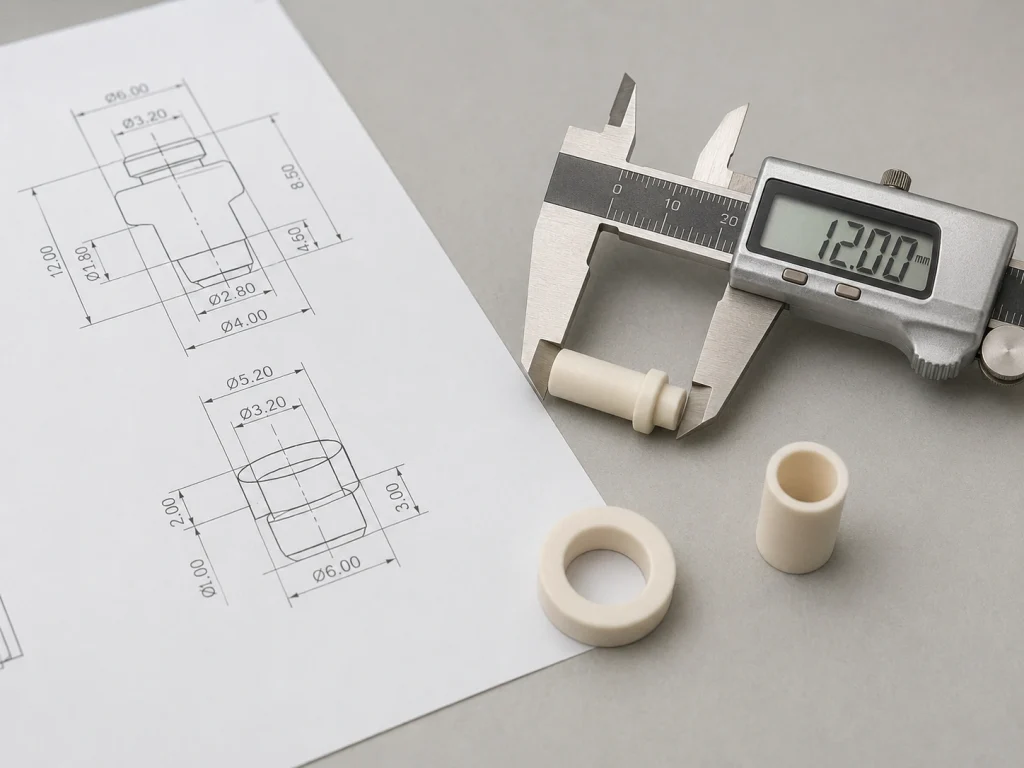
What to Send for a Custom Zirconia Ceramic RFQ
Send these six items and our engineers can review manufacturability and material route before quotation — usually without a second round of questions:
| RFQ item | Why it matters |
|---|---|
| Part name / function | Valve seat, plunger, sleeve, roller, guide, fixture or sensor part — each drives a different route. |
| Drawing, old-part photo or sample | Defines geometry, mating surfaces and machinability. |
| Dimensions, tolerance, surface finish | Determines sintering, grinding and cost. |
| Material route or failure history | Tells us whether Y-TZP, MSZ, Ce-TZP, ZTA — or another ceramic — fits better. |
| Temperature, media, load, motion | Flags corrosion, thermal-shock, wear or insulation risks early. |
| Quantity and end use | Sets sample plan, tooling and repeat-production path. |
Missing some of these? Send what you have — the engineering review will list what is still needed.
Customization process
Send your drawing, old part or sample — engineers review route and manufacturability before quoting.
After quote approval, we prototype 1–50 pcs for testing and validation when needed.
Batch production follows the same process records, with dimensional inspection on every batch.
Securely packed and shipped via DHL, FedEx, UPS or your forwarder, with export documentation.
Why Choose ADCERAX for Your Zirconia Ceramic Needs?
Choosing the right advanced ceramic supplier is crucial for the success of your industrial projects. ADCERAX stands out as a reliable and competitive partner.
We confirm whether Y-TZP, MSZ or another ceramic truly fits your working conditions.
Geometry, tolerance and mating surfaces reviewed from your drawing or old part before quotation.
Small-batch trial first; the same process records keep repeat orders consistent
Talk directly to the engineers who review and make your parts — no intermediary markup.
Zirconia ceramics are used where metal or ordinary ceramic parts wear, corrode or fail: valve seats, balls and plungers in pumps and valves, wire and thread guides, grinding media, bearing balls, sleeves, rollers, crucibles and furnace fixtures. High fracture toughness (typically 8-10 MPa·m½ for Y-TZP) also makes it the usual choice when other ceramics chip.
Review Y-TZP first for precision wear parts needing high strength and fine grinding. Review Mg-PSZ (MSZ) for thermal shock, humid heat or heavy-load replacement parts. Review Ce-TZP when parts keep chipping under impact. Send your working conditions — we confirm the route in the engineering review.
Stress at a crack tip triggers a tetragonal-to-monoclinic phase change with about 4% volume expansion, which squeezes the crack shut and absorbs energy. This gives zirconia the highest fracture toughness of common engineering ceramics, typically 3-5x that of alumina.
The main causes are low-temperature degradation (LTD) of Y-TZP in humid service around 150-400°C, phase destabilization above about 1000°C, thermal-shock cracking from steep temperature gradients, and surface damage from improper grinding. Prevention is route selection: use Ce-TZP or MSZ for steam and thermal cycling, control heating rates, and specify proper grinding. Share your failure history in the RFQ and we check the route before quoting.
| Failure Mode | Root Cause | Affected Grade | Prevention |
|---|---|---|---|
| Low-Temperature Degradation (LTD) | Moisture-induced tetragonal-to-monoclinic transformation at 150-400°C | Y-TZP primarily | Avoid humid environments above 200°C; use ceria-stabilized zirconia (Ce-TZP) for steam applications |
| High-temp phase degradation | Yttria diffusion and phase destabilization above 1000°C | Y-TZP | Use PSZ or MSZ for temperatures >1000°C |
| Thermal shock cracking | Zirconia's low thermal conductivity causes steep temperature gradients | All grades | Control heating/cooling rates; use PSZ for thermal cycling applications |
| Surface chipping | Improper grinding generates surface cracks that propagate | All grades | Use proper diamond grinding parameters; specify surface finish requirements |
| Contact fatigue | Repeated contact stress causes subsurface crack initiation | Bearing applications | Ensure proper load distribution; avoid point contacts |
💡 Engineering Tip: The #1 cause of premature Y-TZP failure in industrial applications is using it in humid environments above 200°C without understanding the LTD (Low-Temperature Degradation) mechanism. Always verify your operating conditions before specifying Y-TZP.
Ground zirconia parts typically hold ±0.05 mm; finish grinding can reach ±0.005 mm on specific dimensions after drawing review. Polished surfaces can reach Ra below 0.2 µm for sealing and precision-motion faces.
Yes — volume resistivity is typically above 10¹² Ω·cm at room temperature, suitable for high-voltage and dielectric isolation uses. Note that YSZ becomes ionically conductive at high temperature, which is exactly why it works in oxygen sensors.
Often yes in abrasive, corrosive or high-pressure media, where zirconia outlasts metal trim and protects the valve body. It is not a blind drop-in: geometry, mating parts, impact loads and media must be reviewed first. Send the old part photo or drawing for a replacement review.
Yes — yttria-stabilized zirconia becomes an oxygen-ion conductor above roughly 600°C, which is the working principle of lambda and industrial oxygen sensors. Sensor-grade geometry and materials need engineering confirmation.
Part function, drawing or old-part photo, dimensions and tolerance, material route or failure history, working conditions, and quantity. See the RFQ checklist above — send what you have and the engineering review lists the rest.
Zirconia Ceramics FAQ
Get in touch with us
We believe that Adcerax will become your best partner!
Please fill in your contact information in the form or call us.
info@adcerax.com
Tel: +86-0731-84428843
WhatsApp: +86 19311583352
Within 24 hours
*Our team will answer your inquiries within 24 hours.
*Your information will be kept strictly confidential.