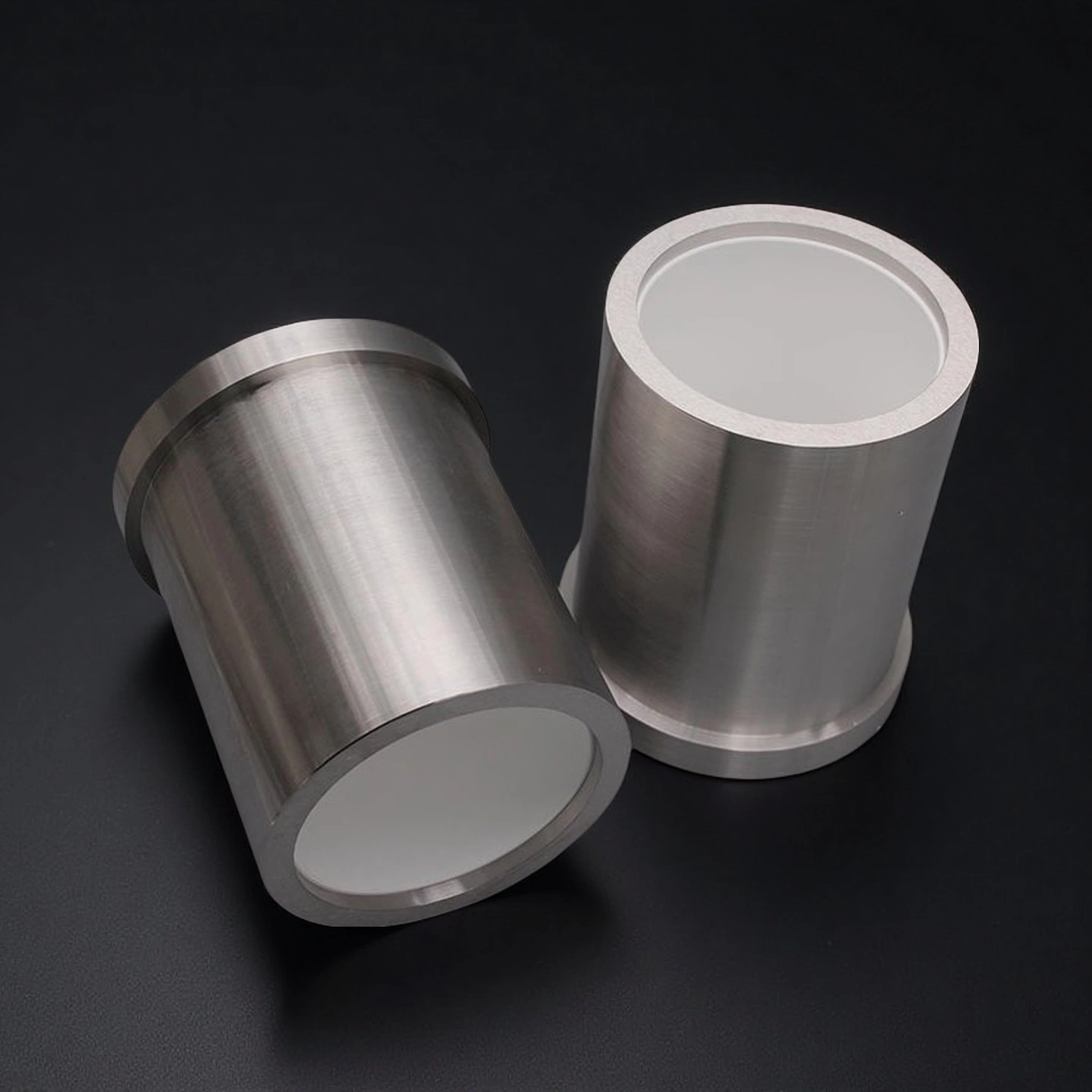
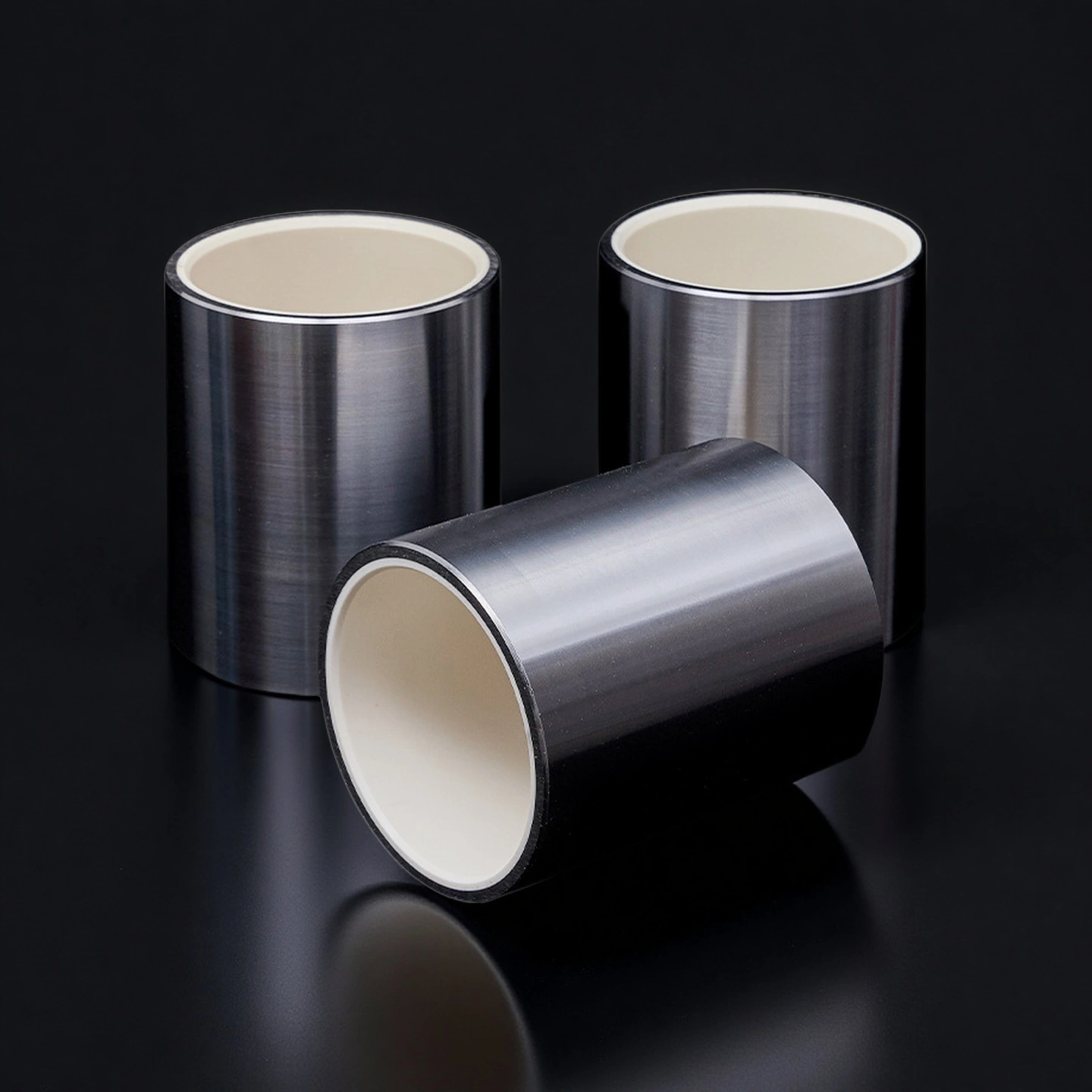
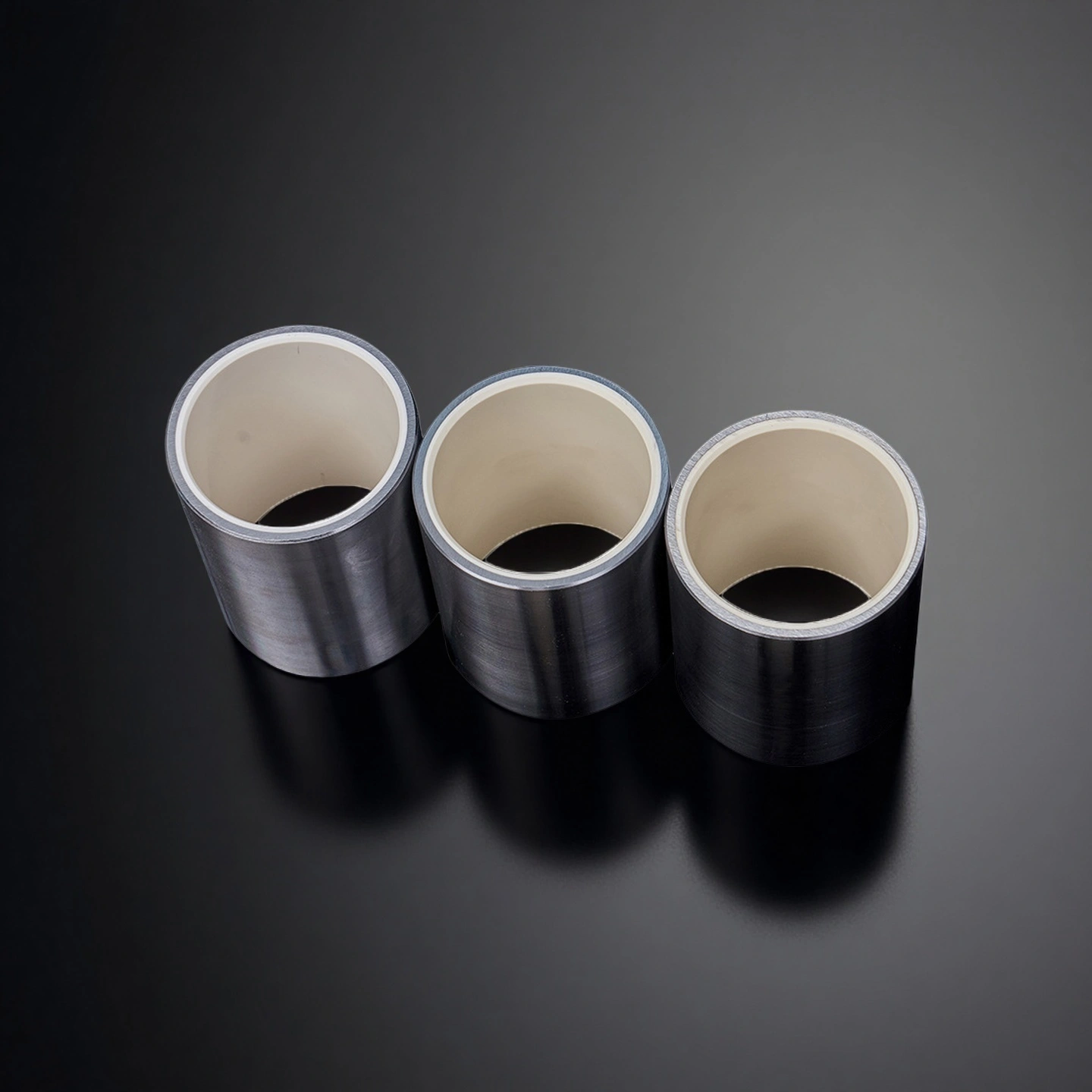
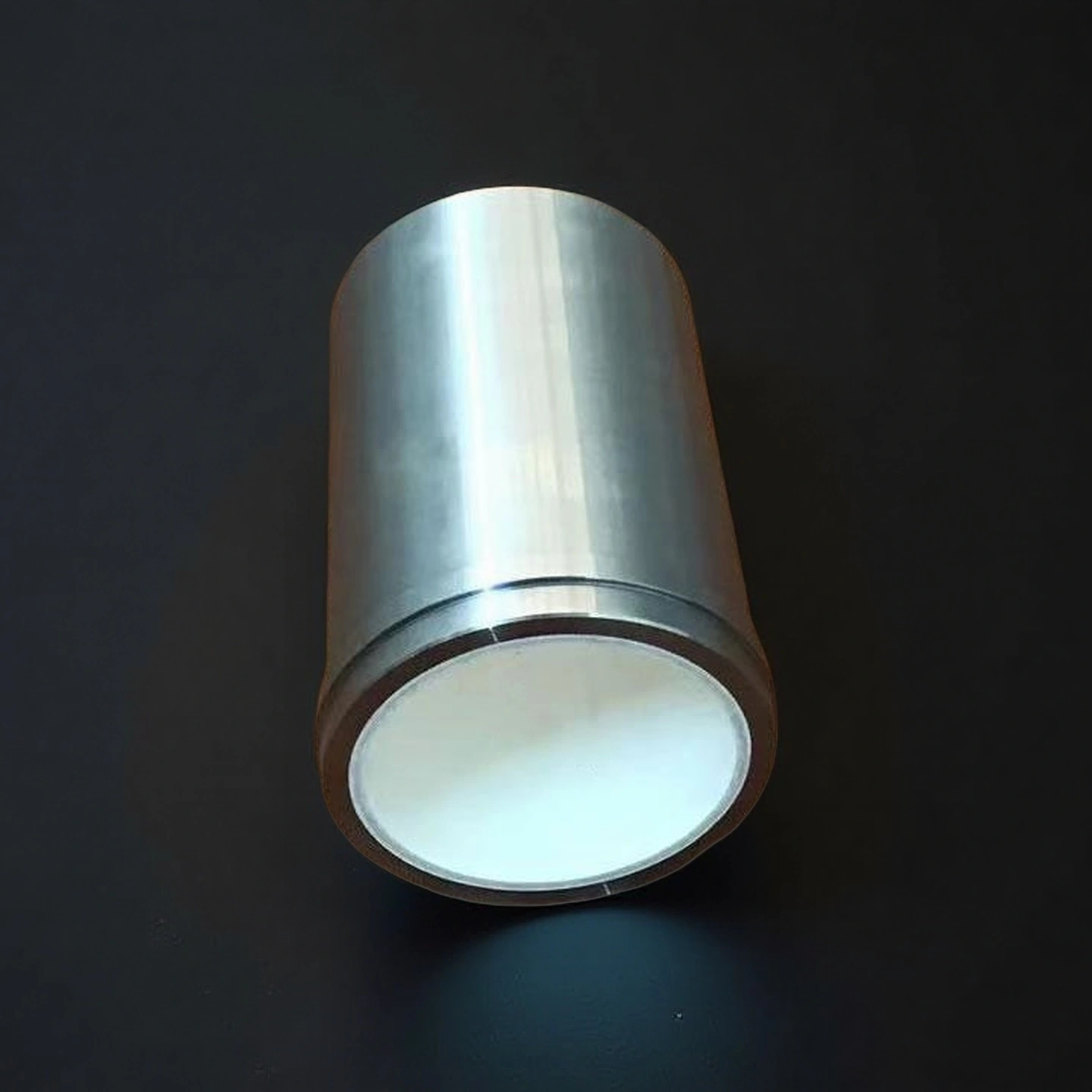
Alumina Ceramic Cylinder Liner

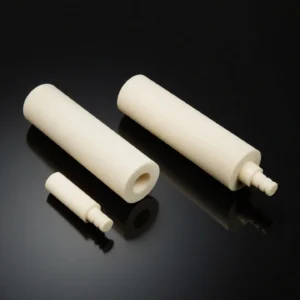
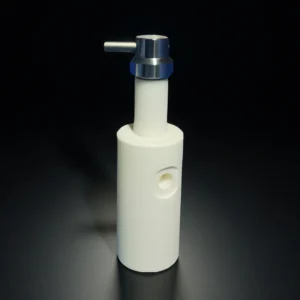
ADCERAX supplies alumina ceramic cylinder liners for mud pumps, slurry pumps, plunger pumps and metering pumps where metal liners lose the bore to abrasive or corrosive media. The polished alumina bore (Ra ≤0.3 μm) gives the piston or plunger a hard, smooth sealing surface that helps keep pressure output stable and extend liner and seal life in abrasive duty.

Catalog No. AT-GT-01
Material ≥ 96% Al2O3
Inner Diameter Tolerance ±0.02mm (custom range φ8mm–φ100mm)
Internal Bore Roughness Ra ≤ 0.3 μm
Dimensions/Sizes  Download PDF
Engineering RFQ Review
Small-Batch Custom Support
Drawing-Based Production
Drawing & Process Review

What Is an Alumina Ceramic Cylinder Liner?

An alumina ceramic cylinder liner is a wear part that forms the hard, smooth inner bore of a mud pump, slurry pump or plunger pump. It is the contact surface for the piston or plunger, so bore hardness, surface finish and roundness decide how long the pump holds stable pressure in abrasive media. Compared with a metal liner, the alumina bore resists scoring and corrosion, which is why ceramic liners are specified when drilling mud or process slurry wears a metal bore out of tolerance.

Alumina Ceramic Cylinder Liner Specifications

Item No. Diameter (mm) Thickness (mm) Purity
AT-GT-01 Customize

Download Size Guide

Alumina Ceramic Cylinder Liner Properties

The table below lists the ADCERAX dense sintered alumina grades used for cylinder liners. The standard liner grade is AD-ALU-960 (96% Al₂O₃); higher-alumina grades are selected when the medium or purity requirement calls for them.

Property Unit/condition AD-ALU-999 AD-ALU-997 AD-ALU-995 AD-ALU-990 AD-ALU-960 AD-ALU-950
Al₂O₃ content wt%, nominal 99.90 99.70 99.50 99.00 96 95
IEC 60672-3 group — C799 C799 C799 C795 C795 C795
Bulk density g/cm³, typical 3.94 3.94 3.90–3.92 3.80–3.91 3.70 3.75
Flexural strength MPa, 20 °C, typical 315–340 330 320–350 300–320 300 280
Compressive strength MPa, 20 °C, typical 2558–2900 2500 2400 2400 2000 2000
Young's modulus GPa, typical unless stated 359–375 370 365 355 275 at 20 °C 340
Fracture toughness K<sub>IC</sub> MPa·m½, method-dependent 3.8–4.2 3.6 3.5 3.3 3.5 at 20 °C 3.0
Thermal conductivity W/(m·K), typical 35–42 at 25 °C 35–40 at 25 °C 30–38 at 25 °C 24 at 25 °C 25 at 20 °C 18–25 at 25 °C
Mean CTE 10⁻⁶/K, stated range 7.6 (25–800 °C) 7.6 (25–800 °C) 7.6 (25–800 °C) 7.2 (25–800 °C) 8.2 (25–1000 °C) 7.6 (25–800 °C)
Color visual Ivory Ivory Ivory Ivory White Ivory / white
Water absorption %, selection limit unless stated ≤0.01 ≤0.05 ≤0.10 ≤0.10 ≈0, typical ≤0.20
Mohs hardness typical 9 9 9 9 / 9
Vickers hardness HV1, 1 kgf, typical / / / / 1600 /
Use temperature guideline °C, application-dependent 1750 1700 1650 1600 1600 max in air 1400


How to Choose the Right Liner for Your Pump

1. Confirm the Construction

  • Solid ceramic liner: Suitable for moderate pressure and simple mounting.
  • Ceramic liner in a steel shell: The shell preloads the ceramic and supports higher pressure.
  • Selection basis: Pump pressure and the original liner design.

2. Define the Bore Working Zone

Specify:

  • Bore ID and tolerance
  • Sealing-zone roughness
  • Cylindricity over the full stroke

These features directly affect seal life and pressure stability.

3. Match the Grade to the Medium

  • AD-ALU-960: General drilling-mud and mineral-slurry service.
  • AD-ALU-995 or higher: Strongly acidic or alkaline media, or purity-sensitive duties.
  • Zirconia or ZTA: Consider for heavy impact or rapid pressure cycling.

4. Provide the Drawing and Duty Data

Send:

  • Pump make, model and liner part number
  • Drawing or worn sample
  • Medium, solids content and particle size
  • Pressure and temperature

ADCERAX reviews these details before quotation to confirm a manufacturable liner.

Common Liner Failure Modes & Controls

Eccentric Bore Wear

  • Cause: Misaligned plunger or crosshead wears one side of the bore.
  • Control: Concentricity and runout are ground to the drawing datums. Pump alignment must still be checked during installation.

Edge Chipping During Installation

  • Cause: Point loading or side loading on ceramic edges.
  • Control: Use defined chamfers, radii, bore caps and cushioned packaging. Follow the housing drawing for press or shrink fitting.

Seal-Zone Scoring

  • Cause: Oversized particles cut grooves in the sealing area.
  • Control: Use a suitable bore finish and upstream filtration. Include actual particle size in the RFQ.

Loss of Pressure Stability

  • Cause: Bore wear increases clearance and causes pressure ripple or lower output.
  • Control: Measure the ID against the pump maker’s wear limit. Replace oversize liners instead of re-polishing them in place.

Shell or Bond Failure

  • Cause: Incorrect interference or failed bonding in steel-backed liners.
  • Control: Review the seat bore, shoulder and fit against the housing drawing before production.

Alumina Ceramic Cylinder Liner Packaging

Each alumina ceramic cylinder liner is packed to protect the polished bore, end faces and chamfered edges through handling and international shipment. The packing method is matched to liner size, wall thickness and surface finish before dispatch.

  • Bore protection: the bore is capped or sleeved so nothing touches the polished sealing zone in transit.
  • Edge protection: end faces and chamfers are cushioned to remove chipping risk from point contact.
  • Individual separation: liners are separated so ceramic never rides against ceramic.
  • Outer packaging: reinforced cartons or wooden cases are selected by order size and shipping method.
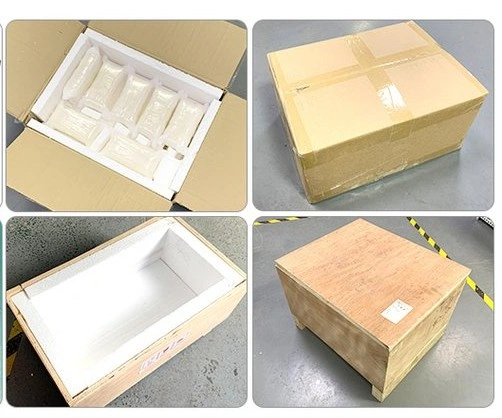
Alumina Ceramic Cylinder Liner Packaging

Alumina Ceramic Cylinder Liner Applications

ADCERAX liners go where a metal bore wears or corrodes out of tolerance. These are the duties we build for, and the problems each one solves:

  • Mud pumps on drilling rigs

    Replacing bimetal liners that lose the bore to drilling mud. The alumina bore holds its diameter and finish between service intervals, so pressure output stays stable and liner changes stop driving the maintenance schedule. API-range IDs are reviewed against the specific pump model.

  • Slurry and mineral-processing pumps

    Ore slurry, tailings and dredging media score metal bores quickly. The dense alumina bore resists particle wear, keeping the piston clearance — and the flow rate — where the process needs it.

  • Plunger and high-pressure pumps

    The polished Ra ≤0.3 μm sealing zone protects plunger seals, which is where most high-pressure pumps actually fail first. Less seal wear means fewer leaks and a flatter pressure curve.

  • Chemical metering and dosing pumps

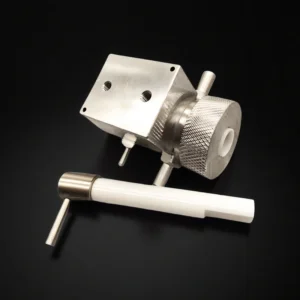
    Acids, alkalis and solvents corrode metal liners and contaminate the dosed medium. Alumina is chemically stable in most process fluids and adds no metal ions; it also pairs naturally with an alumina plunger as a matched set.

  • Filling machines in food, pharma and cosmetics

    Piston fillers need a bore that survives daily cleaning cycles without rusting or shedding metal. The ceramic liner handles aggressive cleaning agents and keeps the fill volume repeatable.

User Guide — Alumina Ceramic Cylinder Liner

Each liner is checked against the drawing for ID, cylindricity and surface roughness before packing.

  • Installation

    1. Inspect the bore for chips, scratches and handling marks. Confirm ID, cylindricity and Ra.
    2. Deburr the housing and mating parts. Seat the liner on its datums and keep it square during pressing or shrink fitting.
    3. Apply a compatible lubricant to the piston, plunger or seal. Confirm stroke alignment before startup.

  • Operation

    1. Never run the liner dry. Increase pressure gradually and watch for unusual noise or rapid heating.
    2. Monitor temperature, vibration and pressure ripple. Stop and inspect if pressure ripple increases.
    3. Keep particles within the pump specification and use upstream filtration where necessary.

  • Storage

    1. Store dry at room temperature in the original packaging, with the bore cap fitted.
    2. Do not stand the liner on its end face or load its edges. Separate parts to prevent ceramic-to-ceramic contact.

  • Cleaning

    1. Flush with clean water or a compatible solvent. Do not use wire brushes or abrasive pads.
    2. Wipe the sealing zone with a soft, non-abrasive cloth. Recheck the bore finish after aggressive cleaning.

  • Common Misuse & Remedies

    1. Edge chipping: Use two-point lifting and foam supports. Avoid impact with the floor or housing.
    2. Eccentric wear: Realign the piston, crosshead or rod and check concentricity before refitting.
    3. Heat buildup: Check seal interference and bore finish, then reduce preload if necessary.

Alumina Ceramic Cylinder Liner FAQ

  1. What is an alumina ceramic cylinder liner used for?
    It forms the wear and sealing bore in mud pumps, plunger pumps, chemical metering pumps and slurry-handling systems. It is specified when metal liners lose the bore to abrasion or corrosion and pressure output becomes unstable.
  2. Can an alumina ceramic liner replace a bimetal pump liner?
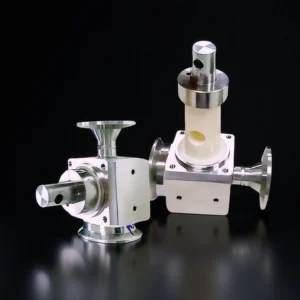
    Yes, when ID, OD, length, end structure and mounting match the original design. For high-pressure service the ceramic liner is reviewed together with a steel shell or matching seat so the assembly preload supports the ceramic.
  3. Is alumina better than zirconia or ZTA for pump liners?
    Alumina is the first choice when hardness, chemical stability and cost-effective wear resistance lead the requirement. Zirconia or ZTA serve better under heavy impact or fast pressure cycling. ADCERAX supplies all three and confirms the route from pressure, slurry content, particle size and seal design.
  4. What bore finish should I specify?
    A polished sealing zone, typically Ra ≤0.3 μm, protects the piston or plunger seals. The final value is set with the seal material, pressure and medium during drawing review.
  5. What information is needed for a custom liner quotation?
    Pump make and model, liner part number, drawing or worn sample, ID/OD/length/wall thickness, ID tolerance and bore roughness, chamfer design, operating pressure, medium, particle size, temperature and seal material. A drawing plus duty data is enough to start.
  6. How should liner wear be checked in service?
    Measure the ID against the pump maker's wear limit and inspect the bore for scratches, grooves or seal leakage. Growing pressure ripple or an oversize bore means the liner should be replaced rather than re-polished in place.
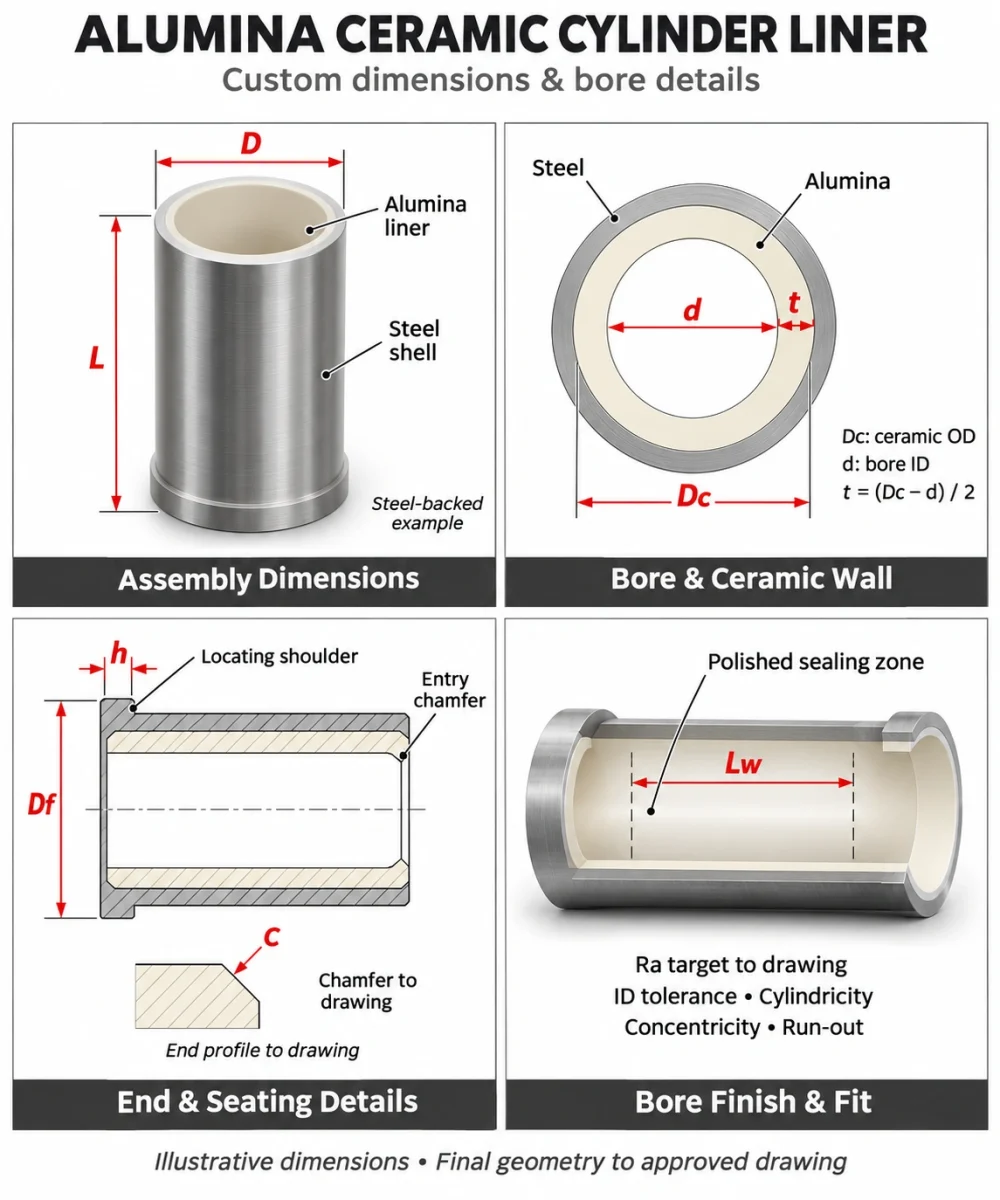
Alumina ceramic cylinder liner diagram showing steel shell, bore diameter, ceramic wall thickness, overall length, locating shoulder, entry chamfer and polished sealing zone.

Customize Alumina Ceramic Cylinder Liner

ADCERAX manufactures to drawing for OEM and retrofit projects. Send dimensional targets, bore finish requirements and the pump assembly details, and engineering review returns a manufacturable liner specification with the quotation.

  • Dimensions: ID, OD, length, wall thickness and straightness to drawing; ID tolerance ±0.02 mm standard, down to ±0.01 mm subject to drawing review.
  • Length capacity: up to 1,000 mm per piece, depending on geometry and wall thickness.
  • End details: straight ends, stepped ends, chamfers, counterbores and relief grooves to match the assembly.
  • Bore finish: as-fired, ground, or polished Ra ≤0.3 μm in the sealing zone, selected by seal contact requirements.
  • Shape and features: alignment shoulders, O-ring lands and seating shoulders designed to the pump structure.
  • Form and fit: cylindricity, concentricity and run-out reviewed against the mating hardware.
  • Compatibility: API-range IDs such as 4½″–7″ and matching plunger diameters reviewed per pump model.

Related Products

ADCERAX - Your Trusted Advanced Ceramics Manufacturing Partner

ADCERAX – Custom Ceramic Supply and Engineering Coordination
ADCERAX coordinates drawing review, production and inspection with manufacturing partners against agreed specifications.

China-Based Ceramic Supply Partner

ADCERAX coordinates custom ceramic supply for overseas OEMs, equipment builders, and labs.

Custom Drawing Support

We review drawings, dimensions, materials, and application conditions before quotation.

Ceramic Process Control

Forming, sintering, machining, grinding, and finishing are arranged by part requirements.

Pre-Shipment Inspection

Dimensional checks, visual inspection, and packaging review help reduce procurement risk.

Get in Touch with Us

Our team will be happy to respond to you in less than 24 hours.

Adcerax's factory

Quick Quotation

*Our team will review your inquiry and respond with the next steps.

*Your information will be kept strictly confidential.

Ready to Solve Your Engineering Challenge?

Partner with ADCERAX for reliable, high-performance advanced ceramic solutions. Our engineers are ready to discuss your project.

E-mail

info@adcerax.com

Phone

Tel: +86-0731-84428843 WhatsApp: +86 19311583352

Response Time

Within 24 hours

Quick Quote

The more details you provide, the faster we can quote.

*All inquiries are confidential.

Get Your Custom Solution

The more details you provide, the faster we can respond.

customize size

*We respond within 24 hours. All inquiries are confidential.

Download Catalog