What Is a Glass Mortar and Pestle Used For?
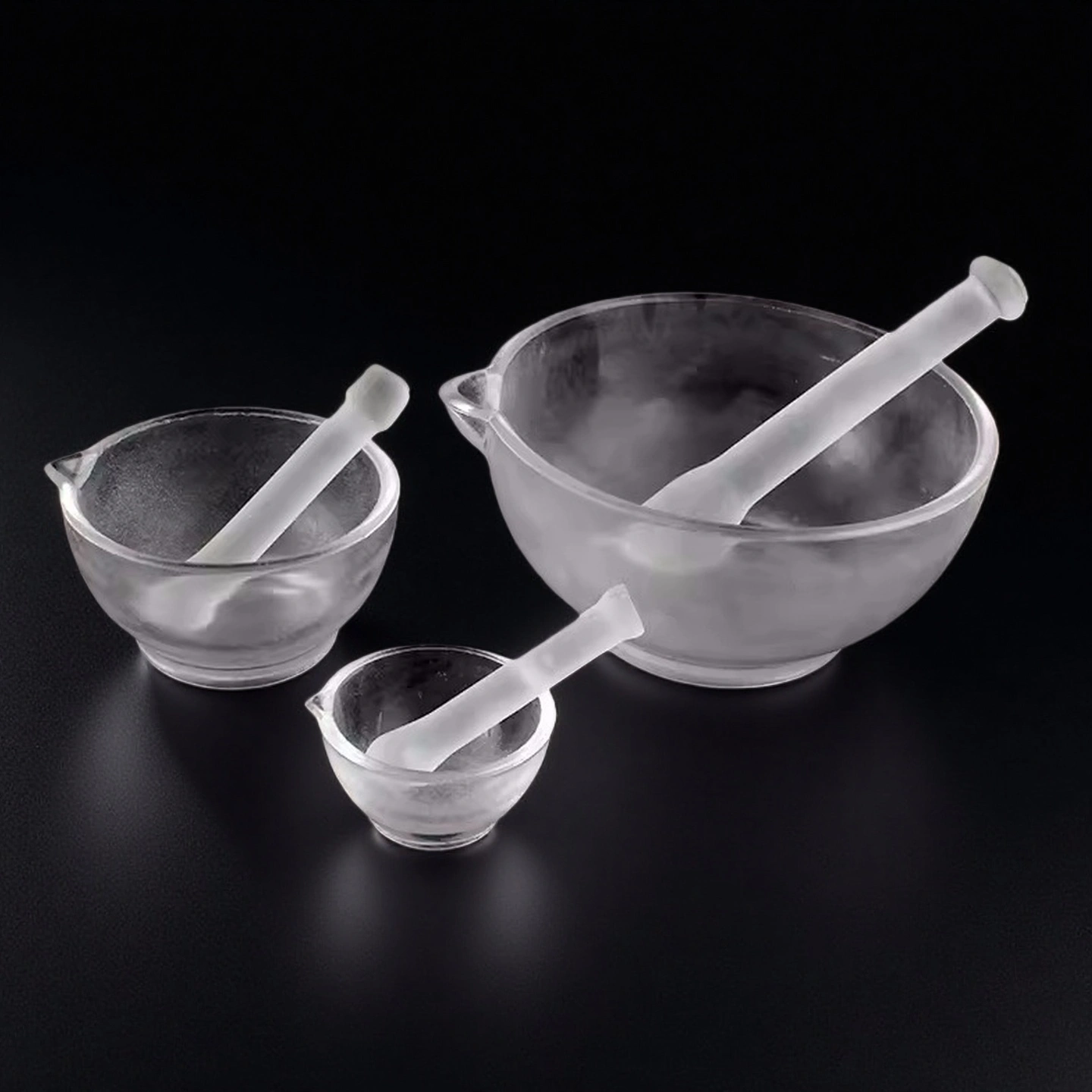
A glass mortar and pestle is used for manual grinding, crushing and mixing of soft solids, semi-solids, creams, pastes, liquids and suspensions. It is commonly selected in pharmacy compounding, QC laboratories, teaching labs and small formulation work where operators need to see the sample during preparation.
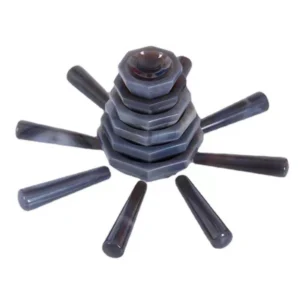
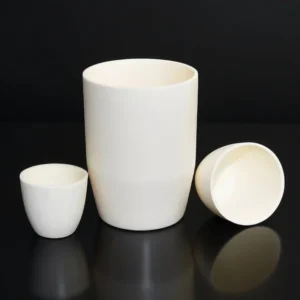
Compared with opaque porcelain or ceramic mortars, glass gives better visual control during mixing and cleaning. This makes it useful when color uniformity, residue inspection and batch-to-batch cleanliness are important. However, glass is not the best choice for very hard, abrasive or trace-sensitive powders. For those materials, agate, alumina or other ceramic mortars may be more suitable.
Key Benefits of Glass Mortar and Pestle Sets
Clear Sample Visibility
The transparent glass body allows technicians to observe color dispersion, paste texture and visible residue during grinding. This is especially useful for compounding, QC checks and teaching demonstrations where the operator needs to confirm whether the material has become uniform.
Frosted Working Surface for Controlled Mixing
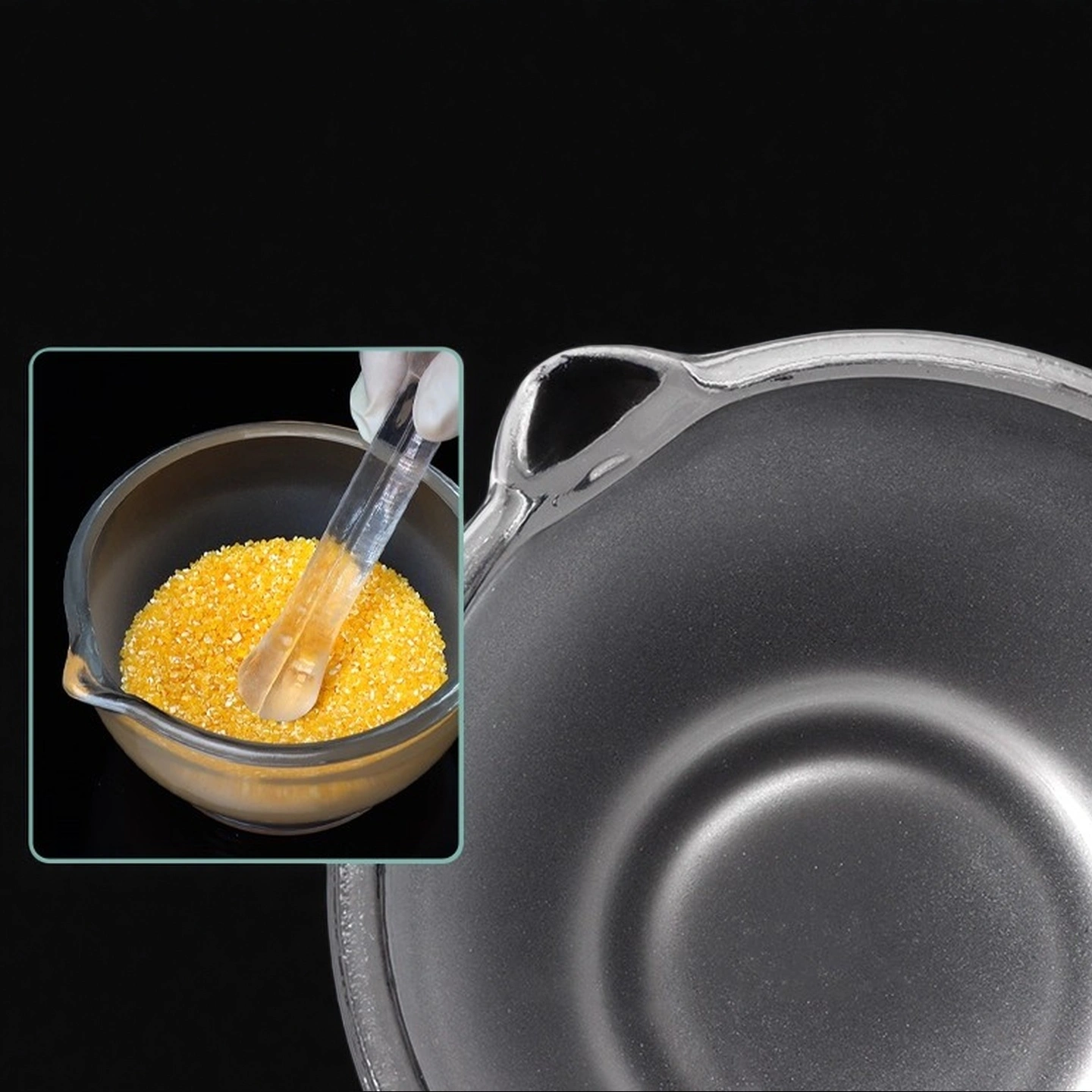
The frosted inner surface of the mortar and the contact end of the pestle provide friction for light grinding and mixing. This helps process soft powders, tablets, creams and semi-solid materials without relying on heavy impact.
Pour Spout for Cleaner Transfer
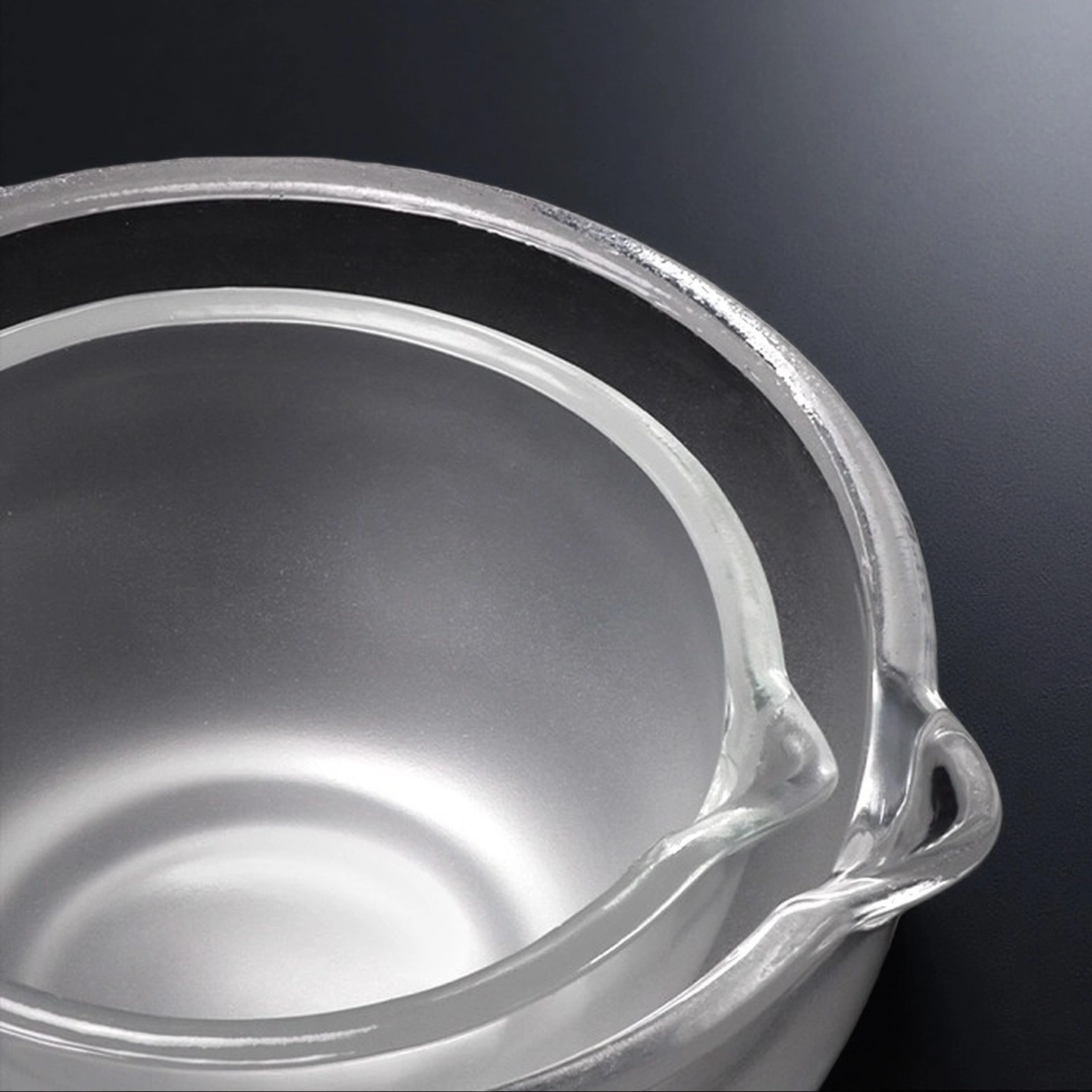
A pouring lip helps transfer prepared material into beakers, jars, weighing boats or sample containers. This is useful when the prepared sample is sticky, semi-fluid or difficult to scrape completely from the bowl.
Easy Cleaning and Residue Inspection
Glass is smooth, non-porous and easy to inspect after cleaning. Operators can visually check whether colored material, oily residue or powder deposits remain before the next sample is prepared.
Practical for Lab Kits and Repeat Supply
Standard size ranges make glass mortar and pestle sets suitable for educational kits, pharmacy supply catalogs, QC workstations and distributor programs that require consistent packaging and repeatable product matching.
Glass Mortar and Pestle Properties
| Parameter | Typical Specification / Option | Description |
|---|---|---|
| Reference Capacity | 30 / 60 / 120 / 240 mL (or 1 / 2 / 4 / 8 oz) | Nominal working volume of the mortar bowl. |
| Mortar Inner Diameter | Approx. 50–120 mm | Determines usable grinding area and batch size. |
| Mortar Height | Approx. 35–80 mm | Affects depth of the bowl and mixing behavior. |
| Material Type | Clear heavy flint glass / laboratory glass | Non-porous, transparent grinding and mixing surface. |
| Grinding Surface Finish | Frosted interior mortar base and pestle tip | Increases friction for more effective grinding. |
| Pestle Overall Length | Approx. 100–180 mm | Sized for comfortable hand grip and control during grinding. |
| Recommended Use Temperature | Ambient to mild warming, no rapid temperature shock | For typical room-temperature grinding of soft materials. |
| Chemical Compatibility | Suitable for many aqueous, alcoholic and solvent media | General laboratory use; not recommended for HF or strong alkali. |
Glass Mortar and Pestle Specifications
| Glass Mortar and Pestle | ||||
| Item | Inner Diameter(mm) | Botton Diameter(mm) | Height(mm) | Rod Length (mm) |
| AT-BL-YB1001 | 60 | 45 | 43 | 80 |
| AT-BL-YB1002 | 75 | 63 | 52 | 91 |
| AT-BL-YB1003 | 90 | 75 | 64 | 115 |
| AT-BL-YB1004 | 120 | 90 | 76 | 135 |
| AT-BL-YB1005 | 150 | 105 | 80 | 150 |
| AT-BL-YB1006 | 180 | 132 | 100 | 180 |
Glass vs Porcelain vs Agate Mortar and Pestle
| Material | Best For | Not Ideal For | ADCERAX Selection Note |
|---|---|---|---|
| Glass Mortar and Pestle | Creams, gels, suspensions, tablets, visual mixing and easy cleaning | Hard abrasive powders, impact grinding and trace-sensitive mineral preparation | Choose glass when visual control and cleaning are more important than high grinding hardness. |
| Porcelain Mortar and Pestle | General laboratory grinding, dry powders and teaching labs | Applications requiring transparent observation or extremely clean trace analysis | Choose porcelain for general-purpose lab grinding with good chemical resistance. |
| Agate Mortar and Pestle | Harder materials, trace analysis, mineral powders and contamination-sensitive preparation | Large-volume compounding or low-cost teaching kits | Choose agate when wear resistance and low contamination are the priority. |
| Alumina / Ceramic Mortar | Higher wear resistance and stronger ceramic contact surface | Applications requiring full visibility during mixing | Choose ceramic when the sample is more abrasive and visual observation is less important. |
Packaging and Bulk Supply Support
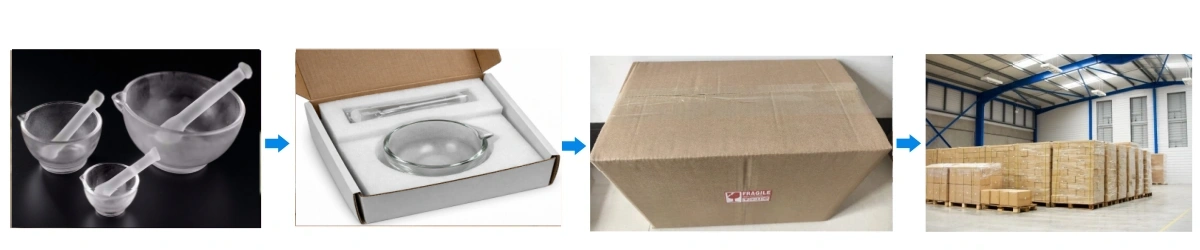
- Glass mortar and pestle sets are packed with separation between the bowl and pestle to reduce impact during transport. ADCERAX can review individual wrapping, inner box protection, carton reinforcement and matched-set labeling for distributor orders, teaching kits or repeated laboratory supply.
- For fragile glassware, packaging should protect the pouring lip, frosted grinding surface and pestle head. Foam, paper cushioning or custom compartments can be used according to order quantity and shipping method.